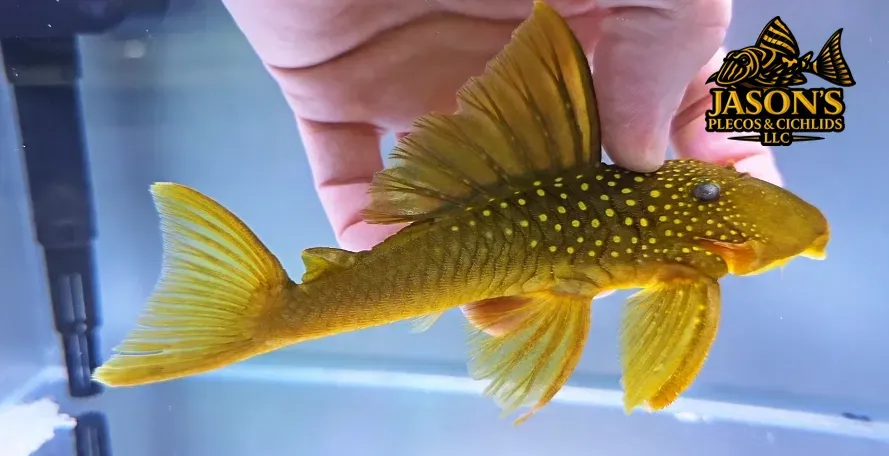
L200 Green Phantom Pleco - (Hemiancistrus subviridis)
5.0
1 review
Reviews from verified customers who have purchased products at this store.
$75.00
Wild Caught
was $80.00 Save 6%
Size
Questions, Comments, Concerns? Let us know!
Enter your text
Price of shipping is not included.
In stock: 1 available
1
Save this fish to my favorites.
Customer reviews
Reviews only from verified customers
Reviews are only accepted from verified customers who have signed in and purchased the products. This ensures that each review is based on genuine customer experiences. All reviews are checked before publication to prevent spam.
NORTH ARLINGTON,
United States
Sep 10, 2024
This customer didn’t leave a review but rated the product.
L200 Green Phantom Pleco - (Hemiancistrus subviridis)
Fish Details, Description and Information Below:
🟢 L200 Green Phantom Pleco – (Hemiancistrus subviridis) – Wild-Caught Upper Orinoco Pleco
The L200 Green Phantom Pleco (Hemiancistrus subviridis) is one of the most distinctive South American plecos, famous for its beautiful olive-green to yellow-green body covered with contrasting cream, yellow, or pale golden spots.
Depending on the individual and collection locality, the body may appear:
- Olive green
- Yellow-green
- Dark green
- Brownish green
- Gray-green
with numerous pale spots concentrated especially across the:
- Head
- Front half of the body
- Dorsal fin
- Pectoral fins
The Green Phantom originates from the upper Rio Orinoco region of Venezuela and Colombia, where it inhabits warm, flowing, highly oxygenated water and shelters within cracks and spaces among large granite rocks.
L200 was formally described in 2005 as:
Hemiancistrus subviridis
The species should not be confused with the L200 Hi Fin Green Phantom, which is a completely different species:
Baryancistrus demantoides
Both historically received the aquarium number L200 because of their similar green coloration, but they can be distinguished anatomically and should always be maintained and identified separately.
The Green Phantom is an omnivorous aufwuchs grazer, consuming algae, biofilm, detritus, and small invertebrate foods. It should therefore receive a balanced diet containing both plant-based foods and meaningful animal or insect protein.
This listing is for:
WILD-CAUGHT L200 GREEN PHANTOM PLECOS
🔎 Quick Facts – L200 Green Phantom Pleco
- 📛 Common Name: Green Phantom Pleco
- 📛 Other Names: L200 Green Phantom Pleco
- 🔢 L-Number: L200
- 🔬 Scientific Name: Hemiancistrus subviridis
- 📅 Formally Described: 2005
- 🐟 Family: Loricariidae
- 🧬 Subfamily: Hypostominae
- 🌿 Stock: Wild Caught
- 📏 Current Size: Approximately 4–5 inches
- 🌎 Origin: South America
- 🌊 Native Drainage: Upper Rio Orinoco and Rio Casiquiare systems
- 🇻🇪 Primary Native Range: Venezuela
- 🇨🇴 Broader Modern Range: Orinoco Basin of Venezuela and Colombia
- 📍 Type Locality: Rio Orinoco, Amazonas, Venezuela
- 🪨 Natural Habitat: Granite cracks and interstitial spaces in flowing water
- 💧 Water Type: Freshwater
- 📏 Scientific Record: Approximately 15 cm / 5.9 inches standard length
- 📏 Adult Planning Size: Approximately 8–10 inches total length
- 🏠 Recommended Aquarium: 75 gallons or larger
- 👥 Groups / Breeding Colonies: Approximately 90–125+ gallons
- 📐 Aquarium Shape: Long and wide aquarium strongly preferred
- 🌡️ Temperature: Approximately 79–86°F
- 💧 pH: Approximately 6.0–7.2
- 💦 Water: Soft to moderately mineralized
- 💨 Oxygenation: High
- 🌊 Water Movement: Moderate to Strong
- 🍽️ Diet: Omnivorous Aufwuchs Grazer
- 🌿 Algae / Vegetable Foods: Important
- 🦐 Animal / Insect Protein: Important
- 🚫 Algae Cleaner: Should not be purchased solely for algae control
- 😌 Temperament: Generally peaceful toward midwater fish
- ⚠️ Pleco Temperament: Territorial around caves and similar bottom dwellers
- 🌙 Activity: Primarily crepuscular / nocturnal
- 🥚 Breeding: Cave Spawner
- 👨👧 Parental Care: Male guards eggs and developing fry
- ⭐ Care Level: Intermediate
- 🌎 Conservation Status: Least Concern
🧬 Formally Described Species
The currently accepted scientific name is:
Hemiancistrus subviridis
The species was formally described in:
2005
by:
- David C. Werneke
- Mark H. Sabaj Pérez
- Nathan K. Lujan
- Jonathan W. Armbruster
The scientific name remains valid in the current Catalog of Fishes.
Therefore, the correct modern identification is:
L200 Green Phantom Pleco – (Hemiancistrus subviridis)
🌿 What Does subviridis Mean?
The species name:
subviridis
refers approximately to:
GREENISH
which is an appropriate name for a fish famous for its unusual olive-green to yellow-green coloration.
🟢 Appearance
The Green Phantom has a distinctive body coloration uncommon among plecos.
Typical colors include:
- Olive green
- Yellow-green
- Dark moss green
- Brown-green
- Gray-green
covered with pale spots that may appear:
- Yellow
- Cream
- Pale gold
- Yellow-white
✨ Spotting
The pale spots are usually most numerous on the:
- Head
- Cheeks
- Front half of the body
- Pectoral fins
- Dorsal fin
Spot size and density can differ greatly between individuals.
Some adults may have:
- Dense small spots
while others develop:
- Fewer larger spots
🔄 Geographic Color Variation
Green Phantom coloration can vary noticeably depending on collection locality.
Specialist observations have documented a geographic color gradient, with some populations being:
- Darker green
- More heavily spotted
and others becoming:
- Lighter green
- More yellow-green
- Less intensely spotted
as location changes along the river system.
Therefore:
EXACT ADULT GREEN COLOR CANNOT BE GUARANTEED
⚠️ Color Disclaimer
The Green Phantom can change color according to:
- Stress
- Shipping
- Aquarium background
- Lighting
- Diet
- Water quality
- Age
- Collection locality
A newly imported fish may temporarily appear:
- Gray
- Brown
- Pale olive
and become considerably greener after settling.
🔢 Two Different Fish Are Called L200
This is one of the most important identification issues with this pleco.
The aquarium number:
L200
was historically applied to:
TWO COMPLETELY DIFFERENT SPECIES
🟢 Standard L200 Green Phantom
Hemiancistrus subviridis
and:
🟢 L200 Hi Fin Green Phantom
Baryancistrus demantoides
These fish look similar but are:
NOT THE SAME SPECIES
and are not even placed in the same genus.
🆚 L200 Green Phantom vs. L200 Hi Fin
A reliable anatomical feature separates them.
Standard L200 – Hemiancistrus subviridis
The:
DORSAL FIN IS NOT CONNECTED TO THE ADIPOSE FIN
by a membrane.
The fish generally has:
- Lower dorsal profile
- Olive-green coloration
- Pale spotting
- Typical Hemiancistrus body shape
L200 Hi Fin – Baryancistrus demantoides
The:
DORSAL FIN IS CONNECTED TO THE ADIPOSE FIN
by a membrane.
It also typically has:
- Taller shark-like dorsal fin
- More pronounced sail appearance
- Similar green/yellow coloration
This is one of the best ways to correctly separate the two.
⚠️ Do Not Mix the Two L200 Forms
Because they share an L-number:
ALWAYS INCLUDE THE SCIENTIFIC NAME
when listing or breeding these fish.
For this product:
L200 = Hemiancistrus subviridis
Your separate Hi Fin product should remain:
L200 Hi Fin = Baryancistrus demantoides
🔵 L200 vs. L128 Blue Phantom
The L200 Green Phantom is also closely associated with the:
L128 Blue Phantom Pleco – (Hemiancistrus sp. L128)
L128 generally differs by displaying:
- Blue-gray coloration
- Slate coloration
- Bluish-indigo tones
- Often more numerous spots
rather than the stronger:
OLIVE / GREEN
appearance of L200.
🧬 Is L128 the Same Species?
The exact relationship between:
L128
and:
Hemiancistrus subviridis
remains scientifically unresolved.
Their:
- Body structure
- Geography
- Spotting
- General appearance
are extremely similar.
Intermediate-looking populations have contributed to speculation that L128 could represent a geographic form of the Green Phantom complex.
However:
L128 HAS NOT BEEN FORMALLY IDENTIFIED AS H. subviridis
Therefore:
- Keep L128 as L128
- Keep L200 as L200
- Do not substitute the scientific names
- Do not mix breeding lines if preserving aquarium phenotypes
🌎 Native Distribution
Hemiancistrus subviridis occurs primarily within the:
UPPER RIO ORINOCO SYSTEM
Current scientific records include the:
- Rio Orinoco
- Rio Ventuari
- Rio Casiquiare
- Rio Iguapo region
The species occurs within the broader Orinoco system of:
- 🇻🇪 Venezuela
- 🇨🇴 Colombia
📍 Type Locality
The holotype was collected from the:
RIO ORINOCO
approximately:
117 KM WEST OF LA ESMERALDA
in:
AMAZONAS, VENEZUELA
The original type specimen measured approximately:
133.5 MM STANDARD LENGTH
🌊 Scientific Distribution
Scientific records document the species from the Orinoco:
UPSTREAM OF THE ATURES RAPIDS
through parts of the upper river system.
Records include:
- Rio Orinoco
- Rio Ventuari
- Rio Casiquiare
with populations extending through substantial portions of this rocky river region.
🪨 Natural Habitat
Wild Green Phantoms are found most frequently in:
CRACKS AND INTERSTITIAL SPACES AMONG GRANITIC ROCKS
in:
FLOWING WATER
This makes rock structure especially important in captivity.
🪨 Granite Crevice Specialist
The natural habitat contains:
- Granite boulders
- Large stones
- Rock cracks
- Narrow crevices
- Submerged cavities
The fish uses these structures for:
- Shelter
- Territory
- Resting
- Feeding
- Reproduction
🏠 Aquarium Setup
A Green Phantom aquarium should contain:
- Large smooth rocks
- Rounded boulders
- Slate
- Rock crevices
- Ceramic pleco caves
- Sand or smooth gravel
- Driftwood
- Open feeding areas
- Strong filtration
- High oxygenation
🪨 Prioritize Rockwork
Rock structure is more representative of the natural habitat than an aquarium filled primarily with wood.
Create:
- Crevices
- Caves
- Overhangs
- Narrow shelters
but make sure all rockwork is:
SECURE
A large Green Phantom can move lightweight décor.
🏠 More Caves Than Plecos
When keeping multiple specimens:
PROVIDE MORE SHELTERS THAN FISH
This reduces competition over preferred territories.
Suitable shelters include:
- Ceramic tubes
- Large pleco caves
- Rock cavities
- Slate caves
📏 Adult Size – Important Correction
Your older listing uses:
UP TO 5 INCHES
That is too small for responsible planning.
FishBase documents Hemiancistrus subviridis at approximately:
15 CM / 5.9 INCHES STANDARD LENGTH
Standard length:
DOES NOT INCLUDE THE FULL TAIL
📏 Aquarium Adults Can Be Larger
Experienced specialist breeders report mature males approaching:
25 CM / APPROXIMATELY 10 INCHES TOTAL LENGTH
with females often remaining somewhat smaller.
Because individual size varies, a safer customer planning range is:
APPROXIMATELY 8–10 INCHES
rather than assuming the fish stops at five inches.
🏠 Aquarium Size
Your current product page recommends:
30+ GALLONS
I would increase that substantially.
For one mature Green Phantom:
75 GALLONS OR LARGER
is a much better long-term starting point.
For:
- Groups
- Breeding colonies
- Several large plecos
consider:
90–125+ GALLONS
depending on aquarium footprint.
📐 Bottom Area Matters
Green Phantoms spend most of their time around:
- Rocks
- Caves
- Substrate
so:
LENGTH + WIDTH
matter more than excessive aquarium height.
Provide enough floor area for each mature fish to establish territory.
🌡️ Warm-Water River Pleco
The Green Phantom is a:
WARM-WATER SPECIES
A practical long-term range is:
79–86°F / 26–30°C
Some references allow somewhat warmer temperatures, but oxygen availability becomes increasingly important as temperature rises.
💨 HIGH OXYGENATION
This is one of the most important husbandry requirements.
The species naturally occupies:
FLOWING, OXYGEN-RICH WATER
Warm water also naturally holds less dissolved oxygen.
Use:
- Strong surface agitation
- Air stones
- Powerheads
- Circulation pumps
- Strong filter returns
- Sump filtration
🌊 Water Movement
Provide:
MODERATE TO STRONG WATER MOVEMENT
Water movement does not need to travel in one extreme directional torrent.
The goal is:
HIGH WATER TURNOVER + HIGH OXYGEN + CLEAN WATER
with protected resting areas behind rocks.
🔄 Water Turnover
Experienced Green Phantom keepers often use strong circulation capable of turning the aquarium volume over many times per hour.
Rather than focusing only on one flow number, prioritize:
- Strong oxygen exchange
- No stagnant areas
- Efficient waste removal
- Resting zones behind rockwork
💧 Water Parameters
A practical aquarium range is:
- 🌡️ Temperature: Approximately 79–86°F
- 💧 pH: Approximately 6.0–7.2
- 💦 Hardness: Soft to moderately mineralized
- 💨 Oxygenation: High
- 🌊 Flow: Moderate to Strong
- ☠️ Ammonia: 0 ppm
- ☠️ Nitrite: 0 ppm
- 🔄 Nitrate: Keep low
⚠️ Water Quality Matters
Wild Green Phantoms can be sensitive to:
- Poor oxygenation
- High nitrate
- Accumulated organic waste
- Abrupt chemistry changes
- Poor acclimation
Regular partial water changes are strongly recommended.
💩 Filtration
Use strong:
- Mechanical filtration
- Biological filtration
- Circulation
Suitable systems include:
- Large canister filters
- Sump filtration
- Supplemental sponge filters
- Powerheads
Larger adults can consume substantial food and produce meaningful waste.
🍽️ Diet – Omnivorous Aufwuchs Grazer
The older description of:
PRIMARILY HERBIVOROUS
is too simplistic.
Green Phantoms are better described as:
OMNIVOROUS AUFWUCHS GRAZERS
🔬 What Is Aufwuchs?
Aufwuchs is the living layer that develops naturally on submerged surfaces.
It contains:
- Algae
- Biofilm
- Bacteria
- Detritus
- Microorganisms
- Small invertebrates
A wild L200 grazes this mixed biological community.
🧪 Scientific Dietary Evidence
Stable-isotope research summarized by specialist loricariid keepers suggests the Green Phantom has both:
PLANT
and:
ANIMAL
components in its natural diet.
Therefore, it should not be maintained exclusively on vegetables.
🌿 Plant & Algae Foods
Suitable plant-based foods include:
- Quality algae wafers
- Spirulina wafers
- Vegetable-based sinking pellets
- Zucchini
- Squash
- Sweet potato
- Cucumber
- Blanched spinach
- Kale
- Quality gel foods
🦐 Protein Foods
Animal and insect foods should also be offered regularly.
Suitable foods include:
- Mysis shrimp
- Brine shrimp
- Bloodworms
- Mosquito larvae
- Krill
- Chopped shrimp
- Insect-based sinking foods
- Quality omnivore pellets
⚖️ Balanced Feeding
The ideal diet combines:
ALGAE + VEGETABLES + BIOFILM + ANIMAL / INSECT PROTEIN
Do not feed exclusively:
- Vegetables
or exclusively:
- High-protein carnivore foods
🚫 Not Just an Algae Cleaner
The Green Phantom does graze algae-containing surfaces.
However:
DO NOT PURCHASE IT SIMPLY TO CLEAN AN AQUARIUM
It requires intentional feeding.
Aquarium algae alone is not a complete diet.
🪵 Driftwood
Driftwood can be included for:
- Shelter
- Shade
- Biofilm
- Territory
- Natural appearance
However:
L200 IS NOT A SPECIALIZED WOOD-EATING PLECO
Rockwork and caves should be especially prominent because granite crevices are central to its natural habitat.
🌙 Activity
Green Phantoms are primarily:
CREPUSCULAR / NOCTURNAL
They may remain hidden during bright daylight, especially when newly imported.
Activity generally increases:
- At dusk
- During feeding
- After lights dim
- During nighttime
Established specimens may become quite visible during the day.
🧪 Wild-Caught Acclimation
This listing is for:
WILD-CAUGHT L200 GREEN PHANTOM PLECOS
Careful acclimation is especially important.
After arrival:
- Provide immediate shelter
- Maintain high oxygen
- Keep lighting subdued
- Avoid sudden temperature changes
- Avoid sudden pH changes
- Maintain very clean water
- Confirm feeding
🍽️ Confirm Feeding
Imported Green Phantoms sometimes arrive thin or stressed.
Watch for:
- Sunken abdomen
- Hollow body profile
- Rapid breathing
- Persistent refusal to feed
Offer food:
- Near shelters
- At dusk
- After lights out
- In several locations
😌 Temperament
Toward most midwater fish, L200 is generally:
PEACEFUL
Suitable tankmates may include appropriately selected:
- Tetras
- Pencilfish
- Characins
- Corydoras
- Peaceful South American cichlids
provided they tolerate warm, oxygen-rich water.
⚠️ Territorial Toward Similar Plecos
Adult Green Phantoms can become:
TERRITORIAL
toward:
- Other L200s
- L128 Blue Phantoms
- Similar large plecos
- Other cave-dwelling bottom fish
especially when caves are limited.
⚔️ Territorial Disputes
Conflict may include:
- Chasing
- Pushing
- Cave blocking
- Pectoral-fin contact
- Odontode contact
Reduce conflict by providing:
- Large floor area
- Multiple caves
- Visual barriers
- Multiple feeding areas
♂️ Male vs. Female
Sexual differences become clearer in mature fish.
Mature Males
Usually develop:
- Broader head
- Heavier head profile
- Thick cheek odontodes
- Strong pectoral-fin odontodes
- Additional body odontodes
- Strong cave territoriality
Mature Females
Generally:
- Have less extensive odontode development
- Develop a fuller abdomen when carrying eggs
- Remain somewhat smaller on average
Juveniles can be difficult to sex.
Unless confidently identified:
SELL AS UNSEXED
🥚 Captive Breeding – Confirmed
The L200 Green Phantom has been:
SUCCESSFULLY BRED IN HOME AQUARIUMS
It is a:
CAVE-SPAWNING PLECO
🏠 Breeding Caves
Provide several large caves constructed from:
- Ceramic pleco tubes
- PVC-style breeding tubes
- Stacked rock
- Slate
The cave should be:
- Closed at one end
- Large enough for the adult fish
- Narrow enough for the male to defend
- Positioned in well-oxygenated water
💕 Spawning Behavior
Typical documented spawning behavior includes:
- A mature male establishes a cave.
- A receptive female enters.
- Eggs are deposited and fertilized.
- The female leaves.
- The male remains with the clutch.
👨👧 Male Parental Care
After spawning:
THE MALE GUARDS THE EGGS
He:
- Fans the clutch
- Protects the eggs
- Guards the cave entrance
- Remains with the developing brood
The female generally takes no further part in parental care.
🥚 Clutch Size
Documented captive breeding reports commonly describe approximately:
30–40 LARGE YELLOW EGGS
per spawn.
Actual clutch size can vary depending on:
- Female size
- Age
- Conditioning
- Genetics
🐣 Hatching
At warm temperatures, eggs commonly hatch after approximately:
3–5 DAYS
depending on:
- Temperature
- Oxygenation
- Water quality
👶 Fry
After hatching, fry initially rely on their:
YOLK SACS
for approximately another week.
Once actively feeding, suitable foods include:
- Fine sinking omnivore foods
- Crushed algae wafers
- Small insect foods
- Baby brine shrimp
- Fine frozen foods
- Vegetable-containing fry foods
⚠️ Fry Need Extremely Clean Water
Green Phantom fry can be sensitive to:
- Rotting food
- Bacterial buildup
- Dirty substrate
- Poor oxygenation
Feed small portions frequently and remove uneaten food.
💧 Breeding Conditions
Breeding success is associated with:
- Mature compatible adults
- Warm water
- Soft water
- High oxygen
- Strong circulation
- Excellent filtration
- Large water changes
- Multiple caves
- Well-conditioned fish
There is no single guaranteed spawning formula.
🧬 Preserve L200 Lines
Because of the confusion involving:
- L200 Hemiancistrus subviridis
- L200 Hi Fin Baryancistrus demantoides
- L128 Blue Phantom
accurate breeding records are extremely important.
Do not mix these forms and later sell the offspring as pure L200 Green Phantom.
⚠️ Keep L200 & L128 Separate
Even though the taxonomic relationship between L128 and L200 remains interesting:
KEEP THEIR BREEDING LINES SEPARATE
Preserve:
- L-number
- Scientific identification
- Collection locality when known
- Breeder source
🌎 Conservation Status
Hemiancistrus subviridis is currently assessed as:
LEAST CONCERN
The global IUCN assessment dates to:
2020
The species occurs across portions of the upper Orinoco and Casiquiare region.
Responsible sourcing and long-term care remain important, particularly for:
WILD-CAUGHT SPECIMENS
⭐ Why Keep an L200 Green Phantom Pleco?
The L200 combines:
- 🟢 Beautiful olive-green coloration
- ✨ Cream to golden spotting
- 🌊 Upper Orinoco origin
- 🪨 Granite-crevice behavior
- 📏 Impressive approximately 8–10 inch adult potential
- 🍽️ Interesting omnivorous aufwuchs feeding
- 🌙 Nocturnal personality
- 🥚 Confirmed captive breeding
- 👨👧 Male parental care
- 🧬 Fascinating relationship with L128
- 🆚 Distinct identification from the L200 Hi Fin
into one of the most impressive medium-to-large plecos available to experienced aquarium keepers.
⚠️ Important Considerations
Before purchasing an L200 Green Phantom Pleco:
- The correct scientific name is Hemiancistrus subviridis.
- The species was formally described in 2005.
- The current Catalog of Fishes recognizes H. subviridis as valid.
- This listing is for wild-caught fish.
- The species originates from the upper Rio Orinoco and Casiquiare region.
- The type locality is in Amazonas, Venezuela.
- Green Phantoms naturally shelter among granite cracks in flowing water.
- L200 is also historically used for the Hi Fin Green Phantom Baryancistrus demantoides.
- The standard L200 and Hi Fin L200 are different species.
- H. subviridis lacks the dorsal-to-adipose membrane found in B. demantoides.
- L128 Blue Phantom remains taxonomically unresolved.
- Do not automatically identify L128 as H. subviridis.
- Keep L128 and L200 breeding lines separate.
- Do not use 5 inches as a hard adult maximum.
- Scientific specimens reach approximately 5.9 inches standard length before the tail.
- Experienced keepers document mature males approaching approximately 10 inches total length.
- Plan for approximately 8–10 inches.
- Provide approximately 75 gallons or larger.
- Use approximately 90–125+ gallons for groups.
- Provide substantial rockwork and numerous caves.
- Maintain approximately 79–86°F.
- Maintain very high dissolved oxygen.
- Provide moderate to strong circulation.
- Keep ammonia and nitrite at zero.
- Keep nitrate low.
- Feed a true omnivorous diet.
- Provide algae and vegetable foods.
- Provide regular animal and insect protein.
- Do not describe the species simply as primarily herbivorous.
- Do not purchase L200 simply as an algae cleaner.
- Expect territorial behavior toward similar plecos.
- Captive cave spawning is documented.
- Males guard the eggs and fry.
- Never release aquarium fish into natural waterways.
🧬 Taxonomy
The currently accepted scientific name is:
Hemiancistrus subviridis Werneke, Sabaj Pérez, Lujan & Armbruster, 2005
Classification:
- Order: Siluriformes
- Family: Loricariidae
- Subfamily: Hypostominae
- Genus: Hemiancistrus
- Species: subviridis
- L-Number: L200
Current scientific distribution:
ORINOCO RIVER BASIN – VENEZUELA & COLOMBIA
with major records from:
- Rio Orinoco
- Rio Ventuari
- Rio Casiquiare
For this product, use:
L200 Green Phantom Pleco – (Hemiancistrus subviridis)
🔢 L200 Identification Disclaimer
The aquarium designation L200 has historically been applied to two similar green plecos:
L200 Green Phantom
Hemiancistrus subviridis
and:
L200 Hi Fin Green Phantom
Baryancistrus demantoides
These are separate species.
The L128 Blue Phantom is another closely similar but still unresolved form and should remain separately identified.
Always preserve:
- Scientific name
- L-number
- Supplier identification
- Collection locality when known
- Breeder-line information
🚚 Live Fish Shipping
Live fish are professionally packed for safe transport.
Shipping availability depends on:
- Fish size
- Destination
- Weather conditions
- Carrier availability
- Applicable state and local regulations
Please review our Shipping & Payment Information and Live Arrival Guarantee / DOA Policy before ordering.
⚠️ Buyer Responsibility
Customers are responsible for confirming that Hemiancistrus subviridis may legally be purchased, possessed, transported, and received in their state or local jurisdiction before ordering.
Never release aquarium fish into natural waterways.
Below are fish you may also like.
Captive Bred
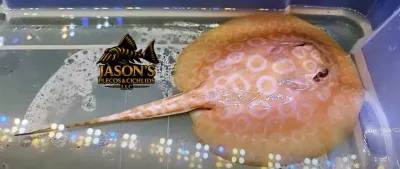
Golden Base Albino Pearl Stingray - (Potamotrygon Jabuti)
Golden Base Albino Pearl Stingray - (Potamotrygon Jabuti)
Price of shipping is not included.
was $850.00
Save 4%
$815.00
Wild Caught
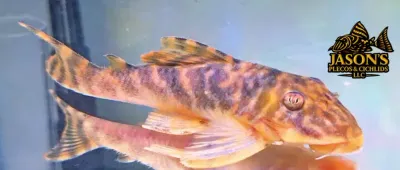
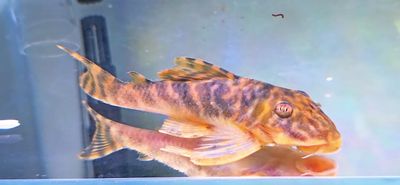
L377 Prince Tiger Pleco - (Peckoltia sp.)
L377 Prince Tiger Pleco - (Peckoltia sp.)
Price of shipping is not included.
5.0
(2)
was $125.00
Save 32%
$85.00
Wild Caught
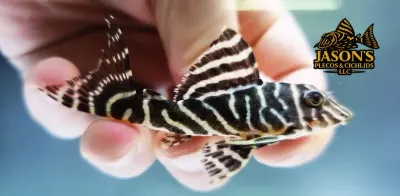
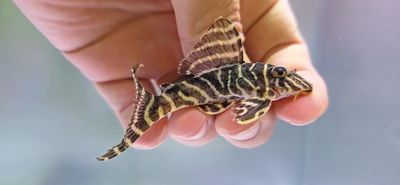
L340 Mega Clown Pleco - (Hypancistrus sp.)
L340 Mega Clown Pleco - (Hypancistrus sp.)
Price of shipping is not included.
5.0
(1)
was $55.00
Save 18%
$45.00
Wild Caught
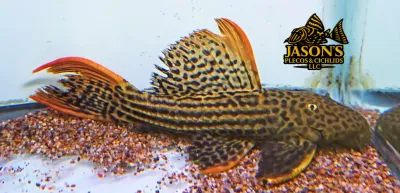
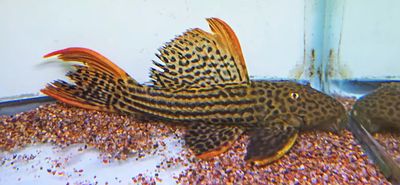
L025 Scarlet Cactus Pleco 7 Pointer - (Pseudacanthicus pirarara)
L025 Scarlet Cactus Pleco 7 Pointer - (Pseudacanthicus pirarara)
Price of shipping is not included.
was $550.00
Save 6%
$515.00
Wild Caught
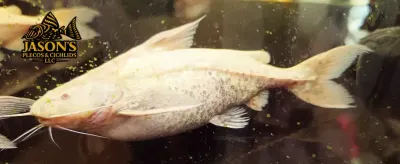
Dirty Albino Granulated Catfish - (Pterodoras granulosus)
Dirty Albino Granulated Catfish - (Pterodoras granulosus)
Price of shipping is not included.
was $3 000.00
Save 16%
$2 515.00
Powered by Lightspeed
Display prices in:USD