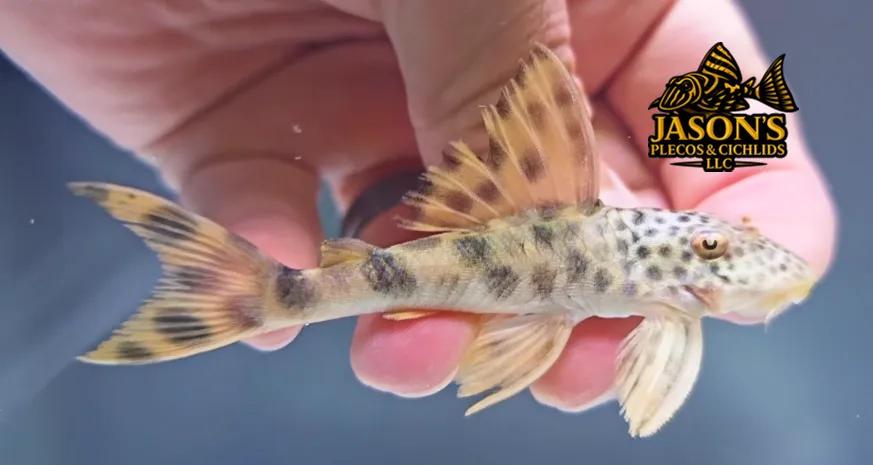
L075 Para Pleco - (Peckoltia sabaji)
5.0
3 reviews
Reviews from verified customers who have purchased products at this store.
$50.00
Wild Caught
was $60.00 Save 17%
Size
Questions, Comments, Concerns? Let us know!
Enter your text
Price of shipping is not included.
In stock: 1 available
1
Save this fish to my favorites.
Customer reviews
Reviews only from verified customers
Reviews are only accepted from verified customers who have signed in and purchased the products. This ensures that each review is based on genuine customer experiences. All reviews are checked before publication to prevent spam.
Michael T.
Paris,
United States
Sep 30, 2026
L075 Para Pleco - (Peckoltia sabaji)
Fish Details, Description and Information Below:
🐆 L075 Para Pleco – (Peckoltia sabaji) – Wild-Caught Spotted South American Pleco
The L075 Para Pleco (Peckoltia sabaji) is a striking medium-to-large armored catfish known for its distinctive pattern of small dark spots across the head that gradually become much larger toward the body, caudal peduncle, and tail.
Depending on the individual, the background coloration may range from:
- Golden yellow
- Mustard yellow
- Tan
- Beige
- Light brown
while the markings range from:
- Dark brown
- Chocolate brown
- Nearly black
The fins may develop attractive:
- Yellow
- Gold
- Orange-yellow
- Bronze
coloration surrounding the dark spots.
One of the most characteristic features of Peckoltia sabaji is that the spots:
Increase in Size From the Head Toward the Tail
The head may be covered with dozens of relatively small spots, while the rear half of the body and caudal fin can develop much larger dark blotches.
L075 is a substantial pleco that can reach approximately:
8–10 Inches Total Length
and requires considerably more permanent aquarium space than the 4–6 inch juveniles commonly offered for sale.
It is an omnivore that should receive a varied diet containing:
- Quality sinking pleco foods
- Vegetable matter
- Algae-based foods
- Frozen invertebrates
- Insect-based foods
- Appropriate animal protein
The Para Pleco is generally peaceful toward midwater fish but can become territorial toward other large bottom dwellers, especially around preferred shelters and breeding caves.
This listing is for:
WILD-CAUGHT L075 PARA PLECOS
Current specimens are approximately:
5–6 INCHES
🔎 Quick Facts – L075 Para Pleco
- 📛 Common Name: Para Pleco
- 📛 Other Names: Sabaji Pleco, Leopard-type Para Pleco
- 🔢 L-Number: L075 / L75
- 🔢 Related Aquarium Numbers: L124, L301, LDA002
- 🔬 Scientific Name: Peckoltia sabaji
- 📅 Formally Described: 2003
- 🐟 Family: Loricariidae
- 🧬 Subfamily: Hypostominae
- 🌿 Stock: Wild Caught
- 📏 Current Size: Approximately 5–6 inches
- 🌎 Origin: South America
- 🇬🇾 Confirmed Range: Guyana – Rupununi, Essequibo and Takutu drainages
- 🇻🇪 Confirmed Range: Venezuela – Casiquiare/Rio Negro and Orinoco-associated drainages
- 🌊 Habitat: Medium to large rivers with rocks, boulders, runs and riffles
- 💧 Water Type: Freshwater
- 📏 Scientific Maximum: Approximately 19.8 cm / 7.8 inches standard length
- 📏 Adult Planning Size: Approximately 8–10 inches total length
- 🏠 Recommended Aquarium: 75 gallons or larger
- 👥 Multiple Adults: 90–125+ gallons depending on available bottom territory
- 🌡️ Temperature: Approximately 79–86°F
- 💧 pH: Approximately 6.0–7.5
- 💦 Water: Soft to moderately mineralized
- 💨 Oxygenation: High
- 🌊 Water Movement: Moderate
- 🍽️ Diet: Omnivore
- 🌿 Plant Foods: Important
- 🦐 Animal / Insect Protein: Important as part of a varied diet
- 🚫 Algae Cleaner: Should not be purchased solely for algae control
- 😌 Temperament: Generally peaceful; territorial behavior may occur with other plecos
- 🌙 Activity: Primarily nocturnal / crepuscular
- 🐠 Swimming Area: Bottom
- 🥚 Breeding: Cave Spawner
- 👨👩👧 Parental Care: Male guards the eggs
- ⭐ Care Level: Intermediate
- 🌎 Conservation Status: Least Concern
🧬 A Formally Described Species
L075 was known in the aquarium hobby before receiving a formal scientific species name.
In:
2003
Jonathan W. Armbruster formally described the species as:
Peckoltia sabaji
The description was based on specimens from the:
- Essequibo drainage
- Rio Negro region
- Orinoco drainage
within the Guyana Shield of Guyana and Venezuela.
The correct product identification is:
L075 Para Pleco – (Peckoltia sabaji)
👨🔬 What Does “sabaji” Mean?
The species name:
sabaji
honors ichthyologist:
Dr. Mark Henry Sabaj Pérez
in recognition of his extensive contributions to:
- South American ichthyology
- Catfish research
- Museum collections
- Loricariid identification
🧬 Taxonomy Has Been Confusing
The Para Pleco has moved through several different genera in aquarium and scientific literature.
You may encounter:
- Peckoltia sabaji
- Hemiancistrus sabaji
- Ancistomus sabaji
- Older Ancistrus references
Current FishBase usage lists:
Peckoltia sabaji
while noting that:
Ancistomus
is still used within parts of the aquarium community.
For this product page, I recommend continuing to use:
Peckoltia sabaji
🔢 L075, L124, L301 & LDA002
The Para Pleco has historically received several aquarium identification numbers.
These include:
- L075
- L124
- L301
- LDA002
These numbers originated from fish collected or imported from different locations before the species' identity was fully understood.
The forms could not reliably be separated by external morphology and have generally been associated with:
Peckoltia sabaji
⚠️ Keep the L075 Identification
Even though several L-numbers are associated with the same scientific species, the original aquarium number remains useful.
For this fish, continue using:
L075
because it identifies the aquarium-trade form being sold.
When breeding or maintaining locality-specific fish, preserve:
- L-number
- Supplier identification
- Collection locality when known
- Breeder-line information
🌎 Distribution – Important Clarification
The scientifically confirmed distribution of Peckoltia sabaji includes:
Guyana and Venezuela
Important drainage systems include:
Guyana
- Rupununi River
- Essequibo River
- Takutu River
Venezuela
- Casiquiare system
- Rio Negro drainage
- Cinaruco River
- Orinoco drainage
🇧🇷 Why Is It Called the Para Pleco?
The aquarium name:
Para Pleco
comes from the history of L075-type fish within the South American ornamental-fish trade.
Aquarium literature has historically associated L075-type forms with areas of:
- Pará, Brazil
- Rio do Pará
- Tapajós region
- Curuá-Una region
However, the formally confirmed scientific distribution of Peckoltia sabaji in current FishBase records is:
Guyana and Venezuela
Because aquarium L-number populations and scientific species boundaries have a complicated history, exact collection locality should only be advertised when it is known from supplier records.
⚠️ Do Not Guess the Collection Locality
For wild-caught L-number fish:
Specific Locality Information Is Valuable
but only when documented.
Do not automatically advertise every L075 as coming from:
- Rio Negro
- Rio Orinoco
- Rio Tapajós
- Pará
unless the supplier provides that information.
The safest general origin is:
Northern South America / Guyana Shield Region
with exact locality preserved when known.
🐆 Appearance
The Para Pleco has a very distinctive spotted pattern.
Typical background coloration includes:
- Mustard yellow
- Golden yellow
- Beige
- Tan
- Light brown
- Olive-brown
covered with:
Dark Brown to Black Spots
🔍 Spots Change Size Across the Body
The pattern is one of the best identification characteristics.
Head
The head typically displays:
Numerous Small Dark Spots
Middle Body
The spots gradually become:
Larger
Rear Body & Tail
The spots become:
Very Large Dark Blotches
especially on the:
- Caudal peduncle
- Caudal fin
This progressive increase in spot size was specifically used in the scientific description of the species.
🎨 Color Varies Between Individuals
Different specimens may appear:
- Bright golden yellow
- Mustard
- Beige
- Olive
- Light brown
The fins may appear:
- Yellow
- Gold
- Orange-yellow
- Tan
Coloration can change according to:
- Locality
- Genetics
- Age
- Mood
- Stress
- Lighting
- Substrate
- Diet
- Water quality
⚠️ Color & Pattern Disclaimer
Exact adult coloration cannot be guaranteed.
Wild L075s may differ considerably in:
- Background color
- Spot size
- Spot density
- Amount of yellow
- Amount of orange
- Tail markings
The actual fish being purchased is always the best representation of its current appearance.
📏 Adult Size
Your older page substantially underestimated the adult size of this fish.
FishBase documents Peckoltia sabaji reaching:
19.8 cm / Approximately 7.8 Inches STANDARD LENGTH
Standard length does:
NOT INCLUDE THE FULL TAIL FIN
Therefore, an adult can reach approximately:
8–10 Inches Total Length
For customer planning:
EXPECT APPROXIMATELY 8–10 INCHES
rather than a 5-inch maximum.
🚨 Current Size Is Not Adult Size
The specimens currently offered are approximately:
5–6 Inches
These fish are not necessarily finished growing.
A mature L075 becomes a substantial pleco with:
- Large body mass
- Strong pectoral fins
- Heavy armor
- Significant waste production
- Territorial requirements
Plan permanent housing accordingly.
🏠 Aquarium Size
For one adult L075:
75 Gallons or Larger
is recommended.
For:
- Several L075s
- Other large plecos
- Additional substantial bottom dwellers
I recommend approximately:
90–125+ Gallons
depending on the aquarium footprint and available territories.
📐 Bottom Area Matters
Aquarium:
LENGTH + WIDTH
matter more than excessive height for this species.
A larger bottom footprint provides:
- More caves
- More feeding areas
- More visual barriers
- More grazing surfaces
- Better separation between plecos
🌊 Natural Habitat
Wild Peckoltia sabaji live primarily in:
Medium to Large Rivers
and are strongly associated with:
- Boulders
- Rocks
- Runs
- Riffles
- Exposed rocky areas
Smaller specimens have also been found hiding in:
Holes Within Lateritic Rock
in quieter pools.
Most specimens in the original scientific observations were collected:
At Night
which matches their nocturnal aquarium behavior.
🌊 Water Movement
Provide:
Moderate Water Movement
with good circulation throughout the aquarium.
Higher-flow areas are useful around:
- Rocks
- Caves
- Feeding areas
but the entire aquarium does not need extreme current.
Provide quieter areas where the fish can rest behind:
- Rocks
- Wood
- Caves
💨 High Oxygenation
A Para Pleco aquarium should have:
HIGH DISSOLVED OXYGEN
Recommended methods include:
- Strong surface agitation
- Powerful filter returns
- Air stones
- Powerheads
- Sump filtration
- Additional circulation
This becomes particularly important at the upper end of the recommended temperature range.
🌡️ Temperature
The older page recommends approximately:
75–82°F
I would move this warmer.
A more appropriate long-term range is:
79–86°F / 26–30°C
This matches specialist care references for Peckoltia sabaji.
At higher temperatures:
Increase Oxygenation
because warm water holds less dissolved oxygen.
💧 Water Parameters
A practical aquarium range is:
- 🌡️ Temperature: 79–86°F
- 💧 pH: Approximately 6.0–7.5
- 💦 Hardness: Soft to moderately mineralized
- 💨 Oxygenation: High
- 🌊 Flow: Moderate
- ☠️ Ammonia: 0 ppm
- ☠️ Nitrite: 0 ppm
- 🔄 Nitrate: Keep as low as reasonably practical
Stable water quality is particularly important with wild-caught fish.
🪨 Aquarium Setup
Recommended aquarium features include:
- Smooth rocks
- Large caves
- Slate
- Driftwood
- Rock crevices
- Sand or smooth gravel
- Shaded areas
- Open feeding areas
- Strong filtration
- Good circulation
- High oxygenation
Provide enough structure for the fish to completely retreat from view.
🏠 Multiple Shelters
When keeping more than one substantial pleco:
PROVIDE MORE SHELTERS THAN FISH
Suitable shelters include:
- Ceramic pleco caves
- Slate caves
- Rock cavities
- Driftwood overhangs
- Large one-ended tubes
This reduces competition over preferred hiding areas.
🪵 Driftwood
Driftwood is recommended because it provides:
- Shelter
- Shade
- Biofilm
- Grazing surfaces
- Territory boundaries
However:
L075 Is Not a Specialized Wood-Eating Pleco
It should not be treated like:
- Panaque
- Panaqolus
Wood is valuable habitat but should not be considered its primary food.
💩 Filtration
An adult 8–10 inch pleco produces a substantial amount of waste.
Strong filtration is recommended.
Suitable filtration includes:
- Large canister filters
- Sump filtration
- High-capacity biological media
- Strong mechanical filtration
- Supplemental circulation
Regular partial water changes should be part of routine care.
🍽️ Diet – True Omnivore
The L075 Para Pleco is best described as a:
VARIED OMNIVORE
It should receive both:
🌿 Plant-Based Foods
and:
🦐 Animal / Insect-Based Foods
rather than being maintained exclusively on either one.
🌿 Plant-Based Foods
Suitable options include:
- Quality algae wafers
- Spirulina wafers
- Vegetable-based catfish pellets
- Zucchini
- Squash
- Cucumber
- Green beans
- Blanched spinach
- Kale
- Quality gel foods
Plant material should remain a regular part of the diet.
🦐 Protein Foods
Suitable protein foods include:
- Mysis shrimp
- Brine shrimp
- Mosquito larvae
- Bloodworms
- Krill
- Chopped shrimp
- Insect-based sinking pellets
- Quality omnivore pellets
Protein is especially useful for:
- Growth
- Conditioning
- Breeding adults
⚖️ Variety Is More Important Than One Food
There is disagreement among aquarium references over whether this species leans somewhat more toward:
- Plant material
or:
- Animal protein
The safest long-term approach is:
A BROAD OMNIVOROUS DIET
containing both.
Do not feed exclusively:
- Meat
or exclusively:
- Algae wafers and vegetables
🚫 Not Just an Algae Cleaner
Although L075 may graze:
- Biofilm
- Soft algae
- Organic material
it should not be purchased simply to clean an aquarium.
A mature 8–10 inch pleco requires:
Intentional Daily Nutrition
Aquarium algae alone is not an adequate diet.
🌙 Nocturnal Behavior
The Para Pleco is primarily:
NOCTURNAL / CREPUSCULAR
Wild specimens were frequently collected at night.
In an aquarium, activity typically increases:
- At dusk
- After lights go out
- During feeding
- Under subdued lighting
Established fish may become increasingly visible during the day.
🧪 Wild-Caught Acclimation
This listing is for:
WILD-CAUGHT L075 PARA PLECOS
Wild-caught specimens may initially be sensitive after transportation.
After arrival:
- Provide immediate shelter
- Keep lighting subdued
- Maintain high oxygenation
- Avoid sudden water changes
- Maintain excellent filtration
- Monitor respiration
- Confirm that each fish is feeding
🍽️ Make Sure the Fish Is Eating
A newly imported pleco may hide while faster fish consume its food.
Offer some food:
- Near its shelter
- At dusk
- After lights out
- In multiple locations
Watch for:
- Sunken abdomen
- Loss of body weight
- Persistent refusal to eat
Confirm regular feeding before assuming the fish has settled.
😌 Temperament
The Para Pleco is generally:
PEACEFUL
toward most midwater aquarium fish.
Potential tankmates include appropriately selected:
- Tetras
- Rainbowfish
- Corydoras
- Brochis
- Peaceful cichlids
- Other community species
provided water requirements overlap.
⚠️ Pleco-to-Pleco Territorial Behavior
L075 is generally less aggressive than many:
- Cactus Plecos
- Large Pseudacanthicus
- Highly territorial Hypancistrus
but adult fish can still defend:
- Caves
- Feeding areas
- Preferred rocks
- Current-facing shelters
Provide adequate space when keeping several.
👥 Can L075 Be Kept in Groups?
Yes.
Groups can be maintained when the aquarium provides:
- Significant floor space
- Multiple caves
- Multiple feeding areas
- Visual barriers
- High oxygenation
- Strong filtration
Young fish can often be relatively tolerant of each other.
Adults may become more territorial as they mature.
♂️ Male vs. Female
Sexing L075 can be difficult.
Mature Males May Develop:
- Slightly longer interopercular odontodes
- More pronounced pectoral-fin odontodes
- Leaner body shape
- More dominant feeding behavior
- Stronger cave territoriality
Mature Females May:
- Become stockier
- Develop fuller abdomens when carrying eggs
- Show a broader, rounder genital papilla when in breeding condition
The differences are relatively subtle compared with some other pleco species.
Unless confidently determined:
Sell as Unsexed
🥚 Breeding
The L075 Para Pleco has been:
SUCCESSFULLY BRED IN HOME AQUARIUMS
It is a:
CAVE-SPAWNING PLECO
Captive breeding is possible but can be challenging because:
- Sexing is difficult
- Compatible pairs can be difficult to establish
- Adults need considerable territory
- Water quality must remain excellent
📏 Sexual Maturity
Aquarium breeding reports indicate that Para Plecos may reach sexual maturity at approximately:
13 CM / ABOUT 5 INCHES
Individual maturity can vary.
🏠 Breeding Cave
The male selects and defends a suitable breeding cave.
An appropriate cave should be:
- Closed at one end
- Large enough for both fish during spawning
- Tight enough for the male to defend
- Located in moderate water flow
- Well oxygenated
Offer multiple cave sizes.
💕 Spawning Behavior
Documented aquarium spawning behavior includes:
- The male establishes a cave.
- A receptive female approaches.
- The male encourages the female into the cave.
- The pair remains inside during spawning.
- Eggs are deposited and fertilized.
- The female leaves.
- The male returns to the cave and assumes parental care.
👨👧 Male Parental Care
After spawning:
THE MALE GUARDS THE EGGS
He remains within the breeding cave and protects the developing clutch.
The eggs generally hatch in approximately:
6–7 Days
depending on temperature.
👶 Fry Development
After hatching, the fry retain a large yolk sac for approximately:
Another Week
before becoming free swimming.
Suitable first foods include:
- Fine sinking pleco foods
- Baby brine shrimp
- Tiny frozen foods
- Crushed omnivore pellets
- Fine vegetable-containing foods
Maintain excellent water quality.
💨 Breeding Conditions
Breeding success is associated with:
- Warm water
- High dissolved oxygen
- Moderate cave flow
- Excellent filtration
- Clean water
- Well-conditioned adults
- Appropriate caves
- A varied diet
Breeding is better attempted by experienced keepers with established adults.
🧬 Preserve L-Number Information
If breeding L075:
- Record parent identification
- Preserve locality information when known
- Keep L075/L124/L301 records
- Avoid mixing unidentified similar plecos
Even when several L-numbers are considered the same species, their aquarium history and locality information remain valuable.
🌎 Conservation Status
Peckoltia sabaji is currently assessed as:
LEAST CONCERN
The species has a relatively broad distribution through portions of:
- Guyana
- Venezuela
and no major species-wide threat has currently resulted in a threatened IUCN category.
Responsible care is still especially important for:
Wild-Caught Specimens
⭐ Why Keep an L075 Para Pleco?
The L075 offers a combination of:
- 🐆 Dramatic leopard-like spotting
- 🟡 Golden to mustard coloration
- ⚫ Dark enlarging body spots
- 🐟 Long streamlined body
- 🌊 Riverine behavior
- 🌙 Nocturnal personality
- 🍽️ Varied omnivorous feeding
- 🥚 Documented cave-spawning reproduction
- 👨👧 Male parental care
- 📏 Impressive 8–10 inch adult size
that makes it an excellent showpiece bottom-dwelling fish for a properly sized aquarium.
⚠️ Important Considerations
Before purchasing an L075 Para Pleco:
- The currently displayed scientific name is Peckoltia sabaji.
- Older references may use Hemiancistrus sabaji or Ancistomus sabaji.
- The species was formally described in 2003.
- L075, L124, L301, and LDA002 are historically associated with this species.
- This listing is for wild-caught fish.
- Current specimens are approximately 5–6 inches.
- The scientifically confirmed range includes Guyana and Venezuela.
- Do not guess an exact collection locality without supplier documentation.
- FishBase records approximately 7.8 inches standard length before the tail.
- Plan for approximately 8–10 inches total adult size.
- Do not use a 5-inch maximum.
- Provide approximately 75 gallons or larger.
- Use larger aquariums for groups or multiple large bottom dwellers.
- Prioritize aquarium bottom area.
- Provide rocks, caves, and driftwood.
- Maintain high dissolved oxygen.
- Provide moderate current.
- Maintain warm water around 79–86°F.
- Maintain ammonia and nitrite at zero.
- Feed a varied omnivorous diet.
- Include both plant-based foods and animal/insect protein.
- Do not rely solely on aquarium algae.
- Expect some territorial behavior around shelters.
- Captive cave-spawning has been documented.
- Males provide parental care.
- Preserve L-number and locality information when breeding.
- Never release aquarium fish into natural waterways.
🧬 Taxonomy
The current FishBase scientific identification is:
Peckoltia sabaji Armbruster, 2003
Classification:
- Order: Siluriformes
- Family: Loricariidae
- Subfamily: Hypostominae
- Genus: Peckoltia
- Species: sabaji
Names encountered in older or alternative literature include:
- Hemiancistrus sabaji
- Ancistomus sabaji
- Ancistrus sabaji
FishBase currently displays:
Peckoltia sabaji
while noting that Ancistomus remains used in parts of the aquarium community.
For this product, use:
L075 Para Pleco – (Peckoltia sabaji)
🔢 L-Number & Locality Disclaimer
L075, L124, L301, and LDA002 have historically been associated with very similar Para Plecos from different collection areas.
Modern aquarium references generally place these forms within:
Peckoltia sabaji
However, the geographic history and taxonomy of these populations have been complicated.
When exact collection locality is known:
Preserve It
When locality is unknown:
Do Not Guess
This is especially important for wild-caught L-number plecos.
🚚 Live Fish Shipping
Live fish are professionally packed for safe transport.
Shipping availability depends on:
- Fish size
- Destination
- Weather conditions
- Carrier availability
- Applicable state and local regulations
Larger Para Plecos may require:
- Larger insulated shipping boxes
- Additional water
- Heavy-duty shipping bags
- Specialized packing
Please review our Shipping & Payment Information and Live Arrival Guarantee / DOA Policy before ordering.
⚠️ Buyer Responsibility
Customers are responsible for confirming that Peckoltia sabaji may legally be purchased, possessed, transported, and received in their state or local jurisdiction before ordering.
Never release aquarium fish into natural waterways.
Below are fish you may also like.
Wild Caught
L104 Clown Pleco - (Panaqolus maccus)
L104 Clown Pleco - (Panaqolus maccus)
Price of shipping is not included.
5.0
(1)
was $45.00
Save 11%
$40.00
Captive Bred
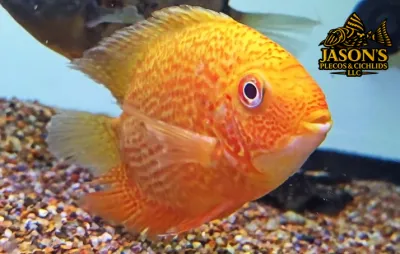
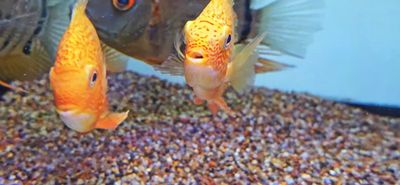
Red Spot Gold Severum - (Heros cf. efasciatus)
Red Spot Gold Severum - (Heros cf. efasciatus)
Price of shipping is not included.
5.0
(2)
was $85.00
Save 6%
$80.00
Wild Caught
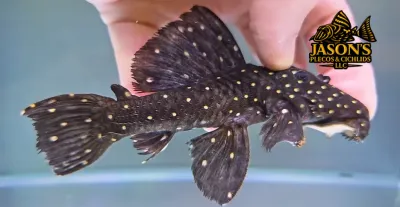
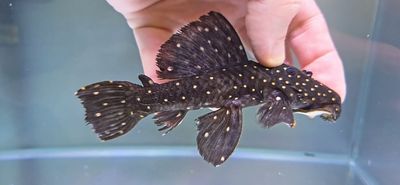
L240 Black Saum Vampire Pleco - (Leporacanthicus cf. galaxias)
L240 Black Saum Vampire Pleco - (Leporacanthicus cf. galaxias)
Price of shipping is not included.
was $85.00
Save 6%
$80.00
Captive Bred
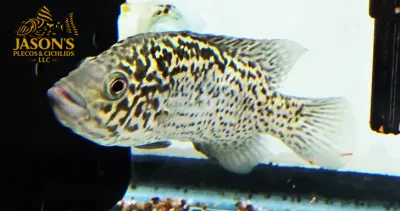
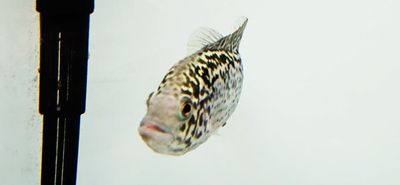
Cuban Cichlid - (Nandopsis tetracanthus)
Cuban Cichlid - (Nandopsis tetracanthus)
Price of shipping is not included.
was $100.00
Save 20%
$80.00
Captive Bred
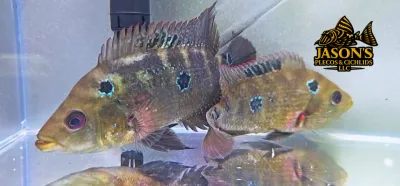
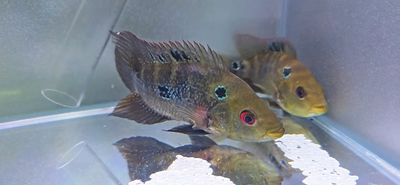
Trimac Cichlid/Three Spot Cichlid - (Amphilophus Trimaculatus)
Trimac Cichlid/Three Spot Cichlid - (Amphilophus Trimaculatus)
Price of shipping is not included.
5.0
(1)
was $70.00
Save 7%
$65.00
Powered by Lightspeed
Display prices in:USD