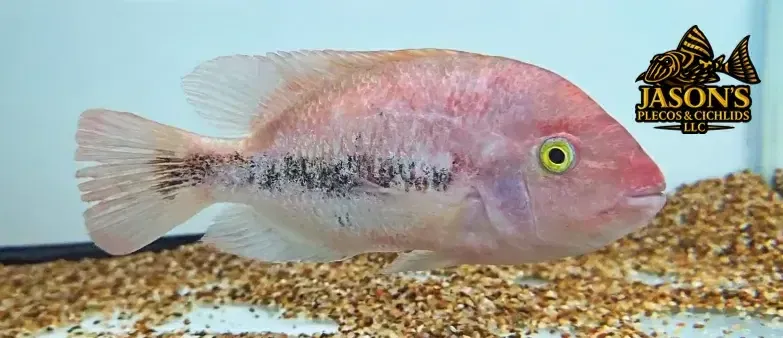
Fenestratus Cichlid - (Vieja Fenestratus)
$60.00
Captive Bred
was $80.00 Save 25%
Size
Required Reusable Shipping Bag
Questions, Comments, Concerns? Let us know!
Enter your text
Price of shipping is not included.
In stock: 2 available
1
Save this fish to my favorites.
Customer reviews
Reviews only from verified customers
No reviews yet. You can buy this product and be the first to leave a review.
Fenestratus Cichlid - (Vieja Fenestratus)
Fish Details, Description and Information Below:
🐟 Fenestratus Cichlid – (Vieja fenestrata) – Colorful Mexican Vieja Cichlid
The Fenestratus Cichlid (Vieja fenestrata) is a large, colorful, and intelligent Central American cichlid native to the Atlantic slope of southern Mexico.
Known for its deep body, striking dark markings, metallic blue-green pearling, and impressive adult coloration, the Fenestratus becomes a beautiful centerpiece fish as it matures. Depending on the individual, sex, locality, and breeding line, adults may develop combinations of blue, turquoise, green, gold, orange, pink, red, and black.
This species is especially prized by aquarists who enjoy large Vieja cichlids because of its bold personality, substantial adult size, beautiful coloration, and fascinating breeding behavior.
Unlike highly predatory Central American cichlids, Vieja fenestrata naturally consumes a large amount of plant and vegetable material, supplemented by aquatic insects and other invertebrates. Its captive diet should reflect this by including substantial plant-based nutrition rather than relying entirely on high-protein foods.
Fenestratus Cichlids can become territorial as they mature and significantly more aggressive when breeding, so they are best maintained by aquarists who can provide a large aquarium, strong filtration, sturdy décor, and carefully selected tankmates.
🔎 Quick Facts – Fenestratus Cichlid
- 📛 Common Names: Fenestratus Cichlid, Blackstripe Cichlid, Mojarra del La Lana
- 🔬 Scientific Name: Vieja fenestrata
- 🐟 Family: Cichlidae
- 🐣 Stock: Captive Bred
- 🌎 Origin: North America / Central American cichlid region
- 🇲🇽 Native Country: Mexico
- 🌊 Native Range: Atlantic slope of southern Mexico, from the Papaloapán River to the Chachalacas River Basin
- 💧 Water Type: Primarily freshwater
- 📏 Scientific Maximum: Approximately 25 cm / 9.8 inches standard length
- 📏 Expected Aquarium Size: Approximately 10–12 inches total length
- 🏠 Recommended Aquarium: 125 gallons or larger for one adult
- 👥 Pair / Community: 180 gallons or larger strongly preferred
- 🌡️ Temperature: Approximately 73–86°F
- 💧 pH: Around 7.5; neutral to moderately alkaline conditions recommended
- 💦 Hardness: Approximately 10–20 dH
- 🍽️ Diet: Herbivorous-leaning omnivore
- 🌿 Plant Matter: Important part of the diet
- 😠 Temperament: Territorial / Semi-aggressive to aggressive
- 🐠 Swimming Area: Middle and lower portions
- 🥚 Breeding: Biparental open-substrate spawner
- ⭐ Care Level: Intermediate
- 🏆 Availability: Uncommon large Mexican cichlid
🧬 Correct Scientific Name
The currently accepted scientific name is:
Vieja fenestrata
Older aquarium literature may use several different names, including:
- Cichlasoma fenestratum
- Paraneetroplus fenestratus
- Paraneetroplus fenestrata
The currently accepted genus is:
Vieja
For modern product listings, the correct scientific identification is:
Vieja fenestrata
🪟 Why Is It Called “Fenestrata”?
The species name fenestrata comes from a Latin word associated with a:
Window or Window-Like Opening
The name refers to the characteristic patterning and dark markings along the body.
Fenestratus Cichlids can develop dark vertical or irregular body markings surrounded by lighter and metallic coloration, creating a distinctive patterned appearance.
🎨 Appearance
The Fenestratus is a highly variable and beautiful cichlid.
Depending on genetics, age, sex, breeding condition, and individual variation, coloration may include:
- 💙 Turquoise
- 💚 Blue-green
- 🟢 Green
- 🟡 Gold
- 🟠 Orange
- 🔴 Red
- 🌸 Pink
- ⚫ Black markings
- ⚪ Silver or pale coloration
The body may display:
- Dark vertical bars
- Irregular black markings
- Metallic speckling
- Turquoise pearling
- Red or pink facial coloration
- Colorful dorsal and anal fins
Adult males can become especially impressive.
🌸 Color Can Change Dramatically With Age
Juvenile Fenestratus Cichlids may look very different from mature adults.
Young fish often display:
- Gray
- Olive
- Brown
- Silver
- Dark horizontal or vertical markings
As they mature, they may develop significantly more:
- Red
- Pink
- Orange
- Turquoise
- Blue-green
- Metallic coloration
Be Patient With Juveniles
A relatively plain juvenile can mature into an exceptionally colorful adult.
Final coloration depends heavily on genetics.
🎨 Pink, Marbled & Other Aquarium Lines
Captive breeding has produced Fenestratus Cichlids displaying particularly intense:
- Pink
- Red
- Orange
- Marbled
- Blue-green coloration
These aquarium forms should still be scientifically identified as:
Vieja fenestrata
unless the fish is known to be a hybrid.
Terms such as:
- Pink Fenestratus
- Marbled Fenestratus
- Red Fenestratus
describe appearance or breeding lines rather than separate species.
🌎 Natural Distribution
Vieja fenestrata is native to:
Southern Mexico
on the Atlantic slope.
Its documented natural distribution extends from:
The Papaloapán River Basin
to:
The Chachalacas River Basin
This species should not be listed as naturally occurring throughout Belize, Guatemala, or the Usumacinta drainage.
It is primarily a Mexican endemic species.
🏞️ Natural Habitat
Fenestratus Cichlids inhabit environments including:
- Lakes
- Slow-moving rivers
- Lower river valleys
- Shallow waters
- Mud-bottom habitats
- Sand-bottom habitats
The species particularly favors mesotrophic lakes with mud or sand substrate.
Some populations also occur in lower river valleys with:
Slow to moderate water movement
This means they do not require extremely powerful river-style current in the aquarium.
📏 Adult Size
FishBase documents Vieja fenestrata reaching:
25 cm standard length
or approximately:
9.8 inches before the tail fin is included
For aquarium planning, I recommend customers expect approximately:
10–12 inches total adult length
Large males generally become heavier-bodied and more impressive than females.
Some aquarium individuals may exceed the typical size depending on genetics and husbandry, but I would not advertise 14 inches as the normal maximum.
🚨 Do Not Purchase Based on Juvenile Size
Fenestratus Cichlids are often sold at only a few inches long.
A juvenile may appear easy to accommodate.
Adults become:
- Large
- Deep-bodied
- Strong
- Territorial
- Heavy feeders
- Powerful diggers
Plan for the adult fish, not its current size.
🏠 Aquarium Size
For one mature Fenestratus Cichlid, I recommend:
125 gallons or larger
For a compatible pair:
180 gallons or larger is strongly preferred
For multiple large Central American cichlids:
180–240+ gallons may be necessary
depending on:
- Number of fish
- Adult size
- Temperament
- Aquarium dimensions
- Territory structure
📐 Aquarium Footprint Matters
Large Vieja benefit from:
- Long aquariums
- Wide aquariums
- Open swimming areas
- Separate territories
A long and wide aquarium is more useful than a very tall aquarium of similar volume.
Providing additional floor space helps reduce territorial conflict.
🪨 Aquarium Setup
Recommended aquarium features include:
- Sand or smooth gravel
- Large pieces of driftwood
- Large rocks
- Caves
- Visual barriers
- Open swimming areas
- Strong biological filtration
- Strong mechanical filtration
- Good oxygenation
Create enough structure to break the aquarium into separate visual territories.
⚠️ Secure Heavy Décor
Adult Fenestratus Cichlids can be powerful diggers.
They may:
- Move substrate
- Rearrange gravel
- Dig underneath rocks
- Move lightweight decorations
- Uproot plants
Large rocks should be positioned securely.
Do not build unstable rock structures that can collapse when the fish excavates underneath them.
🌿 Plants
A heavily planted aquarium can be difficult with adult Fenestratus Cichlids.
The species naturally consumes substantial plant material and adults may:
- Eat plants
- Tear leaves
- Uproot plants
- Dig around roots
Hardy plants attached to wood or rock may survive better than delicate rooted species.
Even then, there is no guarantee that the fish will leave them alone.
🍽️ Natural Diet
One of the most important husbandry points for this species is its diet.
Wild Vieja fenestrata feed mainly on:
Plant and vegetable material
supplemented by:
- Aquatic insects
- Invertebrates
- Other naturally available foods
This species should therefore not be treated as a strict carnivore.
🍽️ Aquarium Diet
The Fenestratus should be maintained as a:
Herbivorous-Leaning Omnivore
Recommended staple foods include:
- High-quality Vieja pellets
- Vegetable-based cichlid pellets
- Spirulina pellets
- Spirulina flakes
- Quality omnivore pellets
- Algae wafers
Vegetable foods may include:
- Zucchini
- Squash
- Peas
- Green beans
- Spinach
- Romaine lettuce
- Other appropriate greens
Protein foods can occasionally include:
- Mysis shrimp
- Krill
- Brine shrimp
- Shrimp
- Insect-based foods
⚠️ Avoid an Excessively Meat-Heavy Diet
Do not feed this species like a Peacock Bass or other strict predator.
Avoid making the diet primarily:
- Shrimp
- Krill
- Fish
- High-protein carnivore pellets
A substantial portion of the diet should come from:
Vegetable and plant-based foods
A varied diet helps support:
- Healthy growth
- Proper body condition
- Digestive health
- Strong coloration
- Long-term health
🚫 Avoid Overfeeding
Large Vieja quickly learn to recognize their keeper and beg for food.
Begging does not always mean hunger.
Chronic overfeeding can contribute to:
- Obesity
- Fatty internal deposits
- Poor water quality
- Excessive waste
- Digestive problems
Feed appropriate portions rather than feeding every time the fish approaches the glass.
💧 Water Parameters
FishBase documents natural conditions around:
- 🌡️ Temperature: 73–86°F / 23–30°C
- 💧 pH: Approximately 7.5
- 💦 Hardness: Approximately 10–20 dH
For aquarium maintenance, a practical range is:
- 🌡️ Temperature: 75–82°F
- 💧 pH: Approximately 7.0–8.0
- 💦 Hardness: Moderate to hard
- ☠️ Ammonia: 0 ppm
- ☠️ Nitrite: 0 ppm
- 🔄 Nitrate: Keep as low as reasonably possible
- 💨 Oxygenation: Good
Stable water quality is more important than constantly adjusting the aquarium to reach one exact pH.
💩 Filtration
Large Fenestratus Cichlids produce substantial waste.
Strong filtration is required.
Recommended filtration may include:
- Large canister filters
- Sump filtration
- High-capacity biological filtration
- Strong mechanical filtration
- Good surface agitation
Regular partial water changes should be part of normal maintenance.
😠 Temperament
Fenestratus Cichlids are:
Territorial Large Cichlids
Individual temperament varies.
Some adults may coexist successfully with other robust fish in appropriately sized aquariums.
Others can become highly dominant.
Aggression may be directed toward:
- Other Vieja
- Similar-looking cichlids
- Other large Central American cichlids
- Fish entering established territory
🚨 Breeding Increases Aggression
Even a relatively manageable adult can become dramatically more aggressive when:
- Pairing
- Selecting a spawning site
- Guarding eggs
- Guarding larvae
- Protecting fry
A breeding pair may claim a very large section of the aquarium.
Always have a plan for separating fish if necessary.
🐠 Tankmates
Possible tankmates in a sufficiently large aquarium may include carefully selected:
- Other Vieja
- Large Central American cichlids
- Large plecos
- Large catfish
- Silver dollars
- Other robust medium-to-large fish
Avoid:
- Small community fish
- Delicate species
- Very timid fish
- Long-finned species
- Tiny bottom dwellers
Compatibility is never guaranteed with large territorial cichlids.
⚠️ Avoid Overcrowding
Large Central American cichlids are sometimes kept together successfully when young.
Problems often begin as the fish mature.
Adult fish require:
- Territory
- Visual barriers
- Swimming room
- Feeding space
- Escape routes
Do not judge adult stocking levels based on how peacefully juveniles currently behave.
♂️ Male vs. Female
Juvenile Fenestratus Cichlids can be difficult to sex.
As they mature:
Males May:
- Grow larger
- Develop heavier bodies
- Develop broader heads
- Develop longer dorsal and anal fins
- Develop a noticeable nuchal hump
- Become more territorial
Females May:
- Remain somewhat smaller
- Become fuller through the abdomen
- Display strong breeding coloration
Venting mature fish is generally more reliable than relying entirely on coloration or fin shape.
🥚 Breeding
The Fenestratus Cichlid is a:
Monogamous Biparental Open-Substrate Spawner
A compatible pair selects and cleans a spawning location.
FishBase reports eggs being deposited on:
- Wood
- Rock
- Sand
In aquariums, pairs may use:
- Flat rocks
- Slate
- Large stones
- Driftwood
- Other solid surfaces
👨👩👧 Parental Care
Both parents participate in defending the brood.
They may:
- Clean the spawning surface
- Fan the eggs
- Remove damaged eggs
- Guard the spawning territory
- Dig pits
- Move newly hatched larvae
- Protect free-swimming fry
Parental aggression can become intense.
👶 Raising Fry
Once the fry become free-swimming, suitable foods include:
- Newly hatched baby brine shrimp
- Fine-quality fry foods
- Finely crushed cichlid pellets
- Crushed spirulina flakes
- Microworms
As they grow, gradually increase both food size and the amount of vegetable-based nutrition.
Frequent small feedings combined with excellent water quality encourage strong growth.
💑 Pair Compatibility
Do not assume that placing one male and one female together automatically creates a compatible pair.
Large cichlids can seriously injure one another.
When attempting to form a breeding pair, provide:
- Large aquarium space
- Visual barriers
- Escape routes
- Multiple shelters
- Aquarium divider if necessary
A pair that has spawned previously can still fight later.
⭐ Why Keep a Fenestratus Cichlid?
The Fenestratus is an excellent choice for aquarists who enjoy large, colorful, intelligent Central American cichlids.
Its combination of:
- 💙 Turquoise pearling
- 🌸 Pink and red coloration
- 🟢 Green metallic highlights
- ⚫ Dramatic dark markings
- 💪 Deep, powerful body shape
- 🧠 Interactive personality
- 🌿 Interesting plant-heavy diet
- 🥚 Strong parental behavior
- 🇲🇽 Mexican origin
- 🏆 Impressive adult appearance
makes Vieja fenestrata a spectacular centerpiece fish.
⚠️ Important Considerations
Before purchasing a Fenestratus Cichlid:
- Plan for approximately 10–12 inches total adult length.
- Provide approximately 125 gallons or larger for one adult.
- Use 180+ gallons for pairs or large tankmates.
- Prioritize aquarium length and width.
- Provide strong filtration.
- Feed substantial vegetable and plant-based foods.
- Avoid an excessively meat-heavy diet.
- Expect digging and rearranging.
- Secure rocks and decorations.
- Expect aggression to increase with maturity.
- Expect significant aggression during breeding.
- Have a separation plan when keeping a pair.
- Do not confuse selectively bred color forms with separate species.
- Never release aquarium fish into natural waterways.
🧬 Taxonomy
The currently accepted scientific name is:
Vieja fenestrata (Günther, 1860)
Older names found in aquarium literature include:
- Cichlasoma fenestratum
- Paraneetroplus fenestratus
- Paraneetroplus fenestrata
For current product listings, use:
Vieja fenestrata
not:
Vieja fenestratus
🚚 Live Fish Shipping
Live fish are professionally packed for safe transport.
Shipping availability depends on:
- Fish size
- Destination
- Weather conditions
- Carrier availability
- Applicable state and local regulations
Larger specimens may require:
- Larger insulated shipping boxes
- Additional water
- Specialized packing
- Airline cargo shipping
Please review our Shipping & Payment Information and Live Arrival Guarantee / DOA Policy before ordering.
⚠️ Buyer Responsibility
Customers are responsible for confirming that Vieja fenestrata may legally be purchased, possessed, transported, and received in their state or local jurisdiction before ordering.
Never release aquarium fish into local waterways.
Below are fish you may also like.
Captive Bred
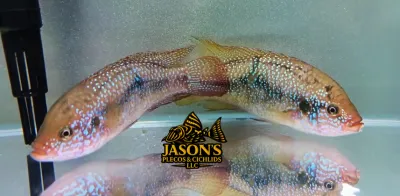
Turquoise Blue Jewel Cichlid - (Hemichromis Bimaculatus)
Turquoise Blue Jewel Cichlid - (Hemichromis Bimaculatus)
Price of shipping is not included.
5.0
(1)
was $55.00
Save 9%
$50.00
Wild Caught
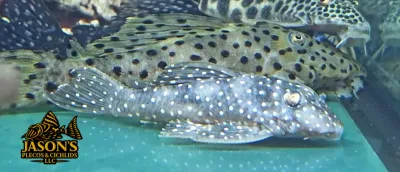
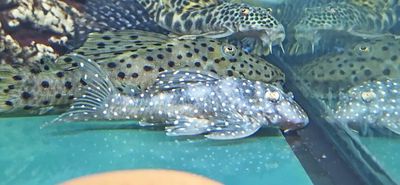
L004 Angelicus Pleco - (Hypancistrus sp.)
L004 Angelicus Pleco - (Hypancistrus sp.)
Price of shipping is not included.
was $50.00
Save 10%
$45.00
Wild Caught
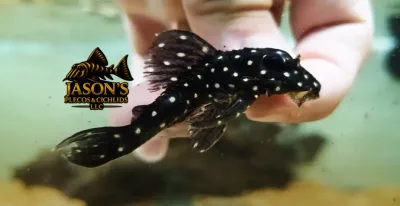
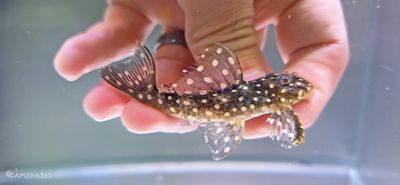
L201 Orinoco Angel Pleco - (Hypancistrus sp.)
L201 Orinoco Angel Pleco - (Hypancistrus sp.)
Price of shipping is not included.
5.0
(3)
was $45.00
Save 11%
$40.00
Captive Bred
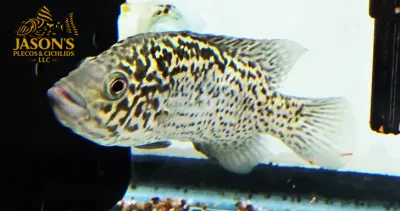
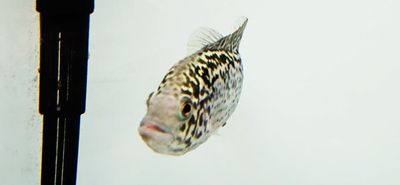
Cuban Cichlid - (Nandopsis tetracanthus)
Cuban Cichlid - (Nandopsis tetracanthus)
Price of shipping is not included.
was $100.00
Save 20%
$80.00
Wild Caught
L200 Green Phantom Pleco - (Hemiancistrus subviridis)
L200 Green Phantom Pleco - (Hemiancistrus subviridis)
Price of shipping is not included.
5.0
(1)
was $80.00
Save 6%
$75.00
Powered by Lightspeed
Display prices in:USD