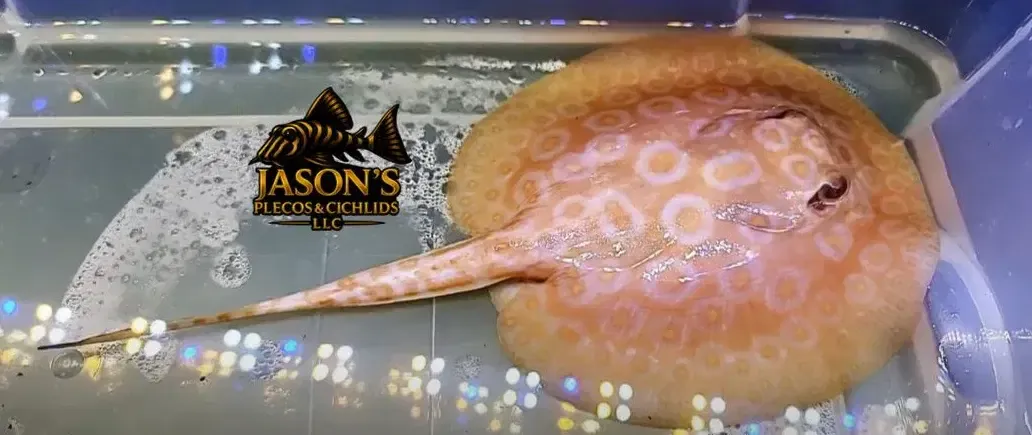
Golden Base Albino Pearl Stingray - (Potamotrygon Jabuti)
$815.00
Captive Bred
was $850.00 Save 4%
Size
Required Reusable Shipping Bag
Questions, Comments, Concerns? Let us know!
Enter your text
Price of shipping is not included.
In stock: 1 available
1
Save this fish to my favorites.
Customer reviews
Reviews only from verified customers
No reviews yet. You can buy this product and be the first to leave a review.
Golden Base Albino Pearl Stingray - (Potamotrygon Jabuti)
Fish Details, Description and Information Below:
🟡 Golden Base Albino Pearl Stingray – (Potamotrygon jabuti) – Rare Captive-Bred Albino Freshwater Stingray
The Golden Base Albino Pearl Stingray (Potamotrygon jabuti) is an exceptionally rare captive-bred color form of the famous Pearl Freshwater Stingray.
Normal Potamotrygon jabuti are known for their extraordinary dark brown to greenish-brown coloration covered with intricate gold, yellow, and orange rings, spots, rosettes, and maze-like markings.
The Golden Base Albino form transforms that already spectacular pattern into something completely different.
Instead of a dark background, these rays may develop a brilliant:
- Golden-yellow base
- Cream coloration
- Pale yellow
- Peach tones
- Orange-gold markings
- White or cream rings
- Pink to reddish eyes
The result is one of the most striking freshwater stingrays available in the aquarium hobby.
The Golden Base Albino Pearl Stingray combines unusual albino pigmentation with the naturally elaborate pattern development of Potamotrygon jabuti, making every individual a unique collector-quality animal.
However, freshwater stingrays are advanced aquarium animals. Adults require an enormous aquarium with significant floor space, extremely powerful filtration, pristine water quality, specialized feeding, and careful handling because of their venomous defensive tail spine.
🔎 Quick Facts – Golden Base Albino Pearl Stingray
- 📛 Common Name: Golden Base Albino Pearl Stingray
- 📛 Other Name: Albino Gold Base Pearl Stingray
- 🔬 Scientific Name: Potamotrygon jabuti
- 🎨 Color Form: Golden Base Albino
- 🐣 Stock: Captive Bred
- 🐟 Family: Potamotrygonidae
- 🌎 Origin of Species: South America
- 🇧🇷 Native Country: Brazil
- 🌊 Native Range: Rio Tapajós Basin
- 📍 Distribution: Mid and Upper Tapajós drainage
- 💧 Water Type: 100% Freshwater
- 📏 Scientific Specimens: Up to approximately 19.3 inches / 49 cm disc width
- 📏 Adult Planning Size: Approximately 18–20"+ disc width
- 🏠 Recommended Adult Aquarium: 300+ gallons minimum planning size
- 🏠 Preferred Adult Aquarium: 400–500+ gallons with a large footprint
- 📐 Recommended Footprint: Approximately 8' × 3' minimum, with 8' × 4' or larger strongly preferred
- 🌡️ Temperature: Approximately 78–84°F
- 💧 pH: Approximately 6.0–7.5
- 💦 Water: Soft to moderately mineralized freshwater
- 💨 Oxygenation: High
- 🍽️ Diet: Carnivore / Benthic Predator
- 😌 Temperament: Generally calm but predatory
- 🐠 Swimming Area: Bottom
- 👶 Reproduction: Live Bearing
- ☠️ Hazard: Venomous Tail Spine
- ⭐ Care Level: Advanced / Expert
- 🌎 Conservation Status: Endangered
- 📜 CITES: Appendix II
- 🏆 Availability: Extremely Rare Collector Stingray
🟡 What Is a Golden Base Albino Pearl Stingray?
The Golden Base Albino Pearl Stingray is a color form of:
Potamotrygon jabuti
It is not a separate species.
“Golden Base Albino” is an aquarium breeding and trade term used for albino Pearl Stingrays displaying a predominantly:
- Golden-yellow
- Pale yellow
- Cream
- Peach
- Orange-gold
background.
The normal dark pigmentation of P. jabuti is dramatically reduced.
The naturally complex Pearl Stingray pattern remains visible but may appear as:
- White rings
- Cream rings
- Pale yellow markings
- Orange-gold patterns
- Golden rosettes
- Maze-like markings
against the much lighter body.
🆚 Golden Base vs. Red Base Albino
Albino Pearl Stingrays may be marketed under several appearance-based names.
Two commonly encountered types include:
🟡 Golden Base Albino
Typically characterized by:
- Golden-yellow background
- Cream coloration
- Yellow-orange markings
- Pale rings
- Warm golden appearance
🔴 Red Base Albino
Typically characterized by:
- Stronger red
- Orange-red
- Pink-red
- Tangerine tones
These terms are:
Aquarium Breeding / Trade Descriptions
They are not scientifically recognized subspecies.
Exact coloration varies considerably between individual rays.
🎨 Every Ray Is Unique
One of the most fascinating characteristics of Potamotrygon jabuti is that its pattern changes dramatically as it matures.
Young Pearl Stingrays typically begin with relatively simple:
- Ocelli
- Rings
- Spots
As they grow, the pattern can become increasingly elaborate.
Adults may develop:
- Interconnected rings
- Rosettes
- Reticulated markings
- Maze-like patterns
- Irregular golden lines
- Complex pearl-like designs
The Golden Base Albino form can make this transformation especially dramatic.
⚠️ Color & Pattern Disclaimer
Because these are living animals:
Exact adult color and pattern cannot be guaranteed.
A juvenile can change substantially as it matures.
Color and pattern may be influenced by:
- Genetics
- Age
- Sex
- Diet
- Lighting
- Aquarium substrate
- Stress
- Water quality
- Overall health
The appearance of the individual fish being purchased should always be considered more important than generic photographs of the strain.
🌎 Natural Origin
Potamotrygon jabuti is endemic to:
Brazil's Rio Tapajós Basin
It is known from the:
- Rio Tapajós
- Rio Jamanxim
- Rio Teles Pires
- Associated tributaries
This species has a relatively restricted natural distribution.
It should not be described simply as a generic Amazon Basin stingray without mentioning the:
Tapajós River Basin
which is central to the identity of the species.
🐆 The Pearl Stingray Pattern
Normal-colored P. jabuti is one of the most intricately patterned freshwater stingrays.
Adults may develop elaborate:
- Golden rings
- Yellow-orange spots
- Dark-centered ocelli
- Interconnected golden lines
- Rosette-like shapes
- Reticulated patterns
This naturally complex pattern is why the species became known in the aquarium hobby as the:
Pearl Stingray
The albino form dramatically changes the colors while retaining the basic pattern-forming genetics.
📏 Adult Size
Scientific specimens of Potamotrygon jabuti have been measured at approximately:
49 cm / 19.3 inches disc width
Large aquarium specimens should therefore be planned around:
Approximately 18–20"+ disc width
with the possibility that exceptionally large captive specimens may exceed the average.
Remember:
Disc width does not include the tail.
The total space occupied by an adult stingray is considerably greater than the disc measurement alone suggests.
🚨 Do Not Purchase Based on Pup Size
Freshwater stingray pups may be sold at only:
- 5 inches
- 6 inches
- 7 inches
- 8 inches
in disc diameter.
At that size, they may appear surprisingly manageable.
They do not stay that size.
Before purchasing, customers should have a realistic long-term plan for:
- Adult aquarium size
- Aquarium floor space
- Filtration
- Water changes
- Feeding costs
- Tankmates
- Moving the animal
- Long-term care
🏠 Adult Aquarium Size
For one mature Golden Base Albino Pearl Stingray:
300 gallons should be considered a minimum adult planning size
with:
400–500+ gallons strongly preferred
for a large adult.
For:
- Multiple stingrays
- Breeding pairs
- Large monster-fish tankmates
significantly larger systems may be required.
📐 FLOOR SPACE IS MORE IMPORTANT THAN HEIGHT
Stingrays spend almost their entire lives using the bottom of the aquarium.
For that reason:
Aquarium footprint matters more than excessive height.
For an adult Pearl Stingray, approximately:
8 feet long × 3 feet wide
should be considered a practical starting footprint.
An:
8 × 4 foot or larger system
is considerably better.
A tall, narrow aquarium can contain many gallons while still providing inadequate usable space for a large stingray.
🏖️ Aquarium Setup
The ideal stingray aquarium should emphasize:
Large Open Floor Space
Recommended features include:
- Fine smooth sand
- Large unobstructed bottom area
- Minimal décor
- Smooth driftwood if used
- Smooth rocks if used
- Powerful filtration
- High oxygenation
- Strong biological filtration
- Strong mechanical filtration
- Secure aquarium cover
Avoid sharp decorations.
🏖️ Fine Sand or Bare Bottom?
Both can work.
Fine Sand
Fine sand allows natural behavior such as:
- Burying
- Foraging
- Resting partially covered
- Blowing sand while feeding
Use only:
Fine, smooth aquarium-safe sand
Avoid:
- Sharp gravel
- Coarse gravel
- Jagged substrate
that could damage the underside of the ray.
Bare Bottom
Many experienced stingray breeders use bare-bottom systems because they are easier to:
- Siphon
- Clean
- Monitor
- Maintain with heavy feeding
Either can work when water quality is excellent.
💩 Massive Filtration Requirements
Freshwater stingrays are:
- Heavy feeders
- Rapid growers
- Heavy waste producers
A large Pearl Stingray requires substantially more filtration than an ordinary community aquarium of similar gallon volume.
Recommended filtration may include:
- Large sump systems
- Oversized biological filtration
- Heavy mechanical filtration
- Filter socks
- Roller filtration
- Large prefilters
- High-flow return pumps
- Strong surface agitation
Maintain:
- ☠️ Ammonia: 0 ppm
- ☠️ Nitrite: 0 ppm
- 🔄 Nitrate: Preferably below approximately 20 ppm and lower when practical
- 💨 Oxygenation: High
🚨 Ammonia & Nitrite Must Be ZERO
Stingrays are extremely sensitive to deteriorating water conditions.
Never place one into:
- An uncycled aquarium
- A newly established biological filter
- A system experiencing ammonia
- A system experiencing nitrite
- An unstable aquarium
The aquarium should be:
Fully Mature and Biologically Stable
before the ray is introduced.
💧 Water Parameters
A practical captive range for Golden Base Albino Pearl Stingrays is:
- 🌡️ Temperature: 78–84°F
- 💧 pH: Approximately 6.0–7.5
- 💦 Hardness: Soft to moderately mineralized
- 💨 Oxygenation: High
- ☠️ Ammonia: 0 ppm
- ☠️ Nitrite: 0 ppm
- 🔄 Nitrate: Ideally below approximately 20 ppm
Stable conditions are more important than constantly adjusting the aquarium to reach one exact number.
Avoid sudden changes in:
- Temperature
- pH
- Hardness
- Conductivity
🍽️ Diet & Feeding
The Golden Base Albino Pearl Stingray is a:
Carnivorous Benthic Predator
Recommended foods include:
- 🪱 Earthworms / Nightcrawlers
- 🦐 Shrimp
- 🦐 Prawns
- 🦪 Mussels
- 🦪 Cockles
- 🦀 Appropriate crustaceans
- 🐟 Appropriate pieces of fish
- Krill
- Mysis shrimp
- High-quality sinking carnivore pellets once accepted
Juveniles should receive appropriately sized foods.
👶 Feeding Young Stingrays
Young stingrays have high metabolic demands.
Healthy pups may require:
2–3 smaller meals per day
depending on:
- Size
- Body condition
- Food type
- Temperature
- Growth rate
As the ray matures, feeding frequency can gradually be adjusted.
⚠️ Watch Body Condition
A healthy stingray should look:
- Well filled out
- Strong through the pelvic area
- Alert
- Responsive to food
- Active
- Breathing normally
A noticeably sunken area near the:
Pelvic region / base of the tail
may indicate:
- Inadequate food intake
- Illness
- Stress
- Parasites
- Other problems
A stingray that suddenly stops eating should be taken seriously.
🚫 Avoid Routine Feeder Fish
We do not recommend routinely feeding live feeder fish.
Feeder fish may introduce:
- Parasites
- Bacteria
- Viruses
- Nutritional deficiencies
Pearl Stingrays can normally be conditioned to accept:
- Earthworms
- Shrimp
- Frozen seafood
- Quality sinking foods
These provide much better control over nutrition and disease exposure.
😌 Temperament
Golden Base Albino Pearl Stingrays are generally:
Calm but Predatory
They do not typically seek conflict with appropriately sized fish.
However:
Anything small enough to eat may become food.
A ray may consume:
- Small fish
- Shrimp
- Crayfish
- Other bottom-dwelling animals
🐠 Tankmates
Possible tankmates in a sufficiently large aquarium may include carefully selected:
- Arowanas
- Datnoids
- Large peaceful cichlids
- Large characins
- Other compatible freshwater stingrays
- Large peaceful upper-water fish
Avoid:
- Small fish
- Fin nippers
- Aggressive bottom dwellers
- Fish that attack the ray's disc
- Fish that constantly steal food
🚨 Plecos & Stingrays
Use special caution when combining stingrays with:
Plecos and other suckermouth catfish
Some suckermouth catfish may attach to the stingray's disc and rasp the protective surface.
This can potentially lead to:
- Raw areas
- Open wounds
- Infection
- Stress
- Tissue damage
A pleco being peaceful toward ordinary fish does not automatically make it a safe stingray tankmate.
If attempted by an experienced keeper:
Monitor extremely closely.
♂️ Male vs. Female
Freshwater stingrays are relatively easy to sex.
Males
Males possess:
Claspers
located beside the pelvic fins.
Young males begin developing visible claspers even at relatively small sizes.
Females
Females:
- Do not possess claspers
- Have normal pelvic fins
- Often become larger and heavier-bodied
This makes stingrays considerably easier to sex than many aquarium fish.
👶 Breeding
Potamotrygon stingrays are:
Live Bearing
They do not lay eggs.
Fertilization takes place internally.
Developing embryos remain inside the female until fully formed pups are born.
Freshwater stingrays use a specialized form of reproduction known as:
Matrotrophic Viviparity
The developing young receive additional nourishment through uterine secretions.
💕 Courtship Can Be Rough
Stingray breeding can look aggressive.
A male may:
- Chase the female
- Bite the edge of her disc
- Hold onto the female
- Leave temporary bite marks
This behavior is associated with mating.
However, excessive aggression can seriously injure a female.
The enclosure should provide:
- Large floor space
- Excellent water quality
- Multiple feeding areas
- Ability to separate rays if necessary
🤰 Gestation & Pups
Species-specific observations indicate that Potamotrygon jabuti can have a gestation of roughly:
Several months
and relatively small litters.
Captive breeding may produce several fully formed pups.
Litter size can vary according to:
- Female size
- Age
- Genetics
- Condition
- Husbandry
Newborn pups should be closely monitored to ensure they begin feeding properly.
👶 Feeding Newborn Pups
Appropriate starter foods may include:
- Bloodworms
- Mysis shrimp
- Small earthworms
- Chopped shrimp
- Small pieces of seafood
As the pups grow, transition toward larger foods and quality prepared sinking diets.
☠️ VENOMOUS TAIL SPINE – IMPORTANT
Freshwater stingrays possess a defensive spine on the tail.
The Golden Base Albino Pearl Stingray is venomous.
Albino coloration does not remove or reduce this natural defensive structure.
The spine is:
- Sharp
- Serrated
- Defensive
- Associated with venom-producing tissue
A strike can cause an:
Extremely Painful Puncture or Laceration
🚫 Never Handle a Stingray Casually
Never:
- Grab the ray
- Grab the tail
- Pin the animal down
- Reach carelessly behind the ray
- Allow children to handle it
- Attempt to pick it up with bare hands
The ray normally uses the spine defensively rather than offensively.
Injuries most often occur when the animal feels:
- Trapped
- Restrained
- Frightened
- Touched unexpectedly
🪣 Moving a Stingray
Ordinary fish nets are generally a poor choice.
The tail spine can:
- Become tangled
- Tear the net
- Injure the ray
- Injure the keeper
Experienced keepers generally guide a ray into an appropriately sized:
- Rigid container
- Large fish tub
- Heavy-duty transport container
instead.
Always know where the tail and spine are located.
⚠️ Shed Spines Are Still Dangerous
Freshwater stingrays periodically shed their old tail spines as replacement spines develop.
A shed spine may remain hidden:
- In sand
- Under décor
- In filtration
- On the aquarium bottom
These discarded spines are still extremely sharp.
Use caution during aquarium cleaning and maintenance.
🚑 Sting Injury
A freshwater stingray injury should be treated seriously.
If someone is struck by the spine:
Seek prompt medical attention.
The wound may involve:
- Severe pain
- Tissue injury
- Venom exposure
- Retained spine fragments
- Infection risk
Do not assume that a small puncture equals a minor injury.
💊 Medication Warning
Freshwater stingrays can react poorly to medications that are tolerated by many ordinary aquarium fish.
Do not randomly medicate a stingray aquarium.
Before using any medication:
- Verify that it is suitable for freshwater stingrays
- Confirm the proper dosage
- Consider consultation with an aquatic veterinarian
This is especially important with extremely valuable albino animals.
⭐ Why Keep a Golden Base Albino Pearl Stingray?
For a properly equipped advanced aquarist, this is an extraordinary collector animal.
Its combination of:
- 🟡 Brilliant golden coloration
- 🤍 Albino pigmentation
- 👁️ Pale or reddish eyes
- 🌀 Complex Pearl Stingray pattern
- 🎨 Dramatic pattern development with age
- 🇧🇷 Tapajós River ancestry
- 👶 Live-bearing reproduction
- 🧬 Rare captive-bred genetics
- 🏆 Exceptional collector status
makes the Golden Base Albino Pearl Stingray one of the most unusual freshwater rays available.
Each individual develops its own unique combination of:
Gold + Cream + Yellow + White Patterning
making every ray visually distinctive.
⚠️ Important Considerations
Before purchasing a Golden Base Albino Pearl Stingray:
- Understand that Golden Base Albino is a color form, not a separate species.
- This listing identifies the species as Potamotrygon jabuti.
- Plan for approximately 18–20"+ adult disc width.
- Do not purchase based on pup size.
- Provide approximately 300+ gallons for adult planning.
- 400–500+ gallons is strongly preferred.
- Prioritize floor space over excessive aquarium height.
- Use a long, wide enclosure.
- Maintain extremely powerful filtration.
- Maintain ammonia and nitrite at zero.
- Keep nitrate low.
- Maintain high oxygen levels.
- Use fine smooth sand or an appropriate bare-bottom setup.
- Feed a varied carnivorous diet.
- Feed juveniles frequently.
- Avoid routine feeder fish.
- Choose tankmates carefully.
- Use caution with plecos.
- Understand that the tail spine is venomous.
- Never handle the ray casually.
- Verify state and local legality before ordering.
- Keep purchase and breeder documentation.
- Never release freshwater stingrays into natural waterways.
This species is recommended for advanced or expert freshwater aquarists only.
🌎 Conservation Status
Potamotrygon jabuti has a restricted natural distribution and is currently classified as:
Endangered
Its natural range is limited to Brazil's:
Rio Tapajós Basin
Threats to freshwater stingrays can include:
- Habitat alteration
- Fishing pressure
- Collection
- River modification
- Environmental degradation
Captive breeding is therefore especially valuable for reducing dependence on wild collection.
📜 CITES APPENDIX II
Potamotrygon jabuti is currently listed under:
CITES Appendix II
International trade in this species is regulated.
CITES Appendix II does not automatically prohibit domestic ownership within the United States.
However, international movement requires appropriate documentation and permits.
For rare captive-bred stingrays:
Keep purchase and origin records permanently.
🚨 STATE LEGALITY – VERIFY BEFORE ORDERING
Freshwater stingrays are regulated in several U.S. states.
Some states regulate:
The Entire Family Potamotrygonidae
rather than individual species.
🚫 Texas
Texas lists:
Freshwater Stingrays – Family Potamotrygonidae – All Species
as prohibited exotic aquatic species.
Do not ship this stingray to Texas unless the transaction is specifically authorized under applicable law.
⚠️ Florida
Florida currently lists:
Family Potamotrygonidae – All Species
as:
Conditional Nonnative Species
Possession, importation, and commercial activity are subject to state restrictions and permitting.
Other states and local jurisdictions may also regulate freshwater stingrays.
⚠️ Buyer Responsibility
Customers are responsible for confirming that Potamotrygon jabuti may legally be:
- Purchased
- Possessed
- Imported
- Transported
- Received
at their destination.
Being available for purchase on our website does not guarantee that freshwater stingrays are legal in every state or jurisdiction.
Jason's Plecos & Cichlids reserves the right to cancel or refuse any order when applicable legal requirements cannot be confirmed.
🚚 Live Stingray Shipping
Live stingrays require specialized professional packing.
Shipping availability depends on:
- Stingray size
- Destination
- Weather conditions
- Carrier availability
- State regulations
- Local regulations
- Applicable wildlife documentation
Larger rays may require:
- Oversized insulated boxes
- Significant water volume
- Heavy-duty bags
- Specialized packing
- Specialized handling
- Airline cargo shipping
Please review our Shipping & Payment Information and Live Arrival Guarantee / DOA Policy before ordering.
🌎 Never Release a Freshwater Stingray
Never release a freshwater stingray into:
- Rivers
- Lakes
- Ponds
- Streams
- Canals
- Drainage systems
- Natural waterways
Nonnative freshwater stingrays have established populations outside South America after human introduction.
If permanent care becomes impossible, contact:
- An experienced stingray keeper
- Qualified aquarium store
- Public aquarium
- Appropriate rescue
- Wildlife agency
Never release aquarium animals into the wild.
Below are fish you may also like.
Captive Bred
Black Diamond Stingray - (Potamotrygon leopoldi)
Black Diamond Stingray - (Potamotrygon leopoldi)
Price of shipping is not included.
was $800.00
Save 10%
$720.00
Captive Bred
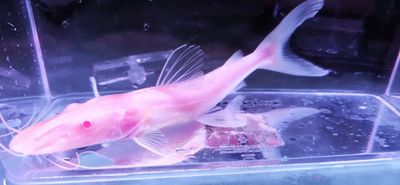
Albino Tiger Shovelnose Catfish - (Pseudoplatystoma fasciatum)
Albino Tiger Shovelnose Catfish - (Pseudoplatystoma fasciatum)
Price of shipping is not included.
was $4 000.00
Save 20%
$3 215.00
Captive Bred
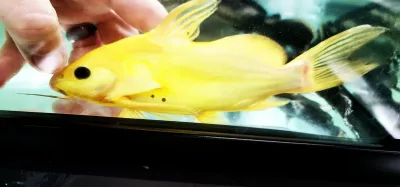
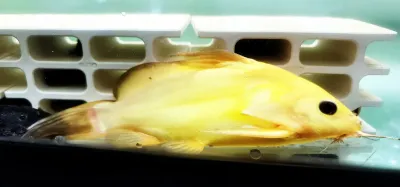
False Upside-down Catfish - (Synodontis nigrita “Yellow”)
False Upside-down Catfish - (Synodontis nigrita “Yellow”)
Price of shipping is not included.
$140.00
Wild Caught
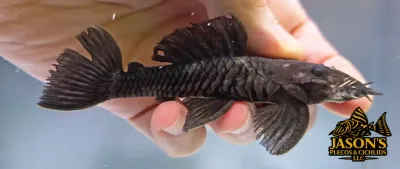
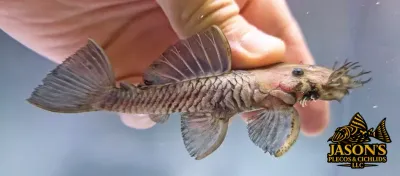
L034 Medusa Pleco - (Ancistrus ranunculus)
L034 Medusa Pleco - (Ancistrus ranunculus)
Price of shipping is not included.
was $65.00
Save 8%
$60.00
Wild Caught
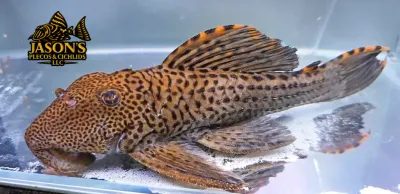
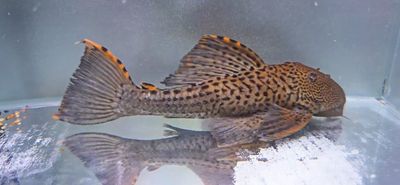
L091 Three Beacon Pleco/Redfin Blackspot Pleco - (Leporacanthicus triactis)
L091 Three Beacon Pleco/Redfin Blackspot Pleco - (Leporacanthicus triactis)
Price of shipping is not included.
5.0
(3)
was $100.00
Save 10%
$90.00
Powered by Lightspeed
Display prices in:USD