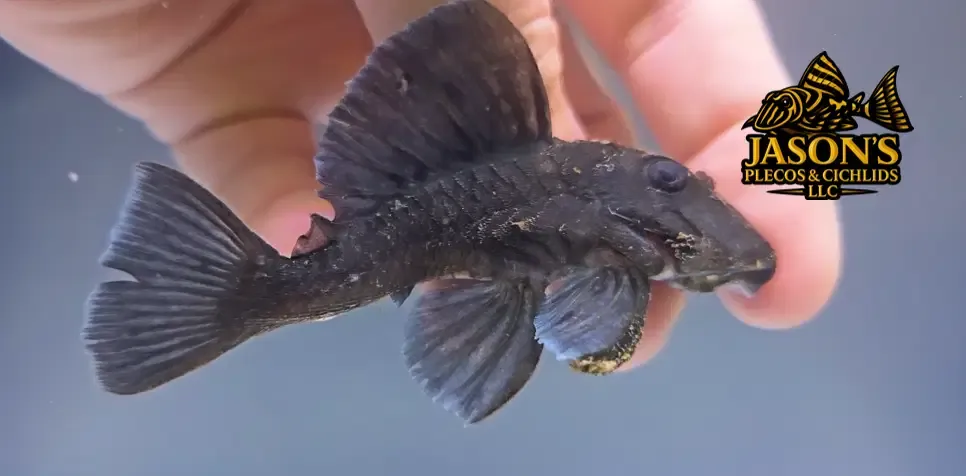
L239 Blue Panaque - (Baryancistrus beggini)
$50.00
Wild Caught
was $60.00 Save 17%
Size
Questions, Comments, Concerns? Let us know!
Enter your text
Price of shipping is not included.
In stock: 2 available
1
Save this fish to my favorites.
Customer reviews
Reviews only from verified customers
No reviews yet. You can buy this product and be the first to leave a review.
L239 Blue Panaque - (Baryancistrus beggini)
Fish Details, Description and Information Below:
🔵 L239 Blue Panaque – (Baryancistrus beggini) – Wild-Caught Upper Orinoco Pleco
The L239 Blue Panaque (Baryancistrus beggini), also known as the Blue Fin Panaque or Blue Pleco, is one of the most unusual blue-colored plecos in the aquarium hobby.
Despite the common name:
BLUE PANAQUE
this fish is:
NOT A TRUE Panaque
The species was formally described in 2009 as:
Baryancistrus beggini
L239 is best known for its nearly uniform:
- Charcoal gray
- Dark brown
- Black
- Blue-black
body covered by an attractive:
TURQUOISE-BLUE SHEEN
The blue coloration can be especially strong on the:
- Pectoral fins
- Pelvic fins
- Dorsal fin
- Flanks
- Tail
Under the right lighting, a healthy specimen can appear almost:
VELVET BLUE
Unlike many other collectible plecos, the L239 is not primarily decorated with bold:
- Spots
- Stripes
- Zebra bands
- Yellow fin seams
Its beauty comes from its unusual solid dark coloration and shimmering blue finish.
The species originates from the upper Rio Orinoco region of Venezuela and Colombia, where it inhabits cracks and spaces between large granite rocks and boulders in warm, flowing, highly oxygenated water.
Its natural diet consists primarily of:
PERIPHYTON / AUFWUCHS AND ASSOCIATED MICROFAUNA
grazed from rock surfaces.
This means L239 should receive a varied diet containing:
- Algae-based foods
- Plant foods
- Biofilm-oriented foods
- Quality sinking omnivore foods
- Modest animal and insect protein
It should not be treated as a wood-eating Panaque, and driftwood should not be presented as a major dietary requirement.
This listing is for:
WILD-CAUGHT L239 BLUE PANAQUES
🔎 Quick Facts – L239 Blue Panaque
- 📛 Common Name: Blue Panaque
- 📛 Other Names: Blue Fin Panaque, Blue Pleco, L239 Pleco
- 🔢 L-Number: L239
- 🔬 Scientific Name: Baryancistrus beggini
- 📅 Formally Described: 2009
- 🐟 Family: Loricariidae
- 🧬 Subfamily: Hypostominae
- 🌿 Stock: Wild Caught
- 📏 Current Size: Approximately 2–3 inches
- 🌎 Origin: South America
- 🇻🇪 Country: Venezuela
- 🇨🇴 Country: Colombia
- 🌊 Native Drainage: Upper Rio Orinoco Basin
- 📍 Venezuela: Rio Orinoco and lower Rio Ventuari
- 📍 Colombia: Lower Rio Guaviare and associated Orinoco drainage
- 🪨 Natural Habitat: Granite bedrock, boulders, cracks and rocky interstitial spaces
- 💧 Water Type: Freshwater
- 📏 Scientific Maximum: Approximately 8.1 cm / 3.2 inches standard length in the original description
- 📏 Adult Planning Size: Approximately 4–6 inches total length
- 🏠 Recommended Aquarium: 40 gallons or larger
- 👥 Multiple Adults: 55+ gallons with substantial bottom territory
- 🌡️ Temperature: Approximately 79–86°F
- 💧 pH: Approximately 5.5–7.5
- 💦 Water: Soft to moderately mineralized
- 💨 Oxygenation: High
- 🌊 Water Movement: Moderate to Strong
- 🍽️ Diet: Omnivorous Aufwuchs / Periphyton Grazer
- 🌿 Algae & Plant Foods: Important
- 🦐 Animal / Insect Protein: Supplemental
- 🪵 Driftwood: Useful for shelter but not a specialized dietary requirement
- 🚫 Algae Cleaner: Should not be purchased solely for algae control
- 😌 Temperament: Peaceful toward most midwater fish
- ⚠️ Pleco Temperament: Adults can be strongly territorial toward similar plecos
- 🌙 Activity: Primarily crepuscular / nocturnal
- 🥚 Breeding: Cave Spawner
- 👨👧 Parental Care: Male guards eggs and fry
- ⭐ Care Level: Intermediate
- 🚨 Conservation Status: Vulnerable
🧬 Formally Described Species
L239 originally entered the aquarium hobby without a scientific species name.
It was known simply as:
L239
or:
Blue Panaque
In:
2009
Nathan Lujan, Mariangeles Arce, and Jonathan Armbruster formally described the fish as:
Baryancistrus beggini
The accepted modern product identification is therefore:
L239 Blue Panaque – (Baryancistrus beggini)
⚠️ The Name “Blue Panaque” Is a Trade Name
Despite being called the:
BLUE PANAQUE
this species does not belong to the genus:
Panaque
The name became established in the aquarium hobby before its scientific identity was resolved.
It is currently classified as:
Baryancistrus beggini
Therefore, “Blue Panaque” should be treated as a:
COMMON / TRADE NAME
rather than a scientific description of its genus.
🔵 Important Appearance Correction
The older product page describes L239 as having:
“Iridescent blue spots.”
I would remove that.
The original scientific description states that live fish are:
DARK GRAY TO BLACK
with a:
TURQUOISE-BLUE SHEEN
across the:
- Fins
- Flanks
The blue coloration is therefore better described as:
A SHEEN OR IRIDESCENT WASH
rather than blue spots.
🎨 Appearance
Typical body coloration includes:
- Charcoal gray
- Very dark brown
- Black
- Blue-black
with a metallic or iridescent:
- Turquoise
- Cobalt-blue
- Slate-blue
- Blue-green
sheen.
The appearance can change dramatically depending on:
- Light angle
- Aquarium lighting
- Stress
- Background color
- Water conditions
- Fish condition
💙 Blue Fins
The fins are among the most attractive features of L239.
Healthy specimens can show intense blue coloration through the:
- Pectoral fins
- Pelvic fins
- Dorsal fin
- Caudal fin
Some individuals appear almost:
ELECTRIC BLUE
when viewed under suitable aquarium lighting.
♂️ Males May Become More Intensely Blue
The original scientific description notes that the:
BLUE SHEEN WAS MORE INTENSE IN SOME ADULTS
which researchers considered likely to be:
MALES
This does not mean every male will be dramatically brighter than every female.
Color intensity alone should:
NOT
be used as a guaranteed sexing method.
⚠️ Color Disclaimer
Exact blue coloration cannot be guaranteed.
Individual fish may appear:
- Dark gray
- Blue-gray
- Charcoal
- Black
- Turquoise-blue
- Blue-green
depending on:
- Genetics
- Age
- Sex
- Stress
- Lighting
- Aquarium background
- Diet
- Water quality
Newly imported wild fish may initially look much darker or duller than established specimens.
🧬 What Does beggini Mean?
The species name:
beggini
honors:
Chris Beggin
who supported the scientific research that resulted in the species being formally described.
The original authors specifically recognized his:
- Financial support of the research
- Ethical ornamental-fish business practices
- Positive influence on the professional development of the lead author
🌎 Native Distribution
Baryancistrus beggini is native to the:
UPPER RIO ORINOCO BASIN
of:
- 🇻🇪 Venezuela
- 🇨🇴 Colombia
🇻🇪 Venezuela
Scientific records include:
RIO VENTUARI
and the:
RIO ORINOCO
around the Ventuari–Orinoco region.
The holotype was collected from the:
RIO VENTUARI
in Amazonas State, Venezuela.
🇨🇴 Colombia
The species is also scientifically documented from portions of the:
RIO GUAVIARE
and other Colombian portions of the upper Orinoco drainage.
Therefore, describing the fish as exclusively Venezuelan is too restrictive.
The better origin is:
UPPER ORINOCO BASIN – VENEZUELA & COLOMBIA
🪨 Natural Habitat
L239 inhabits:
GRANITIC BEDROCK AND BOULDER HABITAT
associated with exposed portions of the:
GUIANA SHIELD
The fish lives in:
- Cracks
- Crevices
- Spaces between boulders
- Spaces beneath rocks
- Interstitial rocky habitat
🪨 A Rock-Dwelling Pleco
L239 should be thought of primarily as a:
ROCK-DWELLING RIVER PLECO
rather than a wood-dwelling species.
Its aquarium should therefore contain substantial:
- Rocks
- Slate
- Caves
- Crevices
with driftwood used as an optional additional structure.
🌊 Flowing Water
The natural habitat consists of flowing tropical river environments.
In captivity, provide:
MODERATE TO STRONG WATER MOVEMENT
with areas where fish can retreat behind:
- Rocks
- Caves
- Wood
The entire aquarium does not need to be an uncontrolled torrent.
💨 HIGH OXYGENATION
L239 prefers:
WARM, HIGHLY OXYGENATED WATER
This combination is especially important because warm water naturally holds less dissolved oxygen.
Recommended methods include:
- Strong surface agitation
- Air stones
- Powerheads
- Circulation pumps
- Canister-filter returns
- Sump filtration
🌡️ Temperature
A practical aquarium range is:
79–86°F / 26–30°C
This is warmer than the older:
74–82°F
recommendation.
A good general target is approximately:
80–84°F
with strong oxygenation.
💧 Water Parameters
A practical long-term range is:
- 🌡️ Temperature: 79–86°F
- 💧 pH: Approximately 5.5–7.5
- 💦 Hardness: Soft to moderately mineralized
- 💨 Oxygenation: High
- 🌊 Flow: Moderate to Strong
- ☠️ Ammonia: 0 ppm
- ☠️ Nitrite: 0 ppm
- 🔄 Nitrate: Keep low
Stable water quality is particularly important with wild-caught specimens.
⚠️ Sensitive to Poor Water Quality
L239 should not be treated like a highly adaptable Common Pleco.
Avoid:
- Poor oxygenation
- Excess organic waste
- Elevated nitrate
- Dirty substrate
- Sudden chemistry changes
Regular partial water changes are strongly recommended.
📏 Adult Size
The original scientific description examined:
98 SPECIMENS
and recorded a maximum:
80.9 MM STANDARD LENGTH
or approximately:
3.2 INCHES BEFORE THE TAIL
📏 Aquarium Adult Size
Specialist aquarium records commonly place mature L239 at approximately:
12–15 CM TOTAL LENGTH
or roughly:
4.7–5.9 INCHES
Therefore, for responsible aquarium planning:
EXPECT APPROXIMATELY 4–6 INCHES TOTAL LENGTH
⚠️ Why Scientific & Aquarium Sizes Differ
The scientific maximum refers to:
STANDARD LENGTH
which excludes the full caudal fin.
It also reflects the specimens available to scientists during the original description.
Aquarium and specialist field records can include larger living adults.
For customer planning:
4–6 INCHES
is safer than either:
- 3 inches
or:
- assuming every fish reaches exactly 6 inches.
🏠 Aquarium Size
The current 55-gallon recommendation is generous for a single fish.
For one adult:
40 GALLONS OR LARGER
can work well when properly filtered and structured.
For:
- Multiple L239
- Breeding groups
- Other territorial plecos
I recommend:
55 GALLONS OR LARGER
📐 Bottom Area Matters
L239 spends most of its life around:
- Rockwork
- Caves
- Substrate
so aquarium:
LENGTH + WIDTH
matter more than excessive height.
A larger bottom footprint provides:
- More caves
- More territories
- More feeding surfaces
- Less territorial conflict
🪨 Aquarium Setup
A good L239 aquarium should contain:
- Large smooth rocks
- Rounded boulders
- Slate
- Rock cracks
- Ceramic caves
- Low shelters
- Sand or smooth gravel
- Good circulation
- High oxygenation
- Strong filtration
🏠 Provide Multiple Caves
Even though wild L239 use natural rock fissures rather than ceramic tubes, pleco caves work well in captivity.
Provide:
MORE SHELTERS THAN PLECOS
when keeping several individuals.
Suitable shelters include:
- Ceramic pleco caves
- Slate caves
- Rock crevices
- Tight overhangs
- One-ended tubes
🪵 Driftwood – Useful, But Not a Wood-Eating Panaque
Because of the common name:
BLUE PANAQUE
customers may assume L239 requires large amounts of wood in its diet.
That is incorrect.
L239 is:
NOT A TRUE Panaque
and the scientific stomach-content observations point instead toward:
PERIPHYTON AND ASSOCIATED MICROFAUNA
grazed from rock surfaces.
Driftwood can still provide:
- Shelter
- Shade
- Biofilm
- Territory
but should not be treated as a dietary necessity.
🚫 Remove “Wood Fibers” as a Main Diet Item
The older listing says L239 enjoys:
“wood fibers.”
I would remove that from the primary diet description.
This species is better characterized as:
AN AUFWUCHS / PERIPHYTON GRAZER
rather than a wood-eating pleco.
🍽️ Diet – Omnivorous Aufwuchs / Periphyton Grazer
The original scientific examination of stomach contents found that L239 feeds on:
PERIPHYTON
and:
ASSOCIATED MICROFAUNA
on rocky surfaces.
🔬 What Is Periphyton?
Periphyton is the complex biological growth found on submerged surfaces.
It can contain:
- Algae
- Bacteria
- Biofilm
- Detritus
- Microorganisms
- Protozoans
- Small crustaceans
- Insect larvae
- Other tiny invertebrates
Therefore, L239 is not accurately described as strictly:
- Herbivorous
or strictly:
- Carnivorous.
🌿 Plant & Algae Foods
Suitable foods include:
- High-quality algae wafers
- Spirulina wafers
- Vegetable-containing sinking pellets
- Quality gel foods
- Zucchini
- Squash
- Green beans
These provide an important plant component.
🦐 Animal & Insect Foods
The microfauna component of its natural diet means some protein should also be provided.
Suitable foods include:
- Mysis shrimp
- Brine shrimp
- Bloodworms
- Mosquito larvae
- Insect-based sinking pellets
- Small amounts of chopped shrimp
- Quality omnivore tablets
⚖️ Balanced Feeding
The best long-term approach is:
ALGAE / PLANT FOODS + BIOFILM + SMALL ANIMAL / INSECT FOODS
rather than an extreme diet.
Do not feed only:
- Vegetables
or only:
- High-protein carnivore foods.
🚫 Not Just an Algae Cleaner
L239 does naturally graze algae-containing biological growth.
However:
DO NOT PURCHASE IT SIMPLY TO CLEAN AN AQUARIUM
It requires intentional feeding.
Aquarium algae alone is not enough to support proper long-term nutrition.
🌙 Behavior
The Blue Panaque is generally:
CREPUSCULAR / NOCTURNAL
and may remain hidden during bright daylight.
Activity normally increases:
- At dusk
- During feeding
- After lights dim
- At night
Established specimens can become more confident during daytime.
🧪 Wild-Caught Acclimation
This listing is for:
WILD-CAUGHT L239 BLUE PANAQUES
Wild specimens deserve careful acclimation.
After arrival:
- Provide immediate rock shelters
- Keep lighting subdued
- Maintain very high oxygen
- Avoid abrupt temperature changes
- Avoid abrupt pH changes
- Maintain excellent filtration
- Confirm feeding
⚠️ Watch for a Sunken Belly
Imported L239 can sometimes arrive:
- Thin
- Stressed
- Reluctant to feed
Watch carefully for:
- Sunken abdomen
- Hollow body profile
- Loss of muscle
- Persistent refusal to eat
🍽️ Make Sure Each Fish Gets Food
L239 can be outcompeted by:
- Aggressive cichlids
- Large plecos
- Fast bottom feeders
Offer food:
- Close to shelters
- At dusk
- After lights out
- In several different locations
😌 Temperament Toward Other Fish
L239 is generally:
PEACEFUL
toward most midwater fish.
Potential tankmates include appropriately selected:
- Tetras
- Characins
- Peaceful cichlids
- Other compatible warm-water fish
⚠️ Territorial Toward Other Plecos
The biggest temperament concern is:
OTHER BOTTOM-DWELLING PLECOS
Adult L239 can become strongly territorial toward:
- Other L239
- Other Baryancistrus
- Similar cave-dwelling plecos
⚔️ Do Not Overcrowd
More than one adult in insufficient bottom space can result in:
- Persistent chasing
- Cave blocking
- Pushing
- Fin damage
- Odontode injuries
Provide:
- Multiple caves
- Multiple feeding locations
- Visual barriers
- Adequate bottom territory
♂️ Male vs. Female
Sexing L239 can be challenging.
Mature Males May Develop:
- Slightly broader heads
- More pronounced odontodes behind the gill covers
- Stronger pectoral-fin odontodes
- Increased territorial behavior
The blue sheen may also be more intense in some mature males.
Mature Females May:
- Develop fuller abdomens when carrying eggs
- Show subtle differences around the genital papilla
However:
L239 IS NOT ONE OF THE EASIEST PLECOS TO SEX VISUALLY
Unless confidently determined:
SELL AS UNSEXED
🥚 Captive Breeding – Confirmed
L239 has been:
SUCCESSFULLY BRED IN CAPTIVITY
although captive spawning remains:
UNCOMMON
compared with many smaller Hypancistrus or Ancistrus.
The first widely reported breeding success involved:
BASEL ZOO
and additional private breeders have since reproduced the species.
🏠 Cave Spawner
L239 is a:
CAVE-SPAWNING PLECO
Provide several caves with:
- Different diameters
- Different lengths
- Strong water movement near the entrance
The male usually selects a preferred breeding cave.
💕 Spawning Behavior
Typical breeding behavior includes:
- The male establishes a cave.
- A receptive female enters.
- Spawning occurs inside the cave.
- Eggs are deposited and fertilized.
- The female leaves.
- The male remains with the clutch.
👨👧 Male Parental Care
After spawning:
THE MALE GUARDS THE EGGS
He:
- Protects the clutch
- Fans the eggs
- Maintains water movement
- Guards the developing fry
⚠️ Fry Can Be Difficult
Specialist breeding accounts note that getting L239 to spawn is only part of the challenge.
Maintaining high survival among fry may also require:
- Extremely clean water
- High oxygenation
- Frequent feeding
- Stable temperatures
- Careful waste removal
For that reason, L239 breeding should be considered:
AN INTERMEDIATE TO ADVANCED PROJECT
💧 Breeding Conditions
Successful breeding is associated with:
- Warm water
- High dissolved oxygen
- Good circulation
- Excellent water quality
- Suitable caves
- Well-conditioned adults
- A varied diet
Avoid assuming there is one exact guaranteed spawning formula.
🧬 Preserve L239 Lines
If breeding:
- Preserve L239 identification
- Preserve collection locality when known
- Keep records of parent fish
- Avoid mixing with similar Baryancistrus
Accurate records are especially valuable because L239 has a:
RESTRICTED NATURAL DISTRIBUTION
and is currently considered Vulnerable.
🚨 Conservation Status – Vulnerable
Baryancistrus beggini is currently assessed as:
VULNERABLE
on the IUCN Red List.
The assessment category is:
VU – B1ab(iii,v)
⚠️ Why Vulnerable?
The species occupies a relatively restricted portion of the:
UPPER ORINOCO REGION
and conservation concerns include:
- Limited geographic range
- Declining habitat quality
- Pressure on mature populations
- Ornamental-fish collection from a restricted area
⚠️ Vulnerable Does Not Automatically Mean Illegal
An IUCN:
VULNERABLE
classification is a conservation assessment.
It does not automatically mean the species is:
- CITES listed
- Illegal to own in the United States
- Federally prohibited
- Illegal to sell domestically
Those are separate legal designations.
However, responsible sourcing and long-term care are especially important for:
WILD-CAUGHT L239
🌱 Captive Breeding Is Valuable
Successful captive breeding can help:
- Reduce future reliance on wild collection
- Preserve aquarium lineages
- Increase biological knowledge
- Improve long-term hobby availability
L239 is therefore an especially worthwhile breeding project for experienced pleco keepers.
⭐ Why Keep an L239 Blue Panaque?
The L239 combines:
- 🔵 Beautiful turquoise-blue sheen
- ⚫ Deep charcoal to black body
- 🪨 Granite-rock habitat specialization
- 🌊 Upper Orinoco origin
- 📏 Manageable approximately 4–6 inch adult size
- 🍽️ Interesting periphyton-grazing diet
- 🌙 Nocturnal personality
- 🥚 Confirmed captive breeding
- 👨👧 Male parental care
- 🧬 Formally described scientific identity
- 🚨 Vulnerable conservation status
into one of the most unusual blue plecos in the aquarium hobby.
⚠️ Important Considerations
Before purchasing an L239 Blue Panaque:
- The correct scientific name is Baryancistrus beggini.
- The species was formally described in 2009.
- “Blue Panaque” is a trade name.
- L239 is not actually a member of the genus Panaque.
- The species originates from the upper Rio Orinoco Basin.
- Its range includes Venezuela and Colombia.
- Scientific records include the Rio Orinoco, Rio Ventuari, and lower Rio Guaviare.
- Natural habitat consists largely of granite rocks, boulders, cracks, and crevices.
- The species has a uniform dark body with a turquoise-blue sheen.
- Do not describe L239 as naturally covered with blue spots.
- This listing is for wild-caught fish.
- The original description documented approximately 8.1 cm standard length.
- Specialist aquarium records report larger total-length adults.
- Plan for approximately 4–6 inches.
- Provide approximately 40 gallons or larger for one adult.
- Use 55+ gallons for multiple adults.
- Provide substantial rockwork and multiple caves.
- Maintain approximately 79–86°F.
- Maintain high dissolved oxygen.
- Provide moderate to strong water movement.
- Keep ammonia and nitrite at zero.
- Keep nitrate low.
- Feed an omnivorous aufwuchs / periphyton-based diet.
- Provide algae and plant foods.
- Provide modest animal and insect protein.
- Do not describe L239 as a specialized wood-eating pleco.
- Driftwood is useful but not a dietary requirement.
- Do not purchase L239 simply as an algae cleaner.
- Expect territorial behavior toward similar plecos.
- Captive breeding has been documented.
- L239 is a cave spawner.
- Males provide parental care.
- The species is currently classified as Vulnerable.
- Responsible sourcing is especially important for wild-caught specimens.
- Never release aquarium fish into natural waterways.
🧬 Taxonomy
The currently accepted scientific name is:
Baryancistrus beggini Lujan, Arce & Armbruster, 2009
Classification:
- Order: Siluriformes
- Family: Loricariidae
- Subfamily: Hypostominae
- Genus: Baryancistrus
- Species: beggini
- L-Number: L239
The species was formally described from the:
UPPER RIO ORINOCO BASIN
of Venezuela and Colombia.
For this product, use:
L239 Blue Panaque – (Baryancistrus beggini)
🔢 L-Number & Common-Name Disclaimer
L239 remains the established aquarium designation for Baryancistrus beggini.
The common name:
BLUE PANAQUE
predates the species' formal scientific description.
Despite that common name:
THIS FISH IS NOT A TRUE Panaque
Always preserve:
- L239
- Scientific name
- Collection locality when known
- Supplier information
- Breeder-line records
🚨 Vulnerable Species Disclaimer
Baryancistrus beggini is currently classified as:
VULNERABLE
on the IUCN Red List.
The IUCN conservation category does not automatically establish a legal prohibition on aquarium ownership or domestic trade.
Customers remain responsible for complying with all applicable:
- Federal laws
- State laws
- Local regulations
- Import requirements
Responsible sourcing and long-term care are especially important for wild-caught specimens.
🚚 Live Fish Shipping
Live fish are professionally packed for safe transport.
Shipping availability depends on:
- Fish size
- Destination
- Weather conditions
- Carrier availability
- Applicable state and local regulations
Please review our Shipping & Payment Information and Live Arrival Guarantee / DOA Policy before ordering.
⚠️ Buyer Responsibility
Customers are responsible for confirming that Baryancistrus beggini may legally be purchased, possessed, transported, and received in their state or local jurisdiction before ordering.
Never release aquarium fish into natural waterways.
Below are fish you may also like.
Captive Bred
Albino L165 Sail Fin Pleco - (Pterygoplichthys gibbiceps)
Albino L165 Sail Fin Pleco - (Pterygoplichthys gibbiceps)
Price of shipping is not included.
5.0
(3)
was $55.00
Save 9%
$50.00
Wild Caught
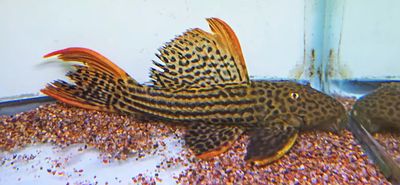
L025 Scarlet Cactus Pleco 7 Pointer - (Pseudacanthicus pirarara)
L025 Scarlet Cactus Pleco 7 Pointer - (Pseudacanthicus pirarara)
Price of shipping is not included.
was $550.00
Save 6%
$515.00
Captive Bred
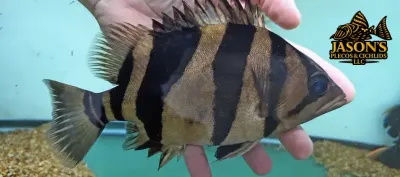
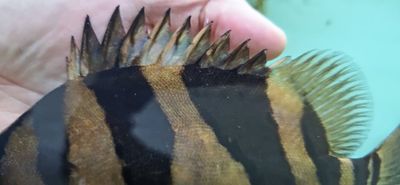
Indo Datnoid - (Datnioides microlepis)
Indo Datnoid - (Datnioides microlepis)
Price of shipping is not included.
was $800.00
Save 9%
$725.00
Wild Caught
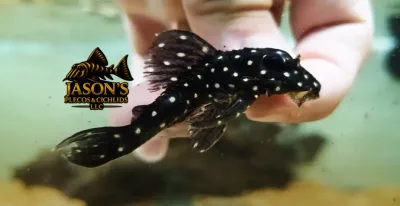
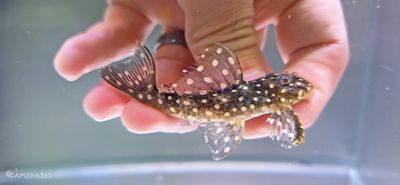
L201 Orinoco Angel Pleco - (Hypancistrus sp.)
L201 Orinoco Angel Pleco - (Hypancistrus sp.)
Price of shipping is not included.
5.0
(3)
was $45.00
Save 11%
$40.00
Wild Caught
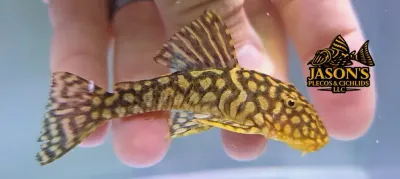
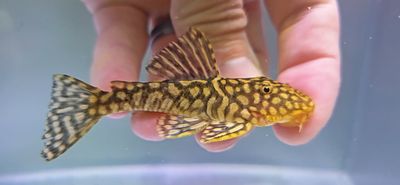
Slate Pleco - (Pseudancistrus genisetiger)
Slate Pleco - (Pseudancistrus genisetiger)
Price of shipping is not included.
5.0
(1)
was $80.00
Save 6%
$75.00
Powered by Lightspeed
Display prices in:USD