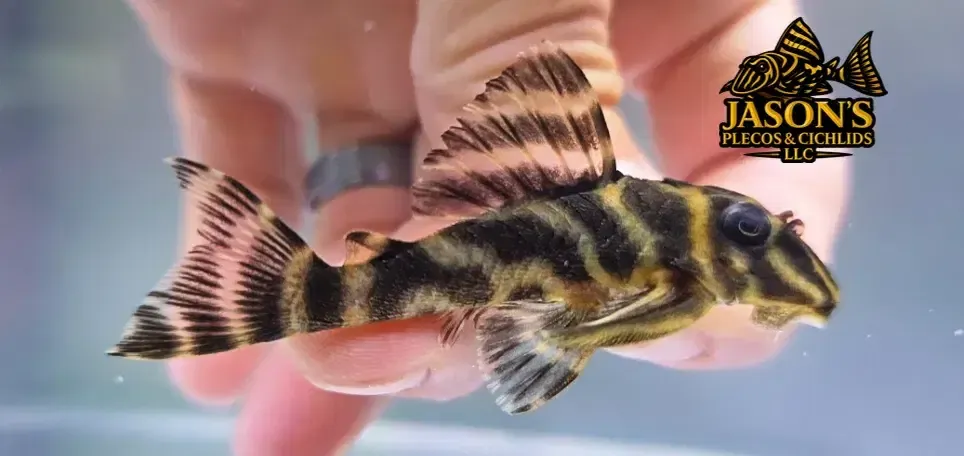
L199 Yellowhead Zebra Pleco - (Hypancistrus furunculus)
5.0
1 review
Reviews from verified customers who have purchased products at this store.
$45.00
Sold out
was $50.00 Save 10%
Size
Questions, Comments, Concerns? Let us know!
Enter your text
Price of shipping is not included.
Sold out
Save this fish to my favorites.
Customer reviews
Reviews only from verified customers
Reviews are only accepted from verified customers who have signed in and purchased the products. This ensures that each review is based on genuine customer experiences. All reviews are checked before publication to prevent spam.
Mary B.
Poynette,
United States
Dec 25, 2025
This is a beautiful and calm Pleco, getting along beautifully with our guppies. The purchase and shipping were smooth. We would definitely buy another Pleco here.
L199 Yellowhead Zebra Pleco - (Hypancistrus furunculus)
Fish Details, Description and Information Below:
🟡 L199 Yellowhead Zebra Pleco – (Hypancistrus furunculus) – Wild-Caught Upper Orinoco Pleco
The L199 Yellowhead Zebra Pleco (Hypancistrus furunculus), also known as the Yellow Zebra Pleco or Orinoco Zebra Pleco, is a beautifully patterned South American pleco distinguished by its contrasting dark zebra-like bands over a cream, tan, pale yellow, or yellowish background.
One of its most distinctive characteristics is the dark marking across the snout and between the eyes that resembles a:
BANDIT MASK
This marking is so distinctive that it inspired the scientific species name:
furunculus
which refers to a:
Petty Thief or Pilferer
because the dark facial band resembles a thief's mask.
L199 was originally introduced to the aquarium hobby through the L-number system and was later formally described in 2007 as:
Hypancistrus furunculus
The species originates from the upper Rio Orinoco drainage, particularly the Orinoco and lower Ventuari systems of southern Venezuela, with modern records also documenting the species in Colombia.
Unlike the L046 Zebra Pleco, L199 typically develops:
- Broader dark bands
- A cream to yellowish background
- A distinctive dark facial mask
- Fewer oblique body stripes
- More vertical banding toward the rear of the body and tail
The Yellowhead Zebra Pleco is a protein-leaning omnivore that feeds heavily on aquatic animal and insect-based foods. It should not be purchased simply as an algae-cleaning pleco.
This listing is for:
WILD-CAUGHT L199 YELLOWHEAD ZEBRA PLECOS
🔎 Quick Facts – L199 Yellowhead Zebra Pleco
- 📛 Common Name: Yellowhead Zebra Pleco
- 📛 Other Names: Yellow Zebra Pleco, Orinoco Zebra Pleco, L199 Zebra Pleco
- 🔢 L-Number: L199 / L199
- 🔬 Scientific Name: Hypancistrus furunculus
- 📅 Formally Described: 2007
- 🐟 Family: Loricariidae
- 🧬 Subfamily: Hypostominae
- 🌿 Stock: Wild Caught
- 📏 Current Size: Approximately 3–3.5 inches
- 🌎 Origin: South America
- 🌊 Native Drainage: Upper Rio Orinoco Basin
- 🇻🇪 Primary Scientific Range: Southern Venezuela
- 🇨🇴 Additional Modern Records: Colombia
- 📍 Type Locality: Rio Orinoco at Cucue, Amazonas, Venezuela
- 🌊 Additional Native Habitat: Lower Rio Ventuari
- 💧 Water Type: Freshwater
- 📏 Adult Planning Size: Approximately 5–6 inches
- 🏠 Recommended Aquarium: 40 gallons or larger
- 👥 Groups / Breeding Colonies: 55+ gallons preferred with substantial bottom territory
- 🌡️ Temperature: Approximately 77–84°F
- 🌡️ Breeding Range: Often maintained toward 82–86°F
- 💧 pH: Approximately 5.5–7.5
- 💦 Water: Soft to moderately mineralized
- 💨 Oxygenation: High
- 🌊 Water Movement: Moderate to Strong
- 🍽️ Diet: Protein-Leaning Omnivore
- 🦐 Animal / Insect Foods: Important
- 🌿 Plant Foods: Supplemental
- 🚫 Algae Cleaner: No
- 😌 Temperament: Peaceful toward most midwater fish
- ⚠️ Pleco Temperament: Territorial around caves
- 🌙 Activity: Primarily crepuscular / nocturnal
- 🐠 Swimming Area: Bottom
- 🥚 Breeding: Cave Spawner
- 👨👧 Parental Care: Male guards eggs and fry
- ⭐ Care Level: Intermediate
- 🌎 Conservation Status: Least Concern
🧬 Formally Described Species
For many years, this fish was known simply as:
Hypancistrus sp. L199
That changed in:
2007
when Jonathan Armbruster, Nathan Lujan, and Donald Taphorn formally described the species as:
Hypancistrus furunculus
Therefore, the correct modern identification is:
L199 Yellowhead Zebra Pleco – (Hypancistrus furunculus)
🥷 What Does furunculus Mean?
The scientific name:
furunculus
comes from Latin and means approximately:
PETTY THIEF / PILFERER
The name refers to the distinctive:
DARK BAND BETWEEN THE EYES
which resembles the mask traditionally associated with a thief.
This dark facial marking is one of the most useful identification characteristics of L199.
🎭 The Bandit Mask
The original scientific description specifically noted a dark:
E-SHAPED MARKING ON THE SNOUT
in front of and between the eyes.
Depending on the specimen and viewing angle, this marking can appear as:
- A dark mask
- An E-shaped marking
- Connected dark bars
- A broad black facial band
This feature is especially useful when distinguishing L199 from some other striped Orinoco Hypancistrus.
🎨 Appearance
L199 develops a striking combination of:
- Black
- Dark charcoal
- Dark gray
- Chocolate-brown
bands over a background that may appear:
- Pale yellow
- Cream
- Tan
- Beige
- Light gray
The aquarium name:
YELLOWHEAD ZEBRA PLECO
comes from the warmer yellow or cream coloration frequently visible on the head and body.
⚠️ Not Every L199 Is Bright Yellow
The name:
Yellowhead Zebra Pleco
is an aquarium-trade name.
The original scientific description describes the underlying coloration more conservatively as:
WHITE TO LIGHT CREAM
with the species also differing from L046 Hypancistrus zebra by having a more:
TAN BACKGROUND
Therefore:
DO NOT GUARANTEE A BRIGHT YELLOW ADULT COLOR
Some individuals may appear:
- Yellowish
- Cream
- Beige
- Tan
- Nearly white
depending on genetics and environmental conditions.
🦓 Zebra-Like Pattern
The characteristic L199 pattern includes:
- Dark oblique bars on the front half of the body
- Dark saddles and bars farther toward the rear
- Vertical bands on the caudal peduncle
- Vertical bands through the tail
- Complete dark bands through the dorsal fin
The transition between the front and rear pattern can be highly variable.
🔄 Pattern Variation
Individual L199 may develop:
- Straight bands
- Broken bands
- Crescents
- Saddles
- Irregular markings
- Eye-like ocelli
- Partial stripes
No two fish necessarily develop identical patterns.
👶 Juveniles Can Look More “Zebra-Like”
Young L199 frequently show stronger:
- Light-and-dark contrast
- Clean striping
- Zebra-like banding
As the fish matures, portions of the body pattern can become:
- More irregular
- More vertical
- More broken
- More complex
This is normal.
⚠️ Color & Pattern Disclaimer
Exact adult pattern and coloration cannot be guaranteed.
Appearance can vary with:
- Genetics
- Age
- Collection locality
- Stress
- Shipping
- Lighting
- Aquarium background
- Diet
- Water quality
Wild fish may arrive looking considerably lighter or darker than they will after acclimation.
🆚 L199 vs. L046 Zebra Pleco
L199 is sometimes confused with:
L046 Zebra Pleco – Hypancistrus zebra
They are:
DIFFERENT SPECIES
and come from completely different river systems.
L199 – Hypancistrus furunculus
- Upper Rio Orinoco
- Venezuela / Colombia
- Cream, tan, or yellowish background
- Broader dark markings
- Distinctive facial mask
- Oblique bands primarily toward the front
- Vertical bands toward the rear
L046 – Hypancistrus zebra
- Rio Xingu, Brazil
- Strong black-and-white zebra pattern
- Oblique striping extends much farther through the body
- CITES Appendix II
- Critically Endangered
- Commercial wild-caught exports prohibited
L199 is:
NOT L046
and should never be sold or represented as an inexpensive “Zebra Pleco” substitute without its L-number clearly identified.
🆚 L199 vs. L129
Another striped Orinoco species is:
L129 – Hypancistrus debilittera
L129 generally develops:
- Thinner pale markings
- More broken lines
- Vermiculations
- Less complete dorsal-fin bands
- A weaker or absent dark facial E-mark
L199 generally develops:
- Broader, clearer bars
- Complete dorsal-fin bands
- Stronger facial mask
- More organized stripe pattern
🆚 L199 vs. L201
The:
L201 Orinoco Angel Pleco – Hypancistrus contradens
is also from the Orinoco system.
However, L201 is predominantly:
SPOTTED
rather than strongly zebra-banded.
L199 is characterized primarily by:
BANDS AND STRIPES
rather than a spotted body.
🌎 Native Distribution
Hypancistrus furunculus was formally described from the:
UPPER RIO ORINOCO
of southern Venezuela.
Its scientifically documented Venezuelan range includes the:
- Main Rio Orinoco
- Lower Rio Ventuari
📍 Type Locality
The type locality is:
CUCUE INDIGENOUS VILLAGE
on the:
RIO ORINOCO
approximately 60 km east of:
San Juan de Atabapo
in:
Amazonas State, Venezuela
🌊 Scientific Range
The original species description documented L199 from the main Orinoco:
From Just West of San Fernando de Atabapo Upstream to the Mouth of the Ventuari
and from the:
Lower Ventuari River
upstream toward Canaripo.
🇨🇴 Colombia Records
Although the original 2007 species description was based on Venezuelan specimens, modern fish inventories and taxonomic records also recognize:
Hypancistrus furunculus
from the:
ORINOCO BASIN OF COLOMBIA
This is not surprising because the upper Orinoco region spans international drainage boundaries and aquarium fish may also enter the trade through Colombian exporters.
For the product page, the safest origin is:
Upper Rio Orinoco Basin – Venezuela & Colombia
with the:
TYPE LOCALITY IN VENEZUELA
clearly identified.
🪨 Natural Habitat
L199 is a:
ROCK-ASSOCIATED RIVER PLECO
The species has been collected around:
- Bedrock
- Rock outcrops
- Crevices
- River margins
- Moving water
The closely related Orinoco Hypancistrus species occupy rocky habitats where cracks and protected spaces provide daytime shelter.
🌊 Current
Provide:
MODERATE TO STRONG WATER MOVEMENT
with sheltered areas where fish can rest.
A good aquarium contains:
🌊 Higher-Flow Areas
for:
- Oxygenation
- Waste transport
- Natural river behavior
and:
🪨 Protected Areas
around:
- Rocks
- Caves
- Driftwood
for resting.
The entire aquarium does not need violent current.
💨 HIGH OXYGENATION
L199 thrives in:
WELL-OXYGENATED WATER
This becomes especially important because it prefers relatively warm tropical temperatures.
Useful methods include:
- Strong surface agitation
- Air stones
- Sponge filters
- Powerheads
- Canister-filter returns
- Sump returns
🌡️ Temperature
A practical maintenance range is:
77–84°F / 25–29°C
For breeding, experienced keepers often maintain adults near:
82–86°F
provided dissolved oxygen remains very high.
⚠️ Warm Water Requires More Oxygen
As aquarium temperature rises:
DISSOLVED OXYGEN DECREASES
Therefore, warm-water Hypancistrus aquariums should use:
- Strong aeration
- Surface movement
- Good circulation
- Reliable filtration
especially during hot weather.
💧 Water Parameters
A practical aquarium range is:
- 🌡️ Temperature: 77–84°F
- 💧 pH: Approximately 5.5–7.5
- 💦 Hardness: Soft to moderately mineralized
- 💨 Oxygenation: High
- 🌊 Flow: Moderate to Strong
- ☠️ Ammonia: 0 ppm
- ☠️ Nitrite: 0 ppm
- 🔄 Nitrate: Keep low
L199 does best in:
CLEAN, STABLE, MATURE AQUARIUMS
⚠️ Sensitive to Poor Water Quality
L199 should not be treated like a large, highly adaptable Common Pleco.
It can react poorly to:
- Accumulated nitrate
- Low oxygen
- Excess organic waste
- Poor filtration
- Sudden chemistry changes
Regular partial water changes are important.
📏 Adult Size – Important Correction
The older product page lists:
3–4 INCHES
as the maximum size.
That is too small.
Specialist references document adult L199 around:
12–15 CM
or approximately:
4.7–5.9 INCHES
Therefore, for responsible aquarium planning:
EXPECT APPROXIMATELY 5–6 INCHES
⚠️ Scientific Description vs. Aquarium Adults
The original 2007 scientific description examined specimens only to:
65.5 MM STANDARD LENGTH
or approximately:
2.6 INCHES BEFORE THE TAIL
That does:
NOT
mean the species only reaches that size.
It simply reflects the largest preserved specimen available to the scientists in that study.
Larger mature aquarium and wild specimens are well documented by specialist L-number keepers.
🏠 Aquarium Size
The older listing recommends:
20 GALLONS
I would increase that for permanent housing.
For one adult or a compatible pair:
40 GALLONS OR LARGER
is a much more comfortable long-term starting point.
For a group or breeding colony:
55 GALLONS OR LARGER
is preferred.
📐 Bottom Area Matters More Than Height
L199 spends most of its life around:
- Rocks
- Caves
- Substrate
so prioritize:
AQUARIUM LENGTH + WIDTH
rather than excessive height.
A 40-gallon breeder-style footprint is especially useful.
🪨 Aquarium Setup
A good L199 aquarium should include:
- Smooth rocks
- Slate
- Rock piles
- Narrow caves
- Ceramic pleco tubes
- Driftwood
- Sand or smooth gravel
- Shaded areas
- Strong filtration
- Good water movement
- High dissolved oxygen
🏠 Caves Are Essential
Provide:
MORE CAVES THAN PLECOS
when maintaining a group.
Suitable shelters include:
- Ceramic pleco caves
- Slate caves
- Narrow rock crevices
- One-ended pleco tubes
- Driftwood cavities
Caves provide:
- Security
- Daytime shelter
- Territory
- Breeding sites
🪵 Driftwood
Driftwood can be included for:
- Shelter
- Shade
- Biofilm
- Territory boundaries
- Natural structure
However:
L199 IS NOT A SPECIALIZED WOOD-EATING PLECO
Wood is not required for digestion and should not be considered its primary food.
🍽️ Diet – Protein-Leaning Omnivore
One of the biggest corrections from the older page is diet.
L199 should not be described primarily as eating:
Algae Wafers + Vegetables
It is better described as a:
PROTEIN-LEANING OMNIVORE
with strong preference for:
- Aquatic invertebrate foods
- Insect foods
- Protein-rich sinking foods
🦐 Recommended Protein Foods
Suitable foods include:
- Mysis shrimp
- Brine shrimp
- Bloodworms
- Black mosquito larvae
- White mosquito larvae
- Krill
- Cyclops
- Chopped shrimp
- Quality sinking carnivore pellets
- Insect-based pleco foods
- High-quality omnivore tablets
🌿 Plant Foods
L199 may occasionally consume:
- Spirulina-containing foods
- Vegetable-based wafers
- Zucchini
- Cucumber
- Other appropriate vegetable foods
However:
PLANT FOODS SHOULD GENERALLY BE SUPPLEMENTAL
rather than the foundation of the diet.
🚫 Not an Algae Cleaner
L199 is:
NOT AN ALGAE-CONTROL PLECO
It may occasionally graze:
- Biofilm
- Soft organic growth
- Small amounts of algae
but should not be expected to clean:
- Aquarium glass
- Rocks
- Decorations
⚠️ Poor Food Competitor
L199 can be:
SHY AT FEEDING TIME
Aggressive or very fast tankmates may consume most of the food before the pleco emerges.
Feed:
- Near caves
- At dusk
- After lights dim
- In multiple locations
🍽️ Monitor Body Condition
Watch for:
- Sunken abdomen
- Loss of body mass
- Hollow appearance
- Persistent refusal to eat
A fish can remain hidden and slowly lose condition without the keeper noticing.
🌙 Activity
L199 is primarily:
CREPUSCULAR / NOCTURNAL
It commonly hides during bright daylight and becomes more active:
- At dusk
- During feeding
- After lights go out
Established specimens may eventually become more visible during the daytime.
🧪 Wild-Caught Acclimation
This listing is for:
WILD-CAUGHT L199 YELLOWHEAD ZEBRA PLECOS
Wild fish deserve careful acclimation.
After arrival:
- Provide immediate caves
- Keep lighting subdued
- Maintain high oxygen
- Avoid abrupt temperature changes
- Avoid abrupt pH changes
- Maintain excellent filtration
- Confirm that every fish begins feeding
😌 Temperament
Toward most peaceful midwater fish, L199 is generally:
PEACEFUL
Suitable tankmates may include appropriately selected:
- Tetras
- Pencilfish
- Small characins
- Peaceful dwarf cichlids
- Other calm warm-water fish
⚠️ Territorial Around Caves
Adult males may defend:
- Breeding caves
- Favorite shelters
- Feeding locations
against other:
- L199s
- Hypancistrus
- Cave-dwelling plecos
👥 Group Housing
L199 can be maintained in groups when adequate structure is provided.
For groups:
- Provide more caves than fish
- Create visual barriers
- Use several feeding areas
- Provide adequate floor space
- Avoid excessive pleco crowding
⚠️ Avoid Aggressive Feeding Competition
Do not combine L199 with extremely aggressive bottom feeders that constantly outcompete them for food.
This species does best when it can feed calmly around its chosen territory.
♂️ Male vs. Female
Sexing becomes easier in sexually mature fish.
Aquarium keepers commonly observe:
Mature Males
- Broader head
- Longer head profile
- Stronger cheek odontodes
- Stronger odontodes on the first pectoral-fin ray
- Increased body odontodes during breeding condition
- Strong cave territoriality
Mature Females
- Fuller abdominal profile
- Wider body when viewed from above when carrying eggs
- Less extensive odontode development
🔬 Interesting Scientific Note on Sexing
The original 2007 species description reported:
NO SEXUAL DIMORPHISM OBSERVED
in the scientific specimens examined.
That does not mean males and females cannot be distinguished as fully mature aquarium fish.
The scientific collection consisted largely of relatively small preserved specimens, while mature aquarium breeders have documented clear odontode and body-shape differences.
🥚 Captive Breeding – Confirmed
L199 has been:
SUCCESSFULLY BRED IN HOME AQUARIUMS
It is a:
CAVE-SPAWNING PLECO
and is considered a good species for aquarists interested in learning to breed Hypancistrus.
🏠 Breeding Caves
Provide several caves of slightly different:
- Diameters
- Lengths
- Shapes
The preferred breeding cave is generally:
- Closed at one end
- Only slightly wider than the male
- Long enough for both fish during spawning
- Positioned in well-oxygenated water
💕 Courtship
Typical spawning behavior includes:
- The male establishes a cave.
- A receptive female approaches.
- The female enters the cave.
- The pair may remain together for an extended period.
- Eggs are deposited and fertilized.
- The female leaves.
- The male remains with the clutch.
👨👧 Male Parental Care
After spawning:
THE MALE GUARDS THE EGGS
He:
- Blocks the cave entrance
- Fans the clutch
- Maintains water movement
- Protects developing embryos
The female generally takes no further part in brood care.
🥚 Clutch Size
Documented aquarium breeding commonly produces approximately:
20–30 EGGS
although larger or smaller clutches are possible depending on:
- Female size
- Age
- Condition
- Genetics
Do not treat one clutch number as guaranteed.
🐣 Hatching
At warm breeding temperatures, the eggs generally hatch after approximately:
ONE WEEK
Temperature and oxygenation can affect development time.
👶 Fry
After hatching, fry retain large yolk sacs.
Once the yolk is absorbed, appropriate foods include:
- Baby brine shrimp
- Fine insect foods
- Crushed sinking carnivore pellets
- Fine omnivore foods
- Cyclops
- Small frozen foods
⚠️ Fry Need Frequent Feeding
Young Hypancistrus can starve surprisingly quickly.
Provide food:
- Frequently
- In small portions
- Near fry shelters
while maintaining excellent water quality.
💧 Breeding Conditions
Successful breeding is associated with:
- Warm water
- High dissolved oxygen
- Clean soft water
- Strong filtration
- Regular water changes
- Multiple caves
- Well-conditioned adults
- Protein-rich feeding
There is no single guaranteed breeding formula.
🧬 Keep L199 Pure
There are several similar Orinoco Hypancistrus species.
Do not deliberately mix L199 with:
- L129
- L201
- L339
- Other unidentified Hypancistrus
if preserving pure species lines is the goal.
⚠️ Hybridization Risk
Closely related Hypancistrus can potentially interbreed in captivity.
For breeding colonies:
KEEP ONE SPECIES / VERIFIED LINE PER AQUARIUM WHEN POSSIBLE
Offspring of mixed parentage should never be sold as pure L199.
🌎 Conservation Status
Hypancistrus furunculus is currently assessed as:
LEAST CONCERN
The global assessment dates to:
2020
This does not mean wild populations should be treated as unlimited.
Responsible sourcing and proper permanent aquarium care remain important, especially for:
WILD-CAUGHT FISH
⭐ Why Keep an L199 Yellowhead Zebra Pleco?
The L199 combines:
- 🟡 Cream to yellowish coloration
- ⚫ Bold dark zebra markings
- 🥷 Distinctive bandit-mask facial pattern
- 🌊 Upper Orinoco origin
- 📏 Manageable approximately 5–6 inch adult size
- 🦐 Protein-oriented feeding behavior
- 😌 Peaceful community temperament
- 🪨 Rock-and-cave lifestyle
- 🥚 Confirmed captive breeding
- 👨👧 Male parental care
- 🧬 Formally described scientific identity
into an excellent medium-sized pleco for aquarists interested in the genus Hypancistrus.
⚠️ Important Considerations
Before purchasing an L199 Yellowhead Zebra Pleco:
- The correct scientific name is Hypancistrus furunculus.
- The species was formally described in 2007.
- L199 originates from the upper Rio Orinoco Basin.
- The type locality is in Amazonas, Venezuela.
- Modern records also document the species in Colombia.
- Preserve collection locality when known.
- The “Yellowhead” trade name does not guarantee a bright yellow fish.
- Natural coloration may be cream, tan, beige, or pale yellow.
- The dark facial band resembles a thief's mask and inspired the species name.
- Do not confuse L199 with L046 Zebra Pleco.
- Do not confuse L199 with L129 or L201.
- This listing is for wild-caught fish.
- Do not use 3–4 inches as the adult maximum.
- Plan for approximately 5–6 inches.
- Provide approximately 40 gallons or larger.
- Use 55+ gallons for groups or breeding colonies.
- Prioritize aquarium bottom area.
- Provide numerous caves.
- Maintain approximately 77–84°F.
- Maintain high dissolved oxygen.
- Provide moderate to strong water movement.
- Keep ammonia and nitrite at zero.
- Keep nitrate low.
- Feed a protein-leaning omnivorous diet.
- Provide regular animal and insect foods.
- Plant-based foods are supplemental.
- Do not purchase L199 as an algae cleaner.
- Feed shy fish near their caves.
- Expect territorial behavior around breeding caves.
- Captive breeding is well documented.
- Males guard the eggs and fry.
- Keep breeding lines separate from other Hypancistrus.
- Never release aquarium fish into natural waterways.
🧬 Taxonomy
The currently accepted scientific name is:
Hypancistrus furunculus Armbruster, Lujan & Taphorn, 2007
Classification:
- Order: Siluriformes
- Family: Loricariidae
- Subfamily: Hypostominae
- Genus: Hypancistrus
- Species: furunculus
- L-Number: L199
The species was formally described from specimens collected in the:
UPPER RIO ORINOCO OF SOUTHERN VENEZUELA
For this product, use:
L199 Yellowhead Zebra Pleco – (Hypancistrus furunculus)
🔢 L-Number Identification Disclaimer
L199 is the established aquarium designation for Hypancistrus furunculus.
Several other Orinoco Hypancistrus can look superficially similar.
Preserve:
- L-number
- Scientific name
- Collection locality when known
- Supplier identification
- Breeder-line information
when maintaining or breeding this species.
🚚 Live Fish Shipping
Live fish are professionally packed for safe transport.
Shipping availability depends on:
- Fish size
- Destination
- Weather conditions
- Carrier availability
- Applicable state and local regulations
Please review our Shipping & Payment Information and Live Arrival Guarantee / DOA Policy before ordering.
⚠️ Buyer Responsibility
Customers are responsible for confirming that Hypancistrus furunculus may legally be purchased, possessed, transported, and received in their state or local jurisdiction before ordering.
Never release aquarium fish into natural waterways.
Below are fish you may also like.
Wild Caught
Dirty Albino Granulated Catfish - (Pterodoras granulosus)
Dirty Albino Granulated Catfish - (Pterodoras granulosus)
Price of shipping is not included.
was $3 000.00
Save 16%
$2 515.00
Captive Bred
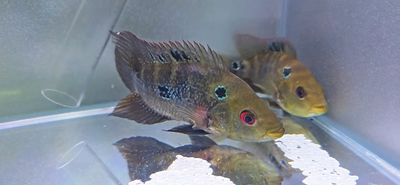
Trimac Cichlid/Three Spot Cichlid - (Amphilophus Trimaculatus)
Trimac Cichlid/Three Spot Cichlid - (Amphilophus Trimaculatus)
Price of shipping is not included.
5.0
(1)
was $70.00
Save 7%
$65.00
Wild Caught
Marbled Talking Catfish - (Amblydoras nauticus)
Marbled Talking Catfish - (Amblydoras nauticus)
Price of shipping is not included.
was $50.00
Save 10%
$45.00
Wild Caught
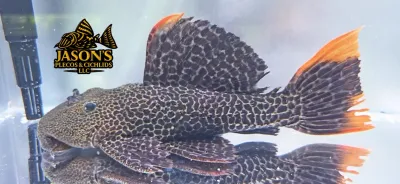
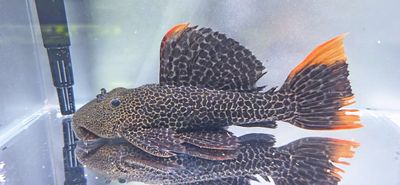
L427 Jatupu Cactus Pleco - (Pseudacanthicus sp.)
L427 Jatupu Cactus Pleco - (Pseudacanthicus sp.)
Price of shipping is not included.
was $450.00
Save 19%
$365.00
Wild Caught
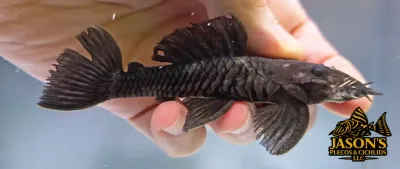
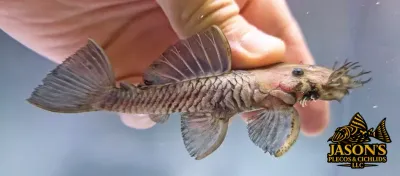
L034 Medusa Pleco - (Ancistrus ranunculus)
L034 Medusa Pleco - (Ancistrus ranunculus)
Price of shipping is not included.
was $65.00
Save 8%
$60.00
Powered by Lightspeed
Display prices in:USD