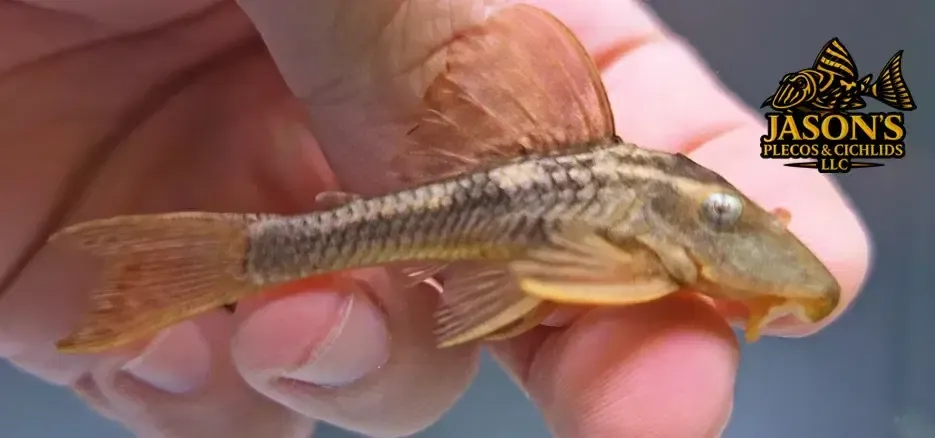
L137 Blue Eyed Red Fin Pleco - (Hypostomus soniae)
$45.00
Sold out
was $50.00 Save 10%
Size
Questions, Comments, Concerns? Let us know!
Enter your text
Price of shipping is not included.
Sold out
Save this fish to my favorites.
Customer reviews
Reviews only from verified customers
No reviews yet. You can buy this product and be the first to leave a review.
L137 Blue Eyed Red Fin Pleco - (Hypostomus soniae)
Fish Details, Description and Information Below:
🔵 L137 Blue Eyed Red Fin Pleco – (Hypostomus soniae) – Wild-Caught Rio Tapajós Pleco
The L137 Blue Eyed Red Fin Pleco (Hypostomus soniae), also known as the Blue-Eyed Redfin Pleco, Rusty Pleco, Violet Pleco, or Blue-Eyed Cochliodon Pleco, is a distinctive Brazilian pleco known for its unusual combination of bright blue to blue-gray eyes, warm rust-colored fins, and a dark olive, brown, gray, or violet-toned armored body.
Unlike many plecos prized primarily for:
- Spots
- Stripes
- Zebra markings
- Bright body patterns
the L137's most recognizable feature is its:
BRILLIANT BLUE EYES
combined with reddish, rust-orange, or bronze coloration through the fins.
The L137 is native exclusively to Brazil's:
RIO TAPAJÓS BASIN
in Pará State.
It belongs to the unusual:
Hypostomus cochliodon Species Group
whose members possess specialized spoon- or chisel-shaped teeth and spend considerable time rasping submerged wood and consuming wood-associated:
- Detritus
- Biofilm
- Algae
- Microorganisms
- Plant material
Scientific studies of the Hypostomus cochliodon group have found their digestive tracts can contain large quantities of wood particles, making L137 quite different nutritionally from many typical Hypostomus.
However:
WOOD SHOULD NOT BE CONSIDERED A COMPLETE DIET
and we do not recommend claiming that the fish must digest wood cellulose for proper digestion.
A healthy L137 should receive:
DRIFTWOOD + PLANT-BASED FOODS + BIOFILM + A VARIED OMNIVOROUS DIET
with modest supplemental animal and insect protein.
This is a substantial, high-backed pleco capable of reaching approximately:
7–9 INCHES TOTAL LENGTH
and should be kept in a spacious, mature aquarium with strong filtration, good oxygenation, abundant driftwood, and secure shelters.
This listing is for:
WILD-CAUGHT L137 BLUE EYED RED FIN PLECOS
Current specimens are approximately:
3 INCHES
🔎 Quick Facts – L137 Blue Eyed Red Fin Pleco
- 📛 Common Name: Blue Eyed Red Fin Pleco
- 📛 Other Names: Blue-Eyed Redfin Pleco, Rusty Pleco, Violet Pleco, Blue-Eyed Cochliodon Pleco
- 🔢 L-Number: L137 / L137
- 🔬 Scientific Name: Hypostomus soniae
- 🐟 Family: Loricariidae
- 🧬 Subfamily: Hypostominae
- 🧬 Species Group: Hypostomus cochliodon Group
- 🌿 Stock: Wild Caught
- 📏 Current Size: Approximately 3 inches
- 🇧🇷 Country: Brazil
- 🌊 Native Range: Rio Tapajós Basin
- 📍 State: Pará, Brazil
- 📍 Type Region: Rio Tapajós between Vila Nova and Uruá
- 💧 Water Type: Freshwater / Tapajós Clearwater
- 📏 Scientific Maximum: Approximately 16.37 cm / 6.4 inches standard length
- 📏 Adult Planning Size: Approximately 7–9 inches total length
- 🏠 Recommended Aquarium: 75 gallons or larger
- 👥 Multiple Adults: 90–125+ gallons depending on bottom territory
- 🌡️ Temperature: Approximately 75–82°F
- 💧 pH: Approximately 6.0–7.5
- 💦 Water: Soft to moderately mineralized
- 💨 Oxygenation: Good to High
- 🌊 Water Movement: Moderate
- 🍽️ Diet: Wood-Grazing, Plant-Leaning Omnivore / Detritivore
- 🪵 Driftwood: Strongly Recommended
- 🌿 Vegetable Foods: Important
- 🦐 Animal / Insect Protein: Supplemental
- 🚫 Algae Cleaner: Should not be purchased solely for algae control
- 😌 Temperament: Generally peaceful toward other fish
- ⚠️ Pleco Temperament: Territorial with its own kind and similar plecos
- 🌙 Activity: Primarily nocturnal / crepuscular, but established fish may be active during daylight
- 🐠 Swimming Area: Bottom
- 🥚 Captive Breeding: Not reliably documented in the home aquarium
- ⭐ Care Level: Intermediate
- 🌎 IUCN Status: Least Concern
🧬 Correct Scientific Name
The currently accepted scientific name is:
Hypostomus soniae
The species was scientifically described by:
Hollanda Carvalho & Weber
in a paper associated with the 2004 volume of Revue Suisse de Zoologie and formally cataloged as published in:
2005
Modern taxonomic databases continue to recognize:
Hypostomus soniae
as a valid species.
⚠️ Older “Cochliodon” Name
Older aquarium literature may refer to this fish as:
Cochliodon soniae
or simply:
Blue-Eyed Cochliodon
This comes from its relationship to the former genus:
Cochliodon
Species once placed in Cochliodon were later incorporated into:
Hypostomus
and are now commonly discussed as members of the:
Hypostomus cochliodon Group
Therefore, for the current product page use:
L137 Blue Eyed Red Fin Pleco – (Hypostomus soniae)
rather than Cochliodon soniae.
🦷 The Hypostomus cochliodon Group
L137 belongs to a particularly interesting lineage within Hypostomus.
Members of this group tend to have:
- Higher-backed bodies
- Specialized jaws
- Relatively few teeth
- Broad spoon-shaped or chisel-like teeth
- Strong wood-rasping behavior
These teeth differ dramatically from the finer scraping teeth seen in many algae-grazing plecos.
🪵 A True Wood-Grazing Hypostomus
Scientific studies of the Hypostomus cochliodon group have documented digestive tracts containing large quantities of:
WOOD PARTICLES
These fishes occupy a feeding niche remarkably similar to the familiar wood-grazing:
Panaque
plecos.
This makes driftwood especially important in the L137 aquarium.
⚠️ Wood-Eating Does Not Mean “Wood Alone”
The phrase:
Wood-Eating Pleco
can easily be misunderstood.
Wild L137 and related fish do not live on sterile pieces of cellulose.
Natural submerged wood also carries:
- Biofilm
- Algae
- Bacteria
- Fungi
- Detritus
- Microorganisms
- Organic material
The fish grazes this entire ecological surface.
Therefore:
WOOD SHOULD NOT BE THE ONLY FOOD PROVIDED
🚫 Do Not Say Wood Is Required “For Digestion”
Many aquarium websites state that wood-eating plecos:
“Need driftwood to digest their food.”
That explanation is too simplistic.
Wood-grazing loricariid research shows these fish consume enormous quantities of wood, but that does not mean they efficiently digest cellulose like a termite or ruminant.
For your website, the more accurate statement is:
DRIFTWOOD IS STRONGLY RECOMMENDED FOR NATURAL GRAZING, BIOFILM, DETRITUS, SHELTER, AND ENRICHMENT.
🔵 The Blue Eyes
The most recognizable feature of L137 is its:
PALE BLUE TO BRILLIANT BLUE EYES
Depending on:
- Lighting
- Fish condition
- Viewing angle
- Stress level
the eyes may appear:
- Powder blue
- Silver-blue
- Ice blue
- Gray-blue
- Almost white with a blue cast
The blue eyes contrast dramatically with the darker body.
🔴 Why “Red Fin”?
The fins may develop warm coloration ranging from:
- Rust
- Copper
- Bronze
- Orange-brown
- Red-brown
- Brick red
The intensity varies considerably between individuals.
The:
- Dorsal fin
- Caudal fin
- Pectoral fins
- Pelvic fins
may all display some degree of this warm coloration.
🎨 Body Color
Typical body coloration includes:
- Olive-brown
- Gray-brown
- Rust-brown
- Dark gray
- Violet-gray
- Charcoal
Some individuals develop subtle:
- Longitudinal lines
- Darker striping
- Mottling
rather than obvious spots.
A lack of bold spotting is characteristic of this species.
💜 Why “Violet Pleco”?
Another aquarium name occasionally used for L137 is:
Violet Pleco
This comes from the subtle:
- Violet
- Purple-gray
- Slate
- Mauve-brown
tones that can appear through the body under certain lighting.
This coloration can be difficult to appreciate immediately after shipping.
🔄 Color Changes With Stress
Wild-caught L137 may look noticeably dull immediately after transportation.
Shipping stress can cause:
- Pale body color
- Gray coloration
- Reduced red in the fins
- Less visible blue in the eyes
- Dark stress markings
Once established under good conditions, coloration often becomes much stronger.
⚠️ Color Disclaimer
Exact adult coloration cannot be guaranteed.
Individuals may vary in:
- Red-fin intensity
- Body darkness
- Violet coloration
- Eye color intensity
- Amount of subtle striping
Appearance is also affected by:
- Diet
- Lighting
- Aquarium background
- Water quality
- Stress
- Acclimation
🌎 Native Distribution
Hypostomus soniae is:
ENDEMIC TO BRAZIL'S RIO TAPAJÓS BASIN
in:
PARÁ, BRAZIL
It should not simply be listed as:
“South America”
when much more precise information is available.
📍 Type Locality
The type material was collected from:
Temporary Pools Along the Rio Tapajós
between:
- Vila Nova
- Uruá
in:
Pará, Brazil
Additional populations occur through portions of the Tapajós drainage.
🗺️ Restricted Distribution
Recent research has confirmed that Hypostomus soniae has a relatively:
RESTRICTED DISTRIBUTION
within the Tapajós system.
Modern records have been concentrated in portions of:
- Pará
- Mato Grosso
within the greater Tapajós drainage.
This makes accurate locality information valuable for wild-caught fish.
🌊 Rio Tapajós Habitat
The Tapajós is one of Brazil's major clearwater river systems.
L137 occurs in habitats that can include:
- River margins
- Rocky substrate
- Softer substrate
- Temporary riverside pools
- Submerged wood
- Natural organic material
This is not a fish that requires an artificial extreme-current river tank at all times.
🌊 Water Movement
Provide:
MODERATE WATER MOVEMENT
with good oxygenation.
A suitable aquarium should offer:
🌊 Moving-Water Areas
for:
- Oxygenation
- Waste removal
- Natural behavior
and:
🪵 Protected Areas
around:
- Wood
- Rocks
- Caves
where the fish can rest.
💨 Oxygenation
Good dissolved oxygen is important.
Recommended methods include:
- Strong surface agitation
- Efficient filter returns
- Air stones
- Powerheads
- Sump filtration
- Supplemental circulation
The aquarium should remain:
CLEAN + STABLE + WELL OXYGENATED
🌡️ Temperature
FishBase records an appropriate natural temperature range around:
75–82°F / 24–28°C
This makes a practical aquarium recommendation of:
75–82°F
appropriate.
There is generally no reason to maintain L137 continuously near 87°F simply because some older specialty references list higher temperatures.
💧 Water Parameters
A practical long-term aquarium range is:
- 🌡️ Temperature: 75–82°F
- 💧 pH: Approximately 6.0–7.5
- 💦 Hardness: Soft to moderately mineralized
- 💨 Oxygenation: Good to High
- 🌊 Current: Moderate
- ☠️ Ammonia: 0 ppm
- ☠️ Nitrite: 0 ppm
- 🔄 Nitrate: Keep as low as reasonably practical
Stable conditions matter more than constantly attempting to adjust the aquarium to one exact pH.
📏 Adult Size
Current FishBase data document Hypostomus soniae reaching:
16.37 CM / APPROXIMATELY 6.4 INCHES STANDARD LENGTH
Standard length:
DOES NOT INCLUDE THE FULL TAIL FIN
Therefore, for customer planning:
APPROXIMATELY 7–9 INCHES TOTAL LENGTH
is reasonable.
⚠️ Why Some Websites Say 12 Inches
Several older aquarium references give maximum sizes around:
30 CM / 12 INCHES
However, current scientific records are substantially smaller.
Because FishBase provides a documented:
16.37 cm standard length
I would not advertise 12 inches as a normal expected adult size without stronger species-specific evidence.
For Jason's Plecos & Cichlids:
7–9 INCHES ADULT PLANNING SIZE
is the better compromise.
🏠 Aquarium Size
Your older page recommends:
40 Gallons
I would increase permanent adult housing.
For one mature L137:
75 GALLONS OR LARGER
is a better long-term recommendation.
Why?
Because this is a:
- High-backed pleco
- Heavy grazer
- Significant waste producer
- Territorial bottom-dweller
that benefits from substantial:
- Bottom area
- Wood
- Shelter
- Water volume
👥 Multiple Adults
If keeping:
- Multiple L137s
- Other Hypostomus
- Other substantial plecos
consider:
90–125+ GALLONS
depending on available floor space.
Territory matters as much as total water volume.
📐 Aquarium Footprint Matters
Prioritize:
LENGTH + WIDTH
over excessive aquarium height.
A larger footprint provides room for:
- Driftwood
- Caves
- Feeding areas
- Separate territories
- Visual barriers
🪵 Aquarium Setup
A good L137 aquarium should contain:
- Substantial natural driftwood
- Large pieces of wood
- Wood cavities
- Smooth rocks
- Caves
- Sand or smooth gravel
- Shaded resting areas
- Open feeding areas
- Strong filtration
- Good circulation
Driftwood should be considered:
A MAJOR PART OF THE AQUARIUM ENVIRONMENT
🪵 Recommended Driftwood
Aquarium-safe hardwoods can include:
- Malaysian driftwood
- Mopani
- Bogwood
- Manzanita
- Other aquarium-safe hardwoods
Provide multiple surfaces the fish can:
- Rasp
- Rest beneath
- Hide around
- Establish territory on
🏠 Shelters
L137 should have secure daytime hiding locations.
Suitable options include:
- Large driftwood cavities
- Ceramic caves
- Slate caves
- Rock shelters
- Wood overhangs
For multiple plecos:
PROVIDE MORE HIDING AREAS THAN FISH
⚠️ Secure the Décor
Adult Hypostomus are powerful fish.
Large specimens can:
- Shift lightweight wood
- Move stones
- Dig under decorations
Make sure all heavy structures are secure.
💩 Significant Waste Production
Wood-grazing plecos can produce:
A LOT OF WASTE
because they constantly process:
- Wood particles
- Vegetables
- Biofilm
- Prepared foods
- Detritus
Do not assume the fish is “cleaning” the aquarium simply because it eats algae.
💩 Filtration
Strong filtration is important.
Recommended options include:
- Large canister filters
- Sump filtration
- Strong mechanical filtration
- High-capacity biological filtration
- Supplemental powerheads
Regular partial water changes should be routine.
Maintain:
AMMONIA = 0
NITRITE = 0
and keep nitrate reasonably low.
🍽️ Diet – Wood-Grazing, Plant-Leaning Omnivore
The L137 is best described as a:
WOOD-GRAZING, PLANT-LEANING OMNIVORE / DETRITIVORE
Its diet should contain substantial:
- Plant material
- Algae-based foods
- Detrital foods
- Wood-associated biofilm
with:
MODEST SUPPLEMENTAL ANIMAL PROTEIN
🌿 Plant-Based Staple Foods
Suitable staple foods include:
- Quality algae wafers
- Spirulina wafers
- Vegetable-based pleco tablets
- Fiber-rich sinking pellets
- Quality gel foods
Look for foods containing substantial:
- Algae
- Plant matter
- Vegetable ingredients
- Fiber
🥒 Fresh Vegetables
Suitable vegetable foods can include:
- Zucchini
- Squash
- Pumpkin
- Sweet potato
- Green beans
- Kale
- Spinach
- Appropriate leafy greens
Remove uneaten vegetables before they decay.
🪵 Natural Grazing
A mature aquarium containing:
- Driftwood
- Natural algae
- Biofilm
- Organic coatings
provides important supplemental grazing opportunities.
Do not sterilize every surface of the aquarium.
Natural mature surfaces are useful to this species.
🦐 Supplemental Protein
Small amounts of animal food may include:
- Bloodworms
- Mysis shrimp
- Brine shrimp
- Insect larvae
- Chopped shrimp
- Insect-based sinking foods
These should:
SUPPLEMENT THE DIET
rather than dominate it.
🚫 Do Not Feed a Heavy Carnivore Diet
An L137 should not be fed primarily:
- Shrimp
- Mussel
- High-protein carnivore pellets
- Large quantities of bloodworms
Its natural trophic adaptations strongly favor:
WOOD-ASSOCIATED AND PLANT-BASED FEEDING
🚫 Not Just an Algae Cleaner
L137 will graze algae.
However:
DO NOT PURCHASE IT SIMPLY TO CLEAN AN AQUARIUM.
A mature L137:
- Eats intentionally supplied food
- Produces substantial waste
- Requires regular maintenance
It is an aquarium animal—not cleaning equipment.
🌿 Plants
Broad-leaved plants may be damaged.
L137 may rasp or consume:
- Soft leaves
- Dying leaves
- Plant surfaces
A delicate planted aquascape may therefore not be the best permanent setup.
Hardier plants may fare better.
🌙 Behavior
L137 is generally:
NOCTURNAL / CREPUSCULAR
but established specimens can become quite active during daylight.
Activity may increase:
- At dusk
- During feeding
- After lights dim
A confident specimen may eventually feed openly while the aquarium lights are on.
🧪 Wild-Caught Acclimation
This listing is for:
WILD-CAUGHT L137 BLUE EYED RED FIN PLECOS
Current specimens are approximately:
3 INCHES
Wild fish deserve careful acclimation.
After arrival:
- Provide immediate wood and shelter
- Keep lighting subdued
- Maintain good oxygenation
- Avoid sudden water-chemistry changes
- Maintain excellent water quality
- Confirm that each fish is eating
- Watch body condition carefully
🍽️ Confirm Feeding
A newly imported pleco may hide while faster fish consume its food.
Offer food:
- Near the shelter
- Beneath driftwood
- At dusk
- After lights out
Monitor for:
- Sunken abdomen
- Loss of body mass
- Persistent refusal to feed
😌 Temperament
Toward most midwater fish, L137 is generally:
PEACEFUL
It can work well with appropriately selected:
- Tetras
- Characins
- Corydoras-type catfish
- Peaceful cichlids
- Other community fish
provided aquarium conditions overlap.
⚠️ Territorial With Other Plecos
L137 may be territorial toward:
- Other L137s
- Other Hypostomus
- Similar large plecos
especially around:
- Driftwood
- Caves
- Feeding areas
⚔️ Territorial Behavior
Conflict can include:
- Chasing
- Pushing
- Tail slapping
- Blocking shelters
Provide:
- Multiple pieces of driftwood
- Multiple shelters
- Visual barriers
- Separate feeding areas
when maintaining more than one substantial pleco.
♂️ Male vs. Female
Reliable external sexing information for Hypostomus soniae is limited.
In related Hypostomus:
Mature Males May Develop
- Longer pectoral fins
- Thickened first pectoral-fin rays
- Stronger odontodes
- More territorial behavior
Mature Females May
- Become broader through the abdomen
- Appear fuller when carrying eggs
However:
DO NOT GUARANTEE SEX FROM THESE FEATURES ALONE
unless the specimen has been confidently identified.
For normal sales:
SELL AS UNSEXED
🧬 Interesting Sex-Chromosome Research
Modern cytogenetic research has made L137 scientifically interesting for another reason.
Researchers studying Hypostomus soniae populations from the Tapajós system have found evidence consistent with a developing:
XX / XY SEX-CHROMOSOME SYSTEM
This research helps scientists better understand how sex chromosomes evolve in South American catfish.
This does not provide an easy visual method for sexing aquarium specimens, but it adds to the scientific significance of the species.
🥚 Breeding
Reliable species-specific captive breeding information for L137 remains:
VERY LIMITED
Current specialist husbandry references continue to report:
NO WELL-DOCUMENTED HOME-AQUARIUM BREEDING METHOD
for Hypostomus soniae.
⚠️ Do Not Automatically Call It a Cave Spawner
Many smaller plecos such as:
- Hypancistrus
- Peckoltia
- Ancistrus
are familiar cave spawners.
That does not mean every Hypostomus species reproduces identically.
Until repeatable breeding observations specifically for L137 are available:
DO NOT INVENT CLUTCH SIZES, CAVE DIMENSIONS, OR INCUBATION TIMES.
🥚 What Can Be Said Safely?
For the product page, the safest wording is:
CAPTIVE BREEDING IS NOT RELIABLY DOCUMENTED
and reproduction should be considered:
AN ADVANCED / EXPERIMENTAL PROJECT
for experienced aquarists.
🔢 L137 & L077
Some older hobby references also associate:
L077
with Hypostomus soniae or closely related Rusty Pleco forms.
However, L-number usage has not always been completely consistent between historical aquarium publications.
For this product:
KEEP THE L137 IDENTIFICATION
unless documented supplier or collection information gives a reason to use another designation.
🆚 L137 & Similar Blue-Eyed Tapajós Plecos
Other blue-eyed Hypostomus-type plecos occur within the broader Tapajós drainage.
L137 should therefore not be identified by:
BLUE EYES ALONE
when locality or supplier identification is uncertain.
Preserve:
- L-number
- Collection locality
- Supplier identification
whenever possible.
🌎 Conservation Status
Hypostomus soniae is currently classified as:
LEAST CONCERN
However, this deserves context.
The species is:
ENDEMIC TO THE TAPAJÓS BASIN
and has a relatively restricted natural distribution.
⚠️ Habitat Pressures
Recent scientific research notes environmental pressures within the region including:
- Infrastructure development
- Artisanal gold mining
- Agricultural expansion
- Aquatic pollution
- Habitat alteration
The species is also commercially harvested for the ornamental-fish trade.
🎣 Ornamental Fish Trade
L137 is an established Brazilian ornamental species.
Recent research examined its fishery and trade through:
- Pimental
- Itaituba
- Santarém
Thousands of H. soniae have historically entered the ornamental trade.
Brazil regulates the legal capture and sale of native ornamental species.
Responsible sourcing and proper permanent aquarium care remain important.
⭐ Why Keep an L137 Blue Eyed Red Fin Pleco?
The L137 offers an unusual combination of:
- 🔵 Brilliant blue eyes
- 🔴 Rust-red to orange fins
- 💜 Violet-gray body tones
- 🪵 Fascinating wood-grazing behavior
- 🦷 Specialized spoon-shaped teeth
- 🌊 Rio Tapajós origin
- 🌙 Nocturnal personality
- 📏 Manageable 7–9 inch adult planning size
- 🧬 Interesting Hypostomus cochliodon group biology
- 🔬 Modern genetic and conservation research
that makes it very different from the typical large Common Pleco.
A mature L137 displaying bright blue eyes and warm rust-colored fins can become an impressive centerpiece bottom-dweller.
⚠️ Important Considerations
Before purchasing an L137 Blue Eyed Red Fin Pleco:
- The correct scientific name is Hypostomus soniae.
- Older literature may use Cochliodon soniae.
- The species belongs to the Hypostomus cochliodon group.
- This listing is for wild-caught fish.
- Current specimens are approximately 3 inches.
- L137 is endemic to Brazil's Rio Tapajós Basin.
- Use Rio Tapajós, Pará, Brazil rather than simply “South America.”
- FishBase documents approximately 6.4 inches standard length.
- Standard length excludes the full tail.
- Plan for approximately 7–9 inches total adult length.
- Provide approximately 75 gallons or larger.
- Use larger aquariums for multiple substantial plecos.
- Provide significant natural driftwood.
- Wood-grazing is an important natural behavior.
- Do not claim wood must be digested for proper digestion.
- Wood alone is not a complete diet.
- Feed plant-based foods, vegetables, algae-based foods, and biofilm-oriented foods.
- Provide modest supplemental animal and insect protein.
- Do not maintain L137 on a meat-heavy diet.
- Do not purchase it simply as an algae cleaner.
- Maintain approximately 75–82°F.
- Maintain good to high oxygenation.
- Provide moderate current.
- Keep ammonia and nitrite at zero.
- Expect substantial waste production.
- Use strong filtration.
- Expect territorial behavior toward similar plecos.
- Captive breeding is not reliably documented.
- Do not invent cave-spawning details for this species.
- Preserve L-number and locality information.
- Never release aquarium fish into natural waterways.
🧬 Taxonomy
The currently accepted scientific name is:
Hypostomus soniae Hollanda Carvalho & Weber, 2005
Classification:
- Order: Siluriformes
- Family: Loricariidae
- Subfamily: Hypostominae
- Genus: Hypostomus
- Species: soniae
- Species Group: Hypostomus cochliodon Group
- L-Number: L137
Older aquarium terminology may include:
- Cochliodon soniae
- Blue-Eyed Cochliodon
- Rusty Pleco
- Violet Pleco
For this product, use:
L137 Blue Eyed Red Fin Pleco – (Hypostomus soniae)
🪵 Wood-Grazing Disclaimer
L137 belongs to a specialized wood-grazing lineage of Hypostomus.
Natural aquarium-safe driftwood is strongly recommended.
Wood provides:
- Natural grazing surfaces
- Biofilm
- Detritus
- Organic material
- Shelter
- Territory
- Environmental enrichment
However:
DO NOT RELY ON DRIFTWOOD AS THE FISH'S ONLY FOOD
and do not claim that wood is required specifically because the fish must digest cellulose.
Provide a varied diet with substantial plant-based nutrition.
🚚 Live Fish Shipping
Live fish are professionally packed for safe transport.
Shipping availability depends on:
- Fish size
- Destination
- Weather conditions
- Carrier availability
- Applicable state and local regulations
Larger adults may require:
- Larger insulated shipping boxes
- Additional water
- Heavy-duty shipping bags
- Specialized packing
Please review our Shipping & Payment Information and Live Arrival Guarantee / DOA Policy before ordering.
⚠️ Buyer Responsibility
Customers are responsible for confirming that Hypostomus soniae may legally be purchased, possessed, transported, and received in their state or local jurisdiction before ordering.
Never release aquarium fish into natural waterways.
Below are fish you may also like.
Wild Caught
L377 Prince Tiger Pleco - (Peckoltia sp.)
L377 Prince Tiger Pleco - (Peckoltia sp.)
Price of shipping is not included.
5.0
(2)
was $125.00
Save 32%
$85.00
Wild Caught
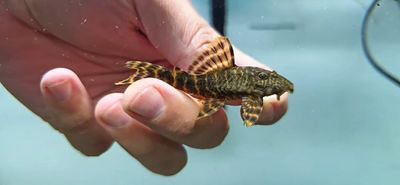
L104 Clown Pleco - (Panaqolus maccus)
L104 Clown Pleco - (Panaqolus maccus)
Price of shipping is not included.
5.0
(1)
was $45.00
Save 11%
$40.00
Captive Bred
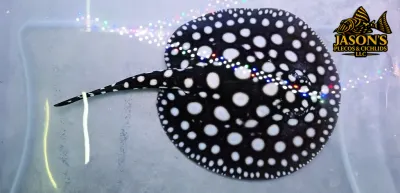
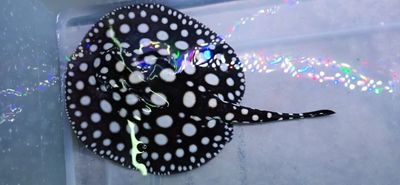
Black Diamond Stingray - (Potamotrygon leopoldi)
Black Diamond Stingray - (Potamotrygon leopoldi)
Price of shipping is not included.
was $800.00
Save 10%
$720.00
Captive Bred
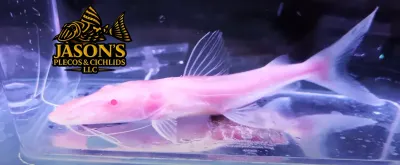
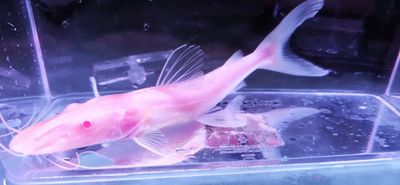
Albino Tiger Shovelnose Catfish - (Pseudoplatystoma fasciatum)
Albino Tiger Shovelnose Catfish - (Pseudoplatystoma fasciatum)
Price of shipping is not included.
was $4 000.00
Save 20%
$3 215.00
Captive Bred
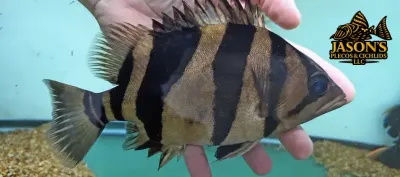
Indo Datnoid - (Datnioides microlepis)
Indo Datnoid - (Datnioides microlepis)
Price of shipping is not included.
was $800.00
Save 9%
$725.00
Powered by Lightspeed
Display prices in:USD