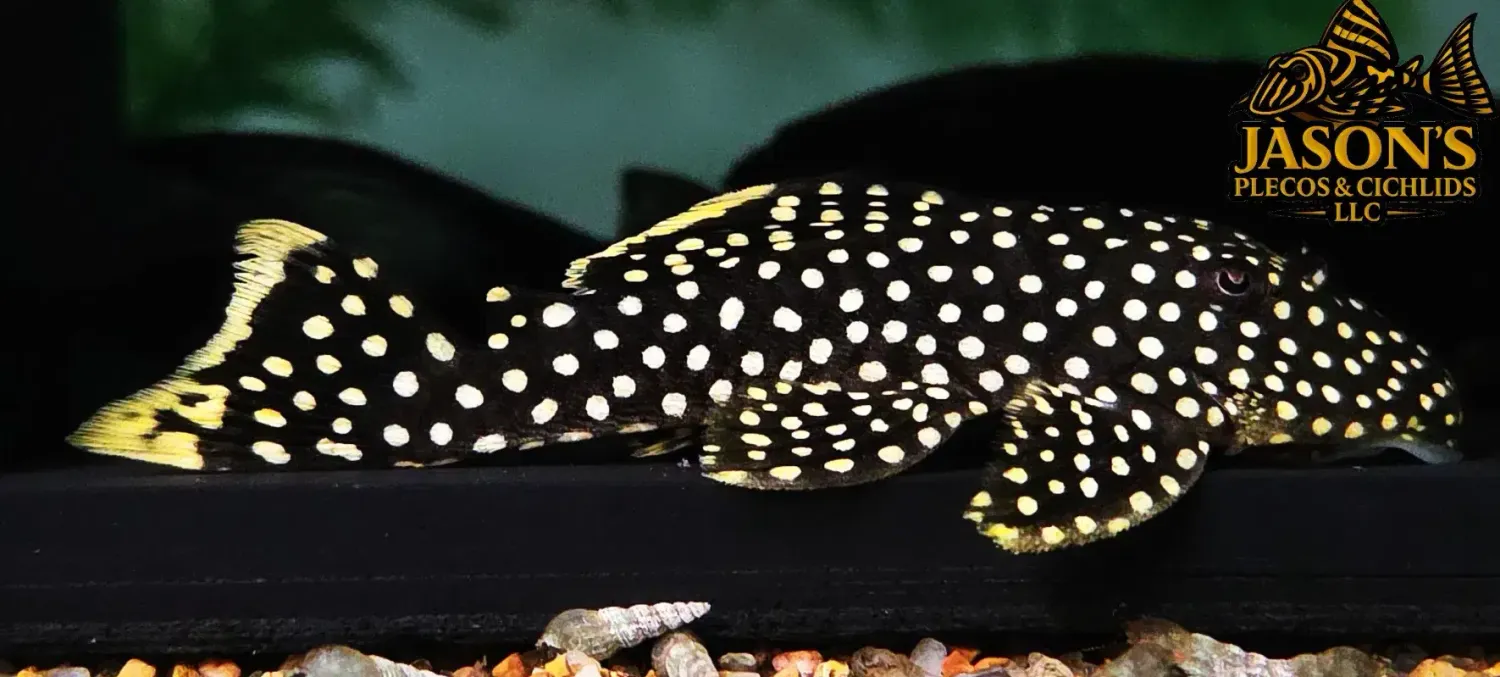
L018 Gold Nugget Pleco - (Baryancistrus xanthellus)
5.0
1 review
Reviews from verified customers who have purchased products at this store.
$85.00
Sold out
was $90.00 Save 6%
Size
Questions, Comments, Concerns? Let us know!
Enter your text
Price of shipping is not included.
Sold out
Save this fish to my favorites.
Customer reviews
Reviews only from verified customers
Reviews are only accepted from verified customers who have signed in and purchased the products. This ensures that each review is based on genuine customer experiences. All reviews are checked before publication to prevent spam.
Craig H.
Alexandria,
United States
Dec 18, 2024
Awesome species
L018 Gold Nugget Pleco - (Baryancistrus xanthellus)
Fish Details, Description and Information Below:
🟡 L018 Gold Nugget Pleco – (Baryancistrus xanthellus) – Wild-Caught Rio Xingu Pleco
The L018 Gold Nugget Pleco (Baryancistrus xanthellus) is one of the most recognizable plecos from Brazil's famous Rio Xingu drainage.
Known for its striking combination of a dark brown to nearly black body covered with bright yellow or golden spots, the L018 also develops a beautiful yellow to gold border along the dorsal and caudal fins.
Juvenile Gold Nugget Plecos are especially colorful, often displaying:
- 🟡 Bright yellow spots
- ⚫ Dark brown to black body coloration
- 💛 Strong yellow dorsal-fin edging
- 💛 Yellow caudal-fin edging
- ✨ High-contrast patterning
One of the most interesting characteristics of Baryancistrus xanthellus is that its appearance changes as it matures. Juveniles typically have a much broader yellow border around the dorsal and tail fins, while adults may retain only a smaller yellow marking or spot near the tips.
The L018 is a warm-water, highly oxygen-dependent river pleco that naturally lives among rocks and boulders in the fast-moving waters of the Xingu. It should therefore be kept in a mature aquarium with excellent filtration, strong oxygenation, adequate water movement, rocky shelters, and a varied diet.
This listing is for:
WILD-CAUGHT L018 GOLD NUGGET PLECOS
🔎 Quick Facts – L018 Gold Nugget Pleco
- 📛 Common Name: Gold Nugget Pleco
- 📛 Other Names: Golden Nugget Pleco, Amarelinho
- 🔢 L-Number: L018
- 🔬 Scientific Name: Baryancistrus xanthellus
- 🐟 Family: Loricariidae
- 🧬 Subfamily: Hypostominae
- 🌿 Stock: Wild Caught
- 🇧🇷 Country: Brazil
- 🌊 Native Range: Rio Xingu Drainage
- 📍 Documented Range: Volta Grande do Rio Xingu and Rio Iriri
- 💧 Water Type: Freshwater
- 📏 Maximum Documented Size: Approximately 29.7 cm / 11.7 inches total length
- 📏 Adult Planning Size: Approximately 10–12 inches
- 🏠 Recommended Aquarium: 75 gallons minimum
- 🏠 Preferred Aquarium: 90–125+ gallons for a full-grown adult
- 🌡️ Temperature: Approximately 78–86°F
- 💧 pH: Approximately 6.0–7.5
- 💨 Oxygenation: Very High
- 🌊 Water Movement: Moderate to Strong
- 🍽️ Diet: Aufwuchs-Grazing Omnivore with Strong Plant/Algae Component
- 😌 Temperament: Generally peaceful toward other fish; territorial with other plecos
- 🌙 Activity: Primarily nocturnal / crepuscular
- 🐠 Swimming Area: Bottom
- 🥚 Breeding: Cave Spawner; captive breeding is challenging
- ⭐ Care Level: Intermediate to Advanced
- 🌎 Conservation Status: Near Threatened
- 🏆 Type: Large Xingu Showpiece Pleco
🧬 A Formally Described Species
The Gold Nugget Pleco was known in the aquarium hobby by L-numbers long before it received a scientific species name.
In 2011 it was formally described as:
Baryancistrus xanthellus
The species name:
xanthellus
refers to the beautiful yellow coloration that makes these fish so recognizable.
The Portuguese aquarium-trade name:
Amarelinho
means approximately:
“Little Yellow One.”
🔢 L018, L085, L177 & Other Gold Nugget Numbers
Gold Nugget Plecos have historically appeared under several aquarium identification numbers.
These include:
- L018
- L085
- L177
- LDA060
Additional Gold Nugget-type fish such as L081 are also commonly discussed alongside Baryancistrus xanthellus in the aquarium hobby.
The important point is that Gold Nugget Plecos from different Xingu localities can display noticeable differences in:
- Spot size
- Spot density
- Yellow fin edging
- Body coloration
- Adult pattern
🟡 L018 & L085
L018 and L085 are particularly closely associated.
L085 was historically used for fish that appeared different from the brightly marked juvenile L018.
As the species became better understood, it became clear that much of this difference was associated with:
Age and Development
Young L018 specimens can look dramatically different from mature adults.
🟡 L177 – Iriri Gold Nugget
L177 is associated particularly with the:
Rio Iriri
which is a major tributary of the Rio Xingu.
L177 is commonly called the:
Iriri Gold Nugget Pleco
These fish may display somewhat different:
- Spot sizes
- Spot patterns
- Yellow edging
than typical L018 specimens.
Despite these differences, L177 is currently included within:
Baryancistrus xanthellus
⚠️ Preserve L-Number & Locality Information
Even when multiple L-numbers are scientifically included within the same species, their aquarium identification remains valuable.
When known, preserve:
- L-number
- Collection locality
- Breeder line
- Wild-caught origin
especially when breeding.
Do not intentionally mix different locality forms and later sell the offspring as pure locality fish.
🎨 Appearance
The L018 Gold Nugget Pleco has an unmistakable appearance.
Typical coloration includes:
Body
- Dark brown
- Chocolate brown
- Charcoal
- Dark olive
- Nearly black
Spots
- Bright yellow
- Golden yellow
- Cream-yellow
The spots cover much of the:
- Head
- Body
- Dorsal fin
- Pectoral fins
- Pelvic fins
- Caudal fin
💛 Yellow Fin Borders
One of the defining juvenile characteristics is the bright yellow border along the:
- Dorsal fin
- Caudal fin
Young specimens may have:
A Broad Yellow Band
around the outer edge of these fins.
This is one of the characteristics that makes juvenile Gold Nuggets so visually impressive.
🔄 Adult Color Change
Customers should understand that an adult L018 may not look exactly like the juvenile they purchased.
As the fish grows:
- Yellow fin borders may become narrower
- Spots may appear proportionally smaller
- Spot density may change
- Body coloration may become somewhat lighter or darker
- The dramatic juvenile contrast may become less pronounced
Scientific descriptions specifically note that the broad light fin borders of juveniles may eventually become only:
Small Yellow Markings Near the Fin Tips
in mature adults.
This is normal development.
⚠️ Color & Pattern Disclaimer
Exact adult appearance cannot be guaranteed.
Coloration is influenced by:
- Genetics
- Locality
- Age
- Stress
- Aquarium background
- Lighting
- Diet
- Water quality
- Acclimation
The actual fish being purchased should always be considered the best representation of its current appearance.
🌎 Native Range
Baryancistrus xanthellus is endemic to:
Brazil
and specifically to the:
Rio Xingu Drainage
Documented locations include:
- Volta Grande do Rio Xingu
- Areas immediately above the Belo Monte falls
- Rio Iriri
The Rio Iriri is the largest tributary of the Xingu.
🌊 Natural Habitat
The Gold Nugget Pleco is a fish of:
Warm, Rocky Rapids
Young specimens naturally occur in groups underneath flat rocks in shallow rapid areas.
Adults move into larger spaces:
- Between boulders
- Under submerged rocks
- Inside rocky crevices
This habitat is extremely important when designing their aquarium.
The species is naturally adapted to:
- Warm water
- Strong oxygenation
- Current
- Rocky substrate
- Abundant grazing surfaces
🪨 Aquarium Setup
An ideal L018 aquarium should include:
- Large smooth rocks
- Slate
- Rock caves
- Large crevices
- Driftwood
- Sand or smooth gravel
- Shaded areas
- Open grazing surfaces
- Strong filtration
- Moderate to strong current
- Excellent oxygenation
Provide enough shelter for the fish to completely hide when it chooses.
🏠 Caves & Hiding Areas
Gold Nugget Plecos can be shy, particularly after importation.
Suitable shelters include:
- Large ceramic pleco caves
- Slate caves
- Rock crevices
- Driftwood overhangs
- Large flat rocks
Providing enough cover helps reduce:
- Stress
- Territorial disputes
- Feeding competition
When keeping multiple plecos:
Provide more shelters than fish.
📏 Adult Size
FishBase currently records Baryancistrus xanthellus reaching:
29.7 cm / approximately 11.7 inches total length
For customer planning:
Expect approximately 10–12 inches as a full-grown adult.
This is a substantial pleco.
Do not plan permanent housing around the 2–3 inch size commonly offered for sale.
🚨 Juveniles Become Large, Heavy Plecos
A young L018 may initially appear appropriate for a modest aquarium.
As it matures, it develops into a:
- Thick-bodied
- Heavily armored
- Territorial
- Heavy-feeding
- Heavy-waste-producing
adult pleco.
Customers should plan permanent housing before purchasing.
🏠 Aquarium Size
For one L018 Gold Nugget Pleco:
75 gallons should be considered the minimum
for long-term maintenance.
For a mature adult:
90–125 gallons or larger is preferred.
Larger aquariums become especially important when keeping:
- Multiple plecos
- Large cichlids
- Other bottom dwellers
- Territorial catfish
📐 Bottom Area Matters
Like other large plecos, the Gold Nugget spends most of its life near the bottom.
Aquarium:
Length + Width
matter more than excessive height.
A larger footprint provides:
- Additional caves
- More grazing surfaces
- Greater territory
- More feeding areas
- Better separation between plecos
💨 HIGH OXYGENATION IS ESSENTIAL
This is one of the most important husbandry requirements for L018.
Gold Nugget Plecos originate from:
Warm, Fast-Moving Xingu Water
Warm water naturally holds less dissolved oxygen.
Therefore, an aquarium maintained at:
82–86°F
needs especially strong oxygenation.
Use:
- Strong surface agitation
- Powerful filtration
- Air stones when needed
- Powerheads
- Circulation pumps
- Sump return flow
to maintain high dissolved oxygen.
⚠️ Warm Water + Low Oxygen Is Dangerous
Do not simply raise aquarium temperature without increasing oxygenation.
Higher temperatures:
- Increase fish metabolism
- Increase oxygen demand
- Reduce the amount of oxygen water can hold
This combination can become dangerous.
Watch for:
- Rapid breathing
- Constant movement toward filter outlets
- Unusual surface activity
- Lethargy
- Loss of appetite
These can indicate environmental stress.
🌊 Water Movement
Moderate to strong water movement is recommended.
The entire aquarium does not need to be an extreme torrent.
A good layout creates:
High-Flow Areas
for:
- Grazing
- Oxygenation
- Natural behavior
and:
Sheltered Areas
for:
- Resting
- Hiding
- Territorial retreat
💧 Water Parameters
A practical captive range is:
- 🌡️ Temperature: 78–86°F
- 💧 pH: Approximately 6.0–7.5
- 💦 Hardness: Soft to moderately mineralized
- 💨 Oxygenation: Very High
- 🌊 Flow: Moderate to Strong
- ☠️ Ammonia: 0 ppm
- ☠️ Nitrite: 0 ppm
- 🔄 Nitrate: Keep as low as reasonably practical
Stable water conditions are especially important for newly imported wild fish.
💩 Filtration
Gold Nugget Plecos require excellent filtration.
Recommended filtration may include:
- Large canister filtration
- Sump filtration
- Strong mechanical filtration
- High-capacity biological filtration
- Powerful surface agitation
- Additional circulation pumps
Regular partial water changes should be part of normal care.
Maintain:
Ammonia = 0
and:
Nitrite = 0
at all times.
🍽️ Natural Diet
The natural diet of Baryancistrus xanthellus is especially interesting.
Scientific stomach-content examination found the species feeding mainly on:
Algae
with smaller amounts of:
- Bryozoans
- Chironomid larvae
- Other small organisms associated with grazing surfaces
This means the Gold Nugget should not be treated as either:
- A strict carnivore
or:
- A fish that survives solely on one type of algae wafer.
It is best considered an:
Aufwuchs-Grazing Omnivore With a Strong Plant/Algae Component
🌿 What Is Aufwuchs?
Aufwuchs is the natural layer of living material growing on underwater surfaces.
It can contain:
- Algae
- Microorganisms
- Biofilm
- Tiny invertebrates
- Organic matter
Wild Gold Nugget Plecos spend substantial time grazing these natural surfaces.
A mature aquarium with:
- Rocks
- Wood
- Biofilm
- Natural algae
provides useful supplemental grazing opportunities.
🍽️ Aquarium Diet
A varied diet should include:
🌿 Plant / Algae Foods
- Quality algae wafers
- Spirulina wafers
- Vegetable-based pleco foods
- Spirulina-containing gel foods
- Zucchini
- Squash
- Green beans
- Other suitable vegetables
🦐 Supplemental Protein
- Insect-based sinking foods
- Mysis shrimp
- Bloodworms
- Brine shrimp
- Shrimp-based foods
- Quality omnivore pellets
- Appropriate gel foods
The goal is:
Variety
rather than feeding only one type of food.
❌ Prepared Foods Are Not Automatically Inadequate
There is no reason to tell customers that commercially prepared aquarium foods are inherently unable to maintain this species.
A well-managed captive diet can combine:
- High-quality formulated foods
- Vegetable foods
- Algae-based foods
- Insect-based foods
- Appropriate frozen foods
- Natural biofilm and grazing surfaces
The larger husbandry problem is often:
Not Enough Food Reaching the Pleco
rather than the simple fact that the food was commercially prepared.
⚠️ Newly Imported Fish Can Be Difficult Feeders
Wild-caught L018s deserve particularly close attention after arrival.
New specimens may:
- Hide constantly
- Refuse unfamiliar foods
- Lose weight
- Be outcompeted by tankmates
Monitor the abdomen carefully.
A healthy pleco should not develop a severely:
Sunken Belly
🌙 Feed After Lights Out
Because the species is primarily nocturnal to crepuscular, offering food:
- At dusk
- Immediately after lights out
- In shaded locations
can help ensure the L018 receives enough food.
This is especially important in community aquariums containing aggressive feeders.
🚫 Not Just an “Algae Cleaner”
Do not purchase an L018 solely to clean algae from an aquarium.
Although algae is an important natural food:
The aquarium still needs to intentionally feed the fish.
A large Gold Nugget Pleco cannot survive long term simply on whatever algae happens to grow on the glass.
🪵 Does L018 Need Driftwood?
Driftwood is recommended because it provides:
- Shelter
- Shade
- Territory
- Biofilm
- Grazing surfaces
However:
The Gold Nugget Pleco is not a specialized wood-eating pleco.
It should not be treated like:
- Panaque
- Panaqolus
species that consume substantial quantities of wood.
Wood is useful habitat and enrichment, not the primary diet.
😌 Temperament
Toward most midwater fish, the Gold Nugget is generally:
Peaceful
It can coexist with appropriate fish that tolerate the same:
- Warm temperatures
- High oxygen levels
- Strong current
However, Gold Nuggets can be very different toward other bottom-dwelling fish.
⚠️ Territorial With Other Plecos
Adult Baryancistrus xanthellus may become territorial toward:
- Other L018s
- Other Gold Nuggets
- Other Baryancistrus
- Large plecos
- Similar bottom dwellers
Conflicts may occur over:
- Caves
- Food
- Rocks
- Resting areas
Provide:
- Multiple territories
- Multiple feeding areas
- Visual barriers
- More caves than plecos
🐠 Tankmates
Potential tankmates may include fish that tolerate warm, oxygen-rich water such as:
- Larger tetras
- Silver dollars
- Certain Geophagus
- Discus when conditions are compatible
- Severums
- Other peaceful to moderately assertive South American fish
Use more caution with additional plecos.
⚠️ Temperature Compatibility Matters
The Gold Nugget's warm-water requirements should be considered before choosing tankmates.
Do not force cooler-water species to live permanently at:
82–86°F
simply to match the L018.
Choose tankmates whose natural temperature requirements overlap appropriately.
♂️ Male vs. Female
Sexing young L018 Gold Nugget Plecos is difficult.
As fish mature:
Males May Develop
- Broader heads
- Stronger pectoral-fin odontodes
- More pronounced odontodes around the cheeks/body
- Increased territorial behavior
Females May
- Appear broader through the abdomen
- Become fuller when carrying eggs
These differences can be subtle.
Unless confidently determined:
Sell as Unsexed
🥚 Breeding
Gold Nugget Plecos are:
Cave-Spawning Loricariids
Captive breeding is possible but is considerably more difficult and less commonly documented than with species such as:
- Bristlenose Plecos
- Zebra Plecos
- Smaller Hypancistrus
A mature male typically establishes and defends an enclosed spawning site.
🏠 Breeding Caves
Potential breeding shelters include:
- Large ceramic pleco caves
- Slate caves
- One-ended breeding tubes
- Tight rock crevices
The cave should be:
- Large enough for the adult fish
- Secure
- Protected
- Positioned in good water flow
💨 Breeding Conditions
Successful breeding attempts generally focus on:
- Mature adults
- Very clean water
- Warm temperatures
- High dissolved oxygen
- Strong filtration
- Suitable caves
- Heavy conditioning with a varied diet
- Large water changes
This is better considered:
An Advanced Pleco Breeding Project
rather than an easy beginner breeding species.
🌎 Conservation Status
Baryancistrus xanthellus is currently assessed as:
Near Threatened
The species has a restricted natural distribution within the:
Rio Xingu Drainage
including the Volta Grande and Rio Iriri.
Changes to the Xingu river system and habitat quality are therefore especially relevant to its long-term wild populations.
Responsible aquarium keeping includes:
- Proper permanent housing
- Responsible sourcing
- Accurate identification
- Never releasing aquarium fish
⭐ Why Keep an L018 Gold Nugget Pleco?
The L018 is an outstanding showpiece pleco because of its combination of:
- 🟡 Bright yellow spots
- ⚫ Dark body coloration
- 💛 Golden fin edging
- 🌊 Xingu rapid-water behavior
- 🪨 Rock-dwelling lifestyle
- 📏 Impressive adult size
- 🌙 Nocturnal personality
- 🧬 Formally recognized scientific identity
- 🇧🇷 Brazilian origin
- 🏆 Strong L-number collector appeal
A healthy Gold Nugget displaying deep dark coloration and bright golden markings can become one of the most impressive plecos in a large freshwater aquarium.
⚠️ Important Considerations
Before purchasing an L018 Gold Nugget Pleco:
- The correct scientific name is Baryancistrus xanthellus.
- The species was formally described in 2011.
- L018 originates from Brazil's Rio Xingu drainage.
- This listing is for wild-caught fish.
- Expect approximately 10–12 inches adult length.
- FishBase documents a maximum of approximately 11.7 inches total length.
- Provide at least approximately 75 gallons.
- 90–125+ gallons is preferred for mature adults.
- Prioritize aquarium bottom area.
- Provide large rocks, caves, and hiding locations.
- Maintain warm water.
- Maintain very high oxygen levels.
- Provide moderate to strong water movement.
- Use powerful mechanical and biological filtration.
- Maintain ammonia and nitrite at zero.
- Feed a varied diet with significant algae and plant-based nutrition.
- Include appropriate insect and animal protein.
- Do not rely on aquarium algae alone.
- Monitor wild-caught specimens closely for weight loss.
- Feed after lights out when necessary.
- Expect territorial behavior toward other plecos.
- Preserve L-number and locality information when breeding.
- Never release aquarium fish into natural waterways.
🧬 Taxonomy & L-Number Information
The currently accepted scientific name is:
Baryancistrus xanthellus Rapp Py-Daniel, Zuanon & Ribeiro de Oliveira, 2011
The species belongs to:
- Order: Siluriformes
- Family: Loricariidae
- Subfamily: Hypostominae
- Genus: Baryancistrus
- Species: xanthellus
Gold Nugget aquarium numbers historically associated with this species include:
- L018
- L085
- L177
- LDA060
Other closely associated Gold Nugget trade forms, particularly L081, should continue to retain their L-number identification when locality or lineage information is available.
For this product, use:
L018 Gold Nugget Pleco – (Baryancistrus xanthellus)
🚚 Live Fish Shipping
Live fish are professionally packed for safe transport.
Shipping availability depends on:
- Fish size
- Destination
- Weather conditions
- Carrier availability
- Applicable state and local regulations
Larger Gold Nugget Plecos may require:
- Larger insulated shipping boxes
- Additional water
- Heavy-duty shipping bags
- Specialized packing
- Airline cargo shipping
Please review our Shipping & Payment Information and Live Arrival Guarantee / DOA Policy before ordering.
⚠️ Buyer Responsibility
Customers are responsible for confirming that Baryancistrus xanthellus may legally be purchased, possessed, transported, and received in their state or local jurisdiction before ordering.
Never release aquarium fish into natural waterways.
🔎 SEO Settings
Product Name:
L018 Gold Nugget Pleco – Baryancistrus xanthellus
SEO Title:
L018 Gold Nugget Pleco For Sale | Baryancistrus xanthellus
Meta Description:
Wild-caught L018 Gold Nugget Pleco (Baryancistrus xanthellus) for sale online. Beautiful Rio Xingu pleco with golden spots and yellow fin trim. Learn about adult size, diet, aquarium requirements, water parameters and care.
Below are fish you may also like.
Captive Bred
Fenestratus Cichlid - (Vieja Fenestratus)
Fenestratus Cichlid - (Vieja Fenestratus)
Price of shipping is not included.
was $80.00
Save 25%
$60.00
Wild Caught
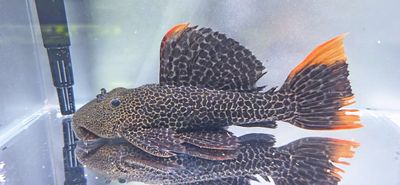
L427 Jatupu Cactus Pleco - (Pseudacanthicus sp.)
L427 Jatupu Cactus Pleco - (Pseudacanthicus sp.)
Price of shipping is not included.
was $450.00
Save 19%
$365.00
Wild Caught
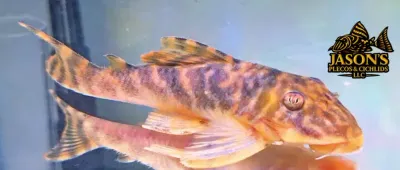
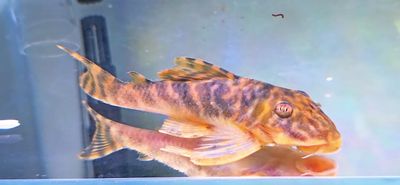
L377 Prince Tiger Pleco - (Peckoltia sp.)
L377 Prince Tiger Pleco - (Peckoltia sp.)
Price of shipping is not included.
5.0
(2)
was $125.00
Save 32%
$85.00
Captive Bred
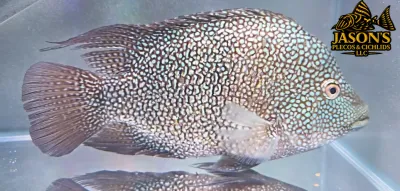
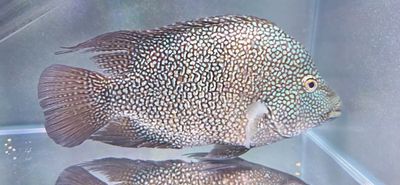
Green Texas Cichlid - (Herichthys carpintis)
Green Texas Cichlid - (Herichthys carpintis)
Price of shipping is not included.
was $160.00
Save 16%
$135.00
Wild Caught
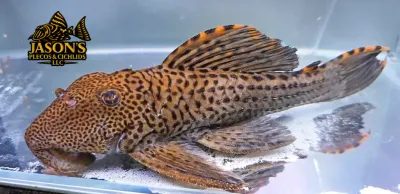
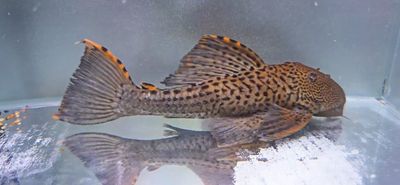
L091 Three Beacon Pleco/Redfin Blackspot Pleco - (Leporacanthicus triactis)
L091 Three Beacon Pleco/Redfin Blackspot Pleco - (Leporacanthicus triactis)
Price of shipping is not included.
5.0
(3)
was $100.00
Save 10%
$90.00
Powered by Lightspeed
Display prices in:USD