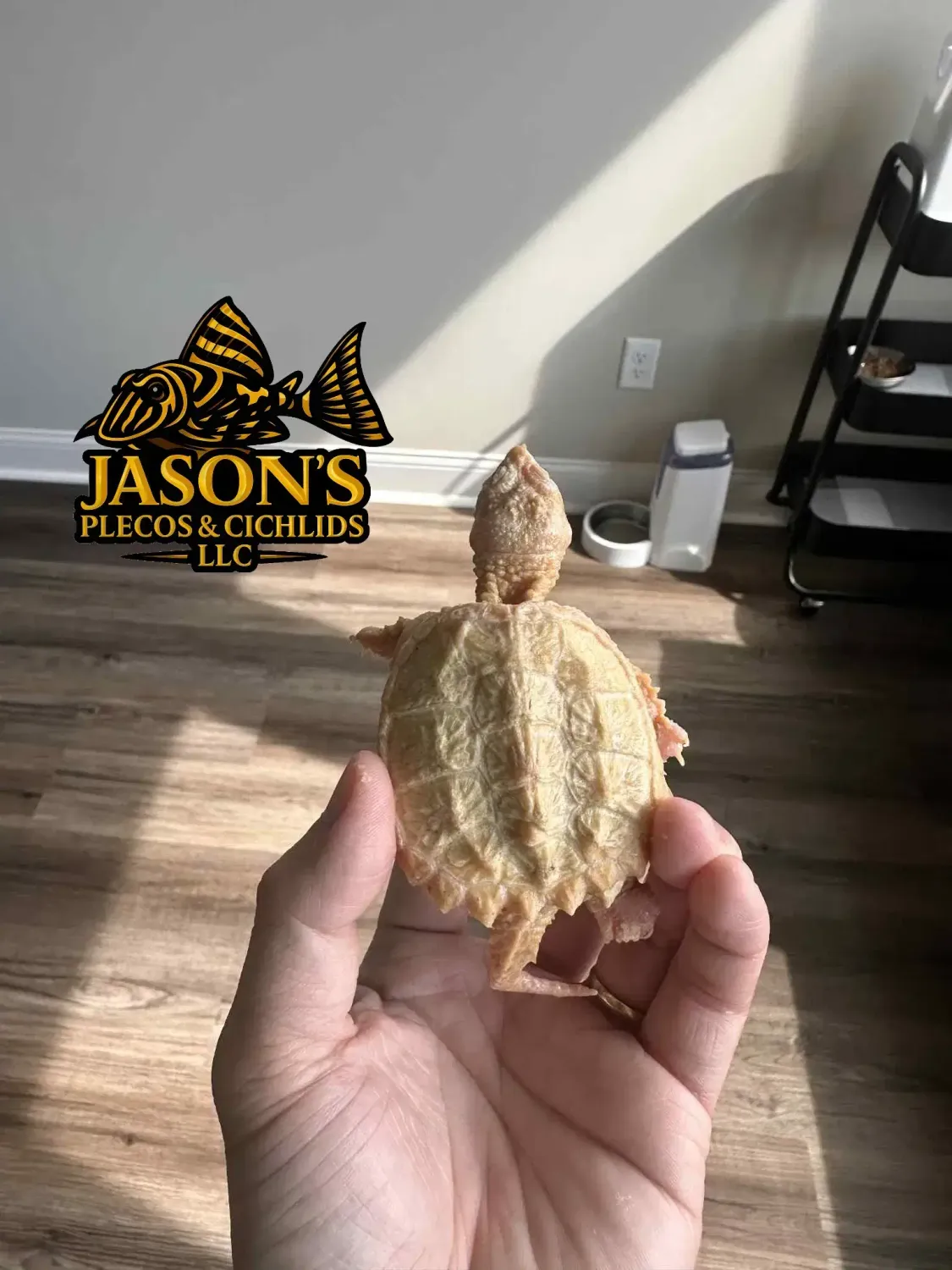
Albino Common Snapping Turtle - (Chelydra serpentina)
$1 315.00
Captive Bred
Carapace Length
Required Reusable Shipping Bag
Questions, Comments, Concerns? Let us know!
Enter your text
Price of shipping is not included.
In stock: 1 available
1
Save this fish to my favorites.
Customer reviews
Reviews only from verified customers
No reviews yet. You can buy this product and be the first to leave a review.
Albino Common Snapping Turtle - (Chelydra serpentina)
Fish Details, Description and Information Below:
🐢 Albino Common Snapping Turtle – (Chelydra serpentina) – Rare Albino Freshwater Snapping Turtle
The Albino Common Snapping Turtle (Chelydra serpentina) is an exceptionally striking color morph of one of North America's most recognizable freshwater turtles.
Instead of the olive, brown, gray, or nearly black coloration normally associated with the species, albino individuals display beautiful cream, ivory, pale yellow, peach, or pink coloration with red to pink eyes caused by greatly reduced or absent melanin pigmentation.
Although the albino coloration makes these turtles visually unique, their adult size, powerful jaws, long lifespan, feeding behavior, and enclosure requirements are the same as those of normally colored Chelydra serpentina.
Common Snapping Turtles are hardy, intelligent, predominantly aquatic reptiles, but they become large, extremely powerful adults. They should only be purchased by experienced keepers who understand their long-term space, filtration, feeding, and safety requirements.
Note: This does have a kink in its tail from birth.
🔎 Quick Facts – Albino Common Snapping Turtle
- 📛 Common Name: Albino Common Snapping Turtle
- 🔬 Scientific Name: Chelydra serpentina
- 🎨 Morph: Albino
- 🐢 Family: Chelydridae
- 🌎 Species Origin: North America
- 💧 Habitat: Freshwater / Semi-aquatic
- 📏 Typical Adult Shell Length: Approximately 8–12 inches
- 📏 Large Individuals: Can substantially exceed 12 inches; documented specimens exceed 19 inches of carapace length
- ⚖️ Typical Adult Weight: Approximately 10–35 pounds, with exceptionally large individuals much heavier
- 🏠 Adult Enclosure: Large stock tank, custom aquatic enclosure, or secure pond; approximately 200–300+ gallons is preferable for large adults
- 🌡️ Water Temperature: Approximately 72–80°F
- ☀️ Basking Area: Approximately 85–90°F
- 💡 Lighting: UVB and appropriate day/night lighting recommended
- 🍽️ Diet: Omnivore with a strong carnivorous feeding response
- 😠 Temperament: Defensive and capable of inflicting a serious bite
- 🐢 Recommended Housing: Individually
- ⏳ Lifespan: Several decades; captive animals have been documented approaching 50 years
- ⭐ Care Level: Advanced
- 🏆 Availability: Rare color morph
🤍 What Is an Albino Snapping Turtle?
The Albino Common Snapping Turtle is not a separate species.
It is a pigmentation morph of:
Chelydra serpentina
Albino individuals have greatly reduced or absent melanin, resulting in dramatically lighter coloration than normal snapping turtles.
Typical albino coloration may include:
- Ivory
- Cream
- Pale yellow
- Peach
- Pink
- Light orange tones
- Red or pink eyes
Color can vary between individuals and may change somewhat as the turtle grows.
Every albino turtle is unique, and exact adult coloration cannot be guaranteed.
🐢 Appearance
Common Snapping Turtles have a rugged, prehistoric appearance.
Characteristic features include:
- Large head
- Powerful hooked jaws
- Long muscular neck
- Small lower shell, or plastron
- Thick legs
- Powerful claws
- Long, saw-toothed tail
- Rougher shell appearance in younger turtles
Unlike many other turtles, a snapping turtle's relatively small plastron does not allow it to completely withdraw its head and limbs inside its shell.
Its primary defense is therefore its powerful bite.
Albino individuals retain the same body structure but replace the normal dark pigmentation with dramatically lighter coloration.
📏 Adult Size – Please Plan Ahead
One of the biggest mistakes people make with Common Snapping Turtles is purchasing a small juvenile without considering its eventual adult size.
Illinois DNR describes typical adults as approximately:
8–12 inches in shell length and 10–35 pounds.
However, the U.S. Geological Survey reports documented carapace lengths reaching:
494 mm / more than 19 inches
and cites a captive maximum weight of approximately:
86 pounds.
Aquarists should therefore prepare for a very large, exceptionally strong aquatic turtle rather than planning around an average-sized specimen.
🏠 Adult Enclosure
A standard aquarium is generally not the best permanent enclosure for a mature snapping turtle.
Adult housing options include:
- Large stock tanks
- Custom indoor ponds
- Large turtle tubs
- Secure outdoor ponds
- Very large custom aquariums
For larger adults, a setup in the neighborhood of:
200–300+ gallons
is much more realistic than a typical aquarium.
Larger is always preferable.
The enclosure should provide enough room for the turtle to:
- Turn comfortably
- Walk along the bottom
- Swim
- Completely submerge
- Easily reach the surface
- Rest without constantly struggling against the enclosure walls
🌊 Water Depth
Common Snapping Turtles are excellent aquatic animals, but they often spend significant time walking along the bottom rather than constantly swimming through open water.
Provide enough water for the turtle to:
- Completely submerge
- Turn comfortably
- Swim naturally
- Reach the surface without difficulty
Large pieces of securely positioned driftwood or underwater platforms can provide resting areas close to the surface.
The enclosure must never contain structures that could trap the turtle underwater.
💩 Heavy Filtration Is Essential
Snapping turtles are extremely messy animals.
They:
- Eat large meals
- Tear food apart
- Produce considerable solid waste
- Frequently defecate in the water
An undersized aquarium filter will quickly become overwhelmed.
Recommended filtration may include:
- Large external canister filters
- Sump filtration
- Pond filtration
- High-capacity mechanical filtration
- Large biological filtration systems
Whenever possible, choose filtration rated well above the actual water volume.
Regular partial water changes remain necessary even with excellent filtration.
💧 Water Quality
Common Snapping Turtles are hardy animals, but hardy does not mean dirty water is acceptable.
Maintain:
- ☠️ Ammonia: 0
- ☠️ Nitrite: 0
- 🔄 Nitrate: Controlled through filtration and water changes
- 🌡️ Water Temperature: Approximately 72–80°F for most captive adults
- 💨 Good oxygenation
- 🧹 Regular removal of waste and uneaten food
Stable, clean water is considerably more important than trying to maintain one exact pH number.
☀️ Basking Area
Common Snapping Turtles are much less enthusiastic baskers than species such as sliders and cooters.
In nature, they spend the majority of their lives in water and may bask while partially submerged or floating near the surface.
However, captive turtles should still be given access to a secure dry area where they can completely leave the water if they choose.
Recommended basking temperature:
Approximately 85–90°F
The platform must be strong enough to support the full weight of an adult snapping turtle.
💡 UVB Lighting
Indoor turtles should be provided with appropriate UVB lighting.
UVB assists reptiles with vitamin D3 production and proper calcium metabolism.
Poor lighting and calcium balance can contribute to:
- Abnormal shell development
- Weak bones
- Metabolic bone disease
Provide:
- Quality reptile UVB lighting
- Proper bulb distance according to the manufacturer's instructions
- A regular day/night cycle
- A shaded area where the turtle can move away from the light
Because this is an albino animal, providing plenty of shaded retreats is especially sensible so the turtle can choose its preferred exposure.
🍽️ Diet & Feeding
The Common Snapping Turtle is a highly opportunistic omnivore.
Wild snapping turtles consume an extremely broad diet including:
- Fish
- Crayfish
- Insects
- Aquatic invertebrates
- Snails
- Amphibians
- Carrion
- Aquatic vegetation
- Other available foods
In captivity, variety is important.
Recommended foods can include:
- High-quality aquatic turtle pellets
- Whole fish from safe sources
- Earthworms
- Crayfish
- Shrimp
- Snails
- Appropriate insects
- Mussels
- Other appropriate aquatic invertebrates
- Occasional plant material
A quality commercial turtle food can form an important nutritional base rather than attempting to construct the entire diet from meat alone.
⚠️ Do Not Feed Only Meat
A diet consisting exclusively of:
- Raw chicken
- Beef
- Fish fillet
- Shrimp
- Other muscle meat
is not nutritionally complete.
Whole prey and properly formulated turtle foods provide nutrients that plain muscle meat does not.
Dietary variety is especially important for:
- Calcium
- Vitamins
- Trace minerals
- Proper shell growth
🐟 Tankmates
The safest recommendation is:
Keep Common Snapping Turtles alone.
Do not assume another animal is safe simply because it has lived with the turtle temporarily.
Potential prey can include:
- Fish
- Frogs
- Crayfish
- Other turtles
- Aquatic animals small enough to catch
Snapping turtles are opportunistic predators.
Even large tankmates may eventually be injured.
Housing multiple snapping turtles together also creates a risk of serious biting injuries.
😠 Temperament & Safety
Common Snapping Turtles have an undeserved reputation for constantly attacking people, but their behavior is strongly influenced by environment.
In water they are generally much more interested in:
- Retreating
- Hiding
- Remaining submerged
than fighting.
Out of water, however, they may become highly defensive because their small plastron provides little physical protection.
A defensive snapping turtle can:
- Extend its neck surprisingly far
- Lunge
- Bite extremely quickly
- Cause serious injury
This Is a Display Animal
Snapping turtles should not be purchased as handling pets.
Handling should be minimized to situations where it is genuinely necessary.
🚫 Never Pick Up a Snapping Turtle by Its Tail
Never lift a snapping turtle by the tail.
Doing so can seriously injure the turtle.
Large animals are safest moved using an appropriately sized container rather than attempting unnecessary direct handling.
Keep hands away from:
- The head
- The neck
- The front half of the shell
Snapping turtles have extremely flexible necks and can reach farther than inexperienced keepers expect.
🧠 Behavior
Common Snapping Turtles can become very responsive captive animals.
Many learn to associate their keeper with feeding and may quickly approach when someone enters the room.
They may spend time:
- Exploring the bottom
- Resting beneath structure
- Investigating objects
- Searching for food
- Watching activity outside the enclosure
Their feeding response can become extremely strong.
Never confuse feeding recognition with domestication.
Even a turtle that appears calm can bite if startled, restrained, or handled incorrectly.
⏳ Lifespan
Purchasing a snapping turtle is a long-term commitment.
Animal Diversity Web reports captive individuals living as long as approximately:
47 years
and snapping turtles are well known as long-lived reptiles.
A buyer should be prepared to care for the turtle for several decades.
This includes planning for:
- Adult housing
- Filtration
- Food expenses
- Veterinary care
- Moving the enclosure
- Long-term legal ownership
🥚 Breeding
Common Snapping Turtles reproduce by laying eggs on land.
Females leave the water and excavate a nest in suitable soil.
Clutch size is highly variable and can consist of dozens of eggs.
Unlike many cichlids and other animals with parental care:
The female does not remain to care for the eggs or hatchlings.
After nesting, she returns to the water.
Captive breeding requires significant space and should only be attempted by experienced keepers who understand:
- Pairing risks
- Large adult housing
- Nesting requirements
- Egg incubation
- Hatchling care
- Applicable wildlife laws
🤍 Albino Genetics
Albino Common Snapping Turtles are prized because of their extremely unusual appearance.
Their reduced pigmentation produces the characteristic:
- Pale shell
- Pale skin
- Red or pink eyes
Albinism has even been documented in wild Chelydra serpentina, although albino individuals are exceptionally uncommon in nature.
In the captive reptile hobby, albino lines allow this unusual appearance to be maintained through selective breeding.
⭐ Why Keep an Albino Common Snapping Turtle?
For an experienced turtle keeper with sufficient space, an Albino Common Snapping Turtle is an extraordinary display animal.
Its combination of:
- 🤍 Rare albino coloration
- 👁️ Red or pink eyes
- 🐢 Prehistoric appearance
- 💪 Impressive adult size
- 🧠 Interactive behavior
- 🌊 Strong aquatic lifestyle
- ⏳ Decades-long lifespan
- 🏆 Extremely uncommon appearance
makes it one of the most visually striking forms of Chelydra serpentina.
However, its rarity should never overshadow the responsibility involved in keeping such a large and powerful animal.
⚠️ Important Considerations
Before purchasing an Albino Common Snapping Turtle:
- Understand how large this species becomes.
- Have a realistic adult enclosure plan.
- Expect to eventually use a stock tank, large custom enclosure, or pond.
- Use very strong filtration.
- Provide clean water.
- Provide UVB and an appropriate dry area.
- Feed a nutritionally varied diet.
- Keep the turtle individually.
- Minimize handling.
- Never lift the turtle by its tail.
- Understand that adults can inflict serious bites.
- Plan for several decades of care.
- Verify all state and local wildlife regulations before ordering.
This species is recommended for experienced aquatic turtle keepers, not first-time reptile owners.
🚨 FEDERAL TURTLE SALES LAW – IMPORTANT
Turtles Under 4 Inches
Federal law prohibits the sale or distribution of turtles with a carapace length of less than 4 inches as pets.
This restriction applies throughout the United States.
There are limited exceptions under federal regulations for qualifying:
- Scientific purposes
- Educational purposes
- Exhibition
- Certain other non-pet purposes
These exceptions should not be treated as a loophole for selling hatchling turtles as pets.
For Pet Sales
Turtles sold as pets should have a carapace measuring:
4 inches or greater
before being offered or distributed as pet animals.
⚠️ State & Local Wildlife Laws
The Common Snapping Turtle is native wildlife in many U.S. states.
State rules regarding:
- Possession
- Captive breeding
- Commercial sale
- Importation
- Transportation
- Wildlife dealer permits
- Documentation of captive-bred origin
vary significantly.
A turtle being captive-bred or albino does not automatically exempt it from state wildlife regulations.
Customers are responsible for confirming that the animal is legal to possess and receive at their destination before ordering.
Jason's Plecos & Cichlids reserves the right to cancel an order when shipping or possession cannot legally be confirmed.
🦠 Salmonella Warning
All turtles can carry Salmonella bacteria, even when they appear completely healthy and clean.
Always:
- Wash hands thoroughly after contact with the turtle.
- Wash hands after touching enclosure water or equipment.
- Keep turtle equipment away from food-preparation areas.
- Do not clean turtle equipment in kitchen sinks.
- Do not kiss the turtle or bring it close to your mouth.
- Supervise children around reptiles carefully.
Turtles are not recommended for households containing individuals at particularly high risk of serious Salmonella infection without careful consideration and consultation with appropriate health guidance.
🚚 Live Animal Shipping
Live animals are professionally packed for safe transport.
Shipping availability depends on:
- Animal size
- Destination
- Weather conditions
- Carrier availability
- Federal regulations
- State wildlife regulations
- Local regulations
Some destinations may require permits or may prohibit possession entirely.
Please verify legality before placing an order.
🚫 Never Release a Captive Turtle
Never release an aquarium or captive-raised turtle into:
- Lakes
- Rivers
- Streams
- Ponds
- Wetlands
- Drainage systems
- Other natural environments
If you can no longer care for the turtle, contact an appropriate:
- Reptile rescue
- Wildlife agency
- Experienced keeper
- Veterinarian
- Legal rehoming organization
A captive turtle should never be released simply because the species occurs naturally in your area.
| State | Recommended policy | Reason |
|---|---|---|
| California | Do not ship | Common snapping turtles are restricted; import, transportation, and possession generally require authorization under 14 CCR §671. |
| Hawaii | Do not ship | Freshwater turtles are classified as injurious wildlife; import and possession require state authorization. See Hawaii DLNR. |
| Arizona | Ship only after permit verification | Snapping turtles in family Chelydridae are restricted live wildlife. |
| Florida | Verify recipient’s permit first | Commercial importation, sale, and possession of wildlife can require a Class III authorization. |
| Mississippi | Verify permits and documentation | Commercial import/export of nongame wildlife is regulated. |
| New York | Obtain written agency confirmation | Native-wildlife possession and sale are regulated, and licensing depends on purpose. See NYSDEC wildlife propagation licensing. |
| West Virginia | Do not ship without written approval | Possession of most native reptiles is restricted. See West Virginia DNR. |
| Oregon | Verify before shipping | The common snapping turtle is nonnative/invasive, and Oregon regulates importation, transportation, and possession of nonnative wildlife. |
Below are fish you may also like.
Wild Caught
Slate Pleco - (Pseudancistrus genisetiger)
Slate Pleco - (Pseudancistrus genisetiger)
Price of shipping is not included.
5.0
(1)
was $80.00
Save 6%
$75.00
Captive Bred
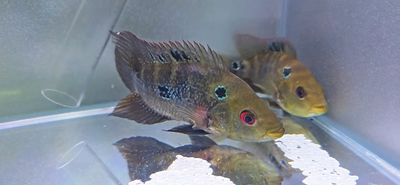
Trimac Cichlid/Three Spot Cichlid - (Amphilophus Trimaculatus)
Trimac Cichlid/Three Spot Cichlid - (Amphilophus Trimaculatus)
Price of shipping is not included.
5.0
(1)
was $70.00
Save 7%
$65.00
Captive Bred
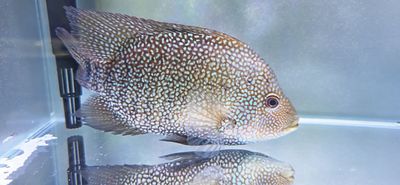
Green Texas Cichlid - (Herichthys carpintis)
Green Texas Cichlid - (Herichthys carpintis)
Price of shipping is not included.
5.0
(2)
was $80.00
Save 6%
$75.00
Wild Caught
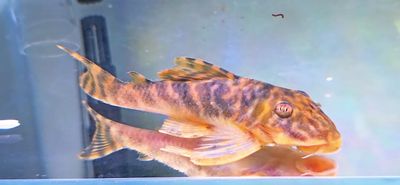
L377 Prince Tiger Pleco - (Peckoltia sp.)
L377 Prince Tiger Pleco - (Peckoltia sp.)
Price of shipping is not included.
5.0
(2)
was $125.00
Save 32%
$85.00
Captive Bred
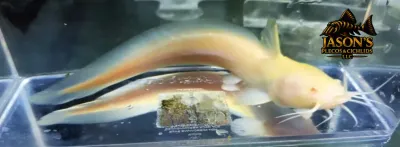
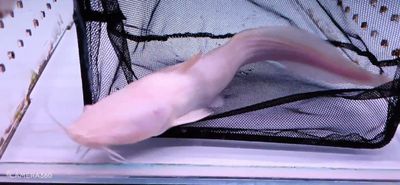
Albino Plotosus Canius
Albino Plotosus Canius
Price of shipping is not included.
was $2 000.00
Save 59%
$815.00
Powered by Lightspeed
Display prices in:USD