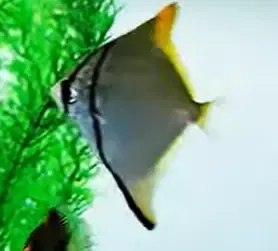
African Moony - (Monodactylus sebae)
$30.00
Sold out
Size
Price of shipping is not included.
Sold out
Save this fish to my favorites.
Customer reviews
Reviews only from verified customers
No reviews yet. You can buy this product and be the first to leave a review.
African Moony - (Monodactylus sebae)
Fish Details, Description and Information Below:
🌙 African Moony – (Monodactylus sebae) – West African Brackish & Euryhaline Schooling Fish
The African Moony (Monodactylus sebae), also known as the Mono Sebae, Sebae Mono, African Mono, or African Moonfish, is an unusual schooling fish recognized by its extremely deep, laterally compressed body, brilliant silver coloration, and bold vertical black bands.
Young African Moonies are particularly striking, displaying a tall diamond-shaped body with several prominent dark bands against a reflective silver background.
As they mature, they develop an impressive:
- Tall dorsal profile
- Deep anal fin
- Diamond-shaped body
- Metallic silver coloration
- Dark vertical banding
- Yellowish to golden highlights in the fins
Unlike most fish sold in the freshwater aquarium hobby, the African Moony is:
EURYHALINE
meaning it is naturally capable of living across a wide range of salinities.
Wild Monodactylus sebae occur in:
- Freshwater
- Brackish water
- Estuaries
- Coastal lagoons
- Shallow marine environments
Because they are naturally active schooling fish, African Moonies should not be purchased as solitary display fish. A properly maintained group requires a large aquarium with substantial open swimming room.
🔎 Quick Facts – African Moony
- 📛 Common Name: African Moony
- 📛 Other Names: Mono Sebae, Sebae Mono, African Mono, African Moonfish
- 🔬 Scientific Name: Monodactylus sebae
- 🐟 Family: Monodactylidae
- 🌎 Origin: Eastern Atlantic / West and Central African Coast
- 🌍 Native Range: Cape Verde region south along western Africa to Angola
- 🌊 Habitat: Estuaries, lagoons, marshes, lower river reaches, shallow bays and coastal waters
- 💧 Water Type: Freshwater, Brackish & Marine
- 🧂 Salinity: Euryhaline – match current conditions and change gradually
- 📏 Common Adult Size: Approximately 6 inches
- 📏 Maximum Recorded Size: Approximately 10 inches / 25 cm total length
- 🏠 Recommended Aquarium: 125+ gallons for a proper group
- 🏠 Preferred Aquarium: 150+ gallons
- 📐 Aquarium Style: Long aquarium with substantial open swimming space
- 👥 Social Behavior: Schooling / Shoaling
- 🐟 Recommended Group: Approximately 5–6 or more when space permits
- 🌡️ Temperature: Approximately 75–82°F
- 💧 pH: Approximately 7.2–8.5
- 💦 Water Preference: Stable, mineralized water appropriate to the chosen salinity
- 💨 Oxygenation: Good to High
- 🌊 Water Movement: Moderate
- 🍽️ Diet: Opportunistic Omnivore with a Strong Animal / Zooplankton Component
- 🦐 Natural Foods: Shrimp, zooplankton, small fish and aquatic invertebrates
- 😌 Temperament: Generally peaceful to moderately assertive
- ⚠️ Small Fish: May be eaten if small enough to swallow
- 🌙 Activity: Active midwater swimmer
- 🥚 Breeding: Confirmed in Captivity
- 🧪 Breeding Difficulty: Advanced / Specialized Aquaculture
- ⭐ Care Level: Intermediate to Advanced
- 🌎 IUCN Status: Not Evaluated
🧬 Valid Scientific Species
The currently accepted scientific name is:
Monodactylus sebae
The species was described by:
Georges Cuvier in 1829
Older scientific literature may use names such as:
- Psettus sebae
- Psettias sebae
The correct modern product identification is:
African Moony – (Monodactylus sebae)
🌙 What Is a Moony?
African Moonies belong to the family:
MONODACTYLIDAE
commonly known as:
- Moonies
- Moonyfishes
- Fingerfishes
Members of this family are known for their:
- Deep bodies
- Strong lateral compression
- Long dorsal and anal fins
- Reflective silver coloration
- Schooling behavior
- Ability to occupy coastal and estuarine environments
💎 Distinctive Diamond-Shaped Body
One of the most noticeable characteristics of Monodactylus sebae is its:
EXTREMELY DEEP, COMPRESSED BODY
When viewed from the side, the fish can appear almost:
- Diamond-shaped
- Triangular
- Disc-shaped
The long dorsal and anal fins exaggerate this unusual profile.
🎨 Appearance
Typical African Moony coloration includes:
- Bright silver
- Metallic gray
- Silver-green
- Olive-silver
- Dark charcoal markings
with yellow or golden highlights occasionally visible on portions of the:
- Dorsal fin
- Anal fin
- Caudal fin
⚫ Black Vertical Bands
Young African Moonies have several strong dark vertical markings.
These typically include a dark band:
- Through or near the eye
- Behind the head
- Across the center/rear portion of the body
The combination of:
SILVER BODY + BLACK BANDS
makes juveniles especially attractive.
🔄 Color Changes With Age
Young African Moonies frequently have:
STRONGER, SHARPER CONTRAST
than large adults.
As the fish matures:
- Body coloration may become more uniformly silver
- Black bands may appear broader or less sharply defined
- The body becomes significantly deeper
- The fish develops a more impressive adult profile
🌑 Darkening When Stressed
African Moonies can temporarily become considerably:
DARKER
when:
- Frightened
- Stressed
- Transported
- Sleeping
- Adjusting to a new aquarium
This is not necessarily evidence of permanent color loss.
⚠️ Color Disclaimer
Exact adult coloration cannot be guaranteed.
Appearance varies with:
- Age
- Stress
- Aquarium lighting
- Background color
- Diet
- Salinity
- Water quality
- Social environment
🌎 Native Distribution
The African Moony is native to the:
EASTERN ATLANTIC
along the western coast of Africa.
Its broad natural range extends approximately from:
CAPE VERDE / WEST AFRICA
southward to:
ANGOLA
🌍 African Coastal Range
Records include portions of:
- Senegal
- Gambia
- Guinea region
- Gulf of Guinea
- West African coastal systems
- Central African Atlantic drainage
- Angola
The species has also been recorded around Atlantic island regions including the:
CANARY ISLANDS
🌊 Estuary Specialist
The African Moony is especially common in:
ESTUARIES AND COASTAL LAGOONS
where salinity can change dramatically because of:
- Tides
- Rainfall
- River discharge
- Seasonal flooding
- Evaporation
This naturally variable environment explains its impressive tolerance of different salinities.
🌿 Additional Natural Habitats
Wild African Moonies also occur in:
- Coastal marshes
- Mangrove-associated habitats
- Lower river reaches
- Shallow bays
- Harbor areas
- Coastal marine waters
💧 African Moony Is Truly Euryhaline
One of the most important things customers should understand is:
Monodactylus sebae IS EURYHALINE
This means it can regulate its body chemistry across a broad range of environmental salinities.
The species is scientifically documented from:
FRESHWATER
BRACKISH WATER
and:
MARINE WATER
⚠️ Do Not Suddenly Change Salinity
Even though African Moonies tolerate an enormous natural salinity range:
DO NOT MOVE THEM ABRUPTLY BETWEEN FRESH AND SALTWATER
A fish that has been maintained in freshwater should not be immediately dropped into marine water.
Likewise, a marine-acclimated fish should not suddenly be transferred into freshwater.
🧂 Match the Water the Fish Is Currently Kept In
When purchasing an African Moony:
ASK WHAT SALINITY THE FISH IS CURRENTLY MAINTAINED IN
Begin with similar conditions.
Any intentional salinity adjustment should be:
GRADUAL
🧂 Brackish Water
African Moonies are especially well suited to a:
BRACKISH AQUARIUM
because estuaries and lagoons are major parts of their natural habitat.
A typical aquarium brackish environment may fall around:
SG 1.005–1.015
depending on the fish's current acclimation and the other species being maintained.
🌊 Marine Water
African Moonies can also be acclimated to:
FULL MARINE CONDITIONS
and have even been successfully spawned commercially in marine water.
Large established individuals can make impressive inhabitants of appropriately sized:
FISH-ONLY MARINE AQUARIUMS
💧 Freshwater
The species can naturally enter:
FRESHWATER
and may travel substantial distances upstream.
Captive-produced African Moonies have also been successfully raised under freshwater conditions.
Therefore:
DO NOT CLAIM THAT FRESHWATER IS IMPOSSIBLE FOR THIS SPECIES
⚠️ Best Salinity Advice
Because individual fish may have been:
- Wild caught
- Captive bred
- Farm raised
- Raised in freshwater
- Raised in brackish water
- Raised in marine water
the safest advice is:
MATCH THEIR CURRENT SALINITY FIRST
and make any changes gradually.
🧂 Use Marine Salt for Brackish Aquariums
If maintaining African Moonies in brackish or marine conditions:
USE A QUALITY MARINE SALT MIX
Do not use ordinary:
- Table salt
- Cooking salt
- “Aquarium salt” alone
as a substitute for a proper marine salt mix.
Marine salt provides the appropriate mixture of:
- Sodium
- Chloride
- Calcium
- Magnesium
- Carbonates
- Trace minerals
📏 Adult Size
FishBase reports a maximum size of:
25 CM / APPROXIMATELY 9.8 INCHES TOTAL LENGTH
The commonly encountered size is closer to:
15 CM / APPROXIMATELY 6 INCHES
📏 Responsible Adult Planning
Customers should plan for fish potentially reaching:
8–10 INCHES
rather than assuming every African Moony will stop at six inches.
📐 Body Height Matters
Adult length tells only part of the story.
African Moonies become:
VERY DEEP-BODIED
and therefore occupy considerably more physical space than a slender fish of equal length.
A mature African Moony may look almost:
DINNER-PLATE SHAPED
when viewed from the side.
🏠 Aquarium Size
Because this species should normally be maintained in a group:
125 GALLONS OR LARGER
is a much more responsible long-term recommendation than judging aquarium size from one individual fish.
For a larger adult group:
150+ GALLONS
is preferred.
👥 Schooling Fish
Wild African Moonies may form:
VERY LARGE SHOALS
sometimes consisting of hundreds of individuals.
Aquarium fish retain this strong social behavior.
🐟 Recommended Group
When aquarium size permits, maintain approximately:
5–6 OR MORE
African Moonies together.
A proper group generally produces:
- More natural behavior
- Greater confidence
- Less nervousness
- More impressive swimming displays
⚠️ Avoid Keeping Just One
A solitary African Moony may become:
- Nervous
- Shy
- Easily frightened
- Abnormally aggressive
- Constantly pacing
This species is much more impressive when allowed to behave as a:
SOCIAL SCHOOLING FISH
⚠️ Small Groups Can Develop Hierarchy Problems
Keeping only:
- Two
- Three
individuals can sometimes concentrate aggression on the weakest fish.
A larger group helps distribute:
- Chasing
- Social dominance
- Feeding competition
more naturally.
🏊 Active Open-Water Swimmer
African Moonies spend much of their time in:
OPEN MIDWATER
rather than hiding among decorations.
The aquarium should therefore emphasize:
SWIMMING SPACE
📐 Aquarium Shape
Choose an aquarium that is:
- Long
- Wide
- Tall enough for their deep bodies
rather than a short aquarium with excessive décor.
🪨 Aquarium Setup
A suitable aquarium can include:
- Open swimming space
- Large roots
- Driftwood
- Smooth rocks
- Artificial mangrove-style structure
- Brackish-compatible décor
- Strong filtration
Keep most décor toward:
- The rear
- The ends
- The perimeter
so the center remains open for schooling.
🌿 Live Plants
Many traditional freshwater plants will not tolerate meaningful brackish salinity.
African Moonies may also investigate or damage softer vegetation.
If using plants, choose species appropriate for the actual:
SALINITY
being maintained.
🏃 Fast Swimmers
African Moonies are:
FAST, POWERFUL SWIMMERS
A frightened group may suddenly dash across the aquarium.
Avoid:
- Sharp rocks
- Jagged décor
- Narrow obstacles
in main swimming paths.
😨 Easily Startled
This species can become frightened by:
- Sudden lighting changes
- People approaching quickly
- Loud impacts
- Rapid movement outside the aquarium
A frightened Moony can swim directly into:
- Glass
- Rocks
- Aquarium lids
💡 Lighting
Avoid instantly changing from:
TOTAL DARKNESS → BRIGHT LIGHT
when possible.
Gradual room lighting or aquarium light ramping can reduce panic.
🛡️ Tight-Fitting Lid
Because active frightened fish may jump:
USE A SECURE AQUARIUM COVER
especially in open brackish or marine systems.
🌡️ Temperature
A scientifically supported temperature range is approximately:
75–82°F / 24–28°C
This is an excellent practical range for long-term aquarium care.
💧 pH
African Moonies are generally best maintained in:
NEUTRAL TO ALKALINE WATER
A practical aquarium target is approximately:
pH 7.2–8.5
depending on salinity.
Brackish and marine aquariums naturally tend toward the higher end.
💨 Oxygenation
Provide:
GOOD TO HIGH OXYGENATION
especially in:
- Warm water
- Large schools
- Heavily fed aquariums
Suitable methods include:
- Strong surface agitation
- Air stones
- Canister-filter returns
- Sump returns
- Circulation pumps
💩 Filtration
African Moonies are:
- Active
- Fast-growing
- Strong feeders
A group can create substantial waste.
Use strong:
- Mechanical filtration
- Biological filtration
🔄 Water Changes
Regular partial water changes are essential.
Always match replacement water for:
- Temperature
- pH
- Salinity
as closely as practical.
⚠️ Salinity Stability
In brackish and marine systems:
WATER EVAPORATES — SALT DOES NOT
Therefore, evaporation should normally be replaced with:
FRESH WATER
rather than continually adding more saltwater.
Otherwise salinity can gradually rise.
🧪 Measure Salinity
Do not estimate brackish salinity simply by adding:
“A Spoonful of Salt”
Use an appropriate:
- Refractometer
- Hydrometer
- Salinity meter
to measure the aquarium accurately.
🍽️ Natural Diet
Wild Monodactylus sebae feed on foods including:
- Small fish
- Shrimp
- Zooplankton
- Small aquatic invertebrates
This means the African Moony has a substantial:
ANIMAL / ZOOPLANKTON COMPONENT
in its natural diet.
🍽️ Aquarium Diet
The best description is:
OPPORTUNISTIC OMNIVORE
with a strong animal-food component.
Offer a varied diet rather than relying on one food.
🦐 Recommended Foods
Suitable foods include:
- Mysis shrimp
- Brine shrimp
- Krill
- Chopped shrimp
- Quality frozen foods
- Insect-based foods
- Quality omnivore pellets
- Quality flakes
🌿 Plant Component
Some plant-based nutrition can also be included through:
- Spirulina flakes
- Spirulina pellets
- Quality omnivore foods
- Marine algae / nori in suitable setups
⚠️ Small Fish May Become Food
Wild African Moonies naturally consume small fish.
Therefore:
DO NOT KEEP THEM WITH VERY SMALL FISH
that can fit comfortably into their mouth.
😌 Temperament
African Moonies are generally:
PEACEFUL TO MODERATELY ASSERTIVE
They are not normally highly territorial predators.
However, they are:
- Fast
- Competitive feeders
- Social
- Occasionally pushy
🐠 Tankmates
Potential tankmates should be:
- Appropriately sized
- Fast enough to compete for food
- Compatible with the same salinity
- Comfortable in similar temperature and pH
🌊 Brackish Tankmates
Depending on aquarium size and salinity, compatible species can include appropriately selected:
- Scats
- Archerfish
- Other Monos
- Robust brackish gobies
- Other large brackish-compatible fishes
Always research the exact requirements of every species before mixing them.
🚫 Avoid Tiny Tankmates
Very small fish may eventually become:
FOOD
even if they initially coexist with juvenile Moonies.
🚫 Avoid Slow Delicate Fish
African Moonies can be extremely active at feeding time.
Very:
- Slow
- Delicate
- Long-finned
tankmates may be stressed or outcompeted.
🪸 Marine Aquarium Considerations
African Moonies can be kept in full marine systems.
However, they should not automatically be treated as ideal:
REEF AQUARIUM FISH
They are opportunistic feeders and may investigate:
- Small crustaceans
- Invertebrates
- Soft biological growth
A large fish-only marine aquarium is generally the safer recommendation.
♂️ Male vs. Female
There is:
NO EASY RELIABLE EXTERNAL SEXING METHOD
for normal aquarium specimens.
Mature females carrying eggs may appear:
- Fuller
- Rounder through the abdomen
but this is not reliable enough for guaranteed retail sexing.
Unless confidently determined:
SELL AS UNSEXED
🥚 Captive Breeding – Confirmed
African Moonies have:
BEEN SUCCESSFULLY BRED IN CAPTIVITY
Therefore:
DO NOT DESCRIBE BREEDING AS UNKNOWN OR IMPOSSIBLE
🧪 Specialized Breeding
Successful commercial production has required sophisticated management of:
- Adult conditioning
- Salinity
- Pelagic eggs
- Marine-style larvae
- Planktonic first foods
- Juvenile grow-out
For the average home aquarist:
BREEDING SHOULD BE CONSIDERED ADVANCED
💕 Pairing
Scientific records describe:
DISTINCT PAIRING
during reproduction.
Courtship can involve rapid, energetic swimming before spawning.
🥚 Large Numbers of Eggs
Scientific references report females producing:
15,000 OR MORE EGGS
during spawning.
These are not large adhesive pleco-style eggs.
They belong to a completely different:
PELAGIC / OPEN-WATER REPRODUCTIVE STRATEGY
🐣 Rapid Hatching
Under suitable conditions, eggs may hatch in approximately:
24 HOURS
The resulting larvae are extremely small and require specialized care.
🌊 Marine-Type Larvae
Commercial breeding experience has shown that African Moony larvae behave much more like:
MARINE FISH LARVAE
than typical freshwater aquarium fry.
Successful culture requires:
- Tiny planktonic foods
- Stable water
- Appropriate salinity
- Specialized larval-rearing knowledge
🧪 Commercial Captive Breeding
African Moonies have been commercially propagated in:
FLORIDA
Successful breeders have demonstrated that adults can be spawned in:
FULL MARINE WATER
while juveniles can later be grown under different salinity conditions.
This demonstrates just how physiologically adaptable the species can be.
⚠️ Captive Bred Does Not Automatically Mean Freshwater Only
A captive-bred African Moony may have been raised in:
- Freshwater
- Brackish water
- Marine water
depending on the breeder and production method.
That is another reason customers should:
MATCH THE SELLER'S CURRENT WATER FIRST
🌎 Conservation Status
Monodactylus sebae currently has:
NO FORMAL GLOBAL IUCN RED LIST ASSESSMENT
Therefore:
IUCN STATUS: NOT EVALUATED
is the most accurate wording.
⭐ Why Keep an African Moony?
The African Moony combines:
- 🌙 Unique moon-shaped appearance
- 💎 Brilliant metallic silver coloration
- ⚫ Dramatic black bands
- 🏊 Active open-water swimming
- 👥 Strong schooling behavior
- 🌊 Fascinating estuarine ecology
- 🧂 Freshwater-to-marine salinity tolerance
- 📏 Up to approximately 10-inch adult potential
- 🦐 Interesting opportunistic feeding behavior
- 🧪 Confirmed captive aquaculture
- 🌍 West African origin
into one of the most unusual schooling fish available in the aquarium hobby.
⚠️ Important Considerations
Before purchasing an African Moony:
- The correct scientific name is Monodactylus sebae.
- The species is native to the eastern Atlantic coast of western and central Africa.
- Its natural range extends broadly from the Cape Verde / West African region south toward Angola.
- African Moonies commonly inhabit estuaries and lagoons.
- They also occur in freshwater river reaches and shallow marine environments.
- This is a genuinely euryhaline species.
- Do not claim that African Moonies can only live in brackish water.
- Do not claim every adult absolutely must be converted to full saltwater.
- Match the salinity in which the fish is currently being maintained.
- Make salinity changes gradually.
- Use proper marine salt mix for brackish or marine aquariums.
- Measure salinity with an appropriate instrument.
- Never suddenly move a freshwater-acclimated fish directly into marine water.
- FishBase documents a maximum size of approximately 25 cm / 9.8 inches.
- Common size is approximately 15 cm / 5.9 inches.
- Plan for the possibility of approximately 8–10 inch adults.
- Remember that adults are extremely deep-bodied.
- African Moonies are schooling fish.
- Keep approximately 5–6 or more when sufficient aquarium space is available.
- Provide approximately 125 gallons or larger for a proper long-term group.
- 150+ gallons is preferred.
- Provide substantial open swimming room.
- Maintain approximately 75–82°F.
- Maintain neutral to alkaline conditions appropriate to salinity.
- Provide good to high dissolved oxygen.
- Use strong mechanical and biological filtration.
- Feed a varied omnivorous diet with substantial shrimp, zooplankton, invertebrate and other animal foods.
- Include some plant-based nutrition.
- Small fish may be eaten.
- Avoid extremely slow or delicate tankmates.
- Use a secure aquarium cover.
- Avoid sudden lighting changes that may frighten the school.
- Captive breeding is confirmed.
- Commercial production has been achieved.
- Breeding remains a specialized aquaculture project.
- The species is currently Not Evaluated by the IUCN.
- Never release aquarium fish into natural waterways.
🧬 Taxonomy
The currently accepted scientific name is:
Monodactylus sebae (Cuvier, 1829)
Classification:
- Family: Monodactylidae
- Genus: Monodactylus
- Species: sebae
Older scientific combinations include:
- Psettus sebae
- Psettias sebae
For this product, use:
African Moony – (Monodactylus sebae)
🌊 Salinity Disclaimer
African Moonies are naturally euryhaline and can occur in freshwater, brackish water, and marine environments.
Individual aquarium specimens may have been raised or maintained at very different salinities.
Before changing salinity:
- Determine the fish's current conditions
- Use a proper salinity-measuring device
- Make changes gradually
- Use marine salt mix when increasing salinity
Never assume that every African Moony in the aquarium trade is currently maintained at the same salinity.
🚚 Live Fish Shipping
Live fish are professionally packed for safe transport.
Shipping availability depends on:
- Fish size
- Destination
- Weather conditions
- Carrier availability
- Applicable state and local regulations
Please review our Shipping & Payment Information and Live Arrival Guarantee / DOA Policy before ordering.
⚠️ Buyer Responsibility
Customers are responsible for confirming that Monodactylus sebae may legally be purchased, possessed, transported, and received in their state or local jurisdiction before ordering.
Never release aquarium fish into natural waterways.
Below are fish you may also like.
Wild Caught
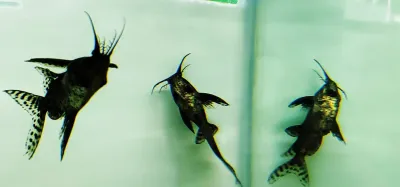
Giant Upside Down Catfish - (Synodontis batensoda)
Giant Upside Down Catfish - (Synodontis batensoda)
Price of shipping is not included.
$25.00
Out of stock
Captive Bred
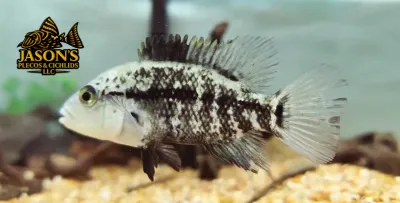
Haitian Cichlid - (Nandopsis haitiensis)
Haitian Cichlid - (Nandopsis haitiensis)
Price of shipping is not included.
5.0
(1)
was $55.00
Save 9%
$50.00
Out of stock
Wild Caught
Panda Cory - (Corydoras (lineage 9) Panda
Panda Cory - (Corydoras (lineage 9) Panda
Price of shipping is not included.
$25.00
Out of stock
Wild Caught
Crying Whiptail - (Loricaria nimairaco)
Crying Whiptail - (Loricaria nimairaco)
Price of shipping is not included.
was $120.00
Save 8%
$110.00
Out of stock
Captive Bred
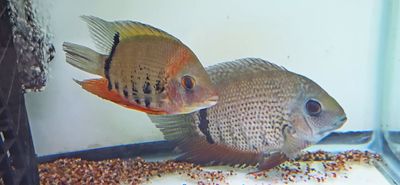
Green Severum - (Heros efasciatus)
Green Severum - (Heros efasciatus)
Price of shipping is not included.
5.0
(1)
was $75.00
Save 13%
$65.00
Captive Bred
Texas Cichlid - (Herichthys cyanoguttatus)
Texas Cichlid - (Herichthys cyanoguttatus)
Price of shipping is not included.
5.0
(2)
was $160.00
Save 6%
$150.00
Out of stock
Captive Bred
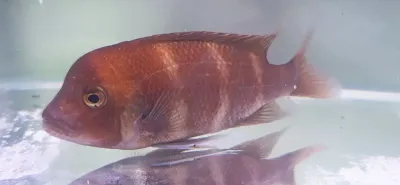
Red Frontosa - (Cyphotilapia Frontosa)
Red Frontosa - (Cyphotilapia Frontosa)
Price of shipping is not included.
5.0
(1)
was $140.00
Save 7%
$130.00
Out of stock
Wild Caught
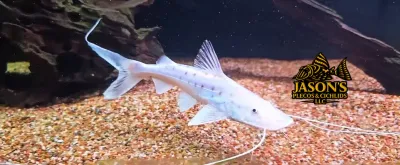
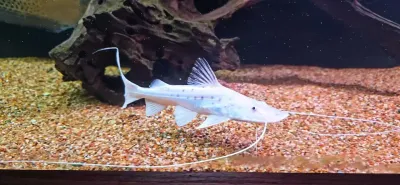
Piraiba Catfish - (Brachyplatystoma filamentosum) Brazil
Piraiba Catfish - (Brachyplatystoma filamentosum) Brazil
Price of shipping is not included.
was $450.00
Save 11%
$400.00
Out of stock
Captive Bred
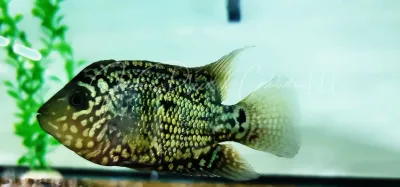
Thailand Kamfa Flowerhorn
Thailand Kamfa Flowerhorn
Price of shipping is not included.
was $100.00
Save 25%
$75.00
Out of stock
Captive Bred
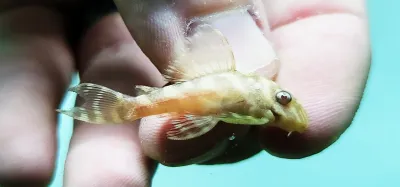
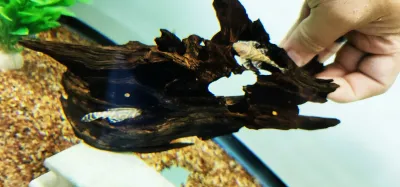
L333 Albino King Tiger Pleco/Maze Zebra Pleco - (Hypancistrus Seideli)
L333 Albino King Tiger Pleco/Maze Zebra Pleco - (Hypancistrus Seideli)
Price of shipping is not included.
$125.00
Out of stock
Wild Caught
Flatwhiskered Catfish - (Pinirampus pirinampu)
Flatwhiskered Catfish - (Pinirampus pirinampu)
Price of shipping is not included.
$350.00
Out of stock
Captive Bred
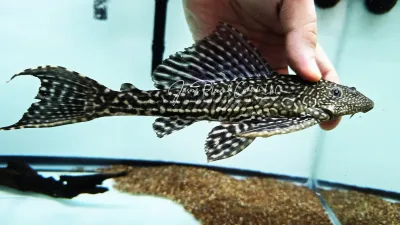
Vermiculated Sailfin Catfish - (Pterygoplichthys disjunctivus)
Vermiculated Sailfin Catfish - (Pterygoplichthys disjunctivus)
Price of shipping is not included.
was $50.00
Save 10%
$45.00
Out of stock
Powered by Lightspeed
Display prices in:USD