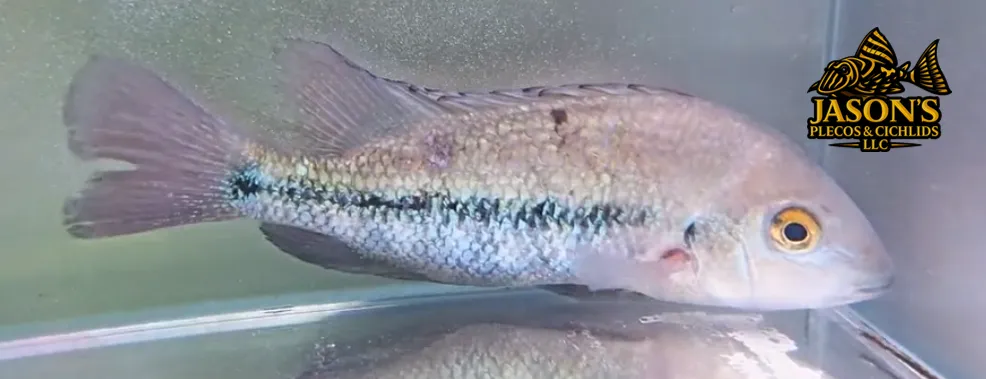
Papaloapan Cichlid - (Paraneetroplus Nebuliferum)
$200.00
Wild Caught
was $250.00 Save 20%
Size
Questions, Comments, Concerns? Let us know!
Enter your text
Price of shipping is not included.
In stock: 1 available
1
Save this fish to my favorites.
Customer reviews
Reviews only from verified customers
No reviews yet. You can buy this product and be the first to leave a review.
Papaloapan Cichlid - (Paraneetroplus Nebuliferum)
Fish Details, Description and Information Below:
🐟 Papaloapan Cichlid – (Paraneetroplus nebulifer) – Wild-Caught Mexican River Cichlid
The Papaloapan Cichlid (Paraneetroplus nebulifer), also known locally as the Mojarra del Papaloapan or Chonga, is an unusual Mexican river cichlid native exclusively to the Papaloapan River Basin on the Atlantic slope of southern Mexico.
This species is built for life in:
- Clear flowing rivers
- Strong current
- Rocky channels
- Rapids
- Highly oxygenated water
Adults develop attractive combinations of:
- Green
- Olive
- Yellow-green
- Bronze
- Gray-green
with darker vertical markings and reddish coloration that may appear through portions of the fins.
During breeding condition, both sexes can become considerably darker through the lower portion of the body while their normal vertical markings become more pronounced.
Unlike many bulky Central American cichlids associated with slow rivers and lakes, the Papaloapan Cichlid is a:
FLOWING-RIVER SPECIALIST
and should be maintained accordingly.
This listing is for:
WILD-CAUGHT PAPALOAPAN CICHLIDS
🔎 Quick Facts – Papaloapan Cichlid
- 📛 Common Name: Papaloapan Cichlid
- 📛 Other Names: Mojarra del Papaloapan, Chonga
- 🔬 Scientific Name: Paraneetroplus nebulifer
- 📚 Older Names: Cichlasoma nebuliferum, Theraps nebulifer, Chromis nebulifera
- 🐟 Family: Cichlidae
- 🧬 Genus: Paraneetroplus
- 🌿 Stock: Wild Caught
- 🇲🇽 Country: Mexico
- 🌊 Native Drainage: Papaloapan River Basin
- 📍 Type Locality: Río Tonto at La Raya, Mexico
- 🌎 Distribution: Endemic to the Papaloapan drainage
- 💧 Water Type: Freshwater
- 🪨 Natural Habitat: Clear rocky rivers, current zones and rapids
- 📏 Scientific Maximum: Approximately 20 cm / 7.9 inches total length
- 📏 Adult Planning Size: Approximately 8 inches
- 🏠 Recommended Aquarium: Approximately 75 gallons or larger
- 👥 Pair / Group Housing: 125+ gallons strongly preferred
- 📐 Aquarium Length: Approximately 4–6 feet depending on stocking
- 🌡️ Temperature: Approximately 73–86°F
- 🌡️ Preferred General Range: Approximately 75–82°F
- 💧 pH: Approximately 7.0–8.0
- 💦 Hardness: Approximately 4–8 dH documented
- 💨 Oxygenation: Very High
- 🌊 Water Movement: Strong
- 🍽️ Diet: Omnivore with a meaningful animal/invertebrate component
- 🌿 Plant / Algae Material: Part of the natural feeding environment
- 🦐 Animal / Invertebrate Foods: Important
- 😠 Temperament: Territorial; aggression varies considerably
- ⚠️ Conspecific Aggression: Can be significant
- 🐠 Swimming Area: Bottom to midwater
- 🥚 Breeding: Open-substrate / pit spawner
- 👨👩👧 Parental Care: Biparental
- ⭐ Care Level: Intermediate to Advanced
- 🌎 IUCN Status: Data Deficient
🧬 Important Scientific Name Correction
The correct current scientific name is:
Paraneetroplus nebulifer
not:
Paraneetroplus nebuliferum
The fish was originally described in 1860 as:
Chromis nebulifera
and has historically appeared under several combinations, including:
- Cichlasoma nebuliferum
- Cichlasoma nebuliferus
- Theraps nebulifer
- Paraneetroplus nebuliferus
Modern taxonomy places the species in:
Paraneetroplus
and the grammatically correct species ending is:
nebulifer
Therefore, for this product use:
Papaloapan Cichlid – (Paraneetroplus nebulifer)
🇲🇽 A Mexican Endemic
The Papaloapan Cichlid is native only to:
MEXICO
More specifically, it is endemic to the:
PAPALOAPAN RIVER BASIN
on the Atlantic slope.
An endemic species is one whose natural distribution is restricted to a particular geographic region.
For this species:
THE PAPALOAPAN DRAINAGE IS ITS NATURAL HOME
🌊 Papaloapan River Basin
The Papaloapan system is one of the major river drainages of southeastern Mexico.
Documented localities for Paraneetroplus nebulifer include portions of the:
- Río Papaloapan
- Río Tonto
- Río San Juan drainage
- Río Dos Caños
- Río Venta Salada
- Río Playa Vicente
- Río Trinidad
The exact seasonal distribution can change because these fish may move through different portions of the river system.
🏃 Seasonal Movement
Field observations suggest that adults may undertake:
SEASONAL RIVER MOVEMENTS
Large numbers of fish have sometimes been found in locations where they are absent during other portions of the year.
These movements appear to be associated with:
- Water level
- Rainfall
- Temperature
- Current
- Breeding activity
- Seasonal food availability
This is an active river fish rather than a species adapted to spending its entire life in one small stagnant territory.
🪨 Natural Habitat
The Papaloapan Cichlid is particularly associated with areas where:
FOOTHILL RIVERS TRANSITION TOWARD LOWER ELEVATIONS
It may also occur farther downstream where water remains:
- Clear
- Moving
- Highly oxygenated
Natural habitat often contains:
- Sand
- Small gravel
- Pebbles
- Large stones
- Boulders
- Rock slabs
- Occasional submerged wood
Higher aquatic plants may be limited in the strongest current areas.
🌊 Strong Current Is Important
One of the most important things about this species is:
IT IS A CURRENT-LOVING CICHLID
Wild Paraneetroplus nebulifer occur in flowing water and around rapids.
The aquarium should therefore provide considerably more circulation than would normally be used for many Central American cichlids.
💨 Very High Oxygenation
Strong current is important partly because it creates:
HIGH DISSOLVED OXYGEN
Provide excellent gas exchange using:
- Strong filter returns
- Powerheads
- Circulation pumps
- Air stones
- Sump returns
- Strong surface agitation
⚠️ Current and Oxygen Are Not Optional Extras
This species should not be kept long term in:
- Stagnant water
- Weakly filtered aquariums
- Low-oxygen conditions
- Heavily polluted water
The goal should be:
CLEAN + MOVING + HIGHLY OXYGENATED WATER
🌊 Create Current Breaks Too
Although the species appreciates strong current, the aquarium should not force the fish to fight maximum flow every second.
Use:
- Large rocks
- Rock walls
- Boulders
- Wood
to create:
STRONG-FLOW AREAS + SHELTERED RESTING AREAS
🎨 Appearance
The Papaloapan Cichlid has a more understated natural beauty than many heavily bred ornamental cichlids.
Base coloration may include:
- Yellow-green
- Olive
- Sea-green
- Bronze
- Gray-green
🖤 Vertical Markings
Several faint vertical bars may be visible across the body.
These markings can become stronger depending on:
- Mood
- Social status
- Stress
- Breeding condition
During normal coloration, some bars may be quite subtle.
⚫ Caudal-Peduncle Spot
One of the more noticeable markings is the dark:
CAUDAL-PEDUNCLE SPOT
near the base of the tail.
This marking tends to remain more visible than many of the faint body bars.
🟢 Iridescent Head Color
Healthy adults may develop attractive:
GREEN IRIDESCENCE
around portions of the:
- Head
- Face
- Gill covers
especially under appropriate aquarium lighting.
🔴 Red Fin Color
The fins, particularly toward the rear of the fish, may show:
- Red
- Rust-red
- Orange-red
- Bronze-red
tones.
The exact intensity varies between individuals.
⚠️ Color Disclaimer
Wild Papaloapan Cichlids will not all display identical coloration.
Appearance may vary because of:
- Genetics
- Age
- Sex
- Mood
- Stress
- Breeding condition
- Lighting
- Diet
- Aquarium background
- Water quality
A newly imported fish may appear significantly duller than a fully acclimated specimen.
💕 Breeding Coloration
During breeding condition, both males and females can become:
DARKER THROUGH THE LOWER BODY
Some of the central vertical markings may become stronger and form distinctive dark triangular or pyramid-like shapes.
The head and mouth region can also become noticeably darker.
📏 Adult Size
FishBase documents Paraneetroplus nebulifer reaching approximately:
20 CM / 7.9 INCHES TOTAL LENGTH
Therefore, for customer planning:
EXPECT APPROXIMATELY 8 INCHES
⚠️ Aquarium Fish May Appear Larger
Body depth matters with cichlids.
An 8-inch adult Papaloapan Cichlid is:
- Tall-bodied
- Muscular
- Active
- Territorial
and requires significantly more room than a slender 8-inch community fish.
🏠 Aquarium Size
For permanent aquarium housing, I recommend approximately:
75 GALLONS OR LARGER
for an adult specimen.
For:
- A compatible pair
- Several specimens
- Tankmates
I strongly prefer:
125+ GALLONS
📐 Aquarium Length
Because this species is active and accustomed to flowing rivers:
A LONG AQUARIUM IS STRONGLY PREFERRED
Aim for:
- Approximately 4 feet for simpler housing
- 5–6 feet for pairs, groups, or community arrangements
when possible.
⚠️ More Space Helps With Aggression
Although the Papaloapan Cichlid is not necessarily one of the most violent Central American cichlids, individuals can be:
VERY INTOLERANT OF ONE ANOTHER
Inadequate space can lead to:
- Constant chasing
- Fin damage
- Stress
- Fish being trapped in corners
- Serious injuries
🪨 Aquarium Setup
A suitable aquarium should emphasize:
- Sand
- Gravel
- Smooth stones
- Large rocks
- Boulders
- Rock slabs
- Strong filtration
- Strong circulation
- High oxygenation
- Open swimming areas
🪨 Rock-Oriented Aquascape
This species' natural environment is dominated by:
ROCKS
Use varying sizes to create:
- Visual barriers
- Resting areas
- Territories
- Current breaks
- Spawning sites
⚠️ Secure Rockwork
Papaloapan Cichlids may:
- Dig
- Move substrate
- Rearrange small stones
Heavy rockwork must be positioned securely so that digging cannot cause:
ROCK COLLAPSE
🏖️ Substrate
Suitable substrates include:
- Sand
- Fine gravel
- Rounded gravel
A mixed river-style substrate can look especially natural.
Avoid extremely sharp material.
🌿 Plants
Dense planted aquariums are not necessary.
The species naturally occurs in areas where strong current and rocky substrate may limit higher aquatic vegetation.
If plants are used, choose robust species and secure them carefully.
🌡️ Temperature
FishBase documents a broad tropical range of:
73–86°F / 23–30°C
For general aquarium maintenance:
75–82°F
is a practical range.
⚠️ Seasonal Temperature Variation
Wild populations experience seasonal variation.
There is no need to maintain the fish permanently at:
86°F
unless there is a specific husbandry reason.
Stable water and high oxygen are more important than pushing temperature to the maximum.
💧 pH
FishBase documents approximately:
pH 7.0–8.0
This is a species suited to:
NEUTRAL TO MODERATELY ALKALINE WATER
💦 Hardness
Published FishBase values include approximately:
4–8 dH
The species should not require extreme African-rift-lake hardness.
Stable water chemistry is more important than chasing one exact number.
💧 Water Parameters
A practical long-term aquarium range is:
- 🌡️ Temperature: Approximately 75–82°F
- 💧 pH: Approximately 7.0–8.0
- 💦 Hardness: Approximately 4–12 dH practical range
- 💨 Oxygenation: Very High
- 🌊 Flow: Strong
- ☠️ Ammonia: 0 ppm
- ☠️ Nitrite: 0 ppm
- 🔄 Nitrate: Keep low
💩 Strong Filtration
Use substantial:
- Mechanical filtration
- Biological filtration
- Water circulation
Suitable options include:
- Canister filters
- Sump filtration
- Powerheads
- Supplemental circulation pumps
🔄 Water Changes
Regular partial water changes are important.
A flowing-river cichlid should not be maintained in an aquarium with:
- Heavy nitrate
- Excess organic waste
- Dirty substrate
Clean water helps support:
- Appetite
- Coloration
- Growth
- Breeding condition
- Disease resistance
🍽️ Diet – Important Clarification
The diet of Paraneetroplus nebulifer is interesting because its teeth differ from those of some related Paraneetroplus.
Other species in the genus can possess broader scraping teeth.
The Papaloapan Cichlid instead has:
MULTIPLE ROWS OF SMALLER, POINTED TEETH
suggesting a somewhat different feeding strategy.
🌿 Natural Grazing Environment
Wild fish forage around rocky areas where sunlight supports:
ALGAE AND AUFWUCHS GROWTH
Aufwuchs contains much more than algae.
It can include:
- Algae
- Biofilm
- Microorganisms
- Small crustaceans
- Insect larvae
- Worms
- Snails
- Organic material
🦐 Likely More Animal-Oriented Than Related Species
Detailed stomach-content research remains limited.
However, its tooth structure and field habitat suggest the species may consume more:
- Small crustaceans
- Insect larvae
- Worms
- Small snails
than some more strongly herbivorous Paraneetroplus.
Therefore, the safest aquarium description is:
OMNIVORE WITH A MEANINGFUL ANIMAL / INVERTEBRATE COMPONENT
🍽️ Recommended Staple Foods
Good staple foods include:
- High-quality cichlid pellets
- Quality omnivore pellets
- Spirulina-containing pellets
- Vegetable-containing pellets
- Quality flakes
Use foods appropriate for medium-to-large Central American cichlids.
🦐 Animal Foods
Suitable supplemental foods include:
- Mysis shrimp
- Adult brine shrimp
- Raw shrimp
- Krill
- Insect-based foods
- Appropriate aquatic invertebrate foods
🌿 Plant Component
Plant-based foods should still be included.
Suitable foods can include:
- Spirulina
- Vegetable-containing pellets
- Appropriate greens
- Quality plant-based cichlid foods
A balanced diet is preferable to an extreme all-meat feeding program.
⚠️ Avoid Extremely Fatty Foods
Do not base the diet on:
- Beef heart
- Mammalian meat
- Very fatty animal foods
These are unnecessary and poorly suited to the natural feeding biology of the species.
🚫 Avoid Feeder Fish
Live feeder fish are unnecessary.
They can introduce:
- Parasites
- Bacteria
- Disease
- Poor nutritional balance
Use high-quality prepared, frozen, and fresh aquatic foods instead.
😳 Shy & Easily Startled
One unusual characteristic reported by long-term keepers is that Papaloapan Cichlids can be:
SURPRISINGLY SHY
They may react strongly to:
- Sudden movement
- People approaching the aquarium
- Bright lights
- Abrupt changes
🏃 Fast Swimmers
Wild adults are:
EXTREMELY FAST
and maintain a large escape distance from potential threats.
This behavior makes sense for a fish living in:
- Clear water
- Strong current
- Open rocky habitat
🪨 Provide Visual Security
A completely bare aquarium may make these fish more nervous.
Use:
- Large rocks
- Rock walls
- Shelters
- Visual barriers
while still providing open swimming space.
😠 Temperament
Temperament can vary considerably.
Toward unrelated fish, Papaloapan Cichlids may be relatively manageable in a large aquarium.
Toward:
OTHER PAPALOAPAN CICHLIDS
aggression can sometimes become much stronger.
⚠️ Conspecific Aggression Can Be Serious
Long-term aquarium observations have documented:
- Persistent chasing
- Biting
- Flank attacks
- Territorial disputes
between individuals.
Therefore:
DO NOT ASSUME THAT THREE FISH WILL AUTOMATICALLY FORM A PEACEFUL GROUP
👥 Group Housing
Group housing requires:
- A large aquarium
- Significant length
- Visual barriers
- Multiple territories
- Strong filtration
Carefully monitor:
SUBORDINATE FISH
for persistent stress.
🐠 Tankmates
Potential tankmates should be:
- Robust
- Fast enough to avoid territorial disputes
- Comfortable in strong current
- Comfortable in neutral-to-alkaline water
Avoid combining Papaloapan Cichlids with fish that are:
- Extremely timid
- Very slow
- Long-finned
- Unable to tolerate strong circulation
⚠️ Avoid Overly Aggressive Central American Cichlids
Pairing this species with extremely aggressive cichlids can create unnecessary conflict.
The best community arrangement usually involves:
SPACE + CAREFUL TANKMATE SELECTION
rather than simply assembling multiple territorial species.
♂️ Male vs. Female
Sexual differences are relatively subtle.
Mature Males
Generally:
- Grow larger
- May develop longer fin extensions
- Can become more territorial
Mature Females
Generally:
- Remain somewhat smaller
- Become noticeably fuller when carrying eggs
⚠️ Color Is Not a Reliable Sexing Method
Both males and females can develop:
- Dark breeding coloration
- Green head coloration
- Red fin tones
Therefore:
DO NOT SEX THESE FISH BY COLOR ALONE
🥚 Breeding – Biparental Substrate Spawner
The Papaloapan Cichlid is a:
BIPARENTAL SUBSTRATE-SPAWNING CICHLID
Both parents participate in:
- Territory defense
- Egg protection
- Larval care
- Fry protection
🌞 Seasonal Breeding
Wild breeding activity appears strongly associated with the:
DRY SEASON
when:
- River levels are lower
- Current may be reduced
- Temperatures rise
- Food availability may increase
🏖️ Nest Construction
Pairs may excavate a relatively large:
NEST PIT
in the substrate near flowing water.
Field observations describe pits around:
30 CM / 12 INCHES ACROSS
although exact nest dimensions vary.
🥚 Egg Laying
The eggs are relatively:
LARGE
and may be difficult to see against the substrate.
The pair aggressively protects the spawning area.
🐣 Hatching
Field observations report eggs hatching in approximately:
TWO DAYS
under natural warm conditions.
Development speed depends on:
- Temperature
- Oxygenation
- Water chemistry
👶 Larval Transfer
After hatching, the parents may move the larvae into:
A PROTECTED CAVITY OR CREVICE
until they become free swimming.
👨👩👧 Biparental Care
Both parents guard the young.
A breeding pair may become:
SIGNIFICANTLY MORE TERRITORIAL
than nonbreeding fish.
Give spawning fish substantial space.
⚠️ Breeding Aggression
A pair guarding fry may aggressively defend a large portion of the aquarium.
Tankmates should be monitored carefully or removed if necessary.
🌎 Conservation Status
The current IUCN Red List assessment for:
Paraneetroplus nebulifer
is:
DATA DEFICIENT – DD
The assessment dates to:
2018
❓ What Does Data Deficient Mean?
Data Deficient does:
NOT
mean the species is known to be secure.
It means available information is insufficient to confidently classify its extinction risk.
🌎 Restricted Distribution Matters
The species is:
ENDEMIC TO THE PAPALOAPAN RIVER BASIN
which means it has a naturally restricted geographic distribution compared with broadly distributed Central American cichlids.
🌱 Wild-Caught Responsibility
Because this listing is for:
WILD-CAUGHT FISH
customers should be prepared to provide:
- Proper permanent housing
- Strong current
- High oxygenation
- Excellent water quality
- Appropriate diet
- Long-term care
⭐ Why Keep a Papaloapan Cichlid?
The Papaloapan Cichlid combines:
- 🇲🇽 Mexican endemic origin
- 🌊 Strong-current river specialization
- 💨 High-oxygen lifestyle
- 🪨 Rocky-river behavior
- 🟢 Green and olive coloration
- 🔴 Attractive reddish fin tones
- 📏 Manageable approximately 8-inch adult size
- 🏃 Fast, active swimming behavior
- 🍽️ Interesting omnivorous feeding strategy
- 🥚 Biparental spawning
- 👨👩👧 Strong parental care
into a distinctive species for aquarists interested in less commonly maintained Mexican cichlids.
⚠️ Important Considerations
Before purchasing a Papaloapan Cichlid:
- The correct scientific name is Paraneetroplus nebulifer.
- Do not use Paraneetroplus nebuliferum as the current name.
- The species was originally described as Chromis nebulifera.
- Older references may use Cichlasoma nebuliferum or Theraps nebulifer.
- The species is endemic to Mexico.
- Its natural distribution is the Papaloapan River Basin.
- This listing is for wild-caught fish.
- Scientific maximum size is approximately 20 cm / 7.9 inches total length.
- Plan for approximately 8 inches.
- Provide approximately 75 gallons or larger.
- Use substantially larger aquariums for pairs, groups, or tankmates.
- Strong current is important.
- Very high oxygenation is important.
- Maintain clean water.
- Maintain approximately 75–82°F for routine aquarium care.
- The broader documented temperature range is approximately 73–86°F.
- Maintain approximately pH 7.0–8.0.
- Provide a rocky river-style aquarium.
- Provide current breaks as well as high-flow areas.
- Use strong mechanical and biological filtration.
- Feed a varied omnivorous diet.
- Include both plant-based and animal/invertebrate foods.
- Do not use beef heart or mammalian meat as staple foods.
- Do not use feeder fish.
- Expect shy or easily startled behavior.
- Expect potentially strong aggression between individuals.
- Do not overcrowd.
- Breeding pairs become territorial.
- The species is a biparental substrate spawner.
- Both parents protect the young.
- The current IUCN assessment is Data Deficient.
- Never release aquarium fish into natural waterways.
🧬 Taxonomy
The currently accepted scientific name is:
Paraneetroplus nebulifer (Günther, 1860)
Classification:
- Order: Cichliformes
- Family: Cichlidae
- Subfamily: Cichlinae
- Tribe: Heroini / Therapsini in some classifications
- Genus: Paraneetroplus
- Species: nebulifer
Original scientific name:
Chromis nebulifera
Important historical combinations include:
- Cichlasoma nebuliferum
- Cichlasoma nebuliferus
- Theraps nebulifer
Native range:
PAPALOAPAN RIVER BASIN – MEXICO
For this product, use:
Papaloapan Cichlid – (Paraneetroplus nebulifer)
🚚 Live Fish Shipping
Live fish are professionally packed for safe transport.
Shipping availability depends on:
- Fish size
- Destination
- Weather conditions
- Carrier availability
- Applicable state and local regulations
Please review our Shipping & Payment Information and Live Arrival Guarantee / DOA Policy before ordering.
⚠️ Buyer Responsibility
Customers are responsible for confirming that Paraneetroplus nebulifer may legally be purchased, possessed, transported, and received in their state or local jurisdiction before ordering.
Never release aquarium fish into natural waterways.
Below are fish you may also like.
Captive Bred
True Green Terror - (Andinoacara stalsbergi)
True Green Terror - (Andinoacara stalsbergi)
Price of shipping is not included.
$300.00
Out of stock
Wild Caught
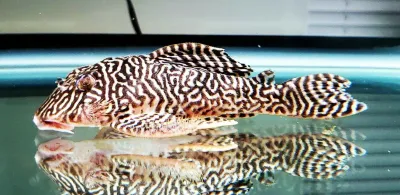
L401 Rio Curua Pleco - (Hypancistrus sp.)
L401 Rio Curua Pleco - (Hypancistrus sp.)
Price of shipping is not included.
$75.00
Out of stock
Wild Caught
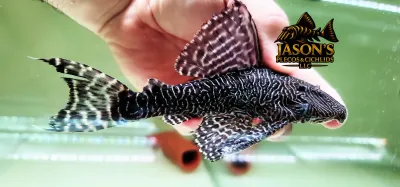
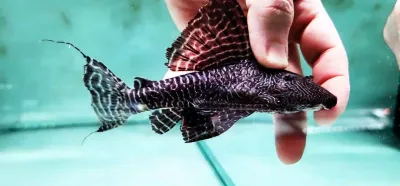
L453 King Arabesque Pleco - (Panaqolus sp.)
L453 King Arabesque Pleco - (Panaqolus sp.)
Price of shipping is not included.
5.0
(1)
$250.00
Out of stock
Captive Bred
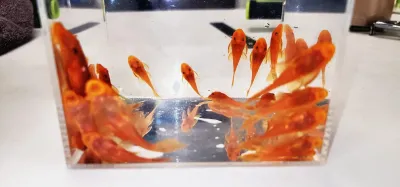
Super Red Bristlenose Pleco - (Ancistrus cf. cirrhosus)
Super Red Bristlenose Pleco - (Ancistrus cf. cirrhosus)
Price of shipping is not included.
$17.00
Out of stock
Wild Caught
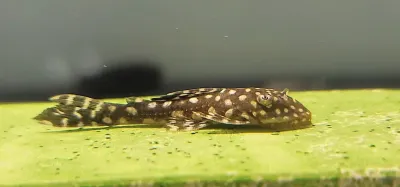
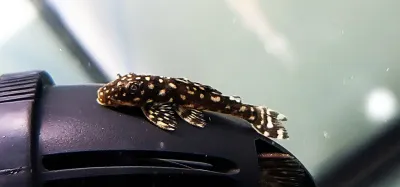
Sertanejo Pleco - (Hypostomus sertanejo)
Sertanejo Pleco - (Hypostomus sertanejo)
Price of shipping is not included.
$45.00
Out of stock
Wild Caught
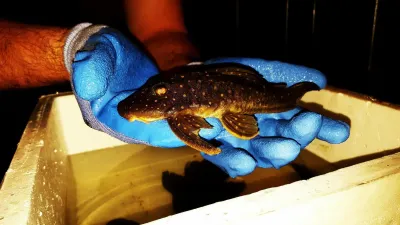
Giant White Spot Pleco - (Hypostomus regani)
Giant White Spot Pleco - (Hypostomus regani)
Price of shipping is not included.
$250.00
Out of stock
Illegal in USA!!!
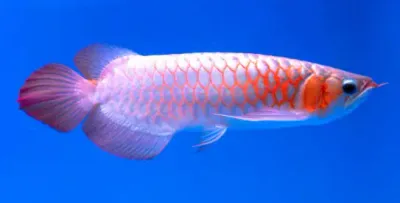
Asian Arowana - (Scleropages formosus) ILLEGAL IN USA!
Asian Arowana - (Scleropages formosus) ILLEGAL IN USA!
Asian Arowana is ILLEGAL IN USA! This is for informational purposes ONLY!
$10 000.00
Out of stock
Wild Caught
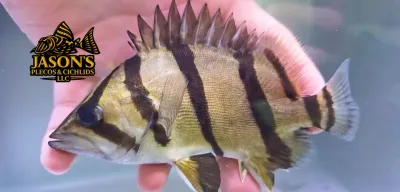
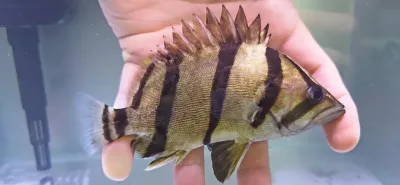
NTT Datnoid - (Datnioides Undecimradiatus)
NTT Datnoid - (Datnioides Undecimradiatus)
Price of shipping is not included.
was $170.00
Save 6%
$160.00
Out of stock
Captive Bred
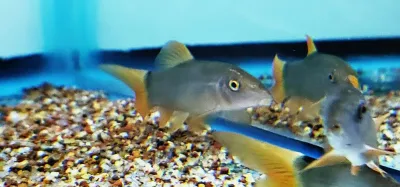
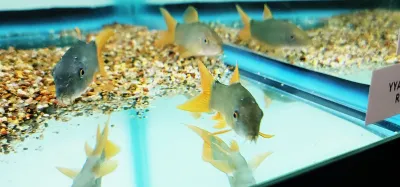
Blue Botia/Redtail Loach - (Yasuhikotakia modesta)
Blue Botia/Redtail Loach - (Yasuhikotakia modesta)
Price of shipping is not included.
$45.00
Out of stock
Wild Caught
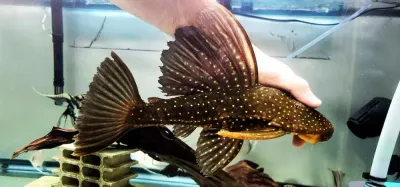
Phase I Luteus Pleco/Golden Sailfin Pleco - (Hypostomus Luteus) Argentina
Phase I Luteus Pleco/Golden Sailfin Pleco - (Hypostomus Luteus) Argentina
Price of shipping is not included.
$600.00
Out of stock
Captive Bred
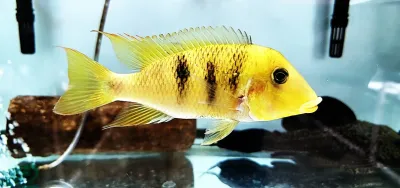
Yellowhump Eartheater Cichlid - (Geophagus pellegrini)
Yellowhump Eartheater Cichlid - (Geophagus pellegrini)
Price of shipping is not included.
$75.00
Out of stock
Captive Bred
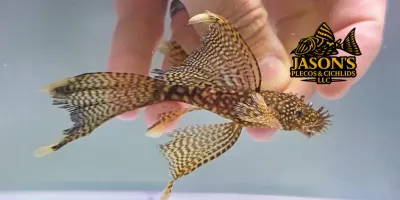
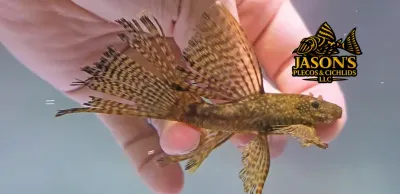
Longfin Common Bristlenose Catfish - (Ancistrus cf. cirrhosus) Breeding Pair
Longfin Common Bristlenose Catfish - (Ancistrus cf. cirrhosus) Breeding Pair
Price of shipping is not included.
was $100.00
Save 10%
$90.00
Out of stock
Powered by Lightspeed
Display prices in:USD