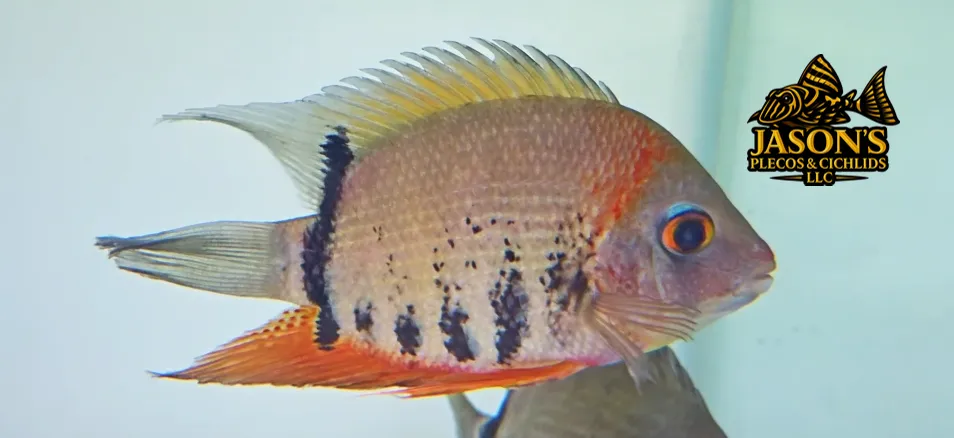
Red Shoulder Severum - (Heros sp. Rotkeil)
5.0
1 review
Reviews from verified customers who have purchased products at this store.
$95.00
Sold out
was $100.00 Save 5%
Size
Questions, Comments, Concerns? Let us know!
Enter your text
Price of shipping is not included.
Sold out
Save this fish to my favorites.
Customer reviews
Reviews only from verified customers
Reviews are only accepted from verified customers who have signed in and purchased the products. This ensures that each review is based on genuine customer experiences. All reviews are checked before publication to prevent spam.
Tim C.
Monongahela,
United States
Feb 20, 2026
Fantastico! Grande and healthy and mixing well with our other big cichlids. Tim’s home is in Monangahela Pennsylvania and he sends me videos almost every day as we reside in Colorado. I live vicariously with the cichlids as in my day I bred them and grew my own brine shrimp as d Aguilla silucie( micro worms .
Red Shoulder Severum - (Heros sp. Rotkeil)
Fish Details, Description and Information Below:
🐟 Red Shoulder Severum – (Heros sp. “Rotkeil”) – Captive-Bred Peruvian Amazon Cichlid
The Red Shoulder Severum (Heros sp. “Rotkeil”), also known as the Rotkeil Severum or Redneck Severum, is a beautiful South American cichlid recognized by the brilliant red-orange wedge extending across the shoulder, upper body, and gill region of mature specimens.
The Rotkeil is most strongly associated with the Rio Nanay region of the Peruvian Amazon near Iquitos, Peru. Although it has been maintained and bred in aquariums for many years, it has not yet received a formally described species name, making Heros sp. “Rotkeil” the safest identification.
This listing is for:
CAPTIVE-BRED RED SHOULDER SEVERUMS
🔎 Quick Facts – Red Shoulder Severum
- 📛 Common Name: Red Shoulder Severum
- 📛 Other Names: Rotkeil Severum, Redneck Severum
- 🔬 Scientific Identification: Heros sp. “Rotkeil”
- 🧬 Taxonomic Status: Scientifically Undescribed
- 🐟 Family: Cichlidae
- 🌿 Stock: Captive Bred
- 🌎 Origin: South America
- 🇵🇪 Country: Peru
- 🌊 Primary Locality Association: Rio Nanay
- 📍 Region: Peruvian Amazon near Iquitos
- 💧 Water Type: Freshwater
- 📏 Adult Planning Size: Approximately 8–10 inches
- 🏠 Minimum Aquarium: Approximately 75 gallons for one adult
- 🏠 Pair / Community Aquarium: 90–125+ gallons preferred
- 📐 Aquarium Shape: Long aquarium with substantial swimming area
- 🌡️ Temperature: Approximately 75–82°F
- 💧 pH: Approximately 5.8–7.5
- 💦 Water: Soft to moderately mineralized
- 🌊 Water Movement: Gentle to Moderate
- 💨 Oxygenation: Good
- 🍽️ Diet: Omnivore
- 🌿 Plant / Vegetable Foods: Important
- 🦐 Animal / Invertebrate Foods: Supplemental
- 😌 Temperament: Relatively peaceful for a large cichlid
- ⚠️ Breeding Temperament: Territorial when paired and spawning
- 🐠 Swimming Area: Middle / Lower
- 🥚 Breeding: Biparental Substrate Spawner
- 👨👩👧 Parental Care: Both parents guard eggs and fry
- ⭐ Care Level: Intermediate
- 🌎 IUCN Status: Not Evaluated as an undescribed form
🧬 Scientifically Undescribed Heros
The safest scientific identification remains:
Heros sp. “Rotkeil”
The abbreviation:
sp.
means this fish is recognized as belonging to the genus:
Heros
but has not yet received a formally published species name.
⚠️ Do Not Call It Heros severus
The name:
Heros severus
is frequently used incorrectly for many aquarium Severums.
True Heros severus is a formally recognized species with its own distribution and biological characteristics.
The Red Shoulder Severum should therefore:
NOT
automatically be labeled:
Heros severus “Rotkeil”
⚠️ Do Not Automatically Call It Heros efasciatus
Some aquarium references use:
Heros cf. efasciatus “Rotkeil”
because the Red Shoulder Severum resembles members of the H. efasciatus group.
However, that relationship has not been formally resolved.
For this product, the cleaner and safer identification is:
Heros sp. “Rotkeil”
🔴 What Does “Rotkeil” Mean?
The aquarium name:
ROTKEIL
comes from German:
Rot = Red
and:
Keil = Wedge
So the name essentially means:
RED WEDGE
referring to the distinctive red-orange wedge of coloration across the shoulder and upper front portion of the body.
🎨 Appearance
Adult Red Shoulder Severums can develop a beautiful mixture of:
- Olive green
- Golden green
- Gray-green
- Blue-green
- Red
- Orange
- Black
The body is typically deep and laterally compressed, giving the fish the classic rounded:
SEVERUM BODY SHAPE
🔴 The Red Shoulder
The defining feature is the:
RED TO ORANGE SHOULDER PATCH
which may extend from the:
- Gill cover
- Upper cheek
- Shoulder
- Upper flank
toward the:
- Dorsal-fin region
In highly colored adults, the red may also extend farther onto the:
- Face
- Chest
- Belly
- Dorsal fin
- Anal fin
⚠️ Red Color Varies
Not every Red Shoulder Severum develops exactly the same amount of red.
Color intensity can depend on:
- Genetics
- Age
- Sex
- Diet
- Social status
- Aquarium lighting
- Stress
- Water quality
- Breeding condition
Therefore:
EXACT ADULT RED COLORATION CANNOT BE GUARANTEED
🖤 Vertical Bars
Rotkeil Severums can display several dark vertical bars across the body.
The intensity of these bars changes dramatically depending on:
- Mood
- Stress
- Dominance
- Breeding condition
- Background coloration
A relaxed fish may show relatively faint bars.
A stressed or breeding fish may become much darker.
🔄 Breeding Color Can Change Dramatically
One interesting characteristic of Severums is that their coloration can change substantially during reproduction.
A normally bright Red Shoulder Severum may temporarily become:
- Darker
- More strongly barred
- Less intensely red
while:
- Pair bonding
- Spawning
- Guarding eggs
- Protecting fry
This is normal.
🌎 Native Distribution
The Red Shoulder Severum is associated with:
THE PERUVIAN AMAZON
and particularly the:
RIO NANAY REGION
near:
IQUITOS, PERU
🌊 Rio Nanay
The Rio Nanay is a tributary of the Amazon system in northeastern Peru.
Rotkeil Severums are associated with quieter habitats containing:
- Slow-moving water
- River margins
- Submerged roots
- Fallen branches
- Woody debris
- Vegetation
- Protected shoreline areas
⚠️ Exact Formal Range Is Not Yet Established
Because:
Heros sp. “Rotkeil”
is still scientifically undescribed, there is no formal species description defining its complete geographic distribution.
Therefore, I would avoid broad claims that it occurs throughout:
THE ENTIRE AMAZON BASIN
The more accurate product-page wording is:
RIO NANAY / PERUVIAN AMAZON REGION
🌿 Natural Habitat
A natural-style aquarium can include:
- Driftwood
- Large roots
- Smooth rocks
- Sand
- Leaf-litter-style décor
- Shaded areas
- Open swimming space
🪵 Driftwood
Large driftwood pieces work especially well.
They provide:
- Shelter
- Visual barriers
- Territory boundaries
- Shade
- Natural appearance
Wood can help create separate territories when more than one Severum is maintained.
🪨 Smooth Rocks
Smooth flat rocks are useful for:
- Décor
- Territory
- Spawning surfaces
Breeding pairs may select a:
- Flat rock
- Piece of driftwood
- Smooth vertical surface
as a spawning site.
🌿 Planted Aquariums – Use Caution
Severums are often marketed for planted community aquariums, but customers should understand:
THEY MAY EAT OR DAMAGE PLANTS
They may:
- Bite leaves
- Uproot plants
- Tear soft plants
- Remove vegetation around spawning areas
🌱 Better Plant Choices
Hardier options may include plants attached to décor, such as:
- Anubias
- Java Fern
but even hardy plants are:
NOT GUARANTEED SAFE
with a large Severum.
📏 Adult Size
Red Shoulder Severums generally reach approximately:
8–10 INCHES
or approximately:
20–25 CM
when mature.
⚠️ Individual Size Varies
Some aquarium references report adults closer to:
8 INCHES
while established large specimens may approach:
9–10 INCHES
For responsible customer planning:
EXPECT APPROXIMATELY 8–10 INCHES
🏠 Aquarium Size
For one adult:
75 GALLONS OR LARGER
is a reasonable permanent starting point.
For:
- A bonded pair
- Multiple Severums
- Other large cichlids
I prefer:
90–125+ GALLONS
📐 Aquarium Length Matters
Severums are tall-bodied fish, but they are also active swimmers.
Provide:
- Substantial horizontal swimming room
- Open middle-water space
- Large turning area
A longer aquarium is more useful than a very tall but short aquarium.
⚠️ Breeding Pairs Need Extra Space
A normally peaceful pair can become much more territorial once:
- Eggs are laid
- Fry hatch
- Young become free swimming
A larger aquarium provides other fish with room to avoid the breeding territory.
🌡️ Temperature
A practical maintenance range is:
75–82°F / 24–28°C
Captive-bred fish generally adapt well within this range when temperatures remain stable.
💧 Water Parameters
A practical long-term range is:
- 🌡️ Temperature: Approximately 75–82°F
- 💧 pH: Approximately 5.8–7.5
- 💦 Hardness: Soft to moderately mineralized
- 🌊 Water Movement: Gentle to Moderate
- 💨 Oxygenation: Good
- ☠️ Ammonia: 0 ppm
- ☠️ Nitrite: 0 ppm
- 🔄 Nitrate: Keep as low as reasonably practical
🌊 Avoid Excessive Current
Unlike many high-flow plecos:
ROTKEIL SEVERUMS DO NOT REQUIRE STRONG RIVER-TORRENT CURRENT
Their native-style habitat is associated more with:
- Slower channels
- Protected river margins
- Woody shoreline habitat
- Quieter water
Provide:
GENTLE TO MODERATE FLOW
with good filtration and oxygenation.
💩 Filtration
Adult Severums produce a significant amount of waste.
Use strong:
- Mechanical filtration
- Biological filtration
Suitable systems include:
- Canister filters
- Sump filtration
- Large hang-on-back systems
- Supplemental sponge filtration
🔄 Water Changes
Regular partial water changes help maintain:
- Low nitrate
- Stable chemistry
- Good coloration
- Healthy growth
- Successful breeding
The exact schedule should reflect:
- Aquarium size
- Number of fish
- Feeding
- Filtration
- Nitrate production
🍽️ Diet – Omnivore
The Red Shoulder Severum is an:
OMNIVORE
and should receive a varied diet.
The best long-term feeding program includes:
PLANT FOODS + QUALITY PREPARED FOODS + MODERATE ANIMAL PROTEIN
🌿 Plant Foods Are Important
Suitable foods include:
- Spirulina-containing pellets
- Vegetable-based cichlid foods
- Quality omnivore pellets
- Peas
- Zucchini
- Spinach
- Appropriate leafy greens
🍃 Severums May Eat Aquarium Plants
Their willingness to consume plant foods explains why:
LIVE AQUARIUM PLANTS MAY ALSO BECOME FOOD
This behavior is normal.
🦐 Animal / Invertebrate Foods
Suitable supplemental foods include:
- Mysis shrimp
- Brine shrimp
- Krill
- Bloodworms
- Blackworms
- Insect-based foods
Use rich animal foods as:
PART OF A BALANCED DIET
rather than the only food offered.
🚫 Avoid a Heavy Meat-Only Diet
Do not maintain Red Shoulder Severums exclusively on:
- Shrimp
- Bloodworms
- Beef heart
- High-protein predator foods
A balanced omnivorous diet is more appropriate.
😌 Temperament
The Red Shoulder Severum is generally:
RELATIVELY PEACEFUL FOR A LARGE CICHLID
It is usually less aggressive than many:
- Central American cichlids
- Large Vieja
- Midas-type cichlids
- Large predatory South American cichlids
⚠️ “Peaceful” Does Not Mean Completely Non-Aggressive
Adult Severums remain:
CICHLIDS
and may show:
- Territorial behavior
- Dominance
- Chasing
- Pair aggression
- Spawning aggression
🐠 Tankmates
Potential tankmates may include appropriately sized:
- Large tetras
- Silver dollars
- Geophagus
- Larger peaceful catfish
- Plecos
- Other relatively peaceful South American cichlids
Compatibility always depends on:
- Aquarium size
- Individual temperament
- Territory
- Adult size
🐟 Avoid Very Small Fish
A large Severum may eventually eat fish small enough to fit into its mouth.
Tiny:
- Tetras
- Fry
- Small livebearers
may therefore be inappropriate tankmates with a full-grown adult.
⚠️ Avoid Extremely Aggressive Cichlids
Very aggressive tankmates can intimidate or injure Red Shoulder Severums.
Avoid overcrowding them with fish that continually:
- Chase
- Bite
- Corner
- Outcompete
them.
🧠 Intelligent & Interactive
Severums often become:
VERY RESPONSIVE TO THEIR KEEPERS
Established fish may:
- Recognize feeding routines
- Approach the aquarium glass
- Follow movement outside the tank
- Beg for food
- Establish individual personalities
♂️ Male vs. Female
Sexing Red Shoulder Severums can be difficult.
Mature Males Often Develop:
- More extensive facial vermiculations
- Stronger markings on the gill covers
- More pointed dorsal fin
- More pointed anal fin
- Longer fin extensions
- Larger adult body size
Mature Females Often Have:
- Less elaborate facial markings
- Shorter fin extensions
- Rounder body profile
⚠️ Sexing Is Not Guaranteed From Color
These characteristics are:
TENDENCIES
not absolute rules.
Some females can develop substantial facial markings.
Some males may not develop dramatic fin extensions.
Unless confidently identified:
SELL AS UNSEXED
🥚 Breeding – Confirmed Substrate Spawner
Red Shoulder Severums are:
BIPARENTAL SUBSTRATE SPAWNERS
They are:
NOT MOUTHBROODERS
⚠️ Important Heros Breeding Distinction
Some formally described Heros have unusual mouthbrooding behavior.
The Rotkeil form, however, has repeatedly been documented in aquariums:
LAYING EGGS ON SOLID SURFACES
including:
- Flat rocks
- Driftwood
- Smooth décor
💕 Pair Formation
Severums commonly form:
PAIR BONDS
A compatible male and female may:
- Swim together
- Defend a territory
- Clean a spawning surface
- Become increasingly aggressive toward other fish
🪨 Spawning Surface
Before spawning, the pair cleans a suitable surface.
Common choices include:
- Flat stone
- Smooth rock
- Driftwood
- Aquarium décor
- Large smooth vertical surface
🥚 Egg Laying
The female deposits rows of adhesive eggs on the selected surface.
The male follows and fertilizes them.
Both parents then participate in:
BROOD DEFENSE
👨👩👧 Biparental Care
Both parents may:
- Fan eggs
- Remove unhealthy eggs
- Defend the spawning area
- Guard developing larvae
- Protect free-swimming fry
🕳️ Wrigglers May Be Moved
After hatching, parents may move the larvae into:
- Small depressions
- Protected pits
- Sheltered areas
before the fry become free swimming.
⚠️ First-Time Parents May Eat Eggs
Young or inexperienced pairs may:
- Eat the eggs
- Abandon the clutch
- Eat newly hatched fry
during early breeding attempts.
This does not necessarily mean the pair will never reproduce successfully.
😠 Breeding Aggression
A pair that is normally calm may become:
VERY TERRITORIAL
while protecting offspring.
If tankmates cannot escape the pair's breeding territory, they may need to be:
SEPARATED
👶 Fry
Once free swimming, fry can receive:
- Baby brine shrimp
- Fine cichlid foods
- Crushed quality pellets
- Fine prepared fry foods
Feed several small meals while maintaining excellent water quality.
🧬 Keep Rotkeil Lines Correctly Labeled
Because the exact species identity remains unresolved:
DO NOT RELABEL CAPTIVE-BRED ROTKEIL AS A FORMALLY DESCRIBED SPECIES
Offspring from verified Rotkeil parents should remain labeled:
Heros sp. “Rotkeil”
⚠️ Avoid Hybridizing Severum Lines
Different Heros and captive Severum varieties may potentially interbreed.
If preserving a true Rotkeil line is important:
DO NOT MIX BREEDING PAIRS WITH OTHER SEVERUM FORMS
such as:
- Gold Severums
- Super Red Severums
- Green Severums
- Other unidentified Heros
🧬 Captive-Bred Does Not Mean Hybrid
The fact that a Rotkeil is:
CAPTIVE BRED
does not automatically make it a hybrid.
A captive-bred fish from verified Rotkeil parents can remain a legitimate:
Heros sp. “Rotkeil”
line.
🌎 Conservation Status
Because:
Heros sp. “Rotkeil”
has not yet been formally described as a species, it does not have its own species-level IUCN Red List assessment.
Therefore:
IUCN STATUS: NOT EVALUATED AS AN UNDESCRIBED FORM
is the most accurate wording.
⚠️ Not Evaluated Does Not Mean Least Concern
Do not automatically assign the conservation status of:
- Heros efasciatus
- Heros severus
- Another Heros
to the Rotkeil form.
Until its taxonomy is resolved:
KEEP ITS CONSERVATION STATUS SEPARATE
⭐ Why Keep a Red Shoulder Severum?
The Red Shoulder Severum combines:
- 🔴 Brilliant red-orange shoulder coloration
- 🟢 Green-gold body tones
- 🔵 Attractive facial markings
- 🇵🇪 Peruvian Amazon origin
- 📏 Impressive approximately 8–10 inch adult size
- 😌 Relatively peaceful large-cichlid temperament
- 🧠 Intelligent and interactive behavior
- 🍽️ Flexible omnivorous diet
- 🥚 Fascinating substrate-spawning behavior
- 👨👩👧 Strong biparental care
- 🧬 Interesting undescribed taxonomic status
into an excellent centerpiece cichlid for a properly sized South American aquarium.
⚠️ Important Considerations
Before purchasing a Red Shoulder Severum:
- Keep the scientific identification as Heros sp. “Rotkeil”.
- The Rotkeil remains scientifically undescribed.
- Do not automatically identify it as Heros severus.
- Do not present Heros efasciatus as a confirmed identification.
- “Rotkeil” means approximately “red wedge.”
- The fish is most strongly associated with the Rio Nanay region of Peru.
- Avoid claiming that the form occurs throughout the entire Amazon Basin.
- This listing is for captive-bred fish.
- Expect approximately 8–10 inches as an adult.
- Provide approximately 75 gallons or larger for one adult.
- Use approximately 90–125+ gallons for pairs or communities.
- Provide substantial swimming space.
- Use driftwood and smooth rocks for structure.
- Live plants may be eaten or damaged.
- Maintain approximately 75–82°F.
- Maintain approximately pH 5.8–7.5.
- Gentle to moderate water movement is appropriate.
- Maintain good filtration and oxygenation.
- Keep ammonia and nitrite at zero.
- Feed a varied omnivorous diet.
- Include plant-based foods regularly.
- Use animal and invertebrate foods as part of a balanced diet.
- Do not feed an exclusively meat-based diet.
- Expect relatively peaceful behavior outside breeding.
- Breeding pairs can become strongly territorial.
- Avoid very small fish that may eventually be swallowed.
- Mature males often develop stronger facial vermiculations and longer fins.
- Sexing is not guaranteed by appearance alone.
- Rotkeil Severums are confirmed substrate spawners.
- They are not mouthbrooders.
- Both parents protect eggs and fry.
- Keep verified Rotkeil breeding lines separate from other Severum varieties when preserving lineage.
- The form does not have its own formal species-level IUCN assessment.
- Never release aquarium fish into natural waterways.
🧬 Taxonomy
The safest current identification is:
Heros sp. “Rotkeil”
Classification:
- Order: Cichliformes
- Family: Cichlidae
- Subfamily: Cichlinae
- Genus: Heros
- Species: Scientifically Undescribed
- Aquarium Form / Locality Name: “Rotkeil”
Primary aquarium locality association:
RIO NANAY – PERUVIAN AMAZON
near:
IQUITOS, PERU
For this product, use:
Red Shoulder Severum – (Heros sp. “Rotkeil”)
🧬 Lineage Disclaimer
The exact species identity of the Red Shoulder Severum remains scientifically unresolved.
Preserve:
- The Heros sp. “Rotkeil” identification
- Breeder information
- Locality information when known
- Parentage of captive-bred fish
Do not breed Rotkeil Severums with unrelated Severum varieties and later represent the offspring as pure Rotkeil.
🚚 Live Fish Shipping
Live fish are professionally packed for safe transport.
Shipping availability depends on:
- Fish size
- Destination
- Weather conditions
- Carrier availability
- Applicable state and local regulations
Larger Red Shoulder Severums may require:
- Larger insulated shipping boxes
- Additional water
- Heavy-duty shipping bags
- Specialized packing
- Airline cargo shipping depending on size and destination
Please review our Shipping & Payment Information and Live Arrival Guarantee / DOA Policy before ordering.
⚠️ Buyer Responsibility
Customers are responsible for confirming that Heros sp. “Rotkeil” may legally be purchased, possessed, transported, and received in their state or local jurisdiction before ordering.
Never release aquarium fish into natural waterways.
Below are fish you may also like.
Captive Bred
Zebra Tilapia - (Tilapia buttikoferi)
Zebra Tilapia - (Tilapia buttikoferi)
Price of shipping is not included.
was $100.00
Save 20%
$80.00
Out of stock
Wild Caught
L517 Gold Dust Pleco - (Hypostomus sp.)
L517 Gold Dust Pleco - (Hypostomus sp.)
Price of shipping is not included.
$250.00
Out of stock
Wild Caught
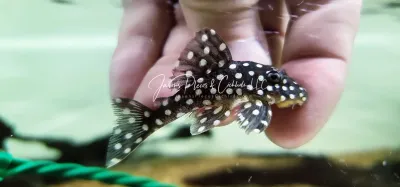
L142 Big White Spot Pleco - (Baryancistrus sp.)
L142 Big White Spot Pleco - (Baryancistrus sp.)
Price of shipping is not included.
was $50.00
Save 10%
$45.00
Out of stock
Wild Caught
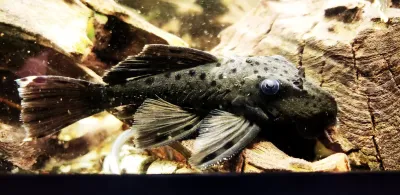
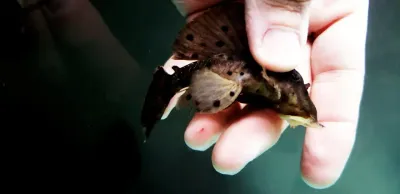
L263 Sultana Pleco - (Leporacanthicus sp.)
L263 Sultana Pleco - (Leporacanthicus sp.)
Price of shipping is not included.
$30.00
Out of stock
Wild Caught
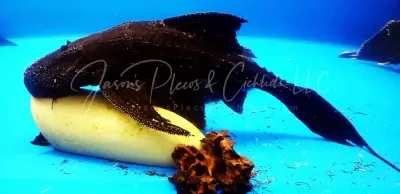
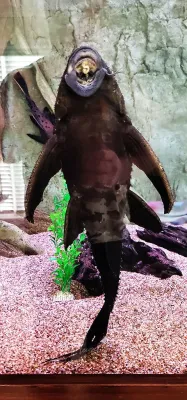
Polka Dot Lyre Tail Pleco - (Acanthicus adonis)
Polka Dot Lyre Tail Pleco - (Acanthicus adonis)
Price of shipping is not included.
$500.00
Out of stock
Wild Caught
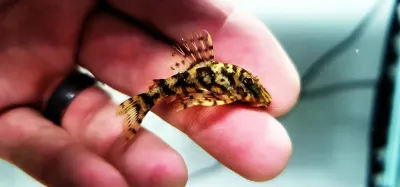
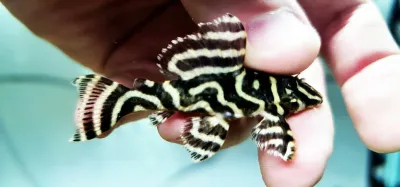
L340 Mega Clown Pleco - (Hypancistrus sp.) Special
L340 Mega Clown Pleco - (Hypancistrus sp.) Special
Price of shipping is not included.
$90.00
Out of stock
Wild Caught
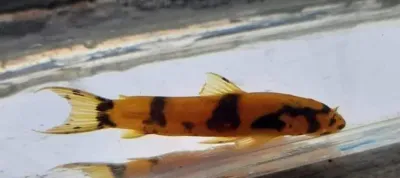
South American Hillstream Catfish - (Astroblepus chapmani)
South American Hillstream Catfish - (Astroblepus chapmani)
Price of shipping is not included.
$20.00
Out of stock
Wild Caught
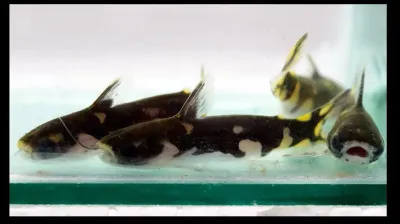
Ninja Tatia Catfish - (Centromochlus musaicus)
Ninja Tatia Catfish - (Centromochlus musaicus)
Price of shipping is not included.
$40.00
Out of stock
Wild Caught
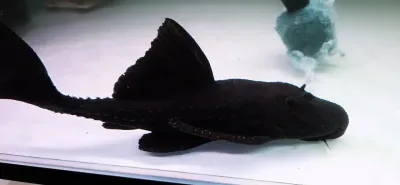
L155 Lyre Tail Pleco - (Acanthicus hystrix)
L155 Lyre Tail Pleco - (Acanthicus hystrix)
Price of shipping is not included.
was $350.00
Save 14%
$300.00
Out of stock
Wild Caught
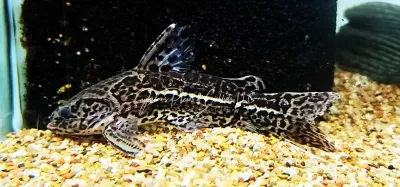
Jaguar Catfish - (Liosomadoras oncinus)
Jaguar Catfish - (Liosomadoras oncinus)
Price of shipping is not included.
5.0
(1)
$65.00
Out of stock
Wild Caught
Gulper Catfish - (Asterophysus batrachus)
Gulper Catfish - (Asterophysus batrachus)
Price of shipping is not included.
5.0
(2)
was $95.00
Save 11%
$85.00
Out of stock
Powered by Lightspeed
Display prices in:USD