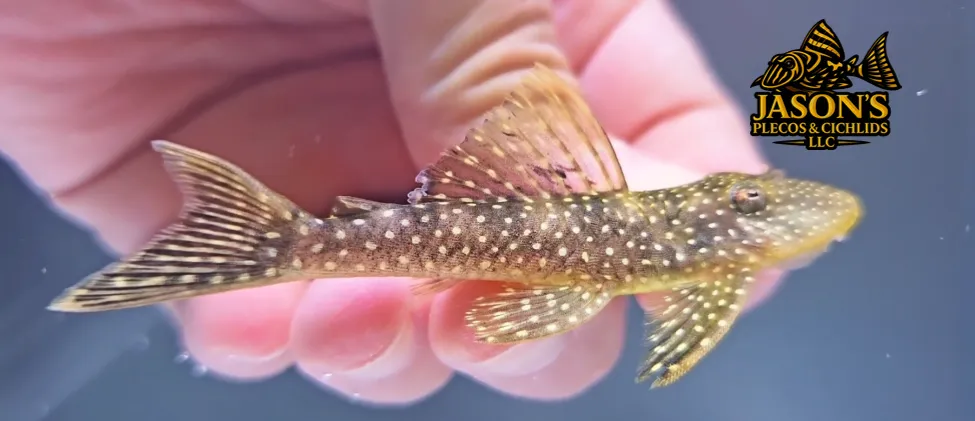
L067 Yellowspotted Stream Pleco - (Pseudancistrus asurini)
$60.00
Sold out
was $65.00 Save 8%
Size
Questions, Comments, Concerns? Let us know!
Enter your text
Price of shipping is not included.
Sold out
Save this fish to my favorites.
Customer reviews
Reviews only from verified customers
No reviews yet. You can buy this product and be the first to leave a review.
L067 Yellowspotted Stream Pleco - (Pseudancistrus asurini)
Fish Details, Description and Information Below:
🟡 L067 Yellowspotted Stream Pleco – (Pseudancistrus asurini) – Wild-Caught Rio Xingu Pleco
The L067 Yellowspotted Stream Pleco (Pseudancistrus asurini), also known as the Yellow Seam Pleco or Yellow-Edged Bearded Pleco, is an attractive Brazilian pleco distinguished by its dark greenish-brown to nearly black body covered with numerous pale yellow spots and contrasting yellow coloration on the dorsal and caudal fin tips.
Its pattern can include:
- 🟡 Numerous small yellow spots
- ⚫ Dark brown to greenish-black body coloration
- 💛 Yellow dorsal-fin tip
- 💛 Yellow caudal-fin tip
- 🌵 Heavy odontodes around the snout
- 🐟 Long, streamlined body
The combination of yellow spotting, yellow fin edging, and unusual snout odontodes makes L067 easy to recognize once mature.
The species originates from the Rio Xingu Basin in Pará, Brazil, particularly around Altamira, where it inhabits warm, clear, oxygen-rich water associated with rocky structures, fissures, and moving river habitat.
Although it will graze algae, L067 should not be purchased simply as an aquarium algae cleaner. Its natural feeding behavior is better described as aufwuchs and biofilm grazing, with a diet containing substantial plant and algal material along with microorganisms and small animal foods living within the grazing layer.
This is a medium-to-large pleco that should be expected to reach approximately:
8–10 Inches Total Length
and requires a mature aquarium with excellent filtration, warm water, high dissolved oxygen, rocks, shelters, and adequate bottom territory.
This listing is for:
WILD-CAUGHT L067 YELLOWSPOTTED STREAM PLECOS
🔎 Quick Facts – L067 Yellowspotted Stream Pleco
- 📛 Common Name: Yellowspotted Stream Pleco
- 📛 Other Names: Yellow Seam Pleco, Yellow-Edged Bearded Pleco
- 🔢 L-Number: L067 / L67
- 🔬 Scientific Name: Pseudancistrus asurini
- 📅 Formally Described: 2015
- 🐟 Family: Loricariidae
- 🧬 Subfamily: Hypostominae
- 🌿 Stock: Wild Caught
- 📏 Current Size: Approximately 3–4 inches
- 🇧🇷 Country: Brazil
- 🌊 Native Range: Rio Xingu Basin
- 📍 Primary Locality: Rio Xingu near Altamira, Pará
- 🌊 Additional Documented Locality: Rio Iriri, a tributary of the Xingu
- 💧 Water Type: Freshwater / Xingu Clearwater
- 📏 Scientific Type Specimen: 195.8 mm / approximately 7.7 inches standard length
- 📏 Adult Planning Size: Approximately 8–10 inches total length
- 🏠 Recommended Aquarium: 75 gallons or larger
- 👥 Multiple Adults: 90–125+ gallons depending on bottom territory
- 🌡️ Temperature: Approximately 79–86°F
- 💧 pH: Approximately 5.5–7.0
- 💦 Water: Soft to moderately mineralized
- 💨 Oxygenation: High
- 🌊 Water Movement: Moderate to Strong
- 🍽️ Diet: Aufwuchs / Biofilm Grazer with Strong Plant Component
- 🌿 Vegetable & Algae Foods: Important
- 🦐 Animal Protein: Supplemental
- 🚫 Algae Cleaner: Should not be purchased solely for algae control
- 😌 Temperament: Generally peaceful toward midwater fish; territorial with other plecos
- 🌙 Activity: Primarily nocturnal / crepuscular
- 🐠 Swimming Area: Bottom
- ⭐ Care Level: Intermediate
- 🌎 IUCN Status: Not Evaluated
- 🥚 Captive Breeding: Not reliably documented
🧬 A Formally Described Species
L067 entered the aquarium hobby long before it received a scientific species name.
For many years it appeared as:
Pseudancistrus sp. L067
In:
2015
scientists formally described the fish as:
Pseudancistrus asurini
The correct modern product identification is therefore:
L067 Yellowspotted Stream Pleco – (Pseudancistrus asurini)
👥 What Does “asurini” Mean?
The species name:
asurini
honors the:
Asurini Indigenous Peoples
who live along portions of the Rio Xingu near Altamira in Pará, Brazil.
The name recognizes the Indigenous people associated with the region from which this species was scientifically described.
🔢 L067 & The Historical L017 Confusion
L067 has an especially confusing history in the aquarium hobby.
The fish that is today known as:
Pseudancistrus asurini
was originally illustrated under the aquarium designation:
L017
Later, the L017 designation became associated with a different Xingu pleco.
That fish has since been formally described as:
Hopliancistrus wolverine
The Pseudancistrus fish became established in the aquarium hobby as:
L067
⚠️ L067 Is Not Modern L017
Today these should be treated as separate fish.
L067
Pseudancistrus asurini
L017
Hopliancistrus wolverine
Both originate from the Xingu system and can appear superficially similar, which has contributed to years of confusion.
🆚 L067 vs. L017
One of the easiest visual differences involves the yellow fin markings.
L067 – Pseudancistrus asurini
Typically displays yellow or pale edging on:
- Dorsal fin
- Caudal fin
and possesses prominent:
Odontodes Around the Snout Margin
L017 – Hopliancistrus wolverine
Can display yellow coloration on the caudal fin but does not show the same characteristic combination of:
- Yellow dorsal-fin tip
- Pseudancistrus-style snout odontodes
Correct L-number identification remains important.
🟡 Appearance
The L067 is normally:
- Dark greenish brown
- Chocolate brown
- Gray-brown
- Charcoal
- Nearly black
with numerous:
Pale Yellow Spots
across the:
- Head
- Body
- Dorsal fin
- Caudal fin
- Pectoral fins
- Pelvic fins
The contrast can become particularly attractive on healthy, settled specimens.
💛 Yellow Fin Tips
One of the defining characteristics of Pseudancistrus asurini is the pale yellow coloration found on the tips of the:
Dorsal Fin
and:
Caudal Fin
The original scientific description specifically noted this coloration in living specimens.
Depending on the individual, the color may appear:
- Yellow
- Golden yellow
- Pale cream-yellow
- Yellow-white
🔄 Color Can Change
A newly imported or stressed L067 may temporarily appear:
- Lighter
- Gray
- Brown
- Less yellow
- Less strongly spotted
Color can be affected by:
- Stress
- Shipping
- Aquarium background
- Lighting
- Diet
- Water quality
- Acclimation
Allow wild-caught fish time to settle before judging mature coloration.
🌵 The “Bearded” Appearance
The genus Pseudancistrus is especially interesting because mature fish develop:
Hypertrophied Odontodes Around the Snout Margin
These rigid, tooth-like projections can create a bristled or bearded appearance.
This has contributed to common names such as:
Yellow-Edged Bearded Pleco
⚠️ Both Sexes Can Have Snout Odontodes
Unlike a Common Bristlenose where facial tentacles are strongly associated with mature males:
Both Male and Female Pseudancistrus asurini Possess Snout-Margin Odontodes.
Therefore:
Bristles Alone Do Not Automatically Mean Male.
This is an important sexing distinction.
♂️ Male vs. Female
The original scientific description documented a useful anatomical difference.
Mature Males
Possess:
A Papilla Behind the Urogenital Opening
which females lack.
Experienced keepers also report that sexually mature or dominant males may develop:
- More prominent odontodes
- Broader head profile
- Stronger territorial behavior
Mature Females
May become:
- Fuller through the abdomen
- Broader when carrying eggs
However, external sexing can remain difficult.
Unless the sex is confidently established:
Sell as Unsexed
🌎 Native Distribution
Pseudancistrus asurini is native to:
Brazil's Rio Xingu Basin
in:
Pará State
The species was scientifically described from locations around:
Altamira
including:
- Cachoeira do Espelho
- Cachoeira da Mucucura
- Other Rio Xingu localities near Altamira
It has also been scientifically collected in the:
Rio Iriri
which is a major tributary of the Rio Xingu.
⚠️ More Accurate Than “Amazon Basin”
Your older listing says:
“Amazon Basin, South America”
Technically, the Xingu belongs to the broader Amazon drainage.
However, that description is far too broad for an L-number fish.
The much better customer description is:
Rio Xingu Basin – Pará, Brazil
That tells collectors where the fish actually originates.
🪨 Natural Habitat
L067 occurs in warm Xingu river habitat containing:
- Rocky bottoms
- Smooth stones
- Boulders
- Rock fissures
- Crevices
- Moving water
- High dissolved oxygen
Wild Xingu observations show that L067 and several other flattened plecos use:
Cracks Within Large Granite Formations
as daytime shelter.
These are not simply loose gaps between rocks.
They can be natural fissures inside large stone formations.
🏠 Aquarium Setup
A suitable L067 aquarium should contain:
- Smooth rocks
- Slate
- Rock crevices
- Large caves
- Driftwood
- Sand or smooth gravel
- Open grazing surfaces
- Shaded areas
- Strong filtration
- Good circulation
- High dissolved oxygen
Avoid very sharp décor that could damage the fish's:
- Belly
- Mouth
- Fins
- Odontodes
🪨 Provide Rock Structure
Rockwork is especially useful because it creates:
- Shelter
- Territory
- Natural grazing surfaces
- Visual barriers
- Current breaks
Suitable aquarium rocks should be:
- Smooth
- Stable
- Securely positioned
Do not create unstable rock piles that could collapse.
🏠 Caves & Shelters
Each adult should have access to a secure shelter.
Options include:
- Large ceramic pleco caves
- Slate caves
- Rock crevices
- Driftwood overhangs
- Low shelters
When keeping multiple plecos:
Provide More Shelters Than Fish
📏 Adult Size
The largest specimen in the original scientific description measured:
195.8 mm Standard Length
which equals approximately:
7.7 Inches BEFORE the Tail Fin
Standard length does not include the full caudal fin.
Aquarium references commonly give the total adult size as approximately:
8–10 Inches
Therefore, the older 8–10 inch planning range is reasonable.
🏠 Aquarium Size
For one adult L067:
75 Gallons or Larger
is recommended.
Although a juvenile can physically live in a smaller aquarium, adult L067s require:
- Bottom territory
- Strong filtration
- Large shelters
- Grazing surfaces
- Excellent water stability
For multiple adults or several substantial plecos:
90–125+ Gallons
is preferable.
📐 Bottom Area Matters
Because the species spends most of its life on or near the substrate:
Aquarium Length and Width Matter More Than Excessive Height
A larger footprint provides:
- More territories
- More caves
- More grazing surfaces
- More feeding locations
- Reduced conflict
🌡️ Warm-Water Species
One of the major corrections from the older page is temperature.
L067 is a:
WARM-WATER XINGU PLECO
A practical captive range is approximately:
79–86°F / 26–30°C
The older recommendation of:
74–79°F
is cooler than I would recommend for normal long-term maintenance.
💨 HIGH OXYGENATION IS IMPORTANT
Warm water naturally holds less dissolved oxygen than cooler water.
At the same time, L067 originates from oxygen-rich moving water.
Therefore:
Warm Water Must Be Combined With High Oxygenation
Recommended methods include:
- Strong surface agitation
- Efficient filter returns
- Air stones
- Powerheads
- Circulation pumps
- Sump filtration
🌊 Water Movement
Provide:
Moderate to Strong Water Movement
with sheltered areas where the fish can rest.
A well-designed aquarium contains:
🌊 Higher-Flow Zones
for:
- Oxygenation
- Grazing
- Natural behavior
and:
🪨 Sheltered Zones
for:
- Resting
- Hiding
- Territorial retreat
The entire tank does not need extreme flow.
💧 Water Parameters
A practical aquarium range is:
- 🌡️ Temperature: 79–86°F
- 💧 pH: Approximately 5.5–7.0
- 💦 Hardness: Soft to moderately mineralized
- 💨 Oxygenation: High
- 🌊 Flow: Moderate to Strong
- ☠️ Ammonia: 0 ppm
- ☠️ Nitrite: 0 ppm
- 🔄 Nitrate: Keep as low as reasonably practical
This species is best maintained in:
Stable, Mature Aquarium Conditions
⚠️ Sensitive to Poor Water Quality
L067 should not be treated as an indestructible Common Pleco.
It can be sensitive to:
- Elevated nitrate
- Accumulated waste
- Low oxygen
- Poor filtration
- Sudden parameter changes
Regular water changes are important.
💩 Filtration
Strong filtration is recommended.
Suitable systems may include:
- Large canister filters
- Sump filtration
- High-capacity biological filtration
- Strong mechanical filtration
- Supplemental sponge filtration
- Powerheads for circulation
Maintain:
Ammonia = 0
and:
Nitrite = 0
at all times.
🍽️ Diet – Aufwuchs & Biofilm Grazer
The L067 should be described primarily as an:
AUFWUCHS / BIOFILM GRAZER
with a strong plant and algae component.
Aufwuchs is the complex layer growing naturally on submerged surfaces.
It can contain:
- Algae
- Bacteria
- Biofilm
- Microorganisms
- Organic material
- Tiny invertebrates
Wild plecos graze this entire biological layer.
🌿 Plant-Based Foods Are Important
The captive diet should contain a substantial amount of plant-based nutrition.
Suitable foods include:
- Quality algae wafers
- Spirulina wafers
- Vegetable-based pleco foods
- Spirulina-containing gel foods
- Zucchini
- Squash
- Cucumber
- Green beans
- Appropriate leafy greens
🦐 Supplemental Protein
Natural aufwuchs also contains animal material.
Appropriate supplemental foods can include:
- Mysis shrimp
- Brine shrimp
- Bloodworms
- Insect larvae
- Chopped shrimp
- Insect-based sinking foods
However:
Animal Protein Should Be Supplemental
rather than turning L067 into a predominantly carnivorous pleco.
⚠️ Do Not Overfeed Meat
A diet made primarily from:
- Shrimp
- Mussel
- Bloodworms
- High-protein carnivore pellets
is not appropriate for long-term L067 care.
This species has a strong grazing and plant-based nutritional component.
The better approach is:
Plant / Algae Foods + Biofilm + Moderate Supplemental Protein
🚫 Not Simply an Algae Cleaner
L067 certainly consumes algae-containing biofilm.
However:
DO NOT PURCHASE IT SIMPLY TO CLEAN THE AQUARIUM.
It should receive intentional feeding.
Aquarium algae alone cannot be relied upon to provide complete long-term nutrition.
🪵 Driftwood
Driftwood is useful because it provides:
- Shelter
- Biofilm
- Grazing surfaces
- Territory
- Shade
However:
L067 Is Not a Specialized Wood-Eating Pleco
It should not be treated like:
- Panaque
- Panaqolus
Wood is excellent habitat but should not be presented as the primary food source.
🌙 Nocturnal Behavior
L067 is primarily:
NOCTURNAL / CREPUSCULAR
It may remain hidden during bright portions of the day.
Activity usually increases:
- At dusk
- After lights go out
- During feeding
- Under dim lighting
Established fish may eventually become more confident during daytime.
🧪 Wild-Caught Acclimation
This listing is for:
WILD-CAUGHT L067 YELLOWSPOTTED STREAM PLECOS
Your current specimens are approximately:
3–4 Inches
Wild-caught fish deserve careful acclimation.
After arrival:
- Keep lighting subdued
- Provide immediate shelter
- Maintain high oxygen
- Avoid sudden temperature changes
- Avoid sudden pH changes
- Monitor respiration
- Confirm feeding
- Maintain excellent water quality
🍽️ Make Sure Wild Fish Are Eating
A newly imported L067 may remain hidden while other fish consume its food.
Offer foods:
- Close to the shelter
- During evening
- After lights out
- At multiple locations
Watch body condition carefully.
A severely:
Sunken Abdomen
can indicate that the fish is not receiving enough nutrition.
😌 Temperament
Toward most midwater fish, L067 is generally:
Peaceful
The primary territorial issues occur with:
- Other L067s
- Large loricariids
- Other plecos
- Bottom dwellers competing for the same shelters
⚠️ Adult Males Can Be Territorial
Large mature males may become strongly territorial.
Conflict can involve:
- Chasing
- Pushing
- Blocking shelters
- Odontode contact
The fish's snout odontodes can become substantial.
Provide:
- Multiple shelters
- Visual barriers
- Separate feeding areas
- Adequate floor space
🐠 Tankmates
Potential tankmates may include warm-water:
- Tetras
- Characins
- Peaceful cichlids
- Other midwater South American fish
Choose fish that tolerate:
- Warm temperatures
- Soft to moderately mineralized water
- High oxygen
- Good circulation
Use more caution when adding other large plecos.
🥚 Breeding
The reproductive biology of L067 remains poorly documented in captivity.
Unlike species such as:
- Ancistrus
- Hypancistrus
- Peckoltia
there are not strong, repeatable, species-specific aquarium breeding records for:
Pseudancistrus asurini
Therefore:
I WOULD NOT ADVERTISE L067 AS A CONFIRMED EASY CAVE-SPAWNING SPECIES.
⚠️ Avoid Guessing About Breeding
Closely related loricariids frequently use protected spawning sites, and territorial males suggest a similar reproductive strategy may be possible.
However, without reliable species-specific documentation, it is better to state:
Captive Breeding Is Not Reliably Documented
rather than presenting:
- Clutch sizes
- Incubation periods
- Breeding temperatures
- Exact spawning behavior
as established facts.
🧬 Preserve L-Number Identification
The L067 identity remains important.
Do not casually mix breeding stock identified as:
- L067
- L017
- Other Pseudancistrus
- Similar Xingu plecos
and later sell offspring under a pure L-number designation.
Accurate identification protects:
- Buyer confidence
- Breeding lines
- Scientific value
- Aquarium records
🌎 Conservation Status
FishBase currently lists Pseudancistrus asurini as:
NOT EVALUATED
on the IUCN Red List.
This means:
Not Evaluated Does NOT Mean Least Concern
It simply means the species has not received a formal global IUCN conservation assessment.
Because L067 has a restricted documented distribution within the:
Rio Xingu Basin
responsible sourcing and long-term aquarium care remain important.
⭐ Why Keep an L067 Yellowspotted Stream Pleco?
The L067 is an impressive choice for experienced pleco keepers because of its combination of:
- 🟡 Bright yellow spotting
- 💛 Yellow dorsal and caudal fin tips
- ⚫ Dark body coloration
- 🌵 Distinctive snout odontodes
- 🌊 Rio Xingu origin
- 🪨 Rock-fissure lifestyle
- 🌿 Interesting aufwuchs-grazing diet
- 🌙 Nocturnal personality
- 📏 Impressive 8–10 inch adult potential
- 🧬 Formally described scientific identity
A mature L067 in good condition is dramatically different from the more familiar plecos commonly seen in aquarium stores.
⚠️ Important Considerations
Before purchasing an L067 Yellowspotted Stream Pleco:
- The correct scientific name is Pseudancistrus asurini.
- The species was formally described in 2015.
- L067 originates from Brazil's Rio Xingu Basin.
- The primary scientific locality is around Altamira, Pará.
- The Rio Iriri is also included within its documented range.
- Historical references may confuse L067 with L017.
- Modern L017 is Hopliancistrus wolverine.
- L067 displays yellow coloration on both the dorsal and caudal fin tips.
- This listing is for wild-caught fish.
- Current specimens are approximately 3–4 inches.
- The scientific type specimen reached approximately 7.7 inches standard length before the tail.
- Plan for approximately 8–10 inches total adult length.
- Provide approximately 75 gallons or larger.
- Use larger aquariums for groups and multiple large bottom dwellers.
- Provide rocks, crevices, and shelters.
- Maintain warm water around 79–86°F.
- Maintain high dissolved oxygen.
- Provide moderate to strong water movement.
- Keep ammonia and nitrite at zero.
- Keep nitrate low.
- Feed a diet rich in algae, biofilm, plant-based foods, and vegetables.
- Provide appropriate supplemental animal protein.
- Do not maintain it on a meat-heavy diet.
- Do not purchase it solely as an algae cleaner.
- Expect territorial behavior from mature males.
- Captive breeding is not reliably documented.
- Preserve L-number identification.
- Never release aquarium fish into natural waterways.
🧬 Taxonomy
The currently accepted scientific name is:
Pseudancistrus asurini Silva, Roxo & Oliveira, 2015
Classification:
- Order: Siluriformes
- Family: Loricariidae
- Subfamily: Hypostominae
- Genus: Pseudancistrus
- Species: asurini
Historical aquarium identifications include:
- Pseudancistrus sp. L067
- Pseudancistrus sp. L67
- Early use of L017 for the fish later recognized as L067
For this product, use:
L067 Yellowspotted Stream Pleco – (Pseudancistrus asurini)
🔢 L017 Identification Disclaimer
Early aquarium literature used the number L017 for a fish now recognized as Pseudancistrus asurini.
The modern aquarium usage of:
L017
refers instead to:
Hopliancistrus wolverine
while:
L067
refers to:
Pseudancistrus asurini
These fish should not be treated as interchangeable.
Correct L-number and scientific identification should always be preserved.
🚚 Live Fish Shipping
Live fish are professionally packed for safe transport.
Shipping availability depends on:
- Fish size
- Destination
- Weather conditions
- Carrier availability
- Applicable state and local regulations
Larger specimens may require:
- Larger insulated shipping boxes
- Additional water
- Heavy-duty shipping bags
- Specialized packing
Please review our Shipping & Payment Information and Live Arrival Guarantee / DOA Policy before ordering.
⚠️ Buyer Responsibility
Customers are responsible for confirming that Pseudancistrus asurini may legally be purchased, possessed, transported, and received in their state or local jurisdiction before ordering.
Never release aquarium fish into natural waterways.
Below are fish you may also like.
Captive Bred
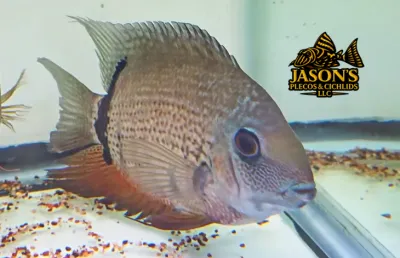
Green Severum - (Heros efasciatus)
Green Severum - (Heros efasciatus)
Price of shipping is not included.
5.0
(1)
was $75.00
Save 13%
$65.00
Captive Bred
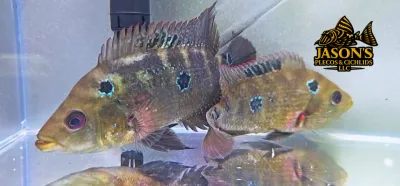
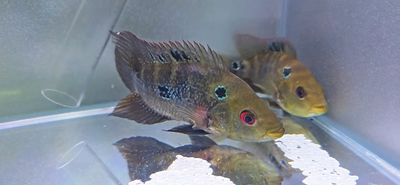
Trimac Cichlid/Three Spot Cichlid - (Amphilophus Trimaculatus)
Trimac Cichlid/Three Spot Cichlid - (Amphilophus Trimaculatus)
Price of shipping is not included.
5.0
(1)
was $70.00
Save 7%
$65.00
Wild Caught
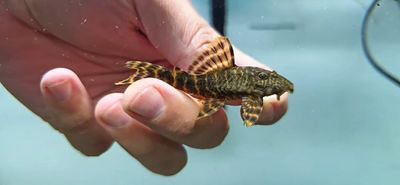
L104 Clown Pleco - (Panaqolus maccus)
L104 Clown Pleco - (Panaqolus maccus)
Price of shipping is not included.
5.0
(1)
was $45.00
Save 11%
$40.00
Wild Caught
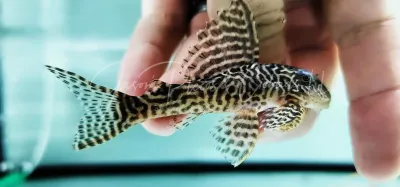
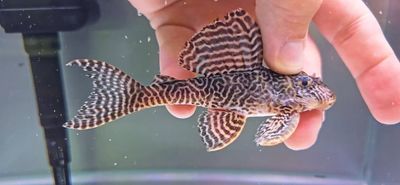
L066 King Tiger Pleco - (Hypancistrus Seideli)
L066 King Tiger Pleco - (Hypancistrus Seideli)
Price of shipping is not included.
was $75.00
Save 7%
$70.00
Wild Caught
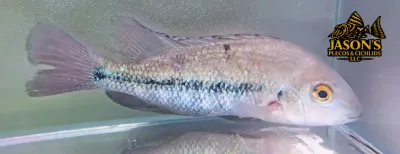
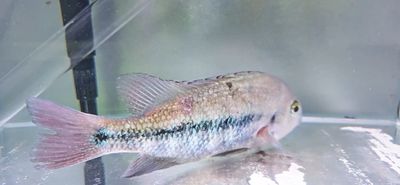
Papaloapan Cichlid - (Paraneetroplus Nebuliferum)
Papaloapan Cichlid - (Paraneetroplus Nebuliferum)
Price of shipping is not included.
was $250.00
Save 20%
$200.00
Powered by Lightspeed
Display prices in:USD