True Parrot Cichlid - (Hoplarchus psittacus)
5.0
2 reviews
Reviews from verified customers who have purchased products at this store.
$175.00
Sold out
Size
Questions, Comments, Concerns? Let us know!
Enter your text
Special Shipping Bag
Price of shipping is not included.
Sold out
Save this fish to my favorites.
Customer reviews
Reviews only from verified customers
Reviews are only accepted from verified customers who have signed in and purchased the products. This ensures that each review is based on genuine customer experiences. All reviews are checked before publication to prevent spam.
Lorient S.
Markham,
United States
Nov 16, 2025
Quality, always good quality.
True Parrot Cichlid - (Hoplarchus psittacus)
Fish Details, Description and Information Below:
🐟 True Parrot Cichlid – (Hoplarchus psittacus) – Wild-Caught South American Blackwater Cichlid
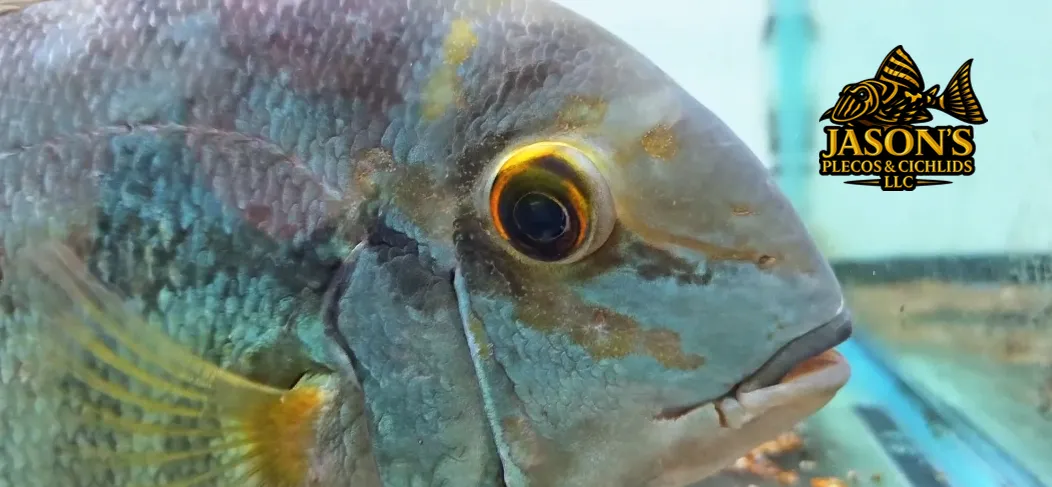
The True Parrot Cichlid (Hoplarchus psittacus) is a large, powerful South American cichlid known for its deep body, distinctive parrot-like head profile, red-to-orange eyes, and beautiful metallic blue-green to turquoise coloration.
This is the naturally occurring:
TRUE PARROT CICHLID
and should never be confused with the man-made:
BLOOD PARROT CICHLID HYBRID
commonly sold in the aquarium trade.
Hoplarchus psittacus is a legitimate wild species that was scientifically described in 1840 and occurs naturally within portions of both the Amazon and Orinoco river systems of Brazil, Colombia, and Venezuela.
This listing is for:
WILD-CAUGHT TRUE PARROT CICHLIDS
🔎 Quick Facts – True Parrot Cichlid
- 📛 Common Name: True Parrot Cichlid
- 📛 Other Names: Parrot Cichlid, Psittacus Cichlid
- 🔬 Scientific Name: Hoplarchus psittacus
- 📅 Originally Described: 1840
- 🐟 Family: Cichlidae
- 🌿 Stock: Wild Caught
- 📏 Current Size: Approximately 12 inches
- 🌎 Origin: South America
- 🇧🇷 Country: Brazil
- 🇨🇴 Country: Colombia
- 🇻🇪 Country: Venezuela
- 🌊 Major Native Systems: Amazon and Upper Orinoco Basins
- 🌊 Documented Rivers: Rio Negro, Rio Preto da Eva, Rio Urubu, Rio Jamari and upper Orinoco tributaries
- 💧 Water Type: Freshwater
- 🏞️ Natural Habitats: Rivers, lakes, swamps and blackwater-associated habitats
- 📏 Documented Maximum: Approximately 32–35 cm / 12.6–13.8 inches total length
- 📏 Adult Planning Size: Approximately 12–14 inches
- 🏠 Recommended Aquarium – Single Adult: Approximately 125 gallons or larger
- 🏠 Compatible Pair: Approximately 180+ gallons preferred
- 🏠 Large-Cichlid Community: 180–240+ gallons depending on stocking
- 📐 Aquarium Length: Approximately 6 feet or longer preferred
- 🌡️ Temperature: Approximately 79–86°F
- 💧 pH: Approximately 5.5–7.0
- 💦 Natural Water: Soft and acidic
- 💨 Oxygenation: Good to High
- 🌊 Water Movement: Moderate
- 🍽️ Diet: Predatory / Carnivorous Omnivore
- 🦐 Natural Foods: Aquatic insects, crustaceans and fish
- 🚫 Feeder Fish Required: No
- 😠 Temperament: Territorial; aggression varies by individual
- ⚠️ Breeding Aggression: Can become very strong
- 🐟 Small Tankmates: May be eaten
- 🌙 Activity: Day and evening; can be shy or nervous when unsettled
- 🥚 Breeding: Biparental Substrate Spawner
- 👨👩👧 Parental Care: Both parents defend eggs and fry
- ⭐ Care Level: Advanced
- 🌎 IUCN Conservation Status: Least Concern
🚨 TRUE PARROT CICHLID – NOT A BLOOD PARROT
This distinction is extremely important.
The True Parrot Cichlid:
Hoplarchus psittacus
is a:
NATURALLY OCCURRING SOUTH AMERICAN CICHLID SPECIES
It is completely different from the commonly sold:
Blood Parrot Cichlid
which is a human-produced hybrid developed through selective breeding of Central American cichlids.
🧬 True Species
The currently accepted scientific name is:
Hoplarchus psittacus
This is a valid species recognized by modern fish taxonomy.
It was originally described by:
Johann Jakob Heckel
in:
1840
under the name:
Heros psittacus
📚 Older Scientific Names
Older aquarium or scientific literature may use names including:
- Heros psittacus
- Cichlasoma psittacum
- Aequidens psittacus
The currently accepted name is:
Hoplarchus psittacus
🧬 A Very Distinctive Cichlid
Hoplarchus is an especially distinctive South American cichlid genus.
The True Parrot Cichlid has a combination of:
- Deep body
- Heavy head
- Thick lips
- Large mouth
- Strong jaws
- Large dorsal and anal fins
- Metallic coloration
that gives mature adults an unmistakable appearance.
🎨 Appearance
Adult True Parrot Cichlids can develop beautiful coloration consisting of:
- Metallic blue
- Turquoise
- Blue-green
- Emerald green
- Olive
- Bronze
- Gray-green
depending on:
- Age
- Mood
- Sex
- Lighting
- Water chemistry
- Stress
- Breeding condition
👁️ Red to Orange Eyes
One of the most attractive features of mature Hoplarchus psittacus is its:
RED TO ORANGE EYE COLORATION
This contrasts strongly with the metallic green-blue body.
⚫ Dark Body Markings
Depending on mood, True Parrot Cichlids may display:
- Dark vertical bars
- Black lateral blotches
- Dark patches
- Reduced markings
- Nearly uniform metallic coloration
The pattern can change dramatically within the same individual.
🔄 Mood-Dependent Coloration
True Parrot Cichlids are capable of substantial color change.
A fish that is:
- Stressed
- Frightened
- Newly shipped
- Establishing territory
may look very different from the same fish once fully acclimated.
Therefore:
EXACT COLORATION CANNOT BE GUARANTEED
🦜 Why Is It Called the Parrot Cichlid?
The common name refers primarily to the fish's:
HEAVY, CURVED HEAD AND MOUTH PROFILE
which can resemble the head and beak profile of a parrot.
Unlike the hybrid Blood Parrot, however, the mouth of Hoplarchus psittacus is:
NATURAL AND FUNCTIONAL
and evolved in the wild.
🌎 Native Distribution
The True Parrot Cichlid is native to northern South America.
Its distribution includes portions of both the:
AMAZON RIVER BASIN
and:
UPPER ORINOCO RIVER BASIN
🇧🇷 Brazil
Documented Brazilian river systems include:
- Rio Negro
- Rio Preto da Eva
- Rio Urubu
- Rio Jamari
🇻🇪 Venezuela & 🇨🇴 Colombia
The species also occurs within tributaries of the:
UPPER RIO ORINOCO
through portions of:
- Venezuela
- Colombia
📍 Type Locality
The original scientific material was associated with the:
RIO NEGRO REGION
near the upper Rio Negro / Venezuela–Brazil region.
This blackwater-associated distribution is important when understanding the species' preferred water chemistry.
🌊 Natural Habitat
Hoplarchus psittacus is found in several freshwater habitat types, including:
- Rivers
- Lakes
- Swamps
- Flooded habitats
- Blackwater tributaries
It should therefore not be described exclusively as a fast-river cichlid.
🌑 Blackwater Association
Much of its natural distribution includes:
SOFT, ACIDIC BLACKWATER
especially within the Rio Negro region.
Blackwater habitats commonly contain:
- Low mineral content
- Acidic pH
- Tannins
- Submerged roots
- Fallen branches
- Leaf litter
- Darkened water
💧 Natural Water Parameters
FishBase documents approximately:
- 💧 pH: 5.5–6.0
- 💦 Hardness: Approximately 5–10 dH
- 🌡️ Temperature: 27–30°C / approximately 81–86°F
These figures describe recorded natural conditions.
💧 Captive Water Parameters
Established aquarium fish can usually be maintained within a somewhat broader practical range:
- 🌡️ Temperature: Approximately 79–86°F
- 💧 pH: Approximately 5.5–7.0
- 💦 Hardness: Soft to moderately mineralized
- 💨 Oxygenation: Good to High
- 🌊 Flow: Moderate
- ☠️ Ammonia: 0 ppm
- ☠️ Nitrite: 0 ppm
- 🔄 Nitrate: Keep low
⚠️ Stable Water Is Important
Wild True Parrot Cichlids should not be subjected to sudden changes in:
- Temperature
- pH
- Hardness
- Conductivity
Stability is more important than repeatedly chasing an exact pH number.
🌡️ Warm-Water Cichlid
The species naturally occurs in warm tropical water.
A good long-term aquarium temperature is approximately:
79–86°F
with:
80–84°F
being a practical general maintenance range.
💨 Oxygenation
Although this is not a torrent-dwelling fish, warm water naturally contains less dissolved oxygen.
Provide:
- Good surface agitation
- Strong filtration
- Appropriate circulation
- Air stones when needed
📏 Adult Size
FishBase documents a maximum of approximately:
32 CM / 12.6 INCHES TOTAL LENGTH
while older published records report approximately:
35 CM / 13.8 INCHES TOTAL LENGTH
For responsible aquarium planning:
EXPECT APPROXIMATELY 12–14 INCHES
⚠️ This Is a Heavy-Bodied Fish
Length alone does not tell the whole story.
A mature True Parrot Cichlid is:
- Deep-bodied
- Thick
- Heavy
- Powerful
and can weigh considerably more than a slender fish of the same length.
Aquarium recommendations should therefore account for:
BODY MASS + TERRITORIAL BEHAVIOR + WASTE OUTPUT
🏠 Aquarium Size – Single Adult
For one mature True Parrot Cichlid:
125 GALLONS OR LARGER
is a responsible permanent starting point.
A:
6-FOOT-LONG AQUARIUM
is strongly preferred.
💕 Aquarium Size – Pair
A compatible adult pair should receive substantially more room.
I recommend:
180+ GALLONS
for a mature pair.
More space becomes especially important because breeding aggression can be:
EXTREME
⚠️ A Male and Female Are Not Automatically a Pair
This is extremely important.
Two opposite-sex True Parrot Cichlids placed together are:
NOT AUTOMATICALLY A COMPATIBLE BREEDING PAIR
Adult cichlids may:
- Reject one another
- Fight
- Injure one another
- Kill one another
Compatible pairs are generally safest when allowed to:
FORM NATURALLY
from a group of younger fish.
🏠 Community Aquarium
For an adult True Parrot with other large fish:
180–240+ GALLONS
may be necessary depending on:
- Number of fish
- Tankmate species
- Individual temperament
- Territory
- Aquarium footprint
📐 Aquarium Length Matters
For a large, territorial cichlid:
LENGTH IS MORE USEFUL THAN HEIGHT
A long aquarium allows:
- Territorial separation
- Swimming room
- Visual barriers
- Escape routes
A:
6-FOOT OR LONGER AQUARIUM
is strongly preferred for mature fish.
🪵 Aquarium Setup
A suitable aquarium may include:
- Sand
- Fine rounded gravel
- Large driftwood
- Large roots
- Smooth rocks
- Protected shelters
- Open swimming areas
- Visual barriers
🪵 Driftwood
Large pieces of driftwood are especially appropriate because they:
- Resemble natural habitat
- Create visual barriers
- Provide shelter
- Break territorial sight lines
- Produce shaded areas
🍂 Blackwater-Style Aquarium
A naturalistic aquarium may also incorporate:
- Tannins
- Botanicals
- Leaf litter
- Dark substrate
- Dim lighting
provided water quality remains excellent.
These elements are optional for routine maintenance but can help recreate the appearance of natural blackwater habitat.
⚠️ Secure All Decorations
A 12–14 inch cichlid is strong enough to:
- Move substrate
- Push rocks
- Shift wood
- Rearrange décor
Heavy decorations must be positioned so they cannot:
COLLAPSE OR TRAP THE FISH
🌿 Plants
Large True Parrot Cichlids may:
- Dig
- Move substrate
- Uproot plants
- Damage soft vegetation
Plants attached securely to:
- Wood
- Rocks
may survive better than delicate rooted plants.
💩 Filtration
A mature True Parrot Cichlid produces substantial waste.
Use strong:
- Mechanical filtration
- Biological filtration
- Water circulation
Suitable systems may include:
- Large canister filters
- Sump filtration
- Large sponge filters as supplemental filtration
🔄 Water Changes
Regular partial water changes are especially important for:
WILD-CAUGHT LARGE CICHLIDS
The exact schedule depends on:
- Aquarium volume
- Fish size
- Feeding
- Stocking
- Filtration
- Nitrate production
The goal is consistently:
CLEAN, STABLE WATER
🍽️ Natural Diet
Wild Hoplarchus psittacus shows seasonal feeding behavior.
During:
HIGH-WATER CONDITIONS
natural foods include:
- Aquatic insects
- Crustaceans
During:
LOW-WATER CONDITIONS
the diet also includes:
- Fish
This demonstrates that the species is naturally:
STRONGLY ANIMAL-FOOD ORIENTED
🍽️ Captive Diet – Predatory / Carnivorous Omnivore
A better aquarium description is:
PREDATORY / CARNIVOROUS OMNIVORE
rather than simply calling it a general omnivore.
🦐 Recommended Foods
Suitable foods include:
- High-quality large cichlid pellets
- Quality cichlid sticks
- Shrimp
- Prawn
- Krill
- Mysis shrimp
- Earthworms
- Insect-based foods
- Bloodworms for smaller specimens
- Appropriate frozen aquatic foods
🦐 Crustaceans Are Excellent Foods
Because crustaceans form part of the natural diet, foods such as:
- Shrimp
- Krill
- Mysis
are appropriate additions to a varied feeding program.
🪱 Earthworms
Clean, appropriately sourced earthworms can also be an excellent food for large adults.
They provide:
- Animal protein
- Feeding enrichment
- Natural hunting response
⚠️ Avoid an Extremely Fatty Diet
Large predatory cichlids should not be fed excessive quantities of:
- Fatty mammal meat
- Beef heart
- Processed meats
- High-fat foods
Use high-quality aquatic and invertebrate foods instead.
🚫 Feeder Fish Are Not Necessary
There is no nutritional need to feed live feeder fish.
Feeder fish can introduce:
- Parasites
- Bacteria
- Disease
- Nutritional deficiencies
Quality pellets and appropriate frozen or fresh aquatic foods are safer.
🌿 Plant Foods
True Parrot Cichlids may accept some:
- Spirulina-containing foods
- Vegetable-containing pellets
but I would not build the product page around:
- Peas
- Zucchini
- Large quantities of vegetables
because their documented natural diet is strongly animal-based.
🐟 Small Fish May Be Eaten
The natural diet includes fish during portions of the seasonal cycle.
Therefore:
ANY TANKMATE SMALL ENOUGH TO BE SWALLOWED MAY BECOME FOOD
Do not keep L-sized adult True Parrots with:
- Small tetras
- Small rasboras
- Small livebearers
- Small catfish
😠 Temperament – More Complicated Than “Aggressive”
True Parrot Cichlids are often described simply as:
AGGRESSIVE
but their behavior is more complicated.
They can be:
- Shy
- Nervous
- Easily startled
- Territorial
- Dominant
- Aggressive toward conspecifics
- Extremely defensive during breeding
⚠️ Individual Personality Matters
One specimen may coexist successfully with other large South American fish.
Another may become:
HIGHLY TERRITORIAL
Therefore, compatibility should always be evaluated by:
- Individual behavior
- Aquarium size
- Available territories
- Tankmate temperament
🐠 Tankmates
Potential tankmates in sufficiently large aquariums may include appropriately sized:
- Severums
- Uaru
- Geophagus
- Large peaceful to moderately assertive South American cichlids
- Large compatible catfish
- Large plecos
⚠️ Avoid Hyper-Aggressive Tankmates
A True Parrot can be territorial, but that does not mean it should be forced to live with extremely aggressive fish.
Avoid tankmates that constantly:
- Chase
- Bite
- Harass
- Prevent feeding
👀 Provide Visual Barriers
Large driftwood and other structures can help:
- Break sight lines
- Reduce aggression
- Give subordinate fish escape routes
- Create separate territories
This becomes particularly important with:
- Pairs
- Groups
- Large-cichlid communities
🧪 Wild-Caught Acclimation
This listing is for:
WILD-CAUGHT TRUE PARROT CICHLIDS
Wild fish deserve careful acclimation.
After arrival:
- Keep lighting subdued
- Provide immediate shelter
- Maintain warm stable water
- Maintain good oxygenation
- Avoid sudden pH changes
- Avoid sudden temperature changes
- Confirm feeding
- Watch closely for stress
😨 Can Be Easily Startled
True Parrot Cichlids can be surprisingly:
SKITTISH
for such a large fish.
Sudden:
- Movement
- Loud vibration
- Bright light
- Aquarium maintenance
may cause a frightened fish to bolt.
⚠️ Prevent Impact Injuries
A frightened 12-inch cichlid can injure itself against:
- Rocks
- Glass
- Sharp wood
- Aquarium lids
Use:
- Smooth décor
- Secure aquarium covers
- Open swimming areas
- Calm maintenance practices
♂️ Male vs. Female
Sexing Hoplarchus psittacus can be difficult outside breeding condition.
Mature males may sometimes develop:
- Larger overall size
- Heavier head profile
- More extended fin development
Females may appear:
- Somewhat smaller
- Fuller through the abdomen when carrying eggs
However:
VISUAL SEXING IS NOT ALWAYS RELIABLE
⚠️ Sell as Unsexed Unless Confirmed
Unless sex has been confidently determined through:
- Venting
- Reproductive behavior
- Confirmed spawning
the safest sales description is:
UNSEXED
🥚 Captive Breeding – Documented but Difficult
True Parrot Cichlids have been:
SUCCESSFULLY BRED IN CAPTIVITY
but breeding is:
UNCOMMON AND CHALLENGING
💕 Pair Compatibility Is the First Challenge
One of the biggest breeding obstacles is creating a:
STABLE COMPATIBLE PAIR
Forced pairing of adult fish can result in:
- Severe aggression
- Injury
- Death
🥚 Biparental Substrate Spawner
Hoplarchus psittacus is a:
BIPARENTAL SUBSTRATE SPAWNER
A pair normally selects and cleans a spawning surface.
Potential surfaces include:
- Flat rocks
- Slate
- Large smooth stones
- Similar firm surfaces
💧 Breeding Water
Successful breeding is strongly associated with:
SOFT, ACIDIC BLACKWATER CONDITIONS
A spawning attempt may require water closer to the species' natural environment than routine maintenance does.
🌡️ Breeding Temperature
Successful spawning has been associated with warm temperatures around:
82–86°F / 28–30°C
💧 Breeding pH
A breeding setup should generally emphasize:
SOFT, ACIDIC WATER
rather than neutral or hard conditions.
The natural pH range around:
5.5–6.0
provides a useful reference.
🥚 Clutch Size
Documented aquarium breeding reports describe relatively modest clutches for such a large cichlid, often around:
100–200 EGGS
Actual clutch size varies with:
- Female size
- Age
- Conditioning
- Pair compatibility
and should never be guaranteed.
👨👩👧 Biparental Care
Both parents may participate in:
- Defending the spawning site
- Guarding eggs
- Protecting larvae
- Defending free-swimming fry
This is typical of:
BIPARENTAL CICHLID CARE
⚠️ Breeding Aggression
Once eggs or fry are present, aggression can increase dramatically.
A breeding pair may attack:
- Other cichlids
- Catfish
- Plecos
- Aquarium equipment
- Anything entering the territory
🏠 Give Breeding Pairs Space
For a mature breeding pair:
180+ GALLONS IS STRONGLY PREFERRED
and even larger aquariums may be appropriate when tankmates are present.
👶 Fry
Once free-swimming, fry can be offered appropriately sized foods such as:
- Baby brine shrimp
- Fine cichlid foods
- Fine insect-based foods
- Quality fry diets
Keep water:
VERY CLEAN
during intensive fry feeding.
🌎 Conservation Status
Hoplarchus psittacus is currently assessed as:
LEAST CONCERN
on the IUCN Red List.
The assessment dates to:
2020
⚠️ Least Concern Does Not Mean Disposable
The species has a broad enough distribution to currently qualify as Least Concern.
However, this listing is for:
WILD-CAUGHT FISH
and responsible long-term care remains important.
⭐ Why Keep a True Parrot Cichlid?
The True Parrot Cichlid combines:
- 🦜 Distinctive natural parrot-like head
- 🔵 Metallic blue-green coloration
- 👁️ Red-to-orange eyes
- 🌑 Blackwater-associated natural history
- 🌎 Amazon and Orinoco distribution
- 📏 Impressive 12–14 inch adult size
- 🧠 Complex cichlid behavior
- 🦐 Natural crustacean and insect feeding
- 🐟 Seasonal piscivory
- 🥚 Biparental spawning behavior
- 👨👩👧 Strong parental care
- 🧬 Valid natural species identity
into one of the most impressive large South American cichlids available to experienced aquarists.
⚠️ Important Considerations
Before purchasing a True Parrot Cichlid:
- The correct scientific name is Hoplarchus psittacus.
- This is a naturally occurring species.
- It is not the man-made Blood Parrot hybrid.
- The species was originally described in 1840.
- Older literature may use Heros psittacus or Cichlasoma psittacum.
- This listing is for wild-caught fish.
- The current specimen is approximately 12 inches.
- The species occurs in Brazil, Colombia, and Venezuela.
- Its range includes portions of both the Amazon and upper Orinoco basins.
- Documented Brazilian systems include the Rio Negro, Preto da Eva, Urubu, and Jamari.
- Adult size is approximately 12–14 inches.
- This is a heavy-bodied cichlid requiring substantial aquarium space.
- Provide approximately 125 gallons or larger for one adult.
- Approximately 180+ gallons is preferred for a compatible pair.
- Large-cichlid communities may require 180–240+ gallons.
- A 6-foot-long aquarium is strongly preferred.
- Provide driftwood, rocks, shelters, and visual barriers.
- Maintain approximately 79–86°F.
- Natural water is soft and acidic.
- A practical captive pH range is approximately 5.5–7.0.
- Maintain ammonia and nitrite at zero.
- Keep nitrate low.
- Use strong mechanical and biological filtration.
- Feed a strongly animal-oriented diet.
- Natural foods include aquatic insects, crustaceans, and fish.
- High-quality cichlid pellets, shrimp, krill, mysis, and earthworms are appropriate.
- Feeder fish are unnecessary.
- Small tankmates may be eaten.
- Do not describe the species as simply peaceful or simply hyper-aggressive.
- Individuals can be shy, nervous, territorial, and aggressive.
- Breeding pairs can become extremely aggressive.
- Do not force two adults together and assume they will pair.
- Captive breeding is documented but difficult.
- The species is a biparental substrate spawner.
- Soft acidic blackwater and approximately 82–86°F are associated with successful spawning.
- Both parents defend the brood.
- The species is currently assessed as Least Concern.
- Never release aquarium fish into natural waterways.
🧬 Taxonomy
The currently accepted scientific name is:
Hoplarchus psittacus (Heckel, 1840)
Classification:
- Order: Cichliformes
- Family: Cichlidae
- Genus: Hoplarchus
- Species: psittacus
Original scientific combination:
Heros psittacus
Current valid identification:
True Parrot Cichlid – (Hoplarchus psittacus)
🩸 Not a Blood Parrot Disclaimer
The True Parrot Cichlid:
Hoplarchus psittacus
is a natural South American species.
It should never be confused with or marketed as the same fish as the aquarium:
Blood Parrot Cichlid
which is a man-made hybrid.
The two differ in:
- Origin
- Genetics
- Anatomy
- Adult appearance
- Natural history
🚚 Live Fish Shipping
Live fish are professionally packed for safe transport.
Shipping availability depends on:
- Fish size
- Destination
- Weather conditions
- Carrier availability
- Applicable state and local regulations
Large True Parrot Cichlids may require:
- Larger insulated shipping boxes
- Additional water
- Heavy-duty shipping bags
- Multiple protective bag layers
- Specialized packing
- Airline cargo shipping depending on size and destination
A specimen around 12 inches requires substantially more shipping space and water than a juvenile.
Please review our Shipping & Payment Information and Live Arrival Guarantee / DOA Policy before ordering.
⚠️ Buyer Responsibility
Customers are responsible for confirming that Hoplarchus psittacus may legally be purchased, possessed, transported, and received in their state or local jurisdiction before ordering.
Never release aquarium fish into natural waterways.
Below are fish you may also like.
Captive Bred
King Henlei x Black Diamond Hybrid
King Henlei x Black Diamond Hybrid
Price of shipping is not included.
$1 200.00
Out of stock
Captive Bred
Silver Datnoid/Silver Tiger Perch - (Datnioides polota)
Silver Datnoid/Silver Tiger Perch - (Datnioides polota)
Price of shipping is not included.
$75.00
Out of stock
Captive Bred
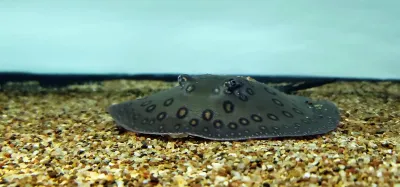
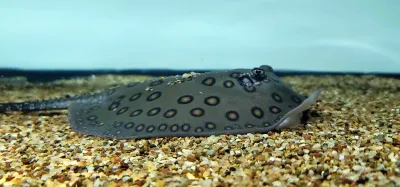
Motoro Stingray/Ocellate River Stingray - (Potamotrygon Motoro)
Motoro Stingray/Ocellate River Stingray - (Potamotrygon Motoro)
Price of shipping is not included.
$250.00
Out of stock
Captive Bred
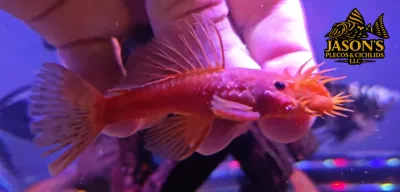
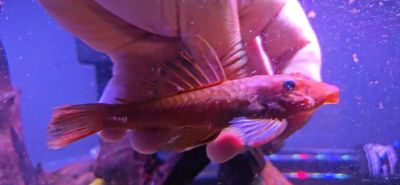
Super Red Bristlenose Pleco - (Ancistrus cf. cirrhosus) Pair
Super Red Bristlenose Pleco - (Ancistrus cf. cirrhosus) Pair
Price of shipping is not included.
was $130.00
Save 8%
$120.00
Out of stock
Wild Caught
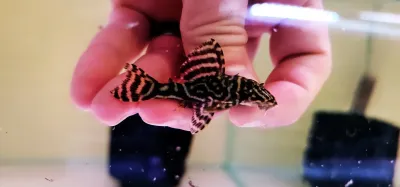
L129 Colombian Zebra Pleco - (Hypancistrus debilittera)
L129 Colombian Zebra Pleco - (Hypancistrus debilittera)
Price of shipping is not included.
was $35.00
Save 14%
$30.00
Out of stock
Wild Caught
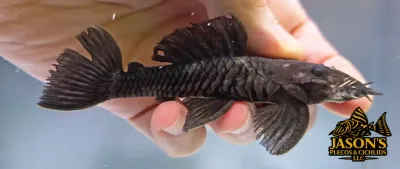
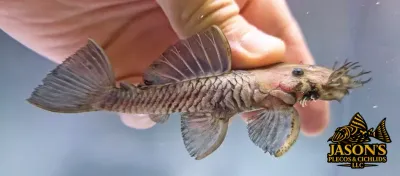
L034 Medusa Pleco - (Ancistrus ranunculus)
L034 Medusa Pleco - (Ancistrus ranunculus)
Price of shipping is not included.
was $65.00
Save 8%
$60.00
Captive Bred
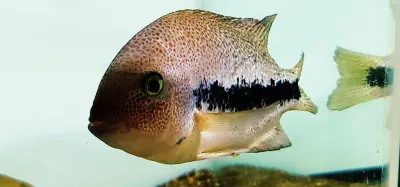
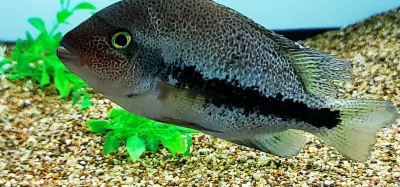
Coatique Cichlid - (Paratheraps sp. "Coatzacoalcos")
Coatique Cichlid - (Paratheraps sp. "Coatzacoalcos")
Price of shipping is not included.
$50.00
Out of stock
Illegal in USA!!!
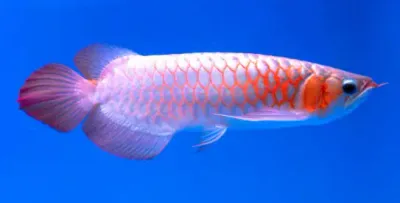
Asian Arowana - (Scleropages formosus) ILLEGAL IN USA!
Asian Arowana - (Scleropages formosus) ILLEGAL IN USA!
Asian Arowana is ILLEGAL IN USA! This is for informational purposes ONLY!
$10 000.00
Out of stock
Wild Caught
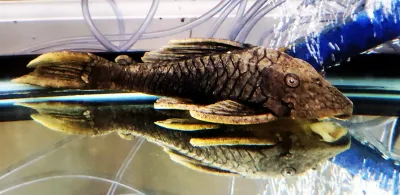
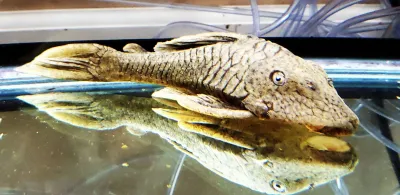
L517 Gold Dust Pleco - (Hypostomus sp.)
L517 Gold Dust Pleco - (Hypostomus sp.)
Price of shipping is not included.
$250.00
Out of stock
Wild Caught
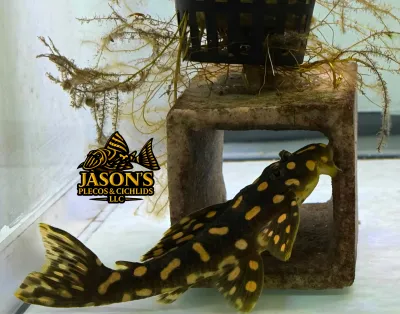
L082 Opal Spot Pleco - (Scobinancistrus raoni)
L082 Opal Spot Pleco - (Scobinancistrus raoni)
Price of shipping is not included.
was $650.00
Save 8%
$600.00
Out of stock
Wild Caught
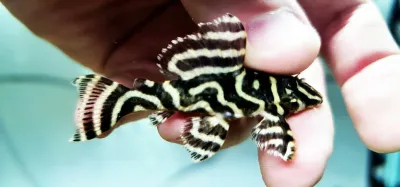
L340 Mega Clown Pleco - (Hypancistrus sp.) Special
L340 Mega Clown Pleco - (Hypancistrus sp.) Special
Price of shipping is not included.
$90.00
Out of stock
Wild Caught
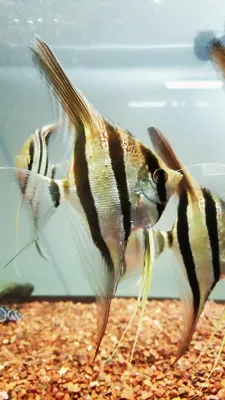
True Altum Angelfish - (Pterophyllum altum)
True Altum Angelfish - (Pterophyllum altum)
Price of shipping is not included.
$150.00
Out of stock
Powered by Lightspeed
Display prices in:USD