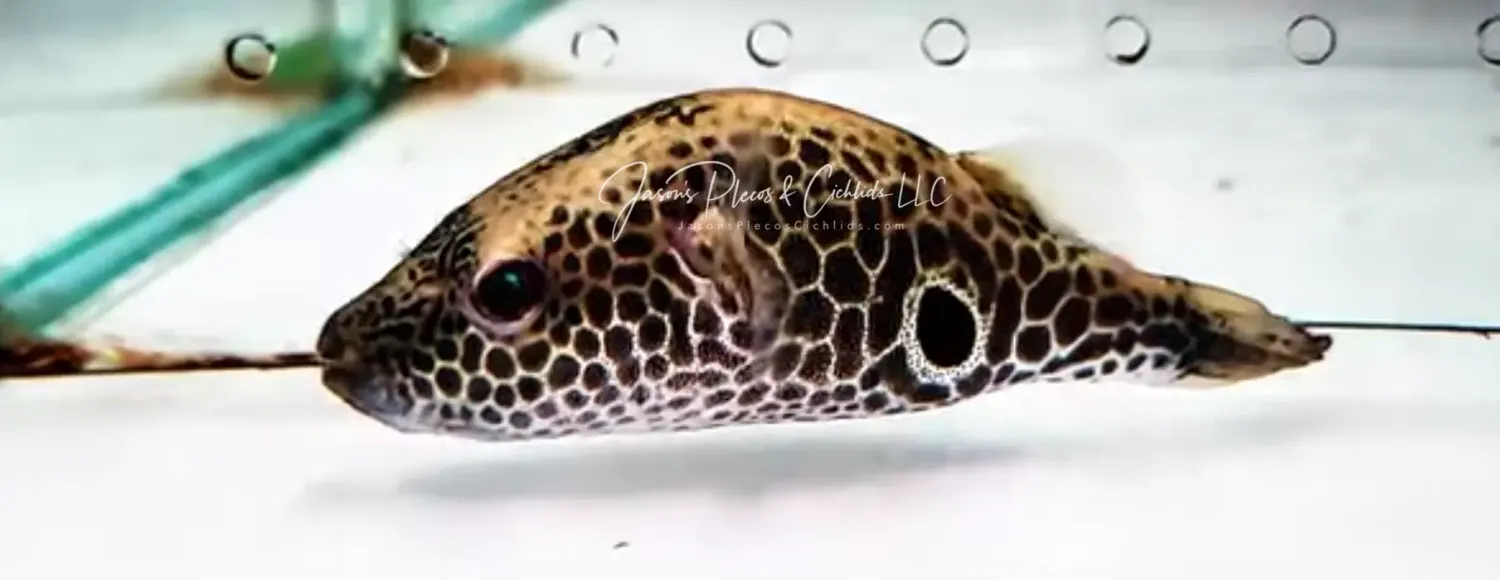
Thai Puffer - (Pao barbatus)
$150.00
Sold out
was $160.00 Save 6%
Size
Questions, Comments, Concerns? Let us know!
Enter your text
Price of shipping is not included.
Sold out
Save this fish to my favorites.
Customer reviews
Reviews only from verified customers
No reviews yet. You can buy this product and be the first to leave a review.
Thai Puffer - (Pao barbatus)
Fish Details, Description and Information Below:
🐡 Thai Puffer – (Pao barbatus) – True Freshwater Mekong River Pufferfish
The Thai Puffer (Pao barbatus), also known as the Reticulated Pufferfish, is a distinctive medium-sized freshwater puffer native to the Mekong River system of Southeast Asia.
This unusual species combines the intelligence, powerful beak, expressive eyes, and interactive behavior that make freshwater puffers so fascinating with an attractive natural pattern consisting of a yellow-to-brown body covered with dark spots and a prominent ocellus on the flank.
Unlike several puffers occasionally sold for brackish aquariums:
Pao barbatus IS A TRUE FRESHWATER PUFFER
Routine salt addition is:
NOT REQUIRED
and this species should be maintained in a properly filtered freshwater aquarium.
Thai Puffers are predatory fish equipped with powerful continuously growing dental plates designed for crushing:
- Snails
- Mollusks
- Crustaceans
- Aquatic invertebrates
They are also territorial and capable of inflicting serious bites on other fish.
For that reason:
A SINGLE-SPECIMEN AQUARIUM IS THE SAFEST LONG-TERM APPROACH
🔎 Quick Facts – Thai Puffer
- 📛 Common Name: Thai Puffer
- 📛 Other Name: Reticulated Pufferfish
- 🔬 Scientific Name: Pao barbatus
- 📚 Older Scientific Name: Tetraodon barbatus
- 📅 Originally Described: 1998
- ✅ Species Revalidated: 2013
- 🐟 Family: Tetraodontidae
- 🧬 Order: Tetraodontiformes
- 📏 Current Listing Size: Approximately 4–5 inches
- 🌎 Origin: Southeast Asia
- 🌊 Native Drainage: Mekong River Basin
- 🇹🇭 Primary Range: Thailand
- 🇱🇦 Primary Range: Laos
- 🇰🇭 Additional Historical/Revalidation Record: Cambodia
- 📍 Type Locality: Huay Huang near Chiang Khan, Loei Province, Thailand
- 💧 Water Type: Freshwater
- 🚫 Brackish Water Required: No
- 📏 Scientific Maximum: Approximately 13.6 cm / 5.4 inches standard length
- 📏 Adult Planning Size: Approximately 5.5–6 inches total length
- 🏠 Minimum Aquarium: Approximately 40 gallons
- 🏠 Preferred Adult Aquarium: 55+ gallons for additional space and water volume
- 🌡️ Temperature: Approximately 74–82°F
- 💧 pH: Approximately 6.5–7.5
- 💨 Oxygenation: Good to High
- 🌊 Water Movement: Moderate, with stronger-flow areas acceptable
- 🪨 Natural Habitat: Mekong mainstream, large tributaries, rapids, rocky, sandy and muddy substrates
- 🍽️ Diet: Carnivore / Invertebrate Predator
- 🐌 Hard-Shelled Foods: Important
- 🦐 Crustaceans: Important
- 🦪 Mollusks: Excellent Food
- 🦷 Dental Wear: Must Be Monitored
- 🚫 Feeder Fish: Not Recommended
- ⚔️ Temperament: Territorial / Aggressive
- 🐡 Best Housing: Single Specimen
- ⚠️ Bite Risk: Significant
- 🥚 Captive Breeding: Not Reliably Documented
- 🌎 Global IUCN Status: Not Evaluated
- 🇹🇭 Thailand National Assessment: Least Concern
- ☠️ Food Safety: Never consume aquarium pufferfish
🧬 Valid Scientific Species
The currently accepted scientific name is:
Pao barbatus (Roberts, 1998)
The species was originally described as:
Tetraodon barbatus
in:
1998
For a period of time, some taxonomists considered it a synonym of:
Tetraodon cambodgiensis
now:
Pao cambodgiensis
However, detailed scientific examination demonstrated that the Thai Puffer possesses consistent anatomical differences.
In:
2013
P. barbatus was formally revalidated as a distinct species.
Modern taxonomy places it in:
Pao
rather than Tetraodon.
Therefore, the correct modern identification is:
Thai Puffer – (Pao barbatus)
⚠️ Do Not Automatically Call It Pao cambodgiensis
One of the biggest identification issues with this species is confusion with:
Pao cambodgiensis
The two were historically treated as the same species by some authors.
They are now recognized as:
DIFFERENT SPECIES
🆚 Pao barbatus vs. Pao cambodgiensis
Scientific differences include:
Pao barbatus
- Broader head
- Smooth caudal peduncle without the small prickles characteristic of P. cambodgiensis
- White ventral surface
- Distinctive facial/lip markings
- Light-edged flank ocellus
- Mekong-associated distribution
Pao cambodgiensis
- Narrower head proportions
- Different caudal-peduncle spinulation
- Different juvenile coloration
- Different geographic pattern of confirmed records
Correct identification matters because Southeast Asian freshwater puffers are frequently mislabeled in the aquarium trade.
⚠️ “Thai Puffer” Is Not a Precise Scientific Name
Several different puffers from Thailand have historically been sold under vague names such as:
- Thai Puffer
- Target Puffer
- Mekong Puffer
- Freshwater Puffer
These common names can refer to completely different species.
For this product:
ALWAYS INCLUDE Pao barbatus
to preserve accurate identification.
🎨 Appearance
Scientifically documented living Pao barbatus generally have a:
YELLOW TO BROWN BACKGROUND
covered with numerous:
SMALL ROUND BLACK SPOTS
across the dorsal and lateral surfaces.
The fish may appear:
- Yellow-brown
- Olive-brown
- Tan
- Dark brown
- Greenish brown
depending on:
- Mood
- Lighting
- Substrate
- Stress
- Aquarium background
🎯 Distinctive Ocellus
One of the most obvious markings is the:
LARGE OCELLUS ON THE SIDE OF THE BODY
An ocellus is an:
EYE-LIKE SPOT
The Lateral ocellus generally has:
- A dark center
- A lighter surrounding margin
This eye-like marking can help confuse predators about which end of the fish is the head.
⚪ White Belly
The underside of true Pao barbatus is characteristically:
PALE TO WHITE
This contrasts strongly with the darker patterned dorsal surface.
⚫ Three Black Chin / Lip Marks
One particularly interesting identification feature is the presence of:
THREE DARK MARKINGS ON THE LOWER LIP
Typically:
- One central black mark
- One dark mark on each side
These markings are visible from juvenile through adult stages in many specimens.
🧔 What Does barbatus Mean?
The scientific name:
barbatus
means approximately:
BEARDED
The name is believed to refer to the distinctive dark markings around the fish's:
CHIN / LOWER LIP
🔄 Color Can Change Quickly
Like many puffers, Thai Puffers can alter the intensity of their coloration.
A fish may become:
- Darker
- Paler
- More contrasted
- More mottled
according to:
- Stress
- Mood
- Sleep
- Lighting
- Substrate
- Water quality
Temporary color change does not automatically indicate disease.
⚠️ Color Disclaimer
Exact adult coloration cannot be guaranteed.
Individual fish may naturally vary in:
- Background color
- Spot density
- Ocellus intensity
- Chin markings
- Pattern contrast
Shipping stress can dramatically change appearance temporarily.
🌎 Native Distribution
Pao barbatus is a Southeast Asian freshwater species associated with the:
MEKONG RIVER BASIN
Current taxonomic catalogs recognize the species from:
- 🇹🇭 Thailand
- 🇱🇦 Laos
The 2013 revalidation study also examined material identified as P. barbatus from:
- 🇰🇭 Stung Treng, Cambodia
📍 Type Locality
The original type locality is:
HUAY HUANG
approximately:
30 KM WEST OF CHIANG KHAN
in:
LOEI PROVINCE, THAILAND
This places the species firmly within the Mekong system.
🌊 Mekong Mainstream & Tributaries
Thai Puffers are not restricted to tiny forest pools or stagnant swamps.
Scientific field observations found them in:
THE MAIN MEKONG RIVER
as well as:
LARGE TRIBUTARIES
🪨 Natural Habitat
Wild Pao barbatus have been collected over:
- Rocky substrate
- Sandy substrate
- Muddy substrate
and are also documented from:
RAPID HABITAT
This is important because some aquarium descriptions incorrectly portray the species only as a slow-water, heavily planted swamp puffer.
🌊 A River Puffer
A naturalistic aquarium should therefore provide:
- Open bottom area
- Smooth rocks
- Sand
- Sheltered areas
- Driftwood
- Caves
- Moderate circulation
- Good oxygenation
The aquarium should contain both:
MOVING WATER
and:
CURRENT BREAKS
where the puffer can rest.
💨 Oxygenation
Provide:
GOOD TO HIGH DISSOLVED OXYGEN
using:
- Surface agitation
- Air stones
- Canister-filter returns
- Powerheads
- Sponge filtration
- Sump returns
🌊 Water Movement
Unlike very sedentary ambush puffers, Pao barbatus occurs naturally in:
RIVER AND RAPID HABITAT
so moderate circulation is appropriate.
However, the aquarium does not need extreme flow everywhere.
Provide sheltered areas behind:
- Rocks
- Wood
- Caves
💧 TRUE FRESHWATER PUFFER
One of the most important husbandry points is:
Pao barbatus IS A FRESHWATER SPECIES
It does:
NOT
require brackish water.
🚫 Do Not Add Marine Salt as Routine Husbandry
Do not maintain this fish in brackish water simply because it is a puffer.
Routine salt addition is unnecessary.
Maintain it in:
CLEAN, STABLE FRESHWATER
unless salt is being used temporarily for a specific veterinary or husbandry reason.
🌡️ Temperature
A practical long-term aquarium range is:
74–82°F
A target around:
76–80°F
works well for general maintenance.
💧 pH
A practical range is:
6.5–7.5
Avoid chasing an exact pH number.
Stable conditions are more important than repeatedly altering aquarium chemistry.
💧 Water Parameters
A practical maintenance range is:
- 🌡️ Temperature: Approximately 74–82°F
- 💧 pH: Approximately 6.5–7.5
- 💦 Hardness: Soft to moderately hard
- 💨 Oxygenation: Good to High
- 🌊 Water Movement: Moderate
- ☠️ Ammonia: 0 ppm
- ☠️ Nitrite: 0 ppm
- 🔄 Nitrate: Keep as low as reasonably practical
⚠️ Puffers Need Excellent Water Quality
Puffers are messy carnivorous fish.
Their diet produces substantial:
- Organic waste
- Uneaten food
- Protein waste
- Nitrogenous waste
Maintain:
AMMONIA = 0
and:
NITRITE = 0
at all times.
💩 Strong Filtration
Recommended filtration may include:
- Large canister filter
- Sump
- Strong hang-on-back filtration
- Supplemental sponge filtration
- Mechanical prefilters
Mechanical filtration is especially useful because puffer meals can create:
LARGE FOOD PARTICLES
🧹 Remove Uneaten Food
Do not allow:
- Shrimp
- Mussel
- Snail remains
- Fish pieces
- Shellfish
to decay in the aquarium.
Remove uneaten portions promptly.
🔄 Regular Water Changes
Regular partial water changes are essential.
The exact schedule depends on:
- Aquarium volume
- Fish size
- Feeding frequency
- Filtration
- Nitrate accumulation
A heavily fed adult puffer may require more maintenance than its body size suggests.
📏 Adult Size – Important Correction
The current product page lists:
6–7 INCHES
as the maximum size.
Scientific records do not support that as the normal maximum.
🔬 Scientific Maximum
FishBase documents:
13.6 CM STANDARD LENGTH
or approximately:
5.4 INCHES
Standard length:
DOES NOT INCLUDE THE COMPLETE TAIL FIN
📏 Adult Planning Size
Allowing for the tail and individual variation, a responsible planning size is:
APPROXIMATELY 5.5–6 INCHES TOTAL LENGTH
rather than promising a 6–7 inch adult.
🏠 Aquarium Size
For one adult Thai Puffer:
40 GALLONS SHOULD BE CONSIDERED THE MINIMUM
A:
55+ GALLON AQUARIUM
is even better because it provides:
- More territory
- More swimming room
- More enrichment
- Greater water stability
- Higher waste-dilution capacity
📐 Footprint Matters
Choose an aquarium with good:
LENGTH + WIDTH
rather than excessive height.
A puffer benefits from usable horizontal space for:
- Exploring
- Hunting
- Resting
- Establishing territory
🏝️ Substrate
Suitable substrate includes:
- Fine sand
- Smooth gravel
- Rounded river gravel
Avoid extremely sharp substrate that could injure the puffer while:
- Resting
- Hunting
- Investigating food
🪨 Aquarium Structure
Provide:
- Smooth rocks
- Caves
- Driftwood
- Overhangs
- Open swimming space
- Visual barriers
The aquarium should be interesting enough to encourage natural:
- Exploring
- Hunting
- Searching behavior
🌿 Plants
Live plants can be used if desired.
Suitable arrangements include:
- Plants along the back
- Plants around corners
- Plants attached to wood or rock
while maintaining enough:
OPEN FLOOR SPACE
for the puffer.
Plants are enrichment, but a heavily planted swamp aquarium is not required to replicate the scientifically documented habitat.
🧠 Intelligent & Interactive Behavior
Puffers are among the most behaviorally interesting aquarium fish.
A Thai Puffer may learn to:
- Recognize feeding routines
- Follow movement outside the aquarium
- Approach the glass
- Investigate new objects
- Search specific feeding areas
🧩 Environmental Enrichment
A bare aquarium provides little stimulation for an intelligent predatory fish.
Enrichment can include:
- Rearranged décor
- Multiple caves
- Hunting live snails
- Food hidden around the aquarium
- Different shellfish presentations
Avoid unnecessary stress or deliberately provoking aggressive behavior.
🍽️ Diet – Carnivorous Invertebrate Predator
Thai Puffers are:
CARNIVORES
and should receive a diet based primarily on:
- Mollusks
- Crustaceans
- Aquatic invertebrates
- Insects
- Appropriate animal foods
🐌 Snails
Snails are one of the best foods for many freshwater puffers.
Suitable feeder snails can include appropriately sized:
- Ramshorn snails
- Pond snails
- Bladder snails
Snails provide:
- Natural hunting behavior
- Nutrition
- Hard surfaces that assist dental wear
🦪 Mollusks
Excellent foods include:
- Mussel
- Clam
- Cockle
Whenever practical, offer some appropriately sized:
SHELL-ON FOODS
rather than always removing the meat from the shell.
🦐 Crustaceans
Suitable crustacean foods include:
- Shrimp
- Prawn
- Krill
- Mysis shrimp
Shell-on shrimp or prawns can provide additional:
BEAK WEAR
compared with completely soft prepared foods.
🪱 Other Foods
Additional foods may include:
- Bloodworms
- Earthworms
- Insect larvae
- Blackworms
- Appropriate frozen aquatic foods
Soft foods are useful for dietary variety but should not be the only foods offered.
🦷 Continuously Growing Teeth
Puffers possess fused dental plates commonly called a:
BEAK
These teeth continue growing throughout life.
Without adequate wear, they can become:
OVERGROWN
⚠️ Dental Overgrowth
An overgrown beak can eventually make it difficult or impossible for the puffer to:
- Bite
- Crush food
- Feed normally
Signs can include:
- Difficulty grabbing food
- Dropping food
- Visible excessively long teeth
- Weight loss despite interest in feeding
🐌 Prevention Is Better Than Trimming
The best strategy is to provide appropriate hard foods throughout life.
Examples include:
- Snails
- Shell-on crustaceans
- Mollusks with shell
- Other appropriately hard natural foods
Regular dental wear is much safer than allowing severe overgrowth to develop.
🚫 Avoid an All-Soft Diet
A diet consisting entirely of:
- Bloodworms
- Soft shrimp meat
- Krill
- Soft fish pieces
may not provide sufficient natural dental wear.
Use these foods as part of a:
VARIED DIET
not as the only food source.
🚫 Avoid Feeder Fish
Live feeder fish are unnecessary.
They can introduce:
- Parasites
- Bacteria
- Disease
- Nutritional problems
Thai Puffers can receive complete nutrition without routinely feeding live fish.
🐟 Fish Flesh
Appropriate pieces of clean fish may occasionally be offered as dietary variety.
However:
FISH FLESH SHOULD NOT REPLACE HARD-SHELLED INVERTEBRATE FOODS
⚔️ Temperament – Solitary Is Safest
Thai Puffers should be considered:
TERRITORIAL AND POTENTIALLY HIGHLY AGGRESSIVE
Their powerful beaks can easily remove:
- Fins
- Scales
- Flesh
from tankmates.
🐡 Best Housing
For a retail recommendation:
KEEP ONE THAI PUFFER PER AQUARIUM
This is the safest long-term approach.
🚫 Community Aquarium Not Recommended
Even when a Thai Puffer appears tolerant initially:
BEHAVIOR CAN CHANGE
A fish that ignores tankmates for weeks or months may suddenly begin:
- Fin biting
- Chasing
- Ambushing
- Injuring
- Killing
other fish.
⚠️ Do Not Trust Speed Alone
Fast tankmates are not automatically safe.
A puffer only needs one successful bite to cause:
- Serious fin damage
- Eye damage
- Open wounds
- Infection
Species-only housing avoids this risk.
🐡 Keeping Multiple Thai Puffers
Multiple Pao barbatus should be considered:
ADVANCED AND HIGH RISK
Individual temperament can vary dramatically.
Aggression may increase with:
- Age
- Sexual maturity
- Competition
- Limited territory
Unless attempting a carefully supervised breeding project:
HOUSE SINGLY
🩸 Powerful Bite
The puffer's beak is capable of crushing hard shells.
That same beak can:
SERIOUSLY BITE HUMAN FINGERS
🚨 Keep Fingers Away From the Mouth
Do not:
- Hand-feed large puffers carelessly
- Attempt to pet them
- Corner them with bare hands
- Assume a familiar fish will not bite
Use feeding tools when appropriate.
🐡 Inflation Behavior
Puffers can inflate their bodies when threatened by taking in:
- Water
- Air
Inflation is a:
DEFENSIVE RESPONSE
and should not be deliberately triggered for photographs or entertainment.
🚫 Never Make a Puffer Puff
Do not:
- Chase it
- Squeeze it
- Frighten it intentionally
- Lift it out of water simply to watch it inflate
Unnecessary inflation is stressful.
📦 Moving a Thai Puffer
When transferring a puffer:
KEEP IT SUBMERGED WHEN PRACTICAL
Using a container is often preferable to lifting the fish completely out of water in a net.
This can reduce the likelihood of the fish gulping air while stressed.
🐟 Avoid Rough Netting
A rigid or smooth-sided container can be useful for transferring larger puffers.
Move slowly and avoid:
- Crushing the fish
- Damaging the eyes
- Allowing the fish to bite equipment or fingers
☠️ Pufferfish Toxin Warning
Pufferfish as a family are famous for their ability to contain potent neurotoxins.
Depending on:
- Species
- Geographic location
- Diet
- Tissue
- Season
pufferfish may contain toxins such as:
- Tetrodotoxin
- Saxitoxin
⚠️ Species-Specific Toxin Levels Are Not Predictable
The exact toxin profile of an individual aquarium Pao barbatus should:
NEVER BE ASSUMED TO BE SAFE
For that reason:
NEVER CONSUME THIS FISH
🚫 Aquarium Fish Are Not Food
This product is sold strictly as:
A LIVE ORNAMENTAL AQUARIUM FISH
It is:
NOT FOR HUMAN CONSUMPTION
Do not:
- Eat the fish
- Feed it to pets
- Prepare it as food
- Assume cooking destroys puffer toxins
🧼 Normal Aquarium Hygiene
After aquarium maintenance:
- Wash hands thoroughly
- Keep aquarium water away from the mouth
- Keep fish and aquarium equipment away from food-preparation areas
This is good hygiene for all aquarium fish.
♂️ Male vs. Female
Reliable external sexing information for:
Pao barbatus
is extremely limited.
There are no dependable color or body-shape differences that should be used to guarantee sex on retail specimens.
Therefore:
SELL AS UNSEXED
unless reproductive behavior or other reliable information confirms sex.
🥚 Captive Breeding – Poorly Documented
Reliable species-specific captive breeding information for:
Pao barbatus
is extremely limited.
I would:
NOT
advertise a specific breeding method.
⚠️ Do Not Use Brackish Water as a “Breeding Trigger”
Some older aquarium websites claim that Thai Puffers should be moved into:
BRACKISH WATER
for breeding.
That recommendation conflicts with the documented ecology of true:
Pao barbatus
which is a freshwater Mekong species.
I would remove that advice entirely.
⚠️ Do Not Invent Breeding Details
Until reliable species-specific captive observations are available, do not claim:
- Exact spawning temperature
- Exact clutch size
- Male egg guarding
- Brackish-water spawning
- Exact hatching time
as established facts for Pao barbatus.
The safest wording is:
CAPTIVE BREEDING IS POORLY DOCUMENTED
🌎 Conservation Status
FishBase currently lists the global IUCN status of:
Pao barbatus
as:
NOT EVALUATED
🇹🇭 Thailand National Status
Thailand's national biodiversity information system currently lists Pao barbatus as:
LEAST CONCERN
under Thailand's national threat assessment.
This is:
NOT THE SAME THING
as a global IUCN assessment.
⚠️ Conservation Status Clarification
For the product page:
Global IUCN
NOT EVALUATED
Thailand National Assessment
LEAST CONCERN
This avoids incorrectly presenting the Thai national category as a global IUCN designation.
⭐ Why Keep a Thai Puffer?
The Thai Puffer combines:
- 🐡 Classic freshwater puffer appearance
- 🎯 Distinctive flank ocellus
- ⚫ Black spotted pattern
- ⚪ Bright white belly
- 🧔 Characteristic chin markings
- 🌊 True Mekong River origin
- 💧 100% freshwater husbandry
- 🧠 Intelligent interactive behavior
- 🐌 Fascinating snail-hunting behavior
- 🦷 Powerful shell-crushing beak
- 📏 Manageable approximately 5.5–6 inch adult size
- ⚔️ Bold solitary personality
into an exceptional display fish for an aquarist prepared to maintain a:
DEDICATED PUFFER AQUARIUM
⚠️ Important Considerations
Before purchasing a Thai Puffer:
- The correct scientific name is Pao barbatus.
- Older references may use Tetraodon barbatus.
- Pao barbatus was originally described in 1998.
- The species was revalidated as distinct in 2013.
- Do not automatically identify it as Pao cambodgiensis.
- “Thai Puffer” is an imprecise common name, so always preserve the scientific name.
- The species is native to the Mekong River Basin.
- Current taxonomic references list Thailand and Laos.
- The 2013 revalidation also examined material from Stung Treng, Cambodia.
- The type locality is near Chiang Khan in Loei Province, Thailand.
- This is a true freshwater puffer.
- Brackish water is not required.
- Do not routinely add marine salt.
- Wild habitat includes the Mekong mainstream, large tributaries and rapids.
- Substrates include rock, sand and mud.
- The natural color is yellow to brown with small black spots.
- A light-edged dark ocellus is present on the flank.
- The belly is distinctly pale or white.
- Many fish have three dark lower-lip markings.
- The current listing size is approximately 4–5 inches.
- Scientific records document 13.6 cm / approximately 5.4 inches standard length.
- Plan for approximately 5.5–6 inches total adult length.
- Do not use 6–7 inches as the normal scientific maximum.
- Provide at least approximately 40 gallons.
- 55+ gallons provides additional room and water stability.
- Maintain approximately 74–82°F.
- Maintain pH around 6.5–7.5.
- Provide good to high oxygenation.
- Moderate water movement is appropriate.
- Maintain ammonia and nitrite at zero.
- Keep nitrate low.
- Feed a carnivorous invertebrate-based diet.
- Provide snails regularly.
- Offer mollusks and crustaceans.
- Include appropriately hard foods for dental wear.
- Monitor the beak for overgrowth.
- Do not maintain the fish entirely on soft foods.
- Avoid unnecessary feeder fish.
- Species-only housing is safest.
- Do not trust peaceful behavior with tankmates to remain permanent.
- Keep fingers away from the mouth.
- Never deliberately force the fish to inflate.
- Keep the fish submerged during transfers when practical.
- Never consume aquarium pufferfish.
- Reliable visual sexing is difficult.
- Captive breeding of true Pao barbatus is poorly documented.
- Do not recommend brackish water for breeding.
- Global IUCN status is currently Not Evaluated.
- Thailand's national assessment lists the species as Least Concern.
- Never release aquarium fish into natural waterways.
🧬 Taxonomy
The currently accepted scientific name is:
Pao barbatus (Roberts, 1998)
Classification:
- Order: Tetraodontiformes
- Family: Tetraodontidae
- Genus: Pao
- Species: barbatus
Original scientific combination:
Tetraodon barbatus Roberts, 1998
The species was historically treated by some authorities as a synonym of:
Pao cambodgiensis
but was scientifically revalidated as a distinct species in:
2013
Current accepted product identification:
Thai Puffer – (Pao barbatus)
🌎 Distribution Summary
The species is associated with the:
MIDDLE AND LOWER MEKONG RIVER SYSTEM
with documented records from:
- Thailand
- Laos
- Cambodia in material examined during the 2013 revalidation
The type locality is in:
LOEI PROVINCE, THAILAND
🐡 Identification Disclaimer
Several Southeast Asian Pao species can look superficially similar and are frequently mislabeled in the ornamental-fish trade.
Similar fish may include:
- Pao cambodgiensis
- Pao cochinchinensis
- Pao leiurus
- Pao suvattii
- Other unidentified Pao
For responsible identification:
- Preserve the supplier name
- Preserve collection locality when known
- Preserve the scientific identification
- Do not identify a fish solely from the generic trade name “Thai Puffer”
☠️ Pufferfish Safety Disclaimer
Pufferfish may contain potent naturally occurring neurotoxins, and toxin presence can vary among species, locations, tissues and individual fish.
This fish is sold strictly as:
AN ORNAMENTAL AQUARIUM ANIMAL
and is:
NOT FOR HUMAN OR ANIMAL CONSUMPTION
Never prepare or consume aquarium pufferfish.
🚚 Live Fish Shipping
Live fish are professionally packed for safe transport.
Shipping availability depends on:
- Fish size
- Destination
- Weather conditions
- Carrier availability
- Applicable state and local regulations
Puffers have:
- Strong teeth
- Powerful beaks
- Thick bodies
and require secure professional packing.
Please review our Shipping & Payment Information and Live Arrival Guarantee / DOA Policy before ordering.
⚠️ Buyer Responsibility
Customers are responsible for confirming that Pao barbatus may legally be purchased, possessed, transported, and received in their state or local jurisdiction before ordering.
Never release aquarium fish into natural waterways.
Below are fish you may also like.
Captive Bred
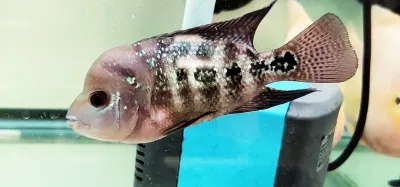
Kamfa x Super Red Dragon Hybrid Flowerhorn
Kamfa x Super Red Dragon Hybrid Flowerhorn
Price of shipping is not included.
$50.00
Out of stock
Captive Bred
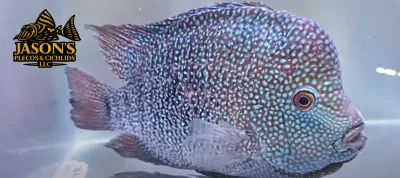
Texas Cichlid - (Herichthys cyanoguttatus)
Texas Cichlid - (Herichthys cyanoguttatus)
Price of shipping is not included.
5.0
(2)
was $160.00
Save 6%
$150.00
Out of stock
Captive Bred
L001 Gold Spot Common Pleco - (Pterygoplichthys joselimaianus)
L001 Gold Spot Common Pleco - (Pterygoplichthys joselimaianus)
Price of shipping is not included.
$45.00
Out of stock
Captive Bred
Salvini Cichlid/Yellow belly Cichlid/Salvin's Cichlid - (Trichromis Salvini)
Salvini Cichlid/Yellow belly Cichlid/Salvin's Cichlid - (Trichromis Salvini)
Price of shipping is not included.
was $65.00
Save 8%
$60.00
Out of stock
Wild Caught
Fire Eel - (Mastacembelus erythrotaenia)
Fire Eel - (Mastacembelus erythrotaenia)
Price of shipping is not included.
5.0
(3)
$205.00
Out of stock
Wild Caught
L081 Gold Nugget Pleco - (Baryancistrus xanthellus)
L081 Gold Nugget Pleco - (Baryancistrus xanthellus)
Price of shipping is not included.
was $65.00
Save 8%
$60.00
Out of stock
Wild Caught
Blue Eyed Royal Pleco - (Panaque cochliodon)
Blue Eyed Royal Pleco - (Panaque cochliodon)
Price of shipping is not included.
$270.00
Out of stock
Wild Caught
Dolphin Barb - (Bangana Behri)
Dolphin Barb - (Bangana Behri)
Price of shipping is not included.
$75.00
Out of stock
Captive Bred
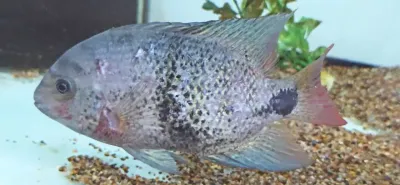
Blackbelt Cichlid - (Vieja maculicauda)
Blackbelt Cichlid - (Vieja maculicauda)
Price of shipping is not included.
was $90.00
Save 6%
$85.00
Out of stock
Captive Bred
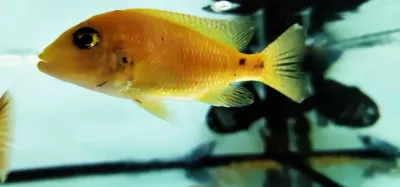
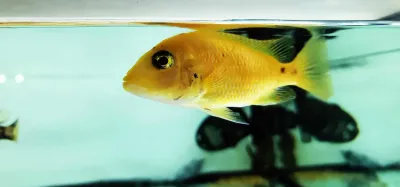
Strawberry Peacock Cichlid - (Aulonocara Species Hybrid)
Strawberry Peacock Cichlid - (Aulonocara Species Hybrid)
Price of shipping is not included.
$25.00
Out of stock
Captive Bred
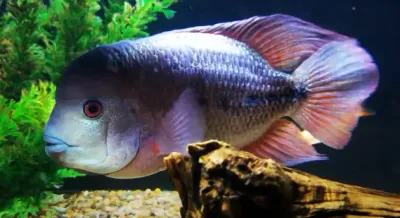
Angostura cichlid - (Vieja breidohri)
Angostura cichlid - (Vieja breidohri)
Price of shipping is not included.
$150.00
Out of stock
Wild Caught
Aba Aba Knifefish - (Gymnarchus niloticus)
Aba Aba Knifefish - (Gymnarchus niloticus)
Price of shipping is not included.
was $250.00
Save 20%
$200.00
Out of stock
Powered by Lightspeed
Display prices in:USD