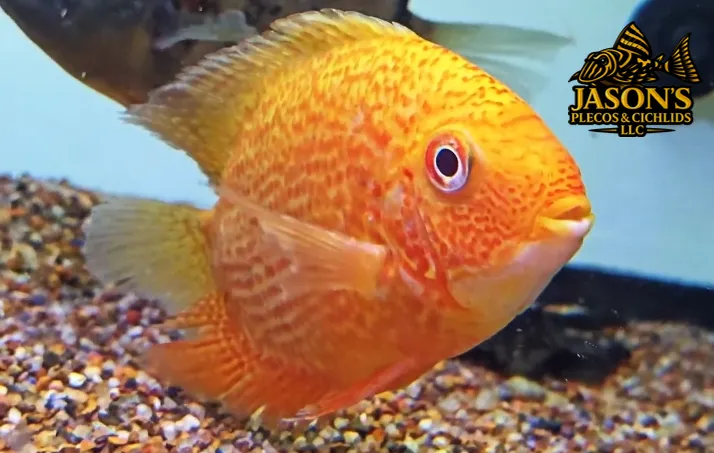
Red Spot Gold Severum - (Heros cf. efasciatus)
5.0
2 reviews
Reviews from verified customers who have purchased products at this store.
$80.00
Captive Bred
was $85.00 Save 6%
Size
Questions, Comments, Concerns? Let us know!
Enter your text
Price of shipping is not included.
In stock: 2 available
1
Save this fish to my favorites.
Customer reviews
Reviews only from verified customers
Reviews are only accepted from verified customers who have signed in and purchased the products. This ensures that each review is based on genuine customer experiences. All reviews are checked before publication to prevent spam.
Tim C.
Monongahela,
United States
Jan 10, 2026
Excellent in All categories
Red Spot Gold Severum - (Heros cf. efasciatus)
Fish Details, Description and Information Below:
🐟 Red Spot Gold Severum – (Heros cf. efasciatus) – Captive-Bred Gold & Red South American Cichlid
The Red Spot Gold Severum (Heros cf. efasciatus) is a selectively bred ornamental Severum known for its brilliant golden-yellow to orange body covered with red, orange-red, or reddish spotting and markings.
These beautiful fish combine the rounded, laterally compressed body shape of a classic Severum with one of the most colorful domestic patterns available in the genus Heros.
The Red Spot Gold Severum is a:
CAPTIVE-BRED COLOR FORM
rather than a naturally occurring wild locality population.
This listing is for:
CAPTIVE-BRED RED SPOT GOLD SEVERUMS
🔎 Quick Facts – Red Spot Gold Severum
- 🐟 Common Name: Red Spot Gold Severum
- 🐟 Other Names: Red Spotted Gold Severum, Red Spot Severum, Gold Severum
- 🔬 Scientific Identification: Heros cf. efasciatus
- 🧬 Type: Selectively Bred Domestic Color Form
- 🐟 Family: Cichlidae
- 🧬 Subfamily: Cichlinae
- 🌿 Stock: Captive Bred
- 📏 Current Size: Approximately 3–4 inches
- 🌎 Ancestral Association: Amazon Basin South America
- ⚠️ Wild Locality: Not applicable to this domestic ornamental strain
- 💧 Water Type: Freshwater
- 📏 Scientific H. efasciatus Maximum: Approximately 17 cm / 6.7 inches standard length
- 📏 Adult Planning Size: Approximately 7–8 inches total length
- 🏠 Recommended Aquarium: 75 gallons or larger for one adult
- 👫 Pair: Approximately 90 gallons or larger preferred
- 🐟 Community / Multiple Large Fish: 125+ gallons recommended depending on stocking
- 🌡️ Temperature: Approximately 75–82°F
- 💧 pH: Approximately 6.0–7.5
- 💦 Hardness: Soft to moderately hard
- 💨 Oxygenation: Good
- 🌊 Water Movement: Low to Moderate
- 🍽️ Diet: Omnivore with Strong Plant / Fruit Component
- 🌿 Vegetable Foods: Important
- 🦐 Animal Protein: Supplemental
- 😌 Temperament: Generally moderate / relatively peaceful for a medium-large cichlid
- ⚠️ Breeding Temperament: Territorial
- 🌱 Plants: May nibble, uproot, or damage soft plants
- 🥚 Breeding: Open-Substrate Spawner
- 👨👩👧 Parental Care: Biparental
- 🥚 Egg Potential: Large clutches; wild-type Heros efasciatus reported up to approximately 1,000 eggs
- ⭐ Care Level: Intermediate
- 🌎 Conservation: Domestic color form not separately assessed
- 🌎 Underlying Heros efasciatus Status: Least Concern
🧬 What Exactly Is a Red Spot Gold Severum?
The Red Spot Gold Severum is not a separate naturally occurring species.
It is a:
SELECTIVELY BRED AQUARIUM COLOR FORM
associated with the Heros efasciatus lineage.
Aquarium breeders selected Severums displaying:
- Reduced dark pigmentation
- Strong golden coloration
- Increasing red coloration
- Dense red spotting
over multiple generations.
This eventually produced the highly colorful fish now sold as:
RED SPOT GOLD SEVERUM
⚠️ Why Use Heros cf. efasciatus?
The currently accepted scientific species:
Heros efasciatus
is valid.
However, domestic Red Spot Gold Severums have been selectively bred through aquarium populations for generations, and exact ancestry is not always documented for every commercial line.
The conservative aquarium identification:
Heros cf. efasciatus
is therefore reasonable for this product.
The abbreviation:
cf.
means approximately:
COMPARE WITH
and indicates affinity with H. efasciatus without claiming a documented wild-locality pedigree.
🐟 Do Not Give the Color Morph Its Own Species Name
Names such as:
- Gold Severum
- Red Spot Severum
- Super Red Severum
- Red Spot Gold Severum
describe:
AQUARIUM COLOR FORMS
They are not separate formally described species.
For this product, use:
Red Spot Gold Severum – (Heros cf. efasciatus)
🎨 Appearance
The Red Spot Gold Severum is known for its combination of:
- Golden yellow
- Yellow-orange
- Orange-gold
- Peach
- Red-orange
body coloration.
Over that background are numerous:
- Red spots
- Orange-red spots
- Red dashes
- Broken red lines
- Vermiculated facial markings
🔴 Red Spotting
The amount of red can vary considerably between individuals.
Some fish develop:
- Fine red dots
while others show:
- Dense spotting
- Broken horizontal red markings
- Red facial lines
- Red-orange areas covering much of the body
🐟 Every Fish Is Different
Selective breeding produces substantial individual variation.
Two Red Spot Gold Severums from the same group can differ in:
- Amount of red
- Spot density
- Spot size
- Gold intensity
- Facial markings
- Fin coloration
- Overall brightness
This is normal.
⚠️ Color Cannot Be Guaranteed
Exact adult coloration cannot be guaranteed.
Color development is influenced by:
- Genetics
- Age
- Sex
- Diet
- Stress
- Water quality
- Aquarium lighting
- Background color
- Social hierarchy
A juvenile with relatively little red may become substantially more colorful as it matures.
Likewise, not every fish will develop the same intense red pattern.
👶 Juvenile Coloration
Young Red Spot Gold Severums may initially appear:
- Pale yellow
- Light gold
- Peach
- Light orange
with relatively limited spotting.
As they mature:
- Red spotting may intensify
- Facial markings may become stronger
- Body color may deepen
- Fins may become more colorful
🐟 Captive-Bred
This listing is for:
CAPTIVE-BRED RED SPOT GOLD SEVERUMS
Captive breeding offers several advantages for aquarium fish.
Captive-bred Severums are generally already accustomed to:
- Aquarium conditions
- Prepared foods
- Human activity
- Typical aquarium water parameters
They do not have a natural collection locality because this particular ornamental coloration was developed in captivity.
🌎 Ancestral Species Distribution
The species associated with this domestic strain:
Heros efasciatus
is native to South America.
Current scientific records place H. efasciatus throughout portions of the:
AMAZON RIVER BASIN
including populations in countries such as:
- Brazil
- Peru
- Colombia
- Ecuador
- Bolivia
⚠️ Domestic Fish Are Not “Wild Amazon Red Spot Gold Severums”
The Red Spot Gold coloration should not be described as a naturally occurring Amazon locality form unless a specific lineage has documentation supporting that claim.
For this product:
CAPTIVE-BRED DOMESTIC COLOR FORM
is the correct description.
🌿 Natural Habitat of Heros efasciatus
Wild Heros efasciatus have been recorded in:
- Slow-moving water
- Flooded areas
- River margins
- Vegetated banks
- Lentic or relatively calm environments
This is not naturally a high-current river cichlid.
🌊 Aquarium Flow
Provide:
LOW TO MODERATE WATER MOVEMENT
rather than extremely strong current.
Good filtration is important, but the aquarium should contain calmer areas where the fish can:
- Rest
- Feed
- Establish territory
- Spawn
🏠 Aquarium Setup
A suitable Red Spot Gold Severum aquarium can contain:
- Sand
- Fine gravel
- Smooth rocks
- Driftwood
- Large roots
- Open swimming space
- Floating plants
- Hardy aquarium plants
- Sheltered areas
🪵 Driftwood
Driftwood works especially well with Severums.
It provides:
- Natural structure
- Territory boundaries
- Shade
- Cover
- Visual barriers
Large branching pieces can create a very attractive South American-style aquarium.
🌱 Plants – Use Caution
Severums are not always reliable planted-aquarium residents.
They may:
- Eat soft leaves
- Tear plants
- Dig around roots
- Uproot plants
- Sample new growth
This is especially understandable because the natural diet of Heros efasciatus contains a substantial plant and fruit component.
🌱 Better Plant Choices
Hardier options may include plants attached securely to:
- Rocks
- Driftwood
Floating vegetation can also work well.
Even hardy plants are:
NOT GUARANTEED TO BE LEFT ALONE
by an adult Severum.
📏 Adult Size – Important Update
The existing listing gives:
8–10 INCHES
I would make that more conservative.
Scientifically documented Heros efasciatus reaches approximately:
17 CM / 6.7 INCHES STANDARD LENGTH
📐 What Is Standard Length?
Standard length measures the fish from:
THE SNOUT TO THE BASE OF THE TAIL
and does:
NOT INCLUDE THE FULL CAUDAL FIN
Therefore the complete living fish is longer than the scientific standard-length measurement.
📏 Responsible Adult Planning Size
For aquarium planning:
APPROXIMATELY 7–8 INCHES TOTAL LENGTH
is a good expectation for most Red Spot Gold Severums.
Some aquarium fish may be reported larger, but I would not advertise:
10 INCHES
as a routine expected maximum without stronger evidence.
🐟 Deep-Bodied Fish
Length does not tell the complete story.
Severums become:
- Tall
- Deep-bodied
- Thick
- Disc-shaped
A 7–8 inch Severum occupies considerably more aquarium space than a slender fish of the same length.
🏠 Aquarium Size
For one adult:
75 GALLONS OR LARGER
is recommended.
This provides room for:
- Adult body size
- Swimming
- Filtration
- Territory
- Décor
👫 Pair Aquarium
For a compatible breeding pair:
90 GALLONS OR LARGER
is preferable.
A larger aquarium gives the fish more room when breeding aggression increases.
🐟 Community Aquarium
For:
- Multiple Severums
- Severums with Geophagus
- Large tetras
- Other medium-large cichlids
- Large catfish
consider:
125+ GALLONS
depending on the total adult stocking level.
⚠️ Do Not Judge Tank Size Only by Juvenile Size
The current fish may be relatively small, but Red Spot Gold Severums develop into:
LARGE, DEEP-BODIED CICHLIDS
Purchase based on:
ADULT HOUSING REQUIREMENTS
not current juvenile size.
💩 Filtration
Adult Severums:
- Eat substantial amounts of food
- Produce substantial waste
Provide strong:
- Biological filtration
- Mechanical filtration
Suitable systems include:
- Canister filters
- Sumps
- Large hang-on-back filters
- Supplemental sponge filtration
💧 Water Parameters
A practical long-term range is:
- 🌡️ Temperature: Approximately 75–82°F
- 💧 pH: Approximately 6.0–7.5
- 💦 Hardness: Soft to moderately hard
- 💨 Oxygenation: Good
- 🌊 Water Movement: Low to Moderate
- ☠️ Ammonia: 0 ppm
- ☠️ Nitrite: 0 ppm
- 🔄 Nitrate: Keep as low as reasonably practical
🌡️ Temperature
A good general maintenance range is:
75–82°F
Stable temperature is more important than continuously adjusting the aquarium within that range.
💧 pH
A practical aquarium range is:
pH 6.0–7.5
Captive-bred Severums are often adaptable when:
- Changes are gradual
- Water quality is excellent
- Parameters remain stable
⚠️ Stability Matters
Avoid frequent attempts to force aquarium water to an exact pH using chemical additives.
A stable:
6.8
is generally preferable to water constantly swinging between:
6.0 AND 7.5
🔄 Water Changes
Regular partial water changes help maintain:
- Low nitrate
- Stable chemistry
- Good appetite
- Healthy growth
- Strong coloration
The exact schedule depends on:
- Aquarium size
- Number of fish
- Feeding
- Filtration
🍽️ Diet – Omnivore With Strong Plant Component
The Red Spot Gold Severum should be fed as an:
OMNIVORE
but the natural feeding ecology of Heros efasciatus shows a notable:
FRUIT / PLANT COMPONENT
Wild H. efasciatus has been described as:
OMNIVOROUS BUT MAINLY FRUGIVOROUS
🌿 Plant Foods Are Important
Vegetable and plant-containing foods should be a regular part of the diet.
Suitable foods include:
- Spirulina pellets
- Vegetable-containing cichlid pellets
- Quality herbivore/omnivore foods
- Peas
- Zucchini
- Squash
- Spinach
- Appropriate leafy greens
🍽️ Quality Prepared Foods
A good staple can include high-quality:
- Cichlid pellets
- Omnivore pellets
- Spirulina-containing pellets
- Quality flakes
- Color-enhancing foods
Choose foods appropriate for the fish's mouth size.
🦐 Animal Protein
Animal and insect protein can also be offered.
Suitable foods include:
- Mysis shrimp
- Brine shrimp
- Krill
- Bloodworms
- Insect-based cichlid foods
However:
ANIMAL PROTEIN SHOULD NOT BE THE ENTIRE DIET
⚖️ Balanced Feeding
A good feeding strategy is:
QUALITY CICHLID FOOD + VEGETABLE MATTER + SUPPLEMENTAL AQUATIC / INSECT PROTEIN
Avoid feeding only:
- Bloodworms
- Shrimp
- High-protein predator pellets
🚫 Avoid Overfeeding
Severums are enthusiastic eaters.
Overfeeding can lead to:
- Excessive weight
- Poor water quality
- High nitrate
- Fat accumulation
- Heavy organic waste
Feed appropriate portions rather than continuously adding food because the fish appears hungry.
🎨 Diet & Color
Good nutrition supports:
- Healthy pigmentation
- Growth
- Immune function
- Fin condition
However:
FOOD CANNOT OVERRIDE GENETICS
A fish genetically programmed for lighter red spotting cannot be turned into an intensely red specimen simply by feeding color-enhancing food.
😌 Temperament
Red Spot Gold Severums are generally:
MODERATE AND RELATIVELY PEACEFUL FOR THEIR SIZE
They are typically less aggressive than many large:
- Central American cichlids
- Amphilophus
- Parachromis
- Highly territorial Vieja-type cichlids
⚠️ “Peaceful” Does Not Mean Passive
A Severum is still a:
MEDIUM-LARGE CICHLID
It may:
- Defend territory
- Chase tankmates
- Guard food
- Establish hierarchy
- Become aggressive during breeding
Individual personality also varies.
🥚 Breeding Aggression
A pair that begins spawning can become substantially more territorial.
They may defend:
- A flat rock
- Driftwood
- Eggs
- Fry
- A large portion of the aquarium
This is why breeding pairs need adequate space.
🐟 Suitable Tankmates
Potential tankmates include appropriately sized:
- Larger tetras
- Silver dollars
- Geophagus
- Other compatible Severums
- Peaceful to moderately assertive South American cichlids
- Larger Corydoras where temperature permits
- Peaceful catfish
- Compatible plecos
⚠️ Avoid Very Small Fish
Very small fish may eventually be:
- Chased
- Injured
- Eaten
especially once the Severum becomes a large adult.
Choose tankmates based on:
ADULT SIZE
not the current juvenile Severum.
⚠️ Avoid Extremely Aggressive Cichlids
Red Spot Gold Severums are generally poor choices with highly aggressive fish capable of relentlessly bullying them.
Avoid forcing them to compete with fish that are much more:
- Aggressive
- Territorial
- Predatory
unless the aquarium is extremely large and the keeper understands the risks.
🐟 Keeping Multiple Severums
Multiple Severums can work in a sufficiently large aquarium.
However, as fish mature:
- Pairs may form
- Hierarchies develop
- Territories become important
Provide:
- Open swimming space
- Visual barriers
- Multiple shelters
- Adequate aquarium volume
🧠 Personality
Severums frequently become very responsive aquarium fish.
Established individuals may:
- Approach the front glass
- Recognize feeding routines
- Follow their keeper
- Investigate activity outside the aquarium
This personable behavior is one reason Severums remain popular centerpiece cichlids.
♂️ Male vs. Female
Sexing Severums can be difficult.
There is no single external feature that is:
100% RELIABLE
on every fish.
♂️ Mature Males May Show
Mature males may develop:
- Longer dorsal-fin extensions
- Longer anal-fin extensions
- More extensive facial markings
- Broader head
- Greater overall size
- Occasionally a more pronounced forehead
♀️ Mature Females May Show
Females may:
- Remain somewhat smaller
- Have shorter fin extensions
- Develop a fuller abdomen when carrying eggs
However, considerable overlap occurs.
⚠️ Juveniles Should Generally Be Sold Unsexed
Young Severums are especially difficult to sex reliably.
Unless the fish has been confidently identified:
SELL AS UNSEXED
💕 Pair Formation
Severums commonly form:
PAIR BONDS
The easiest way to obtain a naturally compatible pair is often to raise several juveniles together and allow them to select partners.
Buying one random male and one random female:
DOES NOT GUARANTEE COMPATIBILITY
🥚 Breeding – Open-Substrate Spawner
Unlike the mouthbrooding:
Heros liberifer
the H. efasciatus-type Severums associated with domestic Gold lines are:
OPEN-SUBSTRATE SPAWNERS
🪨 Spawning Site
A breeding pair may clean:
- A flat rock
- Slate
- Broad wood surface
- Root
- Other firm flat surface
before spawning.
🥚 Egg Production
Scientific information for Heros efasciatus reports:
UP TO APPROXIMATELY 1,000 EGGS
being deposited on:
- Flat stones
- Roots
Actual aquarium clutch size varies considerably.
It depends on:
- Female size
- Age
- Condition
- Genetics
- Pair maturity
👨👩👧 Biparental Care
Both parents participate in caring for:
EGGS AND LARVAE
This is one of the most interesting aspects of Severum behavior.
🥚 Egg Guarding
After spawning, the parents may:
- Fan the eggs
- Remove damaged eggs
- Chase potential predators
- Defend the spawning area
🐣 Larval Care
After hatching, the parents may move larvae to:
- Prepared depressions
- Protected areas
- Alternative surfaces
They continue guarding the young.
🐟 Free-Swimming Fry
Once fry become free swimming, suitable foods include:
- Newly hatched baby brine shrimp
- Fine fry foods
- Crushed quality flakes
- Fine cichlid foods
⚠️ First-Time Parents May Eat Eggs
Young or inexperienced pairs may:
- Eat their eggs
- Eat newly hatched fry
- Abandon a clutch
This is common with many cichlids and does not necessarily mean the pair will never breed successfully.
Repeated spawning attempts often improve parental behavior.
⚠️ Do Not Confuse This With Heros liberifer
The:
MOUTHBROODING SEVERUM
Heros liberifer
has a fundamentally different reproductive strategy.
The Red Spot Gold domestic form is associated with the:
H. EFASCIATUS-TYPE OPEN-SUBSTRATE SPAWNING LINEAGE
not the delayed mouthbrooding behavior of H. liberifer.
🧬 Preserve Color Lines Responsibly
Red Spot Gold Severums are domestic ornamental fish.
When breeding:
- Keep accurate parent records when possible
- Do not represent domestic color morphs as wild locality fish
- Do not invent collection locations
- Describe offspring accurately
🌎 Conservation Status
The:
RED SPOT GOLD COLOR FORM
does not have an IUCN Red List status because it is a:
DOMESTIC AQUARIUM STRAIN
🌎 Underlying Heros efasciatus
The accepted species:
Heros efasciatus
is currently assessed as:
LEAST CONCERN
This status applies to the natural species population.
It should not be interpreted as a conservation assessment of the selectively bred Red Spot Gold aquarium strain.
🐟 Why Keep a Red Spot Gold Severum?
The Red Spot Gold Severum combines:
- 🐟 Brilliant gold coloration
- 🔴 Intense red spotting
- 🟠 Orange-red facial markings
- 🧠 Interactive cichlid personality
- 😌 Relatively moderate temperament
- 🌿 Interesting plant-oriented omnivorous feeding
- 👫 Pair-forming behavior
- 🥚 Open-substrate spawning
- 👨👩👧 Biparental care
- 📏 Impressive 7–8 inch adult size
- 🌿 Captive-bred aquarium history
into an excellent centerpiece fish for a properly sized freshwater aquarium.
⚠️ Important Considerations
Before purchasing a Red Spot Gold Severum:
- This is a captive-bred domestic color form.
- Keep the identification as Heros cf. efasciatus unless a documented lineage supports something more specific.
- Heros efasciatus remains a valid scientific species.
- Do not describe Red Spot Gold Severums as a naturally occurring wild color population.
- This listing is for captive-bred fish.
- Exact red spotting cannot be guaranteed.
- Red intensity varies between individuals.
- Juvenile coloration may change significantly with maturity.
- Scientific H. efasciatus reaches approximately 17 cm standard length.
- Plan for approximately 7–8 inches total length.
- Do not use 10 inches as the routine expected adult size.
- Provide approximately 75 gallons or larger for one adult.
- Use approximately 90+ gallons for a pair.
- Consider 125+ gallons for larger communities.
- Remember that Severums are deep-bodied fish.
- Maintain approximately 75–82°F.
- Maintain pH approximately 6.0–7.5.
- Provide good filtration.
- Moderate flow is sufficient.
- Feed a balanced omnivorous diet.
- Include substantial plant and vegetable foods.
- Wild H. efasciatus is naturally strongly frugivorous.
- Provide animal and insect foods as supplemental nutrition.
- Do not maintain the fish on a protein-only diet.
- Expect soft plants to be nibbled or uprooted.
- Severums are relatively peaceful for cichlids but are still territorial fish.
- Breeding pairs can become aggressive.
- Avoid very small tankmates.
- Sexing juveniles is unreliable.
- The H. efasciatus-type lineage is an open-substrate spawner.
- Both parents care for eggs and larvae.
- The domestic Red Spot Gold form has no separate IUCN assessment.
- The underlying H. efasciatus species is Least Concern.
- Never release aquarium fish into natural waterways.
🧬 Taxonomy
The current valid species associated with this domestic color form is:
Heros efasciatus Heckel, 1840
Classification:
- Order: Cichliformes
- Family: Cichlidae
- Subfamily: Cichlinae
- Genus: Heros
- Species Association: H. efasciatus
- Product Identification: Heros cf. efasciatus
- Color Form: Red Spot Gold
The older name:
Heros appendiculatus
has historically been applied to some populations now included under Heros efasciatus.
For this captive-bred product, use:
Red Spot Gold Severum – (Heros cf. efasciatus)
🐟 Domestic Color-Form Disclaimer
The Red Spot Gold Severum is a selectively bred aquarium fish.
Coloration can vary naturally between individuals and can continue developing with age.
We do not guarantee:
- Exact number of red spots
- Exact red intensity
- Exact adult gold coloration
- Exact fin coloration
- Sex unless specifically stated
Photos should be considered representative of the general color form unless the listing specifically states that the exact fish pictured is being sold.
🚚 Live Fish Shipping
Live fish are professionally packed for safe transport.
Shipping availability depends on:
- Fish size
- Destination
- Weather conditions
- Carrier availability
- Applicable state and local regulations
Please review our Shipping & Payment Information and Live Arrival Guarantee / DOA Policy before ordering.
⚠️ Buyer Responsibility
Customers are responsible for confirming that Red Spot Gold Severums may legally be purchased, possessed, transported, and received in their state or local jurisdiction before ordering.
Never release aquarium fish into natural waterways.
Below are fish you may also like.
Wild Caught
L234 Dragon Hi Fin Pleco - (Megalancistrus sp.)
L234 Dragon Hi Fin Pleco - (Megalancistrus sp.)
Price of shipping is not included.
was $500.00
Save 20%
$400.00
Out of stock
Wild Caught
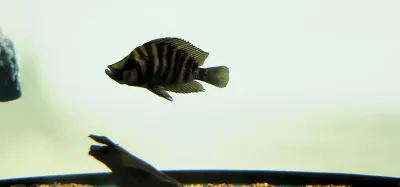
Red Fin Compressiceps - (Altolamprologus Compressiceps)
Red Fin Compressiceps - (Altolamprologus Compressiceps)
Price of shipping is not included.
$60.00
Out of stock
Captive Bred
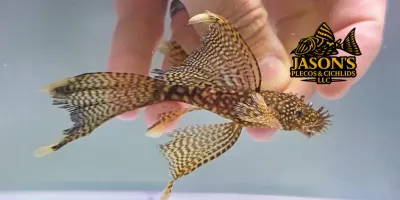
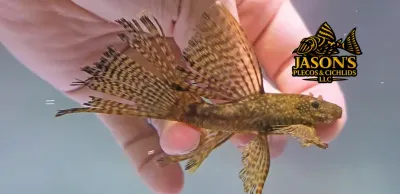
Longfin Common Bristlenose Catfish - (Ancistrus cf. cirrhosus) Breeding Pair
Longfin Common Bristlenose Catfish - (Ancistrus cf. cirrhosus) Breeding Pair
Price of shipping is not included.
was $100.00
Save 10%
$90.00
Out of stock
Wild Caught
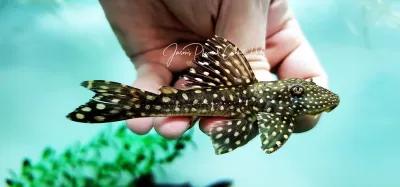
Yellow Spotted Hypostomus - (Hypostomus margaritifer)
Yellow Spotted Hypostomus - (Hypostomus margaritifer)
Price of shipping is not included.
was $175.00
Save 14%
$150.00
Out of stock
Captive Bred
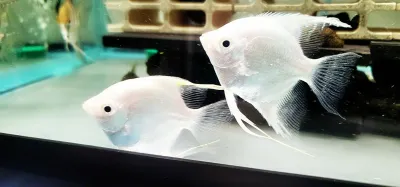
Platinum Angelfish - (Pterophyllum scalare)
Platinum Angelfish - (Pterophyllum scalare)
Price of shipping is not included.
$15.00
Out of stock
Wild Caught
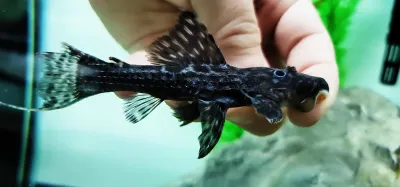
L275 Tailstriped Cactus Pleco - (Pseudacanthicus sp.)
L275 Tailstriped Cactus Pleco - (Pseudacanthicus sp.)
Price of shipping is not included.
$500.00
Out of stock
Captive Bred
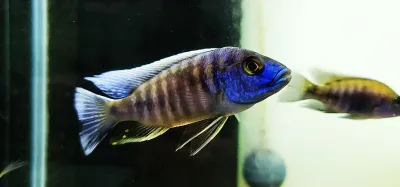
Walteri Peacock Cichlid - (Aulonocara sp.)
Walteri Peacock Cichlid - (Aulonocara sp.)
Price of shipping is not included.
$40.00
Out of stock
Captive Bred
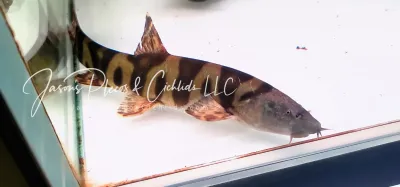
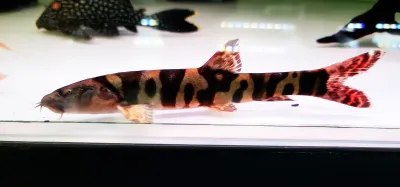
Imperial Flower Loach - (Leptobotia elongata)
Imperial Flower Loach - (Leptobotia elongata)
Price of shipping is not included.
$150.00
Out of stock
Wild Caught
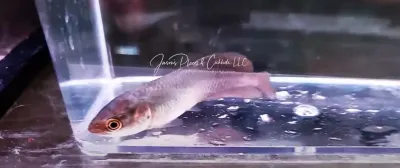
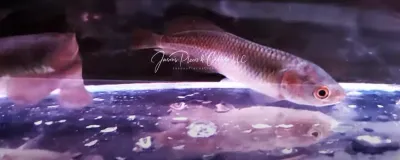
African Arowana - (Heterotis niloticus)
African Arowana - (Heterotis niloticus)
Price of shipping is not included.
5.0
(3)
$45.00
Out of stock
Captive Bred
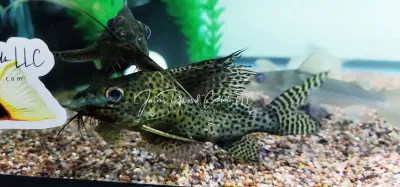
Featherfin squeaker - (Featherfin Synodontis Eupterus)
Featherfin squeaker - (Featherfin Synodontis Eupterus)
Price of shipping is not included.
was $30.00
Save 33%
$20.00
Out of stock
Captive Bred
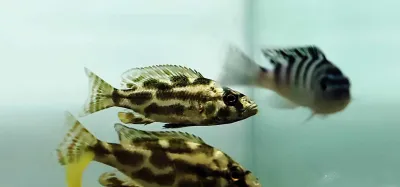
Livingstoni Cichlid - (Nimbochromis livingstonii)
Livingstoni Cichlid - (Nimbochromis livingstonii)
Price of shipping is not included.
$12.00
Out of stock
Wild Caught
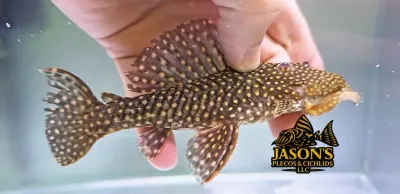
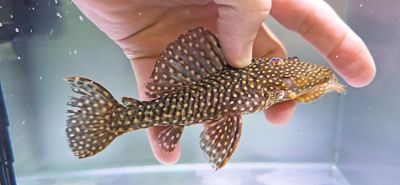
L029 Galaxy Pleco - (Leporacanthicus galaxias)
L029 Galaxy Pleco - (Leporacanthicus galaxias)
Price of shipping is not included.
5.0
(1)
was $65.00
Save 8%
$60.00
Out of stock
Powered by Lightspeed
Display prices in:USD