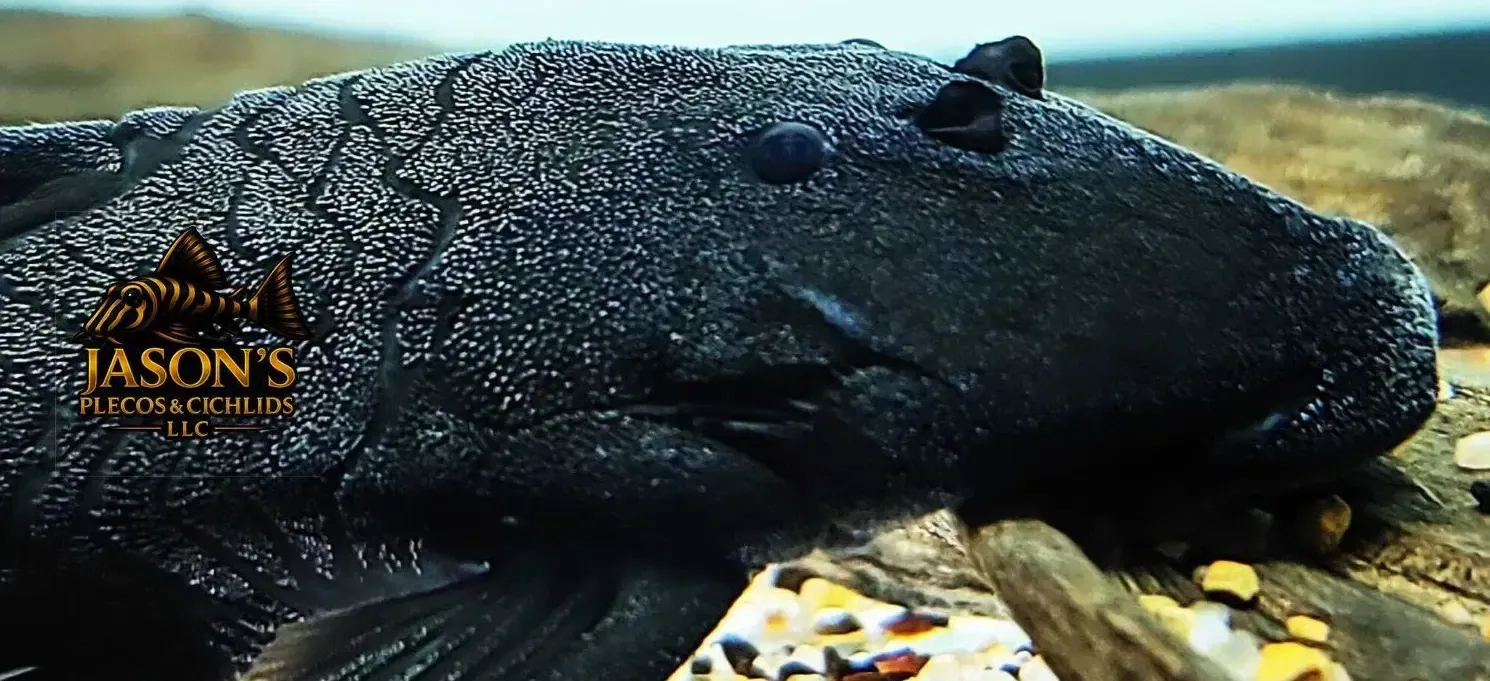
L350 Coal Pleco (Peckoltia pankimpuju)
5.0
2 reviews
Reviews from verified customers who have purchased products at this store.
$300.00
Wild Caught
was $325.00 Save 8%
Size
Questions, Comments, Concerns? Let us know!
Enter your text
Price of shipping is not included.
In stock: 1 available
1
Save this fish to my favorites.
Customer reviews
Reviews only from verified customers
Reviews are only accepted from verified customers who have signed in and purchased the products. This ensures that each review is based on genuine customer experiences. All reviews are checked before publication to prevent spam.
Phillip T.
Lee's Summit,
United States
Oct 17, 2025
Amazing pleco! Great communication w the seller, outstanding packaging, and fast shipping. All the plecos in the shipment were healthy and active when they arrived. Highly recommended!
L350 Coal Pleco (Peckoltia pankimpuju)
Fish Details, Description and Information Below:
⚫ L350 Coal Pleco – (Peckoltia pankimpuju) – Wild-Caught Peruvian Lyretail Pleco
The L350 Coal Pleco (Peckoltia pankimpuju), also known as the Peruvian Lyretail Pleco or Imperial Coal Pleco, is one of the most unusual large plecos originating from Peru's upper Amazon River system.
L350 is immediately recognizable by its:
- Long, streamlined body
- Reduced eyes
- Dark charcoal to coal-black coloration in many shallow-water specimens
- Extremely long upper and lower caudal-fin streamers
- Powerful armored body
- Unusual deep-river adaptations
One of the most fascinating characteristics of Peckoltia pankimpuju is that coloration can differ dramatically depending on habitat. The scientifically described deep-water specimens were extremely pale, while shallower-water aquarium specimens may become dark gray, mottled, or nearly coal black.
This listing is for:
WILD-CAUGHT L350 COAL PLECOS
🔎 Quick Facts – L350 Coal Pleco
- 📛 Common Name: Coal Pleco
- 📛 Other Names: Peruvian Lyretail Pleco, Imperial Coal Pleco, L350
- 🔢 L-Number: L350
- 🔬 Scientific Name: Peckoltia pankimpuju
- 📚 Original Scientific Name: Hemiancistrus pankimpuju
- 📅 Formally Described: 2008
- 🐟 Family: Loricariidae
- 🧬 Subfamily: Hypostominae
- 🌿 Stock: Wild Caught
- 📏 Current Body Size: Approximately 7–8 inches
- 🪶 Current Length With Streamers: Approximately 12 inches
- 🇵🇪 Country: Peru
- 🌊 Primary Scientific Locality: Rio Marañón
- 📍 Type Locality: Pongo de Manseriche, Amazonas, Peru
- 🌊 Additional Aquarium Collection Records: Rio Ucayali and Rio Huallaga systems
- 🌎 River System: Upper Amazon Basin
- 💧 Water Type: Freshwater
- 🪨 Habitat: Large river channels, rocky substrates and strong current
- 🌑 Special Adaptation: Deep-water forms show reduced pigmentation and reduced eyes
- 📏 Original Scientific Specimen Maximum: 130.1 mm / approximately 5.1 inches standard length
- 📏 Specialist Adult Total-Length Records: Approximately 16–20 inches including long caudal streamers
- 🏠 Recommended Permanent Aquarium: Approximately 150 gallons or larger
- 🏠 Preferred Adult Aquarium: 180+ gallons
- 📐 Recommended Aquarium Length: Approximately 6–7 feet or longer
- 🌡️ Temperature: Approximately 73–82°F
- 💧 pH: Approximately 6.0–8.0
- 💨 Oxygenation: Very High
- 🌊 Water Movement: Strong
- 🍽️ Diet: Omnivore With an Animal-Protein Lean
- 🦐 Animal / Invertebrate Foods: Important
- 🌿 Plant Foods: Useful as part of a varied diet
- 🚫 Algae Cleaner: No
- 🪵 Driftwood: Useful for structure and grazing but not a complete diet
- 😌 Temperament: Generally peaceful toward midwater fish
- ⚠️ Pleco Temperament: May defend preferred shelters from other large bottom dwellers
- 🌙 Activity: Primarily crepuscular / nocturnal
- 🥚 Captive Breeding: Not reliably documented
- ⭐ Care Level: Intermediate to Advanced
- 🌎 IUCN Status: Least Concern
- 📦 Shipping: Large specimen with long streamers requires careful heavy-duty packing
🧬 Valid Scientific Species
The currently accepted scientific name is:
Peckoltia pankimpuju
The species was formally described in:
2008
by:
- Nathan K. Lujan
- Carine Chamon
It was originally described as:
Hemiancistrus pankimpuju
🔄 Taxonomic Change
Later phylogenetic and taxonomic work showed that this unusual species is more closely associated with:
Peckoltia
and it was transferred to:
Peckoltia pankimpuju
The species looks very different from a typical small Peckoltia, which explains why older aquarium references may still use:
Hemiancistrus pankimpuju
For this product, use:
L350 Coal Pleco – (Peckoltia pankimpuju)
🤔 An Unusual Peckoltia
L350 does not look like most fish aquarists associate with:
Peckoltia
It has:
- A much more elongated body
- Very long tail filaments
- Reduced eyes
- Specialized deep-water characteristics
- Much greater potential total length
Its placement within Peckoltia has therefore surprised many longtime pleco keepers.
🔢 L350
The aquarium designation:
L350
was assigned before the species received its formal scientific description.
Because L350 is now formally identified, the L-number and scientific name may both be used:
L350 – Peckoltia pankimpuju
📖 What Does pankimpuju Mean?
The species name comes from the:
AWAJÚN LANGUAGE
of northern Peru.
It combines words meaning approximately:
BEAUTIFUL + WHITE
and refers to the extremely pale coloration of the deep-water specimens used in the original scientific description.
⚫ Why Is It Called the Coal Pleco?
Aquarium specimens collected from shallower environments may look dramatically different from the pale scientific type specimens.
These fish can become:
- Dark gray
- Charcoal
- Black
- Coal black
- Mottled black and gray
which led to the aquarium name:
COAL PLECO
🌑 Deep-Water vs. Shallow-Water Appearance
One of the most fascinating aspects of this species is its relationship between:
DEPTH AND COLORATION
Deep-water fish may show:
- Greatly reduced pigment
- Pale or nearly white coloration
- Very small eyes
while shallower specimens may display:
- Dark pigmentation
- Strong mottling
- Coal-black coloration
🔬 Deep-Water Adaptation
The original scientific description proposed that several unusual characteristics were adaptations to life in:
DARK, TURBID DEEP-RIVER HABITAT
These characteristics include:
- Reduced eyes
- Reduced pigmentation
- Absence of a typical iris operculum
- Extremely long caudal-fin streamers
👁️ Reduced Eyes
L350 has unusually:
SMALL EYES
for a pleco.
This is believed to reflect the limited usefulness of vision in the dark and turbid deeper portions of the river.
🪶 Extreme Lyretail Streamers
One of the most spectacular features of L350 is the development of:
VERY LONG CAUDAL-FIN FILAMENTS
Both the:
- Upper caudal ray
- Lower caudal ray
can extend far beyond the main tail.
This produces the:
LYRETAIL
appearance associated with the common name:
PERUVIAN LYRETAIL PLECO
📏 Streamers Can Add Considerable Length
When measuring L350, it is important to distinguish between:
BODY LENGTH
and:
TOTAL LENGTH INCLUDING STREAMERS
A mature fish can appear dramatically longer when the intact caudal filaments are included.
⚠️ Fin Streamers Can Be Damaged
The long tail streamers can be damaged by:
- Aggressive tankmates
- Sharp décor
- Poor handling
- Shipping
- Tight caves
- Fighting
Provide:
- Plenty of swimming room
- Smooth décor
- Large shelters
to protect them.
🔄 Streamer Regrowth
Minor fin damage may regrow under:
- Excellent water quality
- Good nutrition
- Low stress
However, exact streamer length cannot be guaranteed.
⚠️ Color Disclaimer
Exact coloration cannot be guaranteed.
Wild L350 can differ substantially in:
- Body darkness
- Amount of mottling
- Gray coloration
- Black coloration
- Fin pattern
- Streamer development
Color can also change temporarily because of:
- Shipping
- Stress
- Lighting
- Aquarium background
- Water conditions
- Acclimation
🌎 Native Distribution
Peckoltia pankimpuju is native to:
PERU
within the:
UPPER AMAZON BASIN
🌊 Rio Marañón
The scientifically confirmed type locality is the:
RIO MARAÑÓN
at:
PONGO DE MANSERICHE
in Amazonas, Peru.
🏔️ Pongo de Manseriche
The:
PONGO DE MANSERICHE
is a dramatic gorge through which the Rio Marañón flows before continuing toward the Amazon lowlands.
The river becomes:
- Narrow
- Deep
- Powerful
- Turbid
- Highly oxygenated
with extensive:
- Boulders
- Rocks
- Strong current
🌊 Additional Aquarium Collection Localities
Specialist aquarium records also associate L350 with portions of the:
- Rio Ucayali
- Rio Huallaga
- Upper Amazon system
in Peru.
Because locality records for this unusual species remain limited:
PRESERVE COLLECTION INFORMATION WHEN AVAILABLE
🪨 Natural Habitat
L350 is associated with major river environments containing:
- Strong current
- Large rocks
- Boulders
- Deep channels
- Turbid water
- High dissolved oxygen
🌑 Dim Habitat
The natural water can be:
VERY TURBID
meaning little light may penetrate into deeper habitat.
This helps explain why L350 can be:
LIGHT SENSITIVE
in captivity.
💡 Aquarium Lighting
L350 generally benefits from:
- Moderate lighting
- Dim areas
- Shaded structures
- Large rock overhangs
- Dark refuges
Bright lighting without adequate shelter can make the fish:
- Withdrawn
- Stressed
- Difficult to observe
🪨 Aquarium Setup
A suitable L350 aquarium should contain:
- Large smooth rocks
- Boulders
- Rock overhangs
- Large sheltered areas
- Driftwood
- Open bottom areas
- Strong circulation
- Powerful filtration
- Very high oxygenation
🏠 Shelter Type
L350 appears especially comfortable around:
ROCKY STRUCTURE
and broad shaded spaces.
Do not assume that it will always prefer a narrow ceramic cave like a smaller Hypancistrus.
Offer a variety of:
- Rock shelters
- Large caves
- Overhangs
- Driftwood cavities
and allow the fish to choose.
🌊 Strong Current
The Pongo de Manseriche and other associated habitats can have:
VERY STRONG WATER MOVEMENT
L350 should therefore receive substantial circulation.
Use:
- Powerheads
- Circulation pumps
- Strong filter returns
- Sump returns
⚠️ Current Should Include Resting Areas
The aquarium should not force the fish to battle the strongest flow continuously.
Create:
HIGH-FLOW AREAS
along with:
CURRENT BREAKS
behind:
- Rocks
- Wood
- Shelters
💨 Very High Oxygenation
This species should receive:
VERY HIGH DISSOLVED OXYGEN
Provide:
- Strong surface movement
- Air stones
- Powerheads
- Sump returns
- High filtration turnover
🌡️ Temperature
Natural and specialist aquarium records generally support approximately:
73–82°F / 23–28°C
A good routine maintenance range is approximately:
75–81°F
💧 Water Parameters
A practical long-term range is:
- 🌡️ Temperature: Approximately 73–82°F
- 💧 pH: Approximately 6.0–8.0
- 💨 Oxygenation: Very High
- 🌊 Water Movement: Strong
- ☠️ Ammonia: 0 ppm
- ☠️ Nitrite: 0 ppm
- 🔄 Nitrate: Keep low
Stable water quality is especially important for large wild-caught specimens.
⚠️ Do Not Keep L350 in Stagnant Water
Avoid:
- Poor circulation
- Low oxygen
- Heavy organic buildup
- Dirty substrate
- Excess nitrate
This species is adapted to a:
LARGE, FLOWING RIVER ENVIRONMENT
💩 Filtration
Use strong:
- Mechanical filtration
- Biological filtration
- Water circulation
Suitable systems include:
- Large canister filters
- Sump filtration
- Powerheads
- Prefilters
- Supplemental aeration
📏 Adult Size – Important Correction
L350 has been the source of considerable size confusion.
The original scientific description included a largest specimen measuring:
130.1 MM STANDARD LENGTH
or approximately:
5.1 INCHES BEFORE THE TAIL
⚠️ That Is Not a Proven Maximum Size
The scientific figure represents the largest specimen available to the researchers.
It should:
NOT
be interpreted as the maximum possible adult size.
📏 Aquarium Specimens Are Much Larger
Wild aquarium specimens regularly exceed that scientific type-series measurement.
The current specimen listed by Jason's Plecos & Cichlids is already approximately:
7–8 INCHES IN BODY LENGTH
and approximately:
12 INCHES INCLUDING THE CAUDAL STREAMERS
📏 Specialist Adult Records
Modern specialist L-number sources report total adult sizes of approximately:
40–50 CM
or roughly:
16–20 INCHES TOTAL LENGTH
when the long caudal streamers are included.
⚠️ Do Not Use 5 Inches as the Maximum
The former small-size recommendation is clearly inappropriate for:
L350
A fish currently measuring 7–8 inches in body length already exceeds it.
📏 Responsible Size Wording
Because L350 has extreme tail streamers and limited formal growth data, the most responsible wording is:
BODY SIZE AND STREAMER LENGTH VARY CONSIDERABLY
and:
MATURE FISH MAY APPROACH 16–20 INCHES TOTAL LENGTH WHEN LONG CAUDAL STREAMERS ARE INCLUDED
🏠 Aquarium Size
For permanent adult housing:
150 GALLONS OR LARGER
is a much safer recommendation.
I prefer:
180+ GALLONS
for a large mature specimen.
📐 Aquarium Length
Specialist references recommend tanks around:
200 CM
or approximately:
6.5 FEET LONG
for mature L350.
A:
6–7 FOOT OR LONGER AQUARIUM
is therefore an excellent long-term goal.
📐 Width Matters Too
A mature L350 needs room to:
- Turn
- Rest fully stretched
- Extend its fins
- Protect long streamers
- Move around large rocks
Choose:
LONG + WIDE
rather than simply tall.
🍽️ Diet – Omnivore With an Animal-Protein Lean
The old page describes L350 as:
PRIMARILY HERBIVOROUS
I would remove that.
The exact natural diet of L350 remains:
POORLY STUDIED
🦷 Dentition Suggests Animal Feeding
Specialist observations of its teeth suggest that L350 is likely adapted to consume substantial:
ANIMAL / INVERTEBRATE MATERIAL
rather than behaving primarily as an algae-grazing herbivore.
🦐 Protein Foods
Suitable animal foods include:
- Mysis shrimp
- Brine shrimp
- Krill
- Chopped shrimp
- Mussel
- Bloodworms
- Mosquito larvae
- Insect larvae
- Quality carnivore-oriented sinking foods
🌿 Plant & Prepared Foods
L350 also accepts:
- Spirulina-containing foods
- Plant-containing wafers
- Quality omnivore pellets
- Quality sinking tablets
- Vegetable-containing prepared foods
This supports describing it as:
AN OMNIVORE
rather than a strict carnivore.
⚖️ Balanced Feeding
The safest feeding strategy is:
QUALITY SINKING FOODS + ANIMAL / INSECT PROTEIN + SOME PLANT-BASED FOODS
rather than feeding only:
- Vegetables
or only:
- Meat.
🚫 Not an Algae Cleaner
L350 should:
NOT BE PURCHASED FOR ALGAE CONTROL
There is no evidence that this unusual deep-river pleco should be treated as a dedicated aquarium algae grazer.
Intentional feeding is required.
🪵 Driftwood
Driftwood can provide:
- Shelter
- Shade
- Biofilm
- Natural structure
Some aquarium references report L350 rasping softer wood.
However:
DO NOT PRESENT WOOD AS A COMPLETE FOOD OR AS NECESSARY FOR DIGESTION
🌙 Nocturnal Behavior
L350 is primarily:
NOCTURNAL / CREPUSCULAR
This fits its naturally dark and turbid habitat.
Activity usually increases:
- At dusk
- During feeding
- After lights dim
- At night
🌑 Light Sensitivity
L350 can be noticeably uncomfortable under:
INTENSE LIGHTING
Provide shaded areas so the fish can choose its preferred light level.
🧪 Wild-Caught Acclimation
This listing is for:
WILD-CAUGHT L350 COAL PLECOS
Large wild specimens deserve careful acclimation.
After arrival:
- Provide immediate shade
- Provide large shelter
- Maintain very high oxygen
- Maintain strong circulation
- Avoid abrupt temperature changes
- Avoid abrupt pH changes
- Keep water exceptionally clean
- Confirm feeding
🍽️ Confirm Feeding
Offer food:
- Near shelters
- At dusk
- After lights out
- In several locations
Watch closely for:
- Sunken abdomen
- Loss of muscle mass
- Refusal to feed
- Rapid respiration
😌 Temperament
L350 is generally considered:
PEACEFUL
toward appropriately sized midwater fish.
Its intimidating size and appearance do not mean it is an aggressive predator.
⚠️ Bottom-Dwelling Territoriality
Like many large loricariids, mature L350 may still defend:
- Favorite shelters
- Rock structures
- Feeding locations
from other large bottom dwellers.
👥 Multiple Large Plecos
If keeping L350 with other large plecos:
- Provide substantial floor space
- Provide several shelters
- Provide multiple feeding locations
- Create visual barriers
A large aquarium is essential.
🐠 Tankmates
Potential tankmates may include compatible:
- Large tetras
- Silver dollars
- Peaceful to moderately assertive cichlids
- Other robust tropical fish
provided they tolerate:
- Strong circulation
- High oxygen
- Similar temperatures
🛡️ Handling L350
Large L350 have:
- Strong pectoral spines
- Armored bodies
- Very long tail streamers
Handle carefully.
🚫 Avoid Damaging the Streamers
Ordinary handling can damage the delicate:
CAUDAL FILAMENTS
Use a:
- Large rigid container
- Fish tub
- Oversized heavy-duty fish bag
when practical.
📦 Shipping Large L350
The current fish requires extra care because it is already approximately:
- 7–8 inches in body length
- Approximately 12 inches including streamers
Large specimens may require:
- Large insulated boxes
- Heavy-duty bags
- Multiple protective bag layers
- Additional water
- Extra room for the tail streamers
- Specialized packing
♂️ Male vs. Female
Reliable sexing information for mature L350 remains limited.
General loricariid characteristics may include differences in:
- Head shape
- Odontode development
- Body width
but these should not be used casually to guarantee sex.
Unless confidently identified:
SELL AS UNSEXED
🥚 Captive Breeding – Poorly Documented
Captive breeding of:
Peckoltia pankimpuju
is:
NOT RELIABLY DOCUMENTED
in the established specialist references.
Therefore:
DO NOT INVENT CAVE-SPAWNING DETAILS
⚠️ Do Not Assume Every Peckoltia Breeds the Same Way
Many smaller Peckoltia are known cave spawners.
However, L350 is an extremely unusual:
- Large
- Deep-river
- Long-streamered
species.
Until species-specific reproduction is reliably documented, avoid publishing:
- Exact cave sizes
- Clutch sizes
- Incubation times
- Breeding triggers
as established L350 facts.
🌎 Conservation Status
Peckoltia pankimpuju is currently assessed as:
LEAST CONCERN
The published assessment dates to:
2016
⚠️ Least Concern Does Not Mean Disposable
The species remains:
- Unusual
- Poorly studied
- Wild collected
- Specialized for major river habitat
Responsible long-term care remains important.
⭐ Why Keep an L350 Coal Pleco?
The L350 combines:
- ⚫ Coal-black shallow-water coloration
- 👻 Pale deep-water forms
- 👁️ Reduced eyes
- 🪶 Extraordinary lyretail streamers
- 🌊 Peruvian upper-Amazon origin
- 🏔️ Pongo de Manseriche habitat
- 💨 High-flow river adaptation
- 📏 Very impressive total adult length
- 🍽️ Unusual omnivorous feeding ecology
- 🌙 Nocturnal personality
- 🧬 Fascinating deep-water adaptations
- 🐟 One of the most unusual fish currently placed within Peckoltia
into a highly distinctive large pleco for experienced aquarists.
⚠️ Important Considerations
Before purchasing an L350 Coal Pleco:
- The correct current scientific name is Peckoltia pankimpuju.
- The species was originally described as Hemiancistrus pankimpuju.
- It was formally described in 2008.
- It was moved to Peckoltia following later phylogenetic work.
- The species originates from Peru.
- The primary scientific locality is the Rio Marañón.
- The type locality is the Pongo de Manseriche.
- Specialist aquarium records also associate L350 with the Ucayali and Huallaga systems.
- This listing is for wild-caught fish.
- Deep-water fish may be extremely pale.
- Shallower-water aquarium specimens may be charcoal or coal black.
- Reduced eyes are a natural characteristic.
- Extremely long caudal-fin filaments are normal.
- Current fish are approximately 7–8 inches in body length.
- Current fish may measure approximately 12 inches including streamers.
- The original scientific type series did not establish the true maximum adult size.
- Specialist sources report approximately 40–50 cm total length when long streamers are included.
- Do not describe L350 as a small or medium-sized pleco.
- Provide approximately 150 gallons or larger.
- 180+ gallons is preferred for a mature specimen.
- A 6–7 foot aquarium is strongly recommended.
- Provide large shaded areas and rocky shelters.
- Maintain approximately 73–82°F.
- Maintain very high dissolved oxygen.
- Provide strong water movement.
- Maintain ammonia and nitrite at zero.
- Keep nitrate low.
- Do not describe L350 as primarily herbivorous.
- Feed a varied omnivorous diet.
- Animal and insect protein should be an important component.
- Provide some plant-containing and prepared foods.
- Do not purchase L350 as an algae cleaner.
- Do not claim driftwood is required specifically for digestion.
- Protect the long caudal streamers from damage.
- Captive breeding is not reliably documented.
- Do not invent cave-spawning or clutch information.
- The species is currently assessed as Least Concern.
- Never release aquarium fish into natural waterways.
🧬 Taxonomy
The currently accepted scientific name is:
Peckoltia pankimpuju (Lujan & Chamon, 2008)
Original scientific combination:
Hemiancistrus pankimpuju Lujan & Chamon, 2008
Classification:
- Order: Siluriformes
- Family: Loricariidae
- Subfamily: Hypostominae
- Tribe: Peckoltini
- Genus: Peckoltia
- Species: pankimpuju
- L-Number: L350
Primary scientific locality:
RIO MARAÑÓN – PONGO DE MANSERICHE – PERU
For this product, use:
L350 Coal Pleco – (Peckoltia pankimpuju)
🔢 L-Number & Locality Disclaimer
L350 remains the established aquarium designation for:
Peckoltia pankimpuju
Because this unusual species has historically been sold under several names, preserve:
- L350
- Scientific name
- Supplier identification
- Collection locality when known
Older names may include:
- Hemiancistrus pankimpuju
- Peruvian Lyretail Pleco
- Imperial Pleco
- Coal Pleco
🚚 Live Fish Shipping
Live fish are professionally packed for safe transport.
Shipping availability depends on:
- Fish size
- Destination
- Weather conditions
- Carrier availability
- Applicable state and local regulations
Large L350 Coal Plecos require extra care because of their:
- Long caudal streamers
- Strong pectoral spines
- Armored body
- Large overall shipping length
Depending on specimen size, specialized packing may include:
- Larger insulated shipping boxes
- Heavy-duty bags
- Multiple protective layers
- Additional water
- Extra room for the caudal streamers
- Airline cargo shipping when appropriate
Please review our Shipping & Payment Information and Live Arrival Guarantee / DOA Policy before ordering.
⚠️ Buyer Responsibility
Customers are responsible for confirming that Peckoltia pankimpuju may legally be purchased, possessed, transported, and received in their state or local jurisdiction before ordering.
Never release aquarium fish into natural waterways.
Below are fish you may also like.
Captive Bred
Marbled Fenestratus - (Vieja fenestrata)
Marbled Fenestratus - (Vieja fenestrata)
Price of shipping is not included.
was $325.00
Save 3%
$315.00
Wild Caught
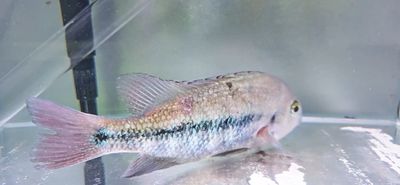
Papaloapan Cichlid - (Paraneetroplus Nebuliferum)
Papaloapan Cichlid - (Paraneetroplus Nebuliferum)
Price of shipping is not included.
was $250.00
Save 20%
$200.00
Captive Bred
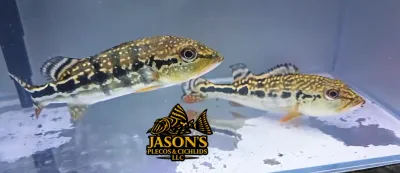
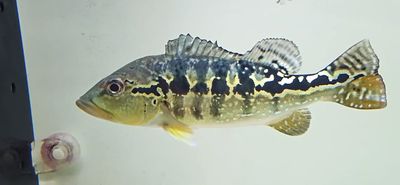
Cobra Snakeskin Peacock Bass - (Hybrid Peacock Bass)
Cobra Snakeskin Peacock Bass - (Hybrid Peacock Bass)
Price of shipping is not included.
5.0
(1)
was $190.00
Save 5%
$180.00
Wild Caught
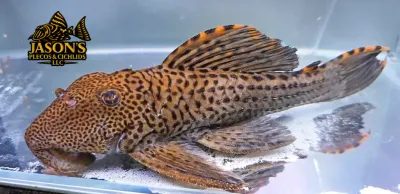
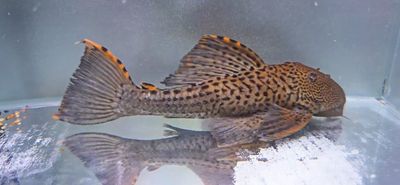
L091 Three Beacon Pleco/Redfin Blackspot Pleco - (Leporacanthicus triactis)
L091 Three Beacon Pleco/Redfin Blackspot Pleco - (Leporacanthicus triactis)
Price of shipping is not included.
5.0
(3)
was $100.00
Save 10%
$90.00
Wild Caught
L201 Orinoco Angel Pleco - (Hypancistrus sp.)
L201 Orinoco Angel Pleco - (Hypancistrus sp.)
Price of shipping is not included.
5.0
(3)
was $45.00
Save 11%
$40.00
Powered by Lightspeed
Display prices in:USD