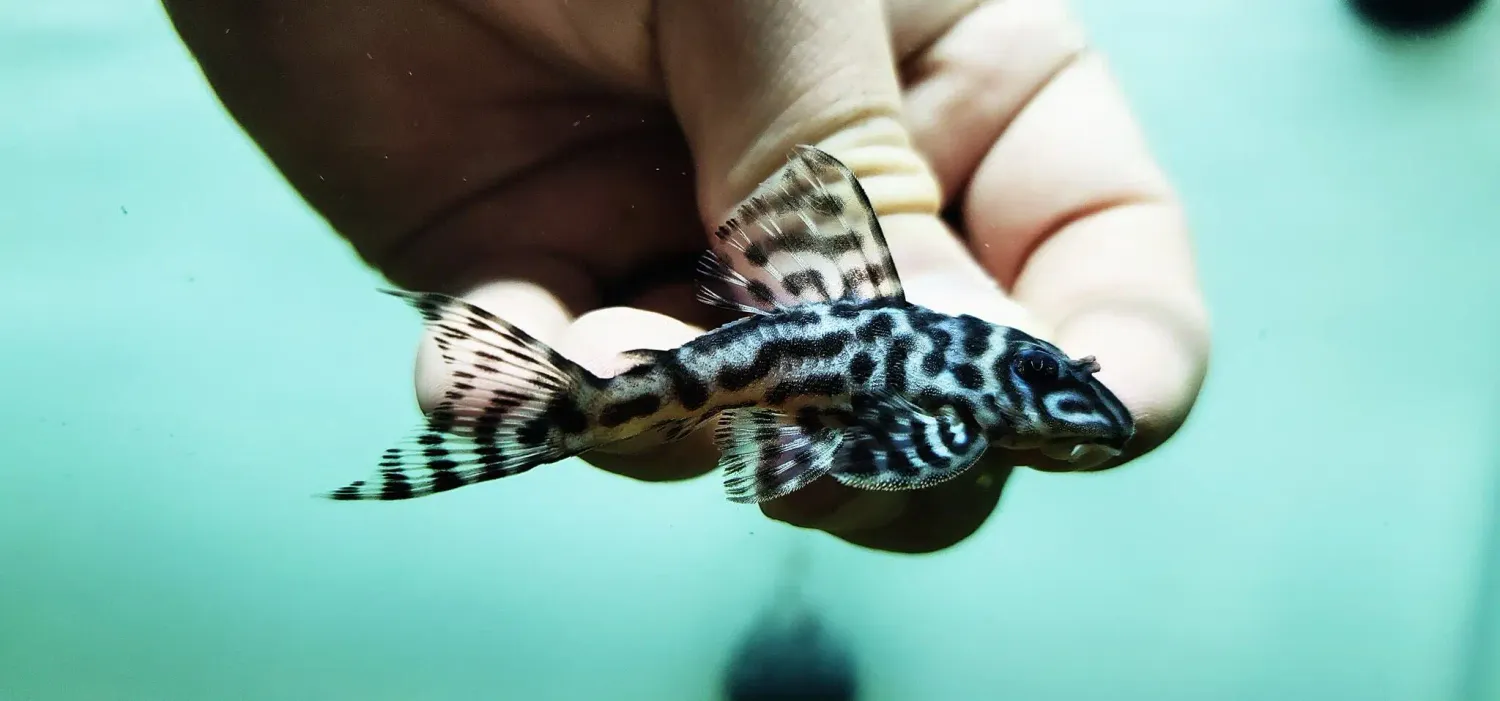
L173 Wavy Zebra Pleco - (Hypancistrus sp.)
$350.00
Sold out
Size
Price of shipping is not included.
Sold out
Save this fish to my favorites.
Customer reviews
Reviews only from verified customers
No reviews yet. You can buy this product and be the first to leave a review.
L173 Wavy Zebra Pleco - (Hypancistrus sp.)
Fish Details, Description and Information Below:
🦓 L173 Wavy Zebra Pleco – (Hypancistrus sp. L173) – Rio Xingu Zebra-Type Pleco
The L173 Wavy Zebra Pleco (Hypancistrus sp. L173) is a striking Brazilian pleco known for its dramatic black-and-white pattern of irregular, wavy, broken, and highly variable bands.
At first glance, L173 can resemble the famous L046 Zebra Pleco (Hypancistrus zebra), but typical L173 develop a much less orderly pattern. Instead of the cleaner, straighter zebra bands usually associated with L046, L173 may display:
- Wavy black lines
- Broken bands
- Irregular loops
- Partial spots
- Maze-like markings
- Highly variable fin patterns
L173 originates from the:
RIO XINGU IN PARÁ, BRAZIL
particularly the region associated with:
ALTAMIRA
The exact scientific identity of L173 remains unresolved. It should therefore continue to be identified as:
Hypancistrus sp. L173
and should not automatically be renamed Hypancistrus zebra, Hypancistrus seideli, or any other described species.
🔎 Quick Facts – L173 Wavy Zebra Pleco
- 📛 Common Name: Wavy Zebra Pleco
- 📛 Other Name: False Zebra Pleco
- 🔢 L-Number: L173
- 🔬 Scientific Identification: Hypancistrus sp. L173
- 🧬 Taxonomic Status: Scientifically unresolved / undescribed
- 🐟 Family: Loricariidae
- 🧬 Subfamily: Hypostominae
- 🇧🇷 Country: Brazil
- 📍 State: Pará
- 🌊 Native River: Rio Xingu
- 📍 Primary Aquarium Locality: Altamira / Rio Xingu region
- 💧 Water Type: Freshwater
- 📏 Typical Adult Size: Approximately 4.5–5 inches
- 📏 Large-Line Potential: Some aquarium lines may approach approximately 6 inches
- 🏠 Recommended Aquarium: Approximately 40 gallons or larger
- 👥 Groups / Breeding Colonies: 55+ gallons preferred
- 🌡️ Temperature: Approximately 79–86°F
- 💧 pH: Approximately 5.0–7.0
- 💦 Water: Soft to moderately mineralized
- 💨 Oxygenation: High
- 🌊 Water Movement: Moderate to Strong
- 🍽️ Diet: Protein-Leaning Omnivore
- 🦐 Animal / Insect Foods: Important
- 🌿 Plant Foods: Supplemental
- 🚫 Algae Cleaner: No
- 🪵 Wood Eater: No
- 😌 Temperament: Generally peaceful
- ⚠️ Pleco Temperament: Mature males may defend caves
- 🌙 Activity: Primarily crepuscular / nocturnal
- 🥚 Breeding: Cave Spawner
- 👨👧 Parental Care: Male guards eggs and developing fry
- 🧬 Hybridization Risk: Yes – keep breeding lines separate from other Hypancistrus
- ⭐ Care Level: Intermediate
- 🌎 IUCN Status: Not Evaluated as an unresolved L-number form
🧬 L173 Remains Scientifically Unresolved
The safest identification remains:
Hypancistrus sp. L173
The abbreviation:
sp.
means the fish belongs to the genus Hypancistrus, but a scientifically accepted species identity has not been established.
L173 has been discussed in aquarium literature for decades, but considerable uncertainty remains over exactly what constitutes:
TRUE L173
⚠️ Do Not Assign a Species Name
I would not list L173 as:
- Hypancistrus zebra
- Hypancistrus seideli
- Hypancistrus cf. zebra
- Any other formally described Hypancistrus
unless future scientific work resolves its identity.
For now:
L173 = Hypancistrus sp. L173
is the safest product identification.
🦓 L173 vs. L046 Zebra Pleco
L173 has historically been compared closely with:
L046 Zebra Pleco – Hypancistrus zebra
Some aquarium literature has even suggested that certain L173 may represent unusual pattern variants of H. zebra.
Other specialists have treated L173 as a separate unidentified Hypancistrus.
Because that question remains unresolved:
DO NOT MARKET L173 AS L046
Typical L173
Often shows:
- More irregular black markings
- Wavy lines
- Broken bands
- More variable pattern
- Longer-looking caudal fin
- Strongly curved or sickle-shaped tail profile
- Vertical-type patterning through portions of the tail
Typical L046
Usually shows:
- More organized black-and-white zebra bands
- Cleaner stripe pattern
- Different caudal-fin pattern
- Smaller overall adult size
Individual variation means pattern alone should never be considered absolute proof of identity.
🚨 L173 Is NOT Automatically L173b
This is especially important for the current product page.
The aquarium designation:
L173b
is:
NOT AN OFFICIAL L-NUMBER
It was a commercial designation associated with Aquarium Glaser and captive-bred fish being sold as a different grade or form of L173.
Therefore:
L173b SHOULD NOT BE LISTED AS A NORMAL SYNONYM FOR L173
🧬 What Is L173b?
L173b has historically been associated with captive fish that generally displayed:
- Darker coloration
- Less classic zebra appearance
- Different stripe arrangements
- Less white coloration
However, specialist sources have raised significant concerns over exactly which fish originally received the L173b designation and whether all modern fish sold under that name descend from the same lineage.
Therefore:
L173b SHOULD BE TREATED AS A SEPARATE TRADE / BREEDER-LINE DESIGNATION
rather than another name for L173.
⚠️ If Your Fish Are L173b
If supplier or breeder records specifically identify a shipment as:
L173b
then I recommend listing those fish as:
L173b – Hypancistrus sp.
rather than selling them under the normal L173 product page.
That keeps the customer's lineage information intact.
🧬 Lineage Matters More Than Appearance
The L173 aquarium trade has a long history of:
- Misidentification
- Uncertain breeder lines
- Similar-looking Hypancistrus
- Possible mixed ancestry
- Fish being upgraded to L173 because of attractive patterns
A beautiful black-and-white Hypancistrus is:
NOT AUTOMATICALLY L173
⚠️ Similar Xingu Hypancistrus
Other Xingu fish that can sometimes resemble attractive L173 include forms historically associated with:
- L066
- L236
- L333
- L399
- L400
Several of those forms are now included within the formally described:
Hypancistrus seideli
That does not mean L173 should automatically be placed into H. seideli.
L173 remains unresolved.
🎨 Appearance
The classic L173 appearance consists of a:
- White
- Cream
- Pale ivory
background crossed by:
- Black bands
- Charcoal bands
- Dark brown-black lines
🌊 Wavy Pattern
The feature responsible for the:
WAVY ZEBRA
name is its irregular banding.
Unlike perfectly straight zebra stripes, the lines may:
- Bend
- Curve
- Split
- Join
- Break apart
- Form loops
- Form isolated spots
🔄 Extreme Individual Variation
One of the defining characteristics of L173 aquarium lines is:
PATTERN VARIABILITY
Even siblings from the same breeding group can develop dramatically different markings.
One fish may look strongly zebra-like while another develops:
- Broken stripes
- Spots
- Dark patches
- Maze patterns
⚠️ Juvenile Pattern Can Change
Young L173 may look substantially different after reaching adulthood.
As they mature:
- Bands may widen
- Bands may break apart
- Spots may develop
- White areas may shrink
- Dark areas may expand
- Tail markings may change
Therefore:
DO NOT GUARANTEE AN EXACT ADULT PATTERN
based on juvenile appearance.
⚪ Amount of White Varies
Some exceptional L173 may have:
MORE THAN HALF OF THE BODY APPEARING WHITE
while others may be significantly darker.
High-white appearance should not by itself be considered proof that a fish is a genetically pure or “better” L173.
⚠️ Pattern Grade Is Not Scientific Identity
Terms such as:
- A Grade
- B Grade
- High White
- Super White
- Premium
- L173b
are aquarium-trade or breeder descriptions.
They are:
NOT FORMAL SCIENTIFIC TAXONOMIC RANKS
🌎 Native Distribution
The original L173 aquarium fish are associated with:
RIO XINGU
in:
PARÁ, BRAZIL
📍 Altamira
Specialist L-number records associate L173 particularly with fish imported through or collected around:
ALTAMIRA
on the Rio Xingu.
For the product page, use:
RIO XINGU – PARÁ, BRAZIL
rather than simply:
South America
🌊 Rio Xingu
The Rio Xingu is a major clearwater tributary of the:
AMAZON RIVER
and is famous for its extraordinary diversity of loricariid catfish.
Its habitats can include:
- Large rock formations
- Boulders
- Cracks
- Crevices
- Strongly oxygenated channels
- Variable current
🪨 Aquarium Habitat
A proper L173 aquarium should contain substantial:
- Rockwork
- Slate
- Ceramic caves
- Pleco tubes
- Crevices
- Sheltered areas
Driftwood can also be used for:
- Shade
- Shelter
- Territory boundaries
- Natural appearance
🏠 Caves Are Essential
L173 uses caves for:
- Daytime shelter
- Security
- Territory
- Reproduction
When keeping multiple fish:
PROVIDE MORE CAVES THAN PLECOS
📐 Cave Selection
Suitable caves include:
- Ceramic pleco caves
- Clay tubes
- Slate caves
- Rock crevices
- One-ended breeding tubes
Provide several:
- Sizes
- Shapes
- Orientations
so mature males can choose appropriate territories.
📏 Adult Size
Established specialist references generally place L173 around:
12 CM / APPROXIMATELY 4.7 INCHES
Therefore:
APPROXIMATELY 4.5–5 INCHES
is a reasonable typical adult planning size.
📏 Some Lines May Grow Larger
Because numerous aquarium lines have circulated under the L173 designation, specialist breeders have also reported fish around:
15 CM / APPROXIMATELY 6 INCHES
For this reason, customers should understand that some L173-type lines may become somewhat larger than the typical 12 cm fish.
🏠 Aquarium Size
For one adult or a compatible pair:
40 GALLONS OR LARGER
provides a comfortable permanent setup.
For a group or breeding colony:
55 GALLONS OR LARGER
is preferred.
Experienced breeders may use smaller specialized breeding aquariums, but retail recommendations should provide customers with adequate:
- Water volume
- Bottom area
- Filtration
- Territory
📐 Bottom Area Is Important
L173 spends most of its life around:
- Caves
- Rocks
- Substrate
so prioritize:
LENGTH + WIDTH
rather than excessive aquarium height.
🌡️ Temperature
L173 is a:
WARM-WATER XINGU PLECO
A practical long-term range is:
79–86°F / 26–30°C
I would avoid maintaining them permanently below approximately:
79°F / 26°C
💨 Warm Water Requires High Oxygen
Warm water naturally holds less dissolved oxygen.
Therefore:
HIGH OXYGENATION IS ESSENTIAL
Use:
- Strong surface agitation
- Air stones
- Sponge filters
- Powerheads
- Canister-filter returns
- Sump returns
🌊 Water Movement
Provide:
MODERATE TO STRONG WATER MOVEMENT
with protected resting areas behind:
- Rocks
- Caves
- Driftwood
The entire aquarium does not need extreme current.
The important goals are:
CLEAN WATER + HIGH OXYGEN + GOOD CIRCULATION
💧 Water Parameters
A practical long-term range is:
- 🌡️ Temperature: Approximately 79–86°F
- 💧 pH: Approximately 5.0–7.0
- 💦 Hardness: Soft to moderately mineralized
- 💨 Oxygenation: High
- 🌊 Water Movement: Moderate to Strong
- ☠️ Ammonia: 0 ppm
- ☠️ Nitrite: 0 ppm
- 🔄 Nitrate: Keep low
⚠️ Clean Water Is Very Important
Specialist L173 keepers report that these fish can react poorly to:
HIGH BACTERIAL LOADS AND DETERIORATING WATER QUALITY
Maintain:
- Strong filtration
- Regular water changes
- Low organic waste
- High oxygen
💩 Filtration
Suitable filtration may include:
- Canister filters
- Sumps
- Sponge filters
- Supplemental powerheads
- Strong biological filtration
The goal should be:
WARM, CLEAN, HIGHLY OXYGENATED WATER
🍽️ Diet – Protein-Leaning Omnivore
L173 should not be treated as a typical algae-eating pleco.
The best aquarium description is:
PROTEIN-LEANING OMNIVORE
Adult Hypancistrus generally show considerably more interest in:
- Invertebrates
- Aquatic animal foods
- Insect foods
- High-quality prepared foods
than in aquarium algae.
🦐 Recommended Foods
Suitable foods include:
- Mysis shrimp
- Brine shrimp
- Bloodworms
- Black mosquito larvae
- White mosquito larvae
- Krill
- Cyclops
- Chopped shrimp
- Mussel
- Insect-based sinking foods
- Quality omnivore tablets
- Quality protein-rich pleco pellets
🌿 Plant Foods
Juveniles may consume more plant matter than mature adults.
Supplemental foods can include:
- Spirulina-containing foods
- Vegetable-containing sinking tablets
- Zucchini
- Other appropriate vegetables
However:
PLANT MATERIAL SHOULD NOT BE THE FOUNDATION OF THE ADULT DIET
🚫 Not an Algae Cleaner
L173 should:
NOT BE PURCHASED FOR ALGAE CONTROL
It is not comparable to specialized grazing plecos.
Aquarium algae is not a complete diet.
🪵 Not a Wood-Eating Pleco
L173 is also:
NOT A SPECIALIZED WOOD EATER
Driftwood can provide:
- Shelter
- Shade
- Biofilm
- Territory
but is not required as a primary food source and should never be described as necessary for digestion.
🌙 Activity
L173 is primarily:
CREPUSCULAR / NOCTURNAL
and may spend much of the daylight period inside:
- Caves
- Rock cracks
- Shelters
☀️ Established Fish May Become More Visible
Once acclimated, L173 may:
- Leave caves during daytime
- Feed before lights out
- Rest openly near shelters
Keeping them with calm midwater fish can sometimes make shy plecos feel more secure.
😌 Temperament
L173 is generally:
PEACEFUL
toward most appropriately chosen midwater fish.
Potential tankmates include compatible:
- Tetras
- Pencilfish
- Small characins
- Peaceful cichlids
- Other calm warm-water species
⚠️ Territorial Around Caves
Adult males can become territorial around:
- Breeding caves
- Preferred shelters
- Feeding areas
This usually involves:
- Pushing
- Chasing
- Cave blocking
rather than active predation.
👥 Group Housing
L173 can be maintained in groups when adequate space is available.
Provide:
- More caves than fish
- Multiple feeding locations
- Visual barriers
- Adequate bottom area
🚨 Avoid Mixing Different Hypancistrus
Different Hypancistrus may:
HYBRIDIZE IN CAPTIVITY
This is especially problematic with L173 because its identification is already difficult.
For breeding projects:
KEEP L173 SEPARATE FROM OTHER HYPANCISTRUS
🚫 Do Not Breed L173 With:
- L046
- L066
- L201
- L236
- L260
- L333
- L399
- L400
- L411
- Other unidentified Hypancistrus
🧬 Protect the Lineage
If breeding L173:
- Preserve breeder information
- Record parent fish
- Preserve collection lineage when known
- Do not add unrelated Hypancistrus
- Label uncertain fish honestly
⚠️ Hybrid Offspring
If an accidental cross occurs:
THE OFFSPRING MUST BE LABELED AS HYBRIDS
They should never be returned to the hobby as:
PURE L173
Misidentified breeding stock is one of the reasons L173 identification is already so complicated.
♂️ Male vs. Female
Sexing becomes easier with mature fish.
Mature Males
Typically develop:
- Broader head
- Longer head profile
- Stronger cheek odontodes
- Stronger odontodes on the pectoral-fin spines
- More extensive odontodes toward the rear body
Mature Females
Generally:
- Have less extensive odontodes
- Develop fuller abdominal profiles
- Look broader through the abdomen when carrying eggs
⚠️ Juveniles Are Difficult to Sex
Small L173 should normally be:
SOLD AS UNSEXED
unless sex can be confidently determined.
🥚 Captive Breeding – Documented
L173 has been:
SUCCESSFULLY BRED IN CAPTIVITY
It is a:
CAVE-SPAWNING PLECO
🏠 Breeding Caves
One-ended:
CLAY OR CERAMIC PLECO CAVES
have proven effective.
The cave should generally be:
- Slightly wider than the male
- Long enough for both fish during spawning
- Closed at one end
- Positioned in clean, oxygenated water
💕 Spawning Behavior
Typical spawning behavior includes:
- A mature male establishes a cave.
- A receptive female enters.
- Spawning occurs inside the cave.
- Eggs are fertilized.
- The female leaves.
- The male remains with the clutch.
👨👧 Male Parental Care
The male:
GUARDS AND FANS THE EGGS
and remains responsible for the brood during development.
He helps:
- Protect the clutch
- Keep water moving over the eggs
- Guard the cave
🥚 Clutch Size Varies Considerably
One interesting feature of aquarium L173 lines is that reported clutch sizes vary significantly.
Some smaller lines may produce approximately:
10–15 EGGS
while larger lines have reportedly produced:
30–45 EGGS
This wide variation may partly reflect the diversity of fish circulating under the L173 name.
Therefore:
DO NOT PROMISE A SPECIFIC CLUTCH SIZE
🌡️ Breeding Temperature
Specialist breeders often obtain better spawning activity around:
82–86°F / 28–30°C
with:
- High oxygenation
- Clean water
- Strong conditioning
- Appropriate caves
🌧️ Possible Spawning Triggers
Aquarists have reported spawning following:
- Large water changes
- Increased current
- Heavy conditioning with frozen/live foods
- Warm temperatures
These may simulate seasonal environmental changes.
However:
NO SINGLE METHOD GUARANTEES SPAWNING
👶 Raising Fry
Once yolk sacs are absorbed, fry can receive:
- Fine baby brine shrimp
- Fine insect foods
- Crushed sinking tablets
- Cyclops
- Fine protein-rich pleco foods
Feed frequently while maintaining:
EXCELLENT WATER QUALITY
⚠️ Young Hypancistrus Require Care
Very small juveniles can be more sensitive to:
- Sudden water changes
- Poor oxygenation
- Accumulated food
- Bacterial buildup
Stable, clean water is especially important during the early growth period.
🆚 L173 vs. L173b – Final Rule
For your store:
If the fish is documented as L173:
Use:
L173 Wavy Zebra Pleco – (Hypancistrus sp. L173)
If the breeder or supplier specifically identifies the fish as L173b:
Use:
L173b Hypancistrus sp. – Captive Line
and explain that L173b is a trade/breeder designation rather than an official L-number.
DO NOT USE L173 AND L173b INTERCHANGEABLY.
⚠️ Important Considerations
Before purchasing an L173 Wavy Zebra Pleco:
- Keep the scientific identification as Hypancistrus sp. L173.
- L173 remains scientifically unresolved.
- Do not automatically identify it as Hypancistrus zebra.
- Do not automatically identify it as Hypancistrus seideli.
- Do not invent a scientific species name.
- L173 originates from the Rio Xingu in Pará, Brazil.
- Altamira is strongly associated with the aquarium L173 locality.
- L173 has highly variable black-and-white patterning.
- Adult pattern may differ substantially from juvenile pattern.
- Exact adult markings cannot be guaranteed.
- L173b is not an official L-number.
- Do not list L173b as a normal synonym for L173.
- Preserve breeder and supplier lineage information.
- Attractive L066/L333-type fish should not automatically be marketed as L173.
- Typical adults reach approximately 12 cm / 4.7 inches.
- Plan for approximately 4.5–5 inches, with some lines potentially larger.
- Provide approximately 40 gallons or larger.
- Use 55+ gallons for groups or breeding colonies.
- Provide more caves than fish.
- Maintain approximately 79–86°F.
- Maintain high dissolved oxygen.
- Provide moderate to strong circulation.
- Keep ammonia and nitrite at zero.
- Keep nitrate low.
- Feed a protein-leaning omnivorous diet.
- Provide regular animal and insect foods.
- Plant foods are supplemental.
- Do not purchase L173 as an algae cleaner.
- L173 is not a specialized wood eater.
- Captive cave spawning is documented.
- Males guard the eggs and developing fry.
- Clutch sizes vary significantly among reported L173 lines.
- Different Hypancistrus may hybridize.
- Keep L173 breeding lines separate from other Hypancistrus.
- Label any mixed offspring honestly as hybrids.
- L173 has no separate formal IUCN assessment.
- Never release aquarium fish into natural waterways.
🧬 Taxonomy
The safest current identification is:
Hypancistrus sp. L173
Classification:
- Order: Siluriformes
- Family: Loricariidae
- Subfamily: Hypostominae
- Genus: Hypancistrus
- Species: Unresolved / Undescribed
- L-Number: L173
Native aquarium locality:
RIO XINGU – PARÁ, BRAZIL
with:
ALTAMIRA
strongly associated with the original aquarium form.
For this product, use:
L173 Wavy Zebra Pleco – (Hypancistrus sp. L173)
🔢 L-Number & Lineage Disclaimer
L173 has one of the more complicated histories among aquarium Hypancistrus.
Fish sold as L173 over the years have included:
- Several breeder strains
- Highly variable offspring
- Questionable identifications
- L173b lines
- Other attractive Xingu Hypancistrus
- Potential mixed or uncertain lines
For that reason:
LINEAGE INFORMATION IS EXTREMELY IMPORTANT
Preserve:
- L173 designation
- Supplier information
- Breeder information
- Collection locality when known
- Parentage
L173b should remain separately identified when that is the documented breeder line.
🌎 Conservation Status
Because L173 remains scientifically unresolved and has no formal species identity:
IUCN STATUS: NOT EVALUATED
Do not automatically assign the conservation status of:
- Hypancistrus zebra
- Hypancistrus seideli
- Any other Hypancistrus
to L173.
🚚 Live Fish Shipping
Live fish are professionally packed for safe transport.
Shipping availability depends on:
- Fish size
- Destination
- Weather conditions
- Carrier availability
- Applicable state and local regulations
Please review our Shipping & Payment Information and Live Arrival Guarantee / DOA Policy before ordering.
⚠️ Buyer Responsibility
Customers are responsible for confirming that Hypancistrus sp. L173 may legally be purchased, possessed, transported, and received in their state or local jurisdiction before ordering.
Never release aquarium fish into natural waterways.
Below are fish you may also like.
Captive Bred
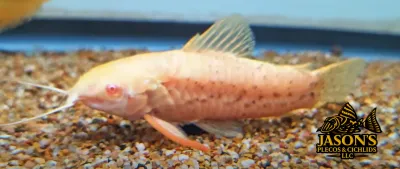
Albino Spotted Hoplo - (Megalechis thoracata)
Albino Spotted Hoplo - (Megalechis thoracata)
Price of shipping is not included.
5.0
(1)
was $45.00
Save 11%
$40.00
Out of stock
Wild Caught
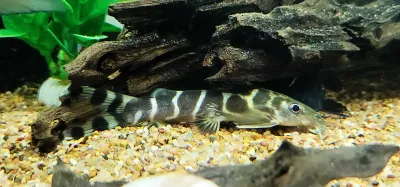
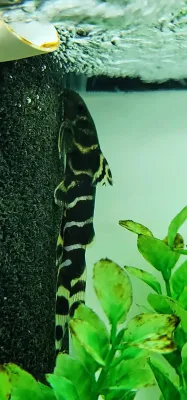
Brichard's Syno - (Synodontis brichardi)
Brichard's Syno - (Synodontis brichardi)
Price of shipping is not included.
$40.00
Out of stock
Wild Caught
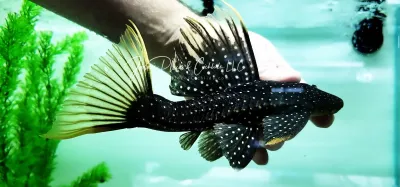
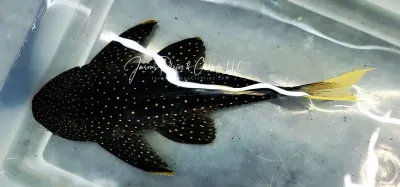
Phase II Luteus Pleco/Golden Sailfin Pleco - (Hypostomus Luteus) Argentina
Phase II Luteus Pleco/Golden Sailfin Pleco - (Hypostomus Luteus) Argentina
Price of shipping is not included.
5.0
(1)
was $800.00
Save 6%
$750.00
Out of stock
Captive Bred
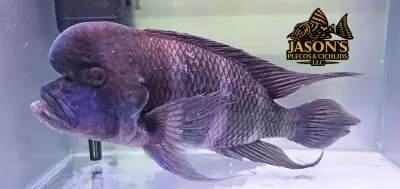
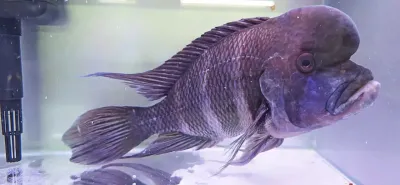
Frontosa Cichlid/Humphead Cichlid - (Cyphotilapia frontosa)
Frontosa Cichlid/Humphead Cichlid - (Cyphotilapia frontosa)
Price of shipping is not included.
5.0
(2)
was $400.00
Save 13%
$350.00
Out of stock
Wild Caught
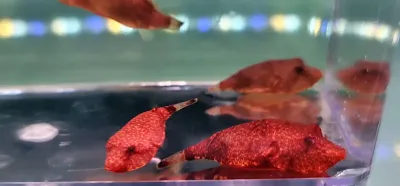
Potato Puffer - (Tetraodon miurus)
Potato Puffer - (Tetraodon miurus)
Price of shipping is not included.
5.0
(1)
was $65.00
Save 8%
$60.00
Out of stock
Wild Caught
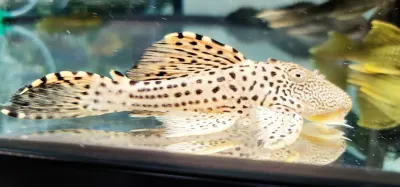
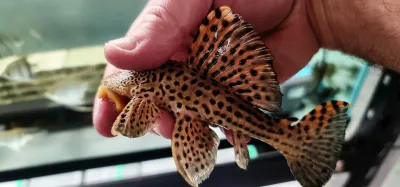
L091 Three Beacon Pleco/Redfin Blackspot Pleco - (Leporacanthicus triactis) Dragon Fin
L091 Three Beacon Pleco/Redfin Blackspot Pleco - (Leporacanthicus triactis) Dragon Fin
Price of shipping is not included.
$400.00
Out of stock
Wild Caught
Gulper Catfish - (Asterophysus batrachus)
Gulper Catfish - (Asterophysus batrachus)
Price of shipping is not included.
5.0
(2)
was $95.00
Save 11%
$85.00
Out of stock
Wild Caught
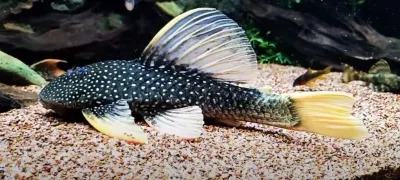
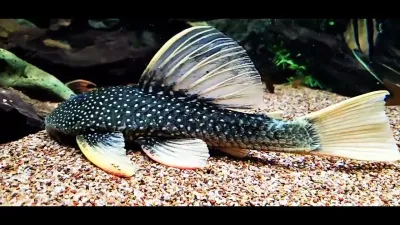
Phase II Luteus Pleco/Golden Sailfin Pleco - (Hypostomus Luteus) Argentina
Phase II Luteus Pleco/Golden Sailfin Pleco - (Hypostomus Luteus) Argentina
Price of shipping is not included.
$700.00
Out of stock
Captive Bred
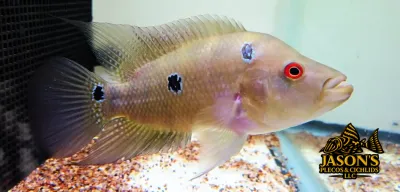
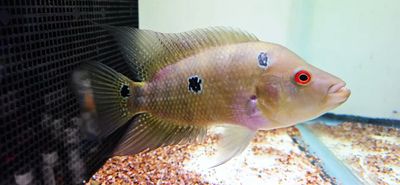
Trimac Cichlid/Three Spot Cichlid - (Amphilophus Trimaculatus)
Trimac Cichlid/Three Spot Cichlid - (Amphilophus Trimaculatus)
Price of shipping is not included.
was $170.00
Save 24%
$130.00
Out of stock
Captive Bred


Chocolate Pleco/Alligator Pleco/Rhino Pleco - (Pterygoplichthys scrophus)
Chocolate Pleco/Alligator Pleco/Rhino Pleco - (Pterygoplichthys scrophus)
Price of shipping is not included.
$85.00
Out of stock
Captive Bred
Spotted Archerfish - (Toxotes chatareus)
Spotted Archerfish - (Toxotes chatareus)
Price of shipping is not included.
$45.00
Out of stock
Captive Bred
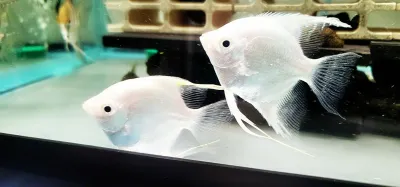
Platinum Angelfish - (Pterophyllum scalare)
Platinum Angelfish - (Pterophyllum scalare)
Price of shipping is not included.
$15.00
Out of stock
Powered by Lightspeed
Display prices in:USD