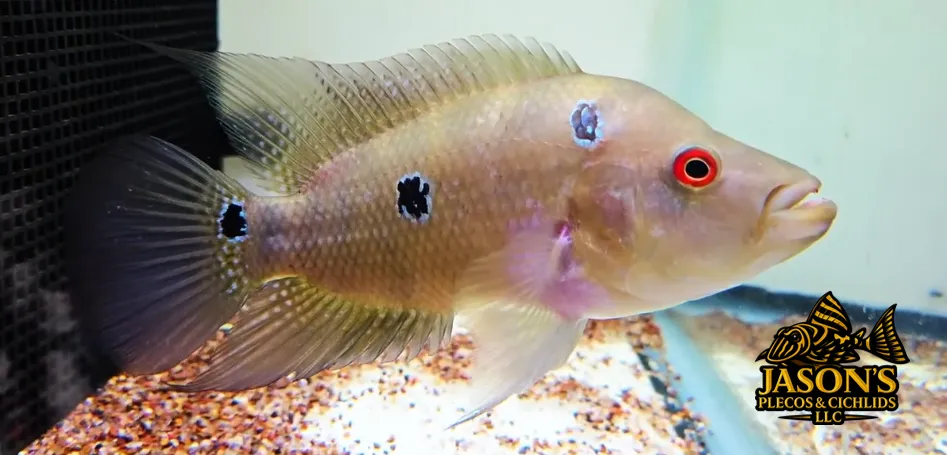
Trimac Cichlid/Three Spot Cichlid - (Amphilophus Trimaculatus)
$130.00
Sold out
was $170.00 Save 24%
Size
Questions, Comments, Concerns? Let us know!
Enter your text
Special Bag
3 Digit Airport Code
Price of shipping is not included.
Sold out
Save this fish to my favorites.
Customer reviews
Reviews only from verified customers
No reviews yet. You can buy this product and be the first to leave a review.
Trimac Cichlid/Three Spot Cichlid - (Amphilophus Trimaculatus)
Fish Details, Description and Information Below:
🐟 Trimac Cichlid / Three Spot Cichlid – (Amphilophus trimaculatus) – Powerful Central American Cichlid
The Trimac Cichlid, also known as the Three Spot Cichlid (Amphilophus trimaculatus), is a large, powerful Central American cichlid famous for its three prominent dark body markings, brilliant red eyes, yellow-to-gold coloration, red highlights, intelligence, and extremely territorial personality.
A mature Trimac can become an impressive centerpiece fish, particularly large males that develop:
- Heavy body proportions
- Strong jaws
- Extended dorsal and anal fins
- Intense yellow-gold coloration
- Red coloration around the throat and gill region
- Iridescent green or blue highlights
- A pronounced nuchal hump in some mature males
This is also one of the more aggressive Central American cichlids commonly maintained in aquariums.
A Trimac should therefore be purchased because the aquarist specifically wants to keep a:
LARGE, POWERFUL, TERRITORIAL CICHLID
—not as a general community fish.
🔎 Quick Facts – Trimac / Three Spot Cichlid
- 📛 Common Name: Trimac Cichlid
- 📛 Other Names: Three Spot Cichlid, Three-Spot Cichlid, Red-Eyed Cichlid
- 🔬 Scientific Name: Amphilophus trimaculatus
- 📚 Older Names: Cichlasoma trimaculatum, Cichlasoma trimaculatus, Heros trimaculatus
- 🐟 Family: Cichlidae
- 🌎 Origin: Mexico and Central America
- 🌊 Native Range: Pacific-slope river systems of Mexico, Guatemala, and El Salvador
- 💧 Water Type: Freshwater
- 🏞️ Natural Habitat: Slow-moving lower river valleys with mud or sand, roots, weeds, and submerged structure
- 📏 Current Listing Size: Approximately 7–8 inches
- 🩹 Current Specimen Note: Prior healed injury visible on the side
- 📏 Maximum Scientific Record: Male 36.5 cm / 14.4 inches standard length before the tail
- 📏 Adult Male Planning Size: Approximately 14–16+ inches
- 📏 Adult Female Size: Commonly substantially smaller; approximately 9–10 inches is a reasonable planning range
- 🏠 Recommended Permanent Aquarium: Approximately 125 gallons or larger for one large adult
- 🏠 Preferred Large-Male Aquarium: 150–180+ gallons where possible
- 💕 Adult Pair: Very large aquarium strongly recommended; approximately 180–240+ gallons with the ability to separate the pair
- 📐 Recommended Aquarium Length: Approximately 6 feet or longer for a large adult
- 🌡️ Temperature: Approximately 75–82°F
- 💧 pH: Approximately 6.5–8.0
- 💦 Hardness: Soft to moderately hard; stability is more important than chasing one exact number
- 🌊 Water Movement: Moderate
- 💨 Oxygenation: Good to High
- 🍽️ Diet: Predatory Omnivore / Carnivore-Leaning Cichlid
- 🐟 Natural Foods: Small fish, macroinvertebrates, aquatic insects, terrestrial insects
- 🦐 Aquarium Protein Foods: Important
- 🌿 Plant Matter: Supplemental dietary variety
- 😠 Temperament: Highly Aggressive and Territorial
- 🚨 Safest Housing: Single-Specimen Aquarium
- ⚠️ Tankmates: Only with extreme caution in very large aquariums
- 🥚 Breeding: Open-Substrate Spawner
- 👨👩👧 Parental Care: Biparental
- 🥚 Large Female Clutch: More than 1,000 eggs possible
- ⭐ Care Level: Advanced because of aggression, size, and space requirements
- 🌎 IUCN Status: Least Concern
🧬 Correct Scientific Name
The accepted scientific name is:
Amphilophus trimaculatus
The species was originally described by:
Albert Günther in 1867
as:
Heros trimaculatus
Older aquarium books and websites may use:
- Cichlasoma trimaculatum
- Cichlasoma trimaculatus
- Amphilophus trimaculatum
The current accepted name is:
Amphilophus trimaculatus
For this product, use:
Trimac Cichlid / Three Spot Cichlid – (Amphilophus trimaculatus)
⚠️ Scientific Name Formatting
The species name should be written:
Amphilophus trimaculatus
not:
Amphilophus Trimaculatus
In scientific names:
- The genus begins with a capital letter.
- The species name remains lowercase.
- Both words should be italicized.
3️⃣ Why Is It Called the Three Spot Cichlid?
The common name comes from the prominent dark markings positioned along the side of the fish.
Depending on:
- Age
- Sex
- Mood
- Breeding condition
- Individual genetics
these markings can appear as:
- Three major black spots
- Several interrupted blotches
- A broken lateral pattern
- Dark breeding bars
The classic three dark markings are generally associated with the:
- Shoulder / opercular region
- Middle of the body
- Caudal-peduncle region
👁️ Brilliant Red Eyes
One of the most recognizable Trimac characteristics is its:
BRIGHT RED EYE
which contrasts dramatically with the:
- Yellow
- Gold
- Olive
- Greenish
body coloration.
This characteristic also explains the alternative common name:
RED-EYED CICHLID
🎨 Appearance
Trimacs can display combinations of:
- Yellow
- Gold
- Olive green
- Gray-green
- Red
- Orange-red
- Turquoise
- Blue-green iridescence
- Black body markings
The exact coloration varies considerably between individuals.
🔴 Red Throat & Gill Coloration
Healthy mature specimens can develop intense reddish coloration around the:
- Throat
- Chest
- Gill covers
- Lower body
- Pectoral-fin region
This can become especially intense during:
BREEDING CONDITION
✨ Iridescent Highlights
Individual scales may develop:
- Green
- Turquoise
- Blue-green
iridescent highlights.
These can become more visible under:
- Proper aquarium lighting
- Good diet
- Mature coloration
- Breeding condition
♂️ Mature Males
Males generally become:
MUCH LARGER THAN FEMALES
and can develop:
- Larger head
- Heavier jaw
- Longer dorsal fin
- Longer anal fin
- More elongated fin tips
- Stronger body proportions
- More pronounced nuchal hump
A mature dominant male can become an extremely impressive aquarium fish.
🧠 Nuchal Hump
Some mature males develop a noticeable:
NUCHAL HUMP
on the forehead.
Its development can vary with:
- Genetics
- Age
- Dominance
- Nutrition
- Reproductive condition
Not every male develops the same size hump.
Therefore:
A LARGE NUCHAL HUMP SHOULD NEVER BE GUARANTEED
⚠️ Color Disclaimer
Exact adult coloration cannot be guaranteed.
Trimacs may change substantially according to:
- Genetics
- Age
- Sex
- Dominance
- Stress
- Aquarium background
- Lighting
- Diet
- Breeding condition
A juvenile or stressed fish may look dramatically different from a mature dominant adult.
🌎 Native Distribution
The Trimac is native to the:
PACIFIC SLOPE OF MEXICO AND CENTRAL AMERICA
The strongest modern taxonomic references recognize native populations from:
- 🇲🇽 Mexico
- 🇬🇹 Guatemala
- 🇸🇻 El Salvador
⚠️ Remove Belize From the Origin
The current product page lists:
- Mexico
- Belize
- Guatemala
- Honduras
- El Salvador
I would remove:
BELIZE
from the native range.
Belize lies primarily within the Atlantic/Caribbean drainage region and is not part of the accepted core native distribution of Amphilophus trimaculatus.
🇭🇳 What About Honduras?
Some secondary fish references extend the southeastern end of the distribution to the:
RIO GOASCORÁN
which forms part of the border between:
- El Salvador
- Honduras
However, major current taxonomic databases summarize the accepted native range as:
PACIFIC-SLOPE RIVERS OF MEXICO, GUATEMALA & EL SALVADOR
That is the cleaner wording for the product page.
🏞️ Natural Habitat
Wild Trimacs inhabit:
SLOW-MOVING LOWER RIVER VALLEYS
They are associated with:
- Mud bottoms
- Sand bottoms
- Aquatic vegetation
- Roots
- Submerged branches
- Protected river margins
- Slower water
This is not a fish requiring an extreme high-current river aquarium.
🌊 Water Movement
Provide:
MODERATE WATER MOVEMENT
with excellent:
- Filtration
- Surface agitation
- Oxygen exchange
The aquarium should contain enough circulation to prevent:
- Dead spots
- Waste buildup
without creating an unnecessary torrent.
📏 Adult Size – Important
FishBase documents male Amphilophus trimaculatus reaching:
36.5 CM STANDARD LENGTH
which equals approximately:
14.4 INCHES BEFORE THE FULL TAIL FIN
This is larger than many aquarium care sheets imply.
♂️ Male Adult Planning Size
Because:
STANDARD LENGTH EXCLUDES THE TAIL
a large mature male deserves planning for approximately:
14–16+ INCHES TOTAL LENGTH
Individual fish may remain smaller, but permanent housing should be designed around the large end of the species' potential.
♀️ Female Size
Females remain significantly smaller.
FishBase documents females at approximately:
25 CM / 9.8 INCHES TOTAL LENGTH
Therefore, a practical planning range for mature females is approximately:
9–10 INCHES
⚠️ Strong Sexual Size Difference
The difference between male and female size is important when:
- Selecting tank size
- Forming breeding pairs
- Planning dividers
- Managing aggression
A large male may completely overpower a much smaller female.
🏠 Aquarium Size – Important Update
The current page recommends:
75+ GALLONS
I would not use 75 gallons as the permanent recommendation for a fish capable of reaching approximately:
14–16+ INCHES
🏠 Single Adult
For one mature Trimac:
125 GALLONS OR LARGER
is a more responsible permanent starting point.
For an exceptionally large male:
150–180+ GALLONS
provides significantly better:
- Swimming room
- Turning room
- Territory
- Water volume
- Filtration capacity
📐 Aquarium Length
A large adult should ideally have:
APPROXIMATELY 6 FEET OR MORE OF AQUARIUM LENGTH
Long aquariums are far more useful than tall tanks.
📐 Width Matters Too
A mature male is:
- Long
- Deep-bodied
- Thick
- Highly active
so front-to-back aquarium width matters.
Choose:
LONG + WIDE
rather than:
TALL + NARROW
🚨 Solo Housing Is Safest
For most aquarists:
ONE TRIMAC PER AQUARIUM IS THE SAFEST LONG-TERM PLAN
This species can become exceptionally territorial.
An adult may attack:
- Other cichlids
- Catfish
- Plecos
- Smaller fish
- Similar-sized fish
- Its own mate
😠 Highly Aggressive
The Trimac is not merely:
“semi-aggressive.”
It should be described as:
HIGHLY AGGRESSIVE AND TERRITORIAL
especially:
- After sexual maturity
- During breeding
- In confined aquariums
- Around established territory
🧠 Intelligent & Interactive
Trimacs can become highly responsive to their keeper.
An established adult may:
- Follow people along the glass
- Recognize feeding routines
- Investigate movement
- Defend the aquarium
- Rearrange its environment
- Respond aggressively to objects outside the glass
This behavior makes the Trimac appealing to keepers who enjoy:
PERSONALITY FISH
🪨 Aquarium Setup
A suitable Trimac aquarium should include:
- Open swimming room
- Sand or smooth gravel
- Large smooth rocks
- Heavy driftwood
- Large sturdy shelters
- Powerful filtration
Keep the layout relatively simple.
🚜 Expect Major Digging
Trimacs are powerful:
DIGGERS
especially when:
- Establishing territory
- Preparing to breed
- Rearranging their surroundings
They may move substantial amounts of:
- Sand
- Gravel
- Small rocks
⚠️ Secure All Heavy Décor
Do not place heavy rocks loosely on top of deep substrate.
A Trimac can:
DIG UNDER THEM
and potentially cause the structure to collapse.
Large rocks should be securely positioned so the fish cannot undermine them.
🌿 Plants
Most delicate planted aquariums are inappropriate.
Trimacs may:
- Uproot plants
- Bite leaves
- Move substrate
- Rearrange decorations
Artificial décor or extremely durable plants may be more practical.
💩 Heavy Bioload
Large aggressive cichlids:
EAT A LOT AND PRODUCE A LOT OF WASTE
Strong filtration is essential.
Suitable systems include:
- Large canister filters
- Sump filtration
- High-capacity mechanical filtration
- Strong biological filtration
💧 Water Parameters
A practical long-term range is:
- 🌡️ Temperature: Approximately 75–82°F
- 💧 pH: Approximately 6.5–8.0
- 💦 Hardness: Soft to moderately hard
- 🌊 Water Movement: Moderate
- 💨 Oxygenation: Good to High
- ☠️ Ammonia: 0 ppm
- ☠️ Nitrite: 0 ppm
- 🔄 Nitrate: Keep as low as reasonably practical
⚠️ Stability Matters More Than Chasing Numbers
Wild Trimacs occur through multiple Pacific-slope river systems.
Instead of repeatedly changing aquarium chemistry to target an exact number:
MAINTAIN CLEAN, STABLE WATER
within a reasonable range.
🔄 Regular Water Changes
Large Trimacs benefit from regular substantial water changes because of their:
- Large appetite
- Rapid growth
- Heavy waste production
The exact schedule depends on:
- Aquarium volume
- Filtration
- Feeding
- Fish size
- Nitrate production
🍽️ Natural Diet
Wild Amphilophus trimaculatus feed on:
- Small fish
- Macroinvertebrates
- Aquatic insects
- Terrestrial insects
This makes the species naturally:
CARNIVORE-LEANING / PREDATORY OMNIVOROUS
rather than primarily herbivorous.
🍽️ Aquarium Diet
A high-quality staple can include:
- Large cichlid pellets
- Insect-based cichlid pellets
- Quality sticks
- Balanced formulated foods
Rotate those with appropriate frozen or fresh foods.
🦐 Supplemental Protein Foods
Suitable foods include:
- Shrimp
- Krill
- Mysis shrimp
- Earthworms
- Insect larvae
- Appropriate frozen cichlid foods
🌿 Plant Matter
Some plant-based ingredients can provide useful dietary variety.
This can come from:
- Balanced formulated pellets
- Spirulina-containing foods
- Small amounts of suitable vegetables
However:
TRIMACS DO NOT REQUIRE A VEGETABLE-HEAVY DIET
🚫 Avoid Feeder Fish
Even though wild Trimacs consume small fish:
LIVE FEEDER FISH ARE NOT NECESSARY
Feeder fish may introduce:
- Parasites
- Bacteria
- Disease
- Poor nutritional balance
Quality prepared and frozen foods are safer.
⚠️ Avoid Chronic Overfeeding
Large cichlids will often behave as though they are hungry even when adequately fed.
Chronic overfeeding can contribute to:
- Obesity
- Excess waste
- Poor water quality
- Fatty deposits
Feed for healthy body condition rather than maximum bulk.
🐠 Tankmates
There is no universally safe Trimac tankmate.
For most adult specimens:
SOLO HOUSING IS THE SAFEST RECOMMENDATION
⚠️ Large Tankmates Are Not Automatically Safe
Even very large fish can be:
- Attacked
- Harassed
- Pinned
- Bitten
- Prevented from feeding
by a dominant Trimac.
Do not assume another fish is safe simply because it is:
THE SAME SIZE
🛡️ Plecos & Catfish
Large armored catfish and plecos are sometimes maintained with aggressive Central American cichlids.
However:
THIS DOES NOT GUARANTEE COMPATIBILITY
A Trimac may repeatedly attack a bottom-dwelling fish even if it cannot immediately kill it.
Monitor closely for:
- Fin damage
- Eye injuries
- Scrapes
- Hiding
- Refusal to feed
- Chronic stress
♂️ Male vs. Female
Sex differences become pronounced with maturity.
Mature Males
Generally:
- Grow much larger
- Develop longer dorsal and anal fins
- Have heavier heads
- Develop stronger jaws
- May develop a nuchal hump
- Become intensely territorial
Mature Females
Generally:
- Remain smaller
- Have a rounder abdominal profile
- Can become extremely colorful during breeding
- Are still highly territorial when guarding eggs or fry
🥚 Captive Breeding – Well Documented
Trimacs reproduce readily when a:
COMPATIBLE PAIR
is established.
They are:
OPEN-SUBSTRATE SPAWNERS
🪨 Spawning Site
Pairs usually choose a cleaned:
- Flat rock
- Large stone
- Slate surface
- Similar solid surface
The pair thoroughly cleans the site before spawning.
🥚 More Than 1,000 Eggs Possible
FishBase reports that:
LARGE FEMALES CAN LAY MORE THAN 1,000 EGGS
This makes the Trimac an extremely productive cichlid under suitable conditions.
♀️ Sexual Maturity
Scientific references report females reaching sexual maturity at approximately:
8–10 CM
while males mature at approximately:
12–14 CM
This means Trimacs can become reproductively active:
WELL BEFORE REACHING FULL ADULT SIZE
👨👩👧 Biparental Care
Both parents normally participate in brood defense.
The pair may:
- Guard the eggs
- Fan the eggs
- Defend the spawning site
- Move larvae
- Guard free-swimming fry
Their aggression increases dramatically during this period.
🚨 Breeding Pairs Can Be Extremely Dangerous to Each Other
The greatest problem when breeding Trimacs is often:
MALE-TO-FEMALE AGGRESSION
A male can seriously injure or kill a female.
This can happen:
- Before spawning
- After spawning
- After fry become free swimming
- If the female is no longer receptive
🛡️ Use a Divider
Anyone attempting to breed Trimacs should have:
A STRONG AQUARIUM DIVIDER READY
The divider should be sturdy enough that a large male cannot:
- Push through it
- Knock it loose
- Jump around it
🏠 Pair Aquarium
A permanent adult pair should have substantially more room than a single specimen.
For a large mature pair:
180–240+ GALLONS
is a much more appropriate starting point than a small breeding aquarium.
Even then:
COMPATIBILITY IS NEVER GUARANTEED
🐣 Raising Fry
Once free swimming, Trimac fry can usually accept:
- Baby brine shrimp
- Fine quality cichlid foods
- Crushed pellets
- Small prepared fry foods
Growth can be rapid when:
- Fed well
- Kept warm
- Maintained in clean water
⚠️ Plan Before Raising Hundreds of Fry
A successful pair can potentially produce:
HUNDREDS TO MORE THAN 1,000 YOUNG
Before intentionally breeding Trimacs, consider whether there is adequate space to:
- Grow the fry
- Separate aggressive juveniles
- Feed them
- Maintain water quality
- Find appropriate permanent homes
🧬 Flowerhorn Connection
The Trimac is historically important in the development of:
FLOWERHORN CICHLIDS
and has been used in hybrid breeding because of characteristics such as:
- Body shape
- Red coloration
- Black flower-line markings
- Aggressive behavior
- Head development
However:
A PURE TRIMAC IS NOT A FLOWERHORN
Pure Amphilophus trimaculatus should remain clearly identified as the natural species.
🚨 Protect Pure Trimac Bloodlines
Do not intentionally cross pure Trimacs with:
- Flowerhorns
- Midas cichlids
- Red Devils
- Other Amphilophus
- Texas cichlids
- Other hybrid cichlids
and later sell the offspring as:
PURE TRIMAC
Any hybrid offspring should be clearly labeled as hybrids.
🧬 Pure Species vs. Hybrid
This product should represent:
Amphilophus trimaculatus
not:
- Flowerhorn
- Trimac hybrid
- Midevil
- Red Devil hybrid
Maintaining accurate species identification is especially important because Trimac ancestry has historically been incorporated into several hybrid lines.
🌎 Conservation Status
Amphilophus trimaculatus is currently assessed as:
LEAST CONCERN
The assessment dates to:
2018
This means the species is not presently classified globally as:
- Vulnerable
- Endangered
- Critically Endangered
🌎 Invasive-Species Responsibility
Trimacs have been introduced outside their native Central American range.
Large, aggressive cichlids should never be:
- Released
- Dumped
- Placed in local ponds
- Placed in canals
- Released into rivers
🚨 Never Release Aquarium Fish
If permanent housing becomes impossible:
- Rehome the fish
- Contact an aquarium store
- Find an experienced large-cichlid keeper
- Contact an aquatic rescue where available
NEVER RELEASE A TRIMAC INTO NATURAL WATERWAYS.
🩹 Current Specimen Note
The current listing specimen is approximately:
7–8 INCHES
The fish appears to have had:
A PRIOR HEALED INJURY ON ITS SIDE
The injury appears healed, but the visible area may remain noticeable.
Customers purchasing individual large fish should review all available:
- Photos
- Videos
- Product information
before ordering.
⭐ Why Keep a Trimac?
The Trimac combines:
- 🔥 Intense yellow, gold, and red coloration
- ⚫ Famous three-spot pattern
- 👁️ Brilliant red eyes
- ✨ Green and turquoise iridescence
- 🧠 Intelligent interactive behavior
- 💪 Powerful adult body
- ♂️ Potential male nuchal hump
- 📏 14–16+ inch male potential
- 🥚 Fascinating biparental breeding behavior
- 🌎 True Central American species identity
- 🧬 Historical importance in Flowerhorn development
into one of the most impressive aggressive cichlids available to experienced keepers.
⚠️ Important Considerations
Before purchasing a Trimac Cichlid:
- The accepted scientific name is Amphilophus trimaculatus.
- The species name should be lowercase: trimaculatus.
- Older references may use Cichlasoma trimaculatum.
- The native range is the Pacific slope of Mexico, Guatemala, and El Salvador.
- Do not list Belize as part of the accepted native range.
- The species inhabits slower lower-river environments with mud, sand, roots, and vegetation.
- The current listing fish is approximately 7–8 inches.
- The current specimen has a prior healed injury visible on its side.
- Large males are scientifically documented at 36.5 cm standard length before the tail.
- Plan for approximately 14–16+ inches for a large adult male.
- Females remain substantially smaller.
- Do not use 75 gallons as the preferred permanent adult recommendation.
- Provide approximately 125 gallons or larger for one adult.
- 150–180+ gallons is preferred for especially large males.
- A 6-foot or longer aquarium is strongly recommended.
- Trimacs are highly aggressive and territorial.
- Solo housing is safest.
- Tankmate compatibility is never guaranteed.
- Expect major digging and rearranging.
- Secure all heavy rocks and décor.
- Maintain approximately 75–82°F.
- Maintain pH approximately 6.5–8.0.
- Maintain ammonia and nitrite at zero.
- Provide powerful filtration.
- Feed a protein-oriented, varied cichlid diet.
- Natural foods include small fish, macroinvertebrates, and insects.
- Live feeder fish are unnecessary.
- Avoid chronic overfeeding.
- Trimacs are open-substrate spawners.
- Large females can produce more than 1,000 eggs.
- Both parents defend the brood.
- Male aggression toward females can be severe or fatal.
- Always have a strong divider available when breeding.
- Pure Trimacs should not be mislabeled Flowerhorns.
- Hybrid offspring must be clearly identified as hybrids.
- The species is currently Least Concern.
- Never release aquarium fish into natural waterways.
🧬 Taxonomy
The currently accepted scientific name is:
Amphilophus trimaculatus (Günther, 1867)
Classification:
- Order: Cichliformes
- Family: Cichlidae
- Genus: Amphilophus
- Species: trimaculatus
Original scientific name:
Heros trimaculatus
Historical aquarium combinations include:
- Cichlasoma trimaculatum
- Cichlasoma trimaculatus
- Amphilophus trimaculatum
For this product, use:
Trimac Cichlid / Three Spot Cichlid – (Amphilophus trimaculatus)
🚚 Live Fish Shipping
Live fish are professionally packed for safe transport.
Shipping availability depends on:
- Fish size
- Destination
- Weather conditions
- Carrier availability
- Applicable state and local regulations
Larger Trimacs may require:
- Larger insulated shipping boxes
- Additional water
- Heavy-duty shipping bags
- Multiple protective bag layers
- Specialized packing
- Airline cargo shipping depending on size and destination
Please review our Shipping & Payment Information and Live Arrival Guarantee / DOA Policy before ordering.
⚠️ Buyer Responsibility
Customers are responsible for confirming that Amphilophus trimaculatus may legally be purchased, possessed, transported, and received in their state or local jurisdiction before ordering.
Never release aquarium fish into natural waterways.
Below are fish you may also like.
Captive Bred
Fenestratus Cichlid - (Vieja Fenestratus)
Fenestratus Cichlid - (Vieja Fenestratus)
Price of shipping is not included.
was $110.00
Save 9%
$100.00
Out of stock
Sold out
L173 Wavy Zebra Pleco - (Hypancistrus sp.)
L173 Wavy Zebra Pleco - (Hypancistrus sp.)
Price of shipping is not included.
$350.00
Out of stock
Wild Caught
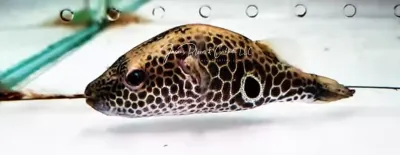
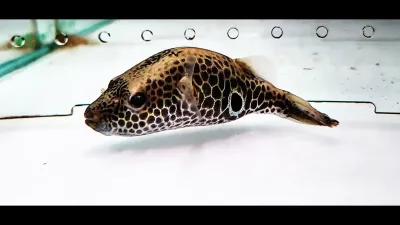
Thai Puffer - (Pao barbatus)
Thai Puffer - (Pao barbatus)
Price of shipping is not included.
was $160.00
Save 6%
$150.00
Out of stock
Captive Bred
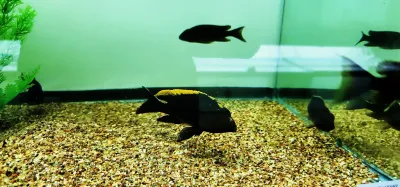
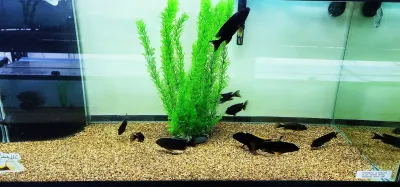
Black Orange Dorsal - (Otopharynx Lithobates) Breeding Colony
Black Orange Dorsal - (Otopharynx Lithobates) Breeding Colony
Price of shipping is not included.
$400.00
Out of stock
Captive Bred
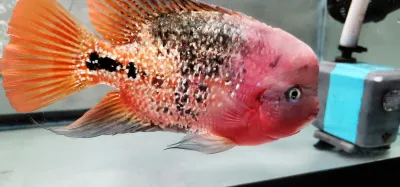
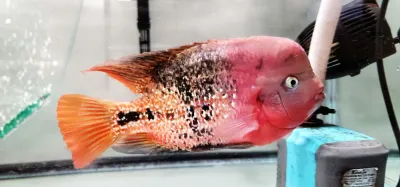
Vieja Melanurus "Synspilum" Hybrid - Pair
Vieja Melanurus "Synspilum" Hybrid - Pair
Price of shipping is not included.
$500.00
Out of stock
Captive Bred
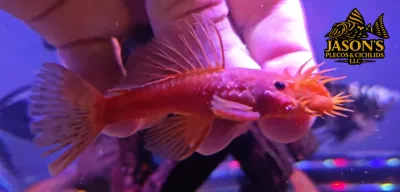
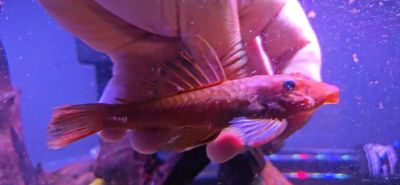
Super Red Bristlenose Pleco - (Ancistrus cf. cirrhosus) Pair
Super Red Bristlenose Pleco - (Ancistrus cf. cirrhosus) Pair
Price of shipping is not included.
was $130.00
Save 8%
$120.00
Out of stock
Captive Bred
Frontosa Cichlid/Humphead Cichlid - (Cyphotilapia frontosa)
Frontosa Cichlid/Humphead Cichlid - (Cyphotilapia frontosa)
Price of shipping is not included.
5.0
(2)
was $400.00
Save 13%
$350.00
Out of stock
Wild Caught
Slate Pleco - (Pseudancistrus genisetiger)
Slate Pleco - (Pseudancistrus genisetiger)
Price of shipping is not included.
5.0
(1)
was $80.00
Save 6%
$75.00
Captive Bred
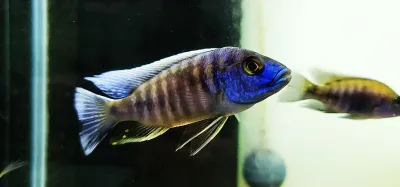
Walteri Peacock Cichlid - (Aulonocara sp.)
Walteri Peacock Cichlid - (Aulonocara sp.)
Price of shipping is not included.
$40.00
Out of stock
Captive Bred
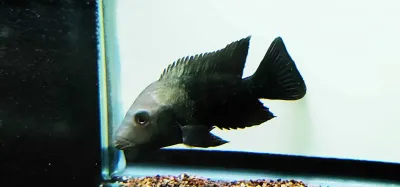
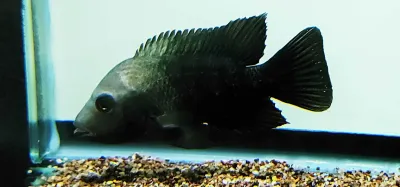
Blackthroat cichlid - (Astatheros Macracanthus)
Blackthroat cichlid - (Astatheros Macracanthus)
Price of shipping is not included.
$55.00
Out of stock
Wild Caught
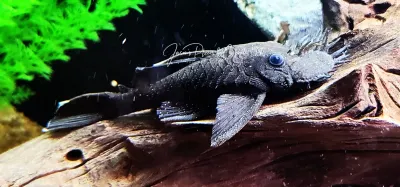
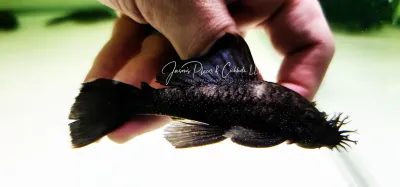
L183 Starlight Bristlenose Pleco - (Ancistrus dolichopterus)
L183 Starlight Bristlenose Pleco - (Ancistrus dolichopterus)
Price of shipping is not included.
was $80.00
Save 6%
$75.00
Out of stock
Wild Caught
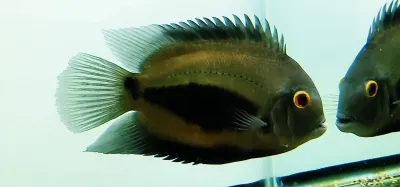
Uaru Cichlid - (Uaru amphiacanthoides)
Uaru Cichlid - (Uaru amphiacanthoides)
Price of shipping is not included.
5.0
(1)
$60.00
Out of stock
Powered by Lightspeed
Display prices in:USD