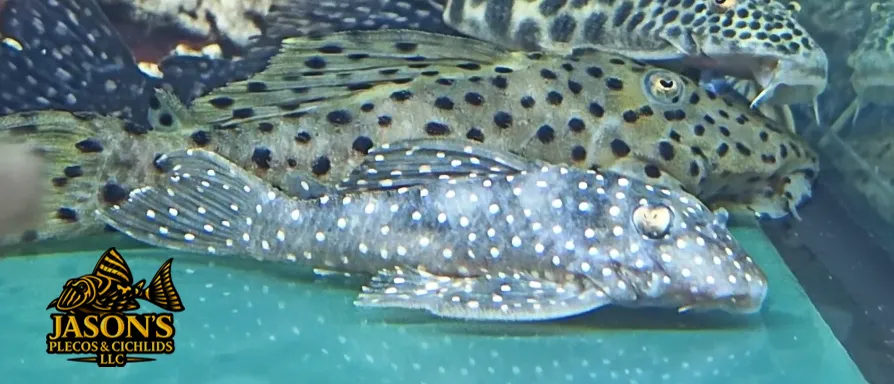
L004 Angelicus Pleco - (Hypancistrus sp.)
$45.00
Wild Caught
was $50.00 Save 10%
Size
Questions, Comments, Concerns? Let us know!
Enter your text
Price of shipping is not included.
In stock: 1 available
1
Save this fish to my favorites.
Customer reviews
Reviews only from verified customers
No reviews yet. You can buy this product and be the first to leave a review.
L004 Angelicus Pleco - (Hypancistrus sp.)
Fish Details, Description and Information Below:
🐟 L004 Angelicus Pleco – (Hypancistrus sp.) – Spotted Brazilian Pleco
The L004 Angelicus Pleco (Hypancistrus sp.), also known as the Angelicus Pleco or Portel Angelicus Pleco, is a beautiful small-to-medium-sized pleco from Brazil known for its dramatic dark body covered with contrasting white to cream-colored spots.
Depending on the individual, the body may range from:
- Dark brown
- Charcoal gray
- Nearly black
while the spots may appear:
- White
- Cream
- Pale yellow
- Ivory
The head, body, dorsal fin, pectoral fins, and tail can all be covered with attractive spotting, creating the starry appearance that makes the Angelicus Pleco popular among L-number collectors.
Unlike many larger herbivorous plecos, the L004 belongs to the genus Hypancistrus and should be maintained on a protein-rich omnivorous diet rather than being purchased primarily as an algae eater.
Its manageable adult size, attractive spotted pattern, cave-oriented behavior, and potential for captive breeding make it an excellent choice for experienced pleco keepers.
🔎 Quick Facts – L004 Angelicus Pleco
- 📛 Common Name: L004 Angelicus Pleco
- 📛 Other Names: Angelicus Pleco, Portel Angelicus Pleco
- 🔢 L-Number: L004
- 🔬 Scientific Identification: Hypancistrus sp. L004
- 🧬 Taxonomic Status: Currently Undescribed
- 🐟 Family: Loricariidae
- 🌎 Origin: South America
- 🇧🇷 Country: Brazil
- 🌊 Native Range: Rio Tocantins region, especially around Cametá; Angelicus-type fish also occur in the lower Amazon tributary region
- 💧 Water Type: Freshwater
- 📏 Adult Size: Approximately 4–5 inches, with large individuals potentially approaching 5–6 inches
- 🏠 Recommended Aquarium: 30 gallons or larger for one; 40+ gallons preferred for a group
- 🌡️ Temperature: Approximately 76–84°F
- 💧 pH: Approximately 6.0–7.5
- 💦 Water: Soft to moderately mineralized
- 💨 Oxygenation: High
- 🌊 Water Movement: Moderate
- 🍽️ Diet: Protein-Leaning Omnivore
- 🦐 Preferred Foods: Quality sinking carnivore foods, insect-based foods, shrimp, mysis, and other appropriate prepared foods
- 😌 Temperament: Generally peaceful toward other fish; territorial with other plecos
- 🌙 Activity: Primarily nocturnal
- 🐠 Swimming Area: Bottom
- 🥚 Breeding: Cave Spawner
- ⭐ Care Level: Intermediate
- 🏆 Availability: Uncommon L-Number Pleco
⚫⚪ Appearance
The L004 Angelicus Pleco has an attractive dark body covered in contrasting spots.
Typical coloration may include:
Body
- Dark brown
- Gray-black
- Charcoal
- Nearly black
Spots
- White
- Cream
- Pale yellow
- Ivory
Spot size and density vary between individuals.
Some specimens display:
- Numerous small spots
while others develop:
- Fewer, somewhat larger spots
This natural variation is part of the appeal of the Angelicus Pleco.
⚠️ L004 Is Spotted – Not Striped
The typical L004 Angelicus Pleco should be described as:
Dark With White or Cream Spots
rather than as a zebra-style black-and-white striped pleco.
The pattern may change somewhat with age, but spotting remains one of the defining characteristics of the Angelicus complex.
🔢 L004, L005, L028 & L073
One confusing aspect of the Angelicus Pleco is that several L-numbers have historically been associated with very similar fish.
These include:
- L004
- L005
- L028
- L073
They are generally treated in the aquarium hobby as part of the same or closely related:
Angelicus Hypancistrus Complex
Differences in:
- Collection locality
- Spot size
- Spot density
- Body coloration
- Age
have contributed to the use of multiple L-numbers.
Because the group has not yet received a formal species description, the safest identification for this product remains:
Hypancistrus sp. L004
🧬 Undescribed Species
The L004 Angelicus Pleco has not yet received a formally recognized scientific species name.
Therefore, the correct scientific identification is:
Hypancistrus sp. L004
The abbreviation:
sp.
indicates that the fish belongs to the genus Hypancistrus, but the species itself has not yet been formally described.
Do not create or assign a species name to this fish.
🌎 Natural Origin
The L004 Angelicus Pleco originates from:
Brazil
with L004/L005 Angelicus fish especially associated with the:
Rio Tocantins near Cametá
in Pará State.
Related Angelicus populations are also reported from lower Amazon tributaries such as the:
- Rio Guamá
- Rio Tocantins system
These are warm South American river environments with:
- High dissolved oxygen
- Rock structure
- Crevices
- Current
- Submerged wood
- Numerous hiding locations
📏 Adult Size
Adult-size reports vary somewhat between aquarium references.
Many L004 specimens remain around:
4–5 inches
while some sources report individuals approaching:
5–6 inches
For customer planning, I recommend using:
Approximately 4–5 inches, with larger specimens possible
rather than guaranteeing a strict 4-inch maximum.
🏠 Aquarium Size
For one L004 Angelicus Pleco:
30 gallons or larger
is recommended.
For a group:
40 gallons or larger
is preferred.
Larger aquariums are especially valuable when keeping several plecos because they allow for:
- More caves
- Separate territories
- Multiple feeding locations
- Greater oxygen stability
- Reduced aggression
🪨 Aquarium Setup
A proper Angelicus Pleco aquarium should include:
- Numerous caves
- Smooth rocks
- Rock crevices
- Driftwood
- Sand or smooth gravel
- Shaded areas
- Moderate current
- Strong filtration
- Excellent oxygenation
Every adult pleco should ideally have access to:
At Least One Suitable Cave
with additional caves strongly recommended when maintaining a group.
🏠 Caves Are Extremely Important
L004 Angelicus Plecos naturally seek narrow protected spaces.
Caves provide:
- Security
- Daytime shelter
- Territory
- Breeding sites
- Stress reduction
Suitable caves may include:
- Ceramic pleco caves
- Slate caves
- Rock crevices
- Smooth natural cavities
Provide caves of several sizes and orientations.
💨 Oxygenation
Like many Hypancistrus, the L004 benefits from:
Clean, Highly Oxygenated Water
Recommended aquarium features include:
- Strong surface movement
- Quality filtration
- Moderate current
- Additional circulation when necessary
Avoid stagnant conditions.
High temperatures reduce the amount of oxygen water can hold, so strong aeration becomes especially important at the warmer end of the species' temperature range.
💧 Water Parameters
A practical aquarium range is:
- 🌡️ Temperature: 76–84°F
- 💧 pH: Approximately 6.0–7.5
- 💦 Hardness: Soft to moderately hard
- 💨 Oxygenation: High
- 🌊 Flow: Moderate
- ☠️ Ammonia: 0 ppm
- ☠️ Nitrite: 0 ppm
- 🔄 Nitrate: Keep as low as reasonably possible
The species can tolerate some variation, but:
Clean, Stable, Oxygen-Rich Water
is more important than hitting one exact pH number.
💩 Filtration
L004 Angelicus Plecos benefit from strong biological and mechanical filtration.
Recommended options include:
- Canister filters
- Hang-on-back filtration
- Sump filtration
- Sponge filters as supplemental biological filtration
- Circulation pumps where appropriate
Regular partial water changes should be part of normal maintenance.
🍽️ Diet & Feeding
The L004 Angelicus Pleco is best described as a:
Protein-Leaning Omnivore
Unlike many common plecos:
It should not be purchased primarily as an algae eater.
Although it may graze on:
- Biofilm
- Soft algae
- Organic material
this should not be considered its primary source of nutrition.
🦐 Recommended Foods
High-quality foods may include:
- Sinking carnivore pellets
- Pleco pellets
- Insect-based sinking foods
- Mysis shrimp
- Brine shrimp
- Krill
- Bloodworms
- Chopped shrimp
- Quality gel foods
- Other appropriate frozen foods
Vegetable-containing foods can also be offered for dietary variety.
⚠️ Do Not Feed Only Algae Wafers
Algae wafers can be part of the diet, but they should not be the only food offered.
A diet consisting entirely of:
- Algae wafers
- Zucchini
- Vegetables
may not provide enough protein for a Hypancistrus.
Offer a varied diet with significant animal and insect-based protein.
🪵 Does L004 Need Driftwood?
Driftwood is useful because it provides:
- Shelter
- Territory boundaries
- Biofilm
- Natural grazing surfaces
However:
L004 is not a specialized wood-eating pleco.
It should not be treated like a Panaque or Panaqolus whose natural feeding behavior involves extensive wood rasping.
Driftwood is recommended for structure and enrichment, but it is not the primary food source.
🌙 Nocturnal Behavior
L004 Angelicus Plecos are primarily:
Nocturnal
Newly introduced individuals may remain hidden for much of the day.
Activity usually increases:
- After lights go out
- During feeding
- Under dim lighting
- Once the fish becomes comfortable
Providing enough hiding locations often helps shy fish become more confident.
😌 Temperament
The L004 is generally:
Peaceful Toward Most Community Fish
Suitable tankmates may include appropriately sized:
- Tetras
- Rasboras
- Barbs
- Rainbowfish
- Peaceful cichlids
- Other nonaggressive tropical fish
However, aggression may occur between:
- Other L004
- Other Hypancistrus
- Other plecos
especially when competing for caves.
⚠️ Pleco Territorial Behavior
Even relatively peaceful plecos may fight over:
- Caves
- Food
- Preferred resting areas
- Breeding territory
Signs of conflict can include:
- Chasing
- Tail slapping
- Pushing
- Blocking cave entrances
- Odontode contact
Provide:
More Caves Than Plecos
whenever possible.
♂️ Male vs. Female
Sex differences become easier to identify in mature specimens.
Mature Males
Males may develop:
- More prominent odontodes on the body
- Stronger odontodes along the pectoral fins
- Broader head
- More territorial cave behavior
Mature Females
Females often become:
- Broader through the abdomen
- Fuller-bodied when viewed from above
Juveniles can be difficult to sex reliably.
Unless sex has been confidently established:
Sell as Unsexed
🥚 Breeding
The L004 Angelicus Pleco is a:
Cave-Spawning Pleco
A mature male selects and defends a suitable cave.
When a receptive female enters, spawning takes place inside the cave.
After spawning:
The Male Guards the Eggs
and may:
- Fan the eggs
- Protect them
- Maintain water movement
- Guard newly hatched larvae
until the fry are developed enough to leave the cave.
🏠 Breeding Caves
Successful breeding often depends on providing the correct cave size.
The cave should generally be:
- Large enough for the fish to enter
- Narrow enough to feel secure
- Closed at one end
Multiple cave shapes and sizes allow individual males to choose preferred spawning sites.
👶 Raising Fry
After the fry absorb their yolk sacs, suitable foods may include:
- Fine sinking carnivore foods
- Crushed pleco pellets
- Baby brine shrimp
- Small frozen foods
- Fine gel foods
- Other appropriately sized foods
Excellent water quality is especially important for young Hypancistrus.
Small frequent feedings combined with regular water changes help promote healthy growth.
🧬 Preserve L-Number Lines
When breeding L004, avoid casually mixing it with:
- Other Hypancistrus
- Other Angelicus L-numbers
- Similar spotted plecos
if your goal is to preserve documented lineage.
Closely related Hypancistrus may hybridize.
Offspring from mixed lines should always be labeled honestly.
⭐ Why Keep an L004 Angelicus Pleco?
The L004 is an excellent choice for pleco enthusiasts who want an attractive species without the enormous adult size of many common plecos.
Its combination of:
- ⚫ Dark body
- ⚪ Brilliant contrasting spots
- 📏 Manageable adult size
- 🪨 Cave-dwelling behavior
- 🌙 Nocturnal personality
- 🥚 Interesting cave-spawning reproduction
- 🇧🇷 Brazilian origin
- 🏆 L-number collector appeal
makes the Angelicus Pleco a beautiful addition to a properly maintained tropical aquarium.
⚠️ Important Considerations
Before purchasing an L004 Angelicus Pleco:
- Understand that this remains an undescribed Hypancistrus.
- Use Hypancistrus sp. L004 as the scientific identification.
- Expect approximately 4–5 inches as a typical adult size, with larger specimens possible.
- Provide approximately 30 gallons or larger.
- Use larger aquariums for groups.
- Provide more caves than plecos.
- Maintain warm, highly oxygenated water.
- Keep ammonia and nitrite at zero.
- Use strong filtration.
- Feed a protein-rich omnivorous diet.
- Do not rely exclusively on algae wafers or vegetables.
- Do not purchase it solely as an algae cleaner.
- Expect territorial behavior around caves.
- Keep documented L-number lines separate when breeding.
- Never release aquarium fish into natural waterways.
🧬 Taxonomy & L-Number Disclaimer
The L004 Angelicus Pleco has not yet been formally described at the species level.
The correct identification is:
Hypancistrus sp. L004
L004 is commonly grouped with Angelicus-type fish carrying:
- L005
- L028
- L073
Because the taxonomic relationship between these L-number forms has not been completely resolved through a formal species description, exact lineage and collection locality should be preserved whenever known.
🚚 Live Fish Shipping
Live fish are professionally packed for safe transport.
Shipping availability depends on:
- Fish size
- Destination
- Weather conditions
- Carrier availability
- Applicable state and local regulations
Please review our Shipping & Payment Information and Live Arrival Guarantee / DOA Policy before ordering.
⚠️ Buyer Responsibility
Customers are responsible for confirming that Hypancistrus sp. L004 may legally be purchased, possessed, transported, and received in their state or local jurisdiction before ordering.
Never release aquarium fish into natural waterways.
Below are fish you may also like.
Wild Caught
L075 Para Pleco - (Peckoltia sabaji)
L075 Para Pleco - (Peckoltia sabaji)
Price of shipping is not included.
5.0
(3)
was $60.00
Save 17%
$50.00
Captive Bred
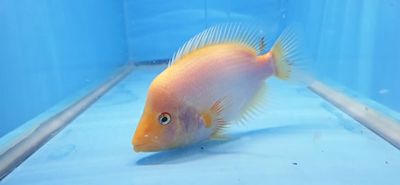
Red Devil Cichlid/Midas Cichlid/Midevil Cichlid - (Amphilophus Citrinellus)
Red Devil Cichlid/Midas Cichlid/Midevil Cichlid - (Amphilophus Citrinellus)
Price of shipping is not included.
5.0
(3)
$100.00
Captive Bred
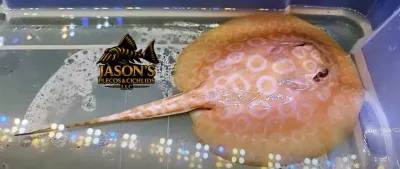
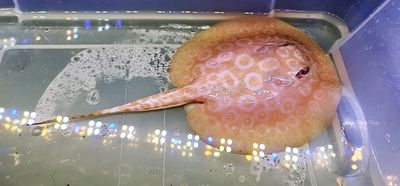
Golden Base Albino Pearl Stingray - (Potamotrygon Jabuti)
Golden Base Albino Pearl Stingray - (Potamotrygon Jabuti)
Price of shipping is not included.
was $850.00
Save 4%
$815.00
Wild Caught
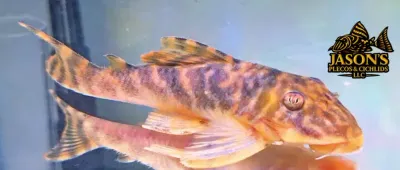
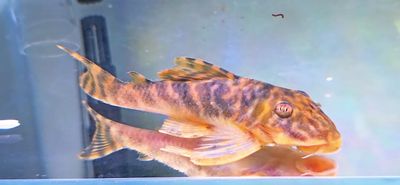
L377 Prince Tiger Pleco - (Peckoltia sp.)
L377 Prince Tiger Pleco - (Peckoltia sp.)
Price of shipping is not included.
5.0
(2)
was $125.00
Save 32%
$85.00
Captive Bred
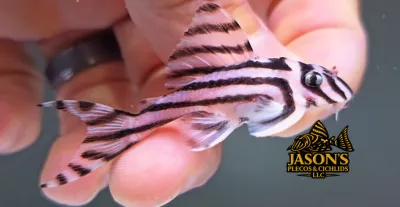
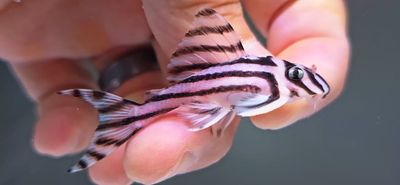
L046 Zebra Pleco - (Hypancistrus zebra)
L046 Zebra Pleco - (Hypancistrus zebra)
Price of shipping is not included.
5.0
(2)
was $250.00
Save 10%
$225.00
Powered by Lightspeed
Display prices in:USD