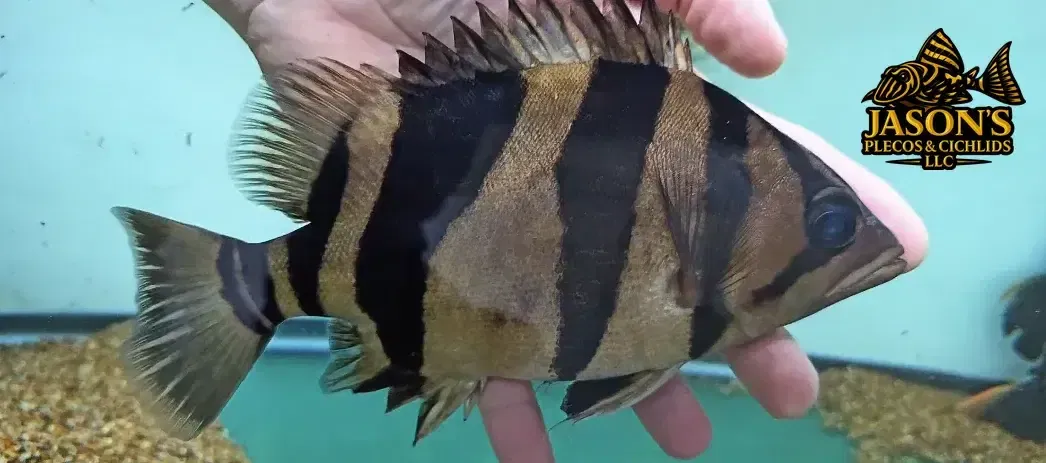
Indo Datnoid - (Datnioides microlepis)
$725.00
Captive Bred
was $800.00 Save 9%
Size
Required Reusable Shipping Bag
Questions, Comments, Concerns? Let us know!
Enter your text
Price of shipping is not included.
In stock: 2 available
1
Save this fish to my favorites.
Customer reviews
Reviews only from verified customers
No reviews yet. You can buy this product and be the first to leave a review.
Indo Datnoid - (Datnioides microlepis)
Fish Details, Description and Information Below:
🐯 Indo Datnoid – (Datnioides microlepis) – Captive-Bred Indonesian Tiger Fish
The Indo Datnoid (Datnioides microlepis), also known as the Indonesian Tiger Fish, Indo Tiger, Finescale Tigerfish, or IT Datnoid, is one of the most recognizable and highly sought-after large predatory fish in the aquarium hobby.
Known for its incredible combination of a golden-yellow to bronze body covered with bold black vertical bars, the Indo Datnoid has a powerful deep-bodied appearance unlike most other freshwater predators.
As the fish matures and becomes comfortable in its aquarium, a high-quality specimen may develop intense:
- Golden-yellow coloration
- Bronze coloration
- Cream coloration
- Deep black vertical bars
- Dark fins
- Strong black-and-gold contrast
Datnoids are also known for their alert behavior, unusual body shape, large expandable mouth, and ability to hover almost motionless before suddenly accelerating toward food.
Although juveniles may be relatively small when offered for sale, Datnioides microlepis is a genuinely large fish capable of reaching approximately 22 inches in total length.
Adults require a very large aquarium with substantial swimming room, powerful filtration, stable water quality, and tankmates too large to be swallowed.
For experienced aquarists interested in rare Asian predator fish, the Indo Datnoid can become an extraordinary centerpiece animal.
🔎 Quick Facts – Indo Datnoid
- 📛 Common Names: Indo Datnoid, Indonesian Tiger Fish, Indo Tiger, Finescale Tigerfish, IT Datnoid
- 🔬 Scientific Name: Datnioides microlepis
- 🐟 Family: Lobotidae / historically Datnioididae
- 🐣 Stock: Captive Bred
- 🌏 Origin of Species: Southeast Asia
- 🇮🇩 Indonesian Range: Sumatra and Borneo
- 🌊 Additional Native Range: Mekong and Chao Phraya River systems of mainland Southeast Asia
- 💧 Water Type: Freshwater
- 📏 Maximum Documented Size: Approximately 55 cm / 21.7 inches total length
- 📏 Adult Planning Size: Approximately 18–22 inches
- 🏠 Recommended Adult Aquarium: 180 gallons or larger
- 🏠 Preferred Adult Aquarium: 240+ gallons for large adults or tankmates
- 📐 Aquarium Shape: Long and wide with substantial open swimming space
- 🌡️ Temperature: Approximately 75–82°F
- 💧 pH: Approximately 6.5–7.5
- 💨 Oxygenation: Good
- 🍽️ Diet: Carnivorous / Predatory
- 😌 Temperament: Predatory; generally moderate toward fish too large to eat
- 🐠 Swimming Area: Middle / Lower
- 🌙 Behavior: Ambush predator; often shy when first introduced
- ⭐ Care Level: Intermediate to Advanced
- 🌎 IUCN Status: Least Concern
- 🏆 Availability: Highly sought-after specialty predator fish
🐯 Why Is It Called an Indonesian Tiger Fish?
The name comes from its dramatic:
Black-and-Gold Vertical Bars
that resemble the coloration of a tiger.
Healthy, stable specimens may display a background ranging from:
- Golden yellow
- Cream
- Bronze
- Brownish gold
covered with:
Bold Dark Vertical Bands
The dramatic contrast is one of the reasons Datnoids are so popular among monster-fish collectors.
🇮🇩 What Does “Indo Datnoid” Mean?
In the aquarium hobby:
Indo Datnoid
usually refers to:
Datnioides microlepis
The name distinguishes it from other Datnoids such as:
- Siamese Tiger Fish – Datnioides pulcher
- New Guinea Datnoid – Datnioides campbelli
- Silver Datnoid – Datnioides polota
- Thin Bar Datnoid – Datnioides undecimradiatus
The Indo Datnoid is one of the most frequently encountered Datnoids in the aquarium trade, but high-quality specimens with strong stable coloration and desirable bar patterns remain extremely sought after.
🎨 Appearance
The Indo Datnoid has a very distinctive deep, laterally compressed body.
Typical characteristics include:
- Deep-bodied shape
- Large head
- Large protrusible mouth
- Tall spiny dorsal fin
- Golden-yellow background
- Bold vertical black bars
- Powerful tail
- Large eyes
- Dark pelvic and anal fins
Their high-backed shape makes them appear extremely substantial even before reaching full adult length.
📊 Bar Patterns
One of the most interesting aspects of Datnioides microlepis is geographic variation in its vertical bar pattern.
Wild fish from different locations can display different numbers and arrangements of bars.
Fish from some mainland Southeast Asian populations are known for approximately:
Five Complete Bars
while Borneo populations may display:
Six to Seven Bars
Bar thickness, spacing, symmetry, and shape can vary substantially between individuals.
3️⃣ 4️⃣ Different Bar Counts in the Aquarium Hobby
Datnoid enthusiasts often describe fish according to bar patterns.
You may encounter terms such as:
- 3-Bar
- 4-Bar
- 5-Bar
- Odd Bar
- Split Bar
- Full Bar
- Forked Bar
These are primarily:
Aquarium Pattern Descriptions
They are not separate species.
A particularly clean or symmetrical pattern can significantly increase collector interest.
⚠️ Pattern Disclaimer
Every Indo Datnoid is an individual.
Exact:
- Bar thickness
- Bar spacing
- Number of bars
- Symmetry
- Gold coloration
- Black intensity
can vary.
Pattern does not necessarily indicate superior health.
When purchasing a specific higher-value Datnoid, photographs of the actual fish are the best way to evaluate its current appearance.
🌓 Stable vs. Unstable Coloration
Datnoid keepers frequently use the terms:
Stable
and:
Unstable
to describe coloration.
Stable
A “stable” Datnoid typically displays:
- Strong gold coloration
- Dark black bars
- Clear contrast
- Relatively consistent coloration
Unstable
An “unstable” fish may temporarily become:
- Dark brown
- Gray
- Almost completely black
- Washed out
- Blotchy
This does not automatically mean the fish is sick.
🎭 Why Datnoids Change Color
Coloration can change according to:
- Stress
- Mood
- Dominance
- Tankmates
- Lighting
- Aquarium background
- Water quality
- Acclimation
- Feeding
- Time of day
A newly shipped Datnoid may look dramatically darker than it did before shipping.
Allow the fish time to acclimate before judging its permanent coloration.
📏 Adult Size – Much Larger Than Many Older Listings Claim
One of the most important corrections for this species concerns adult size.
Datnioides microlepis has been scientifically documented reaching approximately:
55 cm / 21.7 inches total length
Therefore, it should not be sold as a fish that only reaches 12–14 inches.
Many aquarium specimens may remain in the:
15–20 inch range
but customers should plan for the documented potential of approximately:
22 inches
🚨 Do Not Purchase Based on Current Size
Juvenile Datnoids may be sold at:
- 2 inches
- 3 inches
- 4 inches
- 6 inches
- 8 inches
A young Datnoid can look surprisingly manageable.
Adults become:
- Very deep-bodied
- Heavy
- Powerful
- Predatory
- Large-mouthed
- Heavy waste producers
Always plan for the adult fish.
🏠 Aquarium Size
For one mature Indo Datnoid, I recommend:
180 gallons or larger
For a large adult or a tank containing additional large predator fish:
240+ gallons is strongly preferred.
For multiple large Datnoids:
300+ gallons may be necessary
depending on the size and number of fish.
📐 Aquarium Footprint Matters
The Indo Datnoid is:
- Deep-bodied
- Large
- Powerful
- Capable of quick bursts of speed
A long and wide aquarium is much more useful than an excessively tall aquarium.
Provide enough room for the fish to:
- Turn easily
- Cruise naturally
- Avoid tankmates
- Establish territory
- Accelerate without striking glass
For full-grown specimens, approximately:
6–8 feet of aquarium length
is strongly preferred.
🌊 Natural Habitat
Datnioides microlepis occurs naturally in:
- Rivers
- Lakes
- Reservoirs
- Flooded forests
- Areas containing submerged branches and woody structure
The species particularly utilizes habitats containing:
Submerged Wood and Cover
which provides shelter and ambush opportunities.
This can be recreated in captivity using:
- Large driftwood
- Branch-like structures
- Shaded areas
- Open swimming lanes
🏠 Aquarium Setup
Recommended features include:
- Large open swimming areas
- Driftwood
- Large submerged branches
- Smooth rocks
- Sand or smooth substrate
- Dim or moderate lighting
- Strong filtration
- Good oxygenation
- Secure aquarium cover
Avoid excessive hard décor that reduces swimming space.
🌑 Lighting
Datnoids can initially be shy.
Newly introduced fish may prefer:
- Dim lighting
- Shaded areas
- Dark backgrounds
- Protected resting locations
A heavily illuminated aquarium with nowhere to hide can increase stress.
Once comfortable, many individuals become significantly more confident.
🪵 Driftwood & Cover
Large pieces of driftwood work especially well for Datnoids.
They provide:
- Natural shelter
- Visual barriers
- Shaded resting areas
- Ambush locations
- Territory boundaries
However, leave substantial open water for swimming.
The goal is:
Structure Around the Aquarium + Open Space Through the Center
💧 Water Parameters
FishBase records Datnioides microlepis as a tropical freshwater species associated with temperatures around:
72–79°F / 22–26°C
For aquarium maintenance, a practical range is:
- 🌡️ Temperature: Approximately 75–82°F
- 💧 pH: Approximately 6.5–7.5
- 💦 Water: Soft to moderately mineralized
- 💨 Oxygenation: Good
- ☠️ Ammonia: 0 ppm
- ☠️ Nitrite: 0 ppm
- 🔄 Nitrate: Keep as low as reasonably possible
There is generally no reason to maintain this species permanently at extremely high temperatures.
⚠️ Stable Water Is More Important Than Exact Numbers
Datnoids do best when water chemistry remains stable.
Avoid sudden changes in:
- Temperature
- pH
- Hardness
- Conductivity
Clean, mature aquarium water is especially important during acclimation.
💩 Filtration
Large Datnoids:
- Eat substantial meals
- Produce significant waste
- Are often housed with other monster fish
Strong filtration is essential.
Recommended filtration may include:
- Large sump filtration
- Large canister filters
- Strong mechanical filtration
- High-capacity biological filtration
- Strong surface agitation
Maintain:
- Ammonia: 0 ppm
- Nitrite: 0 ppm
- Nitrate: As low as reasonably practical
Regular partial water changes should be part of normal maintenance.
🍽️ Natural Diet
Wild adult Indo Datnoids feed primarily on:
- Small fish
- Fish fry
- Shrimp
- Crabs
- Worms
- Insect larvae
Juveniles consume more:
Zooplankton
before transitioning toward larger prey as they grow.
This makes the Indo Datnoid primarily a:
Carnivorous Predator
🍽️ Aquarium Diet
Recommended foods include:
- Shrimp
- Prawns
- Krill
- Mysis shrimp
- Mussels
- Earthworms
- Nightcrawlers
- Appropriate fish pieces
- Quality carnivore pellets
- Large predator pellets
A varied diet is strongly recommended.
🍤 Training Datnoids Onto Prepared Foods
Some Datnoids—especially young or newly imported individuals—can be stubborn feeders.
They may initially prefer:
- Live shrimp
- Moving prey
- Earthworms
- Frozen shrimp
Once settled, many can be trained onto:
- Frozen foods
- Pellets
- Prepared carnivore diets
Patience may be necessary.
🚫 Avoid Routine Feeder Fish
We do not recommend routinely feeding live feeder fish.
Feeder fish can introduce:
- Parasites
- Bacterial infections
- Viral disease
- Nutritional problems
A Datnoid accepting:
- Shrimp
- Earthworms
- Frozen foods
- Pellets
can be maintained without routine feeder fish.
🚫 Avoid Mammal & Poultry Meat
Do not regularly feed:
- Beef
- Beef heart
- Pork
- Chicken
These should not become staple foods for a predatory freshwater fish.
Use appropriate aquatic proteins and formulated foods instead.
😌 Temperament
The Indo Datnoid is primarily:
Predatory Rather Than Hyper-Aggressive
It generally does not behave like a highly territorial Central American cichlid.
However:
Any fish small enough to swallow may become food.
Datnoids possess a surprisingly large expandable mouth.
Do not underestimate what they can consume.
👄 Large Protrusible Mouth
One of the most impressive features of a Datnoid is its feeding mechanism.
The mouth can extend rapidly forward when striking prey.
A Datnoid can appear slow and calm before suddenly:
Exploding Forward and Engulfing Food
This is a highly effective ambush-predator adaptation.
🐠 Tankmates
Potential tankmates in a sufficiently large aquarium may include:
- Arowanas
- Large Bichirs
- Large Peacock Bass
- Large catfish
- Large plecos
- Freshwater stingrays with careful monitoring
- Other similarly sized Datnoids
- Large peaceful cichlids
Avoid:
- Small fish
- Tiny catfish
- Small plecos
- Small bichirs
- Small cichlids
- Narrow-bodied fish that fit in the mouth
⚠️ Body Shape Matters
Do not judge prey risk only by length.
A long, narrow fish may still be swallowed.
Consider:
- Body depth
- Body width
- Head size
- Datnoid mouth size
A surprisingly large tankmate can disappear if it fits into the Datnoid's mouth.
👥 Keeping Multiple Datnoids
Juveniles may tolerate groups relatively well.
As they mature, dominance behavior can become more noticeable.
Possible problems include:
- Chasing
- Dark coloration
- Food competition
- Stress
- Dominance
- Territorial behavior
When keeping multiple Datnoids:
- Provide substantial aquarium space
- Use visual barriers
- Feed in multiple areas
- Watch subordinate individuals
- Be prepared to separate fish
⚠️ Avoid Keeping Two in a Small Aquarium
Pairs can sometimes result in one fish becoming dominant and constantly harassing the other.
In very large aquariums:
- Single fish
- Properly managed groups
may sometimes work better than an incompatible pair.
Individual personality matters.
🌙 Shy at First
Indo Datnoids frequently arrive acting:
- Shy
- Dark
- Hidden
- Reluctant to eat
This is especially common after:
- Shipping
- Tank transfers
- Changes in lighting
- Changes in tankmates
Give newly introduced fish time to settle.
Avoid repeatedly disturbing it just because it is hiding.
🍽️ Monitor New Fish Closely
A newly introduced Datnoid should be monitored for:
- Respiration
- Body condition
- Eating
- Feces
- Color changes
- Fin condition
- Interaction with tankmates
A fish refusing food for a brief acclimation period may not necessarily be sick.
Persistent refusal to eat should be investigated.
♂️ Male vs. Female
There is no simple reliable external method for sexing juvenile Indo Datnoids.
Males and females look extremely similar.
Body size or shape should not be considered a dependable sexing method.
Unless sex has been established through a reliable method:
Sell as Unsexed
🥚 Breeding
Breeding Datnioides microlepis in the typical home aquarium is extremely uncommon.
The species has historically been considered difficult to reproduce under ordinary aquarium conditions.
However:
Captive-bred Indo Datnoids are now available
through specialized commercial breeding programs.
Detailed breeding methods are not widely standardized in the aquarium hobby.
For most private aquarists, this should be considered:
A Display Fish Rather Than an Easy Breeding Project
🐣 Captive-Bred Advantages
Captive-bred Datnoids may offer several advantages over newly collected wild fish.
Depending on the breeder and individual, they may:
- Adapt more readily to aquarium conditions
- Accept prepared foods more easily
- Experience less collection pressure
- Be accustomed to captive water conditions
- Reduce dependence on wild populations
This listing is for:
CAPTIVE-BRED Indo Datnoids
which is an important feature worth highlighting.
🌎 Conservation
FishBase currently lists Datnioides microlepis as:
Least Concern
globally.
However, some regional populations have experienced substantial pressure from:
- Fishing
- Aquarium collection
- Habitat degradation
- Waterway modification
The species is also protected in Thailand.
Captive-bred availability can help reduce dependence on wild collection.
🆚 Indo Datnoid vs. Siamese Tiger Fish
Indo Datnoids are sometimes confused with:
Datnioides pulcher
the Siamese Tiger Fish.
They are separate species.
Indo Datnoid
Datnioides microlepis
Commonly associated with:
- Indonesia
- Borneo
- Sumatra
- Additional Southeast Asian river systems
- Variable bar counts
Siamese Tiger Fish
Datnioides pulcher
Historically associated with the Mekong and Chao Phraya region and particularly famous for its bold pattern and extreme rarity in the aquarium hobby.
Do not automatically identify every gold-and-black Datnoid as D. pulcher.
🧬 Taxonomy Note
The accepted species name is:
Datnioides microlepis Bleeker, 1854
Older literature may use:
Coius microlepis
The placement of Datnioides at the family level has changed between taxonomic systems.
You may see the genus placed in:
- Datnioididae
- Lobotidae
depending on the classification system being followed.
For a customer-facing product page, the important identification is:
Datnioides microlepis
⭐ Why Keep an Indo Datnoid?
The Indo Datnoid is one of the most iconic Asian predator fish available.
Its combination of:
- 🐯 Dramatic tiger-like bars
- 🟡 Golden coloration
- ⚫ Deep black markings
- 👄 Powerful expandable mouth
- 🧠 Alert behavior
- 🌙 Ambush-predator lifestyle
- 📏 Impressive adult size
- 🌏 Southeast Asian origin
- 🐣 Captive-bred availability
- 🏆 Collector appeal
makes Datnioides microlepis an incredible centerpiece fish.
A large, stable Indo Datnoid displaying deep gold coloration and bold black bars is one of the most impressive freshwater predators in the aquarium hobby.
⚠️ Important Considerations
Before purchasing an Indo Datnoid:
- Plan for a fish capable of reaching approximately 22 inches.
- Do not use 12–14 inches as the adult maximum.
- Do not purchase based only on juvenile size.
- Provide approximately 180 gallons or larger for one adult.
- 240+ gallons is preferred for large adults and tankmates.
- Prioritize aquarium length and width.
- Provide open swimming room.
- Provide driftwood and shaded areas.
- Maintain excellent filtration.
- Keep ammonia and nitrite at zero.
- Maintain stable water conditions.
- Expect significant waste production.
- Feed a varied carnivorous diet.
- Train onto prepared and frozen foods when possible.
- Avoid routine feeder fish.
- Do not house with fish small enough to swallow.
- Understand that coloration can change with mood and stress.
- Do not assume a temporarily dark fish is permanently unattractive.
- Be cautious when keeping multiple adults.
- Never release aquarium fish into natural waterways.
🚚 Live Fish Shipping
Live fish are professionally packed for safe transport.
Larger Datnoids require careful shipping because of their:
- Deep body
- Tall dorsal fin
- Substantial weight
- Large adult size
Shipping availability depends on:
- Fish size
- Destination
- Weather conditions
- Carrier availability
- Applicable state and local regulations
Larger specimens may require:
- Oversized insulated boxes
- Additional water
- Heavy-duty or reusable shipping bags
- Specialized packing
- Airline cargo shipping
Please review our Shipping & Payment Information and Live Arrival Guarantee / DOA Policy before ordering.
⚠️ Buyer Responsibility
Customers are responsible for confirming that Datnioides microlepis may legally be purchased, possessed, transported, and received in their state or local jurisdiction before ordering.
Never release aquarium fish into natural waterways.
Below are fish you may also like.
Wild Caught
L235 Flyer Cat Pleco - (Pseudolithoxus anthrax)
L235 Flyer Cat Pleco - (Pseudolithoxus anthrax)
Price of shipping is not included.
5.0
(1)
was $75.00
Save 7%
$70.00
Captive Bred
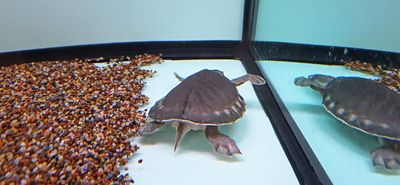
Fly River Turtle/Pig Nose Turtle - (Carettochelys insculpta)
Fly River Turtle/Pig Nose Turtle - (Carettochelys insculpta)
Price of shipping is not included.
was $1 600.00
Save 22%
$1 250.00
Captive Bred
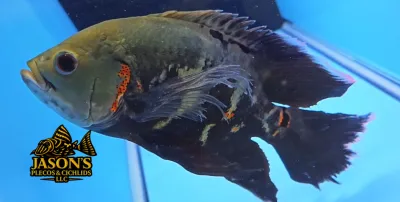
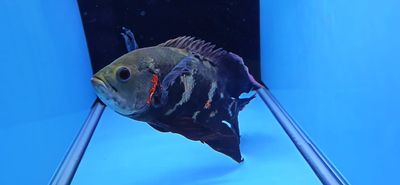
Longfin Tiger Oscar - (Astronotus ocellatus)
Longfin Tiger Oscar - (Astronotus ocellatus)
Price of shipping is not included.
5.0
(1)
was $160.00
Save 6%
$150.00
Captive Bred
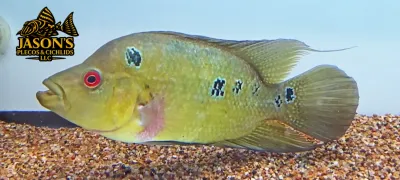
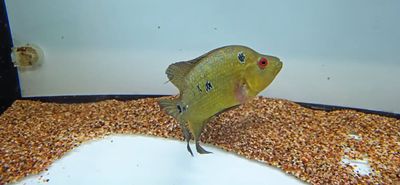
Trimac Cichlid/Three Spot Cichlid - (Amphilophus Trimaculatus)
Trimac Cichlid/Three Spot Cichlid - (Amphilophus Trimaculatus)
Price of shipping is not included.
was $190.00
Save 11%
$170.00
Captive Bred
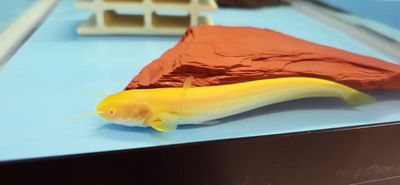
Albino Chinese Wels Catfish - (Silurus meridionalis)
Albino Chinese Wels Catfish - (Silurus meridionalis)
Price of shipping is not included.
was $170.00
Save 6%
$160.00
Powered by Lightspeed
Display prices in:USD