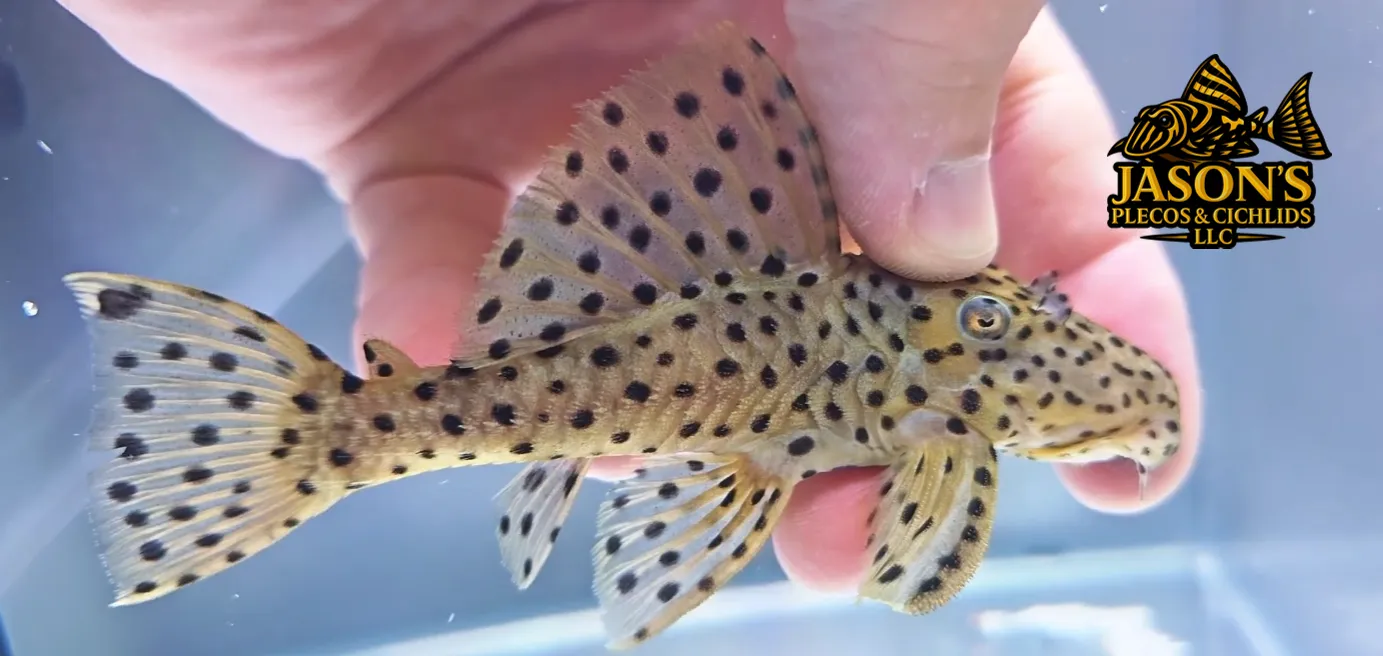
Golden Vampire Pleco - (Leporacanthicus heterodon)
5.0
1 review
Reviews from verified customers who have purchased products at this store.
$95.00
Sold out
was $100.00 Save 5%
Size
Questions, Comments, Concerns? Let us know!
Enter your text
Price of shipping is not included.
Sold out
Save this fish to my favorites.
Customer reviews
Reviews only from verified customers
Reviews are only accepted from verified customers who have signed in and purchased the products. This ensures that each review is based on genuine customer experiences. All reviews are checked before publication to prevent spam.
John N.
Ellendale,
United States
Jul 2, 2025
This customer didn’t leave a review but rated the product.
Golden Vampire Pleco - (Leporacanthicus heterodon)
Fish Details, Description and Information Below:
🧛 Golden Vampire Pleco – (Leporacanthicus heterodon) – Golden-Spotted Rio Xingu Vampire Pleco
The Golden Vampire Pleco (Leporacanthicus heterodon) is a distinctive Brazilian pleco known for its beautiful golden-beige to brown body covered with contrasting dark black or chocolate-colored spots.
Its unusual coloration, elongated pointed head, armored body, and characteristic enlarged upper-jaw teeth make it very different from most commonly kept plecos.
The Golden Vampire Pleco belongs to the genus:
Leporacanthicus
a group popularly known as:
VAMPIRE PLECOS
because of the unusual enlarged teeth visible in the upper jaw.
Unlike algae-focused plecos, Leporacanthicus heterodon is primarily an invertebrate-oriented carnivore / strongly protein-leaning pleco that should receive foods such as shrimp, mussel, crustaceans, insect larvae, and high-quality sinking carnivore foods.
The species is native specifically to the:
RIO XINGU BASIN OF BRAZIL
including records extending into the:
RIO IRIRI
and is adapted to warm, flowing, highly oxygenated water with extensive rocky structure and crevices.
🔎 Quick Facts – Golden Vampire Pleco
- 📛 Common Name: Golden Vampire Pleco
- 📛 Other Names: Golden Heterodon, Golden Vampire, Leopard Vampire Pleco
- 🔬 Scientific Name: Leporacanthicus heterodon
- 🔢 L-Number: NONE
- 🚨 Important L-Number Note: Often incorrectly sold as L172, L172a, or L172b
- ⚠️ L172: A different pleco designation — it is not Leporacanthicus heterodon
- 🧬 Taxonomic Status: Valid formally described species
- 📅 Formally Described: 1989
- 🐟 Family: Loricariidae
- 🧬 Subfamily: Hypostominae
- 🇧🇷 Country: Brazil
- 📍 State / Region: Pará and Xingu drainage region
- 🌊 Native Drainage: Rio Xingu Basin
- 🌊 Additional Records: Rio Iriri
- 💧 Water Type: Freshwater / Clearwater River System
- 📏 FishBase Maximum: Approximately 16 cm / 6.3 inches total length
- 📏 Adult Planning Size: Approximately 6–8 inches
- 🏠 Recommended Aquarium: Approximately 40 gallons or larger for one adult
- 👥 Groups: Approximately 55–75+ gallons depending on footprint and number of adults
- 📐 Recommended Aquarium Length: Approximately 4 feet preferred for groups
- 🌡️ Temperature: Approximately 79–86°F
- 💧 pH: Approximately 5.5–7.5
- 💦 Water: Soft to moderately mineralized
- 💨 Oxygenation: Very High
- 🌊 Water Movement: Moderate to Strong
- 🍽️ Diet: Carnivorous / Strongly Protein-Leaning
- 🦐 Crustaceans & Invertebrates: Important
- 🐌 Snails / Mollusk Foods: Appropriate
- 🌿 Plant Foods: Minor / Supplemental
- 🚫 Algae Cleaner: No
- 🪵 Wood Eater: No
- 😌 Temperament: Generally manageable toward midwater fish
- ⚠️ Pleco Temperament: Males may become territorial
- 🌙 Activity: Primarily nocturnal / crepuscular
- 🥚 Breeding: Confirmed Cave Spawner
- 👨👧 Parental Care: Male guards eggs and developing fry
- ⭐ Care Level: Intermediate
- 🌎 Conservation Status: Near Threatened
- 📏 Current Listing Size: Approximately 2.75–3.75 inches
🚨 Important L-Number Correction
This is one of the most important pieces of information on this product page.
The:
GOLDEN VAMPIRE PLECO DOES NOT HAVE AN OFFICIAL L-NUMBER
You may see Leporacanthicus heterodon advertised as:
- L172
- L172a
- L172b
These designations are commonly repeated throughout the aquarium trade.
However:
THEY ARE NOT THE CORRECT L-NUMBER IDENTIFICATION FOR LEPORACANTHICUS HETERODON.
❌ Golden Vampire Pleco Is Not L172
The aquarium designation:
L172
belongs to a:
DIFFERENT PLECO
It should not be used as the L-number for:
Leporacanthicus heterodon
Therefore, this product should be listed simply as:
Golden Vampire Pleco – (Leporacanthicus heterodon)
and:
NOT “L172 Golden Vampire Pleco.”
⚠️ What About L172a & L172b?
You may also encounter:
- L172a
- L172b
attached to Golden Vampire Plecos.
These labels developed through historical aquarium-trade usage and continue to appear on:
- Retail websites
- Import lists
- Forums
- Older articles
- Fish databases
However:
THE GOLDEN VAMPIRE PLECO DOES NOT HAVE AN OFFICIAL L-NUMBER DESIGNATION.
For Jason's Plecos & Cichlids, we will identify the fish using its scientifically valid species name:
Leporacanthicus heterodon
🧬 Why Doesn't It Need an L-Number?
L-numbers were primarily created to help distinguish loricariid catfish entering the aquarium trade before they had:
- Formal species descriptions
- Confirmed scientific names
- Clear taxonomic identification
The Golden Vampire Pleco already has a valid scientific species name:
Leporacanthicus heterodon
It was formally described in:
1989
Therefore, attaching an incorrect L-number creates more confusion rather than helping identification.
✅ Correct Identification
Use:
Golden Vampire Pleco – (Leporacanthicus heterodon)
Do not use:
L172 Golden Vampire Pleco
Do not use:
L172a Golden Vampire Pleco
Do not use:
L172b Golden Vampire Pleco
as though these were official L-number designations for the species.
🧬 Valid Scientific Species
The accepted scientific name is:
Leporacanthicus heterodon
The species was described by:
Isbrücker & Nijssen
in:
1989
Unlike many collectible plecos still identified primarily through L-numbers:
Leporacanthicus heterodon IS A FORMALLY DESCRIBED SPECIES.
🦷 What Does heterodon Mean?
The species name:
heterodon
comes from words referring to:
DIFFERENT TEETH
This is particularly appropriate because members of Leporacanthicus have extremely unusual dentition compared with many other loricariid catfish.
🧛 Why Is It Called a Vampire Pleco?
Members of the genus Leporacanthicus possess a small number of:
ENLARGED UPPER-JAW TEETH
that can appear:
- Fang-like
- Pointed
- Rabbit-like
- Vampire-like
when viewed from the correct angle.
These unusual teeth helped inspire the aquarium name:
VAMPIRE PLECO
🦷 Specialized Teeth
The mouth of Leporacanthicus heterodon is designed very differently from that of a typical algae-scraping pleco.
Its feeding anatomy is suited to consuming:
- Snails
- Mollusks
- Crustaceans
- Aquatic invertebrates
- Insect larvae
rather than continuously scraping algae from aquarium glass.
🚫 “Vampire” Does Not Mean It Drinks Blood
Despite the dramatic common name:
THIS FISH DOES NOT DRINK BLOOD
and it is not a miniature fish-hunting monster.
“Vampire” refers to its unusual:
FANG-LIKE TEETH
not blood-feeding behavior.
🎨 Appearance
Golden Vampire Plecos can display a beautiful base coloration ranging from:
- Golden beige
- Yellow-brown
- Caramel
- Tan
- Brown
- Gray-brown
covered with:
- Black spots
- Dark chocolate spots
- Dark brown spots
⚫ Dark Spot Pattern
The dark spots can cover:
- Head
- Snout
- Body
- Dorsal fin
- Pectoral fins
- Pelvic fins
- Caudal fin
The result can resemble a:
- Leopard pattern
- Jaguar pattern
- Golden spotted pattern
✨ Golden Coloration
The intensity of the golden background varies considerably.
Some specimens may appear:
BRIGHT GOLDEN-YELLOW
while others may appear:
- Beige
- Caramel
- Olive-brown
- Grayish brown
♂️ Males May Show Stronger Contrast
Mature males may develop:
- Richer golden-brown coloration
- Stronger contrast
- More obvious odontodes
than some mature females.
However:
COLOR ALONE SHOULD NOT BE USED TO GUARANTEE SEX.
⚠️ Color Disclaimer
Exact adult coloration cannot be guaranteed.
Appearance can vary with:
- Genetics
- Age
- Sex
- Collection locality
- Stress
- Shipping
- Lighting
- Aquarium background
- Diet
- Water quality
- Acclimation
A newly transported Golden Vampire may temporarily appear considerably:
- Darker
- Grayer
- Less golden
than an established specimen.
🌎 Native Distribution
The Golden Vampire Pleco is native to:
BRAZIL
and specifically to the:
RIO XINGU BASIN
🌊 Rio Xingu
The Rio Xingu is a major tributary of the:
AMAZON RIVER
and is known for:
- Clearwater conditions
- Rocky channels
- Rapids
- Boulders
- Crevices
- Warm water
- High dissolved oxygen
🌊 Rio Iriri
Specialist records also document Leporacanthicus heterodon extending into the:
RIO IRIRI
which is a major tributary of the Xingu.
Therefore, a good origin description is:
RIO XINGU & RIO IRIRI – BRAZIL
❌ Important Origin Correction
The older page lists the origin as:
ORINOCO AND AMAZON BASINS
That is too broad and includes the wrong river system.
The accurate origin is:
RIO XINGU BASIN – BRAZIL
This is an Amazon tributary system.
The Golden Vampire Pleco is:
NOT AN ORINOCO SPECIES.
🪨 Natural Habitat
Wild Golden Vampire Plecos inhabit:
ROCKY, FLOWING RIVER HABITAT
with:
- Rocks
- Boulders
- Crevices
- Cavities
- Strong water movement
- Warm water
- High dissolved oxygen
🌊 Adapted to Flowing Water
The aquarium should provide:
MODERATE TO STRONG WATER MOVEMENT
especially around:
- Rockwork
- Caves
- Filter returns
This helps reproduce the highly oxygenated river environment found in the Xingu.
💨 Very High Oxygenation
One of the most important husbandry requirements is:
VERY HIGH DISSOLVED OXYGEN
Use:
- Strong surface agitation
- Air stones
- Powerheads
- Circulation pumps
- Strong canister-filter returns
- Sump returns
🌡️ Warm Water Requires Oxygen
Golden Vampire Plecos naturally inhabit warm water.
A practical aquarium range is:
79–86°F / 26–30°C
Water temperatures over:
86°F / 30°C
can occur in portions of their natural habitat.
However:
WARM WATER HOLDS LESS OXYGEN
so strong aeration becomes increasingly important as temperature rises.
💧 Water Parameters
A practical maintenance range is:
- 🌡️ Temperature: Approximately 79–86°F
- 💧 pH: Approximately 5.5–7.5
- 💦 Hardness: Soft to moderately mineralized
- 💨 Oxygenation: Very High
- 🌊 Water Movement: Moderate to Strong
- ☠️ Ammonia: 0 ppm
- ☠️ Nitrite: 0 ppm
- 🔄 Nitrate: Keep low
⚠️ Clean Water Is Essential
This species should not be maintained in:
- Dirty aquariums
- Stagnant water
- Low oxygen
- High nitrate
- Heavy organic buildup
Strong filtration and regular water changes are important.
🔄 Water Changes
Golden Vampire Plecos respond well to:
REGULAR LARGE PARTIAL WATER CHANGES
The exact schedule depends on:
- Aquarium size
- Stocking
- Feeding
- Filtration
- Nitrate production
The goal should always be:
CLEAN + WARM + HIGHLY OXYGENATED WATER
🏠 Aquarium Size
The Golden Vampire Pleco is one of the smaller members of Leporacanthicus.
For one adult:
APPROXIMATELY 40 GALLONS OR LARGER
can provide suitable long-term housing with the correct footprint and filtration.
For several adults:
55–75+ GALLONS
is preferable.
📐 Aquarium Length
For a group, an aquarium around:
4 FEET LONG
provides useful territory and room for:
- Multiple caves
- Rockwork
- Feeding areas
- Territorial separation
📏 Adult Size
FishBase currently documents a maximum of:
16 CM / APPROXIMATELY 6.3 INCHES TOTAL LENGTH
for Leporacanthicus heterodon.
Specialist aquarium references commonly report adults around:
15–20 CM
or approximately:
6–8 INCHES
📏 Responsible Adult Planning
For aquarium planning:
EXPECT APPROXIMATELY 6–8 INCHES
This provides a conservative housing recommendation without exaggerating the species into a giant pleco.
⚠️ One of the Smaller Vampire Plecos
Compared with several other members of Leporacanthicus, the Golden Vampire is relatively compact.
It does not reach the massive adult dimensions of some:
- Cactus Plecos
- Royal Plecos
- Large Sailfin Plecos
However, it still requires excellent:
- Water quality
- Territory
- Filtration
- Oxygenation
🪨 Aquarium Setup
A good Golden Vampire aquarium should contain:
- Rocks
- Slate
- Rock piles
- Narrow crevices
- Ceramic pleco caves
- Driftwood
- Sand or smooth gravel
- Shaded areas
- Strong filtration
- Strong circulation
- Very high oxygenation
🏠 Caves Are Essential
Provide secure caves for:
- Daytime shelter
- Territory
- Stress reduction
- Breeding
For more than one fish:
PROVIDE MORE CAVES THAN PLECOS
↔️ Side-Entrance Caves
Experienced Leporacanthicus breeders have observed that these fish may particularly appreciate:
CAVES WITH SIDE OR OFFSET ENTRANCES
although traditional one-ended pleco caves may also be accepted.
Providing several styles allows each fish to choose its preferred shelter.
🪵 Driftwood
Driftwood may be included for:
- Shelter
- Shade
- Territory
- Biofilm
- Natural structure
However:
THE GOLDEN VAMPIRE IS NOT A WOOD-EATING PLECO
and wood is not required specifically for digestion.
🍽️ Diet – Carnivorous / Invertebrate-Oriented
One of the biggest corrections from the older listing is diet.
The Golden Vampire Pleco is best described as:
CARNIVOROUS / STRONGLY PROTEIN-LEANING
rather than a general algae-eating omnivore.
🐌 Natural Foods
Wild Leporacanthicus heterodon feed heavily on:
- Snails
- Mollusks
- Crustaceans
- Other aquatic invertebrates
🦐 Recommended Aquarium Foods
Excellent foods include:
- Shrimp
- Prawns
- Mysis shrimp
- Krill
- Brine shrimp
- Bloodworms
- Mosquito larvae
- Insect larvae
- Quality carnivore pellets
- Insect-based sinking foods
- High-quality omnivore tablets
🦪 Mussels & Mollusks
Larger specimens can receive appropriately sized portions of:
- Mussel
- Cockle
- Clam
- Other safe shellfish flesh
These foods fit well with the species' natural invertebrate-oriented feeding ecology.
🐌 Snails
Appropriately sourced aquarium snails may also be consumed.
The Golden Vampire's unusual teeth are well adapted to exploiting:
MOLLUSK AND INVERTEBRATE FOODS
⚠️ Avoid Unsafe Wild Foods
Do not collect:
- Snails
- Crustaceans
- Worms
from contaminated outdoor waterways for aquarium feeding.
They may introduce:
- Parasites
- Pesticides
- Pollutants
- Pathogens
🚫 Avoid Feeder Fish
There is no need to feed live feeder fish.
Feeder fish can introduce:
- Parasites
- Bacterial disease
- Poor nutritional balance
The Golden Vampire's natural diet is much more closely associated with:
BENTHIC INVERTEBRATES
than active fish predation.
🌿 Plant Foods
Some individuals may accept:
- Spirulina-containing foods
- Vegetable-containing pellets
- Small amounts of zucchini
- Other appropriate plant material
However:
PLANT FOODS SHOULD NOT FORM THE FOUNDATION OF THE DIET
🚫 Not an Algae Cleaner
The Golden Vampire Pleco is:
NOT AN ALGAE-CONTROL PLECO
Do not purchase this species expecting it to clean:
- Aquarium glass
- Rocks
- Decorations
It requires intentional feeding with appropriate protein-rich foods.
🌙 Activity
The Golden Vampire Pleco is primarily:
CREPUSCULAR / NOCTURNAL
Activity generally increases:
- Around dusk
- During feeding
- After lights dim
- At night
🫣 Naturally Shy
This species can be:
EXTREMELY SHY
especially when newly introduced.
A fish may spend long periods:
- Inside a cave
- Behind rocks
- Under driftwood
This does not necessarily indicate illness.
🏠 More Hiding Places Can Mean a More Visible Fish
Ironically, providing:
MORE HIDING PLACES
often makes shy plecos more willing to emerge.
A fish that knows it can immediately retreat into a nearby cave generally feels more secure.
🍽️ Make Sure It Is Eating
Because Golden Vampires can be shy, they may lose feeding opportunities to faster fish.
Offer food:
- Near caves
- At dusk
- After lights out
- In multiple locations
⚠️ Monitor Body Condition
Watch for:
- Sunken abdomen
- Loss of body mass
- Hollow appearance
- Persistent refusal to feed
A hidden fish can slowly lose weight without being noticed.
😌 Temperament Toward Other Fish
Toward appropriately selected midwater species, Leporacanthicus heterodon is generally manageable.
Possible tankmates include fish that tolerate:
- Warm water
- Strong circulation
- High oxygenation
⚠️ Territorial With Other Plecos
The main compatibility concern is other:
BOTTOM-DWELLING PLECOS
Adult males may defend:
- Caves
- Feeding areas
- Favorite rockwork
- Resting locations
👥 Group Housing
Unlike some extremely aggressive large plecos, Golden Vampires can be maintained successfully in small groups when adequate space is available.
Provide:
- Numerous caves
- Multiple feeding locations
- Visual barriers
- Sufficient bottom territory
⚔️ Male Territoriality
Mature males may:
- Chase one another
- Block caves
- Push competitors
- Display odontodes
Overcrowding should be avoided.
♂️ Male vs. Female
Sex differences become more apparent in mature fish.
Mature Males
Typically become:
- More elongated
- More slender
- More strongly patterned in some individuals
- More heavily covered with odontodes
Males commonly have stronger odontodes along the:
- Gill-cover region
- Snout
- Pectoral fins
- Rear body
Mature Females
Generally develop:
- Fuller body profile
- Broader abdomen
- Less pronounced pectoral odontodes
especially when carrying eggs.
👀 View From Above
Comparing mature fish:
FROM ABOVE
is often one of the easiest methods.
Females tend to appear:
- Broader
- Rounder
while males tend to appear:
- Longer
- More streamlined
⚠️ Juvenile Sexing
Juvenile Golden Vampires can be difficult to sex accurately.
Unless confidently identified:
SELL AS UNSEXED
🥚 Captive Breeding – Confirmed
The Golden Vampire Pleco has been:
SUCCESSFULLY BRED IN CAPTIVITY
It is a:
CAVE-SPAWNING PLECO
🏠 Breeding Caves
Provide multiple caves with:
- Different widths
- Different lengths
- Traditional end entrances
- Side or offset entrances
A mature male will usually select and defend his preferred cave.
💕 Spawning Behavior
Typical breeding behavior includes:
- The male selects a cave.
- A receptive female approaches.
- The female enters the cave.
- Spawning occurs inside.
- Eggs are deposited and fertilized.
- The female eventually leaves.
- The male remains with the clutch.
👨👧 Male Parental Care
After spawning:
THE MALE GUARDS THE EGGS
He:
- Protects the clutch
- Fans the eggs
- Maintains water movement
- Guards the developing larvae
🌡️ Breeding Conditions
Successful captive breeding has been associated with:
- Water around 86°F / 30°C
- Soft water
- Slightly acidic conditions
- Very high dissolved oxygen
- Protein-rich conditioning
- Clean water
- Appropriate caves
🦐 Conditioning Breeders
Good conditioning foods include:
- Shrimp
- Mussel
- Krill
- Artemia
- Insect-based foods
- High-quality protein pellets
🥚 Clutch Size
Clutch size can vary based on:
- Female size
- Age
- Conditioning
- Genetics
Because documented brood sizes vary:
DO NOT GUARANTEE AN EXACT EGG COUNT
👶 Raising Fry
Once the yolk sac is absorbed, fry can receive:
- Baby brine shrimp
- Fine frozen foods
- Fine carnivore pellets
- Crushed quality tablets
- Appropriate protein-oriented fry foods
⚠️ Clean Water for Fry
Protein-rich feeding can quickly increase:
- Organic waste
- Bacterial growth
- Ammonia risk
Feed small portions frequently while maintaining:
EXCELLENT WATER QUALITY
🌎 Conservation Status
Leporacanthicus heterodon is currently assessed as:
NEAR THREATENED
on the IUCN Red List.
The assessment dates to:
2018
🚨 Near Threatened
Near Threatened means the species does not currently meet the full criteria for:
- Vulnerable
- Endangered
- Critically Endangered
but is considered close enough to threatened categories that conservation attention is warranted.
🌊 Xingu Habitat Concerns
The Rio Xingu contains a highly specialized freshwater fish community.
Potential conservation pressures include:
- River modification
- Habitat alteration
- Hydroelectric development
- Changes in water flow
- Changes in water quality
Responsible aquarium ownership is especially important for wild-origin Xingu species.
⚠️ Near Threatened Does Not Automatically Mean Illegal
An IUCN:
NEAR THREATENED
classification is a conservation assessment.
It does not automatically mean the fish is:
- CITES listed
- Federally prohibited in the United States
- Illegal to own
- Illegal to sell domestically
Legal restrictions are separate from IUCN conservation categories.
⭐ Why Keep a Golden Vampire Pleco?
The Golden Vampire Pleco combines:
- 🟡 Golden-beige coloration
- ⚫ Dramatic dark spotting
- 🧛 Distinctive vampire-like teeth
- 🐌 Specialized invertebrate feeding
- 🇧🇷 Rio Xingu origin
- 🌊 High-flow river adaptations
- 📏 Manageable approximately 6–8 inch adult size
- 🌙 Nocturnal personality
- 🥚 Confirmed captive breeding
- 👨👧 Male parental care
- 🧬 Valid formally described species identity
- 🚫 No confusing L-number needed
into one of the most distinctive members of the genus Leporacanthicus.
⚠️ Important Considerations
Before purchasing a Golden Vampire Pleco:
- The correct scientific name is Leporacanthicus heterodon.
- The species was formally described in 1989.
- The Golden Vampire Pleco does not have an official L-number.
- Do not identify this fish as L172.
- L172 is a different pleco designation.
- L172a and L172b are also commonly but incorrectly attached to L. heterodon in the aquarium trade.
- Use the scientific name Leporacanthicus heterodon for accurate identification.
- The species originates from the Rio Xingu Basin of Brazil.
- Specialist records also include the Rio Iriri.
- Remove the old Orinoco origin.
- FishBase documents approximately 16 cm / 6.3 inches total length.
- Specialist records report fish approaching approximately 20 cm / 8 inches.
- Plan for approximately 6–8 inches as an adult.
- Provide approximately 40 gallons or larger for one adult.
- Use larger aquariums for groups.
- Provide multiple caves and rocky shelters.
- Maintain approximately 79–86°F.
- Maintain very high dissolved oxygen.
- Provide moderate to strong water movement.
- Keep ammonia and nitrite at zero.
- Keep nitrate low.
- Feed a strongly protein-oriented diet.
- Shrimp, mussel, crustaceans, insect foods, and quality carnivore pellets are appropriate.
- Plant foods should only be supplemental.
- Do not purchase this fish as an algae cleaner.
- It is not a specialized wood eater.
- Do not claim wood is required for digestion.
- Expect males to defend caves.
- Captive breeding is documented.
- Males guard the eggs and developing fry.
- The species is currently Near Threatened.
- Never release aquarium fish into natural waterways.
🧬 Taxonomy
The accepted scientific name is:
Leporacanthicus heterodon Isbrücker & Nijssen, 1989
Classification:
- Order: Siluriformes
- Family: Loricariidae
- Subfamily: Hypostominae
- Tribe: Ancistrini / Leporacanthicus-group classification depending on reference
- Genus: Leporacanthicus
- Species: heterodon
- Official L-Number: None
Native distribution:
RIO XINGU BASIN – BRAZIL
with specialist records extending into the:
RIO IRIRI
For this product, use:
Golden Vampire Pleco – (Leporacanthicus heterodon)
🚨 L172 Identification Disclaimer
The Golden Vampire Pleco is frequently advertised as:
- L172
- L172a
- L172b
This is incorrect.
L172 IS A DIFFERENT PLECO.
The aquarium designation L172 should therefore:
NOT
be used as the L-number for Leporacanthicus heterodon.
Most importantly:
LEPORACANTHICUS HETERODON DOES NOT HAVE AN OFFICIAL L-NUMBER.
Because the species already has a valid scientific name, use:
Golden Vampire Pleco – (Leporacanthicus heterodon)
rather than attaching an incorrect L-number.
🌎 Conservation Disclaimer
Leporacanthicus heterodon is currently classified as:
NEAR THREATENED
on the IUCN Red List.
Conservation classifications and legal possession restrictions are separate matters.
Customers remain responsible for complying with all applicable:
- Federal laws
- State laws
- Local regulations
- Import requirements
Responsible sourcing and permanent appropriate care are especially important for wild-origin Xingu species.
🚚 Live Fish Shipping
Live fish are professionally packed for safe transport.
Shipping availability depends on:
- Fish size
- Destination
- Weather conditions
- Carrier availability
- Applicable state and local regulations
Golden Vampire Plecos have:
- Strong pectoral spines
- Armored bodies
- Odontodes
so appropriate protective packaging is important during transport.
Please review our Shipping & Payment Information and Live Arrival Guarantee / DOA Policy before ordering.
⚠️ Buyer Responsibility
Customers are responsible for confirming that Leporacanthicus heterodon may legally be purchased, possessed, transported, and received in their state or local jurisdiction before ordering.
Never release aquarium fish into natural waterways.
Below are fish you may also like.
Captive Bred

Albino Plotosus Canius
Albino Plotosus Canius
Price of shipping is not included.
was $2 000.00
Save 59%
$815.00
Wild Caught
L091 Three Beacon Pleco/Redfin Blackspot Pleco - (Leporacanthicus triactis)
L091 Three Beacon Pleco/Redfin Blackspot Pleco - (Leporacanthicus triactis)
Price of shipping is not included.
5.0
(3)
was $100.00
Save 10%
$90.00
Wild Caught
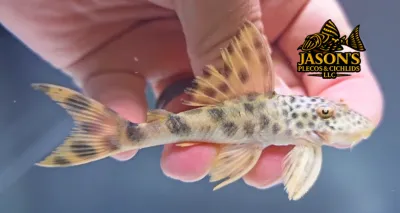
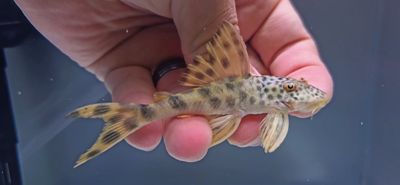
L075 Para Pleco - (Peckoltia sabaji)
L075 Para Pleco - (Peckoltia sabaji)
Price of shipping is not included.
5.0
(3)
was $60.00
Save 17%
$50.00
Captive Bred
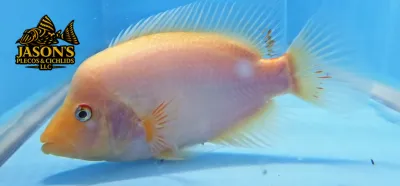
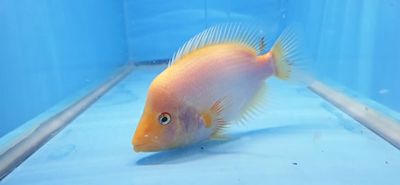
Red Devil Cichlid/Midas Cichlid/Midevil Cichlid - (Amphilophus Citrinellus)
Red Devil Cichlid/Midas Cichlid/Midevil Cichlid - (Amphilophus Citrinellus)
Price of shipping is not included.
5.0
(3)
$100.00
Captive Bred
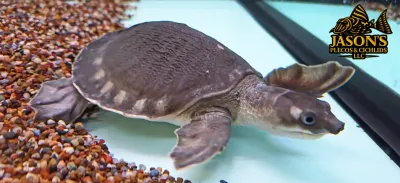
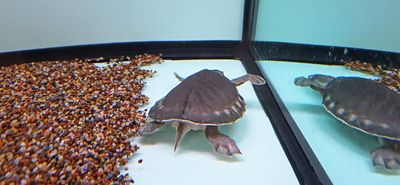
Fly River Turtle/Pig Nose Turtle - (Carettochelys insculpta)
Fly River Turtle/Pig Nose Turtle - (Carettochelys insculpta)
Price of shipping is not included.
was $1 600.00
Save 22%
$1 250.00
Powered by Lightspeed
Display prices in:USD