
False Upside-down Catfish - (Synodontis nigrita “Yellow”)
$140.00
Captive Bred
Size
Questions, Comments, Concerns? Let us know!
Enter your text
Price of shipping is not included.
In stock: 1 available
1
Save this fish to my favorites.
Customer reviews
Reviews only from verified customers
No reviews yet. You can buy this product and be the first to leave a review.
False Upside-down Catfish - (Synodontis nigrita “Yellow”)
Fish Details, Description and Information Below:
🐟 False Upside-Down Catfish – Yellow (Synodontis nigrita “Yellow”)
The Yellow False Upside-Down Catfish (Synodontis nigrita “Yellow”) is a fascinating African catfish known for its attractive yellowish-gold coloration, prominent whiskers, spotted markings, and entertaining behavior. Its unusual appearance and hardy nature make it an excellent choice for aquarists who appreciate distinctive bottom-dwelling fish.
Unlike the smaller True Upside-Down Catfish (Synodontis nigriventris), which frequently swims upside down, Synodontis nigrita generally spends more time swimming normally along the bottom of the aquarium. However, it may occasionally swim inverted while exploring surfaces or searching for food.
The “Yellow” designation refers to an attractive color form found in the aquarium trade, with individuals displaying shades of yellow, gold, tan, or light brown. This coloration may vary with age, genetics, lighting, and environmental conditions.
With its curious personality, impressive whiskers, and active nighttime behavior, the Yellow False Upside-Down Catfish makes an interesting addition to appropriately sized community and African cichlid aquariums.
🧬 Scientific Classification
- 🐟 Common Names: False Upside-Down Catfish, Yellow False Upside-Down Catfish, Common Synodontis
- 🔬 Scientific Name: Synodontis nigrita
- 🎨 Color Variety: Yellow / Golden
- 🧬 Family: Mochokidae
- 🌍 Origin: Africa, primarily West and Central African river systems
- 📏 Adult Size: Commonly 6–8 inches; exceptionally large specimens have been recorded at approximately 13 inches
- ⏳ Lifespan: Approximately 10–15 years with proper care
- ⚠️ Temperament: Generally peaceful with appropriately sized fish, but territorial toward other bottom dwellers
- ⭐ Care Level: Easy to Moderate
- 🍽️ Diet: Omnivore
- 🏠 Recommended Minimum Tank Size: 75 gallons for long-term housing
- 🌡️ Temperature: 72–79°F (22–26°C)
- 💧 pH Range: 6.0–7.8
- 🏊 Swimming Level: Primarily bottom
- 🌙 Activity: Nocturnal to crepuscular
- 🥚 Breeding: Egg-laying
📌 Size Note: Although many aquarium specimens reach approximately 6–8 inches, FishBase records a maximum total length of 33.5 cm (13.2 inches). Aquarium planning should accommodate the possibility of a larger adult.
FishBase+1
🎨 Appearance & Coloration
The Yellow False Upside-Down Catfish is particularly attractive because of its lighter coloration, distinctive body shape, and contrasting markings.
Its body is broad toward the head and gradually narrows toward the tail, giving it the characteristic appearance of many Synodontis species.
💛 Yellow Coloration
Individuals sold as the Yellow variety may display:
- 💛 Pale yellow to golden body coloration
- 🟡 Cream-colored or light tan highlights
- 🤎 Brown or grayish shading
- ⚫ Small dark spots across the body
- 🐟 Spotted or patterned fins
- ✨ Subtle metallic reflections under aquarium lighting
Some individuals develop a stronger golden appearance, while others retain a more muted yellowish-brown coloration.
Coloration can change with maturity, environmental conditions, diet, and stress.
🐟 Distinctive Physical Characteristics
- 🐱 Prominent Barbels: Long, whisker-like sensory structures surrounding the mouth.
- 🛡️ Protective Spines: Strong dorsal and pectoral fin spines help protect the fish.
- ⚫ Spotted Pattern: Small dark markings may cover the body and fins.
- 🪶 Adipose Fin: A fleshy fin located between the dorsal fin and tail.
- 🐟 Forked Tail: A distinctive caudal fin that contributes to its streamlined appearance.
- 👀 Large Eyes: Well suited for navigating dimly lit environments.
Unlike armored catfish such as Plecos, Synodontis catfish do not possess the same type of protective body plating.
Their strong fin spines provide an important defensive adaptation.
🌍 Natural Habitat & Origin
Synodontis nigrita is native to a broad range of African freshwater environments.
Its distribution includes the Senegal, Gambia, Volta, Niger, and Chad river basins, along with other waterways across West and portions of Central and northeastern Africa.
This species commonly inhabits slower-moving waters, backwaters, small pools, and other sheltered freshwater habitats.
🌿 Natural Habitat Characteristics
- 🌊 Rivers and slower-moving tributaries
- 🏞️ Backwaters and freshwater pools
- 🪵 Submerged wood and branches
- 🪨 Rocky structures and natural shelters
- 🏝️ Sandy or muddy substrates
- 🌱 Aquatic vegetation
- 🌙 Shaded areas with reduced light
Its barbels allow it to locate food along the substrate, even in low-light or murky conditions.
In the wild, this species takes advantage of a variety of available food sources, making it an adaptable omnivorous scavenger.
The species' widespread African distribution and preference for backwaters are documented in FishBase and Seriously Fish.
FishBase+1
🏡 Aquarium Setup & Water Parameters
The Yellow False Upside-Down Catfish is a relatively adaptable species that can thrive in a variety of freshwater aquarium environments.
However, adequate bottom space, hiding places, and consistent water quality are essential.
💧 Recommended Water Parameters
- 🌡️ Temperature: 72–79°F
- 🧪 pH: 6.0–7.8
- 💎 General Hardness: Approximately 3–20 dGH
- ⚠️ Ammonia: 0 ppm
- ⚠️ Nitrite: 0 ppm
- 💦 Nitrate: Ideally below 20–30 ppm
- 🌊 Water Movement: Low to moderate
- 🔄 Filtration: Efficient biological and mechanical filtration
🏠 Aquarium Size
A 75-gallon aquarium is a practical recommendation for long-term adult housing, especially when keeping this species with other medium-to-large fish.
Larger aquariums provide additional bottom space and reduce the likelihood of territorial disputes.
Although juveniles can be temporarily maintained in smaller aquariums, their adult size and territorial tendencies should be considered before purchase.
🪨 Recommended Aquarium Decorations
- 🪵 Driftwood and submerged branches
- 🪨 Smooth rocks and caves
- 🏠 Multiple hiding places
- 🏝️ Fine sand or smooth gravel
- 🌿 Hardy live plants
- 🌱 Floating plants for shaded areas
- 🌙 Dimly lit resting locations
These fish appreciate secluded spaces where they can rest during daylight hours.
A soft substrate is particularly beneficial because Synodontis catfish frequently use their barbels to investigate the aquarium bottom.
⚠️ Important: Avoid sharp or abrasive decorations that may damage their barbels or delicate underside.
🌙 Temperament & Behavior
Yellow False Upside-Down Catfish are generally peaceful toward appropriately sized fish occupying the middle and upper portions of the aquarium.
However, they can become territorial with other bottom-dwelling fish, particularly when competing for caves, shelter, or food.
🐟 Common Behaviors
- 🌙 Increased activity during evening and nighttime hours
- 🪵 Resting beneath driftwood or inside caves
- 🐱 Searching the substrate using their barbels
- 🐟 Occasionally swimming upside down
- 🍽️ Actively searching for leftover food
- 🏠 Establishing preferred hiding locations
- ⚠️ Defending shelter against competing bottom dwellers
Juveniles are often relatively social and may tolerate others of their kind.
As they mature, some individuals become less tolerant of other Synodontis, especially in smaller aquariums.
🔄 Do They Really Swim Upside Down?
Despite their common name, False Upside-Down Catfish do not normally spend as much time swimming inverted as the True Upside-Down Catfish.
They may occasionally swim upside down while investigating driftwood, aquarium decorations, or food sources.
However, they spend most of their time swimming in a normal orientation.
This behavioral difference is one of the reasons they are referred to as "False" Upside-Down Catfish.
🐟 Tankmate Compatibility
Yellow False Upside-Down Catfish can be maintained with a variety of peaceful to moderately aggressive species, provided sufficient aquarium space and hiding areas are available.
Their relatively robust bodies and protective spines make them more suitable for certain cichlid aquariums than many smaller, delicate catfish.
✅ Potential Tankmates
- 🐠 Medium-sized African cichlids with compatible water requirements
- 🐟 Severum Cichlids
- 🐠 Rainbowfish
- 🐟 Larger African tetras
- 🐠 Appropriately sized peaceful cichlids
- 🐟 Larger barbs
- 🐡 Other robust bottom dwellers, when adequate space is available
❌ Tankmates to Avoid
- Very small fish that may be eaten
- Extremely aggressive cichlids
- Fish that require substantially different water conditions
- Delicate, slow-moving bottom dwellers
- Other territorial catfish in overcrowded aquariums
- Species that may harass or injure resting catfish
⚠️ Keeping Multiple Synodontis
While juveniles may coexist peacefully, adult Synodontis nigrita can become territorial.
If keeping multiple individuals, provide a larger aquarium with several well-separated hiding areas.
Monitor interactions for chasing, exclusion from shelter, and feeding competition.
🍽️ Diet & Feeding
Yellow False Upside-Down Catfish are omnivores that consume a wide variety of food items.
In natural environments, Synodontis catfish commonly feed on aquatic invertebrates, insect larvae, organic material, and plant matter.
In captivity, a balanced diet of sinking prepared foods and occasional frozen or fresh supplements is recommended.
🦐 Recommended Foods
- 🟤 High-quality sinking catfish pellets
- 🌿 Spirulina-based sinking wafers
- 🦐 Frozen mysis shrimp
- 🪱 Bloodworms
- 🪱 Earthworms from safe sources
- 🦞 Small pieces of krill
- 🥒 Blanched zucchini
- 🥬 Other suitable vegetables
- 🐟 Quality omnivore bottom-feeder foods
High-quality sinking pellets should form the foundation of their diet.
Supplemental foods provide dietary variety and help support proper growth and overall health.
⏰ Feeding Frequency
Juveniles generally benefit from smaller daily feedings.
Adults typically do well with one controlled feeding per day, adjusted to appetite and body condition.
Because these fish are often more active after dark, feeding shortly before the aquarium lights turn off can help ensure they receive enough food.
💡 Feeding Tip: Do not assume your catfish is receiving adequate nutrition simply because it scavenges leftover food. Provide a dedicated sinking food to ensure a balanced diet.
📏 Growth Rate & Adult Size
Synodontis nigrita is substantially larger than the True Upside-Down Catfish.
Many aquarium specimens reach approximately 6–8 inches, although larger individuals have been documented in the wild.
📈 Factors Influencing Growth
- 🧬 Genetics
- 🍽️ Diet quality
- 🏠 Aquarium size
- 💧 Water quality
- 🌡️ Temperature
- 🐟 Competition for food
- ❤️ Overall health
Juveniles generally grow faster than mature adults.
As they age, their bodies may become broader and heavier, particularly around the head and abdomen.
Females may develop a fuller body shape than males, although reliably determining sex can be difficult without examining mature specimens.
⚠️ Important: The False Upside-Down Catfish should not be confused with the much smaller Synodontis nigriventris, which generally reaches only around 3–4 inches.
🥚 Breeding & Reproduction
Breeding Synodontis nigrita in home aquariums is uncommon, and detailed, reliably documented captive-breeding information is limited.
Unlike certain Lake Tanganyika Synodontis species that reproduce through brood parasitism, Synodontis nigrita is not known for that reproductive strategy.
❤️ Reproductive Characteristics
- 🥚 Egg-laying species
- 🐟 External fertilization
- 🌊 Reproduction associated with natural environmental conditions
- 🏞️ Wild spawning potentially influenced by seasonal water changes
- ⚠️ Limited documented home-aquarium breeding success
Like other non-brood-parasitic Synodontis, this species is not expected to exhibit prolonged parental care.
However, specific spawning details should not be assumed without reliable species-specific observations.
🐣 Raising Fry
If successful spawning occurs, eggs and developing fry may need protection from adults and other aquarium inhabitants.
Appropriately sized fry foods and exceptionally clean water would be essential.
Because successful captive breeding is rarely documented, reproduction should be considered an advanced undertaking.
🩺 Health & Disease Prevention
Yellow False Upside-Down Catfish are generally hardy when maintained in stable, clean aquarium conditions.
However, poor water quality, inappropriate substrates, aggressive tankmates, and inadequate nutrition can contribute to health problems.
⚠️ Potential Health Concerns
- External parasites
- Bacterial infections
- Fungal infections secondary to injuries
- Damaged or eroded barbels
- Fin injuries
- Digestive problems
- Stress-related illness
- Injuries from aggressive tankmates
✅ Signs of a Healthy Catfish
- 👀 Clear, alert eyes
- 🐱 Intact, undamaged barbels
- 🐟 Normal swimming and balance
- 🍽️ Strong appetite
- 🪶 Healthy fins
- 💨 Normal breathing
- 🎨 Normal coloration
- ❤️ No visible sores or abnormal growths
🛡️ Disease Prevention
- Maintain consistent water quality
- Use smooth, nonabrasive substrate
- Provide suitable hiding spaces
- Avoid overcrowding
- Offer a varied diet
- Quarantine new arrivals
- Monitor interactions with other bottom dwellers
- Use caution with medications
⚠️ Medication Sensitivity
Like many catfish, Synodontis species may be sensitive to certain aquarium medications.
Copper-based treatments and other medications should never be administered without confirming their suitability for the species.
Follow product instructions and consult a knowledgeable aquatic veterinarian when necessary.
🛡️ Protective Spines & Handling
One important characteristic of Synodontis nigrita is its strong dorsal and pectoral fin spines.
These spines help protect the fish from predators but can make handling and transportation challenging.
⚠️ Important Handling Precautions
- 🪶 Fin spines may become tangled in aquarium nets.
- 🐟 The fish may lock its spines into a defensive position.
- 🖐️ Sharp spines can puncture skin.
- 🪣 A rigid, fish-safe container is often preferable to a net.
- ❤️ Handle carefully to minimize injuries and stress.
Never attempt to forcibly pull a catfish free from a net tangled around its spines.
Careful handling is essential for both the fish and the aquarist.
🔄 False Upside-Down Catfish vs. True Upside-Down Catfish
Although these two species share similar common names, they differ considerably in size and behavior.
|
Characteristic |
False Upside-Down Catfish |
True Upside-Down Catfish |
|---|---|---|
|
Scientific Name |
Synodontis nigrita |
Synodontis nigriventris |
|
Adult Size |
Commonly 6–8 inches; potentially larger |
Approximately 3–4 inches |
|
Swimming Behavior |
Usually upright |
Frequently upside down |
|
Temperament |
May become territorial |
Generally peaceful and social |
|
Activity |
Mostly nocturnal |
Often active in shaded environments |
|
Aquarium Size |
75 gallons recommended |
Smaller aquariums suitable for groups |
|
Social Behavior |
Variable; adults may be territorial |
Usually benefits from groups |
|
Origin |
Broad African distribution |
Congo Basin |
💡 Important: These two catfish are not interchangeable. Synodontis nigrita becomes significantly larger and may require substantially more aquarium space than Synodontis nigriventris.
Seriously Fish+1
🌙 Nocturnal Activity & Feeding Behavior
One of the most enjoyable aspects of keeping the Yellow False Upside-Down Catfish is observing its behavior after the aquarium lights dim.
During daylight hours, it may spend considerable time hiding beneath driftwood, inside caves, or behind decorations.
As evening approaches, it often becomes more active and begins searching for food.
🌙 Typical Nighttime Behaviors
- 🐱 Searching the substrate with its barbels
- 🪵 Exploring underneath driftwood
- 🍽️ Locating sinking pellets and frozen foods
- 🐟 Swimming between hiding locations
- 🔄 Occasionally swimming inverted beneath structures
- 👀 Investigating newly introduced decorations
A dim moonlight-style aquarium setting may allow owners to observe natural behaviors without exposing the fish to bright lighting.
💡 Interesting Facts About the Yellow False Upside-Down Catfish
- 💛 Attractive Yellow Coloration: Individuals sold as the Yellow variety can display beautiful gold, cream, and yellowish-brown tones.
- 🔄 Not Truly Upside Down Most of the Time: Unlike Synodontis nigriventris, this species usually swims upright.
- 🐱 Sensitive Barbels: Its whiskers help locate food in low-light environments.
- 🛡️ Protective Spines: Strong dorsal and pectoral fin spines provide defense against predators.
- 🌙 Nighttime Explorer: Most individuals become more active during evening hours.
- 🌍 Widespread African Species: It occurs across numerous African river systems.
- 🐟 Larger Than Expected: This species can grow substantially larger than many hobbyists realize.
- 🍽️ Omnivorous Scavenger: It consumes both animal and plant-based foods.
- 🪵 Loves Hiding Places: Driftwood and caves help provide security.
- ⏳ Long-Lived Catfish: With proper husbandry, individuals may live for many years.
- 🎵 Squeaker Family: Members of the family Mochokidae are commonly called squeaker catfish because some can produce audible sounds by moving their pectoral spines.
- 🧬 Naturally Occurring Species: Synodontis nigrita is a recognized African catfish species rather than a manufactured hybrid.
🌿 Conservation & Responsible Aquarium Keeping
Synodontis nigrita has a broad natural distribution across numerous African freshwater ecosystems.
According to FishBase, the species is classified as Least Concern (LC) by the IUCN, based on an assessment conducted in June 2019.
FishBase+1
Although it is not currently considered globally threatened, responsible fishkeeping remains important.
Aquarists should ensure that purchased fish are housed appropriately and never release aquarium animals into local waterways.
Purchasing healthy specimens from reputable suppliers and providing appropriate long-term care helps encourage responsible participation in the aquarium hobby.
❤️ Final Thoughts
The Yellow False Upside-Down Catfish (Synodontis nigrita “Yellow”) is a fascinating African catfish that combines beautiful coloration, unusual behavior, and a distinctive appearance.
Its golden-yellow tones, prominent whiskers, attractive spotting, and active nighttime habits make it an excellent choice for hobbyists seeking an interesting bottom-dwelling fish.
Although generally hardy and adaptable, this species requires adequate aquarium space, appropriate hiding places, and a balanced diet.
Its potential adult size and territorial behavior should be considered when selecting tankmates, particularly in aquariums containing other bottom-dwelling species.
For aquarists who appreciate unusual African catfish, the Yellow False Upside-Down Catfish can become a rewarding and long-lived addition to a properly maintained freshwater aquarium.
📌 Important Note: Synodontis nigrita is a scientifically recognized species, but “Yellow” is a commercial color designation rather than a formally recognized subspecies. The precise origin or genetic basis of the yellow coloration is not well established. Appearance may vary between individual fish and suppliers. This species should not be confused with the smaller True Upside-Down Catfish (Synodontis nigriventris), as Synodontis nigrita can become considerably larger and more territorial.
Below are fish you may also like.
Wild Caught
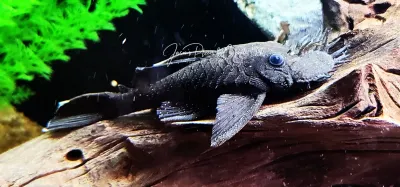
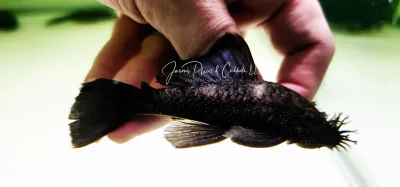
L183 Starlight Bristlenose Pleco - (Ancistrus dolichopterus)
L183 Starlight Bristlenose Pleco - (Ancistrus dolichopterus)
Price of shipping is not included.
was $80.00
Save 6%
$75.00
Out of stock
Captive Bred
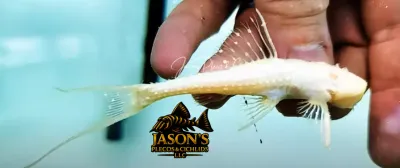
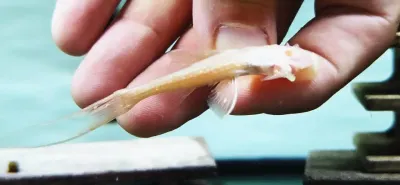
Albino Polka Dot Lyre Tail Pleco - (Acanthicus adonis)
Albino Polka Dot Lyre Tail Pleco - (Acanthicus adonis)
Price of shipping is not included.
was $100.00
Save 15%
$85.00
Out of stock
Wild Caught
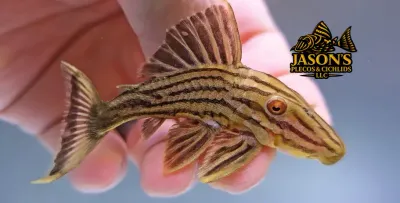
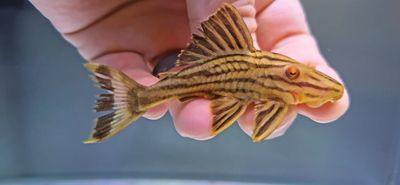
L027 Xingu Royal Pleco - (Panaque cf. armbrusteri xingu)
L027 Xingu Royal Pleco - (Panaque cf. armbrusteri xingu)
Price of shipping is not included.
$150.00
Out of stock
Wild Caught
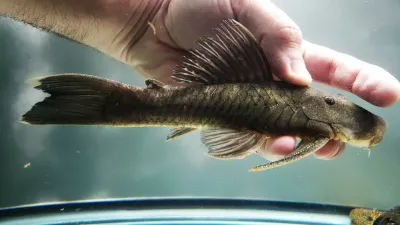
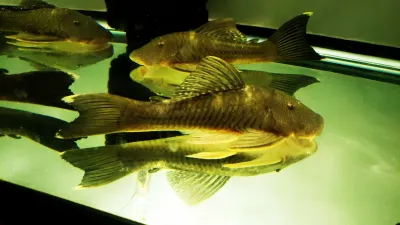
Chaetostoma brevilabiatum
Chaetostoma brevilabiatum
Price of shipping is not included.
$60.00
Out of stock
Wild Caught
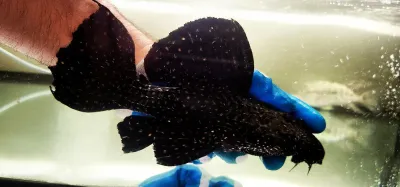
L097 Polka Dot Cactus Pleco - (Pseudacanthicus sp.)
L097 Polka Dot Cactus Pleco - (Pseudacanthicus sp.)
Price of shipping is not included.
$225.00
Out of stock
Wild Caught
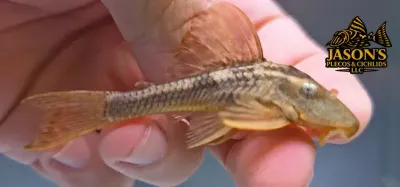
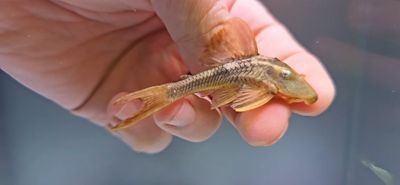
L137 Blue Eyed Red Fin Pleco - (Hypostomus soniae)
L137 Blue Eyed Red Fin Pleco - (Hypostomus soniae)
Price of shipping is not included.
was $50.00
Save 10%
$45.00
Out of stock
Captive Bred
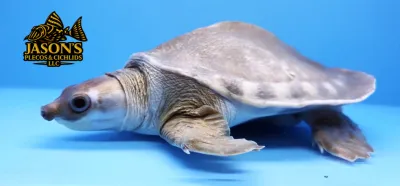
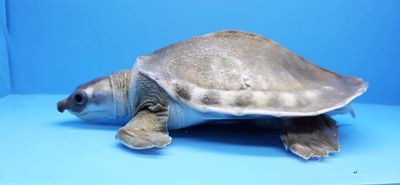
Fly River Turtle/Pig Nose Turtle - (Carettochelys insculpta)
Fly River Turtle/Pig Nose Turtle - (Carettochelys insculpta)
Price of shipping is not included.
was $1 600.00
Save 22%
$1 250.00
Wild Caught
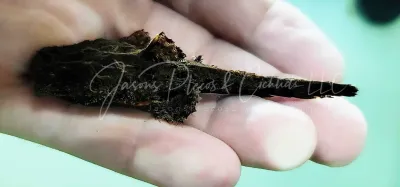
Frogmouth Catfish - (Chaca chaca)
Frogmouth Catfish - (Chaca chaca)
Price of shipping is not included.
was $50.00
Save 40%
$30.00
Out of stock
Wild Caught
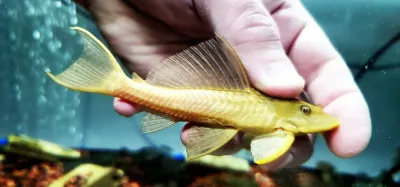
L021 Common Pleco - (Pterygoplichthys pardalis) Amelanistic
L021 Common Pleco - (Pterygoplichthys pardalis) Amelanistic
Price of shipping is not included.
$50.00
Out of stock
Wild Caught
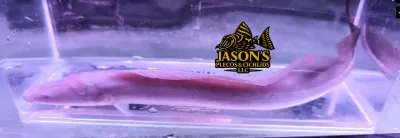
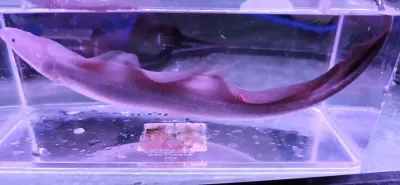
Aba Aba Knifefish - (Gymnarchus niloticus)
Aba Aba Knifefish - (Gymnarchus niloticus)
Price of shipping is not included.
was $250.00
Save 20%
$200.00
Out of stock
Captive Bred
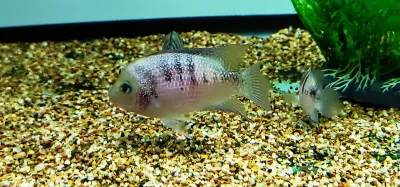
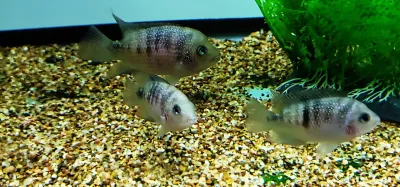
Rosy Cichlid - (Cryptoheros panamensis)
Rosy Cichlid - (Cryptoheros panamensis)
Price of shipping is not included.
$100.00
Out of stock
Wild Caught
Gold Bar Puffer - (Chonerhinos naritus)
Gold Bar Puffer - (Chonerhinos naritus)
Price of shipping is not included.
$250.00
Out of stock
Powered by Lightspeed
Display prices in:USD