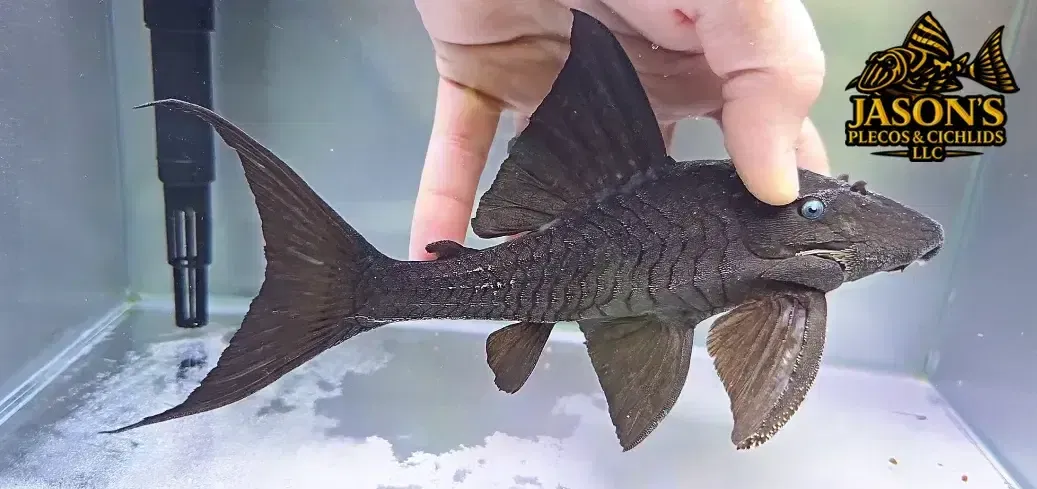
Blue Eyed Royal Pleco - (Panaque cochliodon)
5.0
3 reviews
Reviews from verified customers who have purchased products at this store.
$465.00
Wild Caught
was $500.00 Save 7%
Size
Required Reusable Shipping Bag
Questions, Comments, Concerns? Let us know!
Enter your text
Price of shipping is not included.
In stock: 1 available
1
Save this fish to my favorites.
Customer reviews
Reviews only from verified customers
Reviews are only accepted from verified customers who have signed in and purchased the products. This ensures that each review is based on genuine customer experiences. All reviews are checked before publication to prevent spam.
Todd L.
Yulee,
United States
Apr 10, 2025
Absolute specimen of a fish. I am thrilled to finally have one of these rare fish to go in my new aquarium. ( don’t worry, it has plenty of biological activity, filtration, and I do water changes) The packaging for shipment was incredible. Arrived safely and on time. Thanks again Jason!
Blue Eyed Royal Pleco - (Panaque cochliodon)
Fish Details, Description and Information Below:
🐟 Blue Eyed Royal Pleco – (Panaque cochliodon) – Rare Colombian Blue-Eyed Panaque
The Blue Eyed Royal Pleco (Panaque cochliodon), also known as the Blue-Eyed Pleco or Blue-Eyed Panaque, is one of the most distinctive and legendary plecos in the aquarium hobby.
Its appearance is unmistakable: a massive, dark charcoal-gray to nearly black armored body contrasted by extraordinary bright blue to turquoise eyes.
Native to the Cauca and Magdalena River basins of Colombia, this rare South American pleco became famous among aquarists decades ago before virtually disappearing from the aquarium trade for many years. Limited exports have since returned, making Panaque cochliodon available again—but it remains a highly sought-after collector species.
Like other members of the genus Panaque, the Blue Eyed Royal Pleco has specialized spoon-shaped teeth used to rasp submerged wood and other surfaces. Adults become very large, produce substantial amounts of waste, and require a spacious aquarium with abundant driftwood, powerful filtration, good oxygenation, and excellent water quality.
For experienced pleco keepers with the proper aquarium, the Blue Eyed Royal Pleco is an incredible centerpiece catfish unlike almost anything else in the hobby.
🔎 Quick Facts – Blue Eyed Royal Pleco
- 📛 Common Names: Blue Eyed Royal Pleco, Blue-Eyed Pleco, Blue-Eyed Panaque
- 🔬 Scientific Name: Panaque cochliodon
- 🐟 Family: Loricariidae
- 🧬 Genus: Panaque
- 🌎 Origin: South America
- 🇨🇴 Country: Colombia
- 🌊 Native Range: Cauca and Magdalena River basins
- 💧 Water Type: Freshwater
- 📏 Adult Size: Large specimens may reach approximately 18 inches or more
- 🏠 Recommended Adult Aquarium: 180 gallons or larger
- 🌡️ Temperature: Approximately 75–82°F
- 💧 pH: Approximately 6.4–7.5
- 💦 Water: Soft to moderately mineralized freshwater
- 💨 Oxygenation: High
- 🌊 Water Movement: Moderate to strong areas of current
- 🪵 Driftwood: Essential as natural structure and grazing substrate
- 🍽️ Diet: Detritivore / herbivorous-leaning omnivore / specialized wood grazer
- 😌 Temperament: Generally peaceful with other fish; territorial with large plecos
- 🌙 Activity: Primarily nocturnal
- 🐠 Swimming Area: Bottom
- ⭐ Care Level: Intermediate to Advanced
- 🏆 Availability: Rare collector pleco
👁️ Those Incredible Blue Eyes
The defining feature of Panaque cochliodon is obviously its eyes.
Healthy specimens can display an intense:
- Bright blue
- Turquoise
- Pale electric blue
- Blue-white coloration
The contrast between the eyes and the fish's almost completely dark body is what makes this species so spectacular.
Unlike many Royal Plecos, which are prized for stripes or dramatic body patterns, P. cochliodon is primarily recognized by its:
Dark body + brilliant blue eyes
That simple combination gives this fish one of the most distinctive appearances of any large pleco.
🎨 Appearance
Adult Blue Eyed Royal Plecos generally display:
- Charcoal gray
- Dark gray
- Brownish gray
- Nearly black coloration
The body is heavily armored with prominent bony plates.
Mature specimens develop:
- Broad heads
- Heavy bodies
- Large pectoral fins
- Powerful sucker mouths
- Prominent cheek odontodes
- Tall dorsal fins
Important Correction
This species should not normally be described as having a dark body covered with light spots.
The classic Panaque cochliodon appearance is substantially more uniform, with the blue eyes providing the dramatic contrast.
🌎 Native Range
Panaque cochliodon is native to:
Colombia
Specifically the:
- Río Magdalena Basin
- Río Cauca Basin
This is important because the species is sometimes incorrectly described online as an Amazon Basin pleco.
It is not an Amazon Basin species.
The Magdalena-Cauca system is a separate major drainage in northwestern South America.
🆚 Panaque cochliodon vs. Panaque suttonorum
There has been considerable confusion surrounding the identity of Blue-Eyed Panaque in the aquarium hobby.
Two valid species exist:
Panaque cochliodon
- Native to Colombia
- Cauca and Magdalena basins
- The species generally associated with Colombian Blue-Eyed Plecos entering the aquarium trade
Panaque suttonorum
- Native to Venezuela
- Lake Maracaibo Basin
- A separate valid species
The two are closely related and both possess blue or bluish eyes, but they are not the same species. A modern revision of Panaque recognizes them as distinct sister species.
For Your Listing
If your fish are imported from Colombia as Blue Eyed Panaque, I would use:
Panaque cochliodon
and avoid advertising them as Panaque suttonorum unless there is documented evidence supporting that identification.
📏 Adult Size
Blue Eyed Royal Plecos become large, heavy-bodied fish.
FishBase lists:
30 cm / approximately 12 inches total length
from its primary published reference.
However, the same database also records a captive specimen from Colombia at:
45 cm standard length
which is approximately 17.7 inches before the tail fin is included.
Because of this discrepancy, I would not tell customers that 12 inches is an absolute maximum.
For long-term aquarium planning:
Expect a potentially 18"+ adult fish.
Very large individuals should be given substantially more space than ordinary 12-inch plecos.
🏠 Aquarium Size
For a mature Blue Eyed Royal Pleco, I recommend:
180 gallons or larger
especially for specimens approaching the upper end of their potential size.
A single younger specimen can temporarily be maintained in a smaller appropriately sized aquarium, but long-term housing should be planned around the adult.
Aquarium Footprint Matters
These fish spend nearly all of their time near the bottom.
Prioritize:
- Length
- Width
- Bottom surface area
over excessive aquarium height.
For multiple large Panaque:
Significantly larger aquariums are required.
🪵 Driftwood Is Essential
A Blue Eyed Royal Pleco aquarium should contain large quantities of natural aquarium-safe driftwood.
These fish possess specialized spoon-shaped teeth that allow them to gouge and rasp wood surfaces.
Driftwood provides:
- Natural grazing surfaces
- Biofilm
- Detritus
- Shelter
- Territory boundaries
- Shaded resting areas
- Natural behavioral enrichment
You may even hear a large Panaque scraping wood while feeding.
🪵 Do They Actually “Eat Wood”?
Yes—but this needs to be explained accurately.
Wild Panaque ingest enormous amounts of wood material, and their specialized teeth are clearly adapted for rasping it.
However, scientific feeding studies have found that Panaque do not efficiently digest wood cellulose itself.
Instead, their nutrition appears to come from a combination of:
- Detritus
- Biofilm
- Microorganisms
- Organic material associated with wood
- Plant material
- Other foods encountered while grazing
Therefore:
Driftwood is an important part of their environment and natural feeding behavior.
But:
Driftwood is not a nutritionally complete diet by itself.
Do not expect a Blue Eyed Royal Pleco to survive simply by chewing wood.
🍽️ Diet & Feeding
The Blue Eyed Royal Pleco should receive a varied diet with a strong plant and detritus-based component.
Recommended foods include:
- High-quality pleco wafers
- Spirulina wafers
- Vegetable-based sinking pellets
- Quality gel foods
- Zucchini
- Squash
- Sweet potato
- Green beans
- Pumpkin
- Other appropriate vegetables
- Algae-based foods
- Occasional protein-rich foods
Driftwood should always remain available for grazing.
🥩 Protein Foods
Protein can be offered occasionally, but this should not be treated like a carnivorous Hypancistrus or Pseudacanthicus.
Appropriate occasional foods may include:
- Mysis
- Shrimp
- Krill
- Quality omnivore pellets
Avoid making high-protein animal foods the majority of the diet.
A varied plant-rich diet better reflects the natural feeding strategy of Panaque.
💩 Expect Lots of Sawdust & Waste
Anyone purchasing a large Panaque should know this:
They produce a lot of waste.
Wood rasping creates large quantities of:
- Wood particles
- Sawdust-like debris
- Fecal material
- Organic waste
A large Blue Eyed Pleco can make an aquarium look dirty surprisingly quickly.
This is normal—but the waste still needs to be removed.
💧 Powerful Filtration
Strong filtration is essential.
Recommended filtration may include:
- Large canister filters
- Sump filtration
- Strong mechanical filtration
- Large biological filtration capacity
- Prefilters
- Good surface agitation
Mechanical filtration is especially valuable for removing suspended wood particles.
Maintain:
- ☠️ Ammonia: 0 ppm
- ☠️ Nitrite: 0 ppm
- 🔄 Nitrate: Keep as low as reasonably possible
- 💨 Oxygen: High
Regular water changes are essential.
💨 Oxygen & Water Movement
Blue Eyed Royal Plecos benefit from:
- Well-oxygenated water
- Moderate current
- Areas of stronger flow
- Strong surface agitation
They should also have quieter areas where they can rest.
A good aquarium can provide both:
Flowing areas + protected resting areas
Large pieces of driftwood and rock can naturally break up current.
💧 Water Parameters
Recommended aquarium conditions:
- 🌡️ Temperature: 75–82°F
- 💧 pH: Approximately 6.4–7.5
- 💦 Water: Soft to moderately mineralized
- 💨 Oxygenation: High
- 🌊 Flow: Moderate to strong
- ☠️ Ammonia: 0
- ☠️ Nitrite: 0
Some established aquarium references report the species tolerating a broader temperature range, but 75–82°F is a practical long-term aquarium range.
Stable water quality matters considerably more than constantly attempting to hit one exact pH.
🏠 Aquarium Setup
A proper Blue Eyed Royal Pleco aquarium should contain:
- Multiple large pieces of driftwood
- Large caves
- Shaded areas
- Rock structures
- Sand or smooth gravel
- Open bottom space
- Powerful filtration
- Good current
- Strong oxygenation
Secure the Décor
A 15–18"+ Panaque is an extremely powerful fish.
Large specimens can:
- Move driftwood
- Shift rocks
- Knock over decorations
- Uproot plants
Make sure large rocks and other structures cannot collapse.
🌿 Plants
Planted aquariums can be challenging with large Panaque.
They may:
- Graze leaves
- Damage soft plants
- Uproot plants while moving
- Scrape plant surfaces
Hardier plants attached to wood or rock may work better than delicate rooted species.
Do not design the aquarium around expensive delicate plants unless you are prepared for potential damage.
😌 Temperament
The Blue Eyed Royal Pleco is generally peaceful toward fish occupying other areas of the aquarium.
It is not a predator.
However, large Panaque can become quite territorial toward:
- Other Panaque
- Other large plecos
- Fish competing for preferred wood
- Fish competing for caves
Conflict becomes more likely when there are too few:
- Hiding areas
- Pieces of wood
- Feeding locations
- Territories
🐠 Tankmates
Possible tankmates include appropriately sized:
- Cichlids
- Characins
- Silver dollars
- Larger tetras
- Rainbowfish
- Catfish
- Other peaceful medium-to-large community fish
If keeping other plecos, provide:
- A very large aquarium
- Separate caves
- Multiple pieces of driftwood
- Multiple feeding zones
- Visual barriers
Avoid overcrowding the bottom.
🌙 Nocturnal Behavior
Blue Eyed Royal Plecos are generally most active during:
- Evening
- Night
- Low-light periods
Newly imported fish may remain hidden for long periods.
As they become established, many individuals become more confident and may emerge during daylight—especially at feeding time.
Providing plenty of secure hiding places often makes a shy pleco more visible, not less.
♂️ Male vs. Female
Sexing immature fish is difficult.
Mature males may develop:
- More prominent cheek odontodes
- Stronger pectoral odontodes
- Heavier odontode development
- More territorial behavior
Females may become:
- Broader through the abdomen
- Fuller-bodied when reproductively mature
However, sexing large Panaque is not always straightforward.
Unless sex is confidently established, I recommend selling them as:
Unsexed
🥚 Breeding
Reliable, thoroughly documented home-aquarium breeding information for Panaque cochliodon remains extremely limited.
There have been occasional reports and claims of aquarium spawning, but detailed repeatable breeding information is lacking.
Because of:
- Large adult size
- Territorial behavior
- Space requirements
- Limited availability
this should be considered an:
Advanced breeding project
rather than a species customers should expect to reproduce easily.
I would avoid stating as fact that it breeds exactly like smaller cave-spawning plecos until better species-specific documentation is available.
🏆 Why Is the Blue Eyed Pleco So Famous?
The Blue Eyed Royal Pleco developed almost legendary status in the aquarium hobby.
It was available decades ago but later became exceptionally difficult to obtain.
Limited accessibility to its Colombian collection regions contributed to the species largely disappearing from the international aquarium trade for years.
Today, exports occasionally make this extraordinary fish available again.
That combination of:
- 👁️ Brilliant blue eyes
- 🖤 Dark coloration
- 🪵 Specialized wood-grazing behavior
- 🇨🇴 Colombian origin
- 📏 Impressive adult size
- 🏆 Historical rarity
- 🛡️ Heavy armored appearance
makes Panaque cochliodon one of the most recognizable collector plecos in the hobby.
⚠️ Important Considerations
Before purchasing a Blue Eyed Royal Pleco:
- Plan for a potentially 18"+ adult fish.
- Provide a large long-term aquarium.
- Use 180 gallons or larger when possible for large adults.
- Provide abundant natural driftwood.
- Do not expect wood alone to provide complete nutrition.
- Feed a varied plant-rich diet.
- Expect considerable waste production.
- Use powerful mechanical and biological filtration.
- Maintain excellent oxygenation.
- Perform regular water changes.
- Provide numerous hiding areas.
- Expect territorial behavior toward other large plecos.
- Secure heavy aquarium décor.
- Do not confuse Colombian P. cochliodon with Venezuelan P. suttonorum.
- Never release aquarium fish into local waterways.
🧬 Identification Disclaimer
The Blue-Eyed Panaque has a long history of confused trade names.
This listing identifies the Colombian Blue Eyed Royal Pleco as:
Panaque cochliodon
Panaque suttonorum is a separate valid species from Venezuela's Lake Maracaibo drainage.
Location and documented importer information are important when identifying rare Blue-Eyed Panaque.
🚚 Live Fish Shipping
Large Blue Eyed Royal Plecos require careful professional packing.
Shipping availability depends on:
- Fish size
- Destination
- Weather conditions
- Carrier availability
- Applicable state and local regulations
Large specimens may require:
- Oversized insulated boxes
- Additional water
- Heavy-duty or reusable shipping bags
- Specialized packing
- Airline cargo shipping
Please review our Shipping & Payment Information and Live Arrival Guarantee / DOA Policy before ordering.
⚠️ Buyer Responsibility
Customers are responsible for confirming that this species may legally be purchased, possessed, transported, and received in their state or local jurisdiction before ordering.
Never release aquarium fish into local waterways.
Below are fish you may also like.
Wild Caught
L260 Queen Arabesque Pleco - (Hypancistrus sp.)
L260 Queen Arabesque Pleco - (Hypancistrus sp.)
Price of shipping is not included.
was $80.00
Save 6%
$75.00
Wild Caught


L203 Titanic Pleco - (Panaque schaeferi)
L203 Titanic Pleco - (Panaque schaeferi)
Price of shipping is not included.
was $250.00
Save 20%
$200.00
Wild Caught
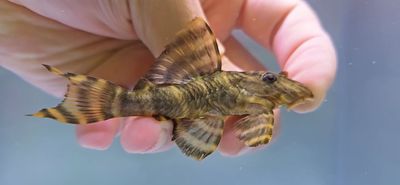
L398 Tanke Tiger Pleco - (Panaqolus tankei)
L398 Tanke Tiger Pleco - (Panaqolus tankei)
Price of shipping is not included.
was $60.00
Save 8%
$55.00
Wild Caught
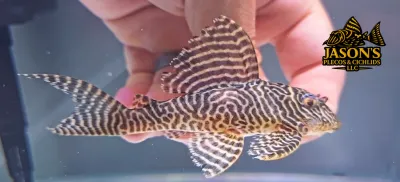
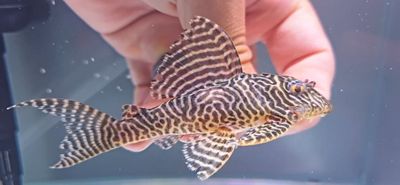
L333 King Tiger Pleco/Maze Zebra Pleco - (Hypancistrus Seideli)
L333 King Tiger Pleco/Maze Zebra Pleco - (Hypancistrus Seideli)
Price of shipping is not included.
was $80.00
Save 6%
$75.00
Captive Bred
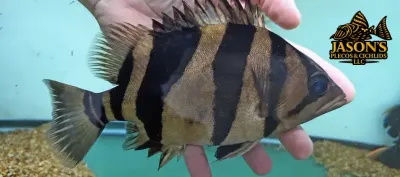
Indo Datnoid - (Datnioides microlepis)
Indo Datnoid - (Datnioides microlepis)
Price of shipping is not included.
was $800.00
Save 9%
$725.00
Powered by Lightspeed
Display prices in:USD