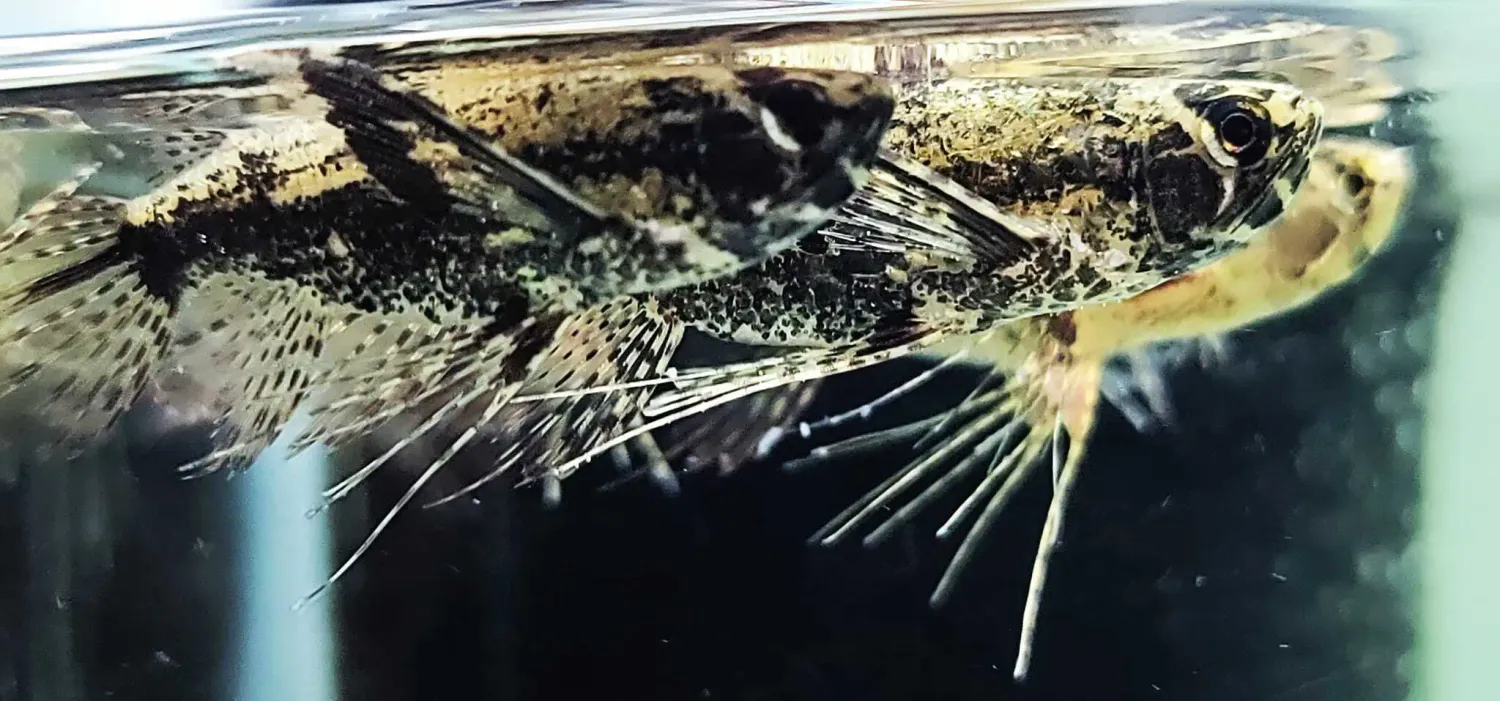
African Butterfly Fish - (Pantodon buchholzi)
$20.00
Sold out
Size
Price of shipping is not included.
Sold out
Save this fish to my favorites.
Customer reviews
Reviews only from verified customers
No reviews yet. You can buy this product and be the first to leave a review.
African Butterfly Fish - (Pantodon buchholzi)
Fish Details, Description and Information Below:
🦋 African Butterfly Fish – (Pantodon buchholzi) – African Surface-Dwelling Insect Predator
The African Butterfly Fish (Pantodon buchholzi) is one of the most unusual freshwater fish available in the aquarium hobby.
This fascinating African species spends almost its entire life directly beneath the surface, where its:
- Large wing-like pectoral fins
- Upturned mouth
- Flattened upper body
- Large eyes
- Long trailing pelvic-fin rays
- Brown leaf-like camouflage
allow it to function as a highly specialized:
SURFACE AMBUSH PREDATOR
The African Butterfly Fish waits quietly beneath floating vegetation for insects and other prey to land on or move near the water's surface.
When prey appears, the fish can strike with surprising speed.
It is also capable of launching completely out of the water.
Because of this:
A TIGHT-FITTING, ESCAPE-PROOF LID IS ABSOLUTELY REQUIRED
🔎 Quick Facts – African Butterfly Fish
- 📛 Common Name: African Butterfly Fish
- 📛 Other Names: Freshwater Butterflyfish, Butterfly Fish
- 🔬 Scientific Name: Pantodon buchholzi
- 📅 Described: Peters, 1876
- 🐟 Family: Pantodontidae
- 🧬 Order: Osteoglossiformes
- 🌎 Origin: West & Central Africa
- 🌊 Habitat: Swamps, creeks, backwaters and calm sections of rivers
- 💧 Water Type: Freshwater
- 📏 Scientific Maximum: Approximately 4.7 inches / 11.9 cm total length
- 📏 Aquarium Maximum Reported: Approximately 6 inches / 15 cm
- 📏 Adult Planning Size: Approximately 4–6 inches
- 🏠 Recommended Aquarium: 30 gallons or larger
- 📐 Most Important Tank Dimension: Surface Area
- 🌡️ Temperature: Approximately 73–82°F
- 🌡️ Broader Documented Range: Approximately 73–86°F
- 💧 pH: Approximately 6.0–7.5
- 💦 Water: Soft to moderately mineralized
- 🌊 Water Movement: Gentle
- 🌿 Floating Plants: Strongly Recommended
- 🍽️ Diet: Carnivorous / Insectivorous Surface Predator
- 🦗 Natural Food: Primarily terrestrial insects and aquatic insect larvae
- 🦐 Additional Natural Foods: Crustaceans and small fish
- ⬆️ Swimming Level: Surface
- 💨 Air Breathing: Obligate Air Breather
- 🚀 Jumping Ability: Extremely High
- 🔒 Secure Lid: Absolutely Required
- 😌 Temperament: Generally peaceful but predatory toward small fish
- ⚠️ Tankmate Concern: Small surface fish may be eaten
- 🚫 Avoid: Fin nippers and aggressive surface feeders
- 🥚 Reproduction: Egg Layer
- 🥚 Eggs: Floating eggs
- 🥚 Documented Clutch: Approximately 80–220 eggs
- 👶 Parental Care: None
- ♂️ Sexing: Mature males and females can be distinguished by anal-fin shape
- ⭐ Care Level: Intermediate
- 🌎 IUCN Status: Least Concern
🧬 A Very Unusual Living Fish
The African Butterfly Fish belongs to the family:
PANTODONTIDAE
and is the only living species in the genus:
Pantodon
It is part of the order:
OSTEOGLOSSIFORMES
which also contains other ancient freshwater fish groups including:
- Arowanas
- Arapaimas
- Elephantnose relatives
- African knifefish relatives
Although the African Butterfly Fish looks unlike an arowana, they belong to the same broader ancient lineage of bonytongue fishes.
🔬 Correct Scientific Name
The currently accepted scientific name is:
Pantodon buchholzi
The current Catalog of Fishes recognizes the species as:
Pantodon buchholzi Peters, 1876
Older references sometimes give:
1877
as the publication year.
Current taxonomic records use:
1876
🦋 Why Is It Called a Butterfly Fish?
Viewed from above, the African Butterfly Fish has enormous:
WING-LIKE PECTORAL FINS
that spread outward from the body.
Together with its long pelvic-fin rays, the fish resembles a butterfly floating directly beneath the water surface.
🚀 Does the African Butterfly Fish Actually Fly?
No.
Despite its wing-like fins, the African Butterfly Fish is:
NOT A TRUE GLIDING FISH
Scientific studies describe its escape behavior as:
BALLISTIC JUMPING
The fish uses powerful movements of the body and fins to launch itself completely out of the water.
🚨 EXTREME JUMPING WARNING
This is one of the most important things customers need to know.
AFRICAN BUTTERFLY FISH ARE EXCEPTIONALLY POWERFUL JUMPERS
They may jump because of:
- Feeding
- Startling
- Chasing prey
- Territorial interaction
- Sudden movement
- Nighttime activity
- Aquarium maintenance
An uncovered aquarium can result in:
A DEAD FISH ON THE FLOOR
🔒 Tight-Fitting Lid Required
The aquarium must have:
A SECURE, GAP-FREE LID
Check carefully around:
- Filter openings
- Heater cords
- Airline tubing
- Feeding openings
- Overflow boxes
- Aquarium corners
A surprisingly small opening may be enough for the fish to escape.
↕️ Leave Safe Airspace
Do not fill the aquarium completely to the lid.
Leave some space between:
THE WATER SURFACE
and:
THE COVER
This provides room for normal surface behavior while still preventing escape.
💨 Obligate Air Breather
One of the most interesting features of Pantodon buchholzi is that it is classified as an:
OBLIGATE AIR-BREATHING FISH
The fish regularly interacts with the air-water interface and must always have access to the surface.
Therefore:
NEVER BLOCK THE ENTIRE SURFACE
with decorations or excessively dense floating plants.
⚠️ Surface Access Is Essential
The fish should always be able to reach open areas of:
ATMOSPHERIC AIR
Do not keep African Butterfly Fish in systems where:
- The surface is inaccessible
- Dense plants completely seal the surface
- Decorations trap fish underwater
- Heavy surface equipment eliminates breathing areas
🎨 Appearance
African Butterfly Fish have natural camouflage consisting of:
- Brown
- Bronze
- Gray
- Olive
- Tan
- Dark brown mottling
Their coloration resembles:
- Dead leaves
- Bark
- Floating debris
- Shadows beneath vegetation
This helps the fish remain nearly invisible while waiting for prey.
👀 Large Surface-Oriented Eyes
The eyes are positioned high on the head.
This allows the fish to monitor activity:
- At the surface
- Above the water
- Immediately below the surface
The fish is extremely sensitive to movement.
👄 Upturned Mouth
The mouth is:
VERY LARGE AND STRONGLY UPTURNED
This is an adaptation for capturing prey directly from:
THE WATER SURFACE
Rather than searching along the bottom, the African Butterfly Fish waits for food to arrive from above.
🧵 Long Pelvic-Fin Rays
One of the species' strangest features is its long:
THREAD-LIKE PELVIC FIN RAYS
These hang downward beneath the fish.
Although beautiful, these delicate rays can become targets for:
FIN-NIPPING TANKMATES
🌎 Native Distribution
Pantodon buchholzi occurs across portions of:
WEST AND CENTRAL AFRICA
Scientific records include populations from regions associated with:
- Nigeria
- Cameroon
- Lake Chad drainage
- Ogowe / Ogooué Basin
- Congo Basin
- Upper Zambezi region
- Adjacent West African drainages
Its distribution covers a very large portion of tropical Africa.
🌊 Natural Habitat
African Butterfly Fish inhabit:
CALM WATER
Typical habitats include:
- Swamps
- Creeks
- Flooded areas
- Backwaters
- Quiet ponds
- Marshes
- Calm river margins
They generally avoid extremely turbulent surface conditions.
🌿 Floating Vegetation
Wild fish commonly associate with:
- Floating plants
- Overhanging vegetation
- Roots
- Leaves
- Surface debris
These structures provide:
- Camouflage
- Security
- Shade
- Hunting areas
- Protection from predators
🌿 Floating Plants Are Strongly Recommended
Suitable aquarium plants may include:
- Amazon Frogbit
- Salvinia
- Water Sprite
- Red Root Floaters
- Other aquarium-safe floating plants
Do not cover the entire surface.
Instead create:
FLOATING COVER + OPEN FEEDING AREAS
💡 Subdued Lighting
African Butterfly Fish generally prefer:
SUBDUED LIGHTING
Bright lighting directly over an exposed water surface can make them:
- Nervous
- Skittish
- More likely to hide
- More likely to jump when startled
Floating plants are excellent for creating shaded areas.
🌊 Gentle Water Movement
Unlike many of the plecos sold in our store, the African Butterfly Fish does:
NOT REQUIRE STRONG CURRENT
Its natural habitat consists largely of calm waters.
The aquarium surface should have:
GENTLE WATER MOVEMENT
⚠️ Avoid Strong Surface Turbulence
Excessive surface flow can interfere with:
- Resting behavior
- Feeding
- Hunting
- Floating plant cover
Avoid directing powerful:
- Powerheads
- Spray bars
- Filter returns
directly across the entire surface.
💨 Oxygenation Still Matters
Gentle current does not mean poor water quality.
Maintain:
- Good filtration
- Appropriate oxygenation
- Clean water
- Regular water changes
while preventing excessive turbulence where the fish spends most of its time.
📏 Adult Size
FishBase documents a maximum wild size of approximately:
11.9 CM / 4.7 INCHES TOTAL LENGTH
Aquarium records have documented specimens reaching approximately:
15 CM / 5.9 INCHES
Therefore, for practical aquarium planning:
EXPECT APPROXIMATELY 4–6 INCHES
🏠 Aquarium Size
African Butterfly Fish do not require extreme aquarium volume.
However:
SURFACE AREA IS MUCH MORE IMPORTANT THAN DEPTH
For general permanent housing:
30 GALLONS OR LARGER
is an excellent recommendation.
📐 Wide & Long Is Better Than Tall
A:
LONG, WIDE AQUARIUM
is much more useful to this species than a tall narrow aquarium.
The fish spends nearly its entire life within the:
TOP FEW INCHES OF WATER
👥 Keeping Multiple Butterfly Fish
Several African Butterfly Fish can be maintained together when:
- Surface area is adequate
- Floating cover is available
- Feeding is sufficient
- Individuals can establish space
Males can become somewhat territorial toward each other.
For groups:
40–55+ GALLONS
with a large surface footprint is preferable.
🪨 Aquarium Setup
Because the fish stays at the surface, the bottom layout can be adapted around its tankmates.
A good aquarium may contain:
- Driftwood
- Plants
- Smooth rocks
- Leaf litter
- Root structures
- Floating vegetation
The most important features remain:
A CALM SURFACE + FLOATING COVER + SECURE LID
💧 Water Parameters
A practical long-term range is:
- 🌡️ Temperature: Approximately 73–82°F
- 💧 pH: Approximately 6.0–7.5
- 💦 Hardness: Soft to moderately mineralized
- 🌊 Surface Flow: Gentle
- ☠️ Ammonia: 0 ppm
- ☠️ Nitrite: 0 ppm
- 🔄 Nitrate: Keep reasonably low
🌡️ Temperature
FishBase records Pantodon buchholzi from tropical water temperatures of approximately:
73–86°F / 23–30°C
For normal aquarium maintenance:
73–82°F
is a good practical range.
Warmer water can be maintained when water quality and oxygenation remain appropriate.
⚠️ Stability Matters
Avoid sudden changes in:
- Temperature
- pH
- Hardness
Stable water is more important than continuously chasing a particular number.
🍽️ Diet – Surface Insectivore
The African Butterfly Fish is naturally an:
INSECT-EATING SURFACE PREDATOR
Its natural diet is dominated by:
TERRESTRIAL INSECTS
that fall or move near the water surface.
🦗 Natural Foods
Wild prey includes:
- Terrestrial insects
- Aquatic insect larvae
- Aquatic insect nymphs
- Crustaceans
- Small fish
This is not an herbivorous or omnivorous community fish.
👄 Food Must Reach the Surface
African Butterfly Fish are designed to feed:
FROM ABOVE
They may completely ignore food that:
- Sinks rapidly
- Falls to the bottom
- Is hidden beneath other fish
Use foods that:
FLOAT OR REMAIN NEAR THE SURFACE
🦗 Excellent Foods
Suitable foods include:
- Appropriately sized crickets
- Wingless fruit flies
- Surface insects from safe cultures
- Floating carnivore pellets
- Floating insect-based pellets
- Freeze-dried insects
- Floating shrimp-based foods
- Mysis offered near the surface
- Other quality carnivore foods
🦗 Live Insects Encourage Natural Behavior
Live foods such as:
CRICKETS
can produce an incredible feeding response.
The fish can detect movement on the surface from a significant distance and rapidly strike.
⚠️ Use Safe Cultured Insects
Do not collect insects from areas treated with:
- Pesticides
- Herbicides
- Insecticides
- Household chemicals
Cultured feeder insects are much safer.
🚫 Avoid Feeder Fish
There is no need to feed live feeder fish.
Feeder fish can introduce:
- Parasites
- Bacteria
- Disease
- Poor nutrition
Use high-quality insect, frozen, fresh, and prepared foods instead.
🐟 Will African Butterfly Fish Eat Other Fish?
Yes.
Although they are not aggressive pursuit predators, their:
LARGE MOUTH
allows them to swallow surprisingly large prey.
Any fish small enough to fit into the mouth—especially one that swims near the surface—may become:
FOOD
⚠️ Small Surface Fish Are High Risk
Avoid keeping African Butterfly Fish with very small:
- Guppies
- Endlers
- Small rasboras
- Small tetras
- Killifish
- Juvenile fish
that frequently occupy the surface.
😌 Temperament
African Butterfly Fish are usually:
CALM AND SEDENTARY
They spend much of their time motionless beneath the surface.
However:
PEACEFUL DOES NOT MEAN NON-PREDATORY
Small fish may still be eaten.
🐠 Best Tankmates
Good tankmates are generally fish that:
- Are too large to swallow
- Spend most of their time in the middle or lower aquarium
- Are not aggressive
- Do not nip fins
- Do not constantly disturb the surface
✅ Potential Tankmate Types
Depending on aquarium size and water requirements, possibilities may include:
- Medium-sized peaceful tetras
- Larger peaceful barbs
- Peaceful bottom-dwelling catfish
- Corydoras
- Appropriate African cichlids
- Certain peaceful Ctenopoma
- Other calm midwater fish
Always evaluate the individual species.
🚫 Avoid Fin Nippers
Do not keep African Butterfly Fish with species that frequently nip:
- Pectoral fins
- Pelvic-fin filaments
- Tail fins
Their large decorative fins can become easy targets.
🚫 Avoid Aggressive Surface Feeders
Very aggressive feeders can:
- Stress the Butterfly Fish
- Steal all surface food
- Damage its fins
- Prevent normal hunting behavior
Choose calmer companions.
🌙 Activity
African Butterfly Fish may be active throughout the day but often become more confident under:
- Dim lighting
- Evening conditions
- Floating plant cover
Their hunting behavior is particularly fascinating to watch.
👁️ Surface Motion Detection
The species is extraordinarily sensitive to:
SURFACE DISTURBANCES
A struggling insect creates vibrations that can immediately attract the fish.
This is part of what makes live insect feeding so interesting.
🚀 Startle Response
Sudden movement above the aquarium can trigger:
JUMPING
Avoid:
- Slamming the lid
- Rapid hand movements
- Sudden bright lights
- Striking the aquarium glass
🧪 Acclimation
After arrival:
- Keep lighting subdued
- Keep the aquarium covered
- Provide floating vegetation
- Minimize surface disturbance
- Avoid sudden parameter changes
- Offer surface foods
- Monitor feeding carefully
⚠️ Never Acclimate in an Open Container Unattended
Because African Butterfly Fish are such powerful jumpers:
KEEP ACCLIMATION CONTAINERS COVERED
whenever practical.
A frightened fish can launch out with little warning.
♂️ Male vs. Female
Sexing mature African Butterfly Fish is much easier than sexing many aquarium species.
The primary difference is the:
ANAL FIN
♂️ Mature Male
Males typically have:
- A distinctly modified anal fin
- A concave anal-fin edge
- Fewer anal-fin rays
- Larger fins overall
The anal fin appears divided into distinct sections.
♀️ Mature Female
Females typically have:
- A straighter anal-fin edge
- Broader, more continuous anal fin
- Fuller body shape
- Larger adult body size on average
⚠️ Do Not Sex by Color
Males and females are:
NOT RELIABLY DIFFERENT IN COLOR
Use mature anal-fin structure rather than body coloration.
🥚 Captive Breeding – Possible
African Butterfly Fish have been:
SUCCESSFULLY BRED IN AQUARIUMS
Breeding is possible but raising the fry is considerably more difficult than producing eggs.
💕 Courtship
During breeding condition:
- Males establish small surface territories
- Males interact with females near floating vegetation
- Courtship occurs close to the surface
Healthy conditioned adults may spawn repeatedly.
🥚 Floating Eggs
The eggs:
RISE TO THE WATER SURFACE
after spawning.
They are relatively large for the size of the fish.
FishBase documents approximately:
80–220 EGGS
with eggs around:
1.5 MM IN DIAMETER
🌿 Floating Plants Help With Spawning
Eggs may collect among:
- Floating plant roots
- Surface vegetation
- Calm areas
A dedicated breeding aquarium with floating plants can make eggs easier to manage.
🚫 No Parental Care
African Butterfly Fish provide:
NO PARENTAL CARE
Adults may eat:
- Eggs
- Larvae
- Fry
If raising offspring is the goal, eggs or adults generally need to be separated.
🐣 Egg Development
Aquarium breeding reports describe the eggs as:
- Initially pale or opaque
- Floating at the surface
- Darkening after development begins
- Gradually sinking later
Hatching commonly occurs after approximately:
ONE WEEK
depending on temperature and conditions.
👶 Raising Fry Is the Difficult Part
Producing eggs is often easier than raising the young.
Newly hatched fry remain strongly:
SURFACE ORIENTED
and may have difficulty locating food.
🍽️ Fry Need Moving Live Food
Suitable early foods may include:
- Baby brine shrimp
- Moina
- Small Daphnia
- Other tiny live prey
Food must remain close enough for the fry to detect and capture it.
⚠️ Fry Cannibalism
Young African Butterfly Fish can become:
CANNIBALISTIC
Larger fry may eat smaller siblings.
Separating fry by:
- Size
- Growth rate
can improve survival.
🌧️ Breeding Trigger
Experienced breeders have reported that:
COOLER WATER CHANGES
can help stimulate spawning.
However:
NO SINGLE BREEDING TRIGGER IS GUARANTEED
Healthy mature fish and proper conditioning remain most important.
🌎 Conservation Status
Pantodon buchholzi is currently classified as:
LEAST CONCERN
The global assessment dates to:
2019
The species has a broad distribution across West and Central Africa.
⭐ Why Keep an African Butterfly Fish?
The African Butterfly Fish combines:
- 🦋 Extraordinary wing-like fins
- 👄 Huge surface-feeding mouth
- 👀 Specialized surface vision
- 🦗 Natural insect-hunting behavior
- 🌿 Floating-plant habitat
- 🚀 Incredible jumping ability
- 💨 Air-breathing adaptation
- 🌎 Ancient African lineage
- 📏 Manageable 4–6 inch adult size
- 🥚 Fascinating breeding behavior
into one of the most unusual freshwater fish available in the aquarium hobby.
⚠️ Important Considerations
Before purchasing an African Butterfly Fish:
- The correct scientific name is Pantodon buchholzi.
- Current taxonomy uses Peters, 1876.
- The species belongs to the family Pantodontidae.
- It is a specialized surface-dwelling fish.
- It spends nearly all of its time directly beneath the water surface.
- Adult size is generally approximately 4–6 inches.
- Surface area is more important than aquarium depth.
- Approximately 30 gallons or larger is recommended.
- Use larger aquariums for groups or community setups.
- Provide floating plants.
- Leave open surface areas for feeding and breathing.
- Keep surface movement gentle.
- Do not use excessive current.
- Maintain approximately 73–82°F for routine aquarium care.
- Maintain approximately pH 6.0–7.5.
- Maintain ammonia and nitrite at zero.
- The species is an obligate air breather.
- Never prevent access to the water surface.
- It is an extremely powerful jumper.
- A secure, gap-free lid is absolutely required.
- It does not truly glide; its jumps are ballistic.
- Feed primarily floating carnivorous and insect-based foods.
- Crickets and other safe cultured insects are excellent foods.
- Floating carnivore pellets can also be accepted.
- Do not rely on sinking foods.
- Small surface fish may be eaten.
- Avoid fin-nipping tankmates.
- Avoid aggressive surface-feeding tankmates.
- Mature males and females can be distinguished by anal-fin shape.
- Captive breeding is possible.
- Eggs float at the surface.
- Approximately 80–220 eggs may be produced.
- Adults provide no parental care.
- Adults may eat eggs and fry.
- Raising fry can be challenging.
- Never release aquarium fish into natural waterways.
🧬 Taxonomy
The currently accepted scientific name is:
Pantodon buchholzi Peters, 1876
Classification:
- Order: Osteoglossiformes
- Family: Pantodontidae
- Genus: Pantodon
- Species: buchholzi
The species is native to:
WEST & CENTRAL AFRICA
For this product, use:
African Butterfly Fish – (Pantodon buchholzi)
🚨 Jumping & Lid Warning
The African Butterfly Fish is one of the strongest jumpers commonly maintained in freshwater aquariums.
A TIGHT-FITTING LID IS REQUIRED AT ALL TIMES.
Inspect the cover regularly for gaps around:
- Filters
- Cords
- Hoses
- Feeding openings
Never assume the fish will remain in an uncovered aquarium simply because it appears calm.
💨 Surface-Access Warning
Pantodon buchholzi is an:
OBLIGATE AIR-BREATHING FISH
It must always have access to the:
AIR-WATER INTERFACE
Floating plants are strongly recommended, but maintain sufficient open surface space for:
- Breathing
- Feeding
- Normal movement
🚚 Live Fish Shipping
Live fish are professionally packed for safe transport.
Shipping availability depends on:
- Fish size
- Destination
- Weather conditions
- Carrier availability
- Applicable state and local regulations
African Butterfly Fish require special attention during handling because they are:
EXTREMELY POWERFUL JUMPERS
Shipping containers and transfer containers should remain securely covered whenever possible.
Please review our Shipping & Payment Information and Live Arrival Guarantee / DOA Policy before ordering.
⚠️ Buyer Responsibility
Customers are responsible for confirming that Pantodon buchholzi may legally be purchased, possessed, transported, and received in their state or local jurisdiction before ordering.
Never release aquarium fish into natural waterways.
Below are fish you may also like.
Wild Caught
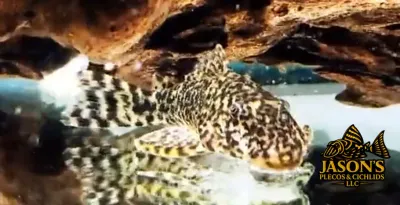
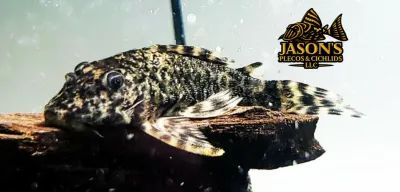
Otali Pleco - (Peckoltia otali)
Otali Pleco - (Peckoltia otali)
Price of shipping is not included.
$200.00
Out of stock
Wild Caught
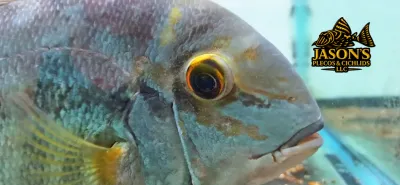
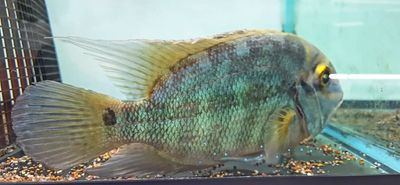
True Parrot Cichlid - (Hoplarchus psittacus)
True Parrot Cichlid - (Hoplarchus psittacus)
Price of shipping is not included.
5.0
(2)
$175.00
Out of stock
Captive Bred
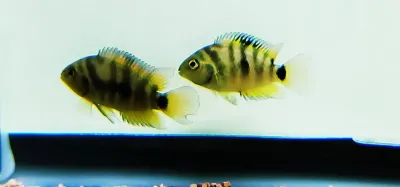
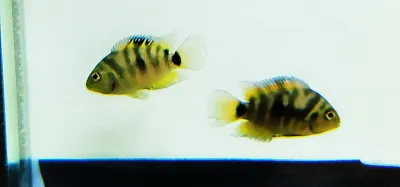
Honduran Red Point Cichlid - (Cryptoheros sp.)
Honduran Red Point Cichlid - (Cryptoheros sp.)
Price of shipping is not included.
$12.00
Out of stock
Captive Bred
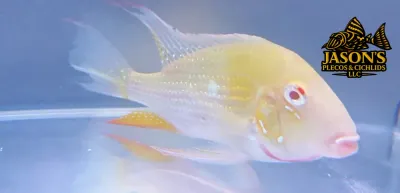
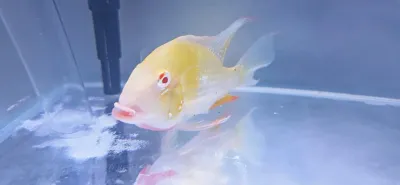
Albino Threadfin Acara - (Acarichthys Heckelii)
Albino Threadfin Acara - (Acarichthys Heckelii)
Price of shipping is not included.
was $135.00
Save 30%
$95.00
Out of stock
Captive Bred
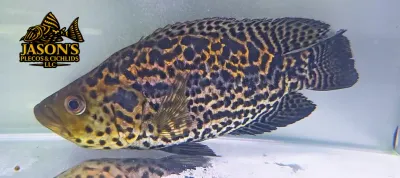
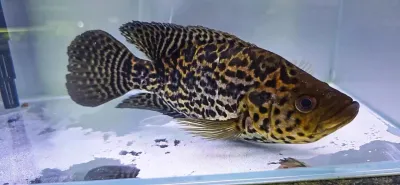
Jaguar Cichlid - (Parachromis managuensis)
Jaguar Cichlid - (Parachromis managuensis)
Price of shipping is not included.
5.0
(1)
was $100.00
Save 10%
$90.00
Out of stock
Captive Bred
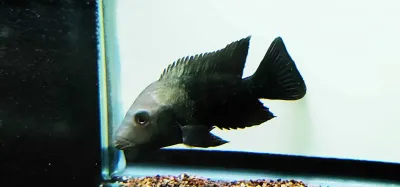
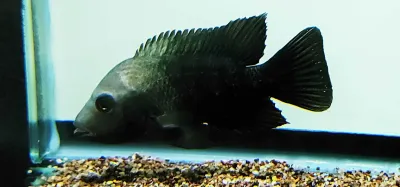
Blackthroat cichlid - (Astatheros Macracanthus)
Blackthroat cichlid - (Astatheros Macracanthus)
Price of shipping is not included.
$55.00
Out of stock
Captive Bred
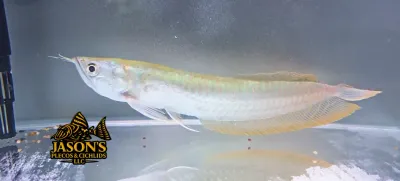
Silver Arowana - (Osteoglossum bicirrhosum)
Silver Arowana - (Osteoglossum bicirrhosum)
Price of shipping is not included.
5.0
(1)
$90.00
Out of stock
Wild Caught
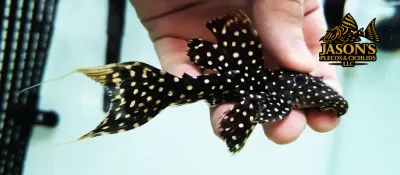
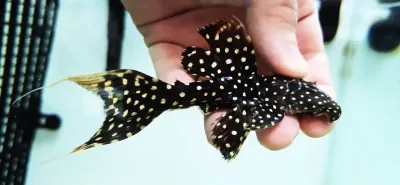
LDA105 Typhoon Pleco/Fire Spot Cactus Pleco - (Pseudacanthicus sp.)
LDA105 Typhoon Pleco/Fire Spot Cactus Pleco - (Pseudacanthicus sp.)
Price of shipping is not included.
5.0
(2)
$950.00
Out of stock
Wild Caught
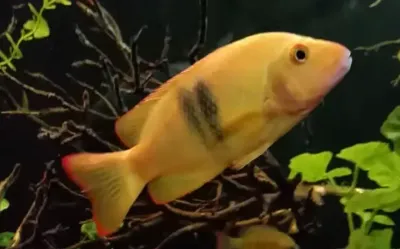
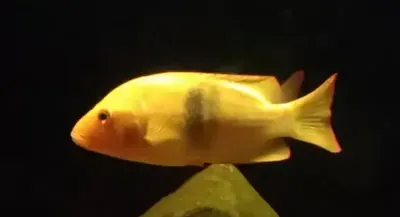
Lamena Nourissati - (Paretroplus Nourissati)
Lamena Nourissati - (Paretroplus Nourissati)
Price of shipping is not included.
$100.00
Out of stock
Wild Caught
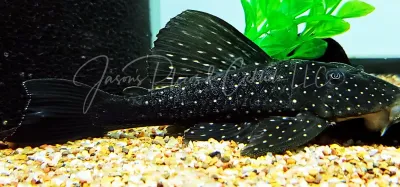
Phase I Luteus Pleco/Golden Sailfin Pleco - (Hypostomus Luteus)
Phase I Luteus Pleco/Golden Sailfin Pleco - (Hypostomus Luteus)
Price of shipping is not included.
was $300.00
Save 17%
$250.00
Out of stock
Captive Bred
Super Red Bristlenose Pleco - (Ancistrus cf. cirrhosus)
Super Red Bristlenose Pleco - (Ancistrus cf. cirrhosus)
Price of shipping is not included.
$17.00
Out of stock
Wild Caught
Common Pike Cichlid - (Crenicichla sp. Belly Crawler)
Common Pike Cichlid - (Crenicichla sp. Belly Crawler)
Price of shipping is not included.
$25.00
Out of stock
Powered by Lightspeed
Display prices in:USD