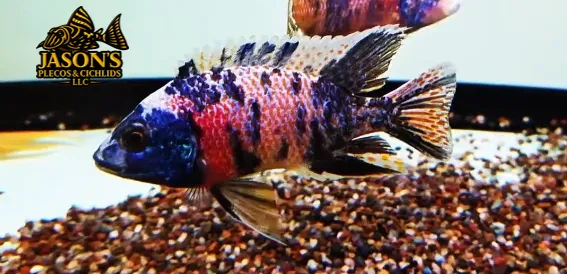
OB Peacock Cichlid (Aulonocara sp.)
$45.00
Captive Bred
was $50.00 Save 10%
Size
Questions, Comments, Concerns? Let us know!
Enter your text
Price of shipping is not included.
In stock: 8 available
1
Save this fish to my favorites.
Customer reviews
Reviews only from verified customers
No reviews yet. You can buy this product and be the first to leave a review.
OB Peacock Cichlid (Aulonocara sp.)
Fish Details, Description and Information Below:
🦚 OB Peacock — Aulonocara sp.
The OB Peacock is a striking African cichlid commonly sold under the Aulonocara (Peacock) name. “OB” stands for Orange Blotch, referring to the irregular orange/red/black blotching pattern across the body and fins. Unlike a naturally occurring, formally described species, OB Peacocks in the aquarium trade are generally captive-bred color strains/hybrids, so their exact lineage can vary between breeders.
🔎 Quick Facts – OB Peacock (Aulonocara sp.)
- 📛 Common Name: OB Peacock, Orange Blotch Peacock
- 🔬 Scientific Name: Aulonocara sp. / trade strain
- 🌍 Origin: Lake Malawi, Africa — Peacock cichlid ancestry
- 🎨 Appearance: Bright orange, red, blue, yellow, and dark blotches; each fish can have a unique pattern
- 📏 Max Size: Around 5–6 inches (13–15 cm)
- 💎 Availability: Common to moderately available; quality specimens are highly prized by hobbyists
😇 Behavior & Temperament
- ⚔️ Semi-aggressive, particularly among males and around breeding territories
- 🐟 Generally less aggressive than many Malawi Mbuna
- 🏠 Best kept in a properly stocked African cichlid community with compatible Lake Malawi species
- 👑 Males are typically more colorful, while females are often less intensely colored
- 🧠 Active and inquisitive fish that readily learn feeding routines
Because OB coloration can come from mixed or selectively bred lineages, temperament and appearance can differ between individual fish and breeders.
🏠 Aquarium & Tank Requirements
- 📦 Minimum Tank Size: About 75 gallons for a suitable adult community; larger is preferable for groups
- 🪨 Rockwork should provide caves, visual barriers, and separate territories
- 🏖️ A sand or fine-gravel substrate works well
- 🌊 Strong biological and mechanical filtration is important because Malawi cichlids produce substantial waste
- 💡 Moderate lighting helps bring out the fish's intense coloration
- 🔒 Use a secure lid—Peacocks can jump when startled
For a Malawi community, maintaining appropriate stocking and providing plenty of visual breaks can substantially reduce aggression.
💧 Water Parameters – OB Peacock Care
- 🌡️ Temperature: 76–82°F (24–28°C)
- ⚗️ pH: 7.5–8.6
- 💧 Hardness: Moderately hard to hard, alkaline water
- 💨 Good oxygenation and water movement are recommended
Stable water quality is generally more important than chasing an exact number.
🍽️ Diet – Omnivorous / Insectivore
OB Peacocks should receive a varied diet based around quality foods formulated for African cichlids:
- 🐟 High-quality cichlid pellets or granules
- 🦐 Occasional frozen foods such as mysis shrimp
- 🌿 Spirulina-based foods can be included as part of a varied diet
- 🥬 Small amounts of suitable vegetable matter
Avoid making very fatty or mammalian-protein-heavy foods a staple. A balanced Malawi-cichlid diet is a better choice.
🧬 Breeding
- 🥚 Maternal mouthbrooder
- 👑 Males establish territories and display to females
- 🐣 Females carry fertilized eggs and developing fry in their mouths
- 🎨 OB offspring can show considerable variation in coloration and pattern
If maintaining a particular OB strain, knowing the breeder's lineage is especially important because “OB Peacock” isn't a single standardized species.
📋 OB Peacock Overview Table
| Feature | Details |
|---|---|
| 🌍 Origin | Lake Malawi ancestry – African Rift Lake |
| 🔬 Scientific Name | Aulonocara sp. / OB trade strain |
| 📏 Max Size | ~5–6 inches |
| 😇 Temperament | Semi-aggressive |
| 🏠 Tank Size | 75+ gallons; larger for groups/community |
| ⚗️ pH Range | 7.5–8.6 |
| 🌡️ Temperature | 76–82°F |
| 💧 Water | Hard, alkaline, well-oxygenated |
| 🍽️ Diet | Omnivorous/insectivorous |
| 🥚 Breeding | Maternal mouthbrooder |
| 🎨 Color | Orange/red/blue/yellow with dark OB blotching |
| 🎯 Ideal For | Intermediate–experienced African cichlid keepers |
✨ Highlight:
The OB Peacock stands out because no two fish necessarily look exactly alike. Its dramatic orange-blotch pattern combined with the iridescent coloration associated with Peacock cichlids makes it one of the most visually distinctive fish in a Malawi aquarium.
Below are fish you may also like.
Wild Caught
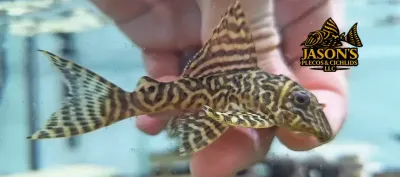
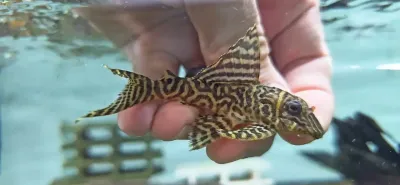
L333 Yellow King Tiger Pleco/Maze Zebra Pleco - (Hypancistrus Seideli)
L333 Yellow King Tiger Pleco/Maze Zebra Pleco - (Hypancistrus Seideli)
Price of shipping is not included.
was $85.00
Save 6%
$80.00
Out of stock
Wild Caught
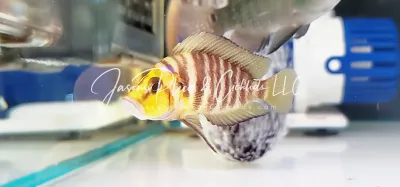
Gold Head Compressiceps - (Altolamprologus compressiceps)
Gold Head Compressiceps - (Altolamprologus compressiceps)
Price of shipping is not included.
$75.00
Out of stock
Captive Bred
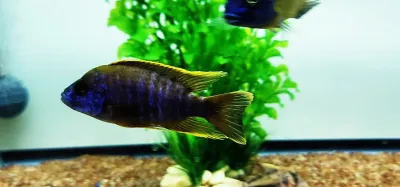
Lwanda Peacock Cichlid - (Aulonocara sp.)
Lwanda Peacock Cichlid - (Aulonocara sp.)
Price of shipping is not included.
$40.00
Out of stock
Captive Bred
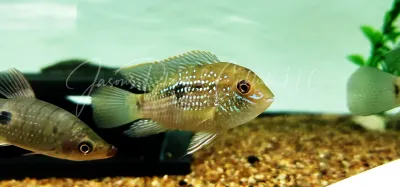
Blue Acara - (Andinoacara pulcher)
Blue Acara - (Andinoacara pulcher)
Price of shipping is not included.
was $20.00
Save 25%
$15.00
Out of stock
Captive Bred
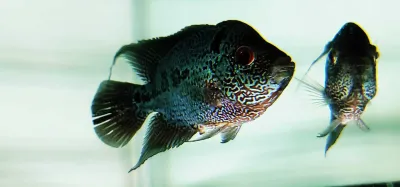
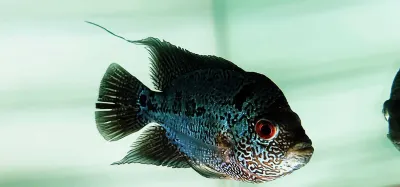
Super Red Dragon Flowerhorn
Super Red Dragon Flowerhorn
Price of shipping is not included.
$100.00
Out of stock
Wild Caught
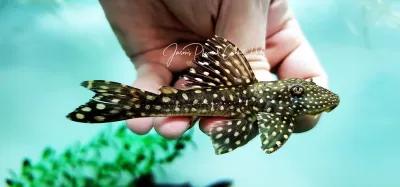
Yellow Spotted Hypostomus - (Hypostomus margaritifer)
Yellow Spotted Hypostomus - (Hypostomus margaritifer)
Price of shipping is not included.
was $175.00
Save 14%
$150.00
Out of stock
Wild Caught
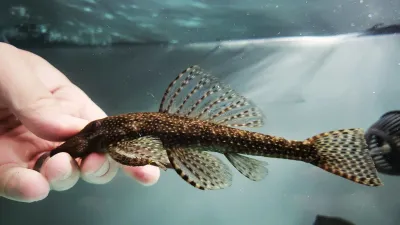
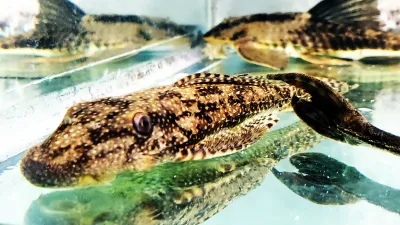
L151 Flat Head Pleco - (Dekeyseria scaphirhynchus)
L151 Flat Head Pleco - (Dekeyseria scaphirhynchus)
Price of shipping is not included.
$50.00
Out of stock
Wild Caught
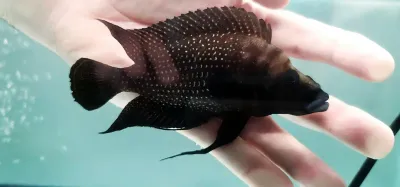
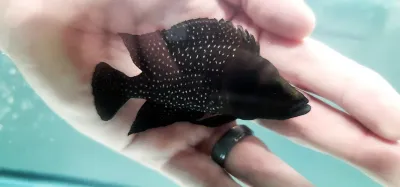
Ink Fin Calvus - (Altolamprologus calvus) - Breeding Pair
Ink Fin Calvus - (Altolamprologus calvus) - Breeding Pair
Price of shipping is not included.
$250.00
Out of stock
Captive Bred
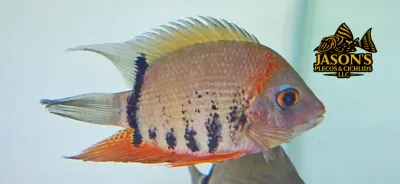
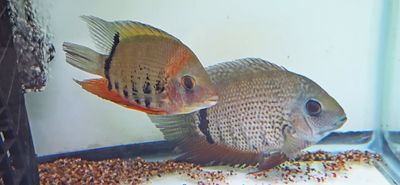
Red Shoulder Severum - (Heros sp. Rotkeil)
Red Shoulder Severum - (Heros sp. Rotkeil)
Price of shipping is not included.
5.0
(1)
was $100.00
Save 5%
$95.00
Out of stock
Captive Bred
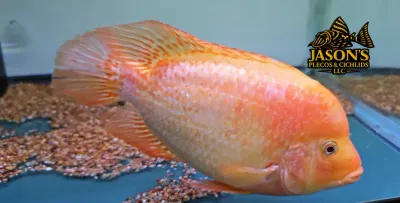
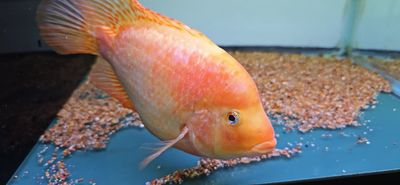
Super Red Texas - (Herichthys cyanoguttatus x Paraneetroplus synspilus x Amphilophus citrinellus)
Super Red Texas - (Herichthys cyanoguttatus x Paraneetroplus synspilus x Amphilophus citrinellus)
Price of shipping is not included.
5.0
(2)
was $150.00
Save 40%
$90.00
Out of stock
Wild Caught
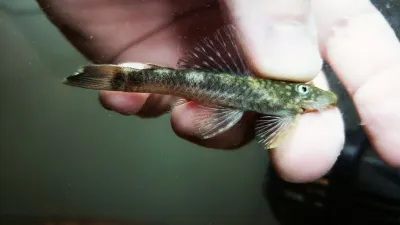
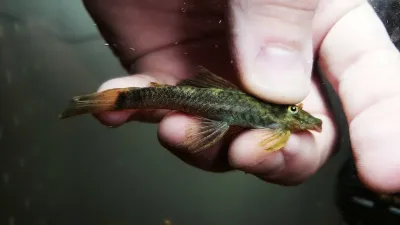
L325 Jari Blue Ancistrus - (Ancistrus sp.)
L325 Jari Blue Ancistrus - (Ancistrus sp.)
Price of shipping is not included.
$50.00
Out of stock
Wild Caught
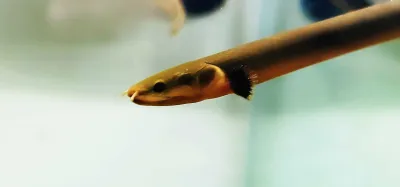
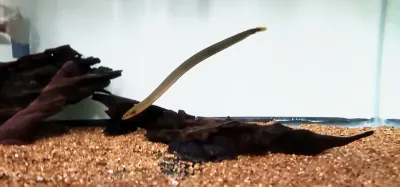
Rope Fish/Reed Fish - (Erpetoichthys calabaricus)
Rope Fish/Reed Fish - (Erpetoichthys calabaricus)
Price of shipping is not included.
$25.00
Out of stock
Powered by Lightspeed
Display prices in:USD