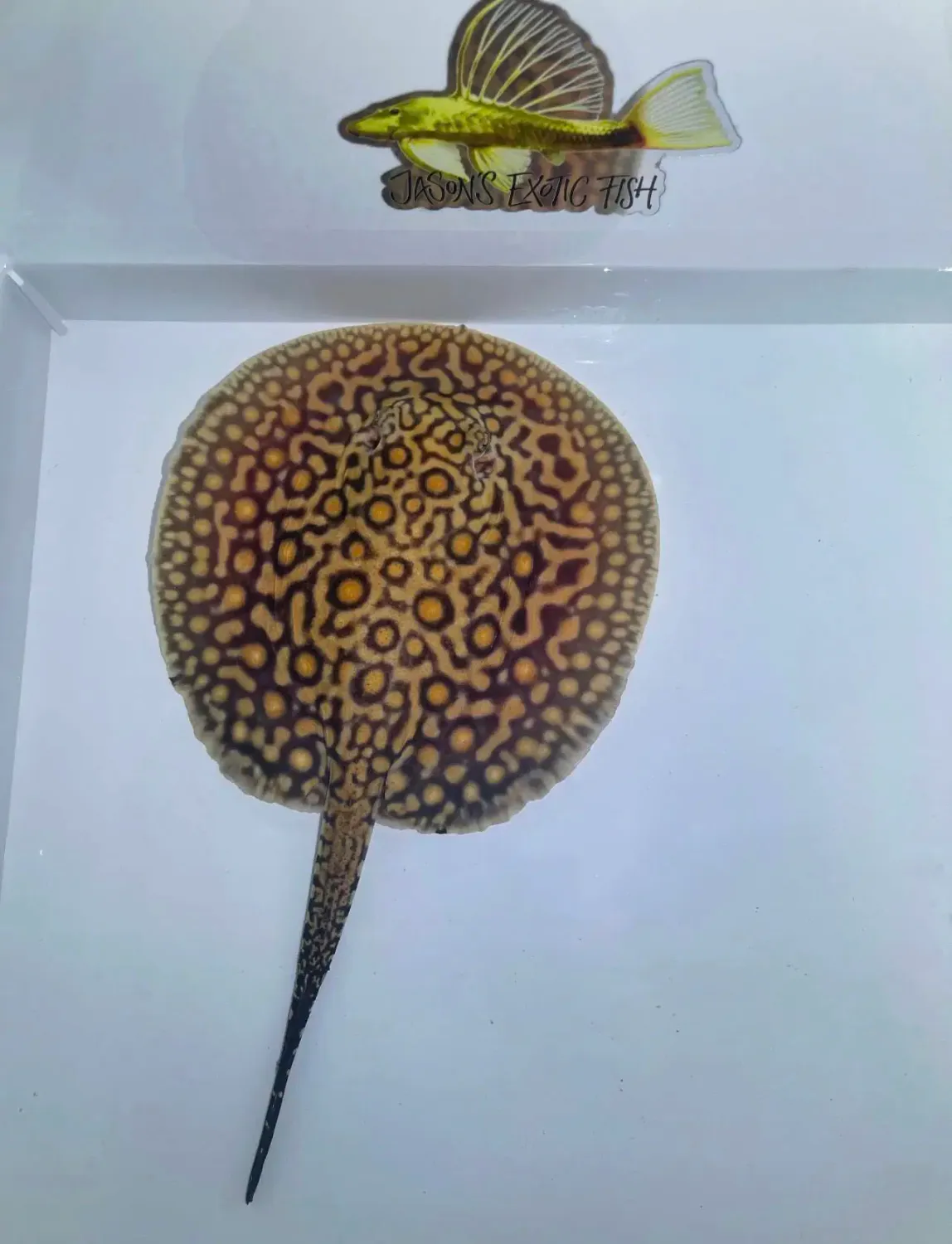
Mini Marble Motoro Stingray - (Potamotrygon motoro)
$550.00
Sold out
Size
Price of shipping is not included.
Sold out
Save this fish to my favorites.
Customer reviews
Reviews only from verified customers
No reviews yet. You can buy this product and be the first to leave a review.
Mini Marble Motoro Stingray - (Potamotrygon motoro)
Fish Details, Description and Information Below:
🟤 Mini Marble Motoro Stingray – (Potamotrygon motoro) – Compact-Line Marbled Freshwater Stingray
The Mini Marble Motoro Stingray (Potamotrygon motoro) is a selectively maintained aquarium form of the famous South American Motoro Stingray, prized for its intricate marbled pattern, ring-shaped ocelli, contrasting brown and cream coloration, and relatively compact adult size compared with many standard Motoro lines.
Mini Marble Motoros can develop spectacular patterns consisting of:
- Cream to golden rings
- Dark brown outlines
- Irregular marbling
- Broken circles
- Maze-like markings
- Small peripheral spots
- Reticulated markings between the larger ocelli
The pattern often becomes increasingly complex as the ray grows.
The term:
MINI MARBLE
is an aquarium-trade and breeding-line designation.
It is:
NOT A FORMALLY RECOGNIZED SUBSPECIES OR DWARF SPECIES
and adult size can vary according to genetics and breeder lineage.
Established Mini Marble bloodlines are widely reported to remain substantially smaller than standard Motoro Stingrays, but customers should never be promised an exact maximum size simply because a ray is sold as “Mini.”
🔎 Quick Facts – Mini Marble Motoro Stingray
- 📛 Common Name: Mini Marble Motoro Stingray
- 📛 Other Names: Mini Marbled Motoro, Mini Marble Stingray
- 🔬 Scientific Name: Potamotrygon motoro
- 🧬 Trade / Breeding Form: Mini Marble
- ⚠️ “Mini” Status: Aquarium breeding-line designation, not a recognized scientific subspecies
- 🐟 Family: Potamotrygonidae
- 🦈 Class: Chondrichthyes – cartilaginous fishes
- 💧 Water Type: Freshwater
- 🌎 Species Origin: South America
- 🌊 Species Range: Amazon, Orinoco, Paraná-Paraguay and Uruguay river systems
- 🎨 Marble Form: Aquarium/locality breeding lines selected for increasingly complex marbling
- 📏 Established Mini-Line Adults: Commonly reported around approximately 11–14 inches disc width
- ⚠️ Adult Size Guarantee: No exact dwarf maximum should be guaranteed
- 📏 Standard P. motoro Scientific Maximum: Approximately 50 cm / 19.7 inches disc width
- 🏠 Recommended Adult Aquarium: Approximately 240+ gallons
- 📐 Minimum Practical Footprint: Approximately 6 feet × 3 feet
- 📐 Preferred Footprint: Approximately 8 feet × 3 feet or larger
- 👥 Pairs / Multiple Rays: 300–500+ gallons depending on adult size and footprint
- 🌡️ Temperature: Approximately 76–82°F
- 💧 pH: Approximately 6.0–7.5
- 💦 Hardness: Soft to moderately mineralized
- 💨 Oxygenation: High
- 🔄 Filtration: Extremely strong biological and mechanical filtration
- ☠️ Ammonia: 0 ppm
- ☠️ Nitrite: 0 ppm
- 🔄 Nitrate: Keep as low as reasonably practical
- 🏖️ Substrate: Fine smooth sand or appropriately maintained bare bottom
- 🍽️ Diet: Carnivorous benthic predator
- 🦐 Primary Foods: Crustaceans, mollusks, worms, insects and fish-based foods
- 🚫 Feeder Fish: Not recommended
- 😌 Temperament: Generally peaceful but predatory
- 🐠 Tankmates: Large peaceful midwater species selected carefully
- ⚠️ Pleco Compatibility: Use caution – some plecos may rasp the ray's disc
- ♂️ Male Identification: Claspers
- ♀️ Female Identification: No claspers; generally larger-bodied at maturity
- 👶 Reproduction: Live-bearing / matrotrophic viviparity
- 🚨 Venomous Tail Spine: YES
- ⚠️ Human Injury Risk: Serious
- 🌎 IUCN Status: Least Concern
- 📜 CITES: Appendix III applies to certain national populations / international trade
- 🚫 Texas: Potamotrygonidae prohibited
- ⚠️ Florida: Potamotrygonidae are Conditional species
- ⭐ Care Level: Advanced
🚨 VENOMOUS FRESHWATER STINGRAY
Before anything else, customers need to understand:
MINI MARBLE MOTORO STINGRAYS HAVE A VENOMOUS TAIL SPINE
The word:
MINI
does not make the spine harmless.
The spine can cause:
- Severe puncture wounds
- Intense pain
- Significant tissue damage
- Bleeding
- Secondary infection
- Serious medical complications
Never intentionally:
- Grab the tail
- Pin the ray by the tail
- Attempt to handle the barb
- Reach blindly behind the ray
- Tease or provoke a stingray
A sting should be treated as a:
SERIOUS MEDICAL INJURY
and professional medical treatment should be obtained promptly.
⚠️ Stingrays Usually Sting Defensively
A Motoro is not normally trying to attack its keeper.
Most injuries occur when the ray is:
- Stepped on
- Grabbed
- Restrained improperly
- Cornered
- Frightened
- Accidentally contacted during aquarium maintenance
Respecting the ray's space greatly reduces risk.
🦂 Tail Spine
The defensive spine is located on the:
UPPER SURFACE OF THE TAIL
The ray can rapidly move its tail upward and forward when threatened.
This gives the spine considerable defensive reach.
⚠️ Shed Spines
Freshwater stingrays periodically replace their tail spines.
Old spines may occasionally be found on the aquarium bottom.
Do not casually pick one up.
Even a detached spine remains:
- Extremely sharp
- Serrated
- Capable of puncturing skin
Dispose of shed spines carefully.
🧬 What Is a Mini Marble Motoro?
The:
MINI MARBLE MOTORO
is an established aquarium breeding/trade line associated with the broader Motoro Stingray group.
It is selected for two especially desirable characteristics:
1. 🌀 Marbled Pattern
Complex markings develop between and around the traditional Motoro ocelli.
2. 📏 Smaller Adult Size
Established Mini Marble bloodlines tend to remain noticeably smaller than many full-size Motoro Stingrays.
⚠️ “Mini” Is Not a Scientific Classification
There is no formally described scientific taxon called:
Potamotrygon motoro mini
or:
Potamotrygon motoro mini marble
Therefore:
DO NOT PRESENT MINI MARBLE AS A FORMALLY RECOGNIZED DWARF SUBSPECIES
It is a:
BREEDING / AQUARIUM LINE
📏 How Small Is “Mini”?
Well-established adult Mini Marble Motoros are reported within the hobby around:
11–14 INCHES DISC WIDTH
with mature males around:
11–12 INCHES
documented in established aquarium lines.
That is substantially smaller than a large standard Motoro.
⚠️ Do Not Guarantee a 13-Inch Maximum
Because Mini Marble is a breeding-line designation rather than a scientifically standardized size mutation:
ADULT SIZE CAN VARY
depending on:
- Bloodline
- Sex
- Parent size
- Genetics
- Hybrid influence if present
- Nutrition
- Husbandry
If breeder lineage and adult parental size are unknown:
BE PREPARED FOR A LARGER RAY
📏 Standard Motoro Size
The species Potamotrygon motoro itself is scientifically documented to approximately:
50 CM / 19.7 INCHES DISC WIDTH
The full animal is much longer when the:
TAIL
is included.
This is why even Mini Marble Motoros should never be sold as small aquarium fish.
🟤 What Is a Marble Motoro?
The traditional Motoro pattern consists largely of:
OCELLI
which are round eye-like markings.
These usually have:
- Orange
- Gold
- Yellow
- Cream
centers surrounded by:
- Dark brown
- Black
- Chocolate
rings.
🌀 Marble Pattern
A Marble Motoro develops additional markings between those traditional ocelli.
These can form:
- Swirls
- Loops
- Broken circles
- Reticulations
- Curving lines
- Maze-like patterns
The result is a much more complicated pattern than a standard Motoro.
🎨 Pattern Often Improves With Age
An interesting characteristic of Marble Motoros is that pattern development can continue as the ray matures.
A juvenile may begin with relatively:
- Clean rings
- Simple spots
- Moderate marbling
and gradually develop:
- More interconnected markings
- Smaller secondary spots
- More complex lines
- Stronger reticulation
⚠️ Exact Adult Pattern Cannot Be Guaranteed
No two rays are identical.
Individual appearance can vary in:
- Base color
- Number of ocelli
- Ring size
- Marbling
- Spot density
- Tail pattern
- Contrast
Color can also change with:
- Lighting
- Substrate
- Stress
- Diet
- Water conditions
- Age
🧬 Scientific Name
The currently accepted species name is:
Potamotrygon motoro
The species was originally described in:
1841
and remains a valid recognized freshwater stingray species.
⚠️ Potamotrygon motoro Is a Complex & Widespread Species
Scientific authorities have noted that Potamotrygon motoro is:
EXTREMELY WIDESPREAD
and may require additional taxonomic subdivision as the different populations are studied in greater detail.
For aquarium breeding lines, maintaining accurate:
- Parentage
- Locality
- Bloodline records
is therefore especially valuable.
🌎 Natural Distribution of Potamotrygon motoro
The broader species occurs through an enormous portion of South America.
Major drainage systems include:
- Amazon
- Orinoco
- Paraná
- Paraguay
- Uruguay
The species occurs in multiple countries and includes substantial geographic variation.
⚠️ Do Not Assign a Wild Locality to Mini Marble Without Records
Because Mini Marble is primarily an aquarium-line designation:
DO NOT INVENT A COLLECTION LOCALITY
unless breeder or importer documentation identifies one.
Some Marble Motoro bloodlines trace to specific South American populations, but not every Mini Marble sold today can be reliably tied to one wild river.
🏖️ Natural Habitat
Motoro Stingrays inhabit freshwater environments including:
- Rivers
- River margins
- Sandbars
- Lagoons
- Flooded areas
- Backwaters
- Sandy and muddy bottoms
Their flattened body allows them to move across and partially bury into soft substrate.
🏖️ Substrate
One of the best substrates is:
FINE, SMOOTH SAND
Sand allows the ray to:
- Bury naturally
- Search for food
- Rest comfortably
- Display normal foraging behavior
⚠️ Avoid Sharp Gravel
Do not use substrate capable of:
- Cutting the underside
- Abrading the disc
- Damaging the mouth
- Irritating the spiracles
Sharp gravel is inappropriate.
🧼 Bare-Bottom Aquariums
A properly maintained bare-bottom aquarium can also work, particularly for:
- Breeding
- Quarantine
- Grow-out systems
- High-maintenance ray aquariums
Bare bottom allows:
- Easy waste removal
- Easy observation
- Efficient cleaning
However, sand generally provides more natural behavioral enrichment.
📐 FLOOR SPACE IS MORE IMPORTANT THAN HEIGHT
For freshwater stingrays:
FOOTPRINT IS EVERYTHING
A tall narrow aquarium may contain many gallons but still be inappropriate for a ray.
The ray must be able to:
- Turn comfortably
- Swim without folding its disc
- Search for food
- Rest completely flat
- Avoid tankmates
🏠 Adult Aquarium
For an established Mini Marble line:
APPROXIMATELY 240+ GALLONS
is a responsible adult starting recommendation.
However:
THE FOOTPRINT MATTERS MORE THAN THE NUMBER ON THE TANK
📐 Minimum Practical Footprint
For one adult Mini Marble:
APPROXIMATELY 6 FEET × 3 FEET
should be considered a practical starting footprint.
I strongly prefer:
8 FEET × 3 FEET OR LARGER
for long-term flexibility.
👥 Multiple Rays
For:
- A pair
- Breeding group
- Multiple stingrays
consider approximately:
300–500+ GALLONS
depending on:
- Adult disc width
- Number of rays
- Sex
- Tankmate population
- Aquarium footprint
⚠️ A Grow-Out Tank Is Not Permanent Housing
Juvenile rays can temporarily live in smaller aquariums.
However:
DO NOT PLAN PERMANENT HOUSING AROUND THE PUP'S CURRENT SIZE
Freshwater stingrays grow quickly when:
- Well fed
- Kept warm
- Maintained in clean water
Permanent housing should be planned before purchase.
💩 EXTREMELY HIGH BIOLOAD
Freshwater stingrays are:
HEAVY FEEDERS
and create a tremendous amount of waste.
A ray aquarium needs filtration capable of handling:
- Large protein meals
- Fecal waste
- Uneaten food
- Dissolved organic waste
💧 Water Quality Is Critical
Stingrays are particularly sensitive to deteriorating water conditions.
Maintain:
AMMONIA = 0
NITRITE = 0
at all times.
Keep nitrate:
AS LOW AS REASONABLY PRACTICAL
through strong filtration and regular water changes.
⚠️ Ammonia & Nitrite Are Dangerous
Do not use freshwater stingrays to:
- Cycle an aquarium
- Test a new biological filter
- Establish a new system
The aquarium should be:
FULLY MATURE AND BIOLOGICALLY STABLE
before a ray is introduced.
🔄 Water Changes
Frequent partial water changes are extremely important.
The appropriate schedule depends on:
- Aquarium volume
- Number of rays
- Feeding
- Filtration
- Tankmates
- Nitrate production
Many successful ray systems require:
LARGE AND REGULAR WATER CHANGES
💩 Remove Uneaten Food
Protein foods deteriorate rapidly.
After feeding:
REMOVE UNEATEN FOOD PROMPTLY
Do not allow:
- Shrimp
- Fish
- Mussel
- Worms
to rot beneath décor or inside filter intakes.
💨 Oxygenation
Provide:
HIGH DISSOLVED OXYGEN
using:
- Strong surface agitation
- Air stones
- Sump returns
- High-volume filtration
- Circulation pumps
🌡️ Temperature
A practical long-term aquarium range is:
76–82°F
Stable temperature is more important than constantly chasing one precise number.
💧 pH
A practical captive range is approximately:
6.0–7.5
Stable chemistry is generally more important than forcing the aquarium to match an extreme wild pH.
💧 Water Parameters
A practical Mini Marble Motoro aquarium should maintain:
- 🌡️ Temperature: Approximately 76–82°F
- 💧 pH: Approximately 6.0–7.5
- 💦 Hardness: Soft to moderately mineralized
- 💨 Oxygenation: High
- ☠️ Ammonia: 0 ppm
- ☠️ Nitrite: 0 ppm
- 🔄 Nitrate: As low as reasonably practical
🔥 Protect the Heater
Freshwater stingrays can suffer serious burns from exposed aquarium heaters.
Use:
- Heater guards
- Sump-mounted heaters
- Inline heating systems
- Other protected heating arrangements
Never leave a powerful exposed heater where a ray can rest directly against it.
⚙️ Protect Equipment
Ray aquariums should minimize equipment that the animal can:
- Become trapped behind
- Become burned by
- Cut itself on
- Knock loose
Keep the swimming floor as:
OPEN AND SAFE
as possible.
🍽️ Diet – Carnivorous Benthic Predator
Potamotrygon motoro is a:
CARNIVOROUS GENERALIST
Natural diet studies document prey including:
- Crustaceans
- Fish
- Mollusks
- Insects
- Insect larvae
- Worms / annelids
Different populations and sizes may emphasize different prey.
🦐 Crustaceans
Excellent foods include:
- Shrimp
- Prawn
- Krill
- Mysis shrimp
🦪 Mollusks
Suitable foods include:
- Mussel
- Clam
- Cockle
These provide excellent dietary variety.
🪱 Worms
Many freshwater rays readily accept:
- Earthworms
- Appropriate aquatic worms
Worms can be particularly useful for encouraging a newly acquired ray to begin feeding.
🐟 Fish-Based Foods
Suitable fish foods include:
- Tilapia
- Appropriate white fish
- Silversides
- Quality fish-based frozen foods
Cut pieces appropriately for the ray's size.
🥣 Prepared Stingray Foods
Many captive-bred Mini Marble Motoros can be conditioned to accept:
- Quality carnivore pellets
- Stingray pellets
- Sinking predator pellets
Pellet acceptance is extremely useful because it makes balanced long-term feeding easier.
🚫 Avoid Feeder Fish
Live feeder fish are unnecessary and can introduce:
- Parasites
- Bacteria
- Disease
- Poor nutrition
Prepared, frozen, and fresh foods are safer.
🚫 Avoid Mammal & Poultry Meat as Staples
Do not build the diet around:
- Beef
- Chicken
- Pork
Aquatic and invertebrate-based foods are much more appropriate.
👶 Juvenile Feeding
Young rays have:
HIGH ENERGY REQUIREMENTS
and generally benefit from multiple smaller meals.
Young pups may need feeding:
2–3 TIMES DAILY
depending on:
- Size
- Body condition
- Temperature
- Food type
🐟 Adult Feeding
Healthy adults may generally receive:
1–2 APPROPRIATE MEALS DAILY
depending on:
- Condition
- Activity
- Breeding status
Avoid allowing a ray to become:
- Emaciated
or:
- Severely obese.
🍽️ Monitor Body Condition
A healthy ray should have a well-filled disc without obvious:
- Hollow areas
- Protruding pelvic structures
- Severe indentation around the head
Persistent weight loss should be investigated.
😌 Temperament
Mini Marble Motoros are generally:
PEACEFUL BUT PREDATORY
They are not typically territorial attackers toward normal midwater fish.
However:
ANY FISH SMALL ENOUGH TO BE EATEN MAY BECOME FOOD
🐠 Tankmates
Possible tankmates may include carefully selected:
- Large tetras
- Silver dollars
- Datnoids
- Large peaceful cichlids
- Other appropriately sized midwater species
Compatibility always depends on:
- Individual temperament
- Aquarium size
- Feeding
- Water requirements
🚫 Avoid Fin Nippers
Do not house rays with fish that repeatedly:
- Bite the disc
- Nip the tail
- Harass the spiracles
- Compete aggressively for bottom space
Even relatively small injuries can become infected.
⚠️ Plecos Can Be a Problem
One of the most important compatibility warnings is:
PLECOS MAY RASP THE STINGRAY'S DISC
Some plecos become attracted to:
- Slime coat
- Food residue
- The ray's skin
Repeated rasping can produce:
- Circular wounds
- Raw tissue
- Infection
If a pleco repeatedly attaches to the ray:
SEPARATE THEM IMMEDIATELY
⚠️ Large Cichlids Require Careful Selection
Some large cichlids work well with rays.
Others may:
- Bite the disc
- Guard territory aggressively
- Attack during breeding
- Outcompete the ray for food
Monitor closely.
♂️ Male vs. Female
Freshwater stingrays are among the easiest aquarium fish to sex once the underside is visible.
Mature & Juvenile Males
Have:
CLASPERS
alongside the pelvic fins.
Claspers become:
- Longer
- Thicker
- More rigid
as the male reaches sexual maturity.
Females
DO NOT HAVE CLASPERS
📏 Females Often Grow Larger
In many freshwater stingray lines:
FEMALES BECOME LARGER AND HEAVIER
than males.
Adult size expectations should therefore take sex into account.
👶 Live-Bearing Stingray
Potamotrygon motoro does:
NOT LAY EGGS
It produces:
LIVE PUPS
🧬 Matrotrophic Viviparity
The reproductive strategy is called:
MATROTROPHIC VIVIPARITY
Developing embryos remain inside the female and receive additional nutrition from uterine secretions often called:
HISTOTROPH
💕 Internal Fertilization
The male uses one of his:
CLASPERS
to fertilize the female internally.
⚠️ Ray Courtship Can Be Rough
Breeding behavior can involve:
- Chasing
- Biting
- Disc grabbing
- Temporary wounds
Male stingrays commonly bite the edge of the female's disc during courtship.
🚨 Monitor Breeding Females
A persistent male can seriously injure a female that:
- Is not receptive
- Is too small
- Cannot escape
Breeding rays require:
- Very large floor area
- Good visual space
- Careful monitoring
Separate animals when aggression becomes excessive.
🤰 Pregnancy
Gestation varies with:
- Population
- Temperature
- Individual ray
- Husbandry
Broad biological reports place pregnancy around:
SEVERAL MONTHS
with approximately:
3–6 MONTHS
reported across populations and conditions.
👶 Litter Size
Wild biological reports document approximately:
3–21 PUPS
with substantial population variation.
Aquarium Motoro breeding more commonly produces smaller litters, frequently around:
1–8 PUPS
FishBase also documents a captive female producing:
16 PUPS
demonstrating that larger litters are possible.
🍼 Pups Are Born Fully Formed
Newborn rays resemble:
MINIATURE ADULTS
and begin feeding shortly after birth.
Suitable pup foods include:
- Small worms
- Mysis
- Chopped shrimp
- Small pieces of fish
- Appropriate sinking foods
⚠️ Protect Newborn Pups
Newborns should not be forced to compete immediately with:
- Large adult rays
- Aggressive fish
- Extremely fast feeders
A dedicated grow-out system can improve feeding and observation.
🧬 Mini Marble Breeding
Mini Marble Motoros have been:
SUCCESSFULLY CAPTIVE BRED
for many generations within the aquarium hobby.
For anyone breeding the Mini line:
PARENT SIZE RECORDS ARE EXTREMELY VALUABLE
Record:
- Male disc width
- Female disc width
- Adult age
- Parentage
- Pattern
- Whether the line is pure or hybrid
⚠️ Preserve Honest Lineage
Do not sell offspring as:
PURE MINI MARBLE MOTORO
if the parentage includes undocumented:
- Hybrids
- Pearl crosses
- Black-ray crosses
- Designer stingray crosses
If ancestry is mixed:
LABEL THE OFFSPRING AS HYBRIDS
🚨 CITES – International Trade
Potamotrygon motoro has:
CITES APPENDIX III TRADE CONTROLS
associated with certain national populations.
The:
COLOMBIAN POPULATION
is specifically listed in Appendix III.
Brazil has also listed national populations of Potamotrygon species not otherwise included in Appendix II under Appendix III.
⚠️ What Appendix III Means
Appendix III is different from:
- Appendix I
- Appendix II
It is used when a country requests international cooperation in controlling trade involving a protected species or population.
International shipment may therefore require:
- CITES documentation
- Certificates of origin
- Export documentation
- Import documentation where applicable
depending on:
- Origin
- Destination
- Whether the fish is wild or captive bred
- Current national law
⚠️ CITES Does Not Automatically Ban Domestic U.S. Ownership
Do not tell customers that CITES Appendix III means:
“THIS FISH IS ILLEGAL IN THE UNITED STATES.”
That would be incorrect.
Domestic possession is primarily affected by:
- Federal requirements
- State law
- Local law
and can vary significantly.
🚫 Texas – Freshwater Stingrays Prohibited
Texas lists:
ALL SPECIES OF FAMILY POTAMOTRYGONIDAE
among its prohibited exotic aquatic species.
That includes:
Potamotrygon motoro
and Mini Marble Motoro Stingrays.
Orders must comply with current Texas law and any applicable permit or exemption structure.
⚠️ Florida – Conditional Species
Florida lists:
ALL FRESHWATER STINGRAYS – FAMILY POTAMOTRYGONIDAE
as:
CONDITIONAL NONNATIVE SPECIES
Possession is restricted and generally requires applicable authorization.
Do not treat Florida as an unrestricted normal shipment destination.
⚠️ Other State & Local Laws
Additional jurisdictions may regulate:
- Freshwater stingrays
- Venomous fish
- Exotic aquatic wildlife
- Potamotrygonidae specifically
Therefore:
BUYERS MUST VERIFY LEGALITY BEFORE ORDERING
🌎 Conservation Status
The current global IUCN assessment for:
Potamotrygon motoro
is:
LEAST CONCERN
The most recent assessment cited by FishBase was completed in:
2024
⚠️ Least Concern Does Not Mean Unlimited Trade
The species is:
- Widely distributed
- Collected commercially
- Important in the ornamental trade
and certain populations are regulated internationally.
Responsible sourcing remains important.
🌎 Never Release a Stingray
Never release a Mini Marble Motoro into:
- Rivers
- Lakes
- Ponds
- Canals
- Streams
- Springs
- Stormwater systems
Freshwater stingrays have established non-native populations in parts of the world after release.
If the fish can no longer be kept:
- Rehome it
- Contact an experienced stingray keeper
- Contact a qualified aquarium store
- Contact an aquatic rescue
- Contact the appropriate wildlife authority
NEVER RELEASE AQUARIUM STINGRAYS INTO THE WILD.
💊 Medication Warning
Freshwater stingrays are:
CARTILAGINOUS FISH
and may react differently to medications commonly used on ordinary freshwater bony fish.
Use extreme caution with medications.
Do not casually treat a ray with:
- Copper medications
- Strong chemical treatments
- Unverified dosages
without confirming that the treatment is safe for:
FRESHWATER ELASMOBRANCHS
When in doubt, consult an aquatic veterinarian or experienced stingray specialist.
🧂 Freshwater Means Freshwater
Potamotrygon motoro is a:
TRUE FRESHWATER STINGRAY
Routine marine-level salinity is not required.
Do not add salt simply because the animal is a stingray.
Any therapeutic use of salt should be based on an appropriate treatment plan rather than routine assumptions.
⭐ Why Keep a Mini Marble Motoro?
The Mini Marble Motoro combines:
- 🌀 Incredible marbled pattern development
- 🟠 Classic Motoro ocelli
- 🟤 Beautiful earth-tone coloration
- 📏 Smaller adult potential than many standard Motoro lines
- 🧬 Established captive-bred bloodlines
- 🦐 Fascinating predatory feeding behavior
- 👶 Live-bearing reproduction
- ♂️ Easy visual sexing through claspers
- 🏖️ Natural sand-foraging behavior
- 🦈 True freshwater stingray biology
into one of the most fascinating specialized freshwater aquarium animals available.
⚠️ Important Considerations
Before purchasing a Mini Marble Motoro Stingray:
- The correct species name is Potamotrygon motoro when pure Motoro parentage is documented.
- “Mini Marble” is an aquarium breeding/trade designation.
- Mini Marble is not a formally described subspecies.
- Do not guarantee a scientifically fixed dwarf maximum.
- Established Mini Marble lines commonly mature around approximately 11–14 inches disc width.
- Parent size and bloodline are important.
- Standard P. motoro can reach approximately 50 cm / 19.7 inches disc width.
- Be prepared for a larger individual if lineage is uncertain.
- Provide approximately 240+ gallons for a permanent adult setup.
- Aquarium footprint is more important than height.
- Approximately 6 × 3 feet should be considered a practical starting footprint.
- Approximately 8 × 3 feet or larger is preferred.
- Use 300–500+ gallons for pairs or multiple rays depending on adult size.
- Use fine smooth sand or a properly maintained bare bottom.
- Never use sharp substrate.
- Protect heaters from direct contact with the ray.
- Maintain ammonia at zero.
- Maintain nitrite at zero.
- Keep nitrate low.
- Use extremely strong biological and mechanical filtration.
- Perform regular partial water changes.
- Maintain high dissolved oxygen.
- Maintain approximately 76–82°F.
- Maintain approximately pH 6.0–7.5.
- Feed a carnivorous diet.
- Excellent foods include shrimp, prawn, mussel, worms and appropriate fish.
- Quality sinking carnivore/stingray pellets are useful.
- Do not use feeder fish as a routine food.
- Avoid mammal and poultry meat as staples.
- Do not keep fish small enough to be swallowed.
- Avoid aggressive fin-nipping tankmates.
- Watch plecos carefully because they may rasp the ray's disc.
- Males have claspers.
- Females generally grow larger.
- Motoro Stingrays are live bearers.
- Reproduction is matrotrophic viviparity.
- Breeding males may bite and injure females.
- Mini Marble Motoros have been bred successfully in captivity.
- Preserve parentage and breeder-line records.
- Label hybrid offspring honestly.
- The species possesses a venomous tail spine.
- A sting can cause serious injury.
- Never handle the tail or spine casually.
- P. motoro is involved in CITES Appendix III controls for certain national populations.
- Texas prohibits Potamotrygonidae.
- Florida regulates Potamotrygonidae as Conditional species.
- Buyers must verify all applicable state and local laws.
- The species is currently globally assessed as Least Concern.
- Never release a freshwater stingray into natural waterways.
🧬 Taxonomy
The accepted species identification is:
Potamotrygon motoro (Müller & Henle, 1841)
Classification:
- Class: Chondrichthyes
- Subclass: Elasmobranchii
- Order: Myliobatiformes
- Family: Potamotrygonidae
- Genus: Potamotrygon
- Species: motoro
- Aquarium Form: Mini Marble Motoro
The:
MINI MARBLE
name identifies an aquarium breeding line and should not be written as though it were a formal taxonomic subspecies.
🧬 Mini Marble Lineage Disclaimer
Because “Mini Marble” is not a scientifically standardized strain:
LINEAGE MATTERS
Whenever possible, preserve:
- Breeder name
- Parent size
- Parent photographs
- Generation
- Bloodline
- Known locality ancestry
- Hybrid status
A ray should only be represented as:
PURE MINI MARBLE MOTORO
when its ancestry supports that claim.
🚨 Venomous Spine Warning
All Potamotrygon freshwater stingrays possess a defensive tail spine capable of causing severe injury.
Do not:
- Grab the tail
- Touch the spine
- Attempt unnecessary hands-on handling
- Allow children to place their hands in a ray aquarium unsupervised
Always know where the ray is before placing hands or equipment into the aquarium.
Seek prompt professional medical attention following a sting.
📜 Legal & CITES Disclaimer
Freshwater stingray laws vary significantly between jurisdictions.
Important examples include:
- Texas: Family Potamotrygonidae is prohibited.
- Florida: Family Potamotrygonidae is regulated as Conditional nonnative wildlife.
- CITES: Potamotrygon motoro is subject to Appendix III controls involving certain South American national populations.
CITES regulations primarily concern international trade and should not be confused with state possession laws.
Customers are responsible for confirming all applicable:
- Federal laws
- State laws
- Local laws
- Import regulations
- Possession requirements
before ordering.
🚚 Live Stingray Shipping
Freshwater stingrays require specialized shipping procedures because of their:
- Disc size
- High oxygen demand
- High waste production
- Venomous tail spine
- Ability to puncture ordinary thin shipping bags
Shipping availability depends on:
- Ray size
- Destination
- Weather conditions
- Carrier availability
- State legality
- Local regulations
Larger specimens may require:
- Heavy-duty shipping bags
- Multiple protective layers
- Large insulated containers
- Additional water volume
- Specialized packing
- Airline cargo depending on size and destination
Please review our Shipping & Payment Information and Live Arrival Guarantee / DOA Policy before ordering.
⚠️ Buyer Responsibility
Customers are responsible for confirming that Potamotrygon motoro may legally be purchased, possessed, transported, and received in their state or local jurisdiction before ordering.
Never release freshwater stingrays into natural waterways.
Below are fish you may also like.
Wild Caught
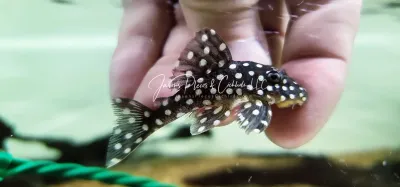
L142 Big White Spot Pleco - (Baryancistrus sp.)
L142 Big White Spot Pleco - (Baryancistrus sp.)
Price of shipping is not included.
was $50.00
Save 10%
$45.00
Out of stock
Captive Bred
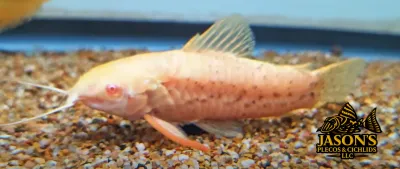
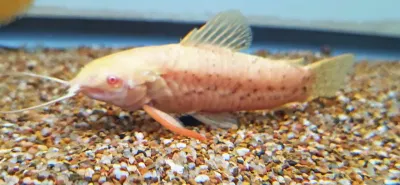
Albino Spotted Hoplo - (Megalechis thoracata)
Albino Spotted Hoplo - (Megalechis thoracata)
Price of shipping is not included.
5.0
(1)
was $45.00
Save 11%
$40.00
Out of stock
Captive Bred
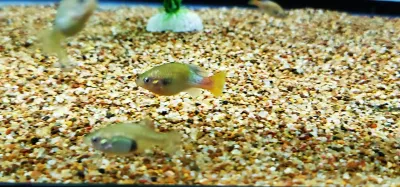
San Marcos Goodeid - (Xenotoca doadrioi)
San Marcos Goodeid - (Xenotoca doadrioi)
Price of shipping is not included.
$6.00
Out of stock
Wild Caught
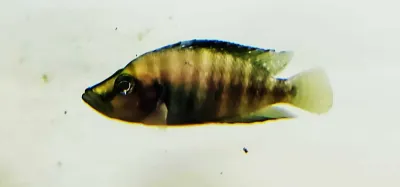
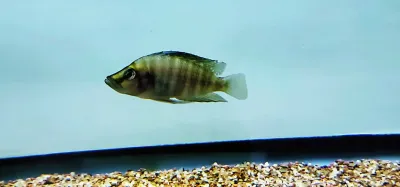
Compressiceps Cichlid - (Altolamprologus compressiceps)
Compressiceps Cichlid - (Altolamprologus compressiceps)
Price of shipping is not included.
$65.00
Out of stock
Captive Bred
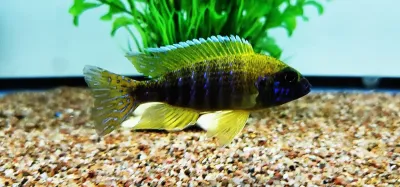
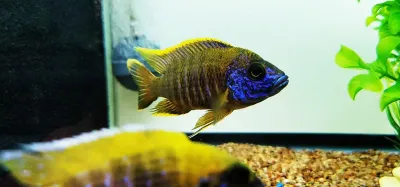
Yellow Benga Peacock/Sunshine Peacock - (Auloncara baenschi)
Yellow Benga Peacock/Sunshine Peacock - (Auloncara baenschi)
Price of shipping is not included.
$40.00
Out of stock
Captive Bred
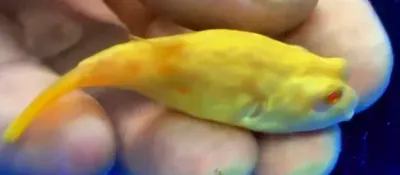
Albino Fahaka Puffer - (Tetraodon lineatus)
Albino Fahaka Puffer - (Tetraodon lineatus)
Price of shipping is not included.
$10 000.00
Out of stock
Wild Caught
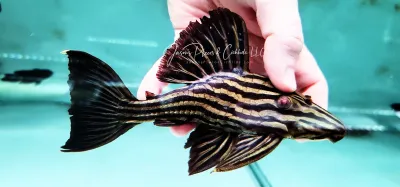
L027 Thunder Royal Pleco - (Panaque cf. armbrusteri)
L027 Thunder Royal Pleco - (Panaque cf. armbrusteri)
Price of shipping is not included.
$300.00
Out of stock
Captive Bred
Rio Chacamax Cichlid - (Vieja bifasciata)
Rio Chacamax Cichlid - (Vieja bifasciata)
Price of shipping is not included.
5.0
(4)
$130.00
Out of stock
Wild Caught
L129 Colombian Zebra Pleco - (Hypancistrus debilittera)
L129 Colombian Zebra Pleco - (Hypancistrus debilittera)
Price of shipping is not included.
was $35.00
Save 14%
$30.00
Out of stock
Captive Bred


Chocolate Pleco/Alligator Pleco/Rhino Pleco - (Pterygoplichthys scrophus)
Chocolate Pleco/Alligator Pleco/Rhino Pleco - (Pterygoplichthys scrophus)
Price of shipping is not included.
$85.00
Out of stock
Sold out
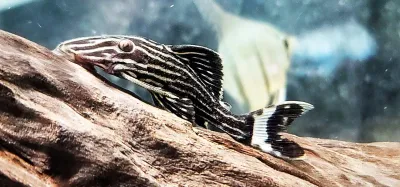
Panaque cf. armbrusteri - L27 (Jamanxim River)
Panaque cf. armbrusteri - L27 (Jamanxim River)
Price of shipping is not included.
$65.00
Out of stock
Wild Caught
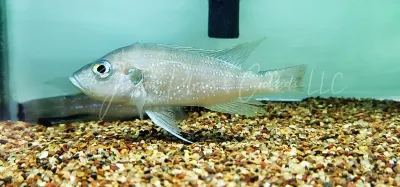
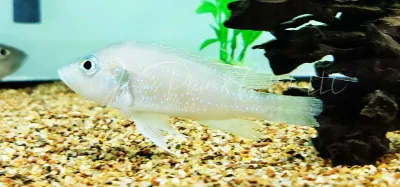
Greenwoodochromis christyi
Greenwoodochromis christyi
Price of shipping is not included.
$50.00
Out of stock
Powered by Lightspeed
Display prices in:USD