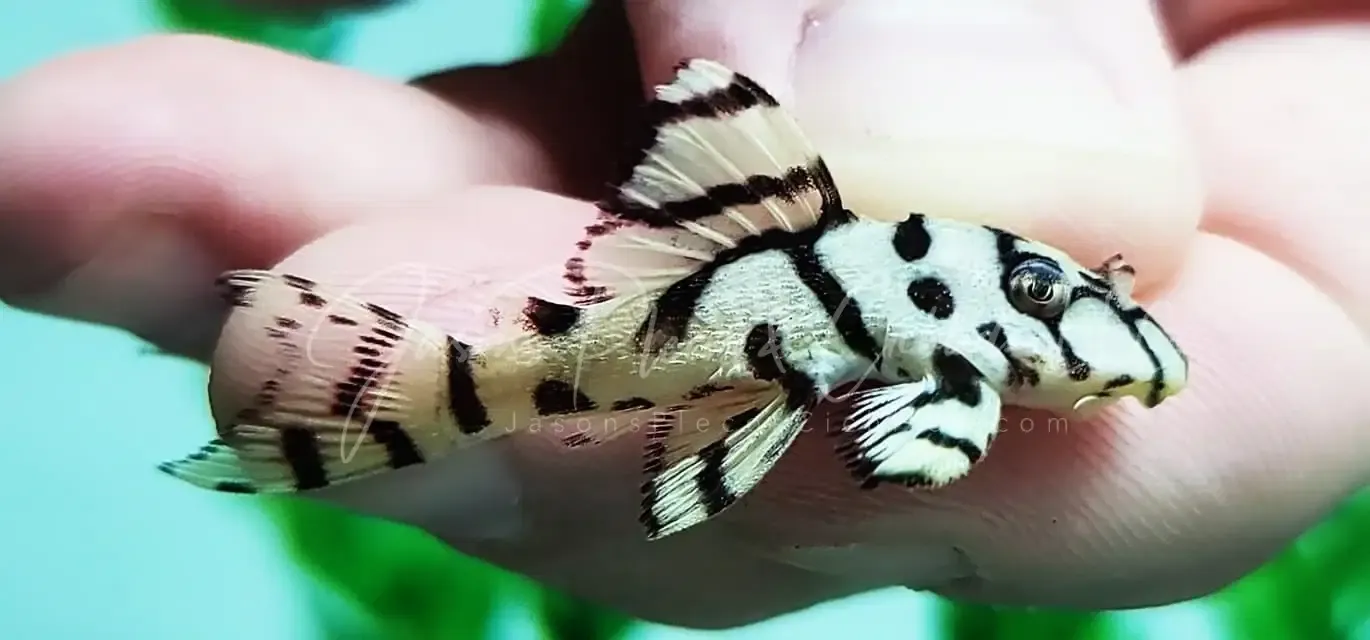
L236 Super White - (Hypancistrus seideli)
$250.00
Sold out
was $280.00 Save 11%
Size
Questions, Comments, Concerns? Let us know!
Enter your text
Price of shipping is not included.
Sold out
Save this fish to my favorites.
Customer reviews
Reviews only from verified customers
No reviews yet. You can buy this product and be the first to leave a review.
L236 Super White - (Hypancistrus seideli)
Fish Details, Description and Information Below:
🐟 L236 Super White Pleco – (Hypancistrus seideli) – Rare High-White Xingu Pleco
The L236 Super White Pleco (Hypancistrus seideli) is one of the most striking and highly sought-after Hypancistrus plecos in the aquarium hobby.
Known for its brilliant white to cream base coloration covered with thin, contrasting black maze-like or worm-line markings, the Super White form has been selectively bred to emphasize significantly more white coloration than is typically seen in other Hypancistrus seideli forms.
Each individual develops its own unique pattern, making no two L236 Super Whites exactly alike.
Native forms of Hypancistrus seideli originate from Brazil's Rio Xingu system, while the Super White fish available in the aquarium hobby are generally the result of generations of selective captive breeding.
For pleco collectors looking for a smaller, beautifully patterned, cave-dwelling Hypancistrus, the L236 Super White is one of the most desirable choices available.
🔎 Quick Facts – L236 Super White Pleco
- 📛 Common Name: L236 Super White Pleco
- 🔢 L-Number: L236
- 🔬 Scientific Name: Hypancistrus seideli
- 🐟 Family: Loricariidae
- 🧬 Genus: Hypancistrus
- 🎨 Form: Selectively bred Super White aquarium strain
- 🌎 Species Origin: South America
- 🇧🇷 Country: Brazil
- 🌊 River System: Rio Xingu
- 📏 Documented Species Maximum: Approximately 11.7 cm standard length
- 📏 Expected Aquarium Size: Approximately 5–6 inches total length
- 🏠 Recommended Aquarium: 30 gallons or larger; larger for groups
- 🌡️ Temperature: Approximately 79–86°F
- 💧 pH: Approximately 6.0–7.5
- 💦 Water: Soft to moderately mineralized freshwater
- 💨 Oxygen: High dissolved oxygen strongly recommended
- 🌊 Current: Moderate to strong water movement preferred
- 🍽️ Diet: Omnivore with a strong preference for protein-rich foods
- 😌 Temperament: Generally peaceful; territorial around caves
- 🐠 Swimming Area: Bottom
- 🕳️ Breeding: Cave-spawning pleco
- ⭐ Care Level: Intermediate
- 🏆 Availability: Highly sought-after collector pleco
🧬 L236 & Hypancistrus seideli
For many years, L236 was known simply as:
Hypancistrus sp. L236
because the fish had not yet been formally assigned to a scientifically described species.
That changed in 2025, when researchers formally described:
Hypancistrus seideli
The scientific study placed several familiar Rio Xingu aquarium forms within this highly variable species, including:
- L066
- L236
- L287
- L333
- L399
- L400
These forms can display dramatically different patterns and body shapes despite belonging to the same scientifically recognized species.
The L-number names remain extremely useful in the aquarium hobby because they help distinguish particular appearances and breeding lines.
🤍 What Does “Super White” Mean?
The Super White L236 is a selectively bred aquarium form chosen for individuals displaying a particularly high percentage of white coloration.
Typical Super White characteristics include:
- Bright white or cream base coloration
- Thin black markings
- Reduced dark coverage
- Maze-like or worm-line patterns
- Highly contrasting fins
- Individual pattern variation
Selective breeding over multiple generations has produced fish displaying significantly more white than many ordinary King Tiger-type Hypancistrus.
Every Fish Is Different
Pattern is naturally variable.
Some individuals may develop:
- Extremely thin black lines
- Larger white areas
- Broken markings
- More intricate maze patterns
- Slightly cream or yellowish coloration
- Darker markings as they mature
Because these are living animals, exact pattern and coloration cannot be guaranteed to remain identical throughout the fish's life.
🎨 Appearance
The L236 Super White is immediately recognizable because of the strong contrast between its light base coloration and dark markings.
Coloration commonly includes:
- Bright white
- Cream
- Ivory
- Light beige
- Black
- Dark brown
The head typically displays dense, intricate patterning while the body and fins may contain:
- Thin lines
- Worm-like markings
- Broken stripes
- Irregular bands
- Maze patterns
Juvenile coloration may change as the fish matures.
Environmental conditions can also affect appearance, including:
- Stress
- Water quality
- Lighting
- Substrate
- Diet
- Dominance
- Breeding condition
📏 Adult Size
FishBase currently records Hypancistrus seideli at approximately:
11.7 cm standard length
Standard length does not include the tail fin.
For aquarium planning, customers should expect approximately:
5–6 inches total length
depending on genetics, sex, age, and individual growth.
This relatively manageable adult size makes L236 Super Whites suitable for significantly smaller aquariums than giant pleco species.
They should still be provided with plenty of bottom territory and caves.
🏠 Aquarium Size
For a single adult or small number of L236 Super Whites:
30 gallons or larger is recommended.
For groups or breeding colonies:
40–75+ gallons provides considerably more territory and flexibility.
The aquarium's bottom footprint is more important than excessive height.
When keeping multiple adults, provide:
- Numerous caves
- Separate territories
- Rock structures
- Visual barriers
- Adequate feeding areas
More space reduces competition between mature males.
🪨 Aquarium Setup
L236 Super Whites thrive in warm, clean, oxygen-rich aquariums with abundant structure.
Recommended setup includes:
- Pleco breeding caves
- Slate structures
- Rocks
- Driftwood
- Shaded hiding areas
- Sand or fine gravel substrate
- Moderate to strong water flow
- Strong biological filtration
- Excellent oxygenation
Provide more hiding places than fish whenever possible.
These plecos often remain hidden during bright daylight and become considerably more active during:
- Evening
- Feeding time
- Low-light periods
- Nighttime
🕳️ Caves Are Essential
Caves are especially important for Hypancistrus.
They provide:
- Daytime shelter
- Territorial boundaries
- Stress reduction
- Breeding sites
Mature males often establish ownership of particular caves.
When multiple males are housed together, competition can occur if there are too few suitable shelters.
Recommended Rule
Provide:
At least one suitable cave per fish, preferably more.
Breeding males generally prefer caves that are only slightly wider than their body.
💧 Water Parameters
L236 Super Whites prefer warm, clean, highly oxygenated water.
Recommended aquarium conditions:
- 🌡️ Temperature: 79–86°F
- 💧 pH: Approximately 6.0–7.5
- 💦 Hardness: Soft to moderately hard
- 💨 Oxygenation: High
- 🌊 Flow: Moderate to strong
- ☠️ Ammonia: 0 ppm
- ☠️ Nitrite: 0 ppm
- 🔄 Nitrate: Keep as low as reasonably possible
For breeding, many keepers maintain them toward the warmer end of the range, around:
82–86°F
Stable water quality is extremely important.
These fish should not be maintained in aquariums with:
- Poor filtration
- Low oxygen
- Accumulated organic waste
- Elevated ammonia or nitrite
- Chronically high nitrate
Regular partial water changes are strongly recommended.
💨 Oxygen & Water Movement
Hypancistrus seideli naturally occurs in the Rio Xingu system and is adapted to environments that can contain substantial water movement and high dissolved oxygen.
Good oxygenation can be provided using:
- Air stones
- Powerheads
- Strong filter returns
- Sump systems
- Surface agitation
Pay particular attention to oxygen levels at higher temperatures because warm water naturally contains less dissolved oxygen.
This makes strong aeration particularly important in warm Hypancistrus aquariums.
🍽️ Diet & Feeding
The L236 Super White should not be treated as an algae-eating cleanup fish.
Although Hypancistrus are technically omnivorous, they generally show a strong preference for protein-rich foods.
Recommended foods include:
- High-quality carnivore pellets
- Pleco pellets
- Insect-based sinking foods
- Fluval Bug Bites
- Mysis shrimp
- Brine shrimp
- Krill
- Bloodworms
- Chopped shrimp
- Appropriate frozen foods
- Quality gel foods
Small amounts of vegetable-based foods may also be offered for dietary variety.
Important
Do not expect L236 to keep an aquarium free of algae.
They should be intentionally fed a nutritionally complete diet.
🍽️ Feeding Groups
When keeping multiple plecos, make sure every fish receives food.
Dominant males may remain close to favored caves while more timid individuals can be pushed away from feeding areas.
Distribute food in several areas of the aquarium.
Feeding after lights begin to dim can also help shy individuals obtain enough food.
😌 Temperament
L236 Super Whites are generally peaceful toward unrelated aquarium fish.
However, adult Hypancistrus can become territorial toward other bottom-dwelling plecos, particularly around:
- Caves
- Feeding areas
- Breeding territories
Mature males may push, posture, or occasionally fight over preferred caves.
Proper aquarium design greatly reduces conflict.
Provide:
- Multiple caves
- Visual barriers
- Adequate bottom space
- Multiple feeding areas
🐠 Tankmates
Suitable tankmates can include:
- Tetras
- Rasboras
- Peaceful barbs
- Peaceful cichlids
- Corydoras
- Other appropriately selected catfish
- Peaceful community fish that tolerate warm water
Tankmates should be comfortable at the relatively high temperatures preferred by L236.
Avoid extremely aggressive or hyperactive bottom dwellers that may prevent the plecos from feeding.
⚠️ Mixing Similar Hypancistrus
Because several Hypancistrus seideli forms can interbreed, we recommend not mixing different breeding forms if you intend to breed and preserve the lineage.
This is especially important with:
- L066
- L236
- L287
- L333
- L399
- L400
- Other similar Rio Xingu Hypancistrus
Keeping breeding lines separate helps preserve the appearance and history of each aquarium strain.
Do not intentionally create hybrids and sell offspring as pure L236 Super Whites.
♂️ Male vs. Female
Sexing juveniles is difficult.
Sexual differences become more apparent as the fish mature.
Mature Males
Males typically develop:
- Broader heads
- More prominent odontodes
- Strong odontodes along the pectoral fin rays
- More developed odontodes along the rear portion of the body
- Strong cave-territorial behavior
Mature Females
Females generally have:
- Less pronounced odontodes
- Broader abdominal area
- Fuller appearance when carrying eggs
Viewing mature fish from above can make differences easier to identify.
🥚 Breeding
L236 Super Whites are cave-spawning plecos.
Captive breeding has been achieved successfully for many generations.
Breeding Setup
Provide:
- Multiple pleco caves
- Warm water
- Excellent filtration
- Strong oxygenation
- Moderate water movement
- High-quality protein-rich foods
- Frequent water changes
Temperatures around:
82–86°F
are commonly used for breeding.
🕳️ Spawning Behavior
A mature male typically selects a cave and begins defending it.
When a receptive female approaches, the male may allow or encourage her to enter the cave.
The pair may remain inside for an extended period.
After spawning, the female leaves.
The male remains inside the cave and assumes responsibility for the eggs.
👨👧 Male Brood Care
The male:
- Guards the egg clutch
- Fans the eggs
- Keeps water moving over them
- Removes damaged eggs
- Protects the developing larvae
Clutches can commonly contain approximately:
10–30 eggs
depending on the female's size and condition.
Eggs generally hatch after several days, with temperature influencing development speed.
The male usually continues guarding the young until they are sufficiently developed to leave the cave.
👶 Raising Fry
Once fry begin leaving the breeding cave, appropriate foods include:
- Fine carnivore pellets
- Baby brine shrimp
- Crushed quality foods
- Small gel-food portions
- Fine sinking pleco foods
- Other appropriately sized high-protein foods
Maintain extremely clean water while raising fry.
Small juveniles are particularly sensitive to:
- Ammonia
- Nitrite
- Poor oxygenation
- Excess organic waste
Frequent small water changes can be especially useful.
⭐ Why Keep L236 Super White?
The L236 Super White is one of the most desirable plecos in the aquarium hobby for good reason.
Its combination of:
- 🤍 Extreme white coloration
- 🖤 Thin black maze markings
- 🎨 Unique individual patterns
- 📏 Manageable adult size
- 🕳️ Interesting cave behavior
- 🥚 Captive breeding potential
- 🇧🇷 Rio Xingu ancestry
- 🧬 Selectively developed breeding lines
- 🏆 Collector status
makes it an exceptional choice for dedicated pleco enthusiasts.
Every specimen has its own pattern, making a group of L236 Super Whites especially impressive.
⚠️ Important Considerations
Before purchasing an L236 Super White:
- Maintain warm water.
- Provide excellent oxygenation.
- Provide strong filtration.
- Keep ammonia and nitrite at zero.
- Keep nitrate low.
- Provide multiple caves.
- Feed a protein-rich diet.
- Do not purchase it as an algae-control fish.
- Allow adequate bottom territory.
- Avoid mixing breeding lines if lineage preservation is important.
- Understand that pattern and coloration can change as the fish matures.
- Never expect every Super White individual to develop identical markings.
🧬 Line & Pattern Disclaimer
“L236 Super White” is an aquarium trade designation used for selectively bred fish displaying a high-white Hypancistrus seideli-type pattern.
Because Hypancistrus seideli displays substantial natural and captive-bred pattern variation, individual fish may change coloration and markings as they grow.
Exact amounts of white, black line thickness, pattern placement, and adult coloration cannot be guaranteed unless the listing specifically states that the photograph is of the exact fish being purchased.
🚚 Live Fish Shipping
Live fish are professionally packed for safe transport.
Shipping availability depends on:
- Fish size
- Destination
- Weather conditions
- Carrier availability
- Applicable state and local regulations
Please review our Shipping & Payment Information and Live Arrival Guarantee / DOA Policy before ordering.
⚠️ Buyer Responsibility
Customers are responsible for confirming that this species may legally be purchased, possessed, transported, and received in their state or local jurisdiction before ordering.
Never release aquarium fish into local waterways.
Below are fish you may also like.
Captive Bred
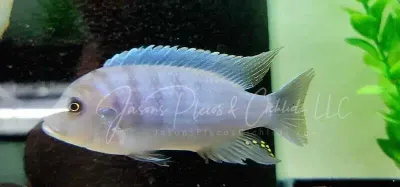
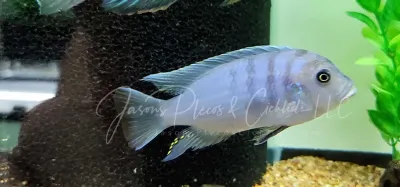
Chilumba Zebra - (Metriaclima sp. Zebra Chilumba Maisoni Reef)
Chilumba Zebra - (Metriaclima sp. Zebra Chilumba Maisoni Reef)
Price of shipping is not included.
was $35.00
Save 43%
$20.00
Out of stock
Captive Bred
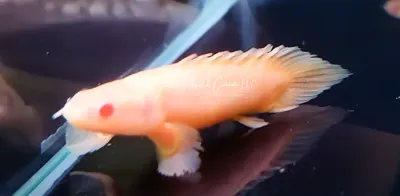
Albino Shortbody Senegal Bichir - (Polypterus senegalus)
Albino Shortbody Senegal Bichir - (Polypterus senegalus)
Price of shipping is not included.
was $60.00
Save 17%
$50.00
Out of stock
Wild Caught
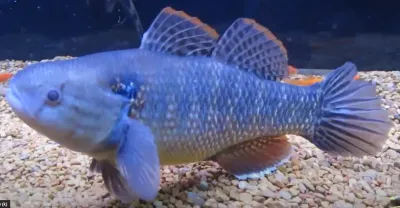
Clay Goby - (Dormitator lebretonis)
Clay Goby - (Dormitator lebretonis)
Price of shipping is not included.
$50.00
Out of stock
Captive Bred
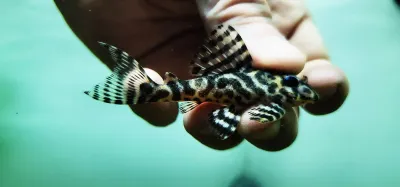
L236 Cracked Zebra Pleco Yellow - (Hypancistrus seideli)
L236 Cracked Zebra Pleco Yellow - (Hypancistrus seideli)
Price of shipping is not included.
$150.00
Out of stock
Wild Caught
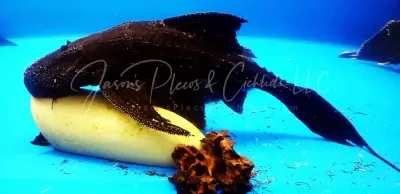
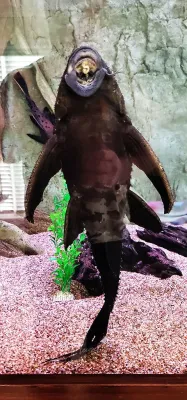
Polka Dot Lyre Tail Pleco - (Acanthicus adonis)
Polka Dot Lyre Tail Pleco - (Acanthicus adonis)
Price of shipping is not included.
$500.00
Out of stock
Wild Caught
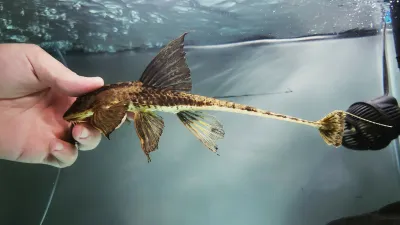
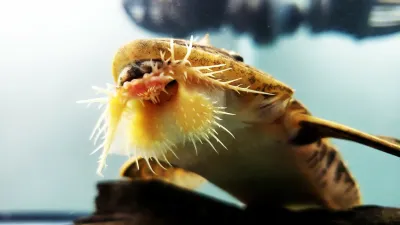
Crying Whiptail - (Loricaria nimairaco)
Crying Whiptail - (Loricaria nimairaco)
Price of shipping is not included.
was $120.00
Save 8%
$110.00
Out of stock
Captive Bred
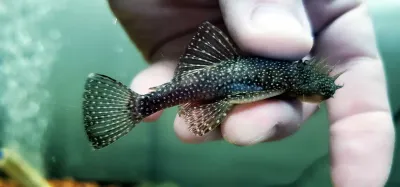
Snowflake Ancistrus - (Ancistrus sp. (5))
Snowflake Ancistrus - (Ancistrus sp. (5))
Price of shipping is not included.
$35.00
Out of stock
Captive Bred
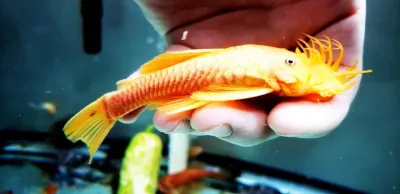
L144 Black Eyed Yellow Bristlenose - (Ancistrus sp. (4)
L144 Black Eyed Yellow Bristlenose - (Ancistrus sp. (4)
Price of shipping is not included.
was $40.00
Save 13%
$35.00
Out of stock
Captive Bred
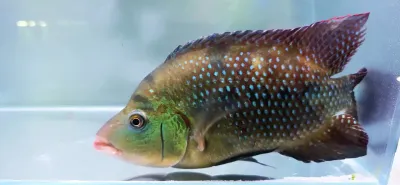
Red Terror Cichlid/Festae Cichlid - (Mesoheros festae)
Red Terror Cichlid/Festae Cichlid - (Mesoheros festae)
Price of shipping is not included.
5.0
(1)
was $250.00
Save 10%
$225.00
Out of stock
Wild Caught
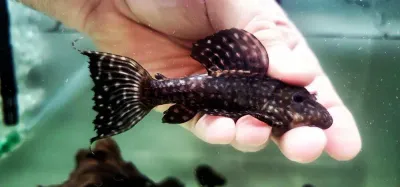
Serratus Pleco/Mustang Cactus Pleco - (Pseudacanthicus serratus)
Serratus Pleco/Mustang Cactus Pleco - (Pseudacanthicus serratus)
Price of shipping is not included.
$190.00
Out of stock
Wild Caught
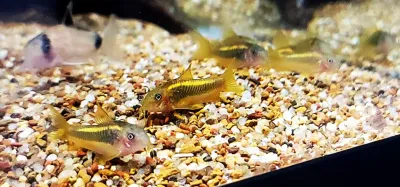
Gold Laser Cory - (Corydoras (lineage 7) sp. (Cw010)
Gold Laser Cory - (Corydoras (lineage 7) sp. (Cw010)
Price of shipping is not included.
$30.00
Out of stock
Wild Caught
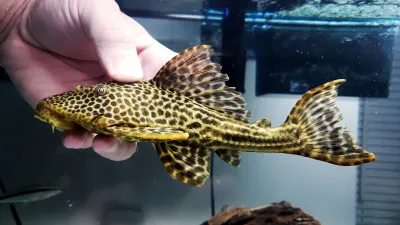
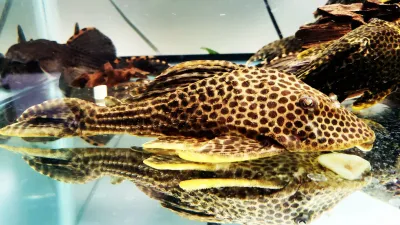
L050 Spotted Humpbacked Pleco - (Hypostomus cf. cochliodon)
L050 Spotted Humpbacked Pleco - (Hypostomus cf. cochliodon)
Price of shipping is not included.
$100.00
Out of stock
Powered by Lightspeed
Display prices in:USD