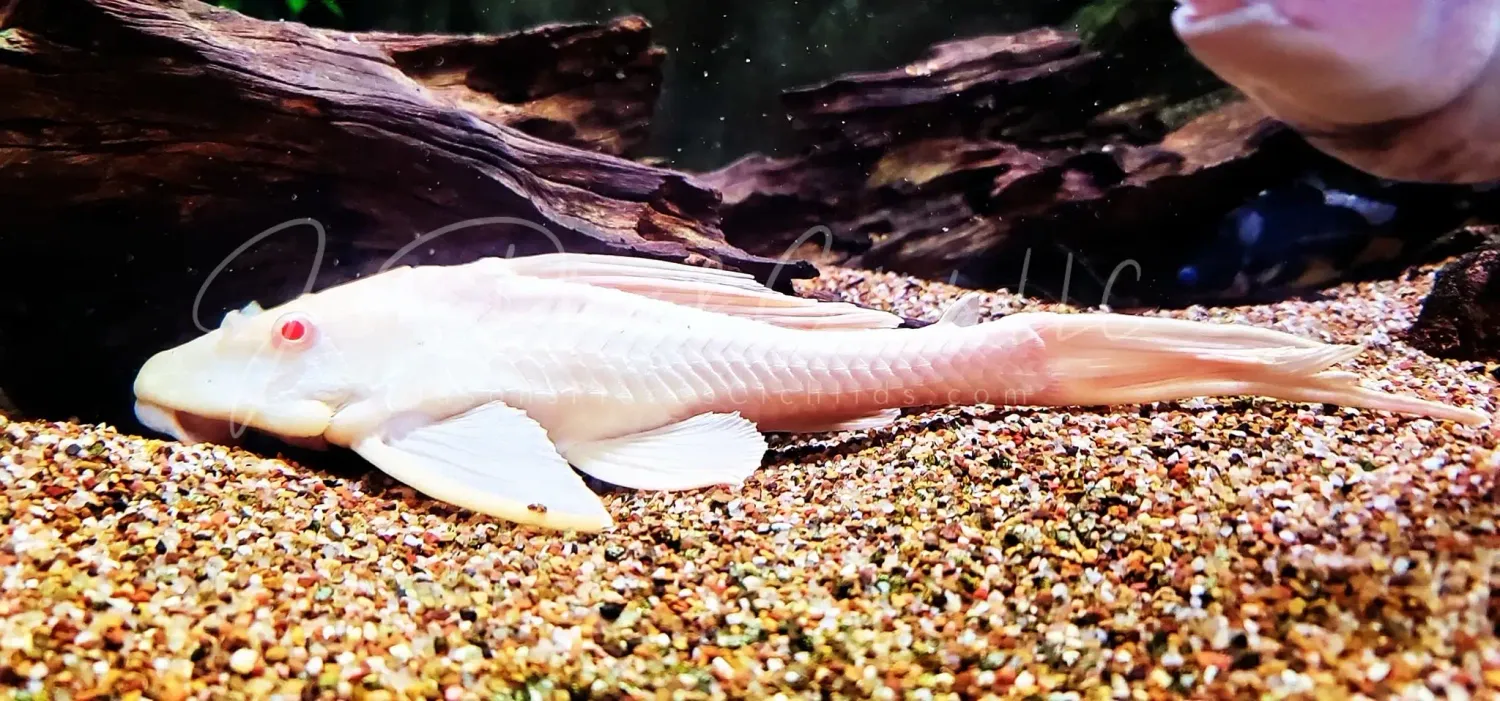
L165 Albino Sail Fin Pleco - (Pterygoplichthys gibbiceps)
$80.00
Sold out
Size
Price of shipping is not included.
Sold out
Save this fish to my favorites.
Customer reviews
Reviews only from verified customers
No reviews yet. You can buy this product and be the first to leave a review.
L165 Albino Sail Fin Pleco - (Pterygoplichthys gibbiceps)
Fish Details, Description and Information Below:
🐟 Albino L165 Sail Fin Pleco – (Pterygoplichthys gibbiceps) – Giant Albino Sailfin Pleco
The Albino L165 Sail Fin Pleco (Pterygoplichthys gibbiceps) is a striking captive-bred color form of the famous Sailfin or Gibbiceps Pleco.
Known for its pale golden-yellow, cream, or pinkish coloration, red eyes, enormous sail-like dorsal fin, and heavily armored body, the Albino Sailfin Pleco becomes one of the most impressive large plecos available in the aquarium hobby.
Juveniles are commonly purchased as algae grazers, but this species should never be treated as a small cleanup fish. Pterygoplichthys gibbiceps can reach approximately 20 inches, produces a substantial amount of waste, and requires a very large aquarium with powerful filtration as an adult.
For aquarists prepared for its eventual size, the Albino L165 Sail Fin Pleco makes an impressive, hardy, and generally peaceful centerpiece bottom-dweller.
🔎 Quick Facts – Albino L165 Sail Fin Pleco
- 📛 Common Names: Albino Sail Fin Pleco, Albino Gibbiceps Pleco, Albino Leopard Sailfin Pleco
- 🔢 L-Number: Commonly sold as L165; L083 is also used in the aquarium trade
- 🔬 Scientific Name: Pterygoplichthys gibbiceps
- 🎨 Color Form: Albino
- 🐟 Family: Loricariidae
- 🧬 Subfamily: Hypostominae
- 🌎 Species Origin: South America
- 🌊 Native Range: Middle and upper Amazon and Orinoco River basins
- 📏 Maximum Documented Size: Approximately 19.7 inches / 50 cm total length
- 🏠 Recommended Adult Aquarium: 125 gallons or larger; 180+ gallons preferred for very large adults
- 🌡️ Temperature: Approximately 73–82°F
- 💧 pH: Approximately 6.0–8.0
- 💦 Hardness: Approximately 5–19 dH
- 🍽️ Diet: Omnivore with a strong preference for algae and plant-based foods
- 😌 Temperament: Generally peaceful; may become territorial with other large plecos
- 🐠 Swimming Area: Bottom
- 🌙 Activity: Primarily nocturnal, but often active during the day once comfortable
- ⭐ Care Level: Intermediate due primarily to adult size and waste production
- 🏆 Availability: Uncommon albino color morph
🤍 What Is an Albino Sail Fin Pleco?
The Albino L165 Sail Fin Pleco is a color morph of:
Pterygoplichthys gibbiceps
It is not a separate species.
Albino specimens have greatly reduced dark pigmentation and typically display:
- Pale yellow coloration
- Cream coloration
- Pinkish tones
- Golden coloration
- Red or pink eyes
- Pale translucent fins
The dramatic pale coloration becomes especially impressive when the enormous dorsal fin is fully extended.
🔢 L165 or L083?
You may see Pterygoplichthys gibbiceps offered in the aquarium hobby under:
L083
and:
L165
Both numbers have historically been associated with Sailfin/Gibbiceps-type plecos in the trade.
For customers searching specifically for the albino form, keeping L165 in your product title is perfectly reasonable if that is how your fish were imported or sold to you.
The scientific name:
Pterygoplichthys gibbiceps
should remain the primary identification on the listing.
🪽 The Giant Sail-Like Dorsal Fin
The most recognizable characteristic of this species is its enormous sail-like dorsal fin.
When fully extended, the dorsal fin can appear almost as tall as the fish's body.
This impressive fin gives the species common names including:
- Sailfin Pleco
- Sail Fin Pleco
- Gibbiceps Pleco
The large dorsal fin combined with its armored body gives mature adults a striking prehistoric appearance.
🎨 Appearance
Albino Sailfin Plecos typically display coloration ranging from:
- Pale yellow
- Golden yellow
- Cream
- Ivory
- Light peach
- Pinkish white
The eyes are usually:
Red to pink
because of the albino pigmentation.
Depending on the individual, faint remnants of the species' natural spotted or reticulated pattern may still be visible across the:
- Head
- Body
- Dorsal fin
- Tail
- Other fins
Color can vary according to:
- Genetics
- Age
- Diet
- Stress
- Lighting
- Substrate
- Water quality
📏 Adult Size – This Is a Giant Pleco
The Albino Sail Fin Pleco should not be purchased as a small aquarium algae eater.
FishBase documents Pterygoplichthys gibbiceps reaching:
50 cm / approximately 19.7 inches total length
Many aquarium specimens reach approximately:
15–18 inches
with exceptionally large individuals approaching the documented 20-inch maximum.
Plan for the Adult — Not the Juvenile
A 2-inch or 3-inch juvenile may look perfectly suited to a smaller aquarium.
That same fish can eventually become a massive armored catfish nearly 20 inches long.
Customers should have a realistic long-term housing plan before purchasing.
🏠 Aquarium Size
For a mature Albino Sail Fin Pleco, we recommend:
125 gallons or larger
For very large adults or when keeping other large fish:
180+ gallons is strongly preferred.
Some care sources give 100 gallons as a minimum, but because this species can reach nearly 20 inches and has a very heavy bioload, providing additional space is a much better long-term plan. One established specialty retailer lists 100+ gallons as the minimum while reporting typical adults at 15–18 inches.
Tank footprint is particularly important.
The aquarium must allow the fish to:
- Turn comfortably
- Rest without being cramped
- Access multiple feeding areas
- Move between hiding areas
- Avoid constant conflict with tankmates
A tall, narrow aquarium is less useful than a long, wide aquarium with ample bottom space.
💩 Heavy Bioload & Filtration
Large Sailfin Plecos produce a tremendous amount of waste.
This is one of the most important things customers should know before buying one.
They:
- Eat frequently
- Graze constantly
- Consume large amounts of vegetables
- Produce substantial solid waste
Strong filtration is essential.
Recommended filtration may include:
- Large canister filters
- Sump filtration
- Powerful mechanical filtration
- Large biological filtration capacity
- Strong surface agitation
- Additional circulation
Regular water changes remain necessary regardless of filtration size.
Maintain:
- ☠️ Ammonia: 0 ppm
- ☠️ Nitrite: 0 ppm
- 🔄 Nitrate: Keep as low as reasonably possible
- 💨 Oxygenation: Good
The larger the fish becomes, the more important waste removal becomes.
💧 Water Parameters
Pterygoplichthys gibbiceps is a relatively adaptable tropical pleco when water quality is maintained properly.
Recommended aquarium conditions:
- 🌡️ Temperature: 73–82°F
- 💧 pH: 6.0–8.0
- 💦 Hardness: Approximately 5–19 dH
- ☠️ Ammonia: 0 ppm
- ☠️ Nitrite: 0 ppm
- 💨 Oxygenation: Good
FishBase gives a natural range of approximately 23–27°C / 73–81°F, pH 6.0–8.0, and 5–19 dH.
Stable water conditions are more important than constantly adjusting the aquarium to hit one exact pH value.
🏠 Aquarium Setup
Recommended aquarium features include:
- Large pieces of driftwood
- Large caves
- Smooth rocks
- Large shaded areas
- Open bottom space
- Sand or smooth gravel
- Strong filtration
- Good oxygenation
Decorations should be secure.
A large adult Sailfin Pleco is extremely powerful and can easily:
- Move lightweight décor
- Knock over rocks
- Uproot plants
- Shift driftwood
Make sure large rock structures cannot collapse.
🪵 Driftwood
Driftwood is highly recommended.
It provides:
- Shelter
- Shaded resting areas
- Natural grazing surfaces
- Biofilm
- Territory boundaries
However, unlike specialized wood-eating plecos such as many Panaqolus and Panaque, Pterygoplichthys gibbiceps should not be described as a fish that survives primarily by eating wood.
Its diet should include a substantial amount of vegetable matter and prepared food.
🍽️ Diet & Feeding
The Albino Sail Fin Pleco is an omnivorous grazer with a strong preference for algae and plant-based foods.
Juveniles can be excellent algae grazers, but they should never be expected to survive on aquarium algae alone.
Recommended foods include:
- High-quality algae wafers
- Spirulina wafers
- Vegetable-based sinking pellets
- Pleco pellets
- Zucchini
- Squash
- Cucumber
- Green beans
- Peas
- Spinach
- Other appropriate vegetables
- Gel foods
- Occasional protein-rich foods
FishBase identifies the species as a nocturnal algae feeder, while aquarium husbandry sources recommend a diet heavily weighted toward vegetable matter with only occasional meaty foods.
🥩 Do Not Overfeed Protein
Although this species is omnivorous, it should not be fed an excessively meat-heavy diet.
Protein-rich foods can be offered occasionally, including:
- Shrimp
- Krill
- Mysis
- Quality omnivore pellets
But vegetables and plant-based foods should make up a substantial portion of the diet.
A varied diet helps support:
- Proper growth
- Digestive health
- Body condition
- Long-term health
🧹 Is It an Algae-Eating Cleanup Fish?
Yes — but with an important warning.
Young Sailfin Plecos can consume significant amounts of algae.
However:
They should never be purchased solely as a disposable algae-cleaning tool.
As the fish matures:
- Its food requirements increase dramatically
- Its waste production increases dramatically
- It may become less interested in certain types of algae
- It still requires deliberate feeding
A nearly 20-inch pleco can create far more waste than the algae it removes.
😌 Temperament
Albino Sail Fin Plecos are generally peaceful toward most appropriately sized fish.
They usually ignore:
- Cichlids
- Characins
- Barbs
- Rainbowfish
- Larger community fish
- Other midwater species
However, mature individuals may become territorial with:
- Other large plecos
- Other Pterygoplichthys
- Fish competing for the same cave
- Large bottom-dwelling catfish
Most aggression involves territory rather than predation.
🐠 Tankmates
Suitable tankmates can include many medium and large tropical freshwater fish, provided their water requirements are compatible.
Possible tankmates include:
- Medium and large cichlids
- Large tetras
- Silver dollars
- Rainbowfish
- Large barbs
- Bichirs
- Larger catfish
- Other robust community fish
Avoid overcrowding the bottom of the aquarium.
If keeping multiple large plecos, provide:
- Multiple caves
- Multiple feeding areas
- Large amounts of bottom space
- Visual barriers
🌿 Plants
Albino Sail Fin Plecos do not necessarily intentionally destroy aquarium plants.
However, a large adult can easily uproot plants simply by moving around the aquarium.
Hardy choices may include plants attached to rocks or driftwood, such as:
- Anubias
- Java fern
Soft or loosely rooted plants may be damaged.
🌙 Activity
This species is naturally most active during:
- Evening
- Night
- Low-light periods
However, captive Sailfin Plecos often become comfortable enough to feed and move around during daylight.
Providing plenty of hiding areas helps the fish feel secure enough to become more visible.
♂️ Male vs. Female
Sexing juvenile Albino Sail Fin Plecos is difficult.
Adult males may develop:
- More pronounced odontodes
- Broader head structure
- Stronger territorial behavior
Females may become broader through the abdominal area when mature.
However, external sex differences are not nearly as obvious as in some smaller cave-spawning plecos.
🥚 Breeding
Breeding Pterygoplichthys gibbiceps in typical home aquariums is uncommon.
In nature, large Pterygoplichthys are associated with spawning behavior involving burrows excavated into riverbanks or similar substrates.
Commercial breeding of albino forms is generally accomplished in large-scale breeding systems or ponds where adults can reproduce under conditions difficult to reproduce in a normal aquarium.
Customers should not purchase this species expecting easy cave breeding like:
- Bristlenose Plecos
- Hypancistrus
- Peckoltia
The breeding strategy is very different.
⭐ Why Keep an Albino L165 Sail Fin Pleco?
For aquarists with a sufficiently large aquarium, the Albino Sail Fin Pleco is an impressive display fish.
Its combination of:
- 🤍 Rare albino coloration
- 👁️ Red eyes
- 🪽 Enormous sail-like dorsal fin
- 🛡️ Armored prehistoric appearance
- 📏 Giant adult size
- 🌿 Strong algae-grazing behavior
- 😌 Generally peaceful temperament
- 🏆 Impressive centerpiece presence
makes it one of the most recognizable large plecos in the aquarium hobby.
A full-grown Albino Sailfin with its dorsal fin completely extended is an incredible sight.
⚠️ Important Considerations
Before purchasing an Albino L165 Sail Fin Pleco:
- Plan for an adult approaching 20 inches.
- Do not purchase based solely on juvenile size.
- Provide at least a 125-gallon long-term aquarium.
- Larger aquariums are strongly preferred.
- Use extremely strong filtration.
- Expect substantial waste production.
- Perform regular water changes.
- Feed vegetables and quality sinking foods.
- Do not rely entirely on aquarium algae.
- Provide driftwood and large hiding areas.
- Secure aquarium decorations.
- Expect mature individuals to become territorial with other large plecos.
- Never release this fish into local waterways.
🚨 Invasive Species Warning
Members of the genus Pterygoplichthys have become established as invasive fish in several regions outside their native range.
Large plecos can survive conditions that many aquarium fish cannot and can cause significant environmental damage when released.
Because of this, possession, importation, transportation, or sale of Pterygoplichthys may be regulated in certain states or local jurisdictions.
Customers should verify the legal status of this species at their destination before ordering.
🚚 Live Fish Shipping
Live fish are professionally packed for safe transport.
Shipping availability depends on:
- Fish size
- Destination
- Weather conditions
- Carrier availability
- Applicable state and local regulations
Large specimens may require:
- Larger insulated shipping boxes
- Additional water
- Specialized packing
- Airline cargo shipping
Please review our Shipping & Payment Information and Live Arrival Guarantee / DOA Policy before ordering.
⚠️ Buyer Responsibility
Customers are responsible for confirming that this species may legally be purchased, possessed, transported, and received in their state or local jurisdiction before ordering.
Never release aquarium fish into local waterways.
Below are fish you may also like.
Captive Bred
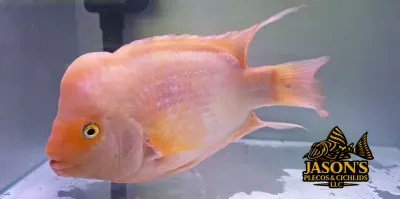
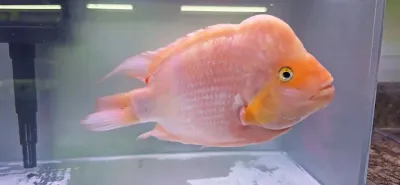
Red Devil x Super Red Texas
Red Devil x Super Red Texas
Price of shipping is not included.
5.0
(1)
was $130.00
Save 8%
$120.00
Out of stock
Wild Caught
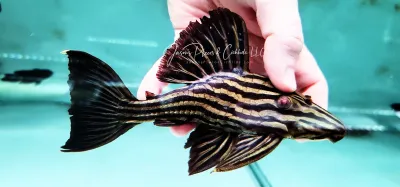
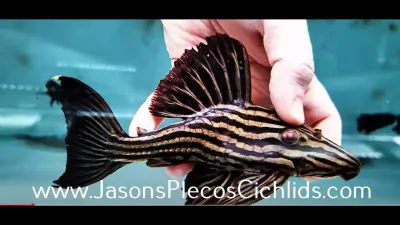
L027 Thunder Royal Pleco - (Panaque cf. armbrusteri)
L027 Thunder Royal Pleco - (Panaque cf. armbrusteri)
Price of shipping is not included.
$300.00
Out of stock
Wild Caught
Ornate Bichir - (Polypterus Ornatipinnis)
Ornate Bichir - (Polypterus Ornatipinnis)
Price of shipping is not included.
5.0
(1)
was $120.00
Save 17%
$100.00
Out of stock
Captive Bred
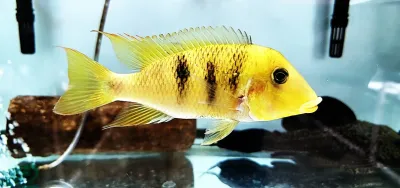
Yellowhump Eartheater Cichlid - (Geophagus pellegrini)
Yellowhump Eartheater Cichlid - (Geophagus pellegrini)
Price of shipping is not included.
$75.00
Out of stock
Captive Bred
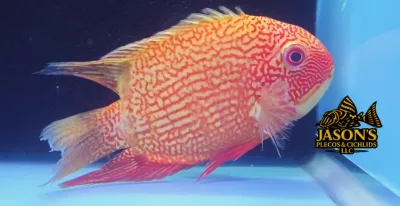
Red Spot Gold Severum - (Heros cf. efasciatus)
Red Spot Gold Severum - (Heros cf. efasciatus)
Price of shipping is not included.
was $130.00
Save 4%
$125.00
Wild Caught

L032 Common Bristlenose Catfish - (Aguaboa Ancistrus)
L032 Common Bristlenose Catfish - (Aguaboa Ancistrus)
Price of shipping is not included.
$45.00
Out of stock
Wild Caught
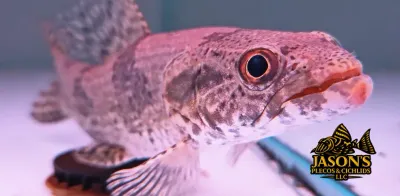
Wolf Fish - (Hoplias aimara)
Wolf Fish - (Hoplias aimara)
was $400.00
Save 13%
$350.00
Out of stock
Wild Caught
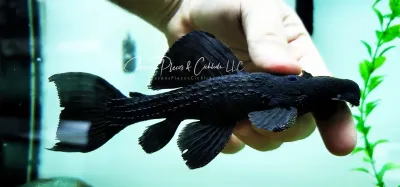
L185 Evil Cactus Pleco - (Pseudacanthicus Nyktos)
L185 Evil Cactus Pleco - (Pseudacanthicus Nyktos)
Price of shipping is not included.
was $190.00
Save 5%
$180.00
Out of stock
Wild Caught
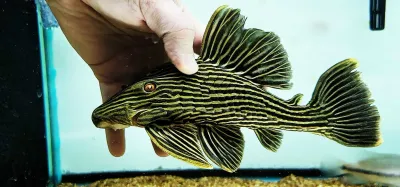
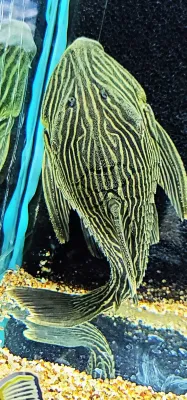
Goldline Royal Pleco - (Panaque cf. armbrusteri` araguaia`)
Goldline Royal Pleco - (Panaque cf. armbrusteri` araguaia`)
Price of shipping is not included.
$275.00
Out of stock
Wild Caught
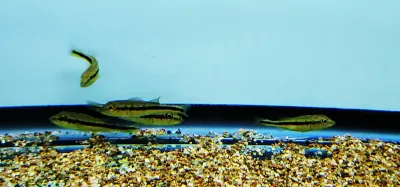
Temensis Peacock Bass/Speckled Pavon Peacock Bass - (Cichla temensis)
Temensis Peacock Bass/Speckled Pavon Peacock Bass - (Cichla temensis)
Price of shipping is not included.
$60.00
Out of stock
Wild Caught
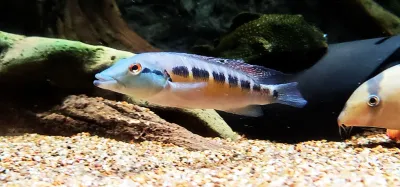
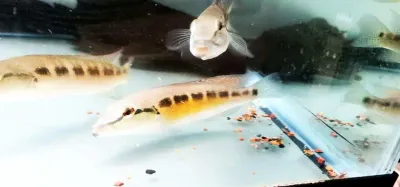
Crenicichla missioneira
Crenicichla missioneira
Price of shipping is not included.
$80.00
Out of stock
Captive Bred
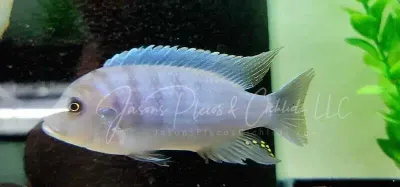
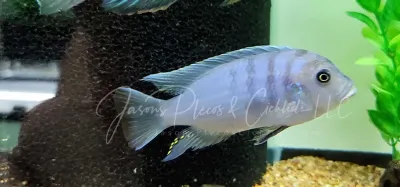
Chilumba Zebra - (Metriaclima sp. Zebra Chilumba Maisoni Reef)
Chilumba Zebra - (Metriaclima sp. Zebra Chilumba Maisoni Reef)
Price of shipping is not included.
was $35.00
Save 43%
$20.00
Out of stock
Powered by Lightspeed
Display prices in:USD