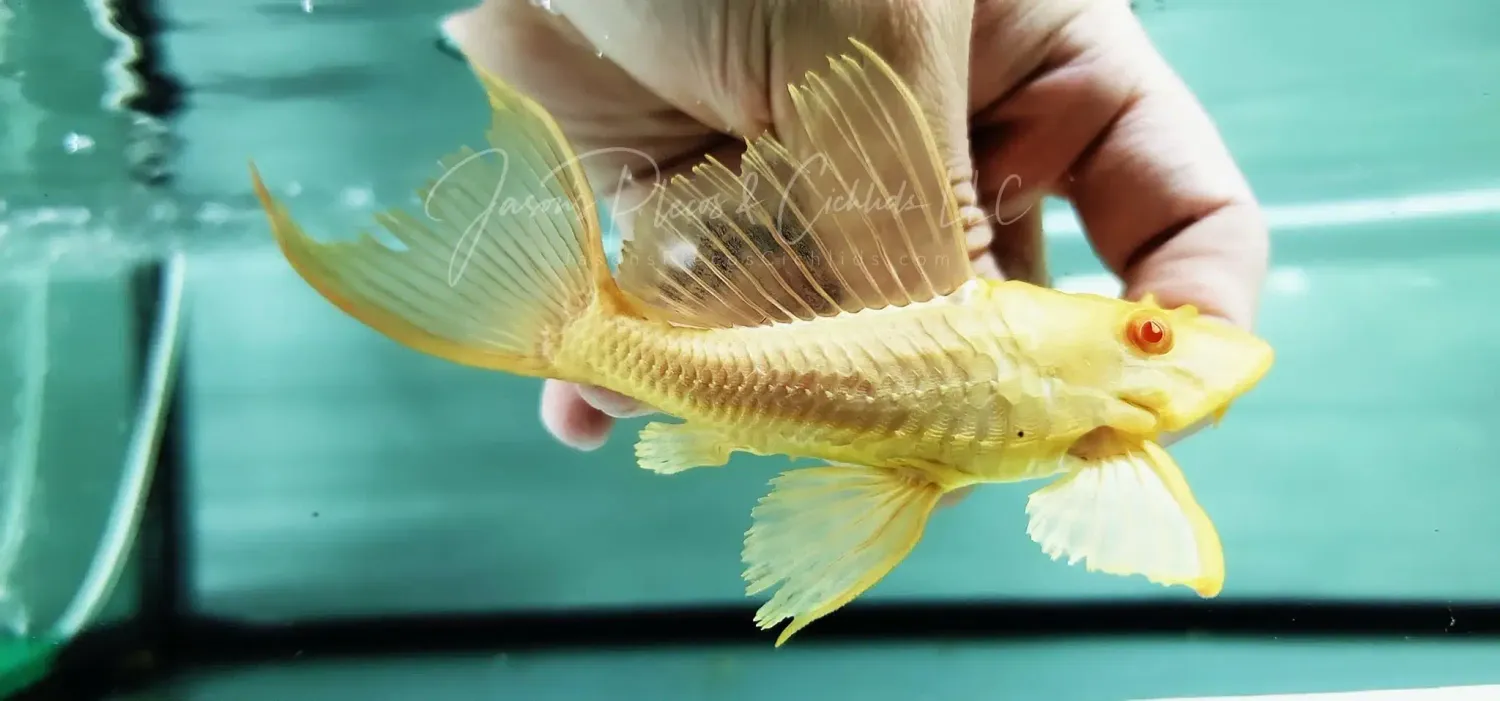
L165 Albino Shortbody Sail Fin Pleco - (Pterygoplichthys gibbiceps)
5.0
1 review
Reviews from verified customers who have purchased products at this store.
$150.00
Sold out
was $200.00 Save 25%
Size
Questions, Comments, Concerns? Let us know!
Enter your text
Price of shipping is not included.
Sold out
Save this fish to my favorites.
Customer reviews
Reviews only from verified customers
Reviews are only accepted from verified customers who have signed in and purchased the products. This ensures that each review is based on genuine customer experiences. All reviews are checked before publication to prevent spam.
NORTH ARLINGTON,
United States
Jul 1, 2024
Wonderful fish
L165 Albino Shortbody Sail Fin Pleco - (Pterygoplichthys gibbiceps)
Fish Details, Description and Information Below:
🐟 L165 Albino Shortbody Sail Fin Pleco – (Pterygoplichthys gibbiceps) – Captive-Bred Compact Sailfin Pleco
The L165 Albino Shortbody Sail Fin Pleco (Pterygoplichthys gibbiceps) is a distinctive captive-bred form of the classic Sailfin Pleco combining two unusual traits:
- 🤍 Albino coloration
- 🐟 Shortbody / compact body form
Unlike a standard L165 Sail Fin Pleco, the Shortbody form develops a noticeably shorter, deeper, more compact body profile while retaining the species' characteristic:
- Huge sail-like dorsal fin
- Heavy armored body
- Broad sucker mouth
- Powerful pectoral fins
- Large adult build
The albino form replaces the normal dark leopard pattern with coloration ranging from:
- Cream
- Ivory
- Pale yellow
- Golden yellow
- Peach
- Pinkish white
and typically has:
RED TO PINK EYES
The Shortbody and Albino traits do not create a separate species. This fish remains:
Pterygoplichthys gibbiceps
and should receive the same high standard of permanent housing, filtration, oxygenation, diet, and long-term care expected for a large Sailfin Pleco.
🔎 Quick Facts – L165 Albino Shortbody Sail Fin Pleco
- 📛 Common Name: Albino Shortbody Sail Fin Pleco
- 📛 Other Names: Albino Shortbody Gibbiceps Pleco, Shortbody Sailfin Pleco
- 🔢 L-Number / Trade Identification: L165
- 🔬 Scientific Name: Pterygoplichthys gibbiceps
- 📚 Older Scientific Name: Glyptoperichthys gibbiceps
- 🎨 Color Morph: Albino
- 🐟 Body Form: Shortbody / Compact
- 🧬 Morph Status: Captive-developed body and color traits — not a separate species
- 🐟 Family: Loricariidae
- 🧬 Subfamily: Hypostominae
- 🌿 Stock Type: Captive Bred
- 🌎 Wild Species Origin: South America
- 🌊 Wild Species Range: Middle and upper Amazon and Orinoco basins
- 💧 Water Type: Freshwater
- 📏 Standard Species Maximum: Up to approximately 50 cm / 19.7 inches total length
- 📏 Shortbody Adult Size: No scientifically established maximum specific to the Shortbody morph
- ⚠️ Important: Shortbody does not mean dwarf
- 🏠 Recommended Permanent Aquarium: 125 gallons or larger
- 🏠 Preferred Housing: 150–180+ gallons for large adults or community setups
- 📐 Aquarium Shape: Long and wide aquarium strongly preferred
- 🌡️ Temperature: Approximately 73–82°F
- 💧 pH: Approximately 6.0–8.0
- 💦 Hardness: Approximately 5–19 dH
- 💨 Oxygenation: Good to High
- 🌊 Water Movement: Moderate
- 🍽️ Diet: Plant-Leaning Omnivore / Grazer
- 🌿 Plant & Algae Foods: Important
- 🦐 Animal / Insect Protein: Supplemental
- 🪵 Driftwood: Recommended for habitat and grazing surfaces
- 🚫 Specialized Wood Eater: No
- 🚫 Tank Cleaner: Should not be purchased solely for algae control
- 💩 Bioload: Very High
- 💨 Special Adaptation: Facultative Air Breather
- 😌 Temperament: Generally peaceful toward unrelated fish
- ⚠️ Pleco Temperament: May become territorial toward other large plecos
- 🌙 Activity: Primarily nocturnal / crepuscular
- 🥚 Reproduction: Related normal-bodied fish use burrow-style spawning rather than typical small pleco caves
- 🌎 Species Conservation Status: Least Concern
- ⭐ Care Level: Intermediate due primarily to adult bulk, bioload, and housing requirements
🧬 Same Species – Different Morph
The correct scientific name is:
Pterygoplichthys gibbiceps
The words:
ALBINO
and:
SHORTBODY
describe physical traits.
They are:
NOT SCIENTIFIC SPECIES NAMES
and they do not represent a separate:
- Species
- Subspecies
- L-number species
- Geographic population
The correct product identification is:
L165 Albino Shortbody Sail Fin Pleco – (Pterygoplichthys gibbiceps)
🤍 Albino Morph
The Albino Sail Fin Pleco lacks most normal dark pigmentation.
This produces coloration that may range from:
- White
- Ivory
- Cream
- Pale yellow
- Gold
- Peach
- Pinkish cream
Albino specimens typically have:
RED OR PINK EYES
because reduced pigmentation allows underlying blood vessels to become visible through the tissues of the eye.
⚠️ Albino Does Not Mean Platinum
An Albino Sail Fin Pleco should not automatically be marketed as:
PLATINUM
True albinism and platinum/leucistic-type coloration are different traits.
The most useful distinguishing feature in a true albino is normally the:
RED / PINK EYE
combined with greatly reduced dark pigmentation.
🐟 What Does “Shortbody” Mean?
The aquarium term:
SHORTBODY
describes a fish with a noticeably shorter body axis and more compact proportions than the normal-bodied form of the same species.
Compared with a standard Pterygoplichthys gibbiceps, a Shortbody specimen may appear:
- Shorter from head to tail
- Deeper-bodied
- More compact
- Broader through the torso
- More rounded through the abdomen
The head and large fins can appear proportionally oversized because the central body is shorter.
⚠️ Shortbody Does Not Mean Dwarf
This is one of the most important facts for customers.
SHORTBODY ≠ DWARF
A Shortbody fish may be shorter from nose to tail than a normal-bodied specimen, but it can still become:
- Very bulky
- Very heavy-bodied
- Broad
- Powerful
- High-waste producing
and it still belongs to a species capable of becoming a very large pleco.
📏 Do Not Promise a Small Adult Size
Normal Pterygoplichthys gibbiceps is scientifically documented at:
50 CM / APPROXIMATELY 19.7 INCHES TOTAL LENGTH
However, there is no good published scientific maximum specifically establishing how large:
ALBINO SHORTBODY P. GIBBICEPS
will become.
Therefore:
DO NOT INVENT A SMALLER MAXIMUM SIZE
such as:
- 8 inches
- 10 inches
- 12 inches
unless that number is backed by a specific documented breeding line.
⚠️ Why Length Alone Is Misleading
A Shortbody pleco can have a reduced overall length while still developing substantial:
- Body mass
- Head size
- Fin size
- Waste production
- Food requirements
So aquarium requirements should not be calculated only from:
NOSE-TO-TAIL LENGTH
🏠 Permanent Aquarium Size
Because adult Shortbody size is not scientifically standardized, permanent housing should be:
CONSERVATIVE
rather than based on an assumed dwarf adult size.
For a mature Albino Shortbody Sail Fin Pleco:
125 GALLONS OR LARGER
is the responsible permanent starting point I recommend.
For:
- Exceptionally large adults
- Multiple plecos
- Large community fish
- Large cichlids
consider:
150–180+ GALLONS
📐 Aquarium Footprint Matters
A Shortbody fish can become especially:
BROAD AND BULKY
so front-to-back aquarium width is extremely important.
Prioritize:
LENGTH + WIDTH
rather than simply choosing a tall aquarium with a high gallon number.
⛵ Giant Sail-Like Dorsal Fin
The Sail Fin Pleco gets its name from its enormous:
DORSAL FIN
When fully extended, the dorsal fin resembles a large:
SAIL
and is one of the most spectacular characteristics retained by Shortbody specimens.
🐟 Shortbody + Huge Fin Proportions
Because the body is compact, the dorsal fin can appear especially dramatic.
A healthy adult may have:
- Oversized dorsal fin
- Broad pectoral fins
- Heavy head
- Compact torso
- Large caudal fin
giving the Shortbody morph a very distinctive appearance.
🛡️ Heavy Armor
Like all Pterygoplichthys, this fish is covered with:
BONY ARMOR PLATES
instead of ordinary soft scales.
It also develops:
- Strong dorsal spine
- Strong pectoral spines
- Robust fin rays
These features require care during:
- Netting
- Shipping
- Aquarium transfers
⚠️ Shortbody Structure Varies
Not every Shortbody fish has exactly the same proportions.
Some are:
- Moderately shortened
while others can be:
- Extremely compact
Body conformation should therefore be evaluated:
INDIVIDUALLY
🩺 Choose Healthy, Functional Fish
A healthy Shortbody specimen should be able to:
- Swim normally
- Attach to surfaces normally
- Feed normally
- Maintain normal buoyancy
- Rest comfortably
- Move through the aquarium without difficulty
Extreme body compression or obvious structural problems should not be promoted as desirable simply because the fish is unusual.
🌎 Natural Origin of the Species
The Shortbody Albino morph is a captive-developed aquarium form.
The underlying species:
Pterygoplichthys gibbiceps
is native to:
SOUTH AMERICA
including the:
- Middle Amazon Basin
- Upper Amazon Basin
- Orinoco Basin
⚠️ The Morph Does Not Occur as a Natural Population
There is no natural river called the:
“Albino Shortbody L165 locality.”
The natural-origin information belongs to the:
SPECIES
not to the captive-developed morph.
🪨 Aquarium Setup
A suitable aquarium should contain:
- Large open bottom areas
- Heavy driftwood
- Smooth rocks
- Large shelters
- Sand or smooth gravel
- Shaded areas
- Strong filtration
- Good oxygenation
- Moderate water circulation
🏠 Provide a Large Shelter
Shortbody plecos can be unusually broad.
Provide a shelter large enough that the fish can:
- Enter comfortably
- Turn when necessary
- Rest without becoming wedged
- Exit without damaging its fins
⚠️ Avoid Narrow Openings
Because of the compact and deep body shape:
DO NOT FORCE A SHORTBODY FISH INTO NARROW CAVES
A shelter that works for a normal-bodied fish of similar length may be too narrow for a Shortbody specimen.
🪵 Driftwood
Large driftwood is highly recommended.
It provides:
- Shelter
- Shade
- Biofilm
- Natural grazing surfaces
- Territory
- Environmental enrichment
⚠️ Not a Specialized Wood Eater
Unlike true wood-specialist genera such as:
- Panaque
- Panaqolus
Pterygoplichthys gibbiceps should not be described as a specialized wood-eating pleco.
Do not claim:
WOOD IS REQUIRED FOR DIGESTION
Driftwood is useful habitat and a grazing surface, but it is not a complete diet.
🌡️ Water Temperature
FishBase gives the species a tropical range around:
23–27°C / 73–81°F
A practical aquarium range is:
73–82°F
with stability more important than chasing an exact number.
💧 Water Parameters
A practical long-term range is:
- 🌡️ Temperature: Approximately 73–82°F
- 💧 pH: Approximately 6.0–8.0
- 💦 Hardness: Approximately 5–19 dH
- 💨 Oxygenation: Good to High
- 🌊 Water Movement: Moderate
- ☠️ Ammonia: 0 ppm
- ☠️ Nitrite: 0 ppm
- 🔄 Nitrate: Keep as low as reasonably practical
💨 Facultative Air Breather
Pterygoplichthys gibbiceps is documented as a:
FACULTATIVE AIR-BREATHING FISH
It may occasionally rise to the surface and gulp atmospheric air.
⚠️ Air Breathing Does Not Excuse Poor Water Quality
The ability to use atmospheric oxygen does not mean the fish should be maintained in:
- Stagnant water
- Low oxygen
- High ammonia
- High nitrite
- Excessive nitrate
- Heavy organic waste
Provide:
CLEAN, WELL-OXYGENATED WATER
at all times.
💩 Very High Bioload
One of the most important realities of keeping this fish is:
WASTE PRODUCTION
Even a Shortbody specimen can consume substantial amounts of food and produce:
- Large feces
- Fine organic waste
- Vegetable debris
- Algae-wafer debris
⚠️ Shorter Body Does Not Mean Less Filtration
Do not assume a compact fish can be maintained with undersized filtration.
Its:
- Body mass
- Appetite
- Waste output
can still be substantial.
💩 Filtration
Recommended filtration may include:
- Large canister filters
- Sump filtration
- Strong biological filtration
- Strong mechanical filtration
- Prefilters
- Supplemental aeration
🔄 Water Changes
Regular partial water changes are essential.
Frequency depends on:
- Aquarium size
- Fish size
- Stocking
- Feeding
- Filtration
- Nitrate production
Vacuum around:
- Driftwood
- Rocks
- Shelters
where waste accumulates.
🍽️ Diet – Plant-Leaning Omnivore
The Albino Shortbody form should be fed according to the nutritional needs of:
Pterygoplichthys gibbiceps
It is best treated as a:
PLANT-LEANING OMNIVOROUS GRAZER
🌿 Plant & Algae Foods
Plant-based foods should form an important part of the diet.
Suitable foods include:
- Quality algae wafers
- Spirulina wafers
- Vegetable-based sinking pellets
- Fiber-rich pleco foods
- Quality gel foods
🥒 Fresh Vegetables
Suitable fresh foods include:
- Zucchini
- Squash
- Pumpkin
- Green beans
- Peas
- Spinach
- Appropriate leafy greens
Remove leftovers before they spoil.
🦐 Supplemental Protein
Appropriate supplemental protein may include:
- Mysis shrimp
- Bloodworms
- Insect-based foods
- Small amounts of shrimp
- Quality omnivore pellets
Protein should provide:
VARIETY
rather than dominate the diet.
⚠️ Avoid an Extremely Meat-Heavy Diet
This is not a:
CARNIVOROUS PLECO
Do not maintain it primarily on:
- Shrimp
- Mussels
- Massivore pellets
- High-protein carnivore foods
A balanced plant-heavy omnivorous diet is more appropriate.
🚫 Not Just an Algae Cleaner
Young Sail Fin Plecos may consume noticeable aquarium algae.
However:
DO NOT PURCHASE THIS FISH SIMPLY AS A TANK CLEANER
As it grows, it becomes a:
- Large animal
- Heavy eater
- Heavy waste producer
and still requires deliberate feeding.
🧹 Eating Algae Does Not Eliminate Waste
Algae eaten by the fish becomes:
- Feces
- Organic waste
- Nitrate-producing material
A large Sail Fin Pleco can therefore:
INCREASE
overall aquarium-maintenance requirements.
🌿 Planted Aquariums
Large Sail Fin Plecos can be difficult in delicate planted aquariums.
Adults may:
- Uproot plants
- Rasp soft leaves
- Push décor
- Disturb substrate
Secure plants carefully.
😌 Temperament
Toward most appropriately sized unrelated fish, this species is generally:
PEACEFUL
Possible tankmates include compatible:
- Large tetras
- Silver dollars
- Rainbowfish
- Larger community fish
- Many cichlids
provided aquarium size and water requirements are appropriate.
⚠️ Territorial Toward Other Plecos
Adult Sail Fin Plecos may become territorial toward:
- Other Pterygoplichthys
- Other large plecos
- Similar bottom dwellers
especially around:
- Shelters
- Driftwood
- Feeding locations
👥 Multiple Large Plecos
Keeping several large plecos requires:
- Significantly larger aquarium
- Multiple shelters
- Multiple feeding areas
- Visual barriers
- Excellent filtration
🐢 Caution With Slow-Bodied Animals
Large plecos can occasionally develop rasping behavior toward:
- Freshwater stingrays
- Slow-moving fish
- Aquatic turtles
If persistent attachment causes:
- Slime-coat damage
- Skin irritation
- Open wounds
the animals should be separated.
🌙 Activity
The species is primarily:
NOCTURNAL / CREPUSCULAR
Activity commonly increases:
- At dusk
- During feeding
- After lights dim
Established specimens may become comfortable enough to feed during daylight.
🛡️ Handling
The large:
- Dorsal spine
- Pectoral spines
- Armored body
can become tangled in fine aquarium nets.
For larger fish, safer transfer methods may include:
- Rigid containers
- Fish tubs
- Heavy-duty transfer bags
⚠️ Extra Care With Shortbody Fish
Because the body is deeper and more compact:
- Support the fish properly
- Avoid squeezing the abdomen
- Avoid forcing it through narrow containers
- Use adequately sized shipping bags
- Minimize handling time
♂️ Male vs. Female
Reliable visual sexing of Pterygoplichthys gibbiceps can be difficult.
Potential adult differences may include:
Mature Males
- Somewhat slimmer abdomen
- More obvious genital papilla
- Increased territorial behavior
Mature Females
- Fuller abdominal profile
- Broader appearance when carrying eggs
However:
DO NOT GUARANTEE SEX BASED ONLY ON BODY SHAPE
This is especially important with Shortbody fish because their compact proportions can make normal body-shape comparisons less reliable.
Unless confidently identified:
SELL AS UNSEXED
🥚 Reproduction
Normal-bodied Pterygoplichthys are associated with:
BURROW-STYLE SPAWNING
rather than the small ceramic cave spawning typical of:
- Hypancistrus
- Peckoltia
- Ancistrus
🕳️ Riverbank / Pond Burrows
Large Pterygoplichthys are known for creating nesting burrows in:
- Earthen banks
- Muddy riverbanks
- Pond banks
- Soft shoreline substrate
Commercial production often uses:
PONDS OR SPECIALIZED BREEDING SYSTEMS
rather than ordinary home aquariums.
⚠️ Shortbody Breeding Information Is Limited
The Albino Shortbody form is captive produced, but detailed scientifically published information about:
- Shortbody inheritance
- Breeding ratios
- Adult fertility
- Exact reproductive performance
is limited.
Do not advertise unverified genetic claims.
🧬 Albino & Shortbody Genetics
The fish displays two inherited or selectively maintained aquarium traits:
ALBINO COLORATION
and:
SHORTBODY FORM
However, unless the exact breeder line is genetically documented, avoid promising:
- Specific inheritance percentages
- Guaranteed Shortbody offspring
- Guaranteed Albino offspring
- Guaranteed body shape in every offspring
🌎 Conservation Status
The underlying species:
Pterygoplichthys gibbiceps
is currently assessed as:
LEAST CONCERN
The Albino Shortbody aquarium morph does not have a separate conservation assessment because it is:
A CAPTIVE-DEVELOPED FORM
🌎 Invasive-Species Responsibility
Members of:
Pterygoplichthys
have established invasive populations in numerous regions outside their native South American range.
Aquarium release is an important pathway for non-native armored catfish.
🕳️ Why Large Pterygoplichthys Can Be Environmentally Damaging
Established populations can:
- Dig nesting burrows
- Disturb riverbanks
- Increase erosion
- Compete with native species
- Alter aquatic habitats
🚨 Never Release This Fish
Never release an Albino Shortbody Sail Fin Pleco into:
- Rivers
- Streams
- Lakes
- Ponds
- Canals
- Springs
- Storm drains
- Natural waterways
If permanent housing becomes impossible:
- Rehome the fish
- Contact an aquarium store
- Contact an experienced large-fish keeper
- Contact an aquatic rescue
- Contact the appropriate wildlife agency
NEVER RELEASE AQUARIUM FISH INTO THE WILD.
⭐ Why Keep an Albino Shortbody L165?
The Albino Shortbody L165 combines:
- 🤍 Albino coloration
- 👁️ Red to pink eyes
- 🐟 Compact Shortbody proportions
- ⛵ Huge sail-like dorsal fin
- 🛡️ Heavy armored body
- 🌿 Grazing behavior
- 😌 Generally peaceful temperament
- 💨 Facultative air-breathing ability
- 🧬 Captive-developed morphology
- 🏆 Unusual collector appearance
into a very distinctive version of the classic Sail Fin Pleco.
⚠️ Important Considerations
Before purchasing an L165 Albino Shortbody Sail Fin Pleco:
- The correct scientific name is Pterygoplichthys gibbiceps.
- Albino is a color morph, not a species.
- Shortbody is a body form, not a species.
- The L165 designation does not create a separate Shortbody taxon.
- Shortbody does not mean dwarf.
- Do not advertise an unsupported small adult maximum.
- Normal P. gibbiceps reaches up to approximately 50 cm / 19.7 inches total length.
- Reliable scientific adult-size data specific to the Shortbody morph is lacking.
- Use conservative permanent housing.
- Provide approximately 125 gallons or larger.
- Consider 150–180+ gallons for large adults or community setups.
- Prioritize aquarium length and width.
- Provide large shelters that accommodate the broad Shortbody shape.
- Avoid narrow caves that could trap the fish.
- Provide substantial filtration.
- Expect high waste production.
- Maintain approximately 73–82°F.
- Maintain pH around 6.0–8.0.
- Maintain good to high dissolved oxygen.
- Keep ammonia and nitrite at zero.
- Feed a plant-leaning omnivorous diet.
- Provide algae-based and vegetable foods regularly.
- Provide modest supplemental animal or insect protein.
- Do not rely on aquarium algae as the complete diet.
- Do not purchase this fish simply as an algae cleaner.
- Driftwood is recommended for habitat and grazing.
- Do not claim driftwood is required for digestion.
- L165 is not a specialized wood-eating pleco.
- Expect territorial behavior toward other large plecos.
- Be cautious with freshwater stingrays, aquatic turtles, and other slow-bodied animals.
- Handle carefully because of strong dorsal and pectoral spines.
- Normal Pterygoplichthys reproduce using burrow-style nesting.
- Do not automatically describe them as ordinary ceramic-cave spawners.
- Avoid unverified genetic claims concerning the Shortbody trait.
- The underlying species is currently Least Concern.
- Never release aquarium fish into natural waterways.
🧬 Taxonomy
The currently accepted scientific name is:
Pterygoplichthys gibbiceps (Kner, 1854)
Classification:
- Order: Siluriformes
- Family: Loricariidae
- Subfamily: Hypostominae
- Genus: Pterygoplichthys
- Species: gibbiceps
- Trade L-Number: L165
- Color Morph: Albino
- Body Form: Shortbody
Older scientific combinations include:
- Ancistrus gibbiceps
- Glyptoperichthys gibbiceps
For this product, use:
L165 Albino Shortbody Sail Fin Pleco – (Pterygoplichthys gibbiceps)
🔢 L165 Morph Disclaimer
L165 refers to the aquarium-trade identification associated with Pterygoplichthys gibbiceps.
The terms:
ALBINO
and:
SHORTBODY
describe captive aquarium traits and do not represent additional scientific taxa.
Because Shortbody adult dimensions can vary significantly by breeding line:
DO NOT GUARANTEE AN EXACT ADULT SIZE BASED SOLELY ON THE SHORTBODY LABEL
Customers should plan permanent housing conservatively.
🩺 Shortbody Husbandry Disclaimer
Shortbody fish have altered body proportions compared with the normal-bodied form.
Individual conformation can vary.
Owners should monitor:
- Swimming ability
- Body condition
- Feeding
- Respiration
- Mobility
- Ability to enter and exit shelters
and provide appropriately wide:
- Caves
- Containers
- Shipping bags
- Aquarium structures
for the fish's compact body shape.
🚚 Live Fish Shipping
Live fish are professionally packed for safe transport.
Shipping availability depends on:
- Fish size
- Destination
- Weather conditions
- Carrier availability
- Applicable state and local regulations
Larger Albino Shortbody Sail Fin Plecos may require:
- Larger insulated shipping boxes
- Additional water
- Heavy-duty shipping bags
- Multiple protective bag layers
- Specialized packing
- Airline cargo shipping depending on size and destination
Extra care is required because of the fish's:
- Strong dorsal spine
- Strong pectoral spines
- Heavy armored body
- Broad Shortbody proportions
Please review our Shipping & Payment Information and Live Arrival Guarantee / DOA Policy before ordering.
⚠️ Buyer Responsibility
Customers are responsible for confirming that Pterygoplichthys gibbiceps may legally be purchased, possessed, transported, and received in their state or local jurisdiction before ordering.
Never release aquarium fish into natural waterways.
Below are fish you may also like.
Captive Bred
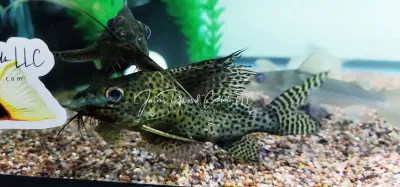
Featherfin squeaker - (Featherfin Synodontis Eupterus)
Featherfin squeaker - (Featherfin Synodontis Eupterus)
Price of shipping is not included.
was $30.00
Save 33%
$20.00
Out of stock
Captive Bred
Pearl Cichlid - (Geophagus brasiliensis)
Pearl Cichlid - (Geophagus brasiliensis)
Price of shipping is not included.
was $20.00
Save 25%
$15.00
Out of stock
Captive Bred
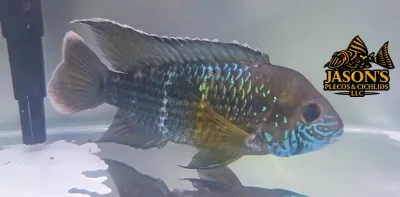
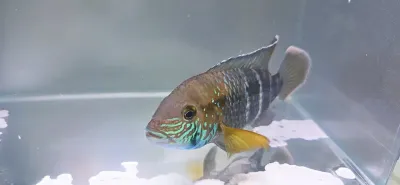
Green Terror Cichlid/White-Gold Saum Cichlid - (Andinoacara rivulatus)
Green Terror Cichlid/White-Gold Saum Cichlid - (Andinoacara rivulatus)
Price of shipping is not included.
5.0
(2)
was $100.00
Save 10%
$90.00
Out of stock
Wild Caught
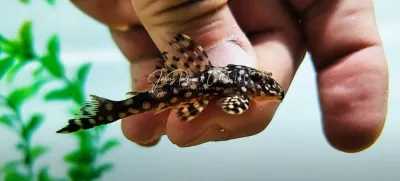
L133 Golden Cloud Pleco - (Scobinancistrus pariolispos)
L133 Golden Cloud Pleco - (Scobinancistrus pariolispos)
Price of shipping is not included.
$30.00
Out of stock
Wild Caught
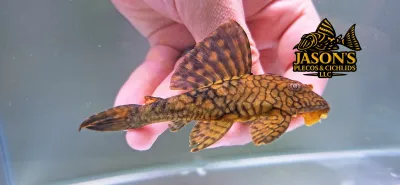
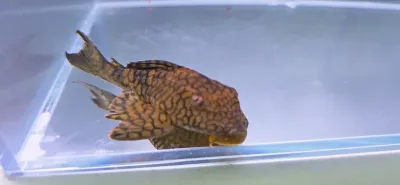
L037 Honeycomb Pleco - (Hypostomus faveolus)
L037 Honeycomb Pleco - (Hypostomus faveolus)
Price of shipping is not included.
was $50.00
Save 10%
$45.00
Out of stock
Wild Caught
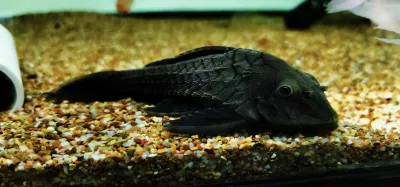
L152 Orinoco Pinecone Pleco - (Pseudorinelepis sp.)
L152 Orinoco Pinecone Pleco - (Pseudorinelepis sp.)
Price of shipping is not included.
$60.00
Out of stock
Wild Caught
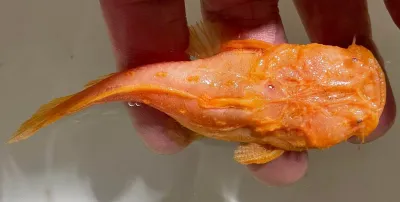
Albino Frogmouth Catfish - (Chaca Chaca)
Albino Frogmouth Catfish - (Chaca Chaca)
Price of shipping is not included.
$1 200.00
Out of stock
Wild Caught
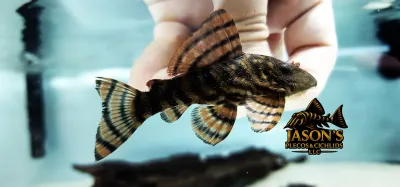
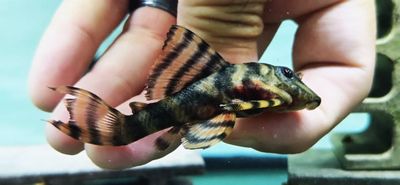
L397 Tangerine Tiger Pleco - (Panaqolus sp.)
L397 Tangerine Tiger Pleco - (Panaqolus sp.)
Price of shipping is not included.
was $95.00
Save 21%
$75.00
Out of stock
Captive Bred
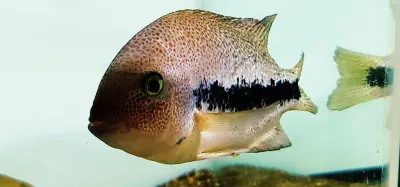
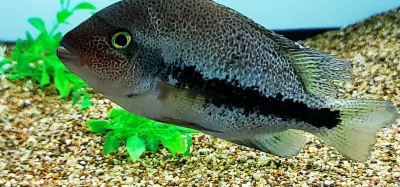
Coatique Cichlid - (Paratheraps sp. "Coatzacoalcos")
Coatique Cichlid - (Paratheraps sp. "Coatzacoalcos")
Price of shipping is not included.
$50.00
Out of stock
Wild Caught
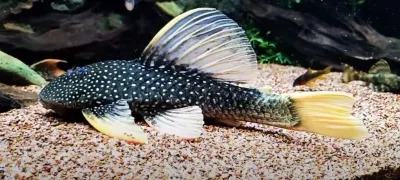
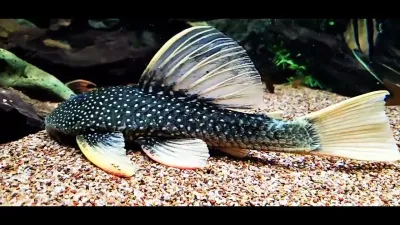
Phase II Luteus Pleco/Golden Sailfin Pleco - (Hypostomus Luteus) Argentina
Phase II Luteus Pleco/Golden Sailfin Pleco - (Hypostomus Luteus) Argentina
Price of shipping is not included.
$700.00
Out of stock
Wild Caught
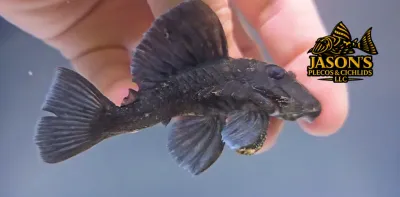
L239 Blue Panaque - (Baryancistrus beggini)
L239 Blue Panaque - (Baryancistrus beggini)
Price of shipping is not included.
was $60.00
Save 17%
$50.00
Wild Caught
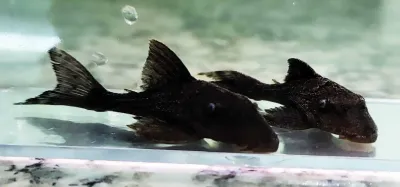
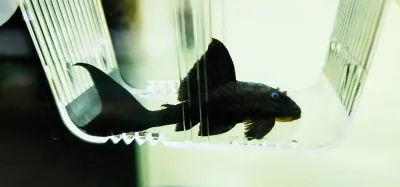
Blue Eyed Royal Pleco - (Panaque cochliodon)
Blue Eyed Royal Pleco - (Panaque cochliodon)
Price of shipping is not included.
$270.00
Out of stock
Powered by Lightspeed
Display prices in:USD