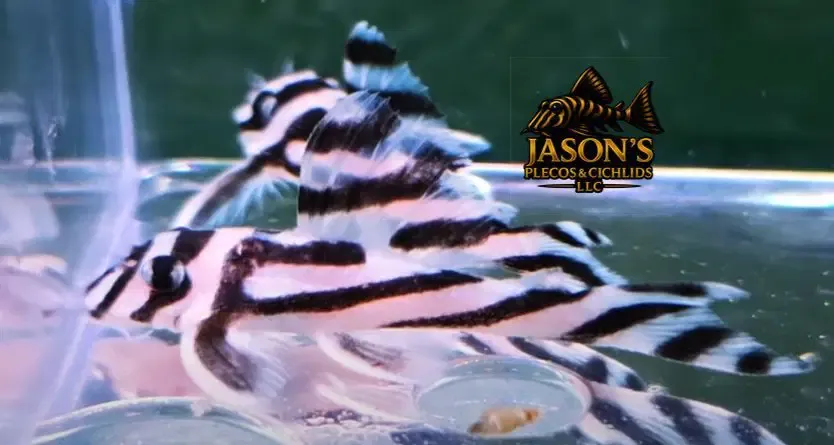
L046 Zebra Pleco - (Hypancistrus zebra)
5.0
4 reviews
Reviews from verified customers who have purchased products at this store.
$160.00
Captive Bred
was $175.00 Save 9%
Size
Questions, Comments, Concerns? Let us know!
Enter your text
Price of shipping is not included.
In stock: 10 available
1
Save this fish to my favorites.
Customer reviews
Reviews only from verified customers
Reviews are only accepted from verified customers who have signed in and purchased the products. This ensures that each review is based on genuine customer experiences. All reviews are checked before publication to prevent spam.
Craig H.
Alexandria,
United States
Dec 18, 2024
Great shipping and communication
L046 Zebra Pleco - (Hypancistrus zebra)
Fish Details, Description and Information Below:
🦓 L046 Zebra Pleco – (Hypancistrus zebra) – Captive-Bred Rio Xingu Pleco
The L046 Zebra Pleco (Hypancistrus zebra) is one of the most recognizable freshwater plecos in the aquarium hobby, famous for its extraordinary jet-black and brilliant white striped pattern.
Unlike spotted, mottled, or reticulated plecos, the Zebra Pleco displays bold alternating bands that extend across the:
- Head
- Body
- Dorsal fin
- Pectoral fins
- Pelvic fins
- Caudal fin
Each individual develops a slightly different arrangement of stripes, giving every L046 its own unique appearance.
The Zebra Pleco is native to an extremely limited section of Brazil's Rio Xingu, where it lives inside narrow horizontal cracks and spaces between enormous submerged rocks.
Despite its small adult size, this species has specialized care requirements. It needs:
- Warm water
- Extremely good oxygenation
- Excellent water quality
- Numerous rocky crevices and caves
- A protein-rich diet
- Careful feeding so it is not outcompeted by faster fish
The L046 Zebra Pleco is also an extremely important conservation species.
🚨 THIS IS A CITES-LISTED FISH
Hypancistrus zebra is currently listed under:
CITES APPENDIX II
with a:
ZERO EXPORT QUOTA FOR WILD-CAUGHT SPECIMENS FOR COMMERCIAL PURPOSES
WILD-CAUGHT COMMERCIAL L046 IMPORTS ARE NOT ALLOWED.
The Zebra Plecos offered by Jason's Plecos & Cichlids are:
CAPTIVE BRED
We do not sell wild-caught L046 Zebra Plecos.
🔎 Quick Facts – L046 Zebra Pleco
- 📛 Common Name: Zebra Pleco
- 📛 Other Names: Imperial Zebra Pleco, Zebra Hypancistrus
- 🔢 L-Number: L046 / L46
- 🔬 Scientific Name: Hypancistrus zebra
- 🐟 Family: Loricariidae
- 🧬 Subfamily: Hypostominae
- 🐣 Stock: Captive Bred
- 🌎 Origin of Species: South America
- 🇧🇷 Country: Brazil
- 🌊 Native Range: Rio Xingu, Pará
- 📍 Natural Distribution: Restricted section of the middle/lower Rio Xingu centered around Volta Grande do Xingu
- 💧 Water Type: Freshwater
- 📏 Scientific Maximum: Approximately 7 cm / 2.8 inches total length in FishBase
- 📏 Adult Planning Size: Approximately 3–4 inches
- 🏠 Recommended Aquarium: 30 gallons or larger
- 👥 Breeding Group: 30–40+ gallons with numerous individual caves and territories
- 🌡️ Temperature: Approximately 80–86°F
- 💧 pH: Approximately 6.0–7.5
- 💦 Water: Soft to moderately mineralized
- 💨 Oxygenation: Very High
- 🌊 Current: Moderate; high oxygenation is especially important
- 🍽️ Diet: Protein-Leaning Omnivore / Invertebrate Predator
- 🚫 Algae Eater: No – should not be purchased for algae control
- 😌 Temperament: Peaceful toward most fish; territorial with other Zebra Plecos around caves
- 🌙 Activity: Primarily nocturnal / crepuscular
- 🐠 Swimming Area: Bottom
- 🥚 Breeding: Cave Spawner
- 👨👩👧 Parental Care: Male guards eggs and fry
- ⭐ Care Level: Intermediate to Advanced
- 🚨 IUCN Status: Critically Endangered
- 📜 CITES: Appendix II
- 🚫 Wild Commercial Export Quota: ZERO
- 🧬 Legal Aquarium Trade: Captive-bred specimens with required documentation
🚨 IMPORTANT CITES & LEGAL STATUS
This section is especially important for L046.
The Zebra Pleco is not simply another aquarium L-number.
Hypancistrus zebra IS A CITES-LISTED SPECIES.
It is currently listed under:
CITES APPENDIX II
with a specific annotation providing:
ZERO EXPORT QUOTA FOR WILD SPECIMENS TRADED FOR COMMERCIAL PURPOSES
This means wild Zebra Plecos cannot simply be legally collected in Brazil, exported, and imported into the aquarium trade.
🚫 NO COMMERCIAL WILD-CAUGHT IMPORTS
For aquarium customers, the practical message is simple:
DO NOT BUY WILD-CAUGHT L046 ZEBRA PLECOS.
Commercial wild-caught exports are not allowed.
Legitimate modern aquarium availability should come from:
CAPTIVE-BRED STOCK
If a seller claims newly imported Zebra Plecos are:
“Wild Caught”
that should immediately raise serious questions about legal origin and documentation.
🇧🇷 Brazil Has Protected Wild L046 for Decades
Brazil placed Hypancistrus zebra on its threatened-species protections in:
2004
and wild collection, transportation, and commercial aquarium trade were prohibited.
Despite these protections, illegal collection and trafficking continued.
Thousands of illegally collected Zebra Plecos have been confiscated by Brazilian authorities over the years.
This history is one of the major reasons captive breeding is so important for the species.
📜 CITES Appendix II – What Does It Mean?
CITES stands for:
Convention on International Trade in Endangered Species of Wild Fauna and Flora
Appendix II does not mean all ownership or domestic sale is automatically prohibited.
It means:
INTERNATIONAL TRADE IS REGULATED
For Zebra Plecos, there is an additional restriction:
Zero commercial export quota for wild specimens.
Captive-bred animals may still enter legitimate international trade when all applicable:
- CITES requirements
- Export requirements
- Import requirements
- Wildlife documentation
are satisfied.
🧾 Keep Your Documentation
Because L046 is a CITES-listed species:
KEEP YOUR PURCHASE RECORDS
Customers should retain:
- Purchase receipt
- Seller information
- Date of purchase
- Captive-bred designation
- Any available breeder information
- Any import documentation supplied with the transaction
This is especially important for anyone who plans to:
- Breed Zebra Plecos
- Sell offspring
- Export animals internationally
- Move animals between countries
🐣 CAPTIVE BRED
The L046 Zebra Plecos offered by Jason's Plecos & Cichlids are:
CAPTIVE BRED
not wild caught.
Captive breeding:
- Provides legal aquarium availability
- Reduces pressure on wild populations
- Preserves the species within the aquarium hobby
- Supports long-term conservation
- Reduces demand for illegally collected wild fish
Captive breeding is especially important because the natural habitat of H. zebra is extremely restricted.
🚨 Critically Endangered
The Zebra Pleco is currently classified by the IUCN as:
CRITICALLY ENDANGERED
Its vulnerability is connected to several factors, including:
- Extremely limited natural range
- Habitat modification
- Belo Monte hydroelectric development
- Changes in Xingu River flow
- Historic aquarium collection
- Illegal trafficking
- Additional development pressure within its range
Responsible captive breeding plays an important role in keeping legally sourced populations available within the aquarium hobby.
🌎 Extremely Restricted Natural Distribution
The Zebra Pleco is endemic to:
The Rio Xingu in Pará, Brazil
It does not naturally occur throughout the entire Amazon Basin.
Modern field research places its known habitat within an approximately:
150–160 km stretch of the Xingu
centered around:
Volta Grande do Xingu
This limited distribution is one of the reasons the species is so vulnerable to habitat changes.
🪨 Natural Habitat
Recent scientific field studies have substantially improved our understanding of Zebra Pleco habitat.
Contrary to some older aquarium descriptions:
L046 IS NOT PRIMARILY A RAPIDS-DWELLING PLECO
Researchers have found Hypancistrus zebra living in:
- Large granitoid and gneiss boulder fields
- Narrow horizontal rock cracks
- Spaces between enormous boulders
- Warm water
- Moderate to relatively low current
at depths generally around:
Less Than 1 to Approximately 10 Meters
The fish shelters deep inside rock fissures.
🌊 Current vs. Oxygen – Important Correction
Older aquarium literature often describes the Zebra Pleco simply as needing:
“Extremely Strong Current”
More recent field observations show that this is not completely accurate.
Wild Zebra Plecos may occupy:
LOW TO MODERATE CURRENT
around huge rock structures.
What is extremely important is:
HIGH DISSOLVED OXYGEN
Therefore, the aquarium does not need to resemble a washing machine.
The goal should be:
Warm + Clean + Highly Oxygenated Water
with useful water circulation.
🪨 Aquarium Setup
The ideal Zebra Pleco aquarium should contain:
- Numerous rocks
- Slate
- Narrow caves
- Horizontal crevices
- Ceramic pleco caves
- Sand or smooth substrate
- Shaded areas
- Strong biological filtration
- Excellent mechanical filtration
- High dissolved oxygen
- Moderate water circulation
The aquarium should contain:
MORE CAVES THAN PLECOS
when keeping a group.
🏠 Caves Are Essential
Zebra Plecos depend heavily on tight shelter.
Caves provide:
- Territory
- Security
- Daytime shelter
- Breeding sites
- Protection from dominant fish
Suitable caves include:
- Ceramic breeding caves
- Slate caves
- Narrow rock crevices
- One-ended pleco tubes
A Zebra Pleco should be able to wedge itself securely inside its shelter.
🥚 Breeding Cave Size
For breeding males, the cave should generally be:
- Slightly wider than the fish
- Long enough for the male and female during spawning
- Closed at one end
- Positioned where clean, oxygenated water reaches the entrance
The male should be able to:
BLOCK THE ENTRANCE WITH HIS BODY
while guarding the clutch.
📏 Adult Size
The Zebra Pleco is one of the smaller well-known plecos.
FishBase currently lists approximately:
7 cm / 2.8 Inches Total Length
as the published maximum.
However, field and aquarium records include adults around:
8–9 cm / approximately 3–3.5 inches
and experienced breeders sometimes report individuals approaching:
4 inches
For customer planning:
Approximately 3–4 Inches Adult Size
is a sensible aquarium expectation.
🏠 Aquarium Size
Because L046 stays relatively small, it does not require a huge aquarium.
For one or several adults:
30 Gallons or Larger
provides good water stability and territory.
A:
40-Gallon Breeder
is especially useful for groups because of its larger bottom footprint.
The most important considerations are:
- Bottom area
- Cave availability
- Oxygenation
- Water quality
- Feeding access
rather than simply gallon volume.
👥 Keeping a Group
Zebra Plecos can be maintained in groups.
However:
MALES CAN BE TERRITORIAL
especially around preferred breeding caves.
A group aquarium should provide:
- Multiple caves
- Multiple feeding areas
- Visual barriers
- Enough bottom territory
- Several different cave sizes
Watch for subordinate fish being prevented from:
- Feeding
- Entering shelters
- Establishing territory
💨 HIGH OXYGENATION IS CRITICAL
This is one of the most important care requirements for L046.
Zebra Plecos naturally inhabit:
VERY WARM WATER
Warm water holds less dissolved oxygen.
At the same time, H. zebra requires highly oxygenated conditions.
This makes oxygen management extremely important.
Use:
- Strong surface agitation
- Air stones
- Powerheads
- High-capacity filters
- Sump filtration
- Good circulation
as necessary.
🌡️ Temperature
Field research has documented Zebra Pleco habitat in water:
Above 28°C / 82°F
and aquarium breeders commonly maintain them around:
80–86°F
A practical long-term aquarium range is:
- 🌡️ 80–86°F
- Preferred general maintenance around 82–84°F
At higher temperatures:
INCREASE OXYGENATION
accordingly.
💧 Water Parameters
A practical aquarium range is:
- 🌡️ Temperature: 80–86°F
- 💧 pH: Approximately 6.0–7.5
- 💦 Hardness: Soft to moderately mineralized
- 💨 Oxygenation: Very High
- 🌊 Water Movement: Moderate
- ☠️ Ammonia: 0 ppm
- ☠️ Nitrite: 0 ppm
- 🔄 Nitrate: Keep as low as reasonably practical
Captive-bred Zebra Plecos can adapt to somewhat different mineral levels when changes are gradual.
The key factors are:
STABILITY + CLEAN WATER + HIGH OXYGEN
⚠️ Warm Water & Oxygen
Never increase temperature without considering oxygen.
As temperature rises:
- Fish metabolism increases
- Oxygen demand increases
- Water holds less dissolved oxygen
Watch for signs such as:
- Rapid breathing
- Unusual activity near filter outlets
- Lethargy
- Reduced feeding
These may indicate environmental problems.
💩 Filtration
Although Zebra Plecos are small, the warm water required for them makes excellent filtration especially important.
Recommended filtration may include:
- Canister filtration
- Sump filtration
- Sponge filtration
- High-quality biological media
- Strong surface movement
Regular partial water changes should be part of normal maintenance.
🍽️ NOT AN ALGAE-EATING PLECO
This is one of the most important husbandry facts for L046.
THE ZEBRA PLECO IS NOT AN ALGAE CLEANER.
Its:
- Small mouth
- Fine teeth
- Natural feeding behavior
are very different from heavily herbivorous grazing plecos.
Do not purchase L046 to remove algae from an aquarium.
🦐 Natural Diet
Modern field research has found wild Zebra Plecos feeding substantially on:
Freshwater Sponges and Associated Invertebrates
living among Xingu rock formations.
Their natural diet contains a significant animal component.
This supports what experienced Zebra Pleco breeders have known for years:
L046 NEEDS A PROTEIN-RICH DIET
🍽️ Aquarium Diet
Recommended foods include:
- High-quality sinking carnivore pellets
- Insect-based sinking foods
- Mysis shrimp
- Brine shrimp
- Bloodworms
- Blackworms
- Chopped shrimp
- Krill
- Quality omnivore pleco foods
- Appropriate frozen invertebrate foods
Small amounts of vegetable-containing foods may also be offered.
🥩 Protein Should Be the Main Focus
Unlike many common plecos, L046 should not be maintained primarily on:
- Zucchini
- Cucumber
- Algae wafers
- Spirulina alone
The diet should emphasize:
ANIMAL & INVERTEBRATE PROTEIN
while still providing some nutritional variety.
🚫 Avoid Routine Feeder Fish
There is no reason to feed live feeder fish to Zebra Plecos.
Feeder fish can introduce:
- Parasites
- Bacterial disease
- Viral disease
Zebra Plecos readily accept appropriately sized:
- Frozen foods
- Sinking pellets
- Insect foods
- Prepared foods
🍽️ Poor Food Competitors
One major concern in a community aquarium is:
ZEBRA PLECOS CAN BE POOR FOOD COMPETITORS
Fast or aggressive feeders may consume everything before the Zebra Pleco leaves its cave.
This is particularly dangerous because L046 may remain hidden while gradually losing weight.
Feed:
- Near the caves
- After lights dim
- After lights go out
- In multiple locations
and confirm that every fish is eating.
⚠️ Monitor Body Condition
A healthy Zebra Pleco should not develop:
- Severely sunken abdomen
- Hollow stomach
- Dramatic loss of body mass
Persistent weight loss should be investigated immediately.
Possible causes include:
- Food competition
- Inappropriate diet
- Parasites
- Stress
- Disease
🌙 Nocturnal Behavior
L046 is primarily:
NOCTURNAL / CREPUSCULAR
During daylight it may spend much of its time:
- Inside caves
- Under rocks
- Inside crevices
Activity generally increases:
- At dusk
- At night
- During feeding
Captive-bred adults may become more comfortable appearing during daylight once established.
😌 Temperament
Toward most peaceful midwater fish, Zebra Plecos are generally:
Peaceful
However, males may become territorial toward:
- Other males
- Other Zebra Plecos
- Similar cave-dwelling plecos
particularly around breeding caves.
🐠 Tankmates
Potential tankmates should:
- Tolerate warm water
- Be peaceful
- Avoid monopolizing food
- Avoid occupying Zebra Pleco caves
Possible choices include carefully selected warm-water:
- Small tetras
- Other peaceful midwater species
However:
A SPECIES-ONLY TANK IS EXCELLENT FOR L046
especially when breeding.
🚫 Avoid Aggressive Bottom Feeders
Avoid keeping Zebra Plecos with bottom dwellers that:
- Compete aggressively for food
- Steal caves
- Harass smaller plecos
- Grow much larger
A peaceful fish can still starve if it cannot compete effectively.
♂️ Male vs. Female
Sexing becomes easier as L046 matures.
Mature Males
Typically develop:
- Broader head
- Stronger body shape
- More pronounced odontodes
- Heavier odontodes on the first pectoral-fin ray
- Strong cave territoriality
Mature Females
Typically:
- Have somewhat narrower heads
- Develop fuller abdomens when carrying eggs
- Have less pronounced odontode development
Juveniles can be difficult or impossible to sex reliably.
Unless confidently determined:
SELL AS UNSEXED
🥚 Breeding
The Zebra Pleco is a:
CAVE SPAWNER
and has been successfully bred in captivity for decades.
Captive breeding is extremely important because:
WILD COMMERCIAL COLLECTION IS NOT AN ACCEPTABLE SOURCE OF AQUARIUM STOCK.
💕 Spawning Behavior
A mature male selects and defends a cave.
When a receptive female approaches:
- The male courts her
- She enters the cave
- She may remain inside for several days
- Eggs are deposited and fertilized
After spawning:
THE FEMALE LEAVES
and:
THE MALE GUARDS THE CLUTCH
👨👧 Male Parental Care
The male:
- Guards the cave
- Fans the eggs
- Maintains water movement
- Protects developing larvae
FishBase specifically records:
Eggs Are Deposited in Caves and the Male Intensively Tends the Clutch
🥚 Egg Clutch
Clutch size varies according to:
- Female size
- Age
- Condition
- Breeding history
Zebra Plecos produce relatively small numbers of valuable offspring compared with many mass-produced aquarium fish.
This is one reason responsible breeding programs remain so important.
👶 Raising Zebra Pleco Fry
Newly hatched fry initially rely on their:
YOLK SAC
Once the yolk is absorbed, appropriate foods include:
- Fine sinking protein foods
- Baby brine shrimp
- Fine insect-based foods
- Crushed carnivore pellets
- Small frozen foods
Feed small portions frequently while maintaining:
EXCELLENT WATER QUALITY
🧬 Keep L046 Pure
Zebra Plecos should not be casually mixed into breeding colonies containing other similar Hypancistrus.
Maintain accurate breeding records.
Do not hybridize L046 with other:
- Hypancistrus
- L-number lines
- Zebra-patterned plecos
and later sell offspring as pure:
Hypancistrus zebra
Captive-bred conservation depends on maintaining accurate lineage.
⚠️ L098 & Pattern Variations
The aquarium hobby has also used the designation:
L098
for an unusual Zebra Pleco pattern form.
L098 has historically been treated as a pattern/color variation associated with Hypancistrus zebra, rather than a separately described species.
If maintaining unusual pattern lines:
- Keep breeder records
- Preserve lineage
- Label offspring accurately
🧬 Every Zebra Pattern Is Different
Even normal captive-bred L046 can vary in:
- Stripe thickness
- Stripe placement
- Head pattern
- Tail pattern
- Amount of black
- Amount of white
No two individuals should be expected to have an identical stripe pattern.
🌎 Conservation & Belo Monte
The entire known natural range of Hypancistrus zebra lies within an area strongly affected by major development on the Xingu.
The:
BELO MONTE HYDROELECTRIC COMPLEX
altered water flow within portions of the species' habitat.
Because L046 occupies such specialized rock formations within such a restricted distribution, habitat alteration is a serious conservation concern.
Additional pressures include:
- Mining
- Water-flow changes
- Habitat degradation
- Illegal fish trafficking
🚨 DO NOT SUPPORT WILD L046 TRADE
This deserves repeating:
DO NOT BUY WILD-CAUGHT ZEBRA PLECOS.
A modern seller offering legitimate L046 should be able to identify the fish as:
CAPTIVE BRED
Wild-origin claims should not be considered a premium feature.
For this species:
CAPTIVE BRED IS THE CORRECT AND RESPONSIBLE SOURCE.
📜 CITES TRADE REQUIREMENTS
Because Hypancistrus zebra is listed under CITES Appendix II:
International trade is subject to applicable:
- CITES permits
- Certificates
- Wildlife import/export requirements
- Country-of-origin requirements
The exact documentation depends on:
- Country
- Transaction
- Source code
- Whether the fish is captive bred
- Whether the transaction crosses an international border
Domestic U.S. possession and resale are separate from CITES international-trade procedures, but legal origin documentation should still be preserved.
🛑 ZERO WILD COMMERCIAL EXPORT QUOTA
The CITES listing specifically carries:
A ZERO EXPORT QUOTA FOR WILD SPECIMENS FOR COMMERCIAL PURPOSES
Therefore:
🚫 NO LEGITIMATE COMMERCIAL WILD-CAUGHT L046 IMPORTS
The aquarium trade should rely on:
✅ CAPTIVE-BRED ZEBRA PLECOS
⭐ Why Keep an L046 Zebra Pleco?
The L046 is an extraordinary aquarium fish because of its combination of:
- 🦓 Incredible black-and-white stripes
- 📏 Small adult size
- 🪨 Specialized rock-crevice behavior
- 🌙 Nocturnal personality
- 🦐 Interesting protein-rich diet
- 🥚 Fascinating cave-spawning reproduction
- 👨👧 Strong male parental care
- 🇧🇷 Rio Xingu origin
- 🧬 Established captive breeding
- 🌎 Important conservation story
Keeping and breeding legally sourced captive-bred Zebra Plecos allows aquarists to enjoy this extraordinary species without supporting illegal wild collection.
⚠️ Important Considerations
Before purchasing an L046 Zebra Pleco:
- The correct scientific name is Hypancistrus zebra.
- L046 is endemic to a restricted section of Brazil's Rio Xingu.
- The species is Critically Endangered.
- L046 is a CITES-listed fish.
- It is currently CITES Appendix II.
- CITES provides a zero export quota for wild specimens for commercial purposes.
- Commercial wild-caught L046 imports are not allowed.
- Do not purchase wild-caught Zebra Plecos.
- This listing is for captive-bred fish.
- Keep purchase and origin documentation.
- Plan for approximately 3–4 inches adult size.
- Provide approximately 30 gallons or larger.
- Provide numerous caves and crevices.
- Provide more caves than plecos when keeping groups.
- Maintain warm water around 80–86°F.
- Maintain extremely high oxygenation.
- Moderate current is sufficient when oxygenation is excellent.
- Maintain ammonia and nitrite at zero.
- Keep nitrate low.
- Feed a protein-rich diet.
- Do not treat L046 as an algae-eating pleco.
- Make sure shy fish receive enough food.
- Expect territorial behavior around breeding caves.
- Keep breeding lines pure.
- Never release aquarium fish into natural waterways.
🧬 Taxonomy
The currently accepted scientific name is:
Hypancistrus zebra Isbrücker & Nijssen, 1991
Classification:
- Order: Siluriformes
- Family: Loricariidae
- Subfamily: Hypostominae
- Genus: Hypancistrus
- Species: zebra
The Zebra Pleco was known in the aquarium hobby as:
L046 / L46
and the L-number remains widely used today.
For this product, use:
L046 Zebra Pleco – (Hypancistrus zebra)
📜 CITES & LEGAL ORIGIN DISCLAIMER
Hypancistrus zebra is listed in:
CITES APPENDIX II
with a:
ZERO EXPORT QUOTA FOR WILD SPECIMENS FOR COMMERCIAL PURPOSES
Jason's Plecos & Cichlids sells:
CAPTIVE-BRED L046 ZEBRA PLECOS ONLY
We do not sell wild-caught L046 Zebra Plecos.
Customers purchasing, selling, transporting, importing, or exporting CITES-listed wildlife are responsible for complying with all applicable:
- Federal laws
- State laws
- International laws
- CITES requirements
- Import/export documentation requirements
Keep documentation showing the legal captive-bred origin of your fish.
🚚 Live Fish Shipping
Live fish are professionally packed for safe transport.
Shipping availability depends on:
- Fish size
- Destination
- Weather conditions
- Carrier availability
- Applicable state and local regulations
Please review our Shipping & Payment Information and Live Arrival Guarantee / DOA Policy before ordering.
⚠️ Buyer Responsibility
Customers are responsible for confirming that Hypancistrus zebra may legally be purchased, possessed, transported, and received in their state or local jurisdiction before ordering.
International movement of L046 may require CITES and other wildlife documentation.
Never release aquarium fish into natural waterways.
Below are fish you may also like.
Wild Caught
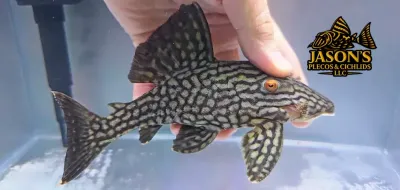
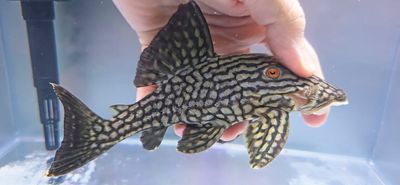
L330 Watermelon Pleco - (Panaque nigrolineatus laurafabianae)
L330 Watermelon Pleco - (Panaque nigrolineatus laurafabianae)
Price of shipping is not included.
was $250.00
Save 20%
$200.00
Wild Caught
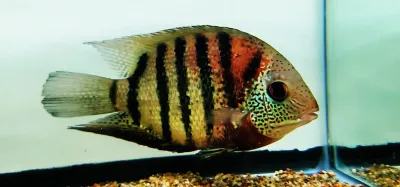
Heros severus - ("Red Tiger Severum" "Rio Curare")
Heros severus - ("Red Tiger Severum" "Rio Curare")
Price of shipping is not included.
$130.00
Out of stock
Wild Caught

Blunthead Cichlid - (Tropheus moorii)
Blunthead Cichlid - (Tropheus moorii)
Price of shipping is not included.
$65.00
Out of stock
Wild Caught
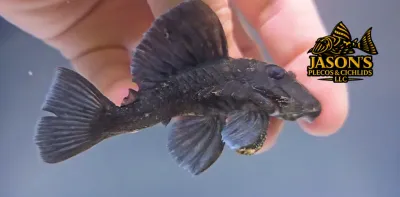
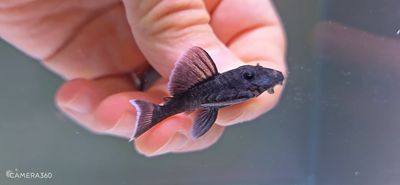
L239 Blue Panaque - (Baryancistrus beggini)
L239 Blue Panaque - (Baryancistrus beggini)
Price of shipping is not included.
was $60.00
Save 17%
$50.00
Wild Caught
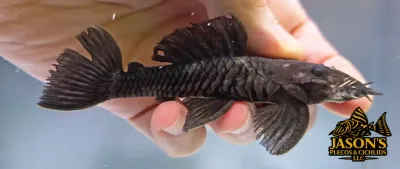
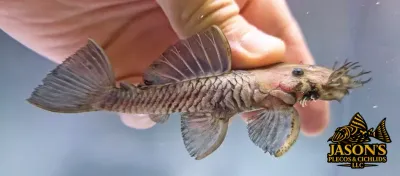
L034 Medusa Pleco - (Ancistrus ranunculus)
L034 Medusa Pleco - (Ancistrus ranunculus)
Price of shipping is not included.
was $65.00
Save 8%
$60.00
Wild Caught
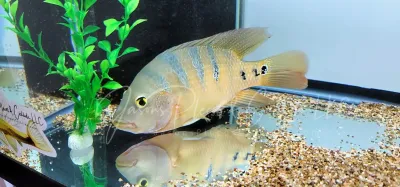
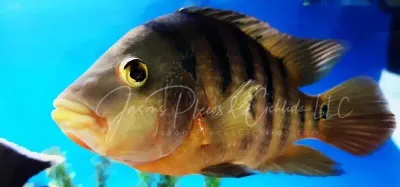
Mayan Cichlid - (Mayaheros urophthalmus)
Mayan Cichlid - (Mayaheros urophthalmus)
Price of shipping is not included.
was $30.00
Save 17%
$25.00
Out of stock
Captive Bred
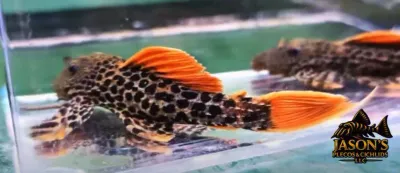
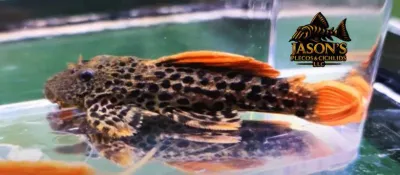
L600/LDA073 Leopard Cactus Pleco - (Pseudacanthicus leopardus)
L600/LDA073 Leopard Cactus Pleco - (Pseudacanthicus leopardus)
Price of shipping is not included.
was $130.00
Save 8%
$120.00
Wild Caught
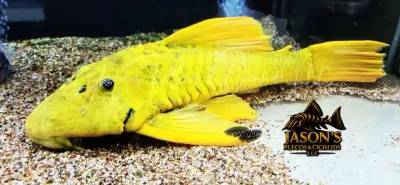
Phase III Luteus Pleco/Golden Sailfin Pleco - (Hypostomus Luteus) Argentina
Phase III Luteus Pleco/Golden Sailfin Pleco - (Hypostomus Luteus) Argentina
Price of shipping is not included.
$2 500.00
Out of stock
Wild Caught
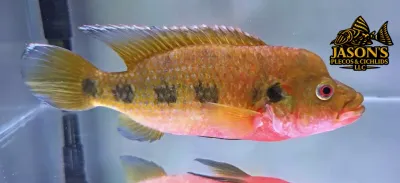
Banded Jewelfish - (Hemichromis Fasciatus)
Banded Jewelfish - (Hemichromis Fasciatus)
Price of shipping is not included.
was $90.00
Save 11%
$80.00
Out of stock
Wild Caught
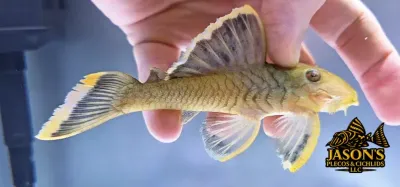
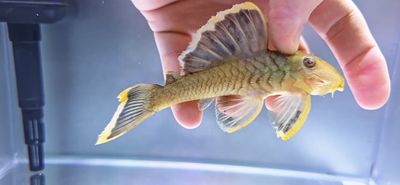
L047 Magnum Pleco - (Baryancistrus chrysolomus)
L047 Magnum Pleco - (Baryancistrus chrysolomus)
Price of shipping is not included.
was $80.00
Save 6%
$75.00
Out of stock
Wild Caught
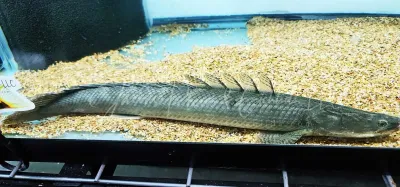
Lapradei Bichir - (Polypterus lapradei)
Lapradei Bichir - (Polypterus lapradei)
Price of shipping is not included.
was $350.00
Save 14%
$300.00
Out of stock
Powered by Lightspeed
Display prices in:USD