Home/Store/Fish Out of Stock
Jaguar Catfish - (Liosomadoras oncinus)

Jaguar Catfish - (Liosomadoras oncinus)

5.0
1 review
Reviews from verified customers who have purchased products at this store.
$65.00
Sold out
Size
Questions, Comments, Concerns? Let us know!
Enter your text
Price of shipping is not included.
Sold out
Customer reviews
Reviews only from verified customers
Reviews are only accepted from verified customers who have signed in and purchased the products. This ensures that each review is based on genuine customer experiences. All reviews are checked before publication to prevent spam.
NORTH ARLINGTON,
United States
Jul 1, 2024
Wonderful fish
Show review
Share this product with your friends
ShareSharePin it
Jaguar Catfish - (Liosomadoras oncinus)
Fish Details, Description and Information Below:

🐆 Jaguar Catfish – (Liosomadoras oncinus) – Nocturnal South American Driftwood Catfish

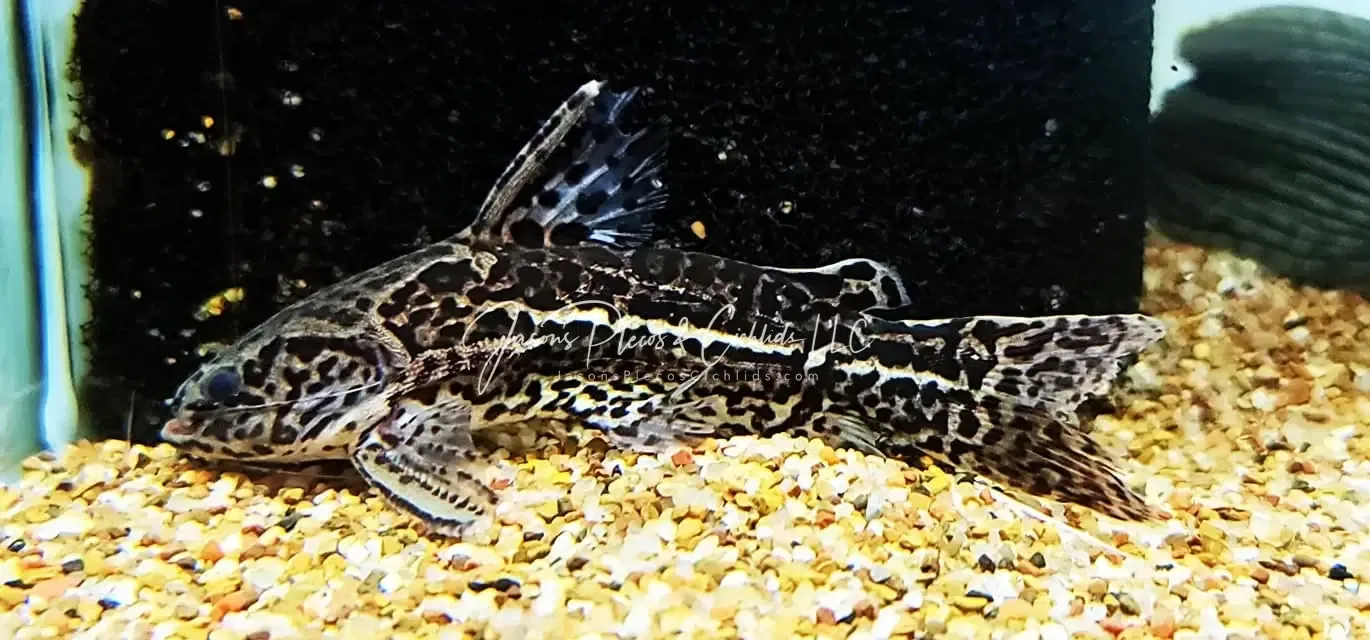
The Jaguar Catfish (Liosomadoras oncinus) is a beautifully patterned South American driftwood catfish named for its striking resemblance to the coat of a jaguar.

Its body is covered with an intricate combination of:

  • Dark brown to nearly black blotches
  • Leopard-like spots
  • Broken rosettes
  • Pale cream to yellowish background coloration
  • Spotted fins
  • Irregular markings that change with age

No two Jaguar Catfish are exactly alike.

This species is native primarily to the Rio Negro Basin of Brazil and portions of the upper Rio Orinoco system of Venezuela, where it spends much of the daylight period hidden inside cavities, cracks, and recesses in submerged tree trunks.

Unlike heavily armored plecos and Doradid talking catfish, the Jaguar Catfish belongs to the:

DRIFTWOOD CATFISH FAMILY – AUCHENIPTERIDAE

It is primarily nocturnal, highly secretive during the day, carnivorous to strongly invertebrate-oriented, and capable of producing surprisingly loud grunting or foghorn-like sounds when disturbed or defending its shelter.


🔎 Quick Facts – Jaguar Catfish

  • 📛 Common Name: Jaguar Catfish
  • 🔬 Scientific Name: Liosomadoras oncinus
  • 🐟 Family: Auchenipteridae
  • 🧬 Subfamily: Auchenipterinae
  • 🌳 Group: Driftwood Catfish
  • 🌎 Origin: South America
  • 🇧🇷 Country: Brazil
  • 🇻🇪 Country: Venezuela
  • 🌊 Primary Native Range: Rio Negro Basin and Upper Rio Orinoco Basin
  • 📍 Type Locality: Rio Padauiri, Rio Negro drainage, Brazil
  • 🌊 Brazilian Range: Rio Negro Basin, including Rio Branco
  • 🌊 Venezuelan Range: Rio Ventuari, Rio Casiquiare, Rio Atabapo and associated upper Orinoco waters
  • 🌑 Natural Water Type: Primarily soft, acidic blackwater and associated flooded-forest habitats
  • 🌳 Natural Shelter: Cavities and recesses inside submerged tree trunks
  • 📏 Scientific Size: Approximately 15 cm / 5.9 inches standard length in the modern taxonomic revision
  • 📏 FishBase Maximum: Approximately 17 cm / 6.7 inches total length
  • 📏 Adult Aquarium Planning Size: Approximately 8–10 inches
  • 📏 Large Aquarium Reports: Occasionally approximately 10–12 inches
  • 🏠 Recommended Aquarium: 55 gallons or larger
  • 🏠 Preferred Aquarium: 75+ gallons for large adults
  • 👥 Groups: Larger aquariums with abundant individual shelters
  • 🌡️ Temperature: Approximately 73–81°F
  • 💧 pH: Approximately 5.0–7.2
  • 💎 Hardness: Soft to moderately mineralized
  • 💨 Oxygenation: Good
  • 🌊 Water Movement: Gentle to Moderate
  • 🍽️ Diet: Carnivorous / Invertebrate-Leaning Opportunist
  • 🪱 Animal Foods: Very Important
  • 🚫 Algae Cleaner: No
  • 🌙 Activity: Strongly Nocturnal / Crepuscular
  • 😌 Temperament: Generally peaceful toward appropriately sized midwater fish
  • ⚠️ Shelter Territoriality: Can strongly defend a preferred hiding place
  • ⚠️ Male-to-Male Aggression: Possible and potentially severe
  • 🐟 Small Fish: May be eaten if small enough to swallow
  • 🔊 Special Behavior: Produces audible grunts / stridulation
  • ♂️ Male Identification: Modified anal fin and genital papilla when mature
  • 🥚 Captive Breeding: Documented, but detailed species-specific information remains scarce
  • ⭐ Care Level: Intermediate
  • 🌎 IUCN Conservation Status: Least Concern

🧬 Valid Scientific Species

The currently accepted scientific name is:

Liosomadoras oncinus

The species was originally described in:

1841

under the name:

Arius oncinus

It has had a complicated taxonomic history and was once associated with several different catfish groups.

Modern taxonomy places it in:

FAMILY AUCHENIPTERIDAE

the:

DRIFTWOOD CATFISH FAMILY


⚠️ Not a Doradid Talking Catfish

The Jaguar Catfish has historically caused taxonomic confusion because it resembles some:

DORADID / TALKING CATFISH

in body shape and behavior.

However:

Liosomadoras oncinus IS NOT A MEMBER OF DORADIDAE

It belongs to:

AUCHENIPTERIDAE

This is an important distinction.


🧬 Why Was It Once Confused With Doradids?

The Jaguar Catfish has:

  • A broad head
  • Strong fin spines
  • A robust body
  • Audible defensive sounds
  • A distinctive spiny structure near the shoulder region

which can make it superficially resemble a Doradid.

However, unlike true Doradids:

THE BODY DOES NOT HAVE THE CHARACTERISTIC ROW OF HEAVY BONY LATERAL SCUTES

found in talking catfish.


🌳 Driftwood Catfish

The family Auchenipteridae is commonly known as the:

DRIFTWOOD CATFISH FAMILY

Many members spend daylight hours hidden within:

  • Hollow logs
  • Tree roots
  • Wood cavities
  • Rock crevices
  • Submerged structure

before becoming active after dark.

The Jaguar Catfish is an excellent example of this lifestyle.


🐆 Why Is It Called the Jaguar Catfish?

The scientific name:

oncinus

and the common name:

JAGUAR CATFISH

refer to its remarkable resemblance to the coat pattern of the South American Jaguar:

Panthera onca

The body may display:

  • Spots
  • Broken rings
  • Dark squares
  • Rosette-like markings
  • Irregular dark blotches

against a lighter background.


🎨 Appearance

Typical background coloration ranges from:

  • Cream
  • Beige
  • Yellowish tan
  • Pale brown
  • Grayish tan

covered with:

  • Chocolate-brown markings
  • Dark brown spots
  • Nearly black blotches
  • Broken rosettes

The fins are usually spotted as well.


🔄 Pattern Changes With Age

The scientific revision of Liosomadoras oncinus documented an interesting change in pattern as the fish grows.

Smaller fish tend to have:

LARGE, SQUARISH DARK BLOTCHES

arranged in rows.

As they mature, those blotches may:

  • Become pale in the center
  • Break open
  • Fragment
  • Turn into smaller spots
  • Form incomplete squares or rosettes

🐆 Adults Become More Jaguar-Like

As the original block pattern fragments:

THE FISH OFTEN DEVELOPS AN EVEN MORE JAGUAR-LIKE APPEARANCE

with numerous irregular dark markings covering the body.

This means a juvenile can look considerably different from the same fish as an adult.


⚠️ Pattern Disclaimer

Exact adult coloration cannot be guaranteed.

Individual fish may vary in:

  • Spot size
  • Number of spots
  • Blotch shape
  • Background coloration
  • Fin pattern
  • Overall contrast

Pattern also changes naturally with:

  • Growth
  • Stress
  • Lighting
  • Aquarium background
  • Acclimation

🆚 Jaguar Catfish vs. Black / False Jaguar Catfish

There are currently two recognized species in the genus:

Liosomadoras

They are:

🐆 Liosomadoras oncinus

True Jaguar Catfish

and:

⚫ Liosomadoras morrowi

often called the:

Black Jaguar Catfish / False Jaguar Catfish


🐆 Liosomadoras oncinus

Typical characteristics include:

  • Pale yellowish or cream background
  • Organized dark markings in juveniles
  • Jaguar-like broken rosettes and spots in adults
  • Pale mid-lateral region
  • Rio Negro and upper Orinoco distribution

⚫ Liosomadoras morrowi

Typically has:

  • Darker overall coloration
  • More randomly distributed dark round blotches
  • Less organized pattern
  • Different geographic distribution

L. morrowi occurs primarily in:

  • Peru
  • Western Brazilian Amazon drainages

rather than the Rio Negro / upper Orinoco distribution of L. oncinus.


⚠️ Correct Identification Matters

Both species have historically been sold as:

JAGUAR CATFISH

Preserve:

  • Scientific name
  • Supplier identification
  • Collection locality when available

especially when maintaining potential breeding groups.


🌎 Native Distribution

The best modern systematic study places Liosomadoras oncinus within:

THE RIO NEGRO BASIN

of Brazil and:

THE UPPER RIO ORINOCO BASIN

of Venezuela.


🇧🇷 Brazil – Rio Negro

Brazilian records extend through the:

RIO NEGRO BASIN

including the:

RIO BRANCO

The documented range extends from approximately:

BARCELOS

upstream toward the:

RIO IÇANA REGION


🇻🇪 Venezuela – Upper Orinoco

Scientific records also include:

  • Rio Ventuari
  • Rio Casiquiare
  • Rio Atabapo
  • Rio Siapa
  • Rio Pasimoni

within the upper Orinoco / Casiquiare region.


📍 Type Locality

The original specimen was collected in:

RIO PADAUIRI

a tributary of the:

RIO NEGRO

in Brazil.

The original collection occurred in:

1839

before the species was formally described in 1841.


🌑 Blackwater Habitat

The Rio Negro is one of the world's most famous:

BLACKWATER RIVER SYSTEMS

These waters are generally:

  • Soft
  • Acidic
  • Tea-colored
  • Rich in dissolved organic compounds
  • Low in mineral content

from decomposing vegetation.


🌳 Flooded Forest Habitat

Jaguar Catfish are also associated with:

IGAPÓ / FLOODED FOREST

habitats.

During seasonal flooding, forests become submerged and create enormous amounts of:

  • Root structure
  • Fallen branches
  • Hollow wood
  • Cavities
  • Dark shelter

🌳 Scientific Habitat Observation

Researchers specifically collected Liosomadoras oncinus from:

CAVITIES AND NOOKS INSIDE SUBMERGED TREE TRUNKS

This habitat information is extremely useful for designing the aquarium.


🪵 Driftwood Is Important for Shelter

A Jaguar Catfish aquarium should contain:

SUBSTANTIAL DRIFTWOOD AND DARK CAVITIES

Suitable structures include:

  • Hollow driftwood
  • Large wood arches
  • Root tangles
  • PVC pipes
  • Ceramic caves
  • Slate shelters

⚠️ Driftwood Is Shelter – Not Its Primary Food

Unlike:

  • Panaque
  • Panaqolus

the Jaguar Catfish does:

NOT EAT WOOD AS A SPECIALIZED DIET

Driftwood is primarily valuable for:

  • Shelter
  • Security
  • Shade
  • Territory
  • Natural habitat structure

🌙 Extremely Nocturnal

One of the most important characteristics of the Jaguar Catfish is:

ITS SECRETIVE NATURE

A newly introduced fish may disappear almost completely during daylight.

It may spend the day:

  • Inside hollow wood
  • Inside PVC pipe
  • Beneath roots
  • Wedged into a cave
  • Behind rocks

⚠️ Do Not Assume a Hidden Jaguar Is Missing

It is completely normal for this species to remain hidden for:

MOST OF THE DAY

especially while acclimating.

Many owners initially see their Jaguar Catfish only:

  • During feeding
  • After lights out
  • Under dim moonlight

🌑 Dim Lighting

Jaguar Catfish generally appreciate:

SUBDUED LIGHTING

Suitable options include:

  • Floating plants
  • Tall plants
  • Driftwood shade
  • Dim aquarium lights
  • Dark backgrounds
  • Moonlight viewing

☀️ Established Fish Can Become Bolder

Once acclimated, some individuals begin to:

  • Emerge before lights out
  • Feed during daylight
  • Rest partially outside their shelter
  • Recognize feeding routines

The more secure the fish feels, the more likely it is to become visible.


🏠 More Hiding Places Can Mean More Visible Fish

It may seem backwards, but giving a shy catfish:

MORE HIDING PLACES

often makes it:

MORE CONFIDENT

When the fish knows that shelter is always nearby, it is more willing to venture into the open.


📏 Adult Size – Important Clarification

Adult-size information for Liosomadoras oncinus varies significantly between scientific and aquarium sources.

The modern taxonomic revision describes the species reaching approximately:

150 MM / 5.9 INCHES STANDARD LENGTH

Standard length excludes the full caudal fin.


📏 FishBase Record

FishBase currently lists approximately:

17 CM / 6.7 INCHES TOTAL LENGTH

as the documented maximum.


📏 Larger Aquarium Reports

Long-term aquarium keepers have reported substantially larger individuals, sometimes around:

25–30 CM / APPROXIMATELY 10–12 INCHES

These larger sizes are not as well supported by preserved scientific specimens.


📏 Responsible Aquarium Planning

Because the available information differs:

DO NOT TREAT 6–7 INCHES AS AN ABSOLUTE MAXIMUM

For customer planning, I recommend allowing for approximately:

8–10 INCHES

with enough room for an unusually large specimen.


🏠 Aquarium Size

For one Jaguar Catfish:

55 GALLONS OR LARGER

is a reasonable long-term minimum.

I prefer:

75+ GALLONS

for:

  • A large mature specimen
  • Larger tankmates
  • Greater shelter selection
  • More bottom territory

👥 Keeping Multiple Jaguar Catfish

Groups can be maintained, but:

SPACE AND SEX RATIO MATTER

Mature males may become strongly territorial toward one another.

If maintaining multiple fish, provide:

  • A substantially larger aquarium
  • Numerous shelters
  • Visual barriers
  • Multiple feeding areas

⚠️ Male-to-Male Aggression

Experienced keepers have documented serious aggression between mature males.

Inadequately housed males may cause:

  • Skin damage
  • Abrasions
  • Stress
  • Persistent hiding
  • Injuries

For groups:

AVOID CROWDING MULTIPLE MATURE MALES


🏠 One Shelter per Fish Is Not Enough

For a group, provide:

MORE HIDING PLACES THAN CATFISH

A good target is:

2–3 POTENTIAL SHELTERS PER FISH

so no individual must fight over the only desirable cavity.


🌊 Water Flow

The Jaguar Catfish is:

NOT A HIGH-CURRENT RIVER CATFISH

Its natural habitat includes:

  • Flooded forest
  • Submerged logs
  • Protected cavities
  • Blackwater channels

Provide:

GENTLE TO MODERATE WATER MOVEMENT

rather than a powerful river-torrent environment.


💨 Oxygenation

Good oxygenation is still important.

Use:

  • Surface agitation
  • Proper filtration
  • Air stones when necessary
  • Good circulation

but do not assume that the species requires extreme current.


🌡️ Temperature

Published temperature information varies somewhat.

A practical long-term range is:

73–81°F / 23–27°C

This matches long-term aquarium experience while remaining appropriate for its tropical blackwater habitat.


⚠️ Avoid Unnecessarily Hot Water

The Jaguar Catfish does not require:

  • 84°F
  • 86°F
  • Extreme warm-water pleco temperatures

as a routine condition.

A target around:

75–79°F

works very well for many established specimens.


💧 Water Parameters

A practical aquarium range is:

  • 🌡️ Temperature: Approximately 73–81°F
  • 💧 pH: Approximately 5.0–7.2
  • 💎 Hardness: Soft to moderately mineralized
  • 💨 Oxygenation: Good
  • 🌊 Water Movement: Gentle to Moderate
  • ☠️ Ammonia: 0 ppm
  • ☠️ Nitrite: 0 ppm
  • 🔄 Nitrate: Keep low

🌑 Naturally Acidic Water

FishBase lists a natural pH range of approximately:

4.8–6.8

However, established aquarium specimens can adapt to somewhat more neutral conditions when changes are:

  • Gradual
  • Stable
  • Properly maintained

Avoid constantly altering pH in an attempt to reach one exact number.


⚠️ Stability Is Important

A stable:

pH 6.5

is generally preferable to repeatedly forcing aquarium water between:

  • 5.5
  • 6.0
  • 6.5

with chemical additives.


🍂 Blackwater-Style Aquarium

A naturalistic aquarium may include:

  • Driftwood
  • Indian almond leaves
  • Oak leaves
  • Botanical material
  • Floating plants
  • Dark substrate

These can create the:

DIM, SHELTERED ENVIRONMENT

the Jaguar Catfish naturally prefers.


⚠️ Botanicals Are Optional

Blackwater botanicals can be beneficial, but:

THEY ARE NOT REQUIRED

for successfully maintaining a healthy Jaguar Catfish.

Clean, stable water remains more important than trying to perfectly reproduce a river's color.


💩 Filtration

Use efficient:

  • Mechanical filtration
  • Biological filtration

Suitable filtration may include:

  • Canister filters
  • Sump filtration
  • Hang-on-back filters
  • Sponge filters

The filtration system should maintain excellent water quality without creating excessive current throughout the aquarium.


🍽️ Diet – Carnivorous / Invertebrate-Leaning

Scientific observations describe the Jaguar Catfish as:

CARNIVOROUS

in captivity.

Its natural species-specific stomach contents remain poorly documented, but its feeding behavior and family biology strongly support an:

INVERTEBRATE-ORIENTED DIET


🪱 Excellent Foods

Suitable foods include:

  • Earthworms
  • Chopped nightcrawlers
  • Bloodworms
  • Mysis shrimp
  • Brine shrimp
  • Krill
  • Chopped shrimp
  • Prawn
  • Mussel
  • Insect larvae
  • Quality sinking carnivore pellets
  • Quality catfish tablets

🪱 Earthworms

Earthworms are an especially useful food because they are:

  • Highly attractive
  • Nutrient-rich
  • Easily swallowed
  • Similar to natural invertebrate prey

Cut larger worms into appropriately sized pieces.


🍽️ Prepared Foods

Many established Jaguar Catfish readily accept:

  • Sinking pellets
  • Catfish tablets
  • Carnivore wafers
  • Other high-quality prepared foods

This makes it possible to maintain a varied diet without feeding live prey.


🚫 Avoid Feeder Fish

There is no need to use:

  • Goldfish
  • Rosy reds
  • Live feeder fish

These can introduce:

  • Parasites
  • Bacteria
  • Disease
  • Poor nutritional balance

Use quality frozen, fresh, and prepared foods instead.


🐟 Will Jaguar Catfish Eat Other Fish?

The Jaguar Catfish is generally:

NOT AN ACTIVE FISH-HUNTING PREDATOR

toward appropriately sized tankmates.

However:

ANY FISH SMALL ENOUGH TO SWALLOW IS AT RISK

especially during nighttime activity.


🚨 Avoid Tiny Tankmates

Do not combine a mature Jaguar Catfish with:

  • Very small tetras
  • Tiny rasboras
  • Guppy fry
  • Small livebearer fry
  • Newly hatched fish

that can fit inside its mouth.


🚫 Not an Algae Cleaner

The Jaguar Catfish is:

NOT AN ALGAE-EATING CATFISH

and should not be purchased for:

  • Cleaning glass
  • Removing algae
  • Cleaning leftover waste

It requires intentional feeding.


🌙 Feed After Lights Dim

Because the species is nocturnal, feeding is often most successful:

AT DUSK OR AFTER LIGHTS OUT

Place food:

  • Near the shelter
  • In predictable locations
  • Away from overly aggressive tankmates

🍽️ Established Fish Learn Feeding Schedules

Jaguar Catfish are capable of learning:

  • Feeding time
  • Food location
  • Aquarium routines

Some individuals eventually emerge as soon as food enters the aquarium.


😌 Temperament

Toward most appropriately sized midwater fish:

THE JAGUAR CATFISH IS GENERALLY PEACEFUL

It normally spends little time actively bothering unrelated fish.


🐠 Potential Tankmates

Possible tankmates include appropriately sized:

  • Tetras
  • Silver dollars
  • Headstanders
  • Peaceful to moderately assertive cichlids
  • Other medium-sized South American fish

provided they are:

TOO LARGE TO SWALLOW

and do not constantly harass the Jaguar Catfish.


⚠️ Avoid Highly Aggressive Tankmates

Because the Jaguar Catfish has a relatively:

SMOOTH, UNARMORED BODY

compared with heavily plated catfish, aggressive tankmates can cause substantial injury.

Avoid fish that repeatedly:

  • Bite
  • Ram
  • Chase
  • Attack its shelter

⚠️ Bottom-Dweller Conflicts

The greatest territorial issue occurs when another bottom-dwelling fish attempts to occupy:

THE JAGUAR CATFISH'S CHOSEN SHELTER

It may vigorously defend that space.


🔊 The Foghorn Catfish

One of the most fascinating behaviors of this species is its ability to produce:

LOUD GRUNTING / FOGHORN-LIKE SOUNDS

The sound can be surprisingly powerful for a fish of this size.


🔊 How Does It Make the Sound?

The Jaguar Catfish can create sound by moving its:

PECTORAL-FIN SPINE

against structures in the shoulder girdle.

The resulting vibration is amplified through the body and swim bladder.

This process is known as:

STRIDULATION


😠 Why Does It Grunt?

The fish may produce sounds when:

  • Disturbed
  • Handled
  • Defending a shelter
  • Confronted by another bottom dweller

The sound appears to function as a:

DEFENSIVE / TERRITORIAL WARNING


🛡️ Strong Fin Spines

Despite having a relatively smooth body, the Jaguar Catfish has powerful:

  • Dorsal-fin spine
  • Pectoral-fin spines

These structures are important defensive weapons.


⚠️ Handling Warning

Use caution when moving this fish.

The pectoral and dorsal spines can:

  • Snag nets
  • Scratch skin
  • Puncture skin
  • Clamp painfully against fingers

🚫 Do Not Grab Behind the Pectoral Fins

Avoid placing fingers near the:

PECTORAL-FIN BASE / “ARMPIT” AREA

The fish can clamp its pectoral spine unexpectedly.

Use an appropriately sized:

  • Rigid container
  • Fish tub
  • Large bag

for larger individuals whenever practical.


🧬 Sexing

Sexing becomes easier once the fish reaches maturity.

The most reliable difference involves the:

ANAL FIN


♂️ Mature Male

A mature male develops a specialized:

GENITAL PAPILLA / MODIFIED ANAL-FIN STRUCTURE

attached along the anterior part of the anal fin.

This reproductive structure is characteristic of many:

AUCHENIPTERINE DRIFTWOOD CATFISH


♀️ Female

Females lack the same elongated male reproductive structure.

Mature females may also develop a:

  • Broader abdomen
  • Fuller body

when carrying eggs.


⚠️ Juveniles Are Difficult to Sex

Sexual differences become much easier to recognize after approximately:

13 CM / ABOUT 5 INCHES

in specialist aquarium observations.

Small juveniles should generally be:

SOLD AS UNSEXED

unless the sex is confidently known.


🧬 Unusual Reproductive Biology

Driftwood catfish have fascinating reproductive biology.

Unlike plecos, where males generally fertilize eggs externally as they are deposited:

AUCHENIPTERINE MALES USE A MODIFIED ANAL FIN DURING MATING

for:

INTERNAL INSEMINATION


🧬 Internal Insemination

The male transfers sperm to the female.

The female can then use stored sperm when eggs are later released.

This is very different from the typical:

PLECO CAVE-SPAWNING SYSTEM


🥚 Captive Breeding – Documented but Poorly Known

Older aquarium references commonly stated:

JAGUAR CATFISH HAD NEVER BEEN BRED IN CAPTIVITY

That information is now outdated.

Successful captive reproduction resulting in viable offspring has been reported.

However:

DETAILED SPECIES-SPECIFIC BREEDING INFORMATION REMAINS VERY LIMITED


⚠️ Do Not Call This a Pleco-Style Male Cave Spawner

It would be incorrect to copy typical pleco breeding language and claim:

  • Male guards eggs in a pleco cave
  • Male fans the clutch
  • Male protects fry

as established Jaguar Catfish behavior.

The reproductive biology of Auchenipteridae is fundamentally different.


🥚 Spawning Information Is Still Limited

Reliable information is still lacking regarding:

  • Exact spawning trigger
  • Egg numbers
  • Egg-placement preference
  • Incubation time
  • Female egg-guarding behavior
  • Fry development

for Liosomadoras oncinus specifically.

Therefore:

DO NOT INVENT PRECISE BREEDING DETAILS


🌧️ Seasonal Breeding May Be Important

Other driftwood catfish reproduce in association with:

THE BEGINNING OF THE RAINY SEASON

Aquarists attempting Liosomadoras breeding have therefore experimented with:

  • Large water changes
  • Temperature changes
  • Increased circulation
  • Seasonal conditioning

but no single method should be presented as guaranteed.


👥 Breeding Groups

Because mature males can become aggressive with one another, a potential breeding group is safer when structured around:

ONE MATURE MALE WITH MULTIPLE FEMALES

in a large, heavily structured aquarium.


🏠 Breeding Aquarium

A breeding group should have:

  • Large water volume
  • Numerous hollow shelters
  • Driftwood
  • Tubes
  • Dim lighting
  • Excellent water quality
  • Multiple feeding areas

A tank around:

75 GALLONS OR LARGER

provides much more useful space for a group.


🌎 Conservation Status

Liosomadoras oncinus is currently assessed as:

LEAST CONCERN

The IUCN assessment dates to:

2020


⚠️ Least Concern Does Not Mean Disposable

Although the species is not currently considered globally threatened:

RESPONSIBLE LONG-TERM CARE STILL MATTERS

particularly for wild-origin aquarium fish.

Provide permanent housing before purchasing.


⭐ Why Keep a Jaguar Catfish?

The Jaguar Catfish combines:

  • 🐆 Spectacular jaguar-like markings
  • 🌳 Fascinating driftwood-catfish behavior
  • 🌑 Blackwater river origins
  • 🌙 Strong nocturnal personality
  • 🔊 Audible grunting / foghorn sounds
  • 🪵 Love of hollow driftwood shelters
  • 🪱 Carnivorous invertebrate feeding
  • 😌 Generally peaceful community behavior
  • 🧬 Unusual internal reproductive biology
  • 🌎 Rio Negro and upper Orinoco distribution

into one of the most unusual medium-sized South American catfish available to aquarium keepers.


⚠️ Important Considerations

Before purchasing a Jaguar Catfish:

  • The correct scientific name is Liosomadoras oncinus.
  • It belongs to the family Auchenipteridae.
  • It is a driftwood catfish, not a Doradid talking catfish.
  • The species was originally described as Arius oncinus.
  • The type locality is the Rio Padauiri in Brazil.
  • Its modern scientific range includes the Rio Negro Basin of Brazil.
  • The Rio Branco is included within its Brazilian distribution.
  • It also occurs in the upper Rio Orinoco system of Venezuela.
  • Venezuelan records include the Ventuari, Casiquiare, and Atabapo systems.
  • The species naturally shelters inside submerged tree trunks and cavities.
  • Provide abundant driftwood and dark shelters.
  • Driftwood is shelter, not a specialized food.
  • The species is extremely nocturnal.
  • Dim lighting is preferred.
  • Scientific and aquarium size records differ considerably.
  • Scientific specimens reach approximately 15 cm standard length.
  • FishBase lists approximately 17 cm total length.
  • Aquarium reports sometimes describe substantially larger adults.
  • Plan conservatively for approximately 8–10 inches.
  • Provide approximately 55 gallons or larger.
  • 75+ gallons is preferred for large adults or groups.
  • Provide more shelters than fish.
  • Avoid overcrowding mature males.
  • Mature males can become aggressive toward one another.
  • Maintain approximately 73–81°F.
  • Maintain soft, slightly acidic to neutral water.
  • Provide approximately pH 5.0–7.2.
  • Do not provide unnecessarily extreme current.
  • Gentle to moderate water movement is appropriate.
  • Maintain excellent water quality.
  • Feed a carnivorous / invertebrate-oriented diet.
  • Earthworms, bloodworms, mysis, shrimp, and quality sinking carnivore foods are excellent options.
  • Do not use feeder fish.
  • Do not purchase this species as an algae cleaner.
  • Tiny fish may be eaten after dark.
  • Choose tankmates too large to swallow.
  • The fish can produce loud grunts or foghorn-like sounds.
  • Handle carefully because of strong dorsal and pectoral spines.
  • Mature males develop a modified anal fin / genital papilla.
  • Captive breeding has occurred.
  • Detailed species-specific breeding information remains scarce.
  • Do not describe it as a typical male-guarded pleco cave spawner.
  • The species is currently classified as Least Concern.
  • Never release aquarium fish into natural waterways.

🧬 Taxonomy

The currently accepted scientific name is:

Liosomadoras oncinus (Jardine, 1841)

Classification:

  • Order: Siluriformes
  • Family: Auchenipteridae
  • Subfamily: Auchenipterinae
  • Genus: Liosomadoras
  • Species: oncinus

Original scientific combination:

Arius oncinus

Type locality:

RIO PADAUIRI – RIO NEGRO BASIN, BRAZIL

Modern documented distribution includes:

RIO NEGRO BASIN – BRAZIL

and:

UPPER RIO ORINOCO BASIN – VENEZUELA

For this product, use:

Jaguar Catfish – (Liosomadoras oncinus)


🐆 Species Identification Disclaimer

Two species of Liosomadoras are currently recognized:

  • Liosomadoras oncinus – Jaguar Catfish
  • Liosomadoras morrowi – Black / False Jaguar Catfish

They can be confused in the aquarium trade.

Preserve:

  • Scientific name
  • Supplier identification
  • Collection locality when available

especially when establishing breeding groups.


🚚 Live Fish Shipping

Live fish are professionally packed for safe transport.

Shipping availability depends on:

  • Fish size
  • Destination
  • Weather conditions
  • Carrier availability
  • Applicable state and local regulations

Jaguar Catfish have:

  • Strong dorsal spines
  • Strong pectoral spines
  • Powerful pectoral-fin locking ability

so larger specimens may require:

  • Heavy-duty fish bags
  • Multiple protective bag layers
  • Appropriate rigid transfer containers
  • Additional packing protection

Please review our Shipping & Payment Information and Live Arrival Guarantee / DOA Policy before ordering.


⚠️ Buyer Responsibility

Customers are responsible for confirming that Liosomadoras oncinus may legally be purchased, possessed, transported, and received in their state or local jurisdiction before ordering.

Never release aquarium fish into natural waterways.

Show More
Below are fish you may also like.
Wild Caught
L091 Three Beacon Pleco/Redfin Blackspot Pleco - (Leporacanthicus triactis)L091 Three Beacon Pleco/Redfin Blackspot Pleco - (Leporacanthicus triactis)
L091 Three Beacon Pleco/Redfin Blackspot Pleco - (Leporacanthicus triactis)
Price of shipping is not included.
5.0
(3)
was $100.00
Save 10%
$90.00
Out of stock
Wild Caught
L200 Hi Fin Green Phantom Pleco - (Baryancistrus demantoides)L200 Hi Fin Green Phantom Pleco - (Baryancistrus demantoides)
L200 Hi Fin Green Phantom Pleco - (Baryancistrus demantoides)
Price of shipping is not included.
was $85.00
Save 6%
$80.00
Out of stock
Captive Bred
Albino Threadfin Acara - (Acarichthys Heckelii)Albino Threadfin Acara - (Acarichthys Heckelii)
Albino Threadfin Acara - (Acarichthys Heckelii)
Price of shipping is not included.
was $135.00
Save 30%
$95.00
Out of stock
Wild Caught
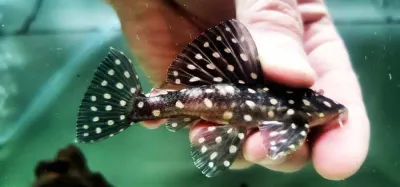
Spotted Paraguay Pleco - (Hypostomus albopunctatus)Spotted Paraguay Pleco - (Hypostomus albopunctatus)
Spotted Paraguay Pleco - (Hypostomus albopunctatus)
Price of shipping is not included.
$180.00
Out of stock
Sold out
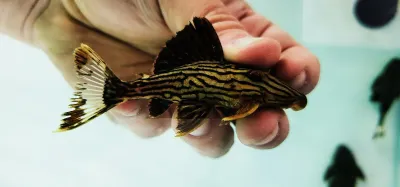
Panaque cf. armbrusteri - L27 (Jamanxim River)Panaque cf. armbrusteri - L27 (Jamanxim River)
Panaque cf. armbrusteri - L27 (Jamanxim River)
Price of shipping is not included.
$65.00
Out of stock
Sold out
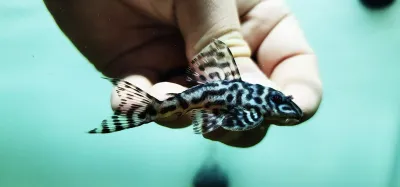
L173 Wavy Zebra Pleco - (Hypancistrus sp.)
Price of shipping is not included.
$350.00
Out of stock
Wild Caught
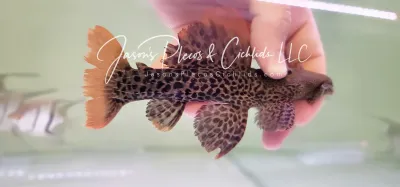
L600/LDA073 Leopard Cactus Pleco - (Pseudacanthicus leopardus)
Price of shipping is not included.
$300.00
Out of stock
Wild Caught
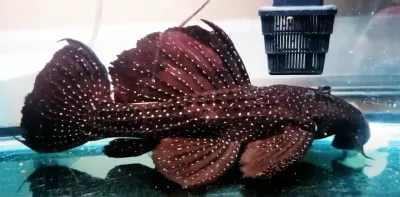
Serratus Pleco/Mustang Cactus Pleco - (Pseudacanthicus serratus)
Price of shipping is not included.
$600.00
Out of stock
Captive Bred
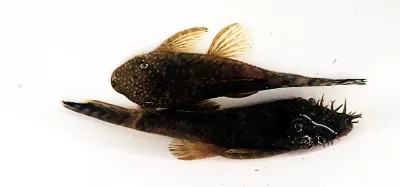
Green Dragon Pleco - (Ancistrus cf. cirrhosus)
Price of shipping is not included.
$50.00
Out of stock
Captive Bred
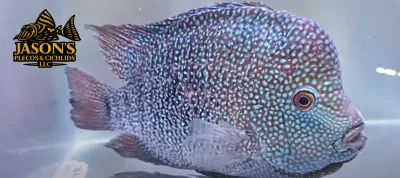
Texas Cichlid - (Herichthys cyanoguttatus)Texas Cichlid - (Herichthys cyanoguttatus)
Texas Cichlid - (Herichthys cyanoguttatus)
Price of shipping is not included.
5.0
(2)
was $160.00
Save 6%
$150.00
Out of stock
Captive Bred
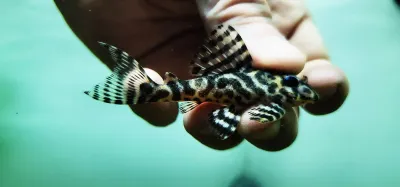
L236 Cracked Zebra Pleco Yellow - (Hypancistrus seideli)
Price of shipping is not included.
$150.00
Out of stock
Wild Caught
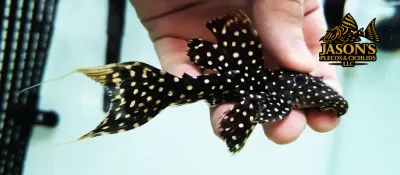
LDA105 Typhoon Pleco/Fire Spot Cactus Pleco - (Pseudacanthicus sp.)LDA105 Typhoon Pleco/Fire Spot Cactus Pleco - (Pseudacanthicus sp.)
LDA105 Typhoon Pleco/Fire Spot Cactus Pleco - (Pseudacanthicus sp.)
Price of shipping is not included.
5.0
(2)
$950.00
Out of stock
  • Search for Fish
  • My Account
  • Track Orders
  • Fish Shopping Bag
Powered by Lightspeed
Display prices in:USD
Skip to main content
Menu
Home
Shop For Fish
DOA Policy/Live Arrival Guarantee
Terms & Conditions
Shipping & Payments
About Us
Contact Us
Customer Service

© Jason's Plecos & Cichlids LLC 2017-2026

Terms & ConditionsPrivacy PolicyShipping & Payment InfoReturn PolicyQuarantine Your FishReport Abuse
Powered by Lightspeed