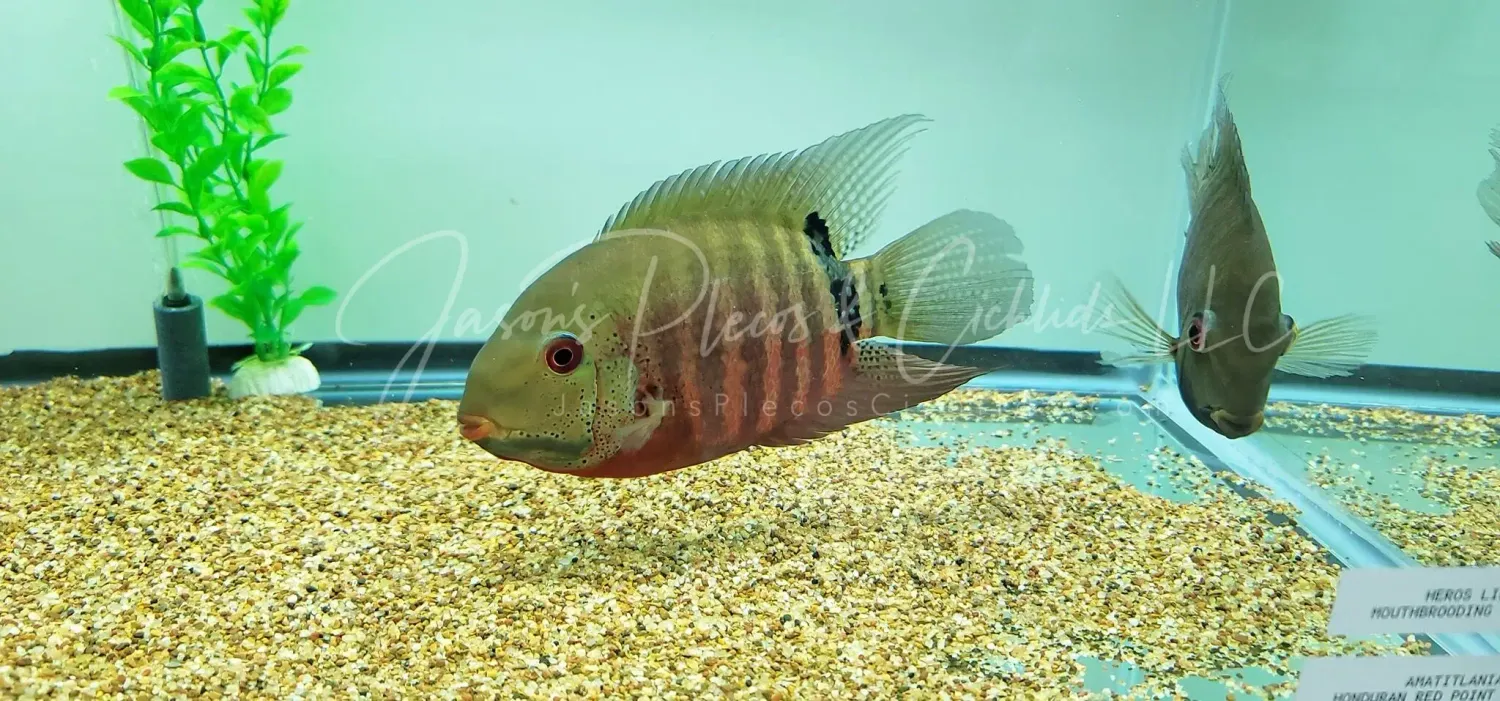
Mouthbrooding Severum - (Heros liberifer)
$150.00
Sold out
was $250.00 Save 40%
Size
Price of shipping is not included.
Sold out
Save this fish to my favorites.
Customer reviews
Reviews only from verified customers
No reviews yet. You can buy this product and be the first to leave a review.
Mouthbrooding Severum - (Heros liberifer)
Fish Details, Description and Information Below:
🐟 Mouthbrooding Severum – (Heros liberifer) – Rare Orinoco Mouthbrooding Cichlid
The Mouthbrooding Severum (Heros liberifer) is a rare and fascinating South American cichlid from the Rio Orinoco drainage.
What makes this species especially unique is its unusual reproductive behavior. Unlike other members of the genus Heros, which primarily guard their young around a spawning site, Heros liberifer is a delayed biparental mouthbrooder. The pair initially lays and guards the eggs on a surface, but after the eggs hatch, both the male and female pick up the larvae and carry them in their mouths for protection.
This remarkable behavior, combined with its bright red eyes, rows of red spotting, peaceful severum personality, and limited availability in the aquarium hobby, makes Heros liberifer an outstanding species for serious South American cichlid enthusiasts.
🔎 Quick Facts – Mouthbrooding Severum
- 📛 Common Name: Mouthbrooding Severum
- 🔬 Scientific Name: Heros liberifer
- 🐟 Family: Cichlidae
- 🧬 Described: 2015
- 🌎 Origin: South America
- 🌊 Native Range: Upper and middle Rio Orinoco drainage
- 🇻🇪 Primary Documented Range: Venezuela
- 📏 Documented Maximum: 16.4 cm standard length / approximately 6.5 inches excluding the tail
- 📏 Expected Adult Size: Approximately 8–10 inches total length
- 🏠 Recommended Aquarium: 75 gallons or larger for an adult or compatible pair; 90+ gallons preferred with tankmates
- 🌡️ Temperature: Approximately 76–82°F
- 💧 Recommended Aquarium pH: Approximately 5.5–7.0
- 💦 Water: Soft, acidic to near-neutral freshwater preferred
- 🍽️ Diet: Omnivore with significant plant material
- 😌 Temperament: Generally peaceful to semi-aggressive
- 🐠 Swimming Area: Middle / Lower
- 🥚 Breeding: Substrate spawner followed by delayed biparental mouthbrooding
- ⭐ Care Level: Intermediate
- 🏆 Availability: Rare in the aquarium hobby
🌎 Natural Habitat
Heros liberifer is native to the upper and middle Rio Orinoco drainage of South America.
The species has been documented from a variety of aquatic environments, including:
- Blackwater habitats
- Clearwater habitats
- Whitewater habitats
- Flooded forests
- Areas containing submerged wood
- Areas containing large rocks and crevices
During the flood season, these fish enter flooded riparian forests, where breeding takes place among submerged vegetation and woody structure.
As water levels fall during the dry season, they move into permanent waterways and commonly shelter around:
- Fallen logs
- Submerged branches
- Tree trunks
- Rock crevices
- Large boulders
This natural habitat provides a useful blueprint for aquarium design.
💧 Naturally Very Soft Water
Wild Heros liberifer have been recorded in remarkably soft water.
Natural habitat measurements include approximately:
pH 4.1–6.1
with extremely low conductivity.
Captive fish may tolerate somewhat broader conditions, especially when acclimated gradually, but wild-caught fish should be treated as a soft-water South American species.
For aquarium maintenance, we recommend approximately:
pH 5.5–7.0
rather than maintaining the fish in hard, strongly alkaline water.
Stable conditions are more important than constantly trying to adjust the aquarium to one exact number.
🎨 Appearance
The Mouthbrooding Severum has the classic deep-bodied, laterally compressed shape associated with the genus Heros, but several characteristics distinguish it from other severums.
Adult fish may display:
- Olive
- Pale yellow
- Greenish
- Gray
- Golden coloration
- Dark vertical bars
- Bright red eyes
- Numerous small bright red spots
One of the defining characteristics of Heros liberifer is the presence of several horizontal rows of tiny bright red spots across the lower half of the body.
Adults also retain a distinctive dark spot near the base of the tail.
👁️ Bright Red Eyes
One striking feature of Heros liberifer is its bright red iris.
The red eye is one of the characteristics scientists used to distinguish this species from the closely related Heros severus.
Combined with the rows of red spotting across the body, mature specimens can become extremely attractive.
Coloration varies according to:
- Age
- Sex
- Mood
- Dominance
- Breeding condition
- Diet
- Lighting
- Water quality
📏 Adult Size
The original scientific description documented a maximum specimen of approximately:
16.4 cm standard length
or approximately:
6.5 inches excluding the tail
The same scientific study photographed an adult wild male at approximately:
20 cm total length / 7.9 inches
For aquarium planning, we recommend allowing for an adult around:
8–10 inches total length
Individual fish can vary, and aquarium specimens should always be given enough room to develop properly.
This species should not be treated as a 12–13 inch severum unless an individual fish has actually demonstrated that size.
🏠 Aquarium Setup
A Mouthbrooding Severum aquarium should provide plenty of swimming room while also offering substantial natural cover.
Recommended features include:
- Large pieces of driftwood
- Submerged branches
- Smooth rocks
- Caves and protected areas
- Sand or fine gravel substrate
- Open swimming space
- Strong biological filtration
- Moderate water movement
- Good oxygenation
A natural-looking South American aquarium with large driftwood pieces works particularly well.
Plants
Plants can be attempted, but severums may:
- Eat soft-leaved plants
- Pull plants from the substrate
- Damage leaves while feeding or digging
Hardy plants attached to wood or rocks may have a better chance of surviving.
🏠 Aquarium Size
For an adult Mouthbrooding Severum or compatible pair, we recommend:
75 gallons or larger
For a community aquarium containing additional medium or large South American fish:
90 gallons or larger is strongly preferred.
Aquarium footprint is particularly important when keeping a breeding pair.
A male may become more territorial during reproduction, so the female should always have:
- Escape routes
- Visual barriers
- Multiple shelters
- Enough room to move away from the male
More space is always preferable when keeping adult cichlids.
💧 Water Parameters
Recommended aquarium conditions:
- 🌡️ Temperature: 76–82°F
- 💧 pH: Approximately 5.5–7.0
- 💦 Water: Soft to moderately mineralized
- ☠️ Ammonia: 0 ppm
- ☠️ Nitrite: 0 ppm
- 🔄 Nitrate: Keep as low as reasonably possible
- 💨 Oxygenation: Good
Wild fish naturally experience very soft, acidic conditions.
Excellent water quality and stability are more important than attempting to constantly alter water chemistry.
Regular partial water changes are strongly recommended.
🍽️ Diet & Feeding
The Mouthbrooding Severum is an omnivorous cichlid.
Like other members of Heros, it should receive a varied diet containing both plant-based and protein-rich foods.
Recommended foods include:
- High-quality cichlid pellets
- Spirulina-based pellets
- Quality flakes
- Vegetable-based foods
- Zucchini
- Peas
- Spinach
- Other appropriate vegetables
- Mysis shrimp
- Brine shrimp
- Krill
- Appropriate frozen foods
Plant material should make up a regular portion of the diet rather than feeding only high-protein foods.
A varied diet helps support:
- Healthy growth
- Strong coloration
- Digestive health
- Breeding condition
😌 Temperament
The Mouthbrooding Severum is generally considered peaceful to semi-aggressive for a medium-to-large South American cichlid.
Outside of breeding, well-acclimated individuals can often coexist successfully with appropriately sized fish.
However, they are still cichlids.
Territorial behavior may increase significantly when:
- A pair forms
- Eggs are present
- Larvae are being mouthbrooded
- Fry are being protected
Every individual has its own personality.
🐠 Tankmates
Potential tankmates may include appropriately sized:
- Geophagus
- Satanoperca
- Uaru
- Other peaceful South American cichlids
- Medium to large tetras
- Silver dollars
- Larger peaceful catfish
- Plecos
- Other similarly peaceful South American species
Avoid:
- Extremely aggressive cichlids
- Tiny fish that may be viewed as food
- Fish that constantly harass slow-moving severums
- Fin-nipping species
- Overcrowded aquariums
Tankmate compatibility can never be guaranteed with cichlids.
♂️ Male vs. Female
Sexing young Mouthbrooding Severums can be difficult.
The original scientific description found no obvious difference in fin length or overall color intensity between males and females.
However, mature males typically develop:
Numerous tiny dark brown spots across the lower cheek and gill-cover area.
Females generally lack these small facial spots or display them much less prominently.
Adult males may also become somewhat larger and heavier-bodied.
The facial spotting is one of the more useful characteristics when attempting to identify mature males.
🥚 What Makes Heros liberifer So Special?
This is the characteristic that makes the species truly exceptional.
Heros liberifer is a:
Delayed Biparental Larvophile Mouthbrooder
That sounds complicated, but the process is fascinating.
Step 1 – The Pair Spawns Normally
A compatible male and female select and clean a spawning surface.
Eggs may be deposited on:
- A vertical surface
- A horizontal surface
- Rock
- Wood
- Slate
- Other suitable hard surfaces
At this stage, the fish behave much like other substrate-spawning severums.
Step 2 – The Parents Guard the Eggs
The eggs remain attached to the spawning surface.
Both parents defend the spawning area.
At approximately 80–81°F / 27°C, the scientific description reports that hatching occurs roughly:
40 hours after spawning.
Step 3 – The Larvae Are Picked Up
This is when the unusual behavior begins.
After the eggs hatch:
Both parents pick up the larvae into their mouths.
They do not simply leave the larvae attached to the substrate like most other Heros species.
Step 4 – Both Parents Mouthbrood
The male and female share responsibility for carrying and protecting the larvae.
This is why the species is described as:
Biparental
because both parents participate.
And:
Larvophile
because they mouthbrood the larvae after hatching, rather than immediately incubating the eggs inside the mouth.
Step 5 – Fry Become Free-Swimming
The fry begin attempting to swim approximately:
3–4 days after hatching.
Even after becoming mobile, both parents continue protecting them.
Parental care may continue for approximately:
Three weeks.
This unusually cooperative breeding behavior makes Heros liberifer one of the most fascinating South American cichlids to reproduce in captivity.
👶 Raising Fry
Once fry become free-swimming, appropriately sized foods may include:
- Newly hatched baby brine shrimp
- Microworms
- Cyclops
- Fine powdered fry food
- Finely crushed high-quality flakes
Maintain:
- Excellent water quality
- Stable temperature
- Gentle filtration
- Protected filter intakes
A sponge filter can be useful in breeding and fry-rearing aquariums.
🧬 A Species Described in 2015
For many years, the mouthbrooding severum in the aquarium hobby was incorrectly identified as Heros severus.
Researchers later examined the true Heros severus and determined that the mouthbrooding Orinoco fish represented a different species.
In 2015, Wolfgang Staeck and Ingo Schindler formally described it as:
Heros liberifer
The name refers to its remarkable behavior of carrying its young.
This makes H. liberifer both scientifically interesting and historically important within the aquarium hobby.
⭐ Why Keep the Mouthbrooding Severum?
The Mouthbrooding Severum is an outstanding choice for aquarists interested in rare and unusual South American cichlids.
Its combination of:
- 👶 Unique biparental mouthbrooding
- 🔴 Bright red eyes
- 🔴 Rows of red body spots
- 🌎 Orinoco River origin
- 🌳 Flooded-forest habitat
- 😌 Relatively manageable temperament
- 🧠 Interesting cichlid personality
- 🥚 Extraordinary breeding behavior
- 🏆 Rare availability
- 🧬 Scientific description only dating to 2015
makes Heros liberifer far more than simply another severum color variety.
It is a distinct species with reproductive behavior apparently unique within the genus Heros.
⚠️ Important Considerations
Before purchasing a Mouthbrooding Severum:
- Plan for approximately 8–10 inches of adult total length.
- Provide at least a 75-gallon aquarium for an adult or compatible pair.
- Use a larger aquarium when keeping tankmates.
- Maintain excellent water quality.
- Soft, acidic to near-neutral water is preferred.
- Provide large pieces of driftwood and protected areas.
- Include plant matter in the diet.
- Expect increased aggression during breeding.
- Give females escape routes when maintaining a pair.
- Do not confuse this species with Heros severus or common aquarium severums.
🚚 Live Fish Shipping
Live fish are professionally packed for safe transport.
Shipping availability depends on:
- Fish size
- Destination
- Weather
- Carrier availability
- Applicable state and local regulations
Please review our Shipping & Payment Information and Live Arrival Guarantee / DOA Policy before ordering.
⚠️ Buyer Responsibility
Customers are responsible for confirming that this species may legally be purchased, possessed, transported, and received in their state or local jurisdiction before ordering.
Never release aquarium fish into local waterways.
Below are fish you may also like.
Wild Caught
L136C Light Angel Pleco - (Hypancistrus sp.)
L136C Light Angel Pleco - (Hypancistrus sp.)
Price of shipping is not included.
$125.00
Out of stock
Captive Bred
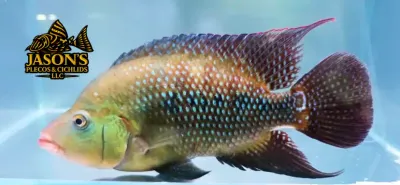
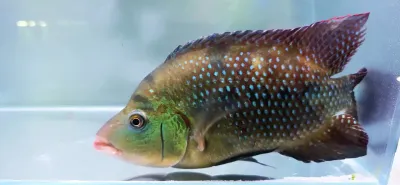
Red Terror Cichlid/Festae Cichlid - (Mesoheros festae)
Red Terror Cichlid/Festae Cichlid - (Mesoheros festae)
Price of shipping is not included.
5.0
(1)
was $250.00
Save 10%
$225.00
Out of stock
Wild Caught
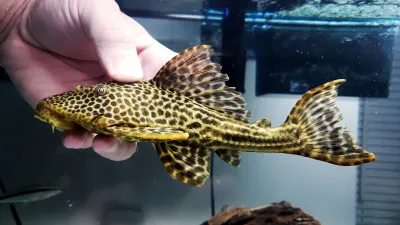
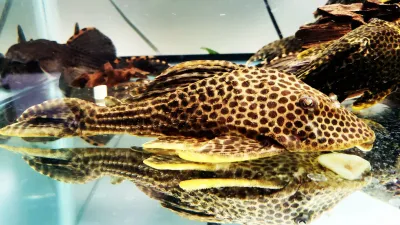
L050 Spotted Humpbacked Pleco - (Hypostomus cf. cochliodon)
L050 Spotted Humpbacked Pleco - (Hypostomus cf. cochliodon)
Price of shipping is not included.
$100.00
Out of stock
Wild Caught
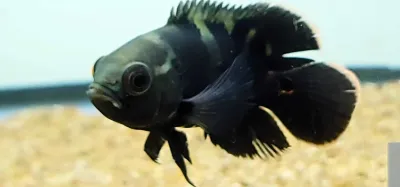
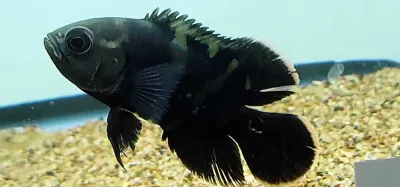
Bumblebee Oscar - (Astronotus crassipinnis)
Bumblebee Oscar - (Astronotus crassipinnis)
Price of shipping is not included.
$60.00
Out of stock
Captive Bred
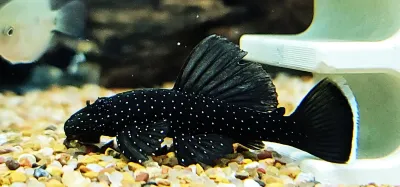
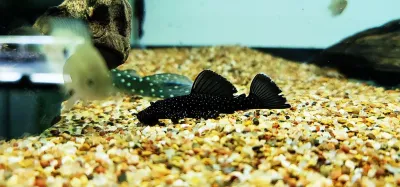
L071 Peppermint Pleco - (Ancistrus sp.)
L071 Peppermint Pleco - (Ancistrus sp.)
Price of shipping is not included.
$60.00
Out of stock
Wild Caught
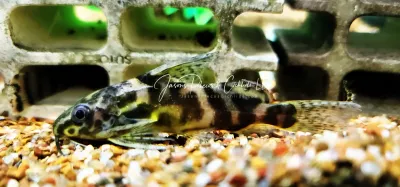
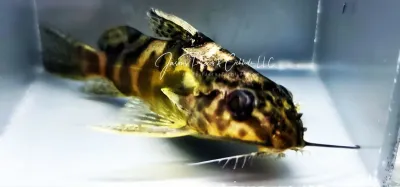
Greshoffs Fiederbartwels - (Synodontis greshoffi)
Greshoffs Fiederbartwels - (Synodontis greshoffi)
Price of shipping is not included.
$40.00
Out of stock
Captive Bred
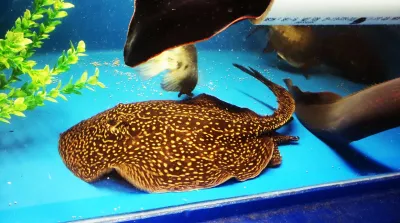
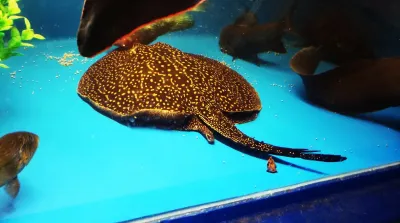
Pearl Stingray - (Potamotrygon Jabuti)
Pearl Stingray - (Potamotrygon Jabuti)
Price of shipping is not included.
$715.00
Out of stock
Captive Bred
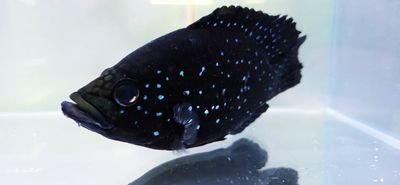
Polleni Cichlid/Starry Night Cichlid - (Paratilapia polleni)
Polleni Cichlid/Starry Night Cichlid - (Paratilapia polleni)
Price of shipping is not included.
5.0
(2)
was $160.00
Save 6%
$150.00
Out of stock
Wild Caught
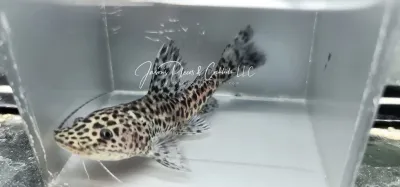
Jau/Gilded Catfish - (Zungaro zungaro)
Jau/Gilded Catfish - (Zungaro zungaro)
Price of shipping is not included.
$110.00
Out of stock
Wild Caught
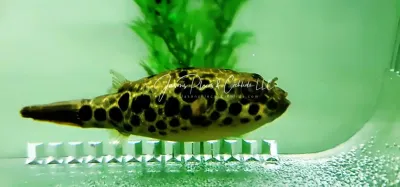
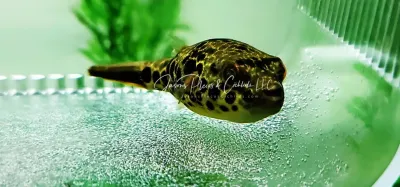
Spotted Congo Puffer - (Tetraodon schoutedeni)
Spotted Congo Puffer - (Tetraodon schoutedeni)
Price of shipping is not included.
was $150.00
Save 20%
$120.00
Out of stock
Wild Caught
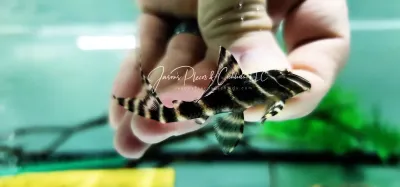
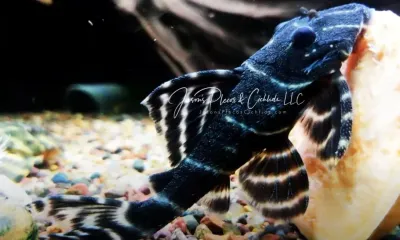
L204 Flash Pleco - (Panaqolus albivermis)
L204 Flash Pleco - (Panaqolus albivermis)
Price of shipping is not included.
was $50.00
Save 10%
$45.00
Out of stock
Captive Bred
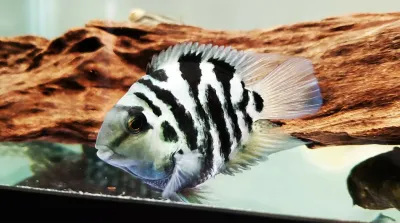
Polar Blue Convict Parrot Cichlid
Polar Blue Convict Parrot Cichlid
Price of shipping is not included.
$8.00
Out of stock
Powered by Lightspeed
Display prices in:USD