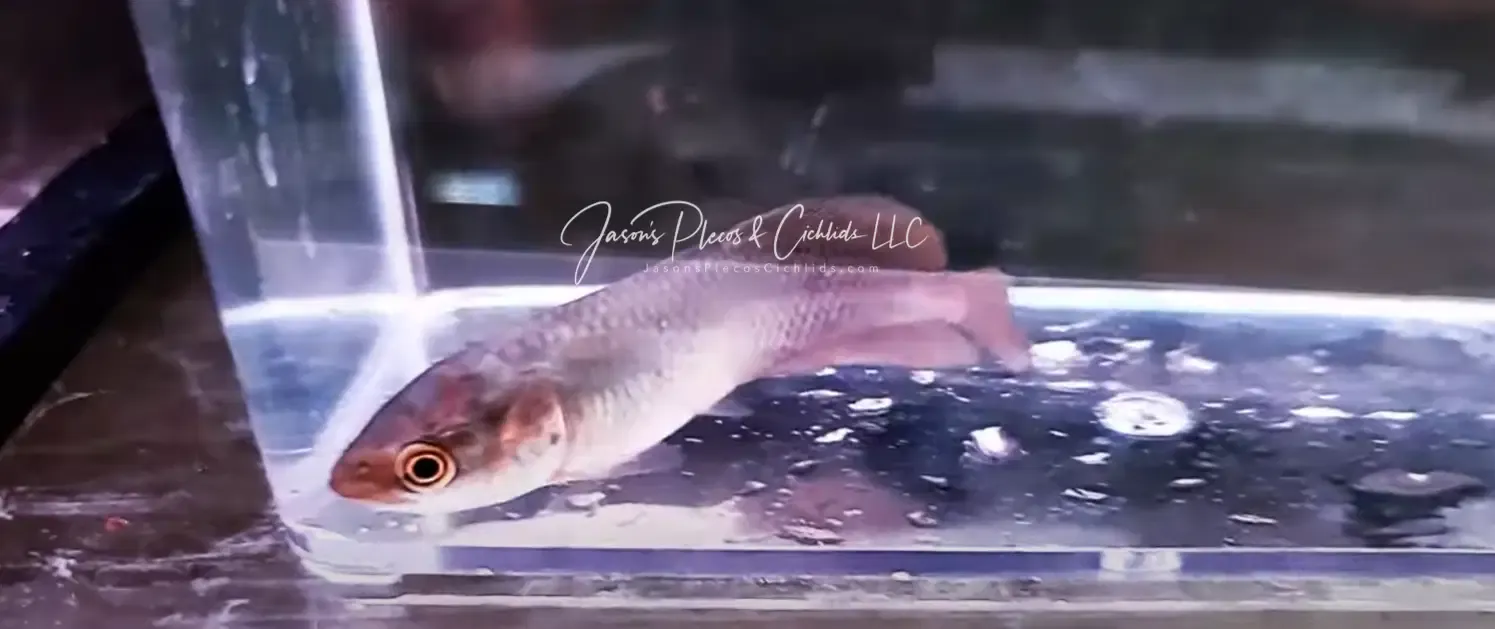
African Arowana - (Heterotis niloticus)
5.0
3 reviews
Reviews from verified customers who have purchased products at this store.
$45.00
Sold out
Size
Questions, Comments, Concerns? Let us know!
Enter your text
Price of shipping is not included.
Sold out
Save this fish to my favorites.
Customer reviews
Reviews only from verified customers
Reviews are only accepted from verified customers who have signed in and purchased the products. This ensures that each review is based on genuine customer experiences. All reviews are checked before publication to prevent spam.
NORTH ARLINGTON,
United States
Oct 23, 2024
As always, the fish arrived in excellent condition and appearance was as seen described on the website. Quick, coureous and informative service.
African Arowana - (Heterotis niloticus)
Fish Details, Description and Information Below:
🐟 African Arowana – (Heterotis niloticus) – Giant African Bonytongue
The African Arowana (Heterotis niloticus), more accurately known as the African Bonytongue, is an unusual giant freshwater fish found across a vast portion of tropical Africa.
Although commonly called an “Arowana,” this species behaves very differently from the familiar predatory Asian, Australian, Black, and Silver Arowanas.
Rather than being primarily a surface-hunting fish predator, the African Arowana is an unusual:
MICROPHAGOUS / OPPORTUNISTIC OMNIVORE
that naturally consumes a wide variety of small foods, including:
- Zooplankton
- Phytoplankton
- Aquatic insects
- Insect larvae
- Microcrustaceans
- Mollusks
- Seeds
- Plant material
- Detritus
- Occasional shrimp and fish
Juveniles can be especially challenging because they naturally specialize on enormous quantities of tiny planktonic foods.
The African Arowana is also a true:
OBLIGATE AIR-BREATHING FISH
and must always have unrestricted access to the water's surface.
This is an enormous species. Scientific records document Heterotis niloticus reaching approximately 100 cm / 39.4 inches standard length before the tail, making permanent housing a serious commitment.
🔎 Quick Facts – African Arowana
- 📛 Common Name: African Arowana
- 📛 Preferred Common Name: African Bonytongue
- 📛 Other Names: African Bony Tongue, African Arowana
- 🔬 Scientific Name: Heterotis niloticus
- 📅 Originally Described: 1829
- 🐟 Family: Arapaimidae
- 🧬 Order: Osteoglossiformes
- 📏 Current Listed Size: Approximately 3 inches
- 🌍 Origin: Africa
- 🌊 Native Range: Sahelo-Sudanese African river and lake systems
- 🌊 Major Native Basins: Senegal, Gambia, Corubal, Volta, Ouémé, Niger, Bénoué, Chad and Nile systems
- 🏞️ Native Lake Range: Includes Lake Turkana
- ⚠️ Introduced Range: Established outside portions of its native distribution in several African waters and Madagascar
- 💧 Water Type: Freshwater
- 📏 Scientific Maximum: 100 cm / 39.4 inches standard length
- 📏 Adult Planning Size: Approximately 3–3.5+ feet
- ⚖️ Published Maximum Weight: Approximately 10.2 kg / 22.5 pounds
- 🏠 Permanent Adult Aquarium: Approximately 500+ gallons
- 🏠 Preferred Adult Housing: 750+ gallons or appropriately designed indoor pond
- 📐 Recommended Adult Footprint: Approximately 8–10 feet long with substantial front-to-back width
- 🌡️ Temperature: Approximately 75–82°F
- 💧 pH: Approximately 6.0–7.5
- 💨 Air Breathing: Obligate – surface access is essential
- 💨 Oxygenation: Good to High
- 🌊 Water Movement: Moderate
- 🍽️ Diet: Opportunistic Omnivore / Microphagous Feeder
- 🦐 Small Invertebrates: Important
- 🦠 Planktonic Foods: Especially important for juveniles
- 🌿 Plant / Seed Material: Natural part of adult diet
- 🐟 Fish: Minor / opportunistic component rather than primary diet
- 🚫 Typical Piscivorous Arowana: No
- 😌 Temperament: Generally less predatory than other arowanas
- ⚠️ Tankmates: Requires careful selection due to enormous adult size
- 🐣 Juvenile Social Behavior: Fry form schools
- 👥 Adult Aquarium Housing: Do not assume adults need to be kept in groups
- 🥚 Breeding: Nest Spawner
- 🌿 Nest Type: Large circular vegetation nest
- 👨👧 Parental Care: Male guards young after they leave the nest
- 🚫 Mouthbrooder: No
- ⭐ Care Level: Advanced / Expert
- 🌎 IUCN Status: Least Concern
- 🚨 Release Risk: Introduced populations have caused ecological concerns in some regions
🧬 Valid Scientific Species
The currently accepted scientific name is:
Heterotis niloticus (Cuvier, 1829)
The modern Catalog of Fishes recognizes the species as valid within:
ARAPAIMIDAE
the same family that includes:
Arapaima
This is an important correction to the idea that the African Arowana simply belongs to a completely different family from all other large bonytongues.
🐟 African Arowana vs. African Bonytongue
The aquarium trade commonly calls this fish:
AFRICAN AROWANA
However, the widely recognized common name in scientific references is:
AFRICAN BONYTONGUE
Both names refer to:
Heterotis niloticus
For your product title, African Arowana is perfectly understandable because that is the familiar aquarium-trade name.
🆚 Not a Typical Arowana
Although its elongated body and ancient lineage make it resemble other arowanas, Heterotis niloticus is biologically unusual.
Typical aquarium arowanas such as:
- Silver Arowana
- Black Arowana
- Asian Arowana
- Jardini Arowana
are strongly associated with:
LARGE PREY AND SURFACE PREDATION
The African Arowana is very different.
It specializes heavily in:
SMALL FOOD PARTICLES
including plankton and tiny invertebrates.
🍽️ The Only Plankton-Feeding Bonytongue
The African Arowana has long been recognized as an exceptionally unusual feeding specialist among bonytongues.
Its feeding system includes specialized structures that help collect and concentrate:
VERY SMALL FOOD PARTICLES
This allows it to exploit food sources that would be largely ignored by other giant bonytongues.
🔬 Specialized Feeding Anatomy
One of its most unusual anatomical features is a specialized:
SUPRABRANCHIAL ORGAN
associated with the gill region.
This structure has:
- Sensory functions
- Mechanical functions
and assists the fish in concentrating small food particles.
This feeding adaptation helps explain why juvenile African Arowanas can be much more difficult to feed successfully than juvenile predatory arowanas.
👶 Juveniles Are Specialized Feeders
Small African Arowanas should receive special attention.
Young fish naturally consume large quantities of:
- Zooplankton
- Rotifers
- Small crustaceans
- Copepods
- Cladocerans
- Tiny aquatic organisms
- Phytoplankton
Young specimens are therefore:
NOT SIMPLY MINIATURE PREDATORY AROWANAS
⚠️ Small Juveniles Can Be Difficult to Feed
Very small African Arowanas sometimes fail in captivity because they are offered foods that are:
- Too large
- Too infrequent
- Too hard
- Too different from their natural feeding strategy
A small juvenile may need:
MANY SMALL FOOD ITEMS
rather than a few large meals.
🍽️ Feeding Small African Arowanas
Good options for juveniles may include:
- Baby brine shrimp
- Adult brine shrimp when size appropriate
- Daphnia
- Cyclops
- Copepods
- Small mysis
- Fine frozen foods
- Fine-quality pellets
- Small insect larvae
- Appropriately sized prepared foods
⚠️ Frequent Feeding May Be Necessary
Small juveniles naturally feed repeatedly on tiny organisms.
For very young specimens, several smaller meals may be more appropriate than:
ONE LARGE DAILY MEAL
Always balance feeding frequency with excellent water quality.
🍽️ Adult Diet – Opportunistic Omnivore
As African Arowanas grow, their diet becomes broader.
Scientific dietary studies have documented foods including:
- Aquatic insects
- Insect larvae
- Ostracods
- Copepods
- Other microcrustaceans
- Mollusks
- Shrimp
- Phytoplankton
- Seeds
- Plant material
- Detritus
- Occasional fish
The most accurate description is:
OPPORTUNISTIC OMNIVORE
🐟 Not Primarily Piscivorous
This is an important distinction.
Fish can occur in the diet, especially in larger individuals, but African Arowanas are:
NOT SPECIALIZED FISH PREDATORS
in the same way as many other large bonytongues.
Do not build the captive diet around:
- Feeder goldfish
- Feeder minnows
- Live fish
🚫 Avoid Feeder Fish
There is no need to use feeder fish.
Feeder fish can introduce:
- Parasites
- Bacteria
- Disease
- Poor nutritional balance
A varied prepared and frozen diet is safer.
🦐 Appropriate Animal Foods
Larger African Arowanas can receive foods such as:
- Mysis shrimp
- Brine shrimp
- Krill
- Insect larvae
- Bloodworms
- Chopped shrimp
- Small crustaceans
- Quality omnivore pellets
- Insect-based pellets
Food should be appropriately sized.
🌿 Plant & Seed Component
Adult wild African Arowanas may consume significant quantities of:
- Seeds
- Plant debris
- Aquatic vegetation
- Detritus
The exact diet can vary substantially between habitats.
This demonstrates that the species should not be maintained as a strict carnivore.
⚖️ Dietary Flexibility
Different scientific studies have found African Arowanas behaving more like:
- Planktivores
- Insectivores
- Detritivores
- Herbivores
- General omnivores
depending on:
- Fish size
- Habitat
- Season
- Available food
The safest captive approach is therefore:
A HIGHLY VARIED OMNIVOROUS DIET
🚫 Do Not Feed Only Meat
A diet consisting only of:
- Shrimp
- Fish
- Mussels
- Carnivore pellets
does not accurately represent the species' broad natural feeding ecology.
Include high-quality omnivorous prepared foods and dietary variety.
🌍 Native Distribution
The African Arowana has a remarkably broad natural African distribution.
Native populations occur within the:
SAHELO-SUDANESE REGION
including major drainage systems such as:
- Senegal
- Gambia
- Corubal
- Volta
- Ouémé
- Niger
- Bénoué
- Lake Chad basin
- Nile basin
The species also occurs naturally in:
LAKE TURKANA
⚠️ Native vs. Introduced Range
The species has also been intentionally introduced for:
FISHERIES AND AQUACULTURE
into numerous African drainage systems outside its original native range.
Introduced populations have been established in areas including portions of:
- Côte d'Ivoire
- Cameroon
- Gabon
- Congo Basin
- Madagascar
🚨 Ecological Impact
Some introductions have resulted in:
ADVERSE ECOLOGICAL EFFECTS
This makes responsible aquarium ownership especially important.
Never release an African Arowana into:
- Rivers
- Lakes
- Ponds
- Canals
- Streams
- Reservoirs
- Storm-water systems
🌊 Natural Habitat
African Arowanas occupy a wide variety of freshwater habitats.
Adults occur in:
- Large rivers
- Lakes
- Open water
- Littoral zones
- Floodplain systems
Young fish are often associated with:
- Swamps
- Flooded vegetation
- Shallow vegetated areas
🏞️ Adult Habitat
Adults are active large-water fish.
They require substantial:
OPEN SWIMMING SPACE
An aquarium overloaded with decorations severely reduces usable space.
🌿 Juvenile Habitat
Young fish naturally use vegetation as:
- Cover
- Feeding habitat
- Protection from predators
A juvenile aquarium can include:
- Floating plants
- Marginal-style cover
- Driftwood
- Protected areas
while still maintaining significant open swimming room.
📏 Adult Size – Major Correction
The older product page lists an adult maximum of:
24 INCHES / 60 CM
That should be removed.
FishBase documents:
100 CM STANDARD LENGTH
which equals approximately:
39.4 INCHES BEFORE THE FULL TAIL
📏 What Is Standard Length?
Standard length measures a fish from:
THE FRONT OF THE HEAD TO THE BASE OF THE CAUDAL FIN
The complete tail is:
NOT INCLUDED
Therefore a maximum documented fish measuring 100 cm standard length is actually longer than 100 cm when measured from nose to the end of the tail.
📏 Responsible Adult Planning
For permanent housing:
PLAN FOR APPROXIMATELY 3–3.5+ FEET
Do not purchase this species expecting it to remain:
- 18 inches
- 20 inches
- 24 inches
⚖️ Adult Weight
Published records include African Arowanas weighing approximately:
10.2 KG / 22.5 POUNDS
This is an extremely substantial aquarium fish.
🚨 This Is a Monster Fish
The African Arowana should be considered:
A GIANT SPECIALIST FRESHWATER FISH
rather than a standard home-aquarium species.
Permanent housing should be planned:
BEFORE PURCHASE
🏠 Aquarium Size – Major Correction
The older page recommends:
150 GALLONS
That is not adequate permanent housing for a fish capable of reaching approximately:
ONE METER IN BODY LENGTH
🏠 Permanent Adult Housing
For a mature African Arowana:
APPROXIMATELY 500+ GALLONS
should be treated as a practical starting point.
For a very large adult:
750+ GALLONS
or a properly designed:
INDOOR TROPICAL POND
is preferable.
📐 Aquarium Footprint Is More Important Than Height
Adult African Arowanas need room to:
- Swim continuously
- Turn comfortably
- Surface for air
- Avoid tankmates
- Maintain normal movement
Aim for approximately:
8–10 FEET OF LENGTH
with substantial:
FRONT-TO-BACK WIDTH
A narrow aquarium is inappropriate for a meter-long fish even if it contains many gallons.
↔️ Width Matters
An adult approaching 3 feet or more needs enough width to:
TURN WITHOUT BENDING SHARPLY
A footprint approaching:
8' × 4'
or larger becomes far more appropriate than conventional narrow aquariums.
🏊 Open Swimming Space
Keep the center of the aquarium relatively open.
Use décor mainly around:
- Sides
- Corners
- Rear portions
to preserve a long uninterrupted swimming path.
🪵 Aquarium Setup
Suitable décor can include:
- Large smooth driftwood
- Secure rocks
- Robust plants
- Floating cover
- Open swimming areas
Avoid:
- Sharp decorations
- Narrow obstacles
- Unstable rockwork
⚠️ Secure All Décor
A mature African Arowana is:
- Large
- Strong
- Heavy
- Continuously active
Any large décor should be securely positioned.
💨 Obligate Air Breather – Extremely Important
African Arowanas are:
OBLIGATE AIR BREATHERS
This means atmospheric air is a necessary part of their respiratory biology.
They regularly make fast trips to the surface to:
GULP AIR
🚨 Never Block Surface Access
The fish must always have unrestricted access to:
THE AIR-WATER INTERFACE
Do not maintain African Arowanas in an enclosure where:
- Surface access is blocked
- Dense floating décor covers the entire surface
- A rigid structure prevents surfacing
🫁 Specialized Gas Bladder
The African Arowana uses a specialized:
GAS BLADDER
for aerial respiration.
Modern research confirms that juveniles rely heavily on atmospheric oxygen even when aquatic oxygen conditions are acceptable.
⚠️ Air Breathing Does Not Mean Dirty Water Is Acceptable
African Arowanas can tolerate low aquatic oxygen better than many fish because they breathe atmospheric air.
However:
THIS DOES NOT MAKE POOR WATER QUALITY ACCEPTABLE
Maintain:
- Ammonia at 0
- Nitrite at 0
- Low nitrate
- Strong filtration
- Good circulation
- Good dissolved oxygen
💨 Air-Breathing Frequency
Research has shown that African Arowanas breathe air more frequently when exposed to:
- Low dissolved oxygen
- Higher temperatures
- Heavy physical activity
A sudden increase in surface breathing can therefore indicate:
ENVIRONMENTAL STRESS
🛡️ Secure Lid
Because this is a powerful surface-accessing fish, use a:
SECURE, HEAVY LID
that prevents escape while still allowing:
SAFE ACCESS TO ATMOSPHERIC AIR ABOVE THE WATER
Leave appropriate clearance between the water surface and lid.
🌡️ Temperature
A practical long-term aquarium range is:
75–82°F / 24–28°C
The species tolerates broader environmental temperatures, but stable tropical conditions are preferable.
💧 Water Parameters
A practical aquarium range is:
- 🌡️ Temperature: Approximately 75–82°F
- 💧 pH: Approximately 6.0–7.5
- 💦 Hardness: Soft to moderately hard
- 💨 Oxygenation: Good to High
- 🌊 Water Movement: Moderate
- ☠️ Ammonia: 0 ppm
- ☠️ Nitrite: 0 ppm
- 🔄 Nitrate: Keep low
🌊 Water Movement
African Arowanas occur in:
- Rivers
- Lakes
- Floodplains
- Quieter water
- Open-water habitats
They do not require a high-speed river-torrent aquarium.
Provide:
MODERATE CIRCULATION
with strong filtration and excellent water turnover.
💩 Filtration
A 3-foot-plus fish requires:
SERIOUS FILTRATION
Appropriate systems may include:
- Large sump filtration
- Multiple large canister filters
- High-capacity mechanical filtration
- Large biological media systems
- Prefilters
💩 Large Adult Bioload
Even though the African Arowana does not have the same feeding strategy as a heavily carnivorous predator, a mature specimen is still:
A VERY LARGE FISH
and produces substantial waste.
Filter capacity should be selected for:
ADULT SIZE
not juvenile size.
🔄 Water Changes
Regular partial water changes are essential.
The exact schedule depends on:
- Water volume
- Fish size
- Tankmates
- Feeding
- Filtration
- Nitrate production
👶 Do Not Buy Based on Juvenile Size
A 3-inch African Arowana may appear easy to house.
However:
THE SMALL FISH IS TEMPORARY
This species grows into an enormous adult.
Permanent housing plans should exist before purchase.
🐣 Juvenile Schooling Behavior
African Arowana fry have been scientifically observed forming:
COORDINATED SCHOOLS
during early development.
Schooling provides young fish with:
- Predator protection
- Group coordination
- Feeding advantages
⚠️ Do Not Translate Fry Schooling Into Adult Aquarium Advice
The older page describes African Arowanas as:
PEACEFUL / SCHOOLING
and recommends keeping them in groups.
I would remove that recommendation.
Scientific evidence of:
FRY SCHOOLING
does not mean several adult 3-foot-plus African Arowanas should automatically be maintained together in a home aquarium.
👥 Adult Social Behavior
Adult compatibility can vary considerably.
Keeping multiple specimens would require:
- An enormous aquarium or pond
- Significant swimming space
- Multiple feeding areas
- Close observation
For most private aquarists:
ONE ADULT IS THE MORE PRACTICAL APPROACH
😌 Temperament
Compared with many predatory arowanas, the African Arowana is generally:
LESS PREDATORY AND LESS AGGRESSIVE
toward appropriately sized tankmates.
However, individual behavior varies.
🐠 Tankmates
Potential tankmates must be:
- Large enough not to be easily swallowed
- Peaceful to moderately assertive
- Comfortable at similar temperatures
- Unable to bully the African Arowana away from food
Possible examples may include appropriately sized:
- Large barbs
- Silver dollars
- Large peaceful cichlids
- Bichirs
- Large catfish
provided the aquarium itself is enormous enough.
⚠️ Small Fish
Although African Arowanas are not specialized fish predators:
DO NOT ASSUME SMALL FISH ARE SAFE
Large individuals can opportunistically consume:
- Small fish
- Shrimp
- Other small aquatic animals
⚠️ Avoid Hyper-Aggressive Tankmates
Avoid housing African Arowanas with fish that:
- Constantly attack them
- Damage fins
- Dominate food
- Prevent surface access
The African Arowana's unusual feeding behavior can make it a poor competitor with aggressive feeders.
🍽️ Feeding Competition
This is especially important for juveniles.
A young African Arowana can slowly starve in an aquarium where faster fish consume:
ALL SMALL FOOD ITEMS
before it receives enough.
Observe the fish actually eating.
⚠️ Monitor Body Condition
Watch for:
- Sunken abdomen
- Thin back
- Reduced activity
- Loss of body mass
- Persistent refusal to feed
Small imported African Arowanas can deteriorate rapidly when they fail to feed properly.
🧪 Acclimation
After arrival:
- Keep lighting subdued
- Maintain stable temperature
- Maintain clean water
- Keep surface access completely open
- Avoid aggressive tankmates
- Offer appropriately small foods
- Verify active feeding
🥚 Breeding – Completely Different From Most Arowanas
African Arowanas have a fascinating reproductive strategy.
Unlike several familiar arowana species:
THEY ARE NOT MOUTHBROODERS
Instead, they:
BUILD LARGE NESTS
🌧️ Wet-Season Breeding
Wild breeding occurs primarily during the:
WET SEASON
in:
- Swamps
- Floodplains
- Shallow vegetated habitats
🏠 Circular Nest
Mature adults construct a large:
CIRCULAR NEST
approximately:
1 METER / 3.3 FEET ACROSS
📏 Nest Depth
Documented nests may be approximately:
20–60 CM / 8–24 INCHES DEEP
The adults clear a central area while constructing an outer wall.
🌿 Vegetation Wall
The nest rim is built from:
CHUNKS OF AQUATIC VEGETATION
forming a raised wall approximately:
15–20 CM THICK
The structure can project above the water's surface.
🟤 Nest Floor
Inside the vegetation wall is a cleaned:
CLAY OR MUD PLATFORM
where spawning occurs.
🚪 Nest Exit
The nest includes an opening through the wall.
Approximately:
FIVE DAYS AFTER SPAWNING
the young leave the nest through this opening.
👨👧 Male Parental Care
After the fry leave:
THE MALE GUARDS THE YOUNG
This parental behavior is very different from mouthbrooding arowanas.
🐣 Fry Schools
After leaving the nest, young African Arowanas form:
SCHOOLS
and remain associated with protected shallow habitat.
🏡 Aquarium Breeding
Replicating this behavior in a normal aquarium would be extremely difficult.
Requirements would include:
- Enormous mature adults
- Compatible breeding pair
- Massive floor space
- Shallow nesting habitat
- Vegetation
- Appropriate seasonal cues
Therefore:
HOME-AQUARIUM BREEDING SHOULD BE CONSIDERED EXTREMELY DIFFICULT
♂️ Male vs. Female
African Arowanas are:
NOT RELIABLY SEXED BY SIMPLE EXTERNAL APPEARANCE
without mature breeding context or specialized examination.
For normal retail sales:
SELL AS UNSEXED
unless sex has been confidently established.
🧬 Evolutionary Interest
The African Arowana belongs to an ancient lineage of:
BONYTONGUE FISHES
Its closest living relatives include:
- Arapaima
- Other osteoglossiform fishes
Its unusual:
- Air breathing
- Plankton feeding
- Nest construction
- Parental behavior
make it biologically very different from the typical aquarium concept of an “arowana.”
🫁 Extraordinary Air-Breathing Adaptation
The African Arowana is especially fascinating because its reliance on atmospheric oxygen becomes pronounced as it develops.
Research has shown substantial respiratory specialization involving the:
- Gas bladder
- Gills
- Skeleton
This is one of the most unusual respiratory systems among large freshwater aquarium fishes.
🌎 Conservation Status
Heterotis niloticus is currently classified as:
LEAST CONCERN
The global assessment dates to:
2019
Its broad native distribution and importance in:
- Fisheries
- Aquaculture
help explain its current global status.
⚠️ Least Concern Does Not Mean Safe to Release
This species has been deliberately introduced outside portions of its natural range because of its:
- Rapid growth
- Aquaculture value
- Hardiness
Some introduced populations have had:
NEGATIVE ECOLOGICAL EFFECTS
Never release an aquarium specimen.
🚨 Invasive / Introduction Responsibility
African Arowanas have demonstrated the ability to:
- Survive outside original native waters
- Establish populations
- Expand after introduction
- Support introduced fisheries
This makes release especially irresponsible.
🚫 Never Release
Never release an African Arowana into:
- Rivers
- Lakes
- Ponds
- Streams
- Canals
- Reservoirs
- Wetlands
- Storm drains
If permanent housing becomes impossible:
- Rehome the fish
- Contact a qualified aquarium store
- Contact an experienced monster-fish keeper
- Contact an aquatic rescue
- Contact the appropriate wildlife authority
⭐ Why Keep an African Arowana?
For the properly equipped advanced aquarist, Heterotis niloticus offers an extraordinary combination of:
- 🐟 Ancient bonytongue ancestry
- 📏 3–3.5+ foot adult potential
- 🦠 Specialized microphagous feeding
- 🦐 Plankton and invertebrate feeding behavior
- 🌿 Broad omnivorous adult diet
- 🫁 Obligate air breathing
- 🌍 Vast African distribution
- 🌿 Elaborate nest construction
- 👨👧 Male parental care
- 🐣 Schooling fry
- 🧬 Biology completely unlike typical aquarium arowanas
It is one of the most biologically unusual giant freshwater fish available in the aquarium hobby.
⚠️ Important Considerations
Before purchasing an African Arowana:
- The correct scientific name is Heterotis niloticus.
- African Bonytongue is another widely used common name.
- The species belongs to the family Arapaimidae.
- It is not simply an African version of a Silver or Asian Arowana.
- The species is an obligate air breather.
- Surface access must never be blocked.
- Use a secure lid while maintaining adequate air space.
- The current listing size is approximately 3 inches.
- Small juveniles can be difficult to feed successfully.
- Juveniles naturally consume enormous quantities of very small planktonic foods.
- Feed appropriately small foods frequently when necessary.
- Do not assume juveniles will immediately eat large pellets.
- Adult diet is highly varied and omnivorous.
- Plankton, insects, microcrustaceans, seeds, plant material and detritus are all natural foods.
- Fish are only an opportunistic component of the natural diet.
- Do not maintain African Arowanas primarily on feeder fish.
- Do not describe this species as a typical piscivorous arowana.
- The old 24-inch adult maximum is too small.
- Scientific records document 100 cm / 39.4 inches standard length before the tail.
- Plan for approximately 3–3.5+ feet.
- Do not use 150 gallons as permanent adult housing.
- Plan around approximately 500+ gallons.
- Approximately 750+ gallons or an indoor pond is preferred for very large adults.
- An aquarium approximately 8–10 feet long is strongly recommended.
- Substantial front-to-back width is essential.
- Maintain approximately 75–82°F.
- Maintain approximately pH 6.0–7.5.
- Maintain excellent filtration.
- Maintain good dissolved oxygen even though the species breathes atmospheric air.
- Fry display schooling behavior.
- Do not automatically recommend adult group housing based on fry schooling.
- Adult compatibility varies and multiple adults require enormous space.
- The species is not a mouthbrooder.
- Wild adults construct circular vegetation nests.
- Males guard young after they leave the nest.
- Home aquarium breeding is extremely difficult.
- The species is currently classified as Least Concern.
- Introduced populations have caused ecological concerns in some regions.
- Never release African Arowanas into natural waterways.
🧬 Taxonomy
The currently accepted scientific name is:
Heterotis niloticus (Cuvier, 1829)
Classification:
- Order: Osteoglossiformes
- Family: Arapaimidae
- Genus: Heterotis
- Species: niloticus
Accepted aquarium identification:
African Arowana – (Heterotis niloticus)
Widely recognized alternative common name:
African Bonytongue
🌍 Distribution Summary
The African Arowana has a naturally broad African range including portions of the:
- Senegal Basin
- Gambia Basin
- Corubal Basin
- Volta Basin
- Ouémé Basin
- Niger Basin
- Bénoué Basin
- Lake Chad Basin
- Nile Basin
- Lake Turkana
It has additionally been introduced into numerous other African drainage systems and Madagascar.
🚚 Live Fish Shipping
Live fish are professionally packed for safe transport.
Shipping availability depends on:
- Fish size
- Destination
- Weather conditions
- Carrier availability
- Applicable state and local regulations
African Arowanas require special attention during transport because they are:
OBLIGATE AIR BREATHERS
Packing must allow appropriate transport conditions while protecting this active fish.
As specimens grow, they may require:
- Larger insulated shipping boxes
- Additional water
- Heavy-duty shipping bags
- Multiple protective layers
- Specialized packing
- Airline cargo shipping depending on size and destination
Please review our Shipping & Payment Information and Live Arrival Guarantee / DOA Policy before ordering.
⚠️ Buyer Responsibility
Customers are responsible for confirming that Heterotis niloticus may legally be purchased, possessed, transported, and received in their state or local jurisdiction before ordering.
African Arowanas have established introduced populations outside portions of their native range and have been associated with ecological impacts following introduction.
Never release aquarium fish into natural waterways.
Below are fish you may also like.
Captive Bred
Thailand Kamfa Flowerhorn
Thailand Kamfa Flowerhorn
Price of shipping is not included.
was $100.00
Save 25%
$75.00
Out of stock
Captive Bred
Blackgullet Cichlid - (Thorichthys pasionis)
Blackgullet Cichlid - (Thorichthys pasionis)
Price of shipping is not included.
$16.00
Out of stock
Wild Caught
L065 Blizzard Cactus Pleco - (Pseudacanthicus sp.)
L065 Blizzard Cactus Pleco - (Pseudacanthicus sp.)
Price of shipping is not included.
$375.00
Out of stock
Captive Bred
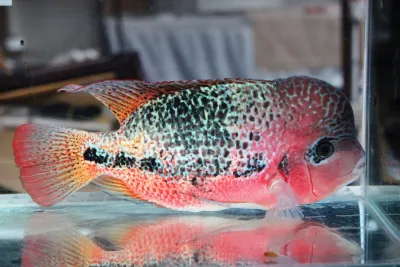
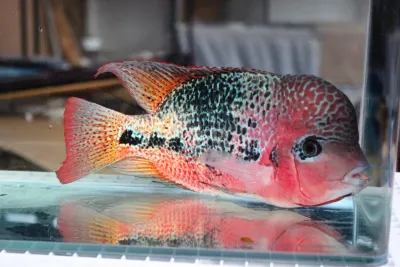
Vieja Hybrid Cichlid
Vieja Hybrid Cichlid
Price of shipping is not included.
$200.00
Out of stock
Wild Caught
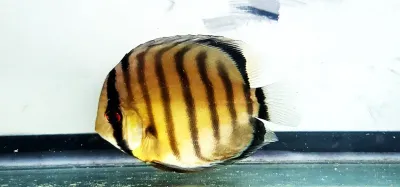
Brown Discus - (Symphysodon aequifasciatus)
Brown Discus - (Symphysodon aequifasciatus)
Price of shipping is not included.
$40.00
Out of stock
Captive Bred
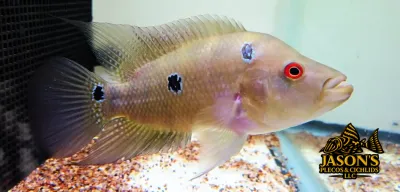
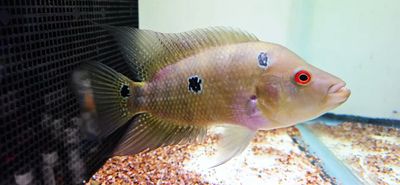
Trimac Cichlid/Three Spot Cichlid - (Amphilophus Trimaculatus)
Trimac Cichlid/Three Spot Cichlid - (Amphilophus Trimaculatus)
Price of shipping is not included.
was $170.00
Save 24%
$130.00
Out of stock
Captive Bred
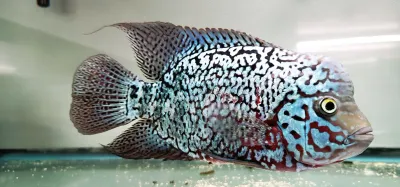
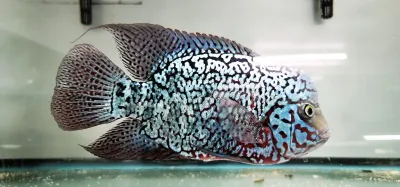
King Kamfa Flowerhorn
King Kamfa Flowerhorn
Price of shipping is not included.
$300.00
Out of stock
Wild Caught
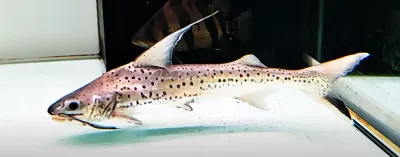
Lince Catfish - (Platynematichthys notatus)
Lince Catfish - (Platynematichthys notatus)
Price of shipping is not included.
was $1 500.00
Save 20%
$1 200.00
Out of stock
Wild Caught
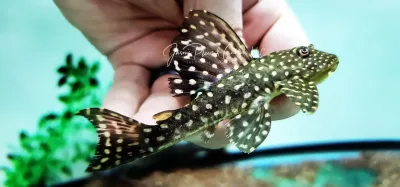
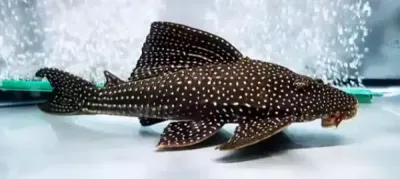
Rose-Spotted Pleco - (Hypostomus roseopunctatus)
Rose-Spotted Pleco - (Hypostomus roseopunctatus)
Price of shipping is not included.
$90.00
Out of stock
Wild Caught
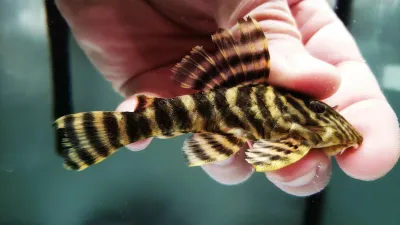
L002 Tiger Peckoltia - (Panaqolus sp.)
L002 Tiger Peckoltia - (Panaqolus sp.)
Price of shipping is not included.
$40.00
Out of stock
Wild Caught
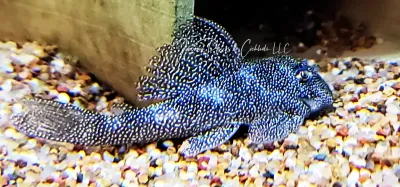
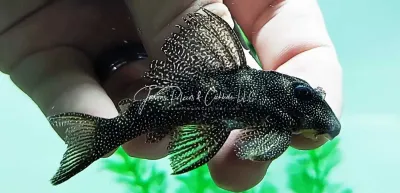
L262 Fine Dotted Pleco - (Hypancistrus sp.)
L262 Fine Dotted Pleco - (Hypancistrus sp.)
Price of shipping is not included.
was $55.00
Save 9%
$50.00
Out of stock
Captive Bred
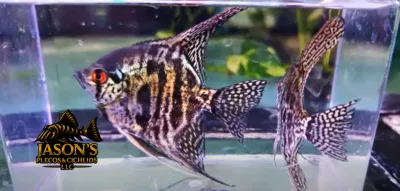
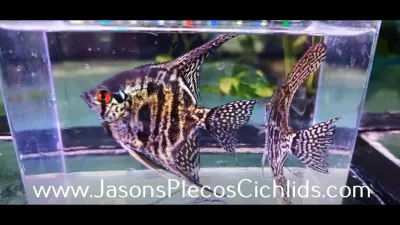
Zebra Lace Angelfish - (Pterophyllum scalare)
Zebra Lace Angelfish - (Pterophyllum scalare)
Price of shipping is not included.
was $50.00
Save 10%
$45.00
Out of stock
Powered by Lightspeed
Display prices in:USD