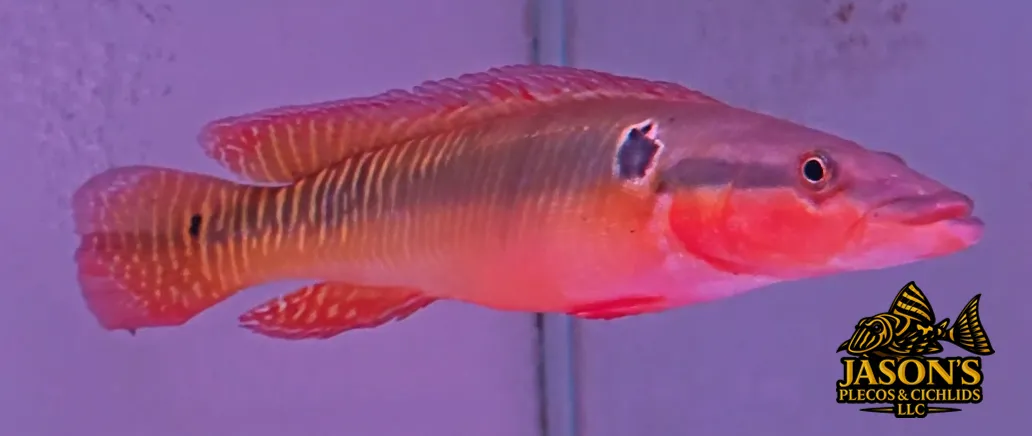
Zebra Pike Cichlid - (Crenicichla zebrina)
5.0
2 reviews
Reviews from verified customers who have purchased products at this store.
$465.00
Sold out
was $500.00 Save 7%
Size
Questions, Comments, Concerns? Let us know!
Enter your text
Special Bag
3 Digit Airport Code
Price of shipping is not included.
Sold out
Save this fish to my favorites.
Customer reviews
Reviews only from verified customers
Reviews are only accepted from verified customers who have signed in and purchased the products. This ensures that each review is based on genuine customer experiences. All reviews are checked before publication to prevent spam.
Christopher H.
Fayetteville,
United States
Mar 31, 2026
Beautiful marking, strong 💪 and healthy. I got this guy about 6 months ago and he is doing great. Great customer service, from the owner himself Jason… live person no bot.
Zebra Pike Cichlid - (Crenicichla zebrina)
Fish Details, Description and Information Below:
🐟 Zebra Pike Cichlid – (Crenicichla zebrina) – Wild-Caught Ventuari River Pike Cichlid
The Zebra Pike Cichlid (Crenicichla zebrina) is a spectacular large South American pike cichlid known for its elongated predatory body, prominent dark shoulder marking, and unusual series of dark vertical bars separated by narrow yellow to olive-green bars across the rear portion of the body.
Unlike many pike cichlids that are primarily brown, gray, or spotted, mature Crenicichla zebrina can develop an impressive combination of:
- Olive-green coloration
- Yellow vertical barring
- Dark brown to charcoal markings
- Red to orange coloration around the lower head and throat
- Red, orange, or yellow highlights in the fins
- A prominent dark humeral marking behind the head
The species was formally described in 2008 from the lower Rio Ventuari, a tributary of the upper Rio Orinoco in Amazonas State, Venezuela.
This listing is for:
WILD-CAUGHT ZEBRA PIKE CICHLIDS
🔎 Quick Facts – Zebra Pike Cichlid
- 📛 Common Name: Zebra Pike Cichlid
- 📛 Other Names: Zebrina Pike, Zebra Pike
- 🔬 Scientific Name: Crenicichla zebrina
- 📅 Formally Described: 2008
- 🐟 Family: Cichlidae
- 🧬 Subfamily: Cichlinae
- 🧬 Tribe: Geophagini
- 🌿 Stock: Wild Caught
- 📏 Current Size: Approximately 10–12 inches
- 🌎 Origin: South America
- 🇻🇪 Primary Confirmed Locality: Venezuela
- 🌊 Native River: Rio Ventuari
- 🌊 Drainage: Upper Rio Orinoco Basin
- 📍 Type Region: Lower Ventuari River, Amazonas State, Venezuela
- 💧 Water Type: Freshwater
- 🪨 Natural Habitat: Clear, rocky river habitat with bedrock substrate
- 📏 Scientific Maximum: 26.4 cm / approximately 10.4 inches standard length
- 📏 Adult Planning Size: Approximately 12–14 inches total length
- 🏠 Minimum Permanent Aquarium: Approximately 125 gallons
- 🏠 Preferred Aquarium: 180+ gallons
- 📐 Recommended Aquarium Length: Approximately 6 feet or longer
- 🌡️ Temperature: Approximately 78–84°F
- 💧 pH: Approximately 5.5–7.2
- 💦 Water: Soft to moderately mineralized
- 💨 Oxygenation: High
- 🌊 Water Movement: Moderate to Strong
- 🍽️ Diet: Carnivorous / Primarily Piscivorous
- 🦐 Recommended Captive Foods: Shrimp, krill, mussel, earthworms, fish-based foods, quality carnivore pellets
- 🚫 Feeder Fish: Not Recommended
- 🐟 Temperament: Predatory and territorial
- ⚠️ Tankmates: Large, robust fish that cannot be swallowed
- 🌙 Activity: Active predator
- 🥚 Captive Breeding: Not reliably documented
- ♂️♀️ Sexing: Difficult; do not guarantee sex
- ⭐ Care Level: Advanced
- 🌎 IUCN Status: Data Deficient
- 📦 Current Shipping: Large wild specimen requiring appropriate specialized packing
🧬 Valid Scientific Species
The correct scientific name is:
Crenicichla zebrina
The species was formally described in:
2008
by:
- Carmen G. Montaña
- Hernán López-Fernández
- Donald C. Taphorn
The scientific description was published from specimens collected in the:
LOWER RIO VENTUARI
of:
AMAZONAS STATE, VENEZUELA
Therefore, this is not an undescribed aquarium form or trade-only name.
For this product, use:
Zebra Pike Cichlid – (Crenicichla zebrina)
🦓 Why Is It Called the Zebra Pike?
The scientific name:
zebrina
refers directly to the fish's:
ZEBRA-LIKE VERTICAL BAR PATTERN
The original description specifically noted the alternating dark and yellowish vertical bars on the rear portion of the body.
🎨 Important Appearance Correction
The older description characterizes the fish as having:
A bright silver body with bold black-and-white vertical zebra stripes.
That is an oversimplification.
The scientifically documented coloration is considerably more complex.
The background coloration can be:
- Brown
- Olive
- Gray-brown
- Greenish olive
with:
DARK BROWN TO GRAY VERTICAL BARS
separated by narrower:
YELLOW TO OLIVE-GREEN VERTICAL BARS
🦓 The Zebra Pattern Is Primarily Toward the Rear
One of the most distinctive characteristics of Crenicichla zebrina is that the strongest alternating bars occur mainly across the:
CAUDAL HALF OF THE BODY
rather than forming identical zebra stripes from the nose all the way to the tail.
The bars become especially noticeable toward the:
- Rear body
- Caudal peduncle
- Dorsal region
- Tail
⚫ Prominent Shoulder Marking
Crenicichla zebrina also develops a large dark:
HUMERAL MARKING
located around the shoulder area behind the gill cover.
This prominent marking helps distinguish the species from several other large pike cichlids.
🔥 Red & Orange Coloration
Healthy mature Zebra Pike Cichlids may develop dramatic:
- Red
- Orange-red
- Salmon
- Yellow-orange
coloration around the:
- Lower jaw
- Throat
- Gill region
- Belly
- Fins
Color intensity varies substantially between individuals.
⚠️ Color Disclaimer
Exact adult coloration cannot be guaranteed.
Individual Crenicichla zebrina may vary in:
- Red intensity
- Yellow coloration
- Green coloration
- Bar width
- Bar darkness
- Fin coloration
- Overall contrast
Appearance may also change because of:
- Stress
- Shipping
- Aquarium lighting
- Background color
- Diet
- Water quality
- Social condition
- Maturity
A recently transported wild fish may look considerably duller than an established specimen.
🌎 Native Distribution
Crenicichla zebrina was originally scientifically described from:
THE RIO VENTUARI
in:
VENEZUELA
The Ventuari is the largest Venezuelan tributary of the:
UPPER RIO ORINOCO
📍 Type Locality
The holotype was collected in the:
LOWER VENTUARI RIVER
in front of the:
CUCURITAL FISHING CAMP
in:
AMAZONAS STATE, VENEZUELA
🌊 Broader Orinoco Records
The original 2008 description knew Crenicichla zebrina only from the:
RIO VENTUARI
Modern taxonomic catalogs now list the species more broadly from the:
ORINOCO RIVER DRAINAGE
of:
- Venezuela
- Colombia
However, the Ventuari remains the most important documented locality associated with the species.
For this product, the most precise origin is:
RIO VENTUARI – UPPER ORINOCO BASIN
🪨 Natural Habitat
The original specimens were collected from:
CLEAR, ROCKY WATER
approximately:
1 METER DEEP
over:
BEDROCK SUBSTRATE
This is extremely useful aquarium-husbandry information.
🌊 River-Adapted Pike Cichlid
The Zebra Pike is associated with:
- Flowing water
- Clear water
- Rocky substrate
- Bedrock
- Crevices
- High dissolved oxygen
It is therefore more appropriately housed in a:
WELL-OXYGENATED RIVER-STYLE AQUARIUM
than a stagnant, low-flow setup.
💨 High Oxygenation
Provide:
HIGH DISSOLVED OXYGEN
using methods such as:
- Strong surface agitation
- Air stones
- Powerheads
- Circulation pumps
- Canister-filter returns
- Sump returns
This becomes increasingly important because Zebra Pikes prefer:
WARM WATER
and warm water naturally holds less dissolved oxygen.
🌊 Water Movement
Provide:
MODERATE TO STRONG WATER MOVEMENT
with areas where the fish can retreat behind:
- Large rocks
- Driftwood
- Caves
- Overhangs
The entire aquarium does not need to become an uncontrolled torrent.
The goal is:
GOOD CIRCULATION + HIGH OXYGEN + CLEAN WATER
📏 Adult Size
The original scientific description included a specimen measuring:
264 MM STANDARD LENGTH
or approximately:
10.4 INCHES
Standard length:
DOES NOT INCLUDE THE FULL TAIL FIN
📏 Responsible Adult Planning Size
Once the complete caudal fin is considered, large aquarium specimens can reach approximately:
12–14 INCHES TOTAL LENGTH
Therefore:
12–14 INCHES
remains a reasonable customer planning range.
⚠️ Do Not Confuse Standard Length With Total Length
The scientifically documented:
10.4 INCHES
does not mean the fish has a ten-inch total maximum.
Scientific:
STANDARD LENGTH
measures the fish only to the base of the tail.
Aquarium:
TOTAL LENGTH
includes the caudal fin.
🏠 Aquarium Size
For one adult Zebra Pike:
125 GALLONS SHOULD BE CONSIDERED THE PRACTICAL MINIMUM
I prefer:
180+ GALLONS
for a mature 12–14 inch specimen, particularly if tankmates are present.
📐 Aquarium Length Is Extremely Important
A Zebra Pike has an elongated, highly mobile predatory body.
A mature specimen should ideally have:
APPROXIMATELY 6 FEET OR MORE OF SWIMMING LENGTH
Long aquariums are much more useful than:
SHORT, TALL AQUARIUMS
of equivalent volume.
🪨 Aquarium Setup
A suitable Zebra Pike aquarium should contain:
- Large smooth rocks
- Rock ledges
- Stable caves
- Large driftwood
- Sand or smooth gravel
- Open swimming areas
- Current breaks
- Strong filtration
- High oxygenation
- Moderate to strong circulation
⚠️ Secure All Décor
A large Pike Cichlid is:
- Powerful
- Fast
- Easily startled
Loose décor can be:
- Moved
- Knocked over
- Undermined
Make sure heavy rockwork cannot collapse onto the fish.
🏊 Open Swimming Space
Although shelters are important, do not fill the entire aquarium with décor.
The fish needs:
LONG OPEN SWIMMING LANES
for normal movement.
A good setup balances:
ROCKS + COVER + OPEN WATER
🚨 Secure Lid Required
Pike cichlids are powerful fish and can jump.
Use:
A SECURE, TIGHT-FITTING AQUARIUM COVER
Block openings around:
- Filter hoses
- Cords
- Overflow boxes
- Feeding openings
A large Zebra Pike can potentially leave an aquarium through a surprisingly small unsecured opening.
🌡️ Temperature
A practical long-term range is:
78–84°F
Specialist aquarium references commonly maintain the species approximately:
79–84°F
💧 Water Parameters
A practical maintenance range is:
- 🌡️ Temperature: Approximately 78–84°F
- 💧 pH: Approximately 5.5–7.2
- 💦 Hardness: Soft to moderately mineralized
- 💨 Oxygenation: High
- 🌊 Water Movement: Moderate to Strong
- ☠️ Ammonia: 0 ppm
- ☠️ Nitrite: 0 ppm
- 🔄 Nitrate: Keep low
💧 Soft, Slightly Acidic Water
The species originates from upper Orinoco clearwater habitat.
A slightly acidic environment around:
pH 6.0–7.0
is an excellent target for many specimens.
Stable conditions are more important than constantly adjusting pH.
⚠️ Water Quality Is Extremely Important
Zebra Pike Cichlids should not be maintained in:
- High nitrate
- Low oxygen
- Dirty water
- Heavy organic waste
- Stagnant conditions
Large carnivorous fish create substantial waste.
💩 Strong Filtration
Recommended filtration may include:
- Large canister filters
- Sump filtration
- High-capacity biological filtration
- Strong mechanical filtration
- Supplemental circulation pumps
The goal should be:
CLEAN, WARM, HIGHLY OXYGENATED WATER
🔄 Water Changes
Regular partial water changes are strongly recommended.
The exact schedule depends on:
- Aquarium volume
- Fish size
- Feeding
- Tankmates
- Filtration
- Nitrate production
Large carnivorous fish can rapidly increase:
ORGANIC WASTE
so maintenance should be planned accordingly.
🍽️ Diet – Carnivorous / Primarily Piscivorous
Crenicichla zebrina is best considered a:
CARNIVOROUS PREDATOR
with a natural feeding strategy strongly associated with:
PISCIVORY
or feeding on other fish.
🐟 Captive Diet Does Not Require Live Fish
A predatory natural diet does:
NOT
mean live feeder fish are required in captivity.
Zebra Pikes can often be conditioned to accept:
- Frozen foods
- Fresh aquatic foods
- Prepared carnivore diets
- Large carnivore pellets
🦐 Recommended Foods
Suitable foods include:
- Shrimp
- Prawns
- Krill
- Mysis shrimp
- Mussel
- Earthworms
- Appropriate fish fillet
- Quality carnivore pellets
- High-quality cichlid pellets
- Insect-based foods
🐟 Fish-Based Foods
Fish flesh can be offered as part of the diet.
Use appropriate:
- Fresh
- Frozen
- Aquarium-safe
fish-based foods.
Rotate the diet instead of relying on one food exclusively.
🪱 Earthworms
Earthworms can be an excellent food because they:
- Trigger a strong feeding response
- Provide quality animal protein
- Closely resemble natural prey movement
Use worms from a:
SAFE, PESTICIDE-FREE SOURCE
🚫 Avoid Feeder Fish
Routine live feeder fish are unnecessary and can introduce:
- Parasites
- Bacteria
- Viral disease
- Poor nutrition
- Thiaminase problems depending on species
There is no need to create unnecessary disease risk when high-quality alternatives are available.
⚖️ Dietary Variety
Do not maintain the fish solely on:
- Shrimp
or solely on:
- Fish fillet
A varied carnivorous diet helps provide broader nutrition.
🐟 Predatory Behavior
Any fish small enough to fit into the Zebra Pike's mouth should be considered:
POTENTIAL FOOD
This includes fish that may initially appear too large when the Pike is young.
Always plan compatibility according to:
ADULT SIZE
😠 Temperament
Zebra Pike Cichlids are:
PREDATORY AND TERRITORIAL
but they are sometimes reported to be somewhat less relentlessly aggressive than several other large pike cichlids.
That does:
NOT
make them peaceful community fish.
⚠️ Individual Temperament Varies
One Zebra Pike may tolerate large tankmates successfully while another may become:
- Territorial
- Aggressive
- Dominant
- Intolerant
No compatibility combination can be guaranteed.
🐠 Potential Tankmates
In very large aquariums, potential tankmates may include appropriately selected:
- Large silver dollars
- Large characins
- Large robust catfish
- Large plecos
- Other substantial South American fishes
provided they:
- Cannot be swallowed
- Are not excessively aggressive
- Can tolerate warm, oxygen-rich water
⚠️ Cichlid Tankmates
Other large cichlids require particular caution.
Territorial conflicts may become serious when two fish want the same:
- Cave
- Rock structure
- Bottom territory
- Swimming area
Always have a separation plan.
🚫 Small Fish Are Food
Do not keep an adult Zebra Pike with:
- Small tetras
- Small barbs
- Guppies
- Small cichlids
- Small catfish
- Other bite-sized fish
A Pike Cichlid is biologically designed to capture fish prey.
🧪 Wild-Caught Acclimation
This listing is for:
WILD-CAUGHT ZEBRA PIKE CICHLIDS
The current fish is already a substantial:
10–12 INCH SPECIMEN
Careful acclimation is important.
After arrival:
- Keep lighting subdued
- Provide immediate shelter
- Maintain high dissolved oxygen
- Avoid abrupt temperature changes
- Avoid abrupt pH changes
- Maintain excellent water quality
- Minimize unnecessary disturbance
- Confirm feeding
🍽️ Getting a Wild Pike to Eat
Some wild Pike Cichlids may initially prefer:
- Moving foods
- Frozen foods
- Whole aquatic foods
before accepting pellets.
A useful progression can be:
- Frozen shrimp or prawns
- Krill
- Earthworms
- Fish-based frozen foods
- High-quality carnivore pellets
Patience may be necessary.
⚠️ Do Not Starve a Large Wild Fish for Excessive Periods
While short periods of food refusal after shipping are common, a large wild specimen should be monitored carefully.
Watch for:
- Significant abdominal loss
- Rapid weight loss
- Abnormal breathing
- Loss of balance
- Persistent dark stress coloration
🧠 Intelligent Predator
Large Pike Cichlids frequently become:
- Alert
- Observant
- Responsive to movement outside the aquarium
- Conditioned to feeding routines
Many established specimens learn to associate their keeper with feeding.
♂️ Male vs. Female
Reliable external sexing of:
Crenicichla zebrina
is difficult.
Some aquarium reports suggest mature males may become:
- Larger
- More streamlined
- More pointed in the dorsal fin
while females may develop:
- Fuller bodies
- Increased reddish abdominal coloration when reproductively active
However:
THESE DIFFERENCES SHOULD NOT BE USED TO GUARANTEE SEX
⚠️ Sell as Unsexed Unless Verified
Because reliable sexual dimorphism is not well established for this species:
DO NOT PROMISE MALE OR FEMALE
based solely on:
- Size
- Color
- Fin shape
- Body shape
For normal sales:
SELL AS UNSEXED
unless sex has been reliably determined through a validated method.
🥚 Captive Breeding – Not Reliably Documented
There are conflicting claims online regarding reproduction of:
Crenicichla zebrina
However, I could not find a sufficiently well-documented captive breeding record to justify advertising this fish as:
CONFIRMED CAPTIVE BRED / ROUTINELY BRED
⚠️ Do Not Invent Breeding Details
I would avoid stating exact:
- Clutch size
- Cave dimensions
- Incubation time
- Pairing method
- Spawning trigger
for Crenicichla zebrina unless a verified species-specific breeding record becomes available.
🧬 General Pike Cichlid Reproduction
Many Crenicichla species are:
- Pair-forming
- Egg-laying
- Highly territorial during reproduction
- Strong parental caregivers
However:
GENERAL GENUS BEHAVIOR SHOULD NOT BE PRESENTED AS VERIFIED LIFECYCLE DATA FOR C. ZEBRINA
⚠️ Pairing Can Be Dangerous
Attempting to form a pair of large pike cichlids can be risky.
Potential problems include:
- Severe chasing
- Jaw injuries
- Fin damage
- Stress
- Death of the subordinate fish
Anyone attempting breeding should have:
- An extremely large aquarium
- Heavy visual barriers
- Dividers
- Immediate separation options
🌎 Conservation Status
Crenicichla zebrina is currently classified by the IUCN as:
DATA DEFICIENT – DD
The assessment dates to:
2017
❓ What Does Data Deficient Mean?
Data Deficient does:
NOT
mean the species is:
- Abundant
- Secure
- Least Concern
It means there is not enough information available to confidently determine its extinction risk.
🌎 Restricted Known Habitat
The original scientific description was based on only:
TWO SPECIMENS
from the:
LOWER RIO VENTUARI
This extremely limited original scientific sample helps explain why conservation information remains incomplete.
⚠️ Wild-Caught Responsibility
Because this listing is for:
WILD-CAUGHT FISH
and the species is:
DATA DEFICIENT
responsible permanent care is especially important.
Before purchasing, customers should already have:
- Appropriate aquarium size
- Strong filtration
- Proper oxygenation
- A compatibility plan
- A long-term feeding plan
⭐ Why Keep a Zebra Pike Cichlid?
The Zebra Pike combines:
- 🦓 Extraordinary yellow-and-dark zebra barring
- 🔥 Red and orange coloration
- ⚫ Distinctive dark shoulder marking
- 🐟 Classic elongated Pike Cichlid body
- 🌊 Rio Ventuari origin
- 🪨 Rocky clearwater habitat
- 📏 Approximately 12–14 inch adult potential
- 🐟 Powerful predatory behavior
- 🧠 Intelligent, responsive personality
- 💨 High-flow river adaptation
- 🌎 Data Deficient conservation status
into one of the most distinctive large South American Pike Cichlids available to experienced aquarium keepers.
⚠️ Important Considerations
Before purchasing a Zebra Pike Cichlid:
- The correct scientific name is Crenicichla zebrina.
- The species was formally described in 2008.
- The primary confirmed locality is the Rio Ventuari in Venezuela.
- The Ventuari is part of the upper Orinoco Basin.
- Modern catalogs list a broader Orinoco distribution including Venezuela and Colombia.
- The original specimens were collected over rocky bedrock in clear water.
- The zebra pattern is strongest toward the rear half of the body.
- The pale bars are better described as yellowish to olive rather than simply white.
- A prominent dark humeral marking is characteristic.
- This listing is for wild-caught fish.
- The current specimen is approximately 10–12 inches.
- Scientific specimens reach 26.4 cm standard length before the complete tail.
- Plan for approximately 12–14 inches total adult length.
- Provide approximately 125 gallons minimum.
- 180+ gallons is preferred.
- A 6-foot or longer aquarium is strongly recommended.
- Provide both rocky shelter and substantial open swimming space.
- Use a secure aquarium lid.
- Maintain approximately 78–84°F.
- Maintain soft to moderately mineralized water.
- Maintain approximately pH 5.5–7.2.
- Maintain high dissolved oxygen.
- Provide moderate to strong water movement.
- Keep ammonia and nitrite at zero.
- Keep nitrate low.
- Use powerful filtration.
- Feed a carnivorous diet.
- Shrimp, krill, mussel, worms, fish-based foods, and quality carnivore pellets are appropriate.
- Live feeder fish are unnecessary.
- Anything small enough to swallow may become prey.
- Tankmates must be chosen carefully.
- Individual aggression varies.
- Reliable external sexing is difficult.
- Do not guarantee sex based only on color or fin shape.
- Captive breeding is not reliably documented.
- Do not invent clutch sizes or spawning details.
- The species is currently classified as Data Deficient.
- Responsible care is especially important for wild-caught specimens.
- Never release aquarium fish into natural waterways.
🧬 Taxonomy
The currently accepted scientific name is:
Crenicichla zebrina Montaña, López-Fernández & Taphorn, 2008
Classification:
- Order: Cichliformes
- Family: Cichlidae
- Subfamily: Cichlinae
- Tribe: Geophagini
- Genus: Crenicichla
- Species: zebrina
Primary type locality:
LOWER RIO VENTUARI – AMAZONAS STATE, VENEZUELA
within the:
UPPER RIO ORINOCO BASIN
For this product, use:
Zebra Pike Cichlid – (Crenicichla zebrina)
🌎 Conservation Disclaimer
Crenicichla zebrina is currently classified as:
DATA DEFICIENT
on the IUCN Red List.
Data Deficient means available information is insufficient for a confident extinction-risk assessment. It should not be interpreted as evidence that the species is abundant or free from conservation concerns.
Responsible sourcing and long-term care are especially important for wild-caught specimens.
🚚 Live Fish Shipping
Live fish are professionally packed for safe transport.
Shipping availability depends on:
- Fish size
- Destination
- Weather conditions
- Carrier availability
- Applicable state and local regulations
The current Zebra Pike Cichlid is a large approximately:
10–12 INCH WILD-CAUGHT SPECIMEN
and may require:
- Specialized packing
- Larger insulated shipping container
- Additional water
- Heavy-duty fish bags
- Multiple protective bag layers
- Airline cargo shipping depending on destination and conditions
Please review our Shipping & Payment Information and Live Arrival Guarantee / DOA Policy before ordering.
⚠️ Buyer Responsibility
Customers are responsible for confirming that Crenicichla zebrina may legally be purchased, possessed, transported, and received in their state or local jurisdiction before ordering.
Never release aquarium fish into natural waterways.
Below are fish you may also like.
Wild Caught


Red Hump Eartheater - (Geophagus steindachneri)
Red Hump Eartheater - (Geophagus steindachneri)
Price of shipping is not included.
5.0
(1)
was $75.00
Save 7%
$70.00
Out of stock
Captive Bred
Red Shoulder Severum - (Heros sp. Rotkeil)
Red Shoulder Severum - (Heros sp. Rotkeil)
Price of shipping is not included.
5.0
(1)
was $100.00
Save 5%
$95.00
Out of stock
Wild Caught
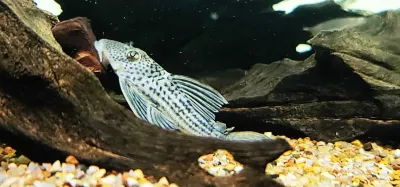
L141 Ghost Pleco - (Ancistomus snethlageae)
L141 Ghost Pleco - (Ancistomus snethlageae)
Price of shipping is not included.
$70.00
Out of stock
Captive Bred
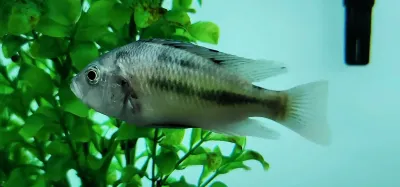
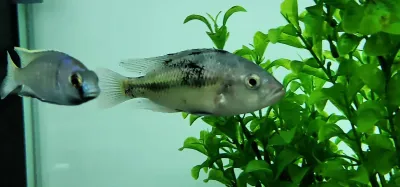
Kyoga flameback - (Haplochromis sp. Flameback)
Kyoga flameback - (Haplochromis sp. Flameback)
Price of shipping is not included.
$40.00
Out of stock
Wild Caught
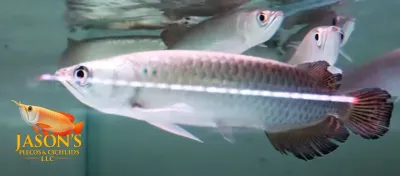
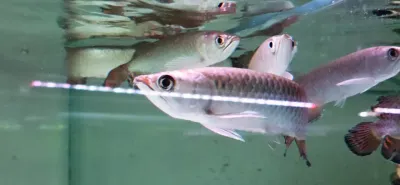
Jardini Arowana - (Scleropages jardinii)
Jardini Arowana - (Scleropages jardinii)
Price of shipping is not included.
5.0
(1)
was $260.00
Save 4%
$250.00
Out of stock
Captive Bred
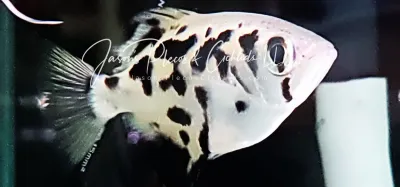
Spotted Archerfish - (Toxotes chatareus)
Spotted Archerfish - (Toxotes chatareus)
Price of shipping is not included.
$45.00
Out of stock
Wild Caught
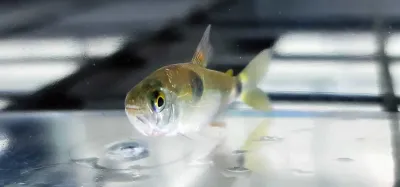
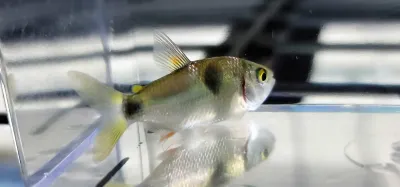
Bucktooth Tetra - (Exodon Paradoxus)
Bucktooth Tetra - (Exodon Paradoxus)
Price of shipping is not included.
$8.00
Out of stock
Captive Bred
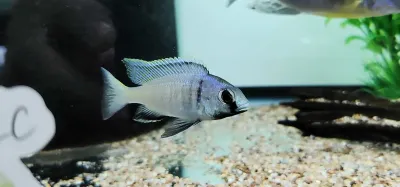
Deep Water Hap - (Placidochromis electra)
Deep Water Hap - (Placidochromis electra)
Price of shipping is not included.
$25.00
Out of stock
Captive Bred
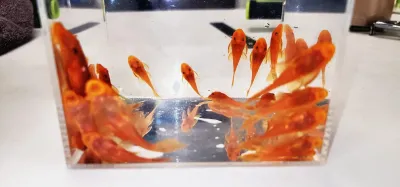
Super Red Bristlenose Pleco - (Ancistrus cf. cirrhosus)
Super Red Bristlenose Pleco - (Ancistrus cf. cirrhosus)
Price of shipping is not included.
$17.00
Out of stock
Captive Bred
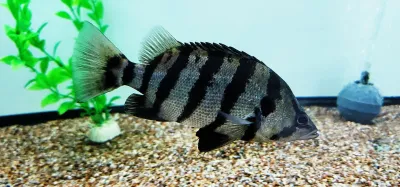
Silver Datnoid/Silver Tiger Perch - (Datnioides polota)
Silver Datnoid/Silver Tiger Perch - (Datnioides polota)
Price of shipping is not included.
$75.00
Out of stock
Wild Caught
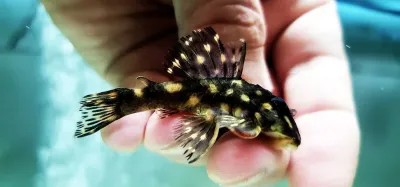
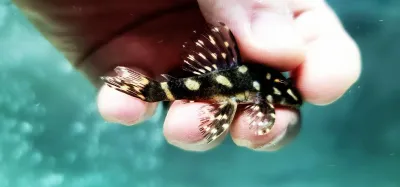
L518 Jacareacanga Pleco - (Hypancistrus sp.)
L518 Jacareacanga Pleco - (Hypancistrus sp.)
Price of shipping is not included.
$450.00
Out of stock
Wild Caught
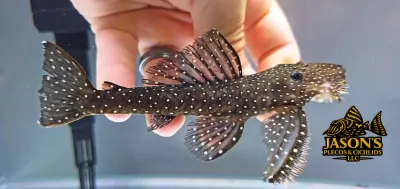
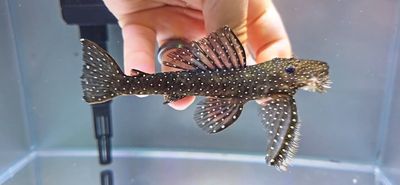
L235 Flyer Cat Pleco - (Pseudolithoxus anthrax)
L235 Flyer Cat Pleco - (Pseudolithoxus anthrax)
Price of shipping is not included.
5.0
(1)
was $75.00
Save 7%
$70.00
Powered by Lightspeed
Display prices in:USD