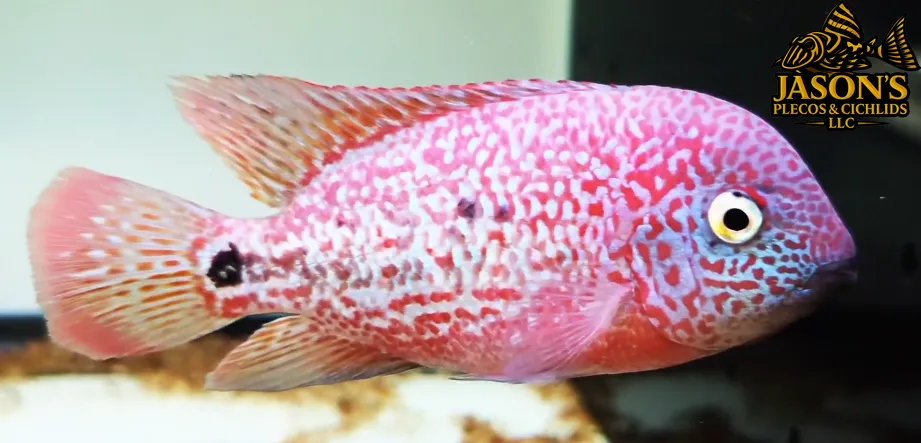
Red Guttulatus Cichlid
5.0
1 review
Reviews from verified customers who have purchased products at this store.
$250.00
Sold out
was $350.00 Save 29%
Size
Questions, Comments, Concerns? Let us know!
Enter your text
Price of shipping is not included.
Sold out
Save this fish to my favorites.
Customer reviews
Reviews only from verified customers
Reviews are only accepted from verified customers who have signed in and purchased the products. This ensures that each review is based on genuine customer experiences. All reviews are checked before publication to prevent spam.
Christopher H.
Fayetteville,
United States
Mar 31, 2026
Awesome. Love this little guy. Eyes will melt you. Beautiful marking, strong 💪 and healthy. Great customer service, from the owner himself Jason… live person no bot.
Red Guttulatus Cichlid
Fish Details, Description and Information Below:
🐟 Red Guttulatus Cichlid – Captive-Bred Vieja-Type Red Cichlid
The Red Guttulatus Cichlid is a captive-bred Central American Vieja-type aquarium cichlid selectively maintained for its impressive combination of:
- Deep red coloration
- Brick-red to burgundy tones
- Metallic blue or turquoise pearling
- White or pale reflective spotting
- Heavy adult body shape
- Strong personality
The name Red Guttulatus is widely used in the aquarium trade, but it should be treated carefully.
Although the fish is associated with Vieja guttulata ancestry, the exact lineage of domestic Red Guttulatus strains is not consistently documented across the aquarium trade.
Unless breeder records verify pure parentage:
DO NOT REPRESENT RED GUTTULATUS AS A VERIFIED PURE VIEJA GUTTULATA.
For this product, the most accurate description is:
CAPTIVE-BRED RED GUTTULATUS CICHLID – VIEJA-TYPE DOMESTIC LINE
This listing is for:
CAPTIVE-BRED RED GUTTULATUS CICHLIDS
🔎 Quick Facts – Red Guttulatus Cichlid
- 📛 Common Name: Red Guttulatus Cichlid
- 📛 Trade Name: Red Guttulatus
- 🧬 Type: Captive-Bred Vieja-Type Domestic Cichlid
- 🔬 Scientific Identification: No confirmed species-level scientific name should be assigned without documented parentage
- 🧬 Associated Ancestry: Vieja guttulata lineage / Vieja-type ancestry
- ⚠️ Exact Parentage: Not independently documented
- 🌿 Stock: Captive Bred
- 📏 Current Size: Approximately 4–5 inches
- 💧 Water Type: Freshwater
- 📏 Adult Planning Size: Approximately 12–14+ inches
- 🏠 Recommended Adult Aquarium: 125 gallons or larger
- 👥 Pair / Large Cichlid Community: 180+ gallons strongly preferred
- 📐 Aquarium Shape: Long and wide
- 🌡️ Temperature: Approximately 76–82°F
- 💧 pH: Approximately 7.0–8.0
- 💦 Hardness: Moderate
- 💨 Oxygenation: Good to High
- 🌊 Water Movement: Moderate
- 🍽️ Diet: Omnivore with a Strong Plant Component
- 🌿 Vegetable / Plant Foods: Important
- 🦐 Animal Protein: Supplemental
- 😠 Temperament: Territorial / Semi-Aggressive to Aggressive
- ⚠️ Breeding Aggression: Can become very strong
- 🐠 Tankmates: Large robust fish only, with compatibility evaluated individually
- 🥚 Potential Breeding Style: Substrate spawning
- 👨👩👧 Parental Care: Biparental behavior expected in Vieja-type fish
- 🧬 Fertility: May be fertile, but should not be guaranteed without confirmed lineage
- ⭐ Care Level: Intermediate to Advanced
- 🌎 Conservation Status: Not Applicable to a domestic line of uncertain parentage
⚠️ Important Identity Correction
The previous product page identified this fish as:
Vieja guttulata
and described it as having:
AUTHENTIC LINEAGE
I would remove both claims unless breeder records verify that these fish are pure Vieja guttulata.
The aquarium trade uses names such as:
- Red Guttulatus
- Red Spotted Guttulatus
- Omega Red Guttulatus
- Red Vieja Guttulatus
for selectively bred fish that may not always represent genetically pure wild-type Vieja guttulata.
Some commercial Red Guttulatus are explicitly sold as:
VIEJA GUTTULATA × HYBRID
Therefore:
TRADE NAME DOES NOT PROVE PURE SPECIES IDENTITY.
🧬 What Is Pure Vieja guttulata?
Pure:
Vieja guttulata
is a valid naturally occurring Central American cichlid.
It was originally described as:
Heros guttulatus
in:
1864
and is currently placed within:
Vieja
Pure wild Vieja guttulata occurs on the:
PACIFIC SLOPE OF GUATEMALA
with regional records from adjacent Central American Pacific drainages depending on the taxonomic source used.
⚠️ Pure-Species Facts Should Not Automatically Be Applied to Red Guttulatus
Because the exact pedigree of this captive Red Guttulatus line has not been independently documented, the page should not claim that the fish itself naturally occurs in:
- Guatemala
- Mexico
- El Salvador
- Any specific river
A captive-developed aquarium line does not have a:
NATURAL WILD DISTRIBUTION
unless it is confirmed to represent a pure geographic species or locality.
🧬 Best Scientific Wording for This Product
For this listing, I recommend:
RED GUTTULATUS CICHLID
with:
VIEJA-TYPE CAPTIVE-BRED CICHLID
as the biological description.
Do not force a scientific species name where pedigree documentation is lacking.
🔴 Appearance
Red Guttulatus cichlids are selected primarily for dramatic adult coloration.
Depending on the individual, coloration may include:
- Red
- Burgundy
- Brick red
- Orange-red
- Rose
- Pink-red
- Blue-green
- Turquoise
- Metallic white
✨ Pearling
Many high-quality specimens develop reflective:
- Blue spots
- Turquoise spots
- Pale blue scales
- White pearling
- Green-blue highlights
across portions of the:
- Head
- Flanks
- Dorsal fin
- Anal fin
- Caudal fin
🔥 Red Coloration
Red coloration may be especially intense on the:
- Head
- Chest
- Belly
- Dorsal fin
- Anal fin
- Tail
Dominant mature fish can become dramatically more colorful than juveniles.
⚠️ Color Cannot Be Guaranteed
Exact adult appearance varies between individuals.
Color can be influenced by:
- Genetics
- Sex
- Age
- Dominance
- Diet
- Lighting
- Background
- Water quality
- Breeding condition
Therefore:
DO NOT GUARANTEE A SPECIFIC SHADE OF RED OR AMOUNT OF PEARLING.
👶 Juvenile vs. Adult Appearance
A 4–5 inch Red Guttulatus may look substantially different once mature.
As the fish develops:
- The body becomes deeper
- The head becomes heavier
- Red pigmentation may intensify
- Pearling may increase or change
- Dark markings may strengthen or fade
- Fin coloration can change
♂️ Mature Males
Mature males may develop:
- Larger adult size
- Heavier head
- More pointed dorsal and anal fins
- Stronger coloration
- More territorial behavior
Some mature males may develop a noticeable:
NUCHAL HUMP
although size and shape vary considerably.
♀️ Mature Females
Females may:
- Remain somewhat smaller
- Develop a fuller abdomen
- Show different breeding coloration
- Have somewhat shorter dorsal and anal extensions
However:
SEX SHOULD NOT BE GUARANTEED FROM COLOR ALONE.
📏 Adult Size
A pure Vieja guttulata is scientifically documented at approximately:
30 CM / 12 INCHES TOTAL LENGTH
However, because Red Guttulatus is being treated here as a domestic line with uncertain parentage, it is better to provide a slightly more conservative aquarium planning range.
For long-term housing:
PLAN FOR APPROXIMATELY 12–14+ INCHES
Some individuals may remain closer to:
10–12 INCHES
while especially large males or fish with ancestry from larger Vieja lines may grow beyond that.
⚠️ Do Not Buy Based on Current Size
A current 4–5 inch fish still has substantial growth ahead.
Customers should plan for the:
ADULT FISH
before purchasing.
🏠 Aquarium Size
For one mature Red Guttulatus:
125 GALLONS OR LARGER
is a responsible long-term recommendation.
A:
6-FOOT AQUARIUM
is strongly preferred.
👥 Pair or Community
For:
- A compatible pair
- Multiple large Central American cichlids
- Other large tankmates
I recommend:
180+ GALLONS
and potentially larger depending on:
- Adult size
- Temperament
- Territory
- Number of fish
📐 Footprint Is Important
Large Vieja-type cichlids need:
LENGTH + WIDTH
more than excessive height.
A long, wide aquarium gives the fish:
- Swimming room
- Territory
- Escape routes
- Space around décor
🪨 Aquarium Setup
A good Red Guttulatus aquarium should contain:
- Large open swimming areas
- Secure rocks
- Heavy driftwood
- Large caves or visual barriers
- Sand or smooth gravel
- Strong filtration
- Good oxygenation
⚠️ Secure All Décor
Large cichlids are powerful.
They may:
- Dig
- Push rocks
- Move wood
- Rearrange substrate
- Uproot plants
Make sure décor cannot:
COLLAPSE OR TRAP THE FISH
🌿 Plants
Most delicate planted aquariums are not ideal.
Large Vieja-type cichlids may:
- Dig around roots
- Uproot plants
- Bite leaves
- Rearrange substrate
Hardy plants secured to décor may have better success.
🌡️ Temperature
A practical maintenance range is:
76–82°F
Short periods somewhat warmer may be tolerated, but stability is more important than continuously chasing a specific number.
💧 pH
A practical range is:
7.0–8.0
These are not blackwater cichlids requiring extremely acidic conditions.
💦 Hardness
Moderately mineralized water generally works well.
Avoid repeatedly adjusting hardness or pH when the aquarium is already:
- Stable
- Clean
- Within a reasonable Central American range
💨 Oxygenation
Provide:
GOOD TO HIGH OXYGENATION
using:
- Surface agitation
- Air stones
- Strong filter returns
- Sump filtration
- Proper circulation
💧 Water Parameters
A practical long-term range is:
- 🌡️ Temperature: 76–82°F
- 💧 pH: Approximately 7.0–8.0
- 💦 Hardness: Moderate
- 💨 Oxygenation: Good to High
- 🌊 Water Movement: Moderate
- ☠️ Ammonia: 0 ppm
- ☠️ Nitrite: 0 ppm
- 🔄 Nitrate: Keep as low as reasonably practical
💩 Large Cichlid = High Bioload
A mature Red Guttulatus:
- Eats substantial food
- Produces substantial waste
- Requires strong filtration
The aquarium should be filtered for:
THE ADULT FISH
not for the current juvenile.
💩 Filtration
Recommended filtration may include:
- Large canister filters
- Sump filtration
- Strong biological filtration
- High-capacity mechanical filtration
- Supplemental circulation
🔄 Water Changes
Regular partial water changes are important for:
- Water quality
- Growth
- Appetite
- Color
- Disease prevention
The exact schedule depends on:
- Aquarium size
- Feeding
- Stocking
- Filtration
- Nitrate production
🍽️ Diet – Omnivore With Strong Plant Component
The previous page leaned heavily toward:
- Shrimp
- Krill
- Prawns
- Mussel
That is too meat-focused for a Vieja-type cichlid as a permanent staple diet.
A better description is:
OMNIVORE WITH A STRONG PLANT COMPONENT
🌿 Plant Foods Are Important
Suitable foods include:
- Spirulina pellets
- Vegetable-based cichlid pellets
- Algae-containing pellets
- Peas
- Spinach
- Appropriate leafy greens
- Zucchini
- Other appropriate vegetable matter
🟢 High-Quality Pellet Staple
A quality large-cichlid pellet can form the foundation of the diet.
Choose a formula that contains:
- Quality protein
- Plant material
- Spirulina or algae ingredients
- Vitamins
- Minerals
🦐 Supplemental Animal Foods
Animal foods can be offered in moderation.
Suitable choices include:
- Mysis shrimp
- Krill
- Chopped shrimp
- Insect foods
- Earthworms
- Quality frozen foods
⚠️ Protein Should Not Dominate Every Meal
Avoid feeding a permanent diet consisting mainly of:
- Shrimp
- Prawn
- Mussel
- Krill
- Other rich animal foods
A balanced plant-rich diet better reflects the feeding tendencies associated with the Vieja group.
🚫 Avoid Feeder Fish
There is no nutritional need for live feeder fish.
Feeder fish can introduce:
- Parasites
- Bacteria
- Disease
and often provide poor nutritional balance.
🚫 Avoid Mammalian Meat
Do not use:
- Beef heart
- Chicken
- Pork
- Other mammalian meats
as routine staple foods.
😠 Temperament
Red Guttulatus should be treated as:
TERRITORIAL / SEMI-AGGRESSIVE TO AGGRESSIVE
rather than automatically describing every specimen as extremely aggressive.
Individual temperament varies dramatically.
🧠 Individual Personality Matters
One fish may be:
- Relatively tolerant
- Calm
- Shy
while another may become:
- Highly dominant
- Territorial
- Aggressive
especially after maturity.
⚔️ Breeding Aggression
Aggression can increase dramatically when:
- Pairing
- Spawning
- Guarding eggs
- Protecting fry
A previously compatible aquarium can change quickly once a pair forms.
🐠 Tankmates
Possible tankmates must be:
- Large enough not to be bullied easily
- Robust
- Behaviorally compatible
- Able to tolerate similar water conditions
Examples may include carefully selected:
- Large Vieja-type cichlids
- Large Central American cichlids
- Silver dollars
- Large catfish
but:
NO TANKMATE IS GUARANTEED SAFE
⚠️ Do Not Add Small Fish
Small fish may be:
- Harassed
- Injured
- Eaten opportunistically
especially as the Red Guttulatus matures.
🚧 Use a Divider When Necessary
When introducing:
- A potential mate
- Another large cichlid
a heavy-duty divider can be extremely useful.
Allow fish to become accustomed to one another before direct contact.
🥚 Breeding
Vieja-type cichlids generally reproduce as:
OPEN-SUBSTRATE SPAWNERS
A compatible pair may select:
- Flat rock
- Slate
- Large stone
- Exposed aquarium surface
as the spawning site.
⚠️ Exact Breeding Behavior Cannot Be Guaranteed
Because the exact parentage of the Red Guttulatus line is not documented:
DO NOT PRESENT PURE VIEJA GUTTULATA BREEDING DATA AS GUARANTEED FOR THIS LINE.
However, Vieja-type domestic fish commonly retain typical large Central American cichlid spawning behavior.
💕 Pair Formation
A compatible pair may:
- Establish a territory.
- Clean a spawning surface.
- Display intense coloration.
- Lay and fertilize eggs.
- Guard the eggs.
- Move or guard newly hatched larvae.
- Defend free-swimming fry.
👨👩👧 Biparental Care
Both parents may participate in:
- Guarding eggs
- Defending territory
- Protecting fry
This can make breeding pairs:
EXTREMELY TERRITORIAL
🥚 Fertility
Domestic Vieja-type cichlids can often be fertile.
However, because exact lineage is uncertain:
DO NOT GUARANTEE FERTILITY
for an individual fish or pair.
🧬 Offspring Must Be Labeled Correctly
If Red Guttulatus are bred:
DO NOT SELL THE FRY AS PURE VIEJA GUTTULATA
unless the parent lineage is documented and verified.
The offspring should remain identified as:
RED GUTTULATUS CICHLID
or:
VIEJA-TYPE DOMESTIC / HYBRID LINE
depending on known parentage.
⚠️ Do Not Pollute Pure Vieja Lines
Do not breed Red Guttulatus with confirmed pure:
- Vieja guttulata
- Vieja bifasciata
- Vieja melanura
- Vieja fenestrata
- Vieja zonata
- Other locality-pure Vieja
and then distribute the offspring as pure species.
🧬 Lineage Records Matter
For captive breeding, preserve:
- Breeder source
- Parent identity
- Generation
- Photographs
- Known crosses
This prevents uncertain fish from entering pure-species breeding programs.
🌎 Conservation Status
A domestic Red Guttulatus line with uncertain parentage does:
NOT HAVE AN IUCN CONSERVATION STATUS
Do not assign the conservation category of pure:
Vieja guttulata
to this domestic line.
🌎 Pure Vieja guttulata
For reference only, scientifically recognized pure:
Vieja guttulata
is currently assessed as:
DATA DEFICIENT
on the IUCN Red List.
That status applies to:
THE NATURAL SPECIES
not automatically to captive Red Guttulatus hybrids or domestic strains.
🚨 Never Release Aquarium Cichlids
Never release a Red Guttulatus into:
- Rivers
- Streams
- Lakes
- Ponds
- Canals
- Storm drains
- Natural waterways
Large Central American cichlids can survive in warm climates and may threaten native aquatic ecosystems.
⭐ Why Keep a Red Guttulatus Cichlid?
The Red Guttulatus combines:
- 🔴 Intense red coloration
- 🔵 Blue and turquoise pearling
- ✨ Highly variable individual patterns
- 🐟 Large adult body shape
- 🧠 Intelligent cichlid behavior
- 😠 Strong personality
- 🍽️ Active feeding response
- 👀 Interactive aquarium behavior
- 🥚 Potential breeding behavior
- 🏆 Show-fish appearance
into an impressive centerpiece for aquarists prepared to maintain a large, territorial Central American cichlid.
⚠️ Important Considerations
Before purchasing a Red Guttulatus Cichlid:
- This is a captive-bred aquarium line.
- The current specimen is approximately 4–5 inches.
- Do not automatically identify the fish as pure Vieja guttulata.
- Exact parentage is not independently documented.
- Do not claim “authentic wild-type lineage” without breeder records.
- “Red Guttulatus” is best treated as a trade / domestic-line name.
- Vieja guttulata ancestry is associated with the line, but exact genetics may vary.
- Do not assign a natural geographic range to an undocumented domestic line.
- Plan for approximately 12–14+ inches.
- Provide approximately 125 gallons or larger for one adult.
- Use 180+ gallons for pairs or large-cichlid communities.
- Prioritize aquarium length and width.
- Secure all rocks and décor.
- Maintain approximately 76–82°F.
- Maintain approximately pH 7.0–8.0.
- Maintain good oxygenation.
- Maintain ammonia and nitrite at zero.
- Use powerful filtration.
- Expect substantial adult waste production.
- Feed a balanced omnivorous diet.
- Include a strong plant component.
- Use animal protein as supplemental variety.
- Avoid live feeder fish.
- Do not rely on an excessively meat-heavy diet.
- Expect territorial behavior.
- Aggression can increase greatly during breeding.
- Tankmate compatibility cannot be guaranteed.
- A divider may be necessary when pairing adults.
- Vieja-type fish are generally substrate spawners.
- Fertility should not be guaranteed for undocumented domestic lines.
- Label offspring accurately.
- Never sell uncertain offspring as pure Vieja guttulata.
- Keep domestic lines separate from verified pure-species breeding projects.
- Never release aquarium fish into natural waterways.
🧬 Identification Summary
For this product, use:
Red Guttulatus Cichlid
Biological description:
Captive-Bred Vieja-Type Domestic Cichlid
Associated ancestry:
Vieja guttulata Lineage / Vieja-Type Ancestry
Exact parentage:
NOT FULLY DOCUMENTED
Therefore:
NO CONFIRMED SCIENTIFIC SPECIES NAME SHOULD BE ASSIGNED TO THIS PRODUCT WITHOUT VERIFIED BREEDER PEDIGREE.
🚚 Live Fish Shipping
Live fish are professionally packed for safe transport.
Shipping availability depends on:
- Fish size
- Destination
- Weather conditions
- Carrier availability
- Applicable state and local regulations
Larger Red Guttulatus cichlids may require:
- Larger insulated shipping boxes
- Additional water
- Heavy-duty shipping bags
- Multiple protective bag layers
- Specialized packing
- Airline cargo depending on adult size and destination
Please review our Shipping & Payment Information and Live Arrival Guarantee / DOA Policy before ordering.
⚠️ Buyer Responsibility
Customers are responsible for confirming that this Red Guttulatus Cichlid may legally be purchased, possessed, transported, and received in their state or local jurisdiction before ordering.
Never release aquarium fish into natural waterways.
Below are fish you may also like.
Wild Caught
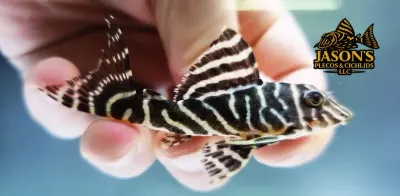
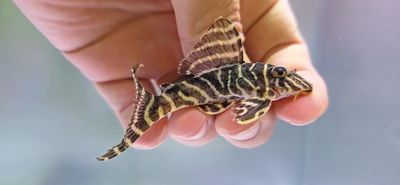
L340 Mega Clown Pleco - (Hypancistrus sp.)
L340 Mega Clown Pleco - (Hypancistrus sp.)
Price of shipping is not included.
5.0
(1)
was $55.00
Save 18%
$45.00
Captive Bred
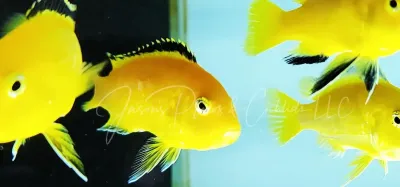
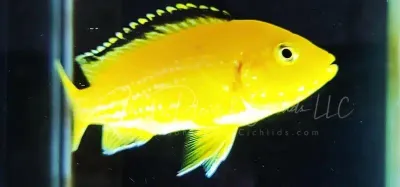
Yellow Labidochromis - (Labidochromis caeruleus)
Yellow Labidochromis - (Labidochromis caeruleus)
Price of shipping is not included.
$20.00
Out of stock
Wild Caught
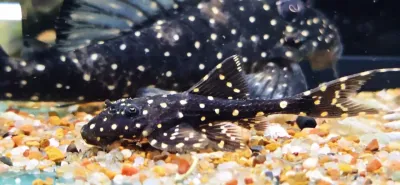
Polka Dot Lyre Tail Pleco - (Acanthicus adonis)
Polka Dot Lyre Tail Pleco - (Acanthicus adonis)
Price of shipping is not included.
was $40.00
Save 13%
$35.00
Out of stock
Captive Bred
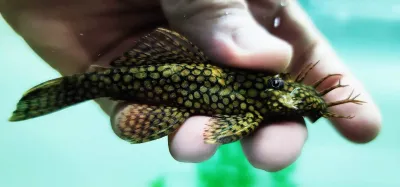
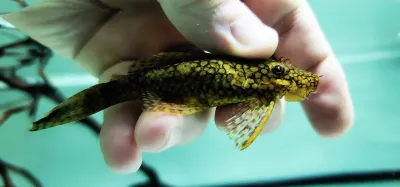
Honeycomb Bristlenose - (Ancistrus sp. Wabenmuster) Breeding Pair
Honeycomb Bristlenose - (Ancistrus sp. Wabenmuster) Breeding Pair
Price of shipping is not included.
$350.00
Out of stock
Wild Caught
Blunthead Cichlid - (Tropheus moorii)
Blunthead Cichlid - (Tropheus moorii)
Price of shipping is not included.
$65.00
Out of stock
Wild Caught
Temensis Peacock Bass/Speckled Pavon Peacock Bass - (Cichla temensis)
Temensis Peacock Bass/Speckled Pavon Peacock Bass - (Cichla temensis)
Price of shipping is not included.
$60.00
Out of stock
Wild Caught
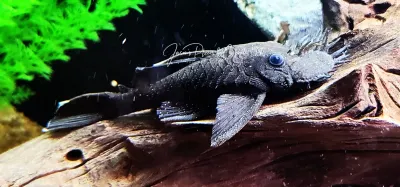
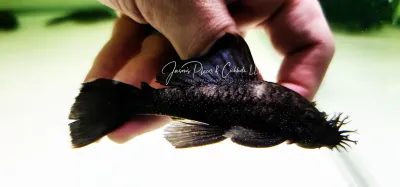
L183 Starlight Bristlenose Pleco - (Ancistrus dolichopterus)
L183 Starlight Bristlenose Pleco - (Ancistrus dolichopterus)
Price of shipping is not included.
was $80.00
Save 6%
$75.00
Out of stock
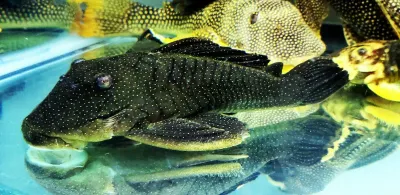
Wild Caught
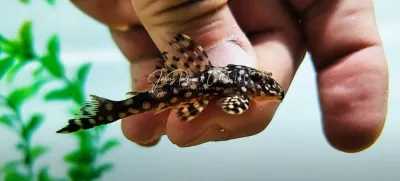
L133 Golden Cloud Pleco - (Scobinancistrus pariolispos)
L133 Golden Cloud Pleco - (Scobinancistrus pariolispos)
Price of shipping is not included.
$30.00
Out of stock
Sold out
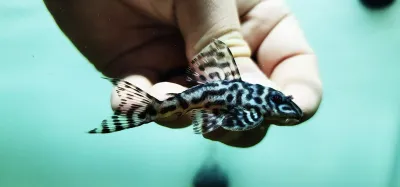
L173 Wavy Zebra Pleco - (Hypancistrus sp.)
L173 Wavy Zebra Pleco - (Hypancistrus sp.)
Price of shipping is not included.
$350.00
Out of stock
Wild Caught
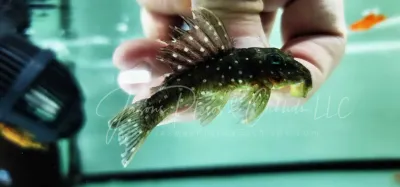
L016 Bluespotted Pleco - (Spectracanthicus punctatissimus)
L016 Bluespotted Pleco - (Spectracanthicus punctatissimus)
Price of shipping is not included.
$40.00
Out of stock
Captive Bred
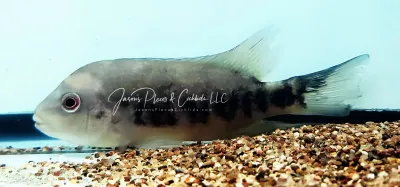
Tuba Cichlid - (Tomocichla tuba)
Tuba Cichlid - (Tomocichla tuba)
Price of shipping is not included.
$85.00
Out of stock
Powered by Lightspeed
Display prices in:USD