
Panaqolus Orcesi
$40.00
Sold out
Size
Price of shipping is not included.
Sold out
Save this fish to my favorites.
Customer reviews
Reviews only from verified customers
No reviews yet. You can buy this product and be the first to leave a review.
Panaqolus Orcesi
Fish Details, Description and Information Below:
🐟 Panaqolus orcesi – Rare Spotted Ecuadorian Wood-Eating Pleco
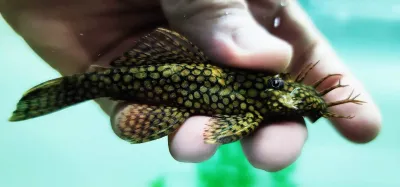
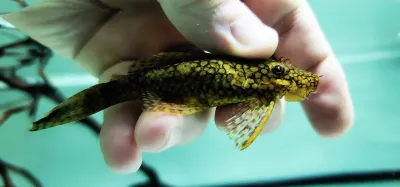
Panaqolus orcesi is a rare and recently described South American pleco from the Ecuadorian Amazon. Formally described by science in 2024, this impressive member of the Loricariidae family is distinguished by its dark body covered in contrasting cream, yellow, or golden spots.
Unlike many smaller Panaqolus species commonly seen in the aquarium hobby, P. orcesi is a considerably larger member of the genus and can exceed 7 inches in standard length.
Its combination of unusual spotted coloration, larger adult size, wood-grazing behavior, and extremely limited availability makes Panaqolus orcesi an exciting species for serious pleco collectors.
🔎 Quick Facts – Panaqolus orcesi
- 📛 Common Name: Panaqolus orcesi / Spotted Panaqolus
- 🔬 Scientific Name: Panaqolus orcesi
- 🧬 Described: 2024
- 🐟 Family: Loricariidae
- 🐟 Subfamily: Hypostominae
- 🌎 Origin: South America
- 🇪🇨 Country: Ecuador
- 🌊 River System: Napo River drainage / Ecuadorian Amazon
- 📍 Known Locality: Río Tiputini drainage; also reported from the Yasuní River
- 📏 Documented Maximum Size: 18.1 cm standard length / approximately 7.1 inches excluding the tail
- 📏 Expected Aquarium Size: Approximately 8"+ total length should be planned for
- 🏠 Recommended Aquarium: 55 gallons or larger for an adult; larger for groups
- 🌡️ Recommended Temperature: Approximately 75–82°F
- 💧 Recommended pH: Approximately 6.0–7.5
- 🍽️ Diet: Wood-grazing omnivore / detritivore
- 🪵 Driftwood: Strongly recommended
- 😌 Temperament: Generally peaceful, but territorial with other bottom-dwelling plecos
- 🐠 Swimming Area: Bottom
- 🥚 Breeding: Expected to be a cave-spawning species like other Panaqolus
- ⭐ Care Level: Intermediate
- 🏆 Availability: Extremely uncommon
🧬 A Newly Described Pleco Species
Panaqolus orcesi was formally described in 2024 by Provenzano-Rizzi, Barriga-Salazar, and Stewart.
It was described alongside another new Ecuadorian species, Panaqolus pantostiktos.
Both species were recognized after researchers examined museum specimens from the Ecuadorian Amazon and determined that they represented species previously unknown to science.
This makes Panaqolus orcesi particularly interesting for collectors because much of the aquarium hobby encountered fish from this region before the species had an official scientific name.
🌎 Natural Distribution
Panaqolus orcesi is native to the Ecuadorian Amazon.
The species is associated with the:
- Río Tiputini
- Río Napo drainage
- Yasuní River region
- Western Amazon Basin
The type locality is associated with Quebrada La Cascada, a tributary of the Río Tiputini in Orellana Province, Ecuador.
This region contains warm tropical freshwater habitats with abundant submerged wood, organic material, and natural cover.
🎨 Appearance
One of the most distinctive features of Panaqolus orcesi is its spotted coloration.
The base coloration may range from:
- Gray
- Dark brown
- Nearly black
The head, body, and fins are covered with contrasting:
- Cream-colored spots
- Yellow spots
- Golden spots
The spotted pattern can vary somewhat between individuals and may appear different depending on age, mood, lighting, and aquarium conditions.
The combination of a dark body and numerous light-colored spots gives this species a very attractive appearance that distinguishes it from many striped Panaqolus species.
📏 Adult Size
This is one area where older aquarium listings should be treated carefully.
Scientific specimens of Panaqolus orcesi have reached approximately:
18.1 cm standard length
That equals approximately:
7.1 inches excluding the tail fin
Because standard length does not include the caudal fin, aquarists should plan for an adult fish that may reach approximately 8 inches or more in total length.
This makes P. orcesi considerably larger than familiar smaller Panaqolus species such as the Clown Pleco.
🏠 Aquarium Setup
A mature Panaqolus orcesi should be provided with plenty of bottom space, cover, and natural structure.
Recommended aquarium features include:
- Large pieces of natural driftwood
- Multiple caves
- Rock structures
- Shaded hiding areas
- Sand or smooth gravel substrate
- Strong biological filtration
- Moderate water movement
- Good oxygenation
🪵 Driftwood Is Important
Driftwood should be considered an important part of the aquarium setup for this species.
Like other members of Panaqolus, these plecos spend considerable time grazing wood and surfaces for organic material and biofilm.
Provide several pieces of natural aquarium-safe wood so the fish has constant access to grazing surfaces.
🍽️ Diet & Feeding
Although Panaqolus are famous as wood-grazing plecos, they should not be expected to survive on wood alone.
Offer a varied diet containing plenty of plant-based and high-fiber foods.
Recommended foods include:
- Quality pleco wafers
- Spirulina wafers
- Vegetable-based sinking foods
- Repashy-style gel foods
- Zucchini
- Squash
- Green beans
- Sweet potato
- Other appropriate vegetables
- Occasional protein-rich sinking foods
Natural driftwood should always be available for grazing.
A varied diet is preferable to feeding large quantities of high-protein foods.
💧 Water Parameters
Because species-specific aquarium husbandry information remains limited, maintaining stable, clean tropical freshwater conditions appropriate for Ecuadorian Amazon plecos is more important than attempting to hit one exact number.
Recommended aquarium range:
- 🌡️ Temperature: 75–82°F
- 💧 pH: Approximately 6.0–7.5
- 💦 Water: Soft to moderately mineralized
- ☠️ Ammonia: 0 ppm
- ☠️ Nitrite: 0 ppm
- 🔄 Nitrate: Keep as low as reasonably possible
- 💨 Oxygen: High dissolved oxygen recommended
Regular water changes and strong biological filtration are important.
Large Panaqolus can produce a considerable amount of waste, particularly when fed heavily and provided with large quantities of wood and vegetables.
😌 Temperament & Tankmates
Panaqolus orcesi should generally be considered a peaceful community pleco, but peaceful does not mean completely non-territorial.
Adults may defend:
- Favorite caves
- Driftwood
- Feeding areas
- Breeding territories
This is especially true when multiple mature males are housed together.
Suitable tankmates can include:
- Peaceful South American cichlids
- Tetras
- Larger characins
- Corydoras
- Other appropriately sized catfish
- Peaceful community fish
- Other plecos when sufficient space and caves are provided
Avoid overcrowding the bottom of the aquarium.
When keeping multiple plecos, provide more caves and hiding areas than there are fish.
♂️ Male vs. Female
Sexual differences become easier to identify as Panaqolus mature.
Adult males typically develop:
- More pronounced odontodes
- Stronger odontodes along the body
- More noticeable interopercular odontodes
- A slimmer body when viewed from above
Mature females typically become:
- Broader through the abdomen
- Rounder when carrying eggs
Young fish can be extremely difficult to sex accurately.
🥚 Breeding
Detailed captive breeding information specifically for Panaqolus orcesi remains limited because the species was only recently scientifically described and remains uncommon in the aquarium hobby.
Based on reproduction within the genus Panaqolus, it is expected to behave as a cave-spawning pleco.
For potential breeding, provide:
- Appropriately sized pleco caves
- Mature males and females
- Excellent water quality
- Strong oxygenation
- A varied diet
- Multiple hiding locations
Males of related Panaqolus species typically occupy a cave and guard the eggs after spawning.
Until more species-specific breeding information becomes available, breeding behavior should not automatically be assumed to be identical to every other Panaqolus species.
⭐ Why Keep Panaqolus orcesi?
This species offers several characteristics that make it particularly interesting to serious pleco enthusiasts:
- ⭐ Scientifically described only in 2024
- 🇪🇨 Native to Ecuador
- 🟡 Attractive cream, yellow, or golden spotting
- 🖤 Dark body coloration
- 🪵 Classic Panaqolus wood-grazing behavior
- 📏 Larger than many familiar Panaqolus
- 🏆 Extremely uncommon in the aquarium hobby
- 🔬 Interesting scientifically documented history
For collectors who enjoy rare South American loricariids, Panaqolus orcesi represents a particularly unusual addition.
⚠️ Important Considerations
Before purchasing Panaqolus orcesi:
- Plan for an adult fish approximately 8 inches or more in total length.
- Provide natural driftwood.
- Provide appropriately sized caves.
- Use strong biological filtration.
- Maintain excellent water quality.
- Provide good oxygenation.
- Feed a varied, fiber-rich diet.
- Do not rely on driftwood as the fish's only source of nutrition.
- Provide adequate territory when keeping multiple plecos.
- Remember that species-specific aquarium information remains limited because this species was only formally described in 2024.
🚚 Live Fish Shipping
Live fish are professionally packed for safe transport.
Shipping availability depends on destination, weather conditions, carrier availability, and applicable state and local regulations.
Please review our Shipping & Payment Information and Live Arrival Guarantee / DOA Policy before ordering.
⚠️ Buyer Responsibility
Customers are responsible for confirming that this species may legally be purchased, possessed, and received in their state or local jurisdiction before ordering.
Never release aquarium fish into local waterways.
Below are fish you may also like.
Wild Caught
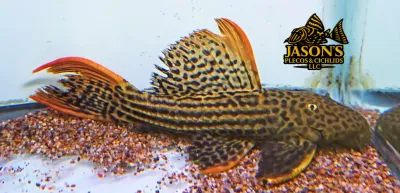
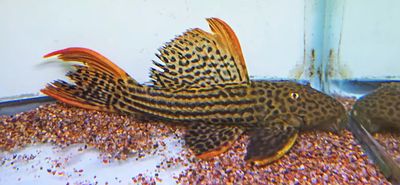
L025 Scarlet Cactus Pleco 7 Pointer - (Pseudacanthicus pirarara)
L025 Scarlet Cactus Pleco 7 Pointer - (Pseudacanthicus pirarara)
Price of shipping is not included.
was $550.00
Save 6%
$515.00
Captive Bred
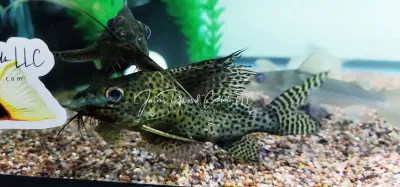
Featherfin squeaker - (Featherfin Synodontis Eupterus)
Featherfin squeaker - (Featherfin Synodontis Eupterus)
Price of shipping is not included.
was $30.00
Save 33%
$20.00
Out of stock
Wild Caught
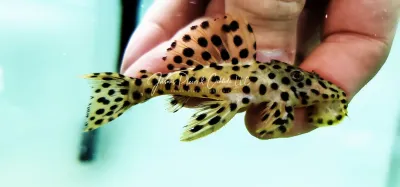
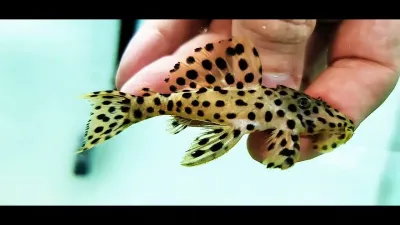
Golden Vampire Pleco - (Leporacanthicus heterodon)
Golden Vampire Pleco - (Leporacanthicus heterodon)
Price of shipping is not included.
$65.00
Out of stock
Captive Bred
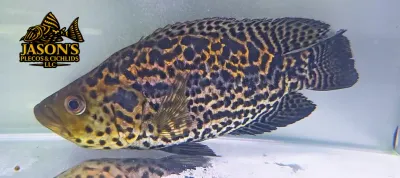
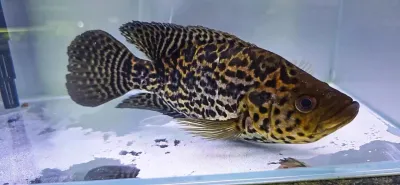
Jaguar Cichlid - (Parachromis managuensis)
Jaguar Cichlid - (Parachromis managuensis)
Price of shipping is not included.
5.0
(1)
was $100.00
Save 10%
$90.00
Out of stock
Captive Bred
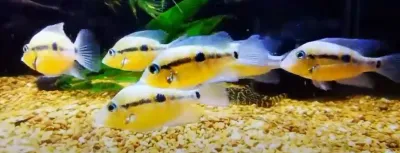
Blackgullet Cichlid - (Thorichthys pasionis)
Blackgullet Cichlid - (Thorichthys pasionis)
Price of shipping is not included.
$16.00
Out of stock
Wild Caught
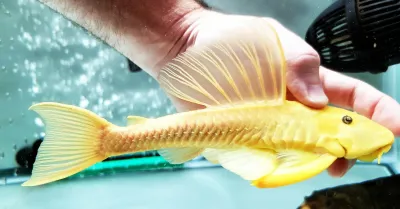
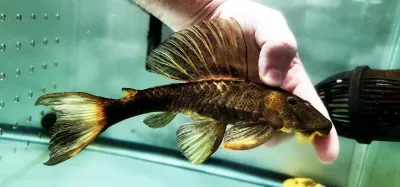
Jaguribe Pleco - (Hypostomus Pusarum)
Jaguribe Pleco - (Hypostomus Pusarum)
Price of shipping is not included.
$1 200.00
Out of stock
Wild Caught
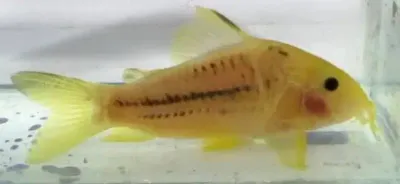
Corydoras sp. - Color Variant
Corydoras sp. - Color Variant
Price of shipping is not included.
$400.00
Out of stock
Wild Caught

Silver Catfish - (Rhamdia quelen)
Silver Catfish - (Rhamdia quelen)
Price of shipping is not included.
$150.00
Out of stock
Captive Bred
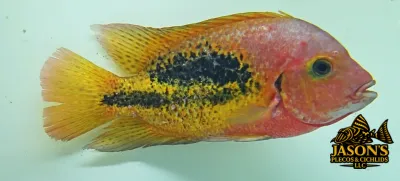
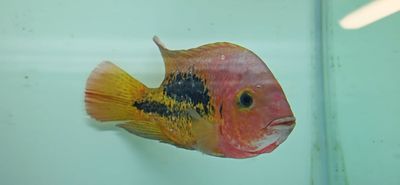
Rio Chacamax Cichlid - (Vieja bifasciata)
Rio Chacamax Cichlid - (Vieja bifasciata)
Price of shipping is not included.
5.0
(4)
$130.00
Out of stock
Wild Caught
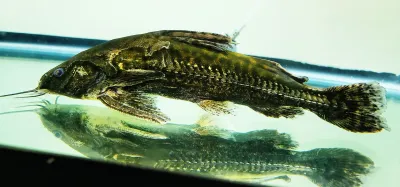
Marbled Spiny Catfish - (Franciscodoras marmoratus)
Marbled Spiny Catfish - (Franciscodoras marmoratus)
Price of shipping is not included.
$400.00
Out of stock
Captive Bred
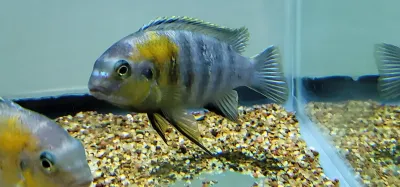
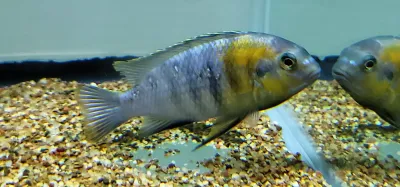
Tropheops sp. Red Cheek
Tropheops sp. Red Cheek
Price of shipping is not included.
$40.00
Out of stock
Captive Bred
Honeycomb Bristlenose - (Ancistrus sp. Wabenmuster) Breeding Pair
Honeycomb Bristlenose - (Ancistrus sp. Wabenmuster) Breeding Pair
Price of shipping is not included.
$350.00
Out of stock
Powered by Lightspeed
Display prices in:USD