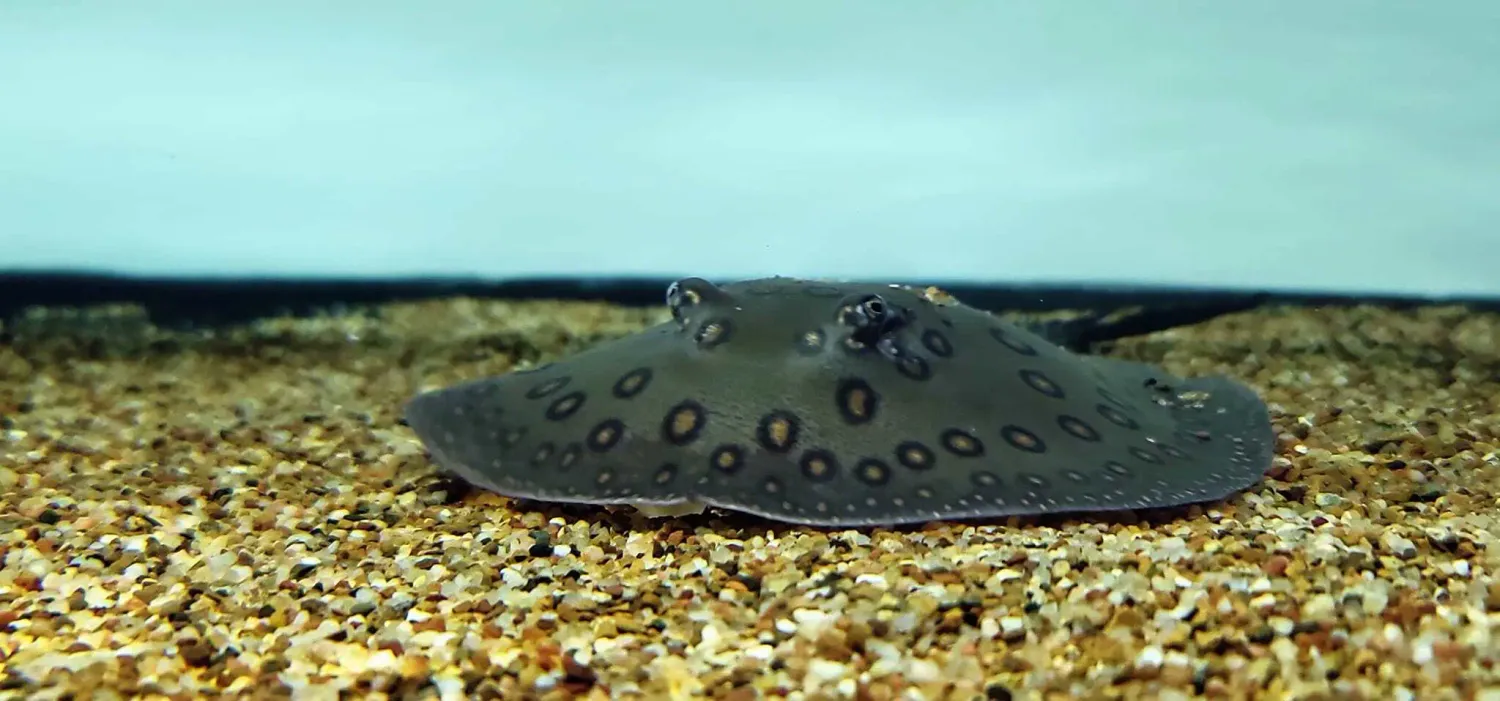
Motoro Stingray/Ocellate River Stingray - (Potamotrygon Motoro)
$250.00
Sold out
Size
Sex
Price of shipping is not included.
Sold out
Save this fish to my favorites.
Customer reviews
Reviews only from verified customers
No reviews yet. You can buy this product and be the first to leave a review.
Motoro Stingray/Ocellate River Stingray - (Potamotrygon Motoro)
Fish Details, Description and Information Below:
🟠 Motoro Stingray / Ocellate River Stingray – (Potamotrygon motoro) – South American Freshwater Stingray
The Motoro Stingray, also known as the Ocellate River Stingray (Potamotrygon motoro), is one of the best-known South American freshwater stingrays in the aquarium hobby.
It is famous for its broad, rounded disc covered with distinctive:
- Orange
- Yellow
- Golden
- Cream
ocelli surrounded by darker rings.
These eye-like markings can vary tremendously between individual fish and geographic populations, making every Motoro visually unique.
The species is distributed across an enormous portion of South America, including major river systems such as the:
- Amazon
- Orinoco
- Paraná
- Paraguay
- Uruguay
Unlike marine stingrays, Potamotrygon motoro is a:
TRUE FRESHWATER STINGRAY
and does not require marine salt for normal long-term care.
🔎 Quick Facts – Motoro Stingray
- 📛 Common Name: Motoro Stingray
- 📛 Other Names: Ocellate River Stingray, Ocellated River Stingray, Peacock-Eye Stingray, South American Freshwater Stingray
- 🔬 Scientific Name: Potamotrygon motoro
- 📅 Scientific Authority: Müller & Henle, 1841
- 🐟 Family: Potamotrygonidae
- 🦈 Group: Freshwater Stingray
- 💧 Water Type: Freshwater
- 🌎 Origin: South America
- 🌊 Major Native Basins: Amazon, Orinoco, Paraná-Paraguay and Uruguay
- 📏 Published Maximum Disc Width: Approximately 50 cm / 19.7 inches
- 📏 Adult Planning Disc Width: Approximately 18–24 inches
- 📏 Potential Total Length: Approximately 30–40 inches including tail
- 🏠 Recommended Permanent Aquarium: Approximately 480 gallons or larger
- 📐 Recommended Adult Footprint: Approximately 8 ft × 4 ft or larger
- 👥 Multiple Rays: Significantly larger systems required
- 🌡️ Temperature: Approximately 76–82°F
- 💧 pH: Approximately 6.0–7.5
- 💨 Oxygenation: High
- 🌊 Water Movement: Moderate with excellent turnover
- 🏖️ Substrate: Fine smooth sand strongly preferred
- 🍽️ Diet: Carnivorous Benthic Predator
- 🦐 Primary Foods: Shrimp, prawn, mussel, worms, fish pieces and other aquatic animal foods
- 🚫 Routine Feeder Fish: Not Recommended
- 💩 Bioload: Extremely High
- ☠️ Tail Spine: Venomous
- ⚠️ Handling Risk: Serious
- ♂️ Male Identification: Claspers
- ♀️ Female Identification: No claspers; females generally grow larger
- 👶 Reproduction: Live-Bearing / Matrotrophic Viviparity
- 🧬 Hybridization: Possible with other Potamotrygon
- 🌎 IUCN Status: Least Concern
- 📜 CITES: Population-specific Appendix III listings apply to Colombian P. motoro and certain Brazilian Potamotrygon populations
- 🚫 Texas: Family Potamotrygonidae regulated as harmful or potentially harmful exotic fish
- ⚠️ Florida: Family Potamotrygonidae classified as Conditional Nonnative Species
- ⭐ Care Level: Advanced / Expert
Current Listing Details
- ♀️ Sex: Female
- 📏 Current Listed Size: Approximately 6–8 inches
- 🍽️ Currently Eating: Tilapia
🧬 Valid Scientific Species
The accepted scientific name is:
Potamotrygon motoro
The species was described in:
1841
by Müller and Henle.
It belongs to the family:
Potamotrygonidae
which contains the specialized freshwater stingrays of South America.
⚠️ A Widespread & Variable Species Complex
Although Potamotrygon motoro is currently recognized as a valid species, scientists have long noted that the name covers an:
EXTREMELY WIDESPREAD AND VARIABLE GROUP
Populations from different river systems may differ significantly in:
- Color
- Spot size
- Number of ocelli
- Disc coloration
- Adult size
- Genetics
- Body proportions
Additional taxonomic work may eventually divide portions of what is currently called P. motoro into additional species or geographic forms.
Therefore:
LOCALITY INFORMATION IS VALUABLE
whenever the collection origin is known.
🎨 Appearance
A typical Motoro Stingray develops a background color ranging from:
- Tan
- Beige
- Brown
- Olive
- Gray-brown
- Dark brown
covered with distinctive circular:
OCELLI
👁️ What Is an Ocellus?
An:
OCELLUS
is an eye-like circular marking.
Motoro ocelli usually have:
- A yellow, orange or cream center
- A darker surrounding ring
- Additional intermediate coloration in many individuals
These markings give the species its common name:
OCELLATE RIVER STINGRAY
🟠 Pattern Variation
Different Motoro populations can display:
- Large orange rings
- Small yellow rings
- Dense spotting
- Sparse spotting
- Multiple rows of marginal spots
- Dark centers
- Light centers
- Irregular rings
- Pattern combinations
No two Motoro Stingrays are guaranteed to look identical.
⚠️ Color & Pattern Disclaimer
Exact adult coloration cannot be guaranteed.
Appearance may change according to:
- Genetics
- Geographic origin
- Age
- Sex
- Lighting
- Stress
- Substrate
- Diet
- Water quality
A young Motoro may develop substantially different contrast as it matures.
🌎 Native Distribution
Potamotrygon motoro has one of the widest known ranges of any South American freshwater stingray.
Its distribution includes portions of the:
AMAZON BASIN
ORINOCO BASIN
PARANÁ-PARAGUAY BASIN
URUGUAY BASIN
🌎 Countries
Records attributed to P. motoro occur across numerous South American countries, including:
- Brazil
- Colombia
- Venezuela
- Peru
- Bolivia
- Paraguay
- Uruguay
- Argentina
Some older records from other regions require taxonomic caution because of the complexity of the Motoro species group.
🌊 Natural Habitat
Motoro Stingrays inhabit freshwater environments including:
- Large rivers
- River margins
- Flooded forests
- Sandy shallows
- Lagoons
- Tributaries
- Floodplain habitats
- Quiet backwaters
- Moderate-current river channels
They spend much of their lives close to the bottom.
🏖️ Fine Sand Substrate
For most Motoro aquariums:
FINE, SMOOTH SAND IS STRONGLY PREFERRED
A ray naturally:
- Rests on sand
- Buries itself
- Searches through substrate for food
- Glides across the bottom
🚫 Avoid Sharp Substrate
Do not use substrate capable of cutting or abrading the disc.
Avoid:
- Jagged gravel
- Sharp rocks
- Crushed coral
- Abrasive substrate
The underside of a freshwater stingray is soft and vulnerable.
🏠 Floor Space Is More Important Than Height
A stingray does not use aquarium space like a tall-bodied fish.
Its most important dimension is:
BOTTOM AREA
A tank can contain hundreds of gallons and still be unsuitable if it is:
- Too narrow
- Too short
- Excessively tall
📏 Adult Size
FishBase currently documents Potamotrygon motoro reaching approximately:
50 CM / 19.7 INCHES DISC WIDTH
and published total-length reports approach:
100 CM / APPROXIMATELY 39 INCHES
including the tail.
📏 Responsible Aquarium Planning
Because Motoro populations vary and females can grow larger than males:
PLAN FOR AN ADULT DISC OF APPROXIMATELY 18–24 INCHES
Do not select an aquarium based only on the ray's juvenile size.
🏠 Aquarium Size
Your previous recommendation of:
480 GALLONS OR LARGER
is a responsible permanent recommendation for a full-grown Motoro.
I would keep it.
For an adult:
APPROXIMATELY 8 FEET LONG × 4 FEET WIDE
is an excellent starting footprint.
Larger is better.
⚠️ Width Is Critical
If a ray develops a:
24-INCH DISC
a 24-inch-wide aquarium is obviously not sufficient.
The animal needs room to:
- Turn easily
- Feed naturally
- Avoid rubbing its disc
- Move away from tankmates
- Exercise
For large adult Motoro rays:
4 FEET OF FRONT-TO-BACK WIDTH IS STRONGLY PREFERRED
👥 Multiple Stingrays
Keeping multiple adult stingrays dramatically increases space requirements.
A group requires additional:
- Bottom area
- Feeding space
- Filtration
- Water volume
- Escape room during breeding aggression
For several adult rays:
CUSTOM AQUARIUMS OR INDOOR POND-STYLE SYSTEMS ARE OFTEN MORE PRACTICAL
🪵 Aquarium Décor
A Motoro aquarium should prioritize:
OPEN SWIMMING AND BOTTOM SPACE
Use décor sparingly.
Suitable additions can include:
- Large smooth driftwood
- Rounded rocks
- Secure structures
but leave extensive open sand.
⚠️ Avoid Sharp Décor
Anything inside the aquarium should be evaluated from the perspective of a soft-bodied ray.
Avoid:
- Sharp rocks
- Pointed branches
- Rough decorations
- Narrow traps
- Unsecured structures
🧰 Protect Equipment
Heaters and filter intakes should be arranged so the ray cannot:
- Burn itself
- Become trapped
- Damage delicate equipment
- Injure its disc
Large rays are powerful animals.
💧 Water Quality – Extremely Important
Freshwater stingrays are especially intolerant of poor water quality.
Maintain:
AMMONIA = 0
NITRITE = 0
and keep:
NITRATE AS LOW AS REASONABLY POSSIBLE
A target below approximately:
20 PPM
is preferable when practical.
⚠️ Remove the Old 30–40 ppm Nitrate Target
The older page suggested:
LESS THAN 30–40 PPM
I would not use that as the goal for freshwater stingrays.
These are expensive, sensitive, high-bioload fish.
Instead:
KEEP NITRATE AS LOW AS REASONABLY POSSIBLE
through:
- Large water changes
- Powerful filtration
- Sensible stocking
- Proper feeding
- Waste removal
🌡️ Temperature
A practical captive range is:
76–82°F
Stable temperature is more important than trying to hit one exact number.
💧 pH
A practical captive pH range is approximately:
6.0–7.5
Wild populations occur across an enormous geographic range, so natural water chemistry varies.
Avoid sudden pH changes.
🚫 No Routine Marine Salt Required
Motoro Stingrays are:
TRUE FRESHWATER FISH
Routine salt addition is:
NOT REQUIRED
for normal long-term maintenance.
💨 Oxygenation
Provide:
HIGH DISSOLVED OXYGEN
through:
- Strong surface agitation
- Sump filtration
- Air stones when appropriate
- High water turnover
A large ray uses substantial oxygen.
💩 Extremely High Bioload
One adult Motoro can produce:
A TREMENDOUS AMOUNT OF WASTE
especially because it consumes large quantities of animal protein.
Plan filtration for:
THE ADULT RAY
not the juvenile.
💧 Filtration
Recommended systems generally include:
- Large sump filtration
- Powerful mechanical filtration
- Large biological filtration capacity
- Easy-to-clean prefilters
- Strong water turnover
Mechanical filtration should be serviced frequently.
🔄 Water Changes
Regular large partial water changes are essential.
Exact frequency depends on:
- Aquarium volume
- Ray size
- Number of fish
- Feeding
- Filtration
A large adult ray aquarium may require:
VERY SUBSTANTIAL WEEKLY WATER CHANGES
to maintain excellent conditions.
🍽️ Diet – Carnivorous Benthic Predator
The Motoro Stingray is:
CARNIVOROUS
Its natural diet includes aquatic animal prey such as:
- Invertebrates
- Crustaceans
- Mollusks
- Insect larvae
- Worms
- Small fish
🦐 Recommended Foods
Excellent captive foods include:
- Shrimp
- Prawn
- Mysis shrimp
- Krill
- Mussel
- Cockle
- Earthworms
- Nightcrawlers
- Fish fillet
- Tilapia
- Other appropriate seafood
🐟 Tilapia
The current listed specimen is eating:
TILAPIA
which is a suitable component of a varied stingray diet.
However, do not feed only one food indefinitely.
⚖️ Feed a Varied Diet
A good rotation might include:
- Tilapia
- Shrimp
- Prawn
- Mussel
- Earthworms
- Quality stingray or carnivore pellets when accepted
Dietary variety helps prevent nutritional imbalance.
🚫 Avoid Routine Feeder Fish
Live feeder fish are generally unnecessary.
They can introduce:
- Parasites
- Bacteria
- Disease
- Nutritional deficiencies
Quality frozen, fresh and prepared foods are safer.
🍽️ Juveniles Need Frequent Feeding
Young stingrays have:
- Fast metabolism
- Rapid growth
- Relatively small stomach capacity
Juveniles often benefit from:
MULTIPLE SMALL FEEDINGS PER DAY
as appropriate for their size and body condition.
🍽️ Adults
Healthy adults can usually be fed less frequently than young juveniles while receiving larger portions.
Avoid:
CHRONIC OVERFEEDING
because excess animal protein can rapidly damage water quality.
⚠️ Watch the Abdomen
A healthy ray should have a well-filled body without:
- Hollow areas around the head
- Sunken pelvic region
- Severe weight loss
A visibly thin ray should be investigated quickly.
🐠 Tankmates
Potential tankmates in a sufficiently large aquarium may include carefully selected:
- Arowanas
- Datnoids
- Large peaceful characins
- Large peaceful cichlids
- Other appropriate upper-water fish
- Compatible freshwater stingrays
🚫 Avoid Small Fish
Small tankmates may eventually become:
FOOD
The Motoro is a predator.
⚠️ Avoid Highly Aggressive Cichlids
Do not combine rays casually with fish likely to:
- Bite the disc
- Attack the eyes
- Harass the tail
- Steal all food
Persistent aggression can cause serious injuries.
🚨 Plecos & Stingrays
Special caution is necessary when keeping freshwater stingrays with:
PLECOS
Some suckermouth catfish may attach themselves to a ray's disc and rasp the protective tissue.
This can cause:
- Open wounds
- Infection
- Slime-coat damage
- Severe stress
- Tissue loss
For this reason:
WE DO NOT AUTOMATICALLY RECOMMEND PLECOS AS STINGRAY TANKMATES
even in very large aquariums.
♂️ Male vs. Female
Freshwater stingrays are relatively easy to sex.
Males
Males possess:
CLASPERS
These are paired reproductive structures located beside the pelvic fins.
Even juvenile males develop visible claspers.
Females
Females:
- Do not have claspers
- Usually become larger and heavier
- Have normal pelvic fins without male reproductive structures
♀️ Current Listed Ray
The current product listing identifies the ray as:
FEMALE
Females should be expected to have:
SUBSTANTIAL ADULT SIZE POTENTIAL
👶 Reproduction – Live Bearing
Motoro Stingrays do not lay externally deposited eggs.
They reproduce through:
MATROTROPHIC VIVIPARITY
meaning the young develop inside the female and are born as:
FULLY FORMED LIVE PUPS
💕 Internal Fertilization
During mating:
- The male pursues the female.
- Courtship can involve biting around the edge of her disc.
- The pair aligns.
- The male uses one clasper for internal fertilization.
⚠️ Breeding Can Be Rough
Male freshwater stingrays can become extremely persistent.
Courtship may cause:
- Disc bites
- Scrapes
- Stress
- Injury
The female should generally be:
LARGE AND STRONG ENOUGH TO DEFEND HERSELF
and breeding pairs must be monitored carefully.
🤰 Gestation
Published and aquarium reports vary by:
- Population
- Temperature
- Husbandry
- Individual female
Captive gestation is generally measured in:
MONTHS
rather than days.
Do not advertise one exact gestation period as universal for all Motoro populations.
👶 Litter Size
Motoro litter sizes are highly variable.
Published biological studies report:
SEVERAL PUPS PER PREGNANCY
with some populations producing considerably larger litters.
Scientific reports have documented ranges reaching:
3–21 EMBRYOS
depending on population and study.
Aquarium litters are frequently smaller.
🍼 Matrotrophic Nutrition
Developing pups receive additional nourishment from:
UTERINE SECRETIONS
produced by the mother.
This specialized reproductive system helps produce relatively large, fully formed pups.
🧬 Hybridization
Different Potamotrygon species can potentially:
HYBRIDIZE IN CAPTIVITY
If preserving pure species lines is important:
KEEP VERIFIED SPECIES / LOCALITY LINES SEPARATE
⚠️ Hybrid Offspring
If intentional or accidental hybridization occurs:
LABEL THE OFFSPRING AS HYBRIDS
Do not sell mixed-parentage stingrays as pure Potamotrygon motoro.
☠️ VENOMOUS TAIL SPINE
This is the most important safety issue on the entire page.
Motoro Stingrays possess:
ONE OR MORE VENOMOUS TAIL SPINES
used defensively.
A sting can cause:
- Severe pain
- Deep puncture wounds
- Tissue damage
- Swelling
- Infection
- Retained spine fragments
⚠️ Stingrays Do Not “Attack” With the Spine Like a Predator
The spine is primarily:
DEFENSIVE
Most injuries occur when a stingray feels:
- Trapped
- Grabbed
- Stepped on
- Restrained
- Threatened
However, an aquarium keeper must always respect the tail.
🚫 Never Grab the Tail
Never:
- Grab the tail
- Hold the spine
- Lift the ray by its tail
- Pin the ray down casually
- Attempt to remove the spine yourself
🚫 Never Handle With Bare Hands Unless Absolutely Necessary
Whenever possible:
DO NOT PHYSICALLY GRAB A FRESHWATER STINGRAY
Experienced keepers move rays by carefully guiding them into:
- Large rigid containers
- Heavy-duty fish tubs
- Specialized transport containers
🚫 Avoid Ordinary Fish Nets
A net can become tangled around:
- The tail
- The stinger
- The disc
causing injury to both:
- The stingray
- The keeper
⚠️ Shed Stingers Are Still Dangerous
Freshwater stingrays periodically:
SHED AND REPLACE THEIR TAIL SPINES
A discarded spine on the aquarium bottom can remain:
SHARP AND DANGEROUS
Use caution when:
- Cleaning sand
- Reaching behind décor
- Servicing filters
- Removing debris
🚑 Sting Injury
A stingray puncture should be taken seriously.
If someone is struck:
SEEK PROMPT MEDICAL ATTENTION
Medical professionals may need to evaluate:
- Venom injury
- Tissue damage
- Infection
- Retained spine fragments
Do not assume a small puncture is harmless.
💊 Medication Sensitivity
Freshwater stingrays can be unusually sensitive to medications.
Use caution with:
- Copper
- Strong antiparasitic medications
- Harsh chemicals
- Medications not specifically known to be ray-safe
⚠️ Never Guess With Medication
Do not automatically dose a ray aquarium using the same medications and concentrations used for ordinary freshwater fish.
When treatment is necessary:
RESEARCH THE MEDICATION SPECIFICALLY FOR FRESHWATER STINGRAYS
and consult an aquatic veterinarian when appropriate.
🌎 Conservation Status
Potamotrygon motoro is currently assessed globally as:
LEAST CONCERN
The most recent global assessment is from:
2024
⚠️ Least Concern Does Not Mean Unlimited Collection
The species is:
- Widely distributed
- Taxonomically complex
- Commercially collected
and some individual geographic populations may be much more restricted than the species name suggests.
Responsible sourcing remains important.
📜 CITES – Important Population-Specific Rules
Motoro Stingray CITES status requires careful wording.
Do not simply state:
“ALL MOTORO STINGRAYS ARE CITES APPENDIX III”
because the listing is geographic.
🇨🇴 Colombia
The:
COLOMBIAN POPULATION OF Potamotrygon motoro
is listed under:
CITES APPENDIX III
🇧🇷 Brazil
Brazil has listed:
Potamotrygon spp.
from Brazilian populations in:
CITES APPENDIX III
except populations/species already covered by Appendix II listings.
This means Brazilian P. motoro can fall under that Appendix III listing.
⚠️ What Appendix III Means
Appendix III is different from Appendix I or Appendix II.
It involves a country requesting international assistance in monitoring and controlling trade in a protected population.
It does:
NOT AUTOMATICALLY MEAN DOMESTIC U.S. OWNERSHIP IS PROHIBITED
However, international movement can involve documentation requirements depending on:
- Country of origin
- Source
- Export country
- Import country
- Applicable CITES rules
🚨 STATE LEGALITY – VERIFY BEFORE ORDERING
Freshwater stingrays are:
NOT LEGAL FOR ORDINARY PRIVATE OWNERSHIP IN EVERY STATE
Some states regulate the entire family:
POTAMOTRYGONIDAE
🚫 Texas
Texas lists:
FRESHWATER STINGRAYS – FAMILY POTAMOTRYGONIDAE – ALL SPECIES
as harmful or potentially harmful exotic fish.
Therefore:
DO NOT SHIP MOTORO STINGRAYS TO TEXAS
unless the transaction qualifies under applicable state authorization or permitting.
⚠️ Florida
Florida currently classifies:
FAMILY POTAMOTRYGONIDAE – ALL SPECIES
as:
CONDITIONAL NONNATIVE SPECIES
These are not ordinary unrestricted personal-pet species.
Applicable permits and conditions may be required.
⚠️ Other States
Other states and local jurisdictions may also regulate freshwater stingrays.
Laws can change.
The buyer must verify legality before ordering.
⭐ Why Keep a Motoro Stingray?
The Motoro Stingray combines:
- 🟠 Beautiful orange and yellow ocelli
- 🌎 Extensive South American ancestry
- 🌊 True freshwater stingray biology
- 🧠 Intelligent, interactive behavior
- 🏖️ Fascinating bottom-dwelling movement
- 👶 Live-bearing reproduction
- ♀️ Easy visual sex identification
- 🦐 Predatory feeding behavior
- 🐠 Incredible display presence
into one of the most impressive freshwater aquarium animals available to experienced keepers.
⚠️ Important Considerations
Before purchasing a Motoro Stingray:
- The correct scientific name is Potamotrygon motoro.
- It is a true freshwater stingray.
- The species is widespread throughout several major South American river basins.
- Motoro taxonomy remains complex and may eventually be further divided.
- Preserve locality information when known.
- The current listed specimen is female.
- The current listed specimen is approximately 6–8 inches.
- The current listed specimen is eating tilapia.
- Plan for approximately 18–24 inches of adult disc width.
- Total length may approach approximately 3 feet or more.
- Keep the approximately 480-gallon adult recommendation.
- An 8 ft × 4 ft or larger footprint is strongly preferred.
- Prioritize floor space over height.
- Use fine smooth sand.
- Avoid sharp gravel and décor.
- Use extremely powerful filtration.
- Keep ammonia and nitrite at zero.
- Keep nitrate as low as reasonably possible.
- Do not use 30–40 ppm nitrate as the husbandry goal.
- Maintain approximately 76–82°F.
- Maintain stable pH around 6.0–7.5.
- Routine salt is not required.
- Feed a varied carnivorous diet.
- Tilapia is appropriate as part of a varied feeding program.
- Shrimp, prawn, mussel, worms and fish pieces are excellent foods.
- Avoid routine feeder fish.
- Juveniles require frequent feeding.
- Use caution with pleco tankmates.
- Do not combine rays with aggressive disc-biting fish.
- Males possess claspers.
- Females generally become larger.
- Motoro Stingrays give birth to live pups.
- Different Potamotrygon can hybridize.
- Label hybrid offspring honestly.
- The tail spine is venomous.
- Never casually handle a stingray.
- Never grab the tail.
- Shed stingers remain dangerous.
- Sting injuries require prompt medical attention.
- Freshwater stingrays may be sensitive to aquarium medications.
- Global IUCN status is currently Least Concern.
- Colombian P. motoro is CITES Appendix III.
- Brazilian Potamotrygon populations can also fall under Appendix III.
- Texas regulates all Potamotrygonidae.
- Florida regulates all Potamotrygonidae as Conditional Nonnative Species.
- Verify state and local legality before ordering.
- Never release freshwater stingrays into natural waterways.
🧬 Taxonomy
The currently accepted scientific name is:
Potamotrygon motoro (Müller & Henle, 1841)
Classification:
- Class: Chondrichthyes
- Subclass: Elasmobranchii
- Order: Myliobatiformes
- Family: Potamotrygonidae
- Genus: Potamotrygon
- Species: motoro
For this product, use:
Motoro Stingray / Ocellate River Stingray – (Potamotrygon motoro)
📜 CITES Disclaimer
CITES coverage for Potamotrygon motoro is:
POPULATION SPECIFIC
Colombian P. motoro is listed in Appendix III.
Brazilian populations of Potamotrygon that are not already covered by Appendix II species listings are also included in Appendix III under Brazil's listing.
The specific documentation required for international trade depends on:
- Geographic origin
- Source
- Exporting country
- Importing country
- Captive-bred or wild status
- Current CITES requirements
Domestic U.S. possession rules are separate from CITES international-trade rules.
🚨 Venomous Stingray Disclaimer
The Motoro Stingray possesses a:
VENOMOUS TAIL SPINE
that can cause serious injury.
Purchasers must understand and accept the additional safety responsibilities involved in keeping freshwater stingrays.
This species is recommended only for:
ADVANCED / EXPERT AQUARISTS
with appropriate:
- Aquarium size
- Filtration
- Handling knowledge
- Long-term experience
- Legal authorization where required
🚚 Live Fish Shipping
Live freshwater stingrays require specialized professional packing.
Shipping availability depends on:
- Ray size
- Destination
- Weather conditions
- Carrier availability
- Packaging requirements
- State regulations
- Local regulations
Larger stingrays may require:
- Oversized insulated shipping boxes
- Additional water
- Specialized heavy-duty bags
- Multiple protective layers
- Specialized handling
- Airline cargo shipping
Please review our Shipping & Payment Information and Live Arrival Guarantee / DOA Policy before ordering.
⚠️ Buyer Responsibility
Customers are responsible for confirming that Potamotrygon motoro may legally be:
- Purchased
- Possessed
- Imported
- Transported
- Shipped
- Received
at their destination before ordering.
Being available for purchase on our website does not guarantee that freshwater stingrays are legal in every state or local jurisdiction.
Jason's Plecos & Cichlids reserves the right to cancel or refuse an order when legality cannot be confirmed.
🌎 Never Release a Freshwater Stingray
Never release a Motoro Stingray into:
- Rivers
- Lakes
- Streams
- Ponds
- Canals
- Drainage systems
- Natural waterways
If permanent care becomes impossible, contact:
- An experienced aquarium store
- An experienced stingray keeper
- An aquatic rescue
- The appropriate wildlife agency
NEVER RELEASE AQUARIUM ANIMALS INTO THE WILD.
Below are fish you may also like.
Wild Caught
Tiger Moray Eel - (Gymnothorax polyuranodon)
Tiger Moray Eel - (Gymnothorax polyuranodon)
Price of shipping is not included.
5.0
(1)
was $130.00
Save 8%
$120.00
Out of stock
Wild Caught
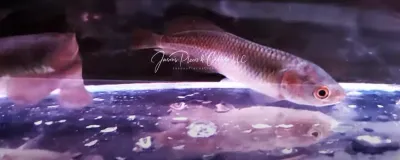
African Arowana - (Heterotis niloticus)
African Arowana - (Heterotis niloticus)
Price of shipping is not included.
5.0
(3)
$45.00
Out of stock
Wild Caught
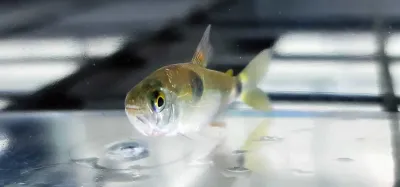
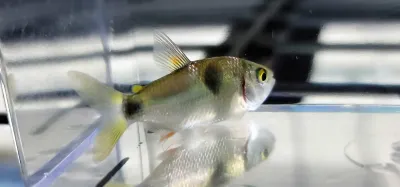
Bucktooth Tetra - (Exodon Paradoxus)
Bucktooth Tetra - (Exodon Paradoxus)
Price of shipping is not included.
$8.00
Out of stock
Wild Caught
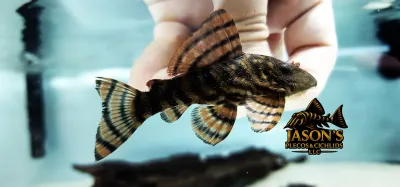
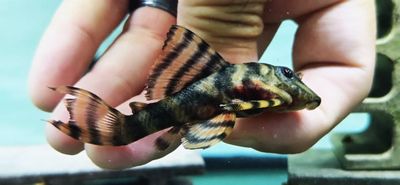
L397 Tangerine Tiger Pleco - (Panaqolus sp.)
L397 Tangerine Tiger Pleco - (Panaqolus sp.)
Price of shipping is not included.
was $95.00
Save 21%
$75.00
Out of stock
Captive Bred
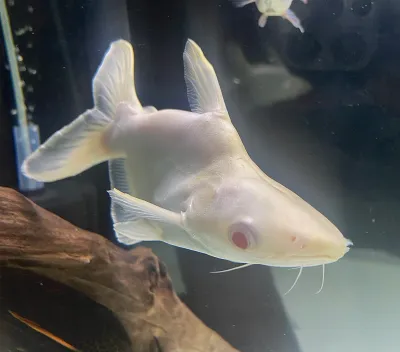
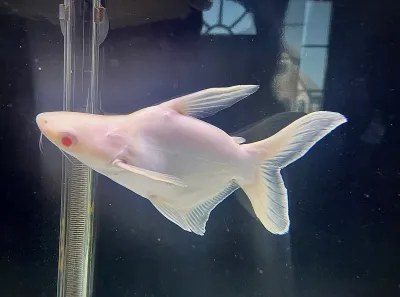
Albino Shortbody Iridescent Shark Catfish - (Pangasianodon hypophthalmus)
Albino Shortbody Iridescent Shark Catfish - (Pangasianodon hypophthalmus)
Price of shipping is not included.
$300.00
Out of stock
Captive Bred
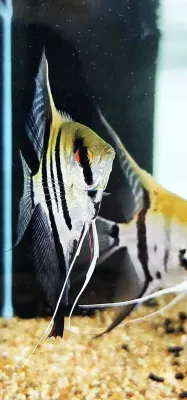
Angelfish - (Pterophyllum scalare) Proven Breeding Pair
Angelfish - (Pterophyllum scalare) Proven Breeding Pair
Price of shipping is not included.
was $60.00
Save 33%
$40.00
Out of stock
Wild Caught
Fire Eel - (Mastacembelus erythrotaenia)
Fire Eel - (Mastacembelus erythrotaenia)
Price of shipping is not included.
5.0
(3)
$205.00
Out of stock
Wild Caught
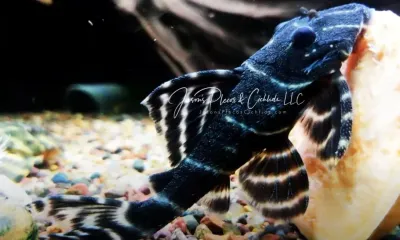
L204 Flash Pleco - (Panaqolus albivermis)
L204 Flash Pleco - (Panaqolus albivermis)
Price of shipping is not included.
was $50.00
Save 10%
$45.00
Out of stock
Wild Caught
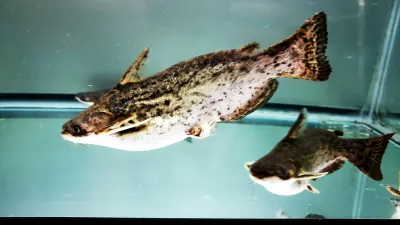
Fisher's Woodcat - (Trachelyopterus fisheri)
Fisher's Woodcat - (Trachelyopterus fisheri)
Price of shipping is not included.
$40.00
Out of stock
Captive Bred
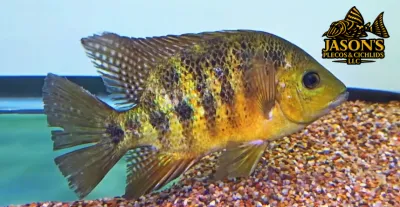
Bocourti Cichlid - (Cincelichthys bocourti)
Bocourti Cichlid - (Cincelichthys bocourti)
Price of shipping is not included.
5.0
(1)
was $95.00
Save 5%
$90.00
Out of stock
Wild Caught
Pea Puffer - (Carinotetraodon travancoricus)
Pea Puffer - (Carinotetraodon travancoricus)
Price of shipping is not included.
$8.00
Out of stock
Captive Bred
Super Red Bristlenose Pleco - (Ancistrus cf. cirrhosus)
Super Red Bristlenose Pleco - (Ancistrus cf. cirrhosus)
Price of shipping is not included.
$17.00
Out of stock
Powered by Lightspeed
Display prices in:USD