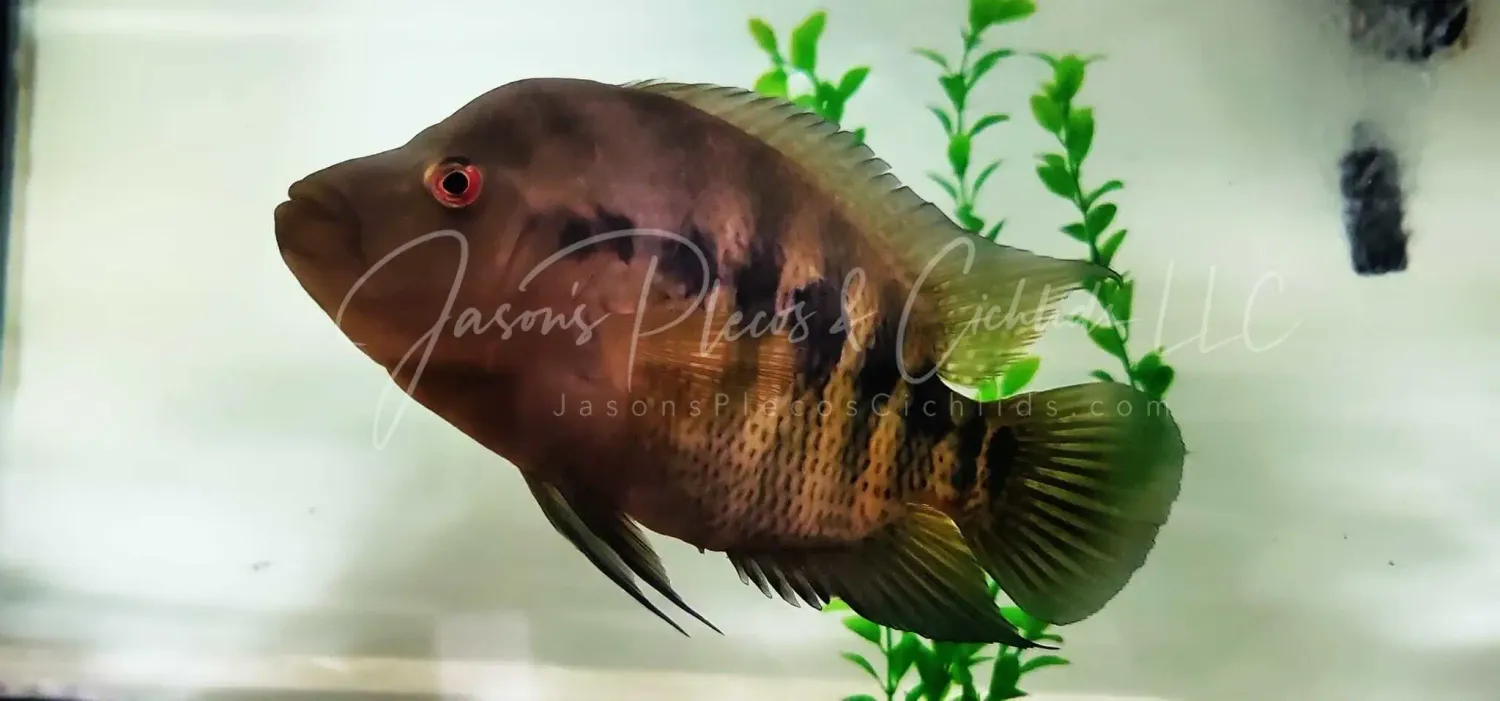
Midas Cichlid Hybrid
$50.00
Sold out
was $70.00 Save 29%
Size
Price of shipping is not included.
Sold out
Save this fish to my favorites.
Customer reviews
Reviews only from verified customers
No reviews yet. You can buy this product and be the first to leave a review.
Midas Cichlid Hybrid
Fish Details, Description and Information Below:
🔥 Midas Cichlid Hybrid – Large, Powerful & Highly Interactive Hybrid Cichlid
The Midas Cichlid Hybrid is a large, powerful Central American-type hybrid cichlid known for its bold personality, heavy body, intense coloration, intelligence, and highly territorial behavior.
Depending on its individual genetics, a Midas-type hybrid may develop coloration ranging from:
- Orange
- Red-orange
- Yellow
- Cream
- White
- Peach
- Mottled orange and white
- Dark juvenile coloration that changes dramatically with maturity
Because the exact parental lineage of this fish has not been documented, it should not be assigned a made-up scientific species name or represented as a specific Midas × Red Devil cross without verified breeding information.
The most accurate identification for this product is simply:
MIDAS CICHLID HYBRID
This is an extremely interactive fish that can become a true centerpiece or “wet pet,” but its adult size, strength, territorial behavior, and potential aggression require a large aquarium and an experienced keeper.
🔎 Quick Facts – Midas Cichlid Hybrid
- 📛 Common Name: Midas Cichlid Hybrid
- 🔬 Scientific Name: None – Hybrid
- 🧬 Identification: Midas-Type Hybrid Cichlid
- ⚠️ Exact Parentage: Not Documented
- 🐟 Family: Cichlidae
- 🌎 Origin: Captive Hybrid – No Natural Native Range
- 📏 Current Listing Size: Approximately 7–8 inches
- 📏 Adult Planning Size: Approximately 10–14+ inches
- ⚠️ Larger Individuals: Possible depending on ancestry
- 🏠 Recommended Aquarium: 125 gallons or larger
- 🏠 With Large Tankmates: 180+ gallons strongly preferred
- 🌡️ Temperature: Approximately 76–82°F
- 💧 pH: Approximately 6.8–8.0
- 💦 Hardness: Moderate
- 💨 Oxygenation: Good
- 🌊 Water Movement: Low to Moderate
- 🍽️ Diet: Omnivore
- 🥩 Animal / Insect Protein: Important
- 🌿 Plant Material: Important for dietary variety
- 😠 Temperament: Aggressive / Highly Territorial
- 🐠 Community Fish: Generally Not Recommended
- 🏆 Best Housing: Often best kept as a single showcase fish
- 🧠 Personality: Highly interactive and intelligent
- 🪨 Aquascaping: Heavy, secure décor
- 🌱 Planted Aquarium: Generally unsuitable
- 🥚 Breeding: Potentially fertile; depends on ancestry
- 👨👩👧 Parental Care: Likely biparental if spawning occurs
- ⭐ Care Level: Intermediate to Advanced
- 🌎 Conservation Status: Not Applicable – Captive Hybrid
🧬 This Is a Hybrid
The most important identification point for this fish is:
THIS IS NOT BEING SOLD AS A PURE AMPHILOPHUS CITRINELLUS.
Pure Midas Cichlids have the valid scientific name:
Amphilophus citrinellus
This listing, however, is specifically for a:
MIDAS CICHLID HYBRID
Because its exact parental lineage has not been documented, it would be inaccurate to assign the fish the pure-species scientific name:
Amphilophus citrinellus
⚠️ Do Not Invent the Parentage
Large Central American cichlids have been crossed extensively in captivity.
Midas-type hybrids may potentially involve ancestry from fish such as:
- Midas Cichlid
- Red Devil Cichlid
- Other Amphilophus
- Other large Central American cichlids
However:
POSSIBLE ANCESTRY IS NOT THE SAME AS DOCUMENTED ANCESTRY
Unless breeder or supplier records identify the parents:
DO NOT GUESS THE CROSS
🆚 Midas Hybrid vs. Pure Midas Cichlid
A pure:
Midas Cichlid
is:
Amphilophus citrinellus
and represents a naturally occurring Central American species.
A:
MIDAS CICHLID HYBRID
has mixed captive ancestry and should remain labeled as a hybrid.
This distinction is important for:
- Accurate product identification
- Breeding records
- Pure-species conservation
- Customer expectations
- Preventing hybrids from entering pure bloodlines
⚠️ Do Not Automatically Call It a “Midevil”
The aquarium name:
MIDEVIL
is commonly used for Midas / Red Devil-type hybrid fish.
However, that name should only be applied when the relevant hybrid lineage is actually known or when the supplier specifically sold the fish under that established hybrid designation.
For this fish:
MIDAS CICHLID HYBRID
is the safer and more accurate name.
🎨 Appearance
Midas-type hybrids are extremely variable.
Possible body colors include:
- Bright orange
- Deep orange
- Red-orange
- Golden yellow
- Pale yellow
- Cream
- White
- Peach
- Pinkish-orange
- Mixed or mottled coloration
Some individuals may retain:
- Dark patches
- Black markings
- Gray areas
- Irregular pigmentation
🔄 Color Can Change With Age
One of the most fascinating characteristics of Midas-type cichlids is their potential for major color changes as they mature.
A young fish may begin:
- Gray
- Brown
- Black
- Mottled
- Darkly patterned
and later develop:
- Yellow
- Orange
- Red
- Cream
- White
coloration.
⚠️ Exact Adult Color Cannot Be Guaranteed
Because this fish is a hybrid:
COLOR GENETICS ARE NOT COMPLETELY PREDICTABLE
Do not guarantee:
- Exact adult color
- Amount of orange
- Amount of red
- Whether dark markings disappear
- Whether white areas develop
- Exact pattern
Each fish should be treated as an individual.
🧠 Highly Intelligent & Interactive
Large Amphilophus-type cichlids are famous for becoming extremely aware of:
- Their keeper
- Feeding routines
- Activity outside the aquarium
- Changes to their environment
Many learn to approach the aquarium when their owner enters the room.
🐶 The “Wet Pet” Cichlid
Large Midas-type hybrids are often described as:
WET PETS
because they can become unusually interactive.
A well-established fish may:
- Follow its keeper along the glass
- Beg for food
- Investigate cleaning tools
- Rearrange the aquarium
- Defend favorite areas
- Recognize routine activity
⚠️ Interactive Does Not Mean Tame
Even a fish that appears friendly toward its keeper is still:
A LARGE TERRITORIAL CICHLID
It may bite:
- Fingers
- Hands
- Cleaning tools
- Nets
- Siphon hoses
especially during:
- Feeding
- Breeding
- Territorial defense
Use care when working inside the aquarium.
🧠 Individual Personality Varies
Hybrid cichlids can vary dramatically in temperament.
One fish may be:
- Curious
- Interactive
- Moderately territorial
while another may be:
- Extremely aggressive
- Highly defensive
- Difficult to house with any other fish
📏 Adult Size
Because the exact parentage is unknown:
AN EXACT GENETIC MAXIMUM CANNOT BE GIVEN
Pure Midas Cichlids can become substantial fish, and other large Central American cichlid ancestry could increase adult size.
For responsible aquarium planning:
EXPECT APPROXIMATELY 10–14+ INCHES
⚠️ Larger Fish Are Possible
Depending on ancestry, sex, genetics, and long-term conditions:
SOME INDIVIDUALS MAY BECOME LARGER
It is better to provide more aquarium space than to plan around the smallest possible adult.
🏠 Aquarium Size
For one adult Midas Cichlid Hybrid:
125 GALLONS OR LARGER
is a responsible permanent recommendation.
This gives a large adult room to:
- Turn comfortably
- Swim
- Establish territory
- Interact with décor
- Maintain good water quality
🏠 With Tankmates
If attempting to maintain this fish with other large cichlids:
180+ GALLONS IS STRONGLY PREFERRED
and even a very large aquarium does:
NOT GUARANTEE COMPATIBILITY
🏆 Solo Housing Is Often Best
For many adult Midas-type hybrids:
ONE LARGE FISH IN ONE LARGE AQUARIUM
is the safest and simplest arrangement.
Solo housing:
- Prevents fighting
- Reduces injuries
- Removes competition
- Allows the fish's personality to develop
- Makes feeding easier
⚠️ Aquarium Dividers
Heavy-duty dividers can sometimes be useful when introducing:
- Potential mates
- Large tankmates
However, large aggressive cichlids can:
- Push weak dividers
- Jump over low dividers
- Bite through lightweight materials
Any divider should be:
EXTREMELY SECURE
🪨 Aquarium Setup
A suitable aquarium can include:
- Large smooth rocks
- Large driftwood
- Heavy ceramic structures
- Large flowerpots
- Open swimming area
- Sand or smooth gravel
⚠️ Secure Everything
A large Midas-type hybrid can:
- Dig
- Push rocks
- Move wood
- Rearrange substrate
- Uproot plants
- Move lightweight equipment
All heavy décor should be positioned so it:
CANNOT COLLAPSE ON THE FISH
🏗️ Expect the Fish to Remodel
Do not expect your aquascape to remain exactly where you put it.
These fish frequently:
- Excavate pits
- Move gravel
- Push rocks
- Move artificial plants
- Clear territories
This is normal cichlid behavior.
🌿 Planted Aquarium
A Midas Cichlid Hybrid is generally:
NOT A GOOD CHOICE FOR A DELICATE PLANTED AQUARIUM
Large individuals may:
- Uproot plants
- Bite leaves
- Dig around roots
- Move substrate
Hardy plants secured to large rocks or wood may occasionally survive, but the fish should be allowed to determine the final layout.
🏖️ Substrate
Suitable substrates include:
- Sand
- Fine rounded gravel
- Smooth gravel
Avoid excessively sharp substrate.
Digging is normal.
💧 Water Parameters
A practical long-term range is:
- 🌡️ Temperature: Approximately 76–82°F
- 💧 pH: Approximately 6.8–8.0
- 💦 Hardness: Moderate
- 💨 Oxygenation: Good
- 🌊 Water Movement: Low to Moderate
- ☠️ Ammonia: 0 ppm
- ☠️ Nitrite: 0 ppm
- 🔄 Nitrate: Keep as low as reasonably practical
Because this is a hybrid:
STABILITY IS MORE IMPORTANT THAN CHASING ONE EXACT NUMBER
🌡️ Temperature
A good general maintenance range is:
76–82°F
Warmer temperatures can:
- Increase metabolism
- Increase appetite
- Increase aggression
- Reduce dissolved oxygen
so there is usually no reason to maintain the fish excessively warm.
💩 Large Fish = Large Bioload
A mature Midas Cichlid Hybrid:
- Eats heavily
- Produces substantial waste
- Disturbs substrate
- Creates organic debris
Strong filtration is essential.
💩 Filtration
Recommended filtration may include:
- Large canister filters
- Sump filtration
- High-capacity hang-on-back filtration
- Strong biological filtration
- Strong mechanical filtration
For a large adult:
OVERFILTERING IS PREFERABLE TO UNDERFILTERING
🔄 Water Changes
Regular partial water changes are extremely important.
Frequency depends on:
- Aquarium size
- Fish size
- Feeding
- Filtration
- Stocking
- Nitrate production
Do not allow:
- Excess nitrate
- Food waste
- Fecal waste
to accumulate.
🍽️ Diet – Omnivore
Midas-type cichlids are best maintained on a:
VARIED OMNIVOROUS DIET
A high-quality prepared cichlid pellet should make up the foundation.
🥣 Staple Foods
Good staple foods include:
- Quality large-cichlid pellets
- Insect-based cichlid pellets
- Quality omnivore pellets
- Spirulina-containing cichlid foods
🦐 Animal & Insect Foods
Suitable supplemental foods include:
- Krill
- Mysis shrimp
- Shrimp
- Insect larvae
- Earthworms
- Appropriate frozen foods
Feed rich foods in moderation.
🌿 Plant Component
Plant material helps provide a balanced diet.
Suitable options include:
- Spirulina foods
- Vegetable-containing pellets
- Peas
- Zucchini
- Appropriate greens
⚠️ Avoid an All-Meat Diet
These fish should not be maintained exclusively on:
- Shrimp
- Fish
- Beef heart
- High-fat meat
- Feeder fish
A balanced commercial cichlid diet is safer long term.
🚫 Avoid Mammalian & Poultry Meat
Foods such as:
- Beef
- Chicken
- Pork
should not be regular aquarium foods.
Their fat composition does not reflect the natural diet of tropical cichlids.
🚫 Feeder Fish Are Unnecessary
There is no need to feed:
- Goldfish
- Minnows
- Other live feeder fish
Feeder fish can introduce:
- Parasites
- Bacteria
- Disease
- Nutritional problems
😠 Temperament – Aggressive
The Midas Cichlid Hybrid should be considered:
AGGRESSIVE AND HIGHLY TERRITORIAL
unless the individual fish proves otherwise.
Never assume it will become community-safe.
⚔️ Adult Aggression Can Be Severe
A mature fish may:
- Chase tankmates
- Bite tankmates
- Ram other fish
- Guard large territories
- Attack through dividers
- Injure potential mates
🐠 Tankmates
Potential tankmates, when attempted, need to be:
- Large
- Robust
- Fast enough to avoid attack
- Compatible with similar water conditions
Even then:
THERE IS NO GUARANTEE OF SUCCESS
🚫 Small Tankmates
Do not keep an adult with fish small enough to:
- Swallow
- Injure
- Intimidate severely
Tiny community fish are inappropriate.
⚠️ Similar Large Cichlids
Possible large-cichlid tankmates are not automatically safe.
Two aggressive fish may:
FIGHT UNTIL ONE IS SERIOUSLY INJURED
Tank size alone does not eliminate territorial behavior.
🛡️ Watch for Compatibility Problems
Separate fish immediately if you observe:
- Persistent chasing
- Cornering
- Torn fins
- Damaged scales
- Mouth injuries
- Refusal to feed
- Hiding continuously
- Rapid breathing due to stress
♂️ Male vs. Female
Sexing a hybrid can be difficult because:
PARENTAL GENETICS ARE UNKNOWN
General Midas-type characteristics may include:
Mature Males
- Larger adult size
- Longer fins
- Heavier body
- More pronounced nuchal hump
- More pointed genital papilla
Mature Females
- Often somewhat smaller
- Fuller abdomen when carrying eggs
- Blunter ovipositor when spawning
⚠️ Nuchal Hump Does Not Guarantee Male
Although mature males frequently develop larger:
NUCHAL HUMPS / KOKS
some females may also develop forehead enlargement.
Therefore:
DO NOT SEX THE FISH BY THE HUMP ALONE
🔍 Venting Is More Reliable
For mature breeding-condition fish, examination of the genital papilla is generally more useful than:
- Color
- Body size
- Hump size
Even then, hybrids should only be sold as sexed when the identification is reasonably confident.
🥚 Breeding
Midas-type hybrid cichlids may be:
FERTILE
but fertility cannot be guaranteed without knowing the exact parental lineage.
Some hybrid combinations reproduce readily.
Others may show:
- Reduced fertility
- One-sex fertility
- Complete infertility
⚠️ Do Not Guarantee Fertility
For this listing:
FERTILITY SHOULD BE CONSIDERED UNKNOWN UNTIL PROVEN
🥚 If Spawning Occurs
Midas-type cichlids generally use:
SUBSTRATE SPAWNING
Eggs may be deposited on:
- Flat rocks
- Ceramic tiles
- Flowerpots
- Large smooth surfaces
- Cleaned aquarium glass
💕 Pair Formation
A compatible pair may:
- Select a territory.
- Clean a spawning surface.
- Dig pits.
- Intensify coloration.
- Display toward one another.
- Spawn on a prepared surface.
👨👩👧 Biparental Care
If the hybrid inherits typical Amphilophus-type breeding behavior, both parents may:
- Guard eggs
- Fan eggs
- Defend larvae
- Move fry between pits
- Protect free-swimming young
⚠️ Breeding Aggression Can Be Extreme
A previously compatible pair can become:
VERY AGGRESSIVE DURING SPAWNING
One fish may unexpectedly attack the other.
Breeders should have:
- Large aquarium
- Secure divider
- Backup aquarium
- Ability to separate immediately
🥚 Large Spawns Are Possible
Large Central American cichlids can produce:
HUNDREDS OF EGGS
depending on:
- Female size
- Age
- Genetics
- Fertility
- Condition
No exact clutch size should be guaranteed for an undocumented hybrid.
🧬 Hybrid Offspring Must Be Labeled as Hybrids
If this fish reproduces:
ALL OFFSPRING MUST REMAIN IDENTIFIED AS HYBRIDS
Do not sell offspring as:
- Pure Midas Cichlids
- Pure Red Devils
- Pure Amphilophus citrinellus
- Any other pure species
unless parentage genuinely supports that identification.
🚨 Protect Pure Species Lines
Hybrid Central American cichlids are common in the aquarium trade.
Incorrect labeling makes it increasingly difficult for hobbyists and breeders to know whether they are maintaining:
- Pure species
- Locality lines
- Hybrids
Accurate labeling protects:
PURE BLOODLINES AND CUSTOMER TRUST
🌎 Does This Hybrid Have a Native Range?
No.
A captive-created hybrid does:
NOT HAVE A NATURAL NATIVE RANGE
The parental species may originate from Central America, but that does not make the hybrid itself a naturally occurring Central American species.
Therefore, the correct origin wording is:
CAPTIVE HYBRID / NO NATURAL NATIVE RANGE
🌎 Pure Midas Background
The true Midas Cichlid:
Amphilophus citrinellus
is naturally found in Central America, particularly within parts of:
- Nicaragua
- Costa Rica
including major lake and San Juan drainage environments.
That information describes:
THE PURE SPECIES
not the undocumented hybrid itself.
🚫 Never Release Hybrid Cichlids
Never release a Midas Cichlid Hybrid into:
- Rivers
- Lakes
- Ponds
- Streams
- Canals
- Storm drains
- Natural waterways
Large Central American-type cichlids can potentially:
- Survive in warm environments
- Prey on native organisms
- Compete with native fish
- Introduce disease
- Alter aquatic communities
⭐ Why Keep a Midas Cichlid Hybrid?
For the right aquarist, this fish offers:
- 🔥 Brilliant potential coloration
- 🧠 Exceptional personality
- 🐶 Interactive “wet pet” behavior
- 💪 Powerful adult build
- 📏 Impressive large size
- 🏆 Excellent single-fish display potential
- 🪨 Interesting digging and territory-building behavior
- 🍽️ Strong feeding response
- 🥚 Potential breeding behavior
- 🎨 Highly individual appearance
Few freshwater fish can match the personality of a large Midas-type cichlid.
⚠️ Important Considerations
Before purchasing a Midas Cichlid Hybrid:
- This fish is a hybrid.
- Exact parental lineage is not documented.
- Do not assign a pure scientific species name.
- Do not automatically call it a Midas × Red Devil hybrid.
- Do not automatically call it a Midevil.
- The correct product identification is Midas Cichlid Hybrid.
- A hybrid has no natural native range.
- Pure Midas Cichlids are Amphilophus citrinellus.
- The current listing specimen is approximately 7–8 inches.
- Exact adult size cannot be predicted because ancestry is unknown.
- Plan conservatively for approximately 10–14+ inches.
- Larger individuals are possible.
- Provide approximately 125 gallons or larger for one adult.
- Use 180+ gallons if attempting large tankmates.
- Solo housing is often safest.
- Expect aggressive and territorial behavior.
- Do not assume a juvenile's temperament will remain unchanged.
- Provide heavy, secure décor.
- Expect digging and aquarium rearrangement.
- Delicate planted aquariums are generally unsuitable.
- Maintain approximately 76–82°F.
- Maintain stable water chemistry.
- Keep ammonia and nitrite at zero.
- Use strong mechanical and biological filtration.
- Perform regular partial water changes.
- Feed a varied omnivorous diet.
- Use quality cichlid pellets as the foundation.
- Include appropriate animal, insect, and plant foods.
- Avoid feeder fish.
- Do not feed mammalian or poultry meat as a regular diet.
- Exact adult coloration cannot be guaranteed.
- Do not sex solely by coloration or nuchal hump size.
- Hybrid fertility is unknown until proven.
- If breeding occurs, expect substrate-spawning behavior.
- Breeding aggression can become extreme.
- All offspring must remain labeled as hybrids.
- Never sell hybrid offspring as pure Amphilophus citrinellus.
- Never release aquarium fish into natural waterways.
🧬 Identification
For this product, the safest identification is:
Midas Cichlid Hybrid
Scientific name:
NONE – HYBRID
Possible Midas-type ancestry may involve fish within or related to:
Amphilophus
but exact parental ancestry has not been documented.
Therefore:
DO NOT ASSIGN A SPECIES NAME WITHOUT VERIFIED PARENTAGE
🧬 Hybrid Lineage Disclaimer
This fish is sold as a:
HYBRID CICHLID
Its exact lineage is not documented.
Appearance alone cannot reliably establish hybrid parentage because many large Central American cichlid hybrids can develop similar:
- Orange coloration
- Red coloration
- Body shape
- Nuchal humps
- Facial structure
Any offspring produced from this fish must also be represented accurately as:
HYBRID
unless the full lineage can be documented.
🚚 Live Fish Shipping
Live fish are professionally packed for safe transport.
Shipping availability depends on:
- Fish size
- Destination
- Weather conditions
- Carrier availability
- Applicable state and local regulations
Larger Midas Cichlid Hybrids may require:
- Larger insulated shipping boxes
- Additional water
- Heavy-duty shipping bags
- Multiple protective bag layers
- Specialized packing
- Airline cargo shipping depending on size and destination
Please review our Shipping & Payment Information and Live Arrival Guarantee / DOA Policy before ordering.
⚠️ Buyer Responsibility
Customers are responsible for confirming that this hybrid cichlid may legally be purchased, possessed, transported, and received in their state or local jurisdiction before ordering.
Never release aquarium fish into natural waterways.
Below are fish you may also like.
Wild Caught
Serratus Pleco/Mustang Cactus Pleco - (Pseudacanthicus serratus)
Serratus Pleco/Mustang Cactus Pleco - (Pseudacanthicus serratus)
Price of shipping is not included.
$190.00
Out of stock
Captive Bred
Yellowhump Eartheater Cichlid - (Geophagus pellegrini)
Yellowhump Eartheater Cichlid - (Geophagus pellegrini)
Price of shipping is not included.
$75.00
Out of stock
Wild Caught
L082 Opal Spot Pleco - (Scobinancistrus raoni)
L082 Opal Spot Pleco - (Scobinancistrus raoni)
Price of shipping is not included.
was $650.00
Save 8%
$600.00
Out of stock
Wild Caught
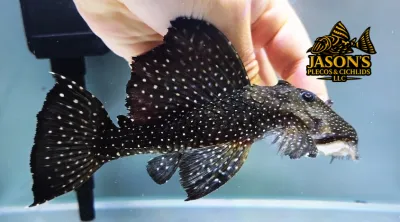
L240 Black Saum Vampire Pleco - (Leporacanthicus cf. galaxias)
L240 Black Saum Vampire Pleco - (Leporacanthicus cf. galaxias)
Price of shipping is not included.
was $120.00
Save 17%
$100.00
Out of stock
Captive Bred
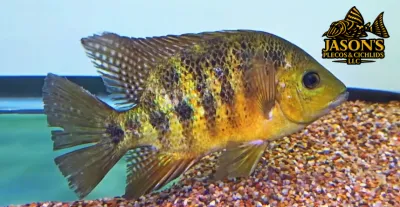
Bocourti Cichlid - (Cincelichthys bocourti)
Bocourti Cichlid - (Cincelichthys bocourti)
Price of shipping is not included.
5.0
(1)
was $95.00
Save 5%
$90.00
Out of stock
Wild Caught
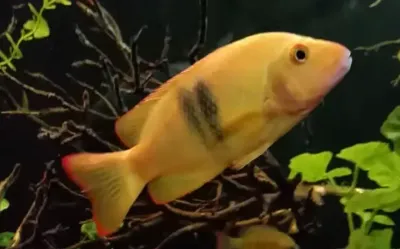
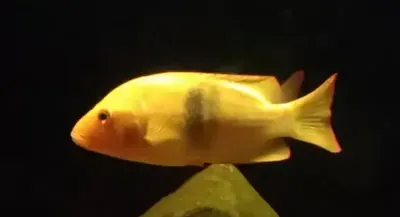
Lamena Nourissati - (Paretroplus Nourissati)
Lamena Nourissati - (Paretroplus Nourissati)
Price of shipping is not included.
$100.00
Out of stock
Wild Caught
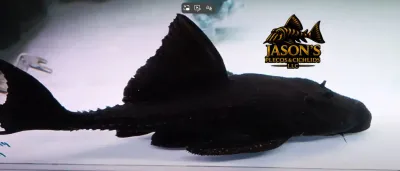
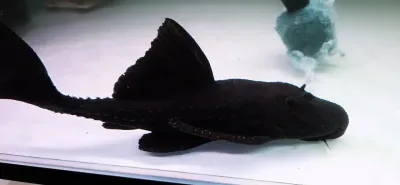
L155 Lyre Tail Pleco - (Acanthicus hystrix)
L155 Lyre Tail Pleco - (Acanthicus hystrix)
Price of shipping is not included.
was $350.00
Save 14%
$300.00
Out of stock
Wild Caught
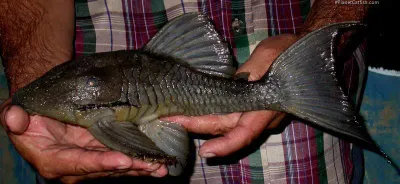
Venezuelan Blue Eye Panaque - (Panaque suttonorum)
Venezuelan Blue Eye Panaque - (Panaque suttonorum)
Price of shipping is not included.
$1 000.00
Out of stock
Captive Bred
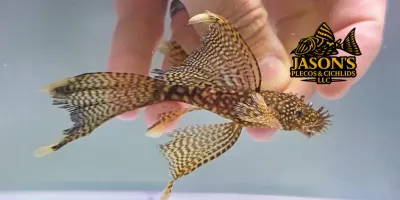
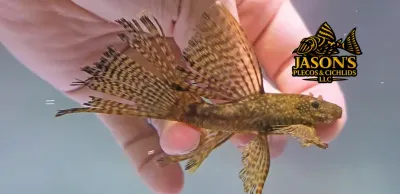
Longfin Common Bristlenose Catfish - (Ancistrus cf. cirrhosus) Breeding Pair
Longfin Common Bristlenose Catfish - (Ancistrus cf. cirrhosus) Breeding Pair
Price of shipping is not included.
was $100.00
Save 10%
$90.00
Out of stock
Wild Caught
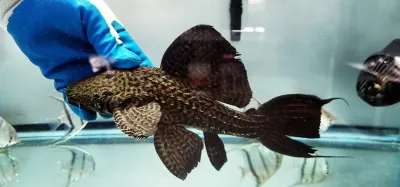
L380 Army Cactus Pleco - (Pseudacanthicus sp.)
L380 Army Cactus Pleco - (Pseudacanthicus sp.)
Price of shipping is not included.
$300.00
Out of stock
Powered by Lightspeed
Display prices in:USD