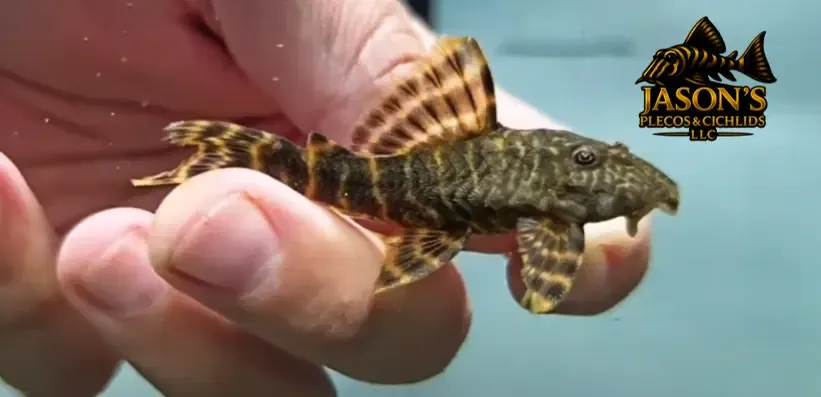
L104 Clown Pleco - (Panaqolus maccus)
5.0
1 review
Reviews from verified customers who have purchased products at this store.
$40.00
Wild Caught
was $45.00 Save 11%
Size
Questions, Comments, Concerns? Let us know!
Enter your text
Price of shipping is not included.
In stock: 1 available
1
Save this fish to my favorites.
Customer reviews
Reviews only from verified customers
Reviews are only accepted from verified customers who have signed in and purchased the products. This ensures that each review is based on genuine customer experiences. All reviews are checked before publication to prevent spam.
Christopher H.
Fayetteville,
United States
Mar 31, 2026
This guy will work is butt off cleaning and in that regard I have already order three. Great guy. Thanks Jason
L104 Clown Pleco - (Panaqolus maccus)
Fish Details, Description and Information Below:
🤡 L104 Clown Pleco – (Panaqolus maccus) – Wild-Caught Dwarf Wood-Grazing Pleco
The L104 Clown Pleco (Panaqolus maccus), also known as the Clown Panaque or Ringlet Pleco, is a small South American pleco known for its beautiful combination of dark brown to nearly black coloration crossed by contrasting cream, yellow, tan, or orange bands.
Unlike Common Plecos and Sailfin Plecos that eventually become very large, the Clown Pleco remains genuinely small, reaching only approximately:
3.5–4 Inches as an Adult
This manageable adult size makes L104 an excellent choice for aquarists who want the appearance and behavior of a true pleco without needing a massive aquarium.
One of the most fascinating characteristics of Panaqolus maccus is its relationship with:
SUBMERGED WOOD
Clown Plecos spend significant amounts of time rasping:
- Driftwood
- Decaying wood surfaces
- Biofilm
- Organic coatings
- Detritus associated with wood
Their spoon-shaped teeth are specially adapted for this grazing behavior.
However, modern scientific research into wood-grazing loricariids has shown that these fish do not efficiently digest wood cellulose and should not be expected to survive on wood alone.
The best aquarium approach is therefore:
DRIFTWOOD + BIOFILM + PLANT-BASED FOODS + A VARIED OMNIVOROUS DIET
rather than treating wood as a complete food source.
This listing is for:
WILD-CAUGHT L104 CLOWN PLECOS
Current specimens are approximately:
1.25–1.5 INCHES
🔎 Quick Facts – L104 Clown Pleco
- 📛 Common Name: Clown Pleco
- 📛 Other Names: Clown Panaque, Ringlet Pleco
- 🔢 L-Number: L104 / L104
- 🔢 Other Numbers Associated With P. maccus: L162 and LDA022
- 🔬 Scientific Name: Panaqolus maccus
- 📚 Older Scientific Name: Panaque maccus
- 🐟 Family: Loricariidae
- 🧬 Subfamily: Hypostominae
- 🌿 Stock: Wild Caught
- 📏 Current Size: Approximately 1.25–1.5 inches
- 🌎 Origin: South America
- 🇻🇪 Country: Venezuela
- 🌊 Native Drainage: Orinoco Basin
- 📍 Confirmed Range: Apuré and Caroní River basins
- 💧 Water Type: Freshwater
- 📏 Scientific Maximum: Approximately 8.8 cm / 3.5 inches standard length
- 📏 Adult Planning Size: Approximately 3.5–4 inches total length
- 🏠 Recommended Aquarium: 20 gallons or larger
- 👥 Groups: 30+ gallons preferred with numerous pieces of wood and shelters
- 🌡️ Temperature: Approximately 77–84°F
- 💧 pH: Approximately 6.0–7.5
- 💦 Water: Soft to moderately mineralized
- 💨 Oxygenation: Good to High
- 🌊 Water Movement: Moderate
- 🍽️ Diet: Wood-Grazing / Detritus-Leaning Omnivore
- 🪵 Driftwood: Strongly Recommended
- 🌿 Plant Foods: Important
- 🦐 Animal / Insect Protein: Supplemental
- 🚫 Algae Cleaner: Should not be purchased solely for algae control
- 😌 Temperament: Peaceful toward most fish
- ⚠️ Pleco Temperament: May become territorial around preferred wood and caves
- 🌙 Activity: Primarily nocturnal / crepuscular
- 🐠 Swimming Area: Bottom
- 🥚 Breeding: Cave Spawner
- 👨👩👧 Parental Care: Male guards eggs
- ⭐ Care Level: Beginner to Intermediate
- 🌎 Conservation Status: Least Concern
🧬 Correct Scientific Name
The currently accepted scientific name is:
Panaqolus maccus
The species was originally described in 1993 as:
Panaque maccus
Older:
- Books
- Websites
- Store listings
- Aquarium articles
may therefore still use:
Panaque maccus
The modern aquarium and scientific name generally used today is:
Panaqolus maccus
🐟 Why Panaqolus?
Panaqolus contains a group of smaller plecos closely related to the much larger:
Panaque
plecos.
They share several characteristics, including:
- Specialized spoon-shaped teeth
- Strong association with submerged wood
- Wood-rasping behavior
- Heavy biofilm and detritus grazing
but Panaqolus species generally remain considerably smaller.
The L104 Clown Pleco is one of the smallest and best-known members of this group.
🔢 L104, L162 & LDA022
Several aquarium identification numbers have historically been associated with Panaqolus maccus.
These include:
- L104
- L162
- LDA022
Different aquarium sources have used these numbers for Clown Plecos showing different:
- Band shapes
- Collection areas
- Body patterns
- Degrees of waviness
Today, these numbers are widely associated with:
Panaqolus maccus
⚠️ Pattern Alone Is Not Enough to Prove Locality
Some aquarium references attempt to distinguish L104 and L162 entirely by whether the fish has:
- Straighter bands
or:
- More wavy bands
There is considerable natural pattern variation.
Unless exact collection information is known:
Do Not Guess the Locality From Pattern Alone.
For this product, retaining:
L104
is the best aquarium-trade identification.
🎨 Appearance
The Clown Pleco has a dark base coloration that may range from:
- Chocolate brown
- Dark brown
- Coffee brown
- Charcoal
- Nearly black
crossed by lighter bands that may appear:
- Cream
- Tan
- Yellow
- Golden
- Orange
- Rust-colored
🤡 Why Is It Called the Clown Pleco?
The contrasting bands give the fish a dramatic and colorful appearance.
Depending on the individual, the markings may form:
- Straight bands
- Curved bands
- Broken bands
- Wavy lines
- Ring-like markings
- Irregular scribbles
The unusual pattern is responsible for common names such as:
Clown Pleco
and:
Ringlet Pleco
🔄 Pattern Changes With Age
Young Clown Plecos frequently have:
- Stronger contrast
- Brighter orange bands
- Cleaner banding
As they mature:
- Bands may become narrower
- Lines may break apart
- Markings may become more irregular
- Orange coloration may become more subdued
- The overall pattern may become more complex
This is normal development.
⚠️ Color & Pattern Disclaimer
Each L104 is different.
Exact:
- Band width
- Band placement
- Orange intensity
- Body darkness
- Adult pattern
cannot be guaranteed.
Color can also temporarily change because of:
- Shipping
- Stress
- Lighting
- Aquarium background
- Diet
- Water quality
- Acclimation
🌎 Native Distribution
Panaqolus maccus is native to:
VENEZUELA
within the greater:
RIO ORINOCO BASIN
FishBase specifically records the species from the:
- Rio Apuré Basin
- Rio Caroní Basin
📍 Type Locality
The original type specimen came from:
Río Las Marinas
in:
Portuguesa State, Venezuela
within the:
Río Portuguesa / Orinoco drainage
This is considerably more specific than simply describing the species as:
“South American.”
🌳 Natural Habitat
Clown Plecos are strongly associated with environments containing:
- Submerged wood
- Fallen branches
- Tree roots
- Woody debris
- Organic material
- Protected cavities
- Shaded riverbank areas
These structures serve several purposes.
Wood provides:
- Shelter
- Territory
- Grazing surfaces
- Biofilm
- Detritus
- Microorganisms
- Natural feeding opportunities
For this reason:
DRIFTWOOD SHOULD BE A MAJOR PART OF THE AQUARIUM ENVIRONMENT
🪵 Driftwood Is Extremely Important
An L104 aquarium should contain genuine aquarium-safe driftwood.
Good choices may include:
- Bogwood
- Malaysian driftwood
- Mopani
- Spider wood
- Manzanita
- Other aquarium-safe natural hardwoods
Provide several:
- Surfaces
- Crevices
- Undersides
- Cavities
that the pleco can graze and hide around.
⚠️ Important Wood-Digestion Correction
You will frequently read that:
“Clown Plecos need wood to digest their food.”
I would not use that statement.
Scientific research examining wood-grazing loricariids found that these fish:
- Consume large amounts of wood
- Pass wood rapidly through the digestive tract
- Digest wood cellulose poorly
- Do not possess the specialized fermentation system expected in a true wood-digesting animal
They appear better described biologically as:
WOOD-GRAZING DETRITIVORES
that obtain nutrition from digestible organic material associated with submerged wood.
🪵 So Does L104 Still Need Driftwood?
YES — DRIFTWOOD IS STRONGLY RECOMMENDED.
The important difference is why.
Provide wood because it offers:
- Natural grazing behavior
- Biofilm
- Detritus
- Microorganisms
- Shelter
- Territory
- Enrichment
not because the fish must digest cellulose to survive.
🚫 Wood Is Not a Complete Diet
A Clown Pleco should never be expected to survive entirely by eating driftwood.
Wood alone is:
NOT A COMPLETE AQUARIUM DIET
The fish still needs intentional feeding.
🍽️ Diet – Wood-Grazing Omnivore
The L104 is best described as a:
WOOD-GRAZING / DETRITUS-LEANING OMNIVORE
Its aquarium diet should contain:
- Plant-based foods
- Algae-containing foods
- Biofilm
- Vegetable matter
- Detritus-associated nutrition
- Small amounts of appropriate animal/insect protein
🌿 Recommended Staple Foods
Good staple foods include:
- High-quality pleco wafers
- Spirulina wafers
- Vegetable-based sinking pellets
- Wood-grazer formulas
- Quality gel foods
- Algae-containing foods
Look for foods containing ingredients such as:
- Spirulina
- Algae
- Vegetable matter
- Plant fiber
🥒 Fresh Vegetable Foods
Clown Plecos may also accept:
- Zucchini
- Squash
- Green beans
- Sweet potato
- Cucumber
- Appropriate leafy greens
Remove uneaten vegetables before they begin decomposing and degrading water quality.
🦐 Supplemental Protein
Small amounts of appropriate protein can be offered.
Suitable examples include:
- Brine shrimp
- Mysis shrimp
- Bloodworms
- Insect-based pellets
- Small omnivore sinking foods
However:
DO NOT TURN L104 INTO A HIGH-PROTEIN CARNIVORE.
Rich animal foods should supplement rather than dominate the diet.
⚠️ Avoid Heavy Carnivore Diets
Foods designed primarily for large carnivorous fish should not be the staple diet for this species.
Avoid making foods such as:
- Large carnivore pellets
- Shrimp
- Mussels
- High-protein meat foods
the majority of its diet.
The Clown Pleco's natural feeding strategy is much more closely associated with:
WOOD + DETRITUS + BIOFILM + PLANT MATERIAL
🚫 Not an Algae-Cleaning Pleco
Your older page describes L104 as an:
“Active algae grazer and scavenger.”
That can give customers the wrong impression.
Clown Plecos may graze:
- Soft algae
- Biofilm
- Organic coatings
but they are not especially effective glass-cleaning plecos.
Do not purchase an L104 simply to:
CLEAN THE AQUARIUM
🧹 Clown Plecos Can Actually Create More Cleanup
Because L104 constantly rasps wood, it produces significant amounts of:
FINE SAWDUST-LIKE WASTE
for such a small fish.
This material can collect:
- Beneath driftwood
- Around rocks
- In low-flow areas
- Inside caves
Strong mechanical filtration and routine maintenance are important.
💩 Heavy Waste for a Small Pleco
Do not underestimate the bioload simply because L104 remains under 4 inches.
Wood-grazing plecos continually process:
- Biofilm
- Detritus
- Prepared food
- Wood particles
and can produce surprisingly large amounts of waste.
Regular:
- Gravel vacuuming
- Filter maintenance
- Water changes
help prevent organic buildup.
📏 Adult Size
FishBase records Panaqolus maccus reaching:
8.8 CM STANDARD LENGTH
which equals approximately:
3.5 INCHES BEFORE THE FULL TAIL FIN
Therefore, for customer planning:
EXPECT APPROXIMATELY 3.5–4 INCHES TOTAL ADULT LENGTH
✅ A True Small Pleco
Unlike the:
- Common Pleco
- Sailfin Pleco
- Royal Pleco
- Large Cactus Plecos
the L104 genuinely remains small.
This makes it appropriate for aquariums where a:
20-INCH PLECO WOULD BE IMPOSSIBLE
to house permanently.
🏠 Aquarium Size
For one adult L104:
20 GALLONS OR LARGER
is appropriate.
For a group:
30 GALLONS OR LARGER
is preferred.
The most important considerations are:
- Bottom area
- Driftwood
- Shelter
- Water quality
- Feeding territory
rather than aquarium height.
📐 Bottom Footprint Matters
Clown Plecos spend most of their lives around:
- Wood
- Substrate
- Caves
so a longer aquarium provides more useful habitat than a tall narrow aquarium.
A larger footprint provides:
- More wood
- More feeding areas
- More caves
- More territories
- Fewer disputes
🪨 Aquarium Setup
A good L104 aquarium should include:
- Plenty of driftwood
- Wood cavities
- Ceramic caves
- Slate shelters
- Smooth rocks
- Sand or smooth gravel
- Shaded areas
- Natural biofilm
- Strong filtration
- Good oxygenation
A heavily structured aquarium makes the fish feel more secure.
🏠 Caves & Shelters
Provide:
AT LEAST ONE SECURE SHELTER PER PLECO
with additional hiding locations when possible.
Suitable shelters include:
- Ceramic pleco caves
- Driftwood cavities
- Slate caves
- Coconut-shell shelters
- Natural wood crevices
🌙 Shaded Areas
Clown Plecos are primarily active during:
- Dusk
- Evening
- Night
They appreciate:
- Dim areas
- Overhanging wood
- Caves
- Floating-plant shade
Brightly illuminated aquariums without shelter can cause them to remain hidden continuously.
💧 Water Parameters
A practical long-term range is:
- 🌡️ Temperature: Approximately 77–84°F
- 💧 pH: Approximately 6.0–7.5
- 💦 Hardness: Soft to moderately hard
- 💨 Oxygenation: Good to High
- 🌊 Flow: Moderate
- ☠️ Ammonia: 0 ppm
- ☠️ Nitrite: 0 ppm
- 🔄 Nitrate: Keep reasonably low
Captive-established fish can tolerate some variation when acclimated gradually.
🌡️ Temperature
A good general target is approximately:
77–82°F
with slightly warmer conditions tolerated.
There is generally no reason to maintain L104 continuously at extremely high temperatures.
Choose tankmates with overlapping temperature requirements.
💨 Oxygenation
Provide good dissolved oxygen using:
- Filter return movement
- Air stones
- Sponge filters
- Powerheads
- Surface agitation
Good oxygenation also helps support the natural:
BIOFILM COMMUNITY
associated with wood and other aquarium surfaces.
🌊 Water Movement
Moderate flow works well.
Create:
🌊 Moving-Water Areas
for:
- Oxygenation
- Waste removal
- Circulation
and:
🪵 Sheltered Wood Areas
for:
- Resting
- Grazing
- Hiding
There is no need to create extreme current throughout the aquarium.
💩 Filtration
Good mechanical filtration is particularly useful because of the wood particles produced by these fish.
Suitable filtration may include:
- Canister filters
- Hang-on-back filters
- Sponge filtration
- Sump filtration
Use enough biological filtration to maintain:
0 AMMONIA + 0 NITRITE
🌙 Nocturnal Behavior
L104 is primarily:
NOCTURNAL / CREPUSCULAR
During the day, it may remain:
- Under driftwood
- Inside caves
- Beneath roots
- In shaded areas
Activity normally increases:
- At dusk
- After lights out
- During feeding
🧪 Wild-Caught Acclimation
This listing is for:
WILD-CAUGHT L104 CLOWN PLECOS
Current specimens are very small at approximately:
1.25–1.5 INCHES
Careful acclimation is important.
After arrival:
- Provide immediate driftwood and shelter
- Keep lighting subdued
- Maintain clean water
- Avoid sudden chemistry changes
- Monitor respiration
- Confirm feeding
- Prevent aggressive tankmates from outcompeting them
🍽️ Feed Small Fish Carefully
At 1.25–1.5 inches, these L104s can easily be outcompeted by:
- Large plecos
- Aggressive catfish
- Cichlids
- Fast bottom feeders
Make sure small sinking foods reach:
THE CLOWN PLECO
rather than disappearing before it leaves its shelter.
😌 Temperament
Toward most community fish, the L104 is:
PEACEFUL
Suitable tankmates may include:
- Tetras
- Rasboras
- Corydoras
- Peaceful barbs
- Gouramis
- Dwarf cichlids
- Other peaceful community fish
provided their water requirements overlap.
⚠️ Territorial With Other Plecos
Although peaceful toward most fish, adult Clown Plecos may defend:
- Favorite wood
- Caves
- Feeding locations
especially from:
- Other L104s
- Other Panaqolus
- Similar small plecos
👥 Keeping Several Clown Plecos
Groups can be maintained when enough territory is provided.
For multiple L104s:
- Use several pieces of wood
- Provide several caves
- Create visual barriers
- Feed in multiple locations
- Use a larger bottom footprint
A lack of shelter is much more likely to cause conflict than the mere presence of another Clown Pleco.
♂️ Male vs. Female
Sexing becomes easier after the fish reaches maturity.
Mature Males
Typically develop stronger:
ODONTODES
along the:
- Caudal peduncle
- Sides of the rear body
- Pectoral fins
These can create a noticeably bristled or hairy appearance.
Mature Females
Generally:
- Have fewer or shorter odontodes
- Become fuller through the abdomen
- Appear broader when carrying eggs
Young fish are difficult to sex accurately.
Unless confirmed:
SELL AS UNSEXED
🥚 Breeding
The L104 Clown Pleco has been:
SUCCESSFULLY BRED IN CAPTIVITY
It is a:
CAVE-SPAWNING PLECO
and can reproduce in properly maintained home aquariums.
🏠 Breeding Caves
Suitable spawning sites include:
- Narrow ceramic pleco caves
- Wood cavities
- Slate caves
- Small one-ended tubes
The male typically chooses and defends a preferred shelter.
💕 Spawning Behavior
When a receptive female enters the male's cave:
- The pair remains inside during spawning.
- The female deposits the eggs.
- The male fertilizes the eggs.
- The female leaves.
- The male remains inside the cave.
After spawning:
THE MALE PROVIDES PARENTAL CARE
👨👧 Male Parental Care
The male:
- Guards the clutch
- Fans the eggs
- Protects developing larvae
- Blocks the cave entrance
He may remain hidden for an extended period while caring for the brood.
A male suddenly refusing to leave his cave can sometimes indicate:
A SUCCESSFUL SPAWN
🥚 Egg Development
Clown Plecos produce relatively modest clutches compared with many larger catfish.
Egg development depends on:
- Temperature
- Oxygenation
- Water quality
The male generally continues guarding the developing young until they are much more independent.
👶 Raising Fry
After the yolk sac is absorbed, young L104 can receive:
- Fine pleco foods
- Spirulina-containing foods
- Powdered vegetable foods
- Fine gel foods
- Small amounts of baby brine shrimp
- Natural biofilm
Provide:
SMALL PIECES OF SOFT DRIFTWOOD
for shelter and natural grazing behavior.
🪵 Fry & Driftwood
Young Panaqolus begin interacting with wood early.
Driftwood provides:
- Shelter
- Biofilm
- Grazing surfaces
- Natural environmental structure
but fry still require intentional feeding.
Do not assume wood alone will raise healthy juveniles.
🧬 Preserve L-Number Information
When breeding L104:
- Keep parent records
- Preserve the L104 identification
- Preserve locality when known
- Avoid casually mixing different unidentified Panaqolus
If L104 and other similar trade forms are deliberately mixed, offspring should not later be sold as a documented pure locality line.
🌎 Conservation Status
Panaqolus maccus is currently classified as:
LEAST CONCERN
The species was assessed globally in:
2020
and is considered widespread and relatively tolerant within its natural range.
Responsible aquarium care is still important, especially for:
WILD-CAUGHT SPECIMENS
⭐ Why Keep an L104 Clown Pleco?
The L104 is an excellent choice for aquarists who want a genuinely small pleco.
Its combination of:
- 🤡 Beautiful clown-like banding
- 🟠 Cream, gold, and orange markings
- ⚫ Dark body coloration
- 📏 Small 3.5–4 inch adult size
- 🪵 Fascinating wood-grazing behavior
- 🌙 Nocturnal personality
- 🥚 Captive breeding potential
- 👨👧 Male parental care
- 😌 Peaceful community temperament
- 🌎 Orinoco Basin origin
makes it one of the most practical smaller plecos for a properly maintained freshwater aquarium.
⚠️ Important Considerations
Before purchasing an L104 Clown Pleco:
- The correct scientific name is Panaqolus maccus.
- Older references may use Panaque maccus.
- L104, L162, and LDA022 have historically been associated with P. maccus.
- Preserve the L104 identification when breeding.
- This listing is for wild-caught fish.
- Current specimens are approximately 1.25–1.5 inches.
- The species originates from Venezuela's Orinoco drainage.
- FishBase records the Apuré and Caroní basins.
- FishBase documents 8.8 cm / approximately 3.5 inches standard length.
- Plan for approximately 3.5–4 inches total adult length.
- Provide approximately 20 gallons or larger.
- Use larger aquariums for groups.
- Provide substantial natural driftwood.
- Wood is important for grazing, habitat, and biofilm.
- Do not claim that wood is required because the fish digests cellulose.
- Do not expect wood alone to provide complete nutrition.
- Feed plant-based and detritus-oriented prepared foods.
- Provide vegetables and algae-containing foods.
- Offer modest supplemental animal/insect protein.
- Do not maintain L104 on a heavy carnivore diet.
- Do not purchase it simply as an algae cleaner.
- Expect significant sawdust-like waste for such a small pleco.
- Provide good mechanical filtration.
- Maintain ammonia and nitrite at zero.
- Provide caves and shaded shelter.
- Expect some territorial behavior around preferred wood and caves.
- Captive cave spawning has been documented.
- Males guard the eggs.
- Never release aquarium fish into natural waterways.
🧬 Taxonomy
The currently accepted scientific name is:
Panaqolus maccus (Schaefer & Stewart, 1993)
Classification:
- Order: Siluriformes
- Family: Loricariidae
- Subfamily: Hypostominae
- Genus: Panaqolus
- Species: maccus
The species was originally described as:
Panaque maccus
Aquarium numbers historically associated with the species include:
- L104
- L162
- LDA022
For this product, use:
L104 Clown Pleco – (Panaqolus maccus)
🪵 Wood-Grazing Disclaimer
The Clown Pleco is strongly associated with submerged wood and should be provided with natural aquarium-safe driftwood.
However, modern research on wood-grazing loricariids shows that these fish do not efficiently digest cellulose and should not be described as depending on wood for digestion.
Wood provides important:
- Grazing surfaces
- Biofilm
- Organic material
- Shelter
- Environmental enrichment
but:
DRIFTWOOD IS NOT A COMPLETE DIET
Provide a varied, appropriately formulated feeding program.
🚚 Live Fish Shipping
Live fish are professionally packed for safe transport.
Shipping availability depends on:
- Fish size
- Destination
- Weather conditions
- Carrier availability
- Applicable state and local regulations
Please review our Shipping & Payment Information and Live Arrival Guarantee / DOA Policy before ordering.
⚠️ Buyer Responsibility
Customers are responsible for confirming that Panaqolus maccus may legally be purchased, possessed, transported, and received in their state or local jurisdiction before ordering.
Never release aquarium fish into natural waterways.
Below are fish you may also like.
Captive Bred
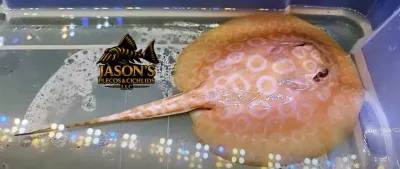
Golden Base Albino Pearl Stingray - (Potamotrygon Jabuti)
Golden Base Albino Pearl Stingray - (Potamotrygon Jabuti)
Price of shipping is not included.
was $850.00
Save 4%
$815.00
Wild Caught
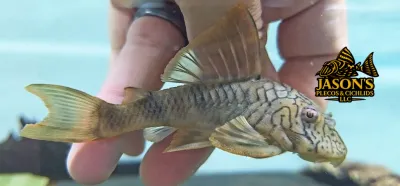
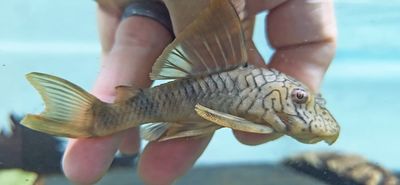
L076 Orange Seam Pleco - (Peckoltia sp.)
L076 Orange Seam Pleco - (Peckoltia sp.)
Price of shipping is not included.
5.0
(1)
was $80.00
Save 6%
$75.00
Wild Caught
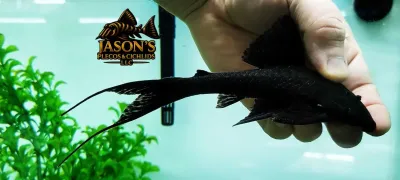
L350 Coal Pleco (Peckoltia pankimpuju)
L350 Coal Pleco (Peckoltia pankimpuju)
Price of shipping is not included.
5.0
(2)
was $325.00
Save 8%
$300.00
Captive Bred
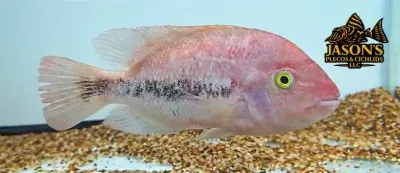
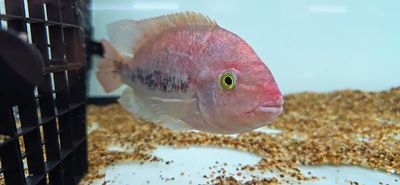
Fenestratus Cichlid - (Vieja Fenestratus)
Fenestratus Cichlid - (Vieja Fenestratus)
Price of shipping is not included.
was $80.00
Save 25%
$60.00
Wild Caught
Marbled Talking Catfish - (Amblydoras nauticus)
Marbled Talking Catfish - (Amblydoras nauticus)
Price of shipping is not included.
was $50.00
Save 10%
$45.00
Powered by Lightspeed
Display prices in:USD