DC Controllable vs. AC Pumps — Microbubble Formation in Aquaria
⚡ DC Controllable vs. AC Pumps — Microbubble Formation in Aquaria
🔄 1. Core Electrical/Mechanical Differences
AC Pumps
- 🌀 Synchronous or asynchronous motors tied directly to mains frequency (50/60 Hz).
- 🔋 Speed is fixed — can’t be adjusted without a variable frequency drive (rare in hobby aquaria).
- ⚡ Startup = instant full RPM → more turbulence, sometimes a burst of microbubbles if air is in the impeller housing.
- ⚠️ Because flow rate is fixed, aquarists often oversize AC pumps → higher pressure, more turbulence, and more bubble shredding.
DC Pumps
- ⚡ Powered through an electronic controller that modulates voltage or pulse-width (PWM).
- 📉 Impeller speed is adjustable → allows dialing in precise flow.
- 🌊 Many models have soft-start programming that gradually ramps RPM at startup.
- 🔇 Typically smoother & quieter → less vibration that might draw air into fittings.
💨 2. Bubble Physics in Pumps
Where Microbubbles Come From
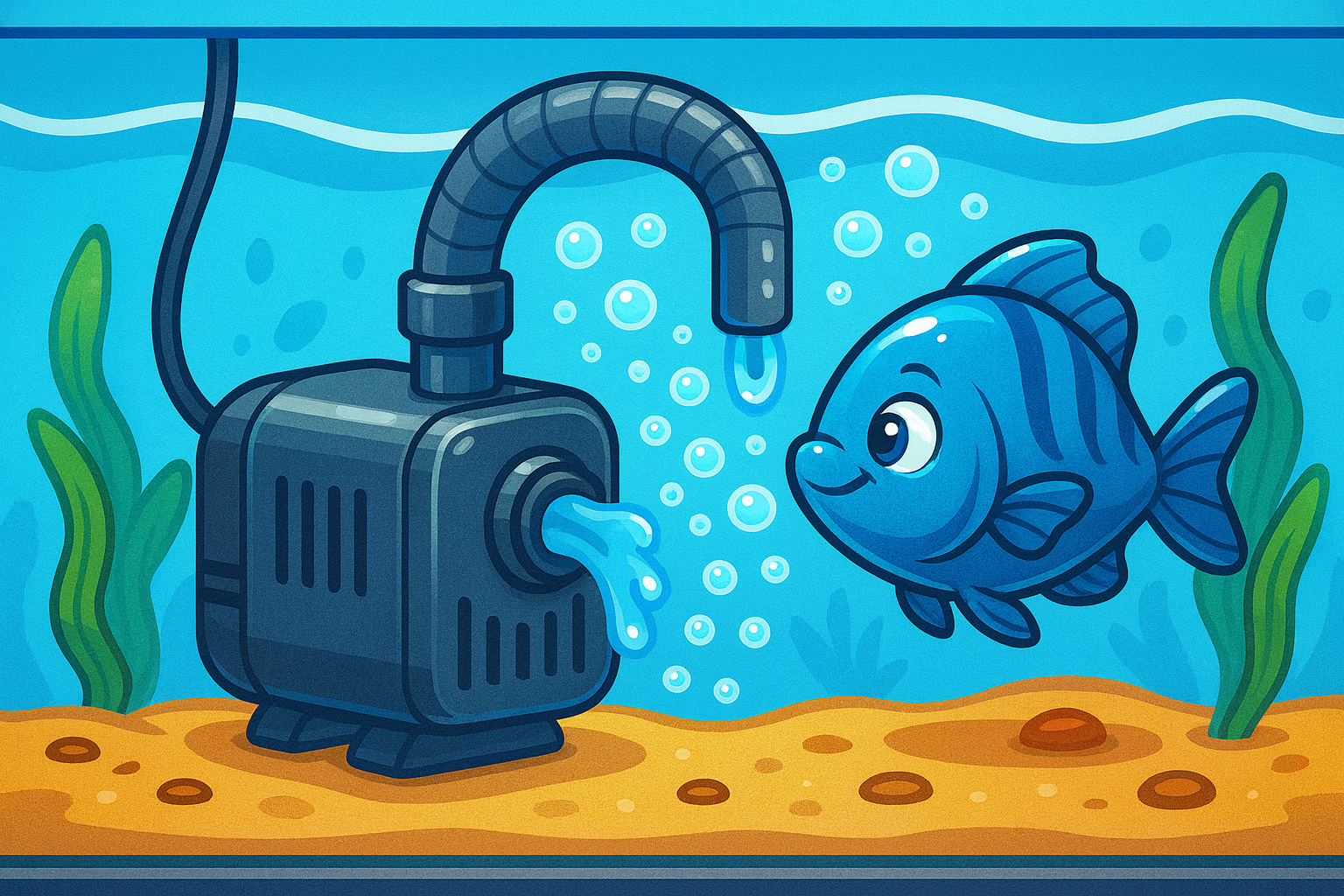
- 🫧 Air entrainment: Pump draws in air through leaks, low sump levels, or venturis.
- 🌊 Cavitation: At high RPM, pressure drops at the impeller eye → vapor bubbles form, then collapse, producing microbubbles.
- ⚡ Shear forces: Impeller blades shred existing larger bubbles into very fine microbubbles.
Why Microbubbles Are a Problem
- 👁️ Visually unappealing in display tanks.
- 🐠 Irritate gills and corneas of fish.
- 🌱 Interfere with coral polyp extension in reef tanks.
- 🔬 Can contribute to gas embolism in extreme cases.
🔬 3. DC vs. AC in Microbubble Formation
✅ Advantages of DC Pumps
- Adjustable RPM:
- Slowing down flow reduces turbulence and cavitation risk.
- Fine-tuning avoids “overdriving” plumbing systems.
- Soft Start:
- Prevents sudden bursts of entrained air when the pump kicks on after feeding/power outages.
- Particularly valuable in sumps where small bubbles often accumulate at rest.
- Pulse/Wave Modes:
- DC return and wavemakers can run variable flow programs (tidal/wave simulation).
- This keeps bubbles from being trapped/recirculated, reducing chronic microbubble buildup.
- Energy Efficiency:
- DC pumps consume less power and generate less heat → reducing the temperature-driven microbubble formation at impellers (important in reef systems).
⚠️ Limitations — Why DC Is Not a Cure-All
- If plumbing leaks, poorly designed sump baffles, or a skimmer constantly outputs bubbles → both AC and DC pumps will carry them forward.
- DC pumps at max RPM can cavitate just like AC pumps if undersized plumbing restricts flow.
- Pump quality matters: Cheap DC pumps can have poorly balanced impellers that introduce turbulence, negating benefits.
📊 4. System Design Matters More Than Motor Type
| Factor 🛠️ | Role in Microbubbles | Notes |
|---|---|---|
| Pump Type | DC pumps reduce turbulence/cavitation vs. AC | Best when flow is tuned below max RPM |
| Sump Design | Proper baffles, bubble traps crucial | No pump can “fix” poor sump design |
| Plumbing | Tight fittings prevent air draw | DC vibration is lower, but leaks still matter |
| Skimmer Tuning | Oversized/overfoaming skimmers add microbubbles | Needs adjustment regardless of pump type |
| Pump Placement | Fully submerged, not sucking near surface | Reduces entrainment in both AC/DC |
✅ Final Takeaway
- Yes, DC controllable pumps generally reduce microbubble formation compared to AC pumps.
- This is due to:
- 🧩 Adjustable speed (lower turbulence & cavitation).
- 🕐 Soft start (fewer startup bubble bursts).
- 🔇 Smoother operation (less vibration/air draw).
- BUT microbubble problems are usually plumbing/sump design issues, not pump-type issues. A DC pump just gives you more control to minimize them.
Powered by Lightspeed
Display prices in:USD