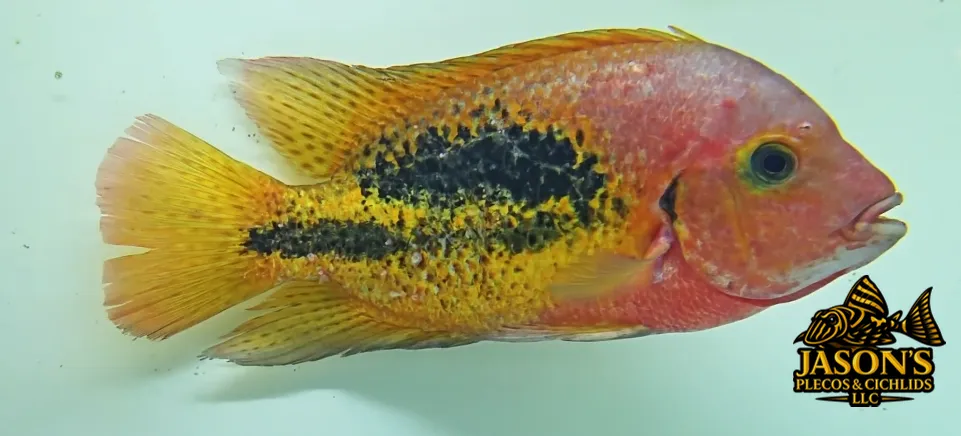
Rio Chacamax Cichlid - (Vieja bifasciata)
5.0
4 reviews
Reviews from verified customers who have purchased products at this store.
$130.00
Sold out
Size
Special Reusable Shipping Bag
Questions, Comments, Concerns? Let us know!
Enter your text
Price of shipping is not included.
Sold out
Save this fish to my favorites.
Customer reviews
Reviews only from verified customers
Reviews are only accepted from verified customers who have signed in and purchased the products. This ensures that each review is based on genuine customer experiences. All reviews are checked before publication to prevent spam.
NORTH ARLINGTON,
United States
Sep 27, 2026
Spectacular selection, price and customer service.
Rio Chacamax Cichlid - (Vieja bifasciata)
Fish Details, Description and Information Below:
🐟 Rio Chacamax Cichlid – (Vieja bifasciata) – Captive-Bred Usumacinta Locality Cichlid
The Rio Chacamax Cichlid (Vieja bifasciata) is a large, colorful Central American cichlid representing a distinctive locality form from the:
RIO CHACAMAX – USUMACINTA DRAINAGE, MEXICO
Mature specimens can develop a spectacular combination of:
- Rose-red
- Pink
- Yellow
- Gold
- Olive
- Bronze
- Black
- Turquoise highlights
with the characteristic dark lateral markings associated with Vieja bifasciata.
The Rio Chacamax name is important because it identifies the geographic locality line of this fish.
RIO CHACAMAX IS NOT A SEPARATE SPECIES OR SUBSPECIES
The correct scientific name remains:
Vieja bifasciata
This is a large, powerful Central American cichlid that requires substantial permanent aquarium space, strong filtration, a plant-rich diet, and carefully selected tankmates.
This listing is for:
CAPTIVE-BRED RIO CHACAMAX VIEJA BIFASCIATA
🔎 Quick Facts – Rio Chacamax Cichlid
- 📛 Common Name: Rio Chacamax Cichlid
- 📛 Other Names: Rio Chacamax Vieja, Twoband Cichlid, Red-Spotted Vieja
- 🔬 Scientific Name: Vieja bifasciata
- 📚 Older Scientific Names: Heros bifasciatus, Cichlasoma bifasciatum, Paraneetroplus bifasciatus
- 🐟 Family: Cichlidae
- 🧬 Genus: Vieja
- 🌿 Stock: Captive Bred
- 📏 Current Size: Approximately 9–10 inches
- 📍 Locality Line: Rio Chacamax
- 🌊 Drainage: Rio Usumacinta Basin
- 🇲🇽 Rio Chacamax Locality: Mexico
- 🌎 Species Range: Mexico and Guatemala
- 🌊 Broader Native Range: Grijalva and Usumacinta River basins
- 💧 Water Type: Freshwater
- 📏 Scientific Maximum: Approximately 30 cm / 11.8 inches standard length
- 📏 Adult Planning Size: Approximately 12–14 inches total length
- 🏠 Recommended Aquarium for One Adult: Approximately 125 gallons or larger
- 👫 Adult Pair: Approximately 150–180+ gallons preferred
- 🐠 Large Cichlid Community: 180+ gallons strongly preferred
- 📐 Recommended Length: Approximately 6 feet or longer
- 🌡️ Temperature: Approximately 76–84°F
- 💧 pH: Approximately 6.8–8.0
- 💨 Oxygenation: Good to High
- 🌊 Water Movement: Low to Moderate
- 🍽️ Diet: Herbivorous-Leaning Omnivore
- 🌿 Vegetable / Plant Foods: Very Important
- 🟢 Algae / Biofilm: Natural dietary component
- 🦐 Animal Protein: Supplemental
- 💩 Bioload: High
- 😠 Temperament: Territorial / Semi-Aggressive to Aggressive
- ⚠️ Breeding Aggression: Strong
- 👫 Pair Bond: Monogamous pair-forming cichlid
- 🥚 Breeding: Open-Substrate Spawner
- 👨👩👧 Parental Care: Biparental
- ⭐ Care Level: Intermediate
- 🌎 IUCN Status: Data Deficient
- 📦 Current Shipping Requirement: Special Reusable Shipping Bag
📍 Rio Chacamax Is a Locality – Not a Separate Species
The name:
RIO CHACAMAX
identifies where this particular aquarium lineage of Vieja bifasciata originates.
It does not mean:
- A different species
- A recognized subspecies
- A hybrid
- A color morph created in captivity
The correct scientific identity remains:
Vieja bifasciata
🧬 Why Locality Matters
Vieja bifasciata occurs across portions of several Central American river systems and can show noticeable geographic variation in:
- Color
- Pattern
- Body shape
- Amount of red coloration
- Dark lateral markings
- Adult appearance
Aquarists have maintained several locality lines, including fish associated with:
- Rio Chacamax
- Rio Mizol-Ha
- Rio Candelaria
- Rio Azufres
- Rio Tulijá
- Rio Puyacatengo
- Rio Teapa
- Lagoons within the greater drainage
For fish sold as:
RIO CHACAMAX
the locality should be preserved whenever possible.
⚠️ Keep the Rio Chacamax Line Pure
If breeding this fish as a locality form:
DO NOT MIX IT WITH OTHER VIEJA BIFASCIATA LOCALITY LINES
and then sell the offspring as:
PURE RIO CHACAMAX
Even though the fish may belong to the same species, mixing localities destroys the geographic lineage.
Maintain records of:
- Supplier
- Breeder
- Parent fish
- Locality designation
whenever possible.
🌎 Native Distribution of Vieja bifasciata
The species Vieja bifasciata is native to the Atlantic slope of Central America within the:
GRIJALVA AND USUMACINTA RIVER BASINS
of:
- 🇲🇽 Mexico
- 🇬🇹 Guatemala
🌊 Rio Chacamax
The Rio Chacamax belongs to the:
RIO USUMACINTA DRAINAGE
and represents one of the best-known aquarium localities for this species.
Photographed and documented Rio Chacamax specimens show the distinctive:
- Red or pink head
- Yellow-gold body
- Large black lateral markings
- Dark mottling
- Strong adult coloration
associated with this locality line.
⚠️ The “Rio Nututun” Confusion
Older aquarium literature sometimes refers to:
RIO NUTUTUN
when discussing Chacamax Vieja bifasciata.
That name appears to have resulted from confusion involving:
NUTUTUN
a location associated with lodging along the Rio Chacamax.
For the aquarium locality:
RIO CHACAMAX
is the clearer designation.
🎨 Appearance
A mature Rio Chacamax Vieja bifasciata can become extremely colorful.
Depending on:
- Sex
- Age
- Dominance
- Breeding condition
- Genetics
- Mood
the fish may display:
- Pink
- Rose-red
- Crimson
- Yellow
- Gold
- Bronze
- Olive
- Turquoise
- Black
🌹 Red & Pink Head Coloration
One of the most attractive characteristics of mature Chacamax fish is the development of:
ROSE-PINK TO RED COLORATION
across portions of the:
- Forehead
- Face
- Gill covers
- Front half of the body
Dominant adults can become especially colorful.
🖤 Dark Lateral Pattern
The species name:
bifasciata
refers to the characteristic dark banding or two-band appearance.
Large black markings can occur across the:
- Midbody
- Rear body
- Caudal peduncle
and may appear as:
- Broad bands
- Connected blotches
- Irregular patches
rather than two perfectly straight lines.
🌈 Color Changes With Mood
Like many large Central American cichlids, Vieja bifasciata can change appearance dramatically.
Color may intensify during:
- Territorial displays
- Courtship
- Breeding
- Dominance interactions
A stressed fish may become:
- Pale
- Gray
- Brown
- Washed out
⚠️ Adult Color Cannot Be Guaranteed
Exact adult coloration will vary between individuals.
Do not guarantee that every Rio Chacamax specimen will develop identical:
- Red coloration
- Black patterning
- Yellow coloration
- Body markings
Genetics and sex strongly influence appearance.
📏 Adult Size
FishBase documents Vieja bifasciata reaching:
30 CM / APPROXIMATELY 11.8 INCHES STANDARD LENGTH
Standard length:
DOES NOT INCLUDE THE FULL TAIL FIN
📏 Practical Adult Planning Size
Large aquarium specimens can reach approximately:
12–14 INCHES TOTAL LENGTH
especially mature males.
For permanent housing:
PLAN FOR A 12–14 INCH, DEEP-BODIED CICHLID
rather than simply planning around length alone.
⚠️ Body Mass Matters
A 12-inch Vieja is much heavier and deeper-bodied than many narrow-bodied fish of the same length.
Adult fish develop:
- Deep bodies
- Large heads
- Powerful jaws
- Thick musculature
and need significant swimming space.
🏠 Aquarium Size
For one adult:
125 GALLONS OR LARGER
is a responsible long-term recommendation.
For a compatible adult pair:
150–180+ GALLONS
is preferred.
For a large Central American cichlid community:
180+ GALLONS
or considerably larger may be required.
📐 Six-Foot Aquarium Preferred
A mature Rio Chacamax Vieja bifasciata should ideally be maintained in an aquarium:
APPROXIMATELY 6 FEET LONG OR LONGER
This provides:
- Swimming space
- Territorial separation
- Room for décor
- Better escape distances
- More stable water volume
↔️ Aquarium Width Matters
Because the species is:
- Deep-bodied
- Large
- Territorial
front-to-back aquarium width is especially valuable.
A:
LONG + WIDE AQUARIUM
is much more useful than a narrow tall tank.
🪨 Aquarium Setup
A suitable setup may include:
- Sand
- Smooth gravel
- Large rocks
- Heavy driftwood
- Open swimming areas
- Large visual barriers
- Strong filtration
⚠️ Secure the Décor
Large Vieja are powerful fish.
They may:
- Dig
- Move substrate
- Push rocks
- Rearrange decorations
- Uproot plants
Make sure heavy rocks and structures cannot:
COLLAPSE OR TRAP THE FISH
🏖️ Substrate
A soft:
- Sand
- Fine gravel
substrate works particularly well.
The fish may dig or move substrate while:
- Feeding
- Establishing territory
- Preparing spawning areas
🌿 Planted Aquariums
This is generally:
NOT AN IDEAL SPECIES FOR A DELICATE PLANTED AQUARIUM
Vieja bifasciata naturally consumes substantial plant material and may:
- Eat leaves
- Uproot plants
- Dig around roots
- Move décor
🌊 Natural Habitat
In the wild, Vieja bifasciata occurs in:
- Lakes
- Lagoons
- River pools
- Lower river valleys
- Main river channels
often in:
CALMER OR SLOW-TO-MODERATELY FLOWING WATER
🌊 Do Not Create an Extreme Torrent
Unlike high-flow river plecos:
RIO CHACAMAX VIEJA BIFASCIATA DOES NOT REQUIRE VIOLENT CURRENT
Moderate circulation is sufficient.
The important goals are:
- Good oxygenation
- Strong filtration
- Waste removal
- Stable water quality
🌡️ Temperature
A practical long-term range is:
76–84°F
The species is tropical and can tolerate somewhat warmer water, but maintaining:
78–82°F
works well for many aquarium fish.
💧 Water Parameters
A practical aquarium range is:
- 🌡️ Temperature: Approximately 76–84°F
- 💧 pH: Approximately 6.8–8.0
- 💨 Oxygenation: Good to High
- 🌊 Water Movement: Low to Moderate
- ☠️ Ammonia: 0 ppm
- ☠️ Nitrite: 0 ppm
- 🔄 Nitrate: Keep reasonably low
Stable conditions are more important than constantly adjusting the pH.
💩 High Bioload
Large Central American cichlids produce:
SUBSTANTIAL WASTE
A 9–14 inch Vieja requires powerful filtration.
💩 Filtration
Recommended systems can include:
- Large canister filters
- Sump filtration
- High-capacity biological filtration
- Strong mechanical filtration
- Prefilters
Maintain:
AMMONIA = 0
and:
NITRITE = 0
at all times.
🔄 Water Changes
Regular substantial water changes are strongly recommended.
The exact schedule depends on:
- Aquarium volume
- Fish size
- Feeding
- Stocking
- Filtration
Large Vieja respond very well to:
CLEAN, FRESH WATER
🍽️ Diet – Herbivorous-Leaning Omnivore
One of the most important husbandry points is diet.
In nature, Vieja bifasciata feeds heavily on:
BOTTOM DETRITUS AND VEGETABLE MATTER
and consumes plant material ranging from:
- Algal growth
- Aquatic vegetation
- Plant debris
- Terrestrial plant material
🌿 Plant Foods Should Be Important
A captive diet should contain substantial:
VEGETABLE / PLANT-BASED NUTRITION
Suitable foods include:
- High-quality vegetable-based cichlid pellets
- Spirulina pellets
- Algae-containing foods
- Quality omnivore pellets with plant content
🥬 Fresh Plant Foods
Suitable supplemental foods may include:
- Spinach
- Romaine
- Peas
- Zucchini
- Squash
- Green beans
- Other appropriate greens
🍽️ Quality Pellets
A high-quality pellet designed for:
LARGE HERBIVOROUS OR OMNIVOROUS CICHLIDS
can form the foundation of the captive diet.
Rotate foods for nutritional variety.
🦐 Animal Protein – Supplemental
Animal and insect foods can be offered in moderation.
Suitable options include:
- Mysis shrimp
- Krill
- Insect-based foods
- Brine shrimp
- Quality omnivore foods
⚠️ Avoid an Excessively Meat-Heavy Diet
Do not maintain Vieja bifasciata primarily on:
- Shrimp
- Beef heart
- Feeder fish
- Large amounts of high-fat animal protein
- Extremely protein-heavy pellets
Its natural diet contains a:
STRONG PLANT AND DETRITUS COMPONENT
🚫 Avoid Feeder Fish
Live feeder fish are unnecessary.
They can introduce:
- Parasites
- Bacteria
- Disease
- Poor nutritional balance
Quality prepared foods provide safer nutrition.
😠 Temperament
Adult Vieja bifasciata should be considered:
TERRITORIAL
and potentially:
AGGRESSIVE
especially toward:
- Other large cichlids
- Similar-shaped fish
- Conspecifics
- Rivals during breeding
⚠️ Individual Personality Varies
Some adults are relatively manageable.
Others can become:
EXTREMELY DOMINANT
Aquarium size, tankmate selection, sex, and individual temperament all matter.
🐠 Tankmates
Potential tankmates in a sufficiently large aquarium may include carefully selected:
- Other large Central American cichlids
- Robust South American cichlids
- Large catfish
- Large schooling fish
However:
COMPATIBILITY IS NEVER GUARANTEED
with large territorial cichlids.
⚠️ Avoid Small Tankmates
Do not maintain large adult Vieja bifasciata with:
- Tiny tetras
- Small livebearers
- Small bottom dwellers
- Delicate fish
that may be:
- Injured
- Bullied
- Outcompeted
👥 Juveniles vs. Adults
Groups of juveniles may initially coexist.
As the fish mature:
AGGRESSION USUALLY INCREASES
Aquarists may need to:
- Separate individuals
- Remove bullied fish
- Establish compatible pairs
♂️ Male vs. Female
Sex differences become more noticeable with maturity.
Mature Males
Usually:
- Grow larger
- Become more heavily built
- Develop more intense coloration
- Develop longer fin extensions
- May develop a nuchal hump
Mature Females
Generally:
- Remain somewhat smaller
- Have a rounder abdominal profile during breeding condition
- May show less exaggerated fin development
⚠️ Juvenile Sexing
Juveniles can be difficult to sex accurately.
Unless a fish is confidently identified:
SELL AS UNSEXED
💕 Pair Formation
Vieja bifasciata is a:
MONOGAMOUS PAIR-FORMING CICHLID
A compatible male and female may establish a strong pair bond.
However:
DO NOT SIMPLY PLACE TWO LARGE ADULTS TOGETHER AND ASSUME THEY WILL PAIR
⚠️ Pair Compatibility Is Critical
An incompatible adult pair can seriously injure or kill one another.
Safer approaches include:
- Raising several juveniles together
- Allowing natural pair formation
- Using dividers during introductions
- Closely observing behavior
🥚 Breeding – Open-Substrate Spawner
Vieja bifasciata is an:
OPEN-SUBSTRATE SPAWNER
The pair normally selects and cleans a:
- Flat rock
- Large stone
- Hard surface
- Prepared area of substrate
🧹 Spawning Preparation
Before spawning, the adults may:
- Clean rocks
- Dig pits
- Move substrate
- Defend a large territory
- Intensify coloration
🥚 Eggs
FishBase references approximately:
500 EGGS
for the species.
Actual clutch size can vary substantially according to:
- Female size
- Age
- Conditioning
- Genetics
No exact egg count should be guaranteed.
👨👩👧 Biparental Care
Both parents participate in brood defense.
The pair may:
- Guard the eggs
- Fan the clutch
- Remove failed eggs
- Defend larvae
- Protect free-swimming fry
This is:
BIPARENTAL CARE
⚠️ Breeding Aggression
A breeding pair can become dramatically more aggressive.
They may attempt to control a very large portion of the aquarium.
Tankmates that were previously tolerated may suddenly be:
- Chased
- Injured
- Trapped in corners
🏠 Breeding Pairs Need Space
For an adult breeding pair:
150–180+ GALLONS
is strongly preferred.
Even larger aquariums may be necessary if other large fish remain in the tank.
👶 Fry
Once free swimming, fry can receive:
- Quality powdered cichlid food
- Baby brine shrimp
- Crushed spirulina foods
- Finely crushed omnivore pellets
As they grow, progressively increase food size.
🌿 Introduce Plant Foods Early
Because adults naturally consume substantial vegetation, young fish should also become accustomed to:
- Spirulina
- Vegetable-containing pellets
- Plant-based foods
as they grow.
🧬 Preserve the Rio Chacamax Locality
This is particularly important for this listing.
The fish is being sold as:
RIO CHACAMAX VIEJA BIFASCIATA
If breeding:
- Keep the locality designation
- Maintain parent records
- Avoid mixing other V. bifasciata localities
- Do not cross with other Vieja species
🚨 Avoid Hybridization
Species within the Central American cichlid group can hybridize in captivity.
Avoid deliberately crossing Rio Chacamax V. bifasciata with:
- Vieja melanura
- Vieja fenestrata
- Vieja hartwegi
- Other Vieja
- Designer cichlid hybrids
if maintaining a pure Rio Chacamax line.
⚠️ Hybrid Offspring Must Be Labeled
If an accidental cross occurs:
THE OFFSPRING MUST BE SOLD AS HYBRIDS
Do not label mixed-parent fish as:
PURE RIO CHACAMAX
🌎 Conservation Status
Vieja bifasciata is currently classified as:
DATA DEFICIENT
on the IUCN Red List.
The assessment dates to:
2018
❓ What Does Data Deficient Mean?
Data Deficient does:
NOT
mean:
- Extinct
- Endangered
- Safe
- Threatened
It means available information was insufficient to make a confident global extinction-risk classification.
⚠️ Locality Conservation Matters
Even when a species occurs across more than one drainage, individual locality populations can contain distinctive:
- Genetics
- Color
- Pattern
- Adaptations
Preserving captive locality lines such as:
RIO CHACAMAX
helps maintain that geographic diversity within the aquarium hobby.
🌎 Never Release Aquarium Cichlids
Large cichlids can establish invasive populations in suitable warm climates.
Never release Vieja bifasciata into:
- Rivers
- Lakes
- Ponds
- Canals
- Streams
- Springs
- Storm drains
If permanent housing becomes impossible:
- Rehome the fish
- Contact an aquarium store
- Contact an experienced large-cichlid keeper
- Contact an aquatic rescue
NEVER RELEASE AQUARIUM FISH INTO THE WILD
⭐ Why Keep a Rio Chacamax Vieja bifasciata?
The Rio Chacamax Cichlid combines:
- 🌹 Beautiful rose-red adult coloration
- 💛 Gold and yellow tones
- 🖤 Dramatic black lateral markings
- 🌈 Strong color changes with maturity
- 🇲🇽 Authentic Mexican locality heritage
- 🌊 Rio Usumacinta drainage origin
- 📏 Impressive 12–14 inch adult potential
- 🌿 Interesting herbivorous-leaning feeding behavior
- 💕 Strong pair bonding
- 🥚 Open-substrate spawning
- 👨👩👧 Biparental care
- 🧬 Valuable locality-line identity
into an impressive show cichlid for aquarists prepared for its adult size and personality.
⚠️ Important Considerations
Before purchasing a Rio Chacamax Cichlid:
- The correct scientific name is Vieja bifasciata.
- Rio Chacamax identifies a locality line, not a separate species.
- The Rio Chacamax belongs to the Usumacinta drainage in Mexico.
- The broader species occurs in the Grijalva and Usumacinta basins of Mexico and Guatemala.
- Preserve the Rio Chacamax locality when breeding.
- Do not mix locality lines if offspring will be sold as Rio Chacamax.
- This listing is for captive-bred fish.
- Current specimens are approximately 9–10 inches.
- FishBase documents 30 cm / approximately 11.8 inches standard length.
- Standard length excludes the full tail.
- Plan for approximately 12–14 inches total adult size.
- Provide approximately 125 gallons or larger for one adult.
- Provide approximately 150–180+ gallons for a pair.
- Use approximately 180+ gallons for large mixed-cichlid communities.
- A 6-foot or longer aquarium is strongly preferred.
- Maintain approximately 76–84°F.
- Maintain approximately pH 6.8–8.0.
- Provide good oxygenation.
- Extreme current is unnecessary.
- Use powerful filtration.
- Maintain ammonia and nitrite at zero.
- Perform regular substantial water changes.
- Feed a strongly plant-oriented omnivorous diet.
- Provide spirulina and vegetable-containing foods regularly.
- Animal protein should be supplemental.
- Avoid an excessively meat-heavy diet.
- Expect digging and plant damage.
- Expect territorial behavior.
- Breeding pairs can become extremely aggressive.
- Vieja bifasciata is a monogamous pair-forming cichlid.
- It is an open-substrate spawner.
- Both parents defend the brood.
- Avoid hybridizing Rio Chacamax fish with other Vieja.
- The species is currently listed as Data Deficient by the IUCN.
- Never release aquarium fish into natural waterways.
🧬 Taxonomy
The currently accepted scientific name is:
Vieja bifasciata (Steindachner, 1864)
Classification:
- Order: Cichliformes
- Family: Cichlidae
- Genus: Vieja
- Species: bifasciata
Historical scientific combinations include:
- Heros bifasciatus
- Cichlasoma bifasciatum
- Theraps bifasciatum
- Paraneetroplus bifasciatus
For this product, use:
Rio Chacamax Cichlid – (Vieja bifasciata)
📍 Locality Disclaimer
The term:
RIO CHACAMAX
identifies a geographic aquarium lineage within the species Vieja bifasciata.
It does not represent a formally recognized:
- Species
- Subspecies
- Hybrid
- Artificial color morph
When maintaining or breeding locality fish, preserve:
- Rio Chacamax identification
- Supplier information
- Parent records
- Breeding records
and avoid mixing the lineage with other Vieja bifasciata populations if the offspring will continue to be represented as Rio Chacamax.
🚚 Live Fish Shipping
Live fish are professionally packed for safe transport.
Shipping availability depends on:
- Fish size
- Destination
- Weather conditions
- Carrier availability
- Applicable state and local regulations
The current large Rio Chacamax Cichlids require:
A SPECIAL REUSABLE SHIPPING BAG
Larger specimens may also require:
- Larger insulated shipping boxes
- Additional water
- Heavy-duty bagging
- Multiple protective bag layers
- Specialized packing
- Airline cargo depending on fish size and destination
Please review our Shipping & Payment Information and Live Arrival Guarantee / DOA Policy before ordering.
⚠️ Buyer Responsibility
Customers are responsible for confirming that Vieja bifasciata may legally be purchased, possessed, transported, and received in their state or local jurisdiction before ordering.
Never release aquarium fish into natural waterways.
Below are fish you may also like.
Captive Bred
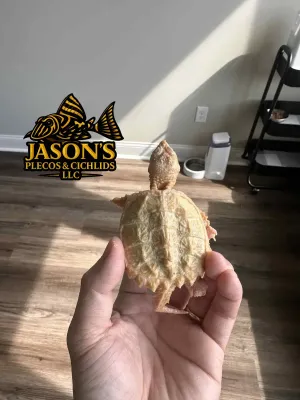
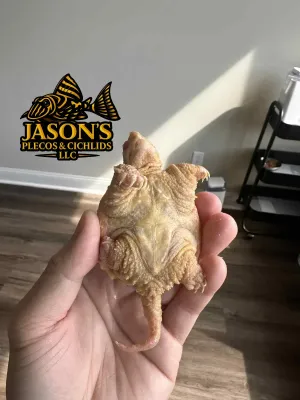
Albino Common Snapping Turtle - (Chelydra serpentina)
Albino Common Snapping Turtle - (Chelydra serpentina)
Price of shipping is not included.
$1 315.00
Captive Bred

Platinum Arapaima - (Arapaima Gigas)
Platinum Arapaima - (Arapaima Gigas)
Price of shipping is not included.
$5 000.00
Out of stock
Wild Caught
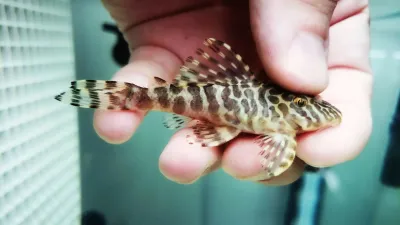
L134 Leopard Frog Pleco - (Peckoltia compta) Breeding Group
L134 Leopard Frog Pleco - (Peckoltia compta) Breeding Group
Price of shipping is not included.
$500.00
Out of stock
Wild Caught

Leptobarbus melanopterus
Leptobarbus melanopterus
Price of shipping is not included.
$18.00
Out of stock
Wild Caught
Marbled Spiny Catfish - (Franciscodoras marmoratus)
Marbled Spiny Catfish - (Franciscodoras marmoratus)
Price of shipping is not included.
$400.00
Out of stock
Wild Caught
L097 Polka Dot Cactus Pleco - (Pseudacanthicus sp.)
L097 Polka Dot Cactus Pleco - (Pseudacanthicus sp.)
Price of shipping is not included.
$125.00
Out of stock
Captive Bred
Honeycomb Bristlenose - (Ancistrus sp. Wabenmuster) Breeding Pair
Honeycomb Bristlenose - (Ancistrus sp. Wabenmuster) Breeding Pair
Price of shipping is not included.
$350.00
Out of stock
Wild Caught
Albino Frogmouth Catfish - (Chaca Chaca)
Albino Frogmouth Catfish - (Chaca Chaca)
Price of shipping is not included.
$1 200.00
Out of stock
Wild Caught
Vulture Catfish - (Calophysus macropterus)
Vulture Catfish - (Calophysus macropterus)
Price of shipping is not included.
was $120.00
Save 17%
$100.00
Out of stock
Wild Caught
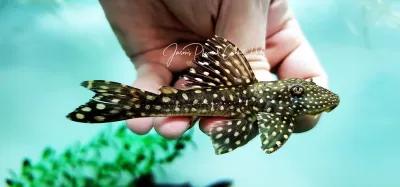
Yellow Spotted Hypostomus - (Hypostomus margaritifer)
Yellow Spotted Hypostomus - (Hypostomus margaritifer)
Price of shipping is not included.
was $175.00
Save 14%
$150.00
Out of stock
Wild Caught
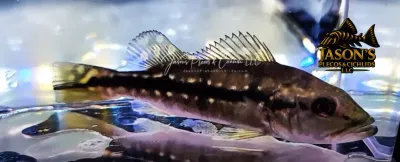
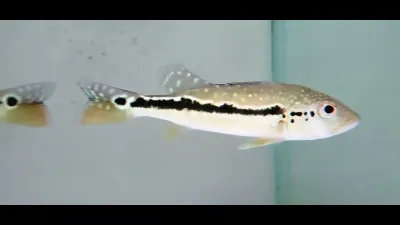
Fogo Peacock Bass - (Cichla Marinae)
Fogo Peacock Bass - (Cichla Marinae)
Price of shipping is not included.
was $110.00
Save 9%
$100.00
Out of stock
Wild Caught
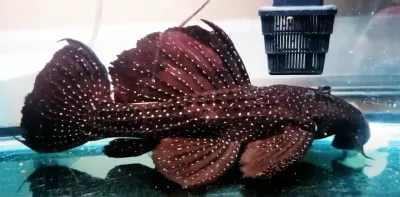
Serratus Pleco/Mustang Cactus Pleco - (Pseudacanthicus serratus)
Serratus Pleco/Mustang Cactus Pleco - (Pseudacanthicus serratus)
Price of shipping is not included.
$600.00
Out of stock
Powered by Lightspeed
Display prices in:USD