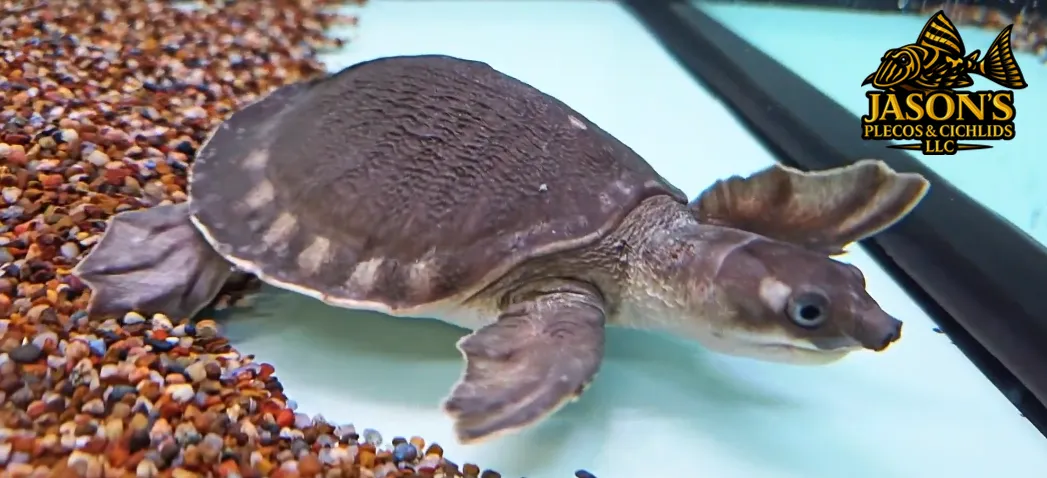
Fly River Turtle/Pig Nose Turtle - (Carettochelys insculpta)
$1 250.00
Captive Bred
was $1 600.00 Save 22%
Size
Questions, Comments, Concerns? Let us know!
Enter your text
Price of shipping is not included.
In stock: 1 available
1
Save this fish to my favorites.
Customer reviews
Reviews only from verified customers
No reviews yet. You can buy this product and be the first to leave a review.
Fly River Turtle/Pig Nose Turtle - (Carettochelys insculpta)
Fish Details, Description and Information Below:
🐢 Fly River Turtle / Pig-Nosed Turtle – (Carettochelys insculpta) – Rare Aquatic Freshwater Turtle
The Fly River Turtle, also known as the Pig-Nosed Turtle (Carettochelys insculpta), is one of the most unusual and highly sought-after freshwater turtles in the world.
With its distinctive pig-like snout, smooth leathery shell, and powerful flipper-like front limbs, this species looks almost like a freshwater version of a sea turtle.
Carettochelys insculpta is especially unique because it is the only living species in the family Carettochelyidae. Its closest living relatives are the softshell turtles, but the Pig-Nosed Turtle has evolved an extraordinary body shape specifically adapted for a highly aquatic lifestyle.
Native to northern Australia, Papua New Guinea, and Indonesian New Guinea, these turtles inhabit tropical rivers, lagoons, lakes, and associated estuarine environments.
Although juveniles may appear manageable, this is a very large, long-lived, active aquatic turtle capable of reaching approximately 24–28 inches in shell length. Adults require an enormous custom aquarium, indoor aquatic enclosure, or heated pond system with exceptional filtration and pristine water quality.
Because of its adult size, specialized water requirements, potentially territorial behavior, conservation status, and long-term commitment, the Fly River Turtle is recommended only for experienced aquatic turtle keepers.
🔎 Quick Facts – Fly River Turtle / Pig-Nosed Turtle
- 📛 Common Names: Fly River Turtle, Pig-Nosed Turtle, Pitted-Shelled Turtle
- 🔬 Scientific Name: Carettochelys insculpta
- 🐢 Family: Carettochelyidae
- 🧬 Unique Status: Only living species in the family Carettochelyidae
- 🌎 Region: Australia and New Guinea
- 🇦🇺 Native Range: Northern Australia
- 🇵🇬 Native Range: Papua New Guinea
- 🇮🇩 Native Range: Indonesian New Guinea
- 🌊 Environment: Primarily freshwater; may enter brackish estuaries
- 🏊 Lifestyle: Highly aquatic
- 📏 Adult Shell Length: Approximately 24–28 inches / 60–70 cm
- ⚖️ Adult Weight: May exceed 44 lb / 20 kg, with exceptionally large adults approaching 60+ lb
- 🏠 Recommended Adult Housing: 500+ gallons minimum planning size; 750–1,000+ gallons or a custom aquatic enclosure strongly preferred
- 📐 Enclosure Style: Long, wide, deep swimming enclosure
- 🌡️ Recommended Temperature: Approximately 82–86°F
- 💧 Recommended pH: Approximately 7.5–8.3, with stable alkaline conditions preferred
- 💦 Water: Hard, highly buffered freshwater
- 💨 Oxygenation: High
- 🍎 Diet: Omnivore with a strong plant and fruit component
- 😠 Temperament: Can be territorial and aggressive toward other turtles
- 🥚 Breeding: Egg layer; females leave the water to nest
- ⭐ Care Level: Advanced / Expert
- 🌎 Conservation Status: Endangered
- 📜 CITES: Appendix II
- 🏆 Availability: Rare specialty aquatic turtle
🐽 Why Is It Called the Pig-Nosed Turtle?
The common name comes from the turtle's remarkable fleshy snout.
The nostrils are positioned at the end of a short:
Pig-Like Proboscis
This unusual nose allows the turtle to reach the water's surface and breathe while much of its body remains submerged.
The sensitive snout can also assist the turtle while investigating its environment and searching for food.
Combined with its flippers and smooth shell, the snout gives Carettochelys insculpta an appearance unlike virtually any other freshwater turtle.
🏊 A Freshwater Turtle With Flippers
One of the most remarkable features of the Fly River Turtle is its:
Large Paddle-Like Front Limbs
Rather than walking or paddling through the water like most freshwater turtles, Carettochelys insculpta uses its front limbs in a swimming motion that resembles a marine turtle.
The hind limbs are also heavily webbed.
This makes the Pig-Nosed Turtle an exceptionally capable and graceful swimmer.
Its enclosure must therefore provide considerably more open swimming space than an ordinary aquatic turtle enclosure.
🐢 A Turtle Without Traditional Scutes
The Pig-Nosed Turtle does not have the hard external shell scutes seen on most familiar turtles.
Instead, the carapace is covered by:
Smooth, Leathery Skin
The shell underneath remains bony, but the exterior has a soft, pitted appearance.
Typical coloration includes:
- Gray
- Olive-gray
- Gray-brown
- Greenish gray
The underside is generally:
- Cream
- White
- Pale yellow
Juveniles may display lighter margins and stronger contrast than mature adults.
📏 Adult Size – Much Larger Than It Looks as a Juvenile
This is one of the most important things customers need to understand.
Adult Pig-Nosed Turtles can reach approximately:
24–28 inches / 60–70 cm in shell length
Large adults may weigh:
44–60+ pounds
depending on sex, locality, age, and individual growth.
A juvenile measuring only several inches can therefore become an enormous aquatic reptile.
🚨 Do Not Purchase Based on Juvenile Size
A 5-inch or 6-inch Fly River Turtle can look surprisingly easy to house.
That changes dramatically with maturity.
Before purchasing, the keeper should already have a realistic long-term plan for:
- Adult enclosure dimensions
- Water volume
- Filtration
- Heating
- Water changes
- Food
- Veterinary care
- Moving the turtle
- Long-term housing
This is not a turtle that can permanently live in an ordinary 75-, 125-, or 200-gallon aquarium.
🏠 Adult Enclosure Size
For long-term planning, I recommend:
At least approximately 500 gallons for an adult
with:
750–1,000+ gallons strongly preferred
for a full-grown specimen.
Exceptionally large adults may be better suited to:
- Custom-built aquariums
- Indoor aquatic enclosures
- Large heated indoor ponds
- Professional-style aquatic systems
The exact gallon number matters less than providing the turtle with enough space to swim naturally.
📐 Enclosure Dimensions Matter More Than Gallons
Pig-Nosed Turtles are active swimmers that use:
- The bottom
- Middle water column
- Open swimming areas
- Submerged shelter
A tall but narrow aquarium is not ideal.
Prioritize:
Length + Width + Water Depth
For a large adult, think in terms of an enclosure approximately:
8–10+ feet long
with:
4+ feet of front-to-back width
when possible.
Larger is always preferable for a turtle approaching maximum adult size.
🏊 Open Swimming Space Is Essential
Unlike many turtles that spend considerable time sitting on rocks or basking, Fly River Turtles actively move through the water.
Provide:
- Large unobstructed swimming lanes
- Significant water depth
- Smooth turns
- Shaded resting areas
- Submerged hiding areas
Avoid filling the enclosure with excessive décor.
A frightened Fly River Turtle can accelerate extremely quickly and injure itself by striking:
- Glass
- Rocks
- Driftwood
- Equipment
🪵 Aquarium Setup
Recommended features include:
- Fine smooth sand or bare bottom
- Large smooth driftwood
- Rounded rocks
- Large submerged hiding areas
- Open swimming space
- Powerful filtration
- Strong oxygenation
- Secure heaters
- Protected plumbing and filter intakes
Avoid:
- Sharp rocks
- Rough decorations
- Abrasive substrate
- Tight caves
- Exposed heaters
- Unsecured equipment
Remember that the turtle's shell is covered by relatively delicate skin.
🚫 Does a Fly River Turtle Need a Basking Platform?
Unlike most pet aquatic turtles:
The Fly River Turtle does not normally require a traditional basking platform.
This species is extraordinarily aquatic.
Males may spend their entire lives essentially in the water.
Females normally leave the water primarily for:
Nesting
Therefore, do not design the enclosure around a typical slider-style basking dock.
🥚 Adult Females Need Nesting Access
An adult reproductively mature female is different.
Females leave the water to lay eggs on sandy banks.
If maintaining a mature female where egg production is possible, provide access to an appropriate:
Large, deep nesting area
containing suitable sand or soil.
Failure to provide an egg-laying female with suitable nesting opportunities can create serious reproductive health problems.
💧 Water Quality Is Critical
Excellent water quality is one of the most important requirements for this species.
Because the shell and skin lack the protective external scutes found on many turtles, poor water conditions can contribute to:
- Bacterial infections
- Fungal infections
- Shell lesions
- Skin problems
- Reduced appetite
- General health decline
Maintain:
- ☠️ Ammonia: 0 ppm
- ☠️ Nitrite: 0 ppm
- 🔄 Nitrate: As low as reasonably practical
- 💨 Oxygenation: High
- 💧 Water Chemistry: Stable
A Fly River Turtle should never be placed into an immature or uncycled system.
💩 Massive Filtration Requirements
A large aquatic turtle produces a tremendous amount of waste.
The filtration system should be designed more like that of a:
Large public-display aquarium
than a normal turtle tank.
Recommended filtration may include:
- Large sump filtration
- High-capacity biological media
- Powerful mechanical filtration
- Filter socks or roller filtration
- Strong return pumps
- UV sterilization as supplemental water management
- Strong surface agitation
Regular large water changes are still required regardless of filtration size.
🌡️ Temperature
This is a tropical species.
Recommended long-term water temperature:
Approximately 82–86°F / 28–30°C
Maintain temperature consistently.
Avoid sudden temperature changes.
Extremely cool water can contribute to:
- Reduced activity
- Poor digestion
- Reduced immune response
- Increased susceptibility to health problems
💧 pH & Hardness
This is one of the biggest changes from many older aquarium listings.
Pig-Nosed Turtles do particularly well in:
Hard, alkaline, highly buffered water
A good long-term target is approximately:
- 💧 pH: 7.5–8.3
- 💦 Hardness: Moderate to very hard
- 🧪 Alkalinity: High and stable
Specialized long-term husbandry recommendations commonly maintain this species around:
pH 8.0–8.3
with approximately:
18–25 dH general hardness
The goal is not simply high pH.
The goal is:
Stable, clean, mineral-rich water
⚠️ Acclimation Is Important
Do not suddenly move a Fly River Turtle from one water chemistry to dramatically different conditions.
Before changing:
- pH
- Hardness
- Temperature
- Salinity
find out what conditions the turtle has been maintained in.
Make major changes gradually.
🌊 Freshwater or Brackish?
The Pig-Nosed Turtle is primarily a:
Freshwater Turtle
Wild specimens inhabit:
- Rivers
- Lakes
- Lagoons
- Pools
- Floodplain waters
They may also move into:
- River deltas
- Estuaries
- Slightly brackish environments
However:
Salt is not required for routine captive maintenance.
Healthy animals can be maintained permanently in properly prepared freshwater.
Do not add marine salt simply because the species occasionally enters estuarine water in nature.
🍎 Natural Diet
The Fly River Turtle is an:
Omnivore With a Strong Herbivorous / Frugivorous Tendency
Adult wild turtles consume substantial amounts of:
- Fruit
- Seeds
- Leaves
- Flowers
- Aquatic vegetation
- Algae
Animal foods may include:
- Snails
- Mollusks
- Shrimp
- Crustaceans
- Aquatic insects
- Small fish
- Carrion
Plant material represents an especially important part of the adult diet.
🍽️ Aquarium Diet
A varied captive diet should include substantial plant material.
Recommended foods can include:
🌿 Plant-Based Foods
- High-quality aquatic turtle pellets
- Aquatic vegetation
- Dark leafy greens
- Romaine lettuce
- Endive
- Escarole
- Appropriate aquatic plants
- Vegetable-based foods
🍎 Fruit
Fruit may be offered as part of the diet because wild animals consume fallen fruit extensively.
Possible options include appropriately sized portions of:
- Figs
- Apple
- Papaya
- Melon
- Berries
- Other appropriate fruit
Fruit should be part of a balanced diet rather than the only food offered.
🦐 Animal Foods
Animal foods may include:
- Shrimp
- Prawns
- Snails
- Mussels
- Earthworms
- Aquatic insects
- Occasional appropriate fish
- Quality turtle pellets
⚠️ Do Not Feed an Excessively Meat-Heavy Diet
Juveniles naturally consume more small animal prey than adults.
As they mature, plant material becomes increasingly important.
Do not maintain an adult exclusively on:
- Shrimp
- Fish
- Krill
- Meat-based pellets
A varied diet with substantial:
Vegetation + Plant Matter + Fruit
better reflects the natural feeding ecology of this species.
🚫 Avoid Mammal & Poultry Meat as Staples
Foods such as:
- Beef
- Beef heart
- Pork
- Chicken
should not form the regular diet.
Use nutritionally appropriate aquatic foods and quality formulated turtle diets instead.
😠 Temperament
The Fly River Turtle is sometimes described as peaceful.
That description can be misleading.
Wild individuals may congregate under certain environmental conditions, but captive specimens can become:
Highly Territorial Toward Other Turtles
They may:
- Bite
- Chase
- Ram
- Harass
- Injure other turtles
Damage to shell margins and limbs has been documented in captive groups.
🐢 Keeping Multiple Fly River Turtles
Do not assume two Pig-Nosed Turtles will peacefully coexist.
Multiple animals require:
- Enormous space
- Visual barriers
- Multiple hiding locations
- Multiple feeding areas
- Constant observation
- Immediate separation options
Even animals that initially coexist may become incompatible later.
Safest Approach
For most private keepers:
Plan to maintain one Fly River Turtle per enclosure.
🐠 Fish Tankmates
Large fish are sometimes maintained with Pig-Nosed Turtles in enormous aquariums.
Possible tankmates may include carefully selected:
- Large peaceful fish
- Large fast-moving fish
- Certain large catfish
- Other robust species
However, compatibility cannot be guaranteed.
The turtle may:
- Bite fish
- Eat smaller fish
- Compete for food
Fish may also:
- Nip the turtle
- Damage its shell or skin
- Stress the turtle
Tankmates should never compromise the health of the turtle.
⚠️ Avoid Aggressive Plecos & Rasping Fish
Use caution with large suckermouth catfish and other fish that may attach to the turtle.
The leathery shell and skin can potentially be damaged by:
- Rasping
- Repeated suction
- Abrasive contact
Because the shell is covered with living skin rather than hard external scutes, any wound should be taken seriously.
🩹 Shell & Skin Health
The unique shell is beautiful but requires special attention.
Watch for:
- White patches
- Red areas
- Open sores
- Soft lesions
- Pitting
- Fungus-like growth
- Unusual shedding
- Swelling
Persistent shell or skin lesions should be evaluated by a veterinarian experienced with reptiles or aquatic turtles.
Do not randomly medicate a valuable turtle without knowing the cause.
🦷 Powerful Bite
Although the face may look unusual and almost comical:
The Pig-Nosed Turtle has powerful jaws.
Large adults are capable of delivering a serious bite.
Do not:
- Hand-feed large animals carelessly
- Place fingers near the mouth
- Attempt to restrain the head with bare hands
- Allow children to handle the turtle
This is primarily a display animal, not a handling pet.
✋ Handling
Handling should be minimized.
Pig-Nosed Turtles are specialized swimmers and are poorly adapted for walking around on land.
When movement is necessary:
- Support the body securely
- Avoid grabbing the limbs
- Keep fingers away from the mouth
- Minimize time out of water
- Use appropriately sized transport containers
Large specimens may require more than one experienced person to move safely.
♂️ Male vs. Female
Sex differences become easier to identify in mature animals.
Mature Males
Males generally develop:
- Longer tails
- Thicker tail bases
- More pronounced reproductive anatomy
Mature Females
Females typically have:
- Shorter tails
- Larger adult body size
- Greater body mass
Juveniles can be difficult to sex reliably.
Unless confidently determined:
Sell juveniles as Unsexed.
🥚 Breeding
Breeding Fly River Turtles in captivity is extremely challenging.
The species is:
Oviparous — Egg Laying
Mating takes place in the water.
When ready to nest, the female leaves the water and digs into a sandy or muddy bank.
A female may produce approximately:
4–39 eggs
depending on age, size, and population.
🌧️ Extraordinary Hatching Strategy
Fly River Turtle eggs have one of the most fascinating reproductive adaptations among turtles.
Embryos may complete much of their development inside the egg and then enter a period of:
Developmental Arrest / Diapause
Hatching can be triggered when seasonal rains flood the nest.
This allows many hatchlings to emerge when rising water provides:
- Immediate access to aquatic habitat
- Greater protection
- Better feeding opportunities
It is an extraordinary adaptation to tropical river systems with dramatic wet and dry seasons.
👶 Very Slow Maturity
Fly River Turtles mature very slowly.
Depending on population and environmental conditions, reproductive maturity may take roughly:
15–25 years
particularly in females.
This slow maturation contributes to the species' vulnerability to:
- Overcollection
- Egg harvesting
- Habitat changes
- Illegal wildlife trade
Removing adults from wild populations can therefore have long-lasting consequences.
⏳ Lifespan
The full natural lifespan remains uncertain.
Individuals have lived into their:
Late 30s in professional care
and long-term lifespans may potentially extend further.
Anyone purchasing a Pig-Nosed Turtle should consider it a:
Multi-Decade Commitment
🌎 Conservation Status
The Pig-Nosed Turtle faces substantial conservation pressure in the wild.
Major threats include:
- Collection for the pet trade
- Illegal trafficking
- Egg harvesting
- Harvest for food
- Habitat degradation
- Changes to river systems
The species is currently considered:
Endangered
and international trade is regulated.
📜 CITES APPENDIX II
Carettochelys insculpta is listed under:
CITES Appendix II
CITES regulates international trade in this species.
Appendix II does not automatically mean that all private ownership or domestic sales inside the United States are prohibited.
However, international import and export require appropriate wildlife and CITES documentation.
For rare turtles such as this one:
Keep purchase records and documentation permanently.
Documentation may be important when establishing legal acquisition or chain of ownership.
🇺🇸 IMPORTANT U.S. TURTLE SALES LAW
Federal law prohibits the ordinary sale and distribution of turtles with a:
Carapace Length Under 4 Inches
as pets in the United States.
There are limited exemptions for qualifying:
- Scientific
- Educational
- Exhibition
purposes, but these exemptions should not be treated as a loophole for ordinary pet sales.
For Pet Sales
Do not sell or ship turtles under 4 inches in shell length as pets.
This federal rule applies regardless of how rare or expensive the turtle is.
🦠 Salmonella Warning
All turtles can potentially carry:
Salmonella
even when they appear completely healthy.
Always:
- Wash hands after touching the turtle
- Wash hands after touching aquarium water
- Wash hands after cleaning filtration
- Keep turtle equipment away from food preparation areas
- Never clean turtle equipment in a kitchen sink
- Do not kiss or place the turtle near your face
Extra caution is appropriate in households containing:
- Children under 5
- Adults 65 and older
- People with weakened immune systems
🚨 State & Local Laws
Legal possession of exotic turtles varies by jurisdiction.
Some states may regulate:
- Exotic turtle possession
- Importation
- Commercial sale
- Wildlife dealer licenses
- Transportation
- Health certificates
Therefore:
Customers must verify state and local legality before ordering.
CITES legality and state possession laws are separate issues.
A turtle being legally present in the United States does not automatically mean it is legal to possess in every state.
🚚 Live Turtle Shipping
Live turtles require specialized professional shipping.
Shipping availability depends on:
- Turtle size
- Destination
- Weather
- Carrier availability
- Federal regulations
- State regulations
- Local regulations
- Applicable wildlife documentation
Large specimens may require specialized transportation arrangements.
Please review our Shipping & Payment Information and Live Arrival Guarantee / DOA Policy before ordering.
⚠️ Buyer Responsibility
Customers are responsible for confirming that Carettochelys insculpta may legally be:
- Purchased
- Possessed
- Transported
- Imported
- Received
at their destination.
Jason's Plecos & Cichlids reserves the right to cancel or refuse an order when applicable legal requirements cannot be confirmed.
🌎 NEVER RELEASE A PET TURTLE
Never release a Fly River Turtle into:
- Rivers
- Lakes
- Ponds
- Streams
- Canals
- Drainage systems
- Natural waterways
If permanent care becomes impossible, contact:
- An experienced reptile keeper
- Reptile rescue
- Accredited aquarium or zoo
- Qualified exotic animal facility
- Appropriate wildlife authority
Never release captive animals into the wild.
⭐ Why Keep a Fly River Turtle?
For a properly equipped advanced keeper, few freshwater turtles are as remarkable as Carettochelys insculpta.
Its combination of:
- 🐽 Unique pig-like snout
- 🏊 Sea-turtle-like flippers
- 🐢 Smooth leathery shell
- 🌊 Highly aquatic lifestyle
- 🍎 Fascinating fruit-heavy natural diet
- 🧬 Only living member of its entire family
- 📏 Impressive adult size
- 🌎 Extraordinary evolutionary history
- 🏆 Exceptional rarity
makes the Fly River Turtle one of the most distinctive freshwater reptiles in the world.
However, its rarity should never overshadow the enormous responsibility involved in keeping one properly.
⚠️ Important Considerations
Before purchasing a Fly River / Pig-Nosed Turtle:
- Plan for a shell potentially reaching 24–28 inches.
- Expect an adult potentially weighing 40–60+ pounds.
- Do not purchase based on juvenile size.
- Plan for at least approximately 500 gallons long term.
- 750–1,000+ gallons or a custom aquatic system is strongly preferred.
- Provide significant swimming length, width, and depth.
- Maintain exceptionally clean water.
- Use enormous mechanical and biological filtration capacity.
- Maintain warm water around 82–86°F.
- Maintain stable, alkaline, mineral-rich water.
- Do not keep it in chronically soft, acidic water.
- A traditional basking platform is normally unnecessary.
- Mature females require nesting access when reproductively active.
- Feed substantial plant material and fruit.
- Do not maintain adults on an excessively meat-heavy diet.
- Understand that individuals may be aggressive toward other turtles.
- Plan to house the turtle alone if necessary.
- Minimize handling.
- Understand the Salmonella risk.
- Keep all legal-acquisition records.
- Understand that the species is CITES Appendix II.
- Never sell a turtle under 4 inches as an ordinary pet in the United States.
- Verify state and local legality before ordering.
- Never release the turtle into natural waterways.
This species is recommended for experienced or expert aquatic turtle keepers only.
Below are fish you may also like.
Captive Bred
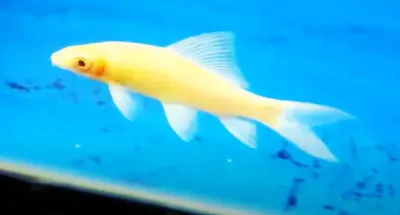
Albino Black Shark - (Labeo chrysophekadion)
Albino Black Shark - (Labeo chrysophekadion)
Price of shipping is not included.
$100.00
Out of stock
Wild Caught
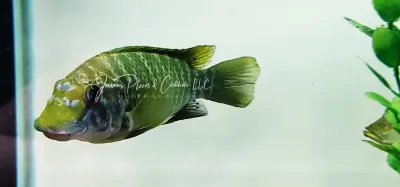
Petrochromis Macrognathus Moshi
Petrochromis Macrognathus Moshi
Price of shipping is not included.
$90.00
Out of stock
Captive Bred
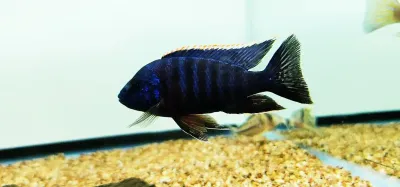
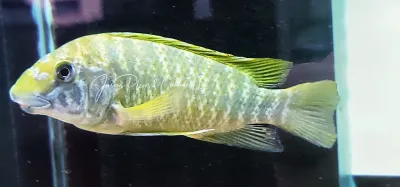
Chilumba Peacock Cichlid - (Aulonocara sp.)
Chilumba Peacock Cichlid - (Aulonocara sp.)
Price of shipping is not included.
$40.00
Out of stock
Wild Caught
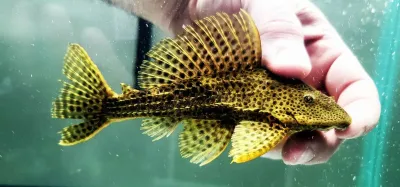
Ranger Pleco - (Pterygoplichthys weberi)
Ranger Pleco - (Pterygoplichthys weberi)
Price of shipping is not included.
$60.00
Out of stock
Captive Bred
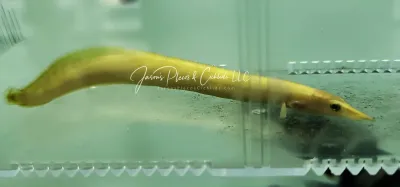
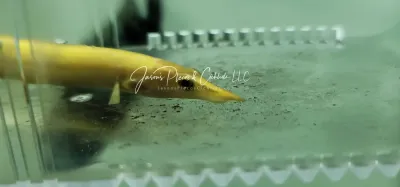
Golden Unicolor Eel - (Mastacembalus cf. unicolor ‘xanthic’)
Golden Unicolor Eel - (Mastacembalus cf. unicolor ‘xanthic’)
Price of shipping is not included.
$350.00
Out of stock
Wild Caught
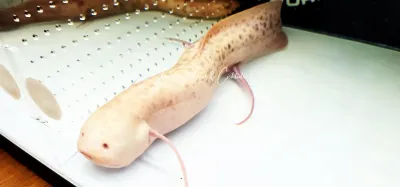
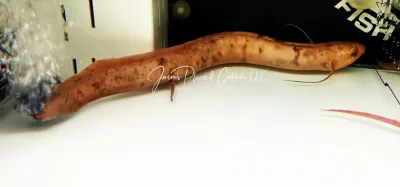
Albino Marbled Lungfish - (Protopterus aethiopicus)
Albino Marbled Lungfish - (Protopterus aethiopicus)
Price of shipping is not included.
$1 500.00
Out of stock
Captive Bred
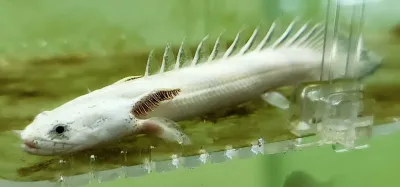
Platinum Endli Bichir - (Polypterus endlicheri endlicheri)
Platinum Endli Bichir - (Polypterus endlicheri endlicheri)
Price of shipping is not included.
$600.00
Out of stock
Captive Bred
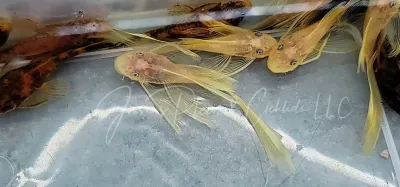
Blue Eyed Longfin Bushynose - (Ancistrus sp.)
Blue Eyed Longfin Bushynose - (Ancistrus sp.)
Price of shipping is not included.
$25.00
Out of stock
Wild Caught
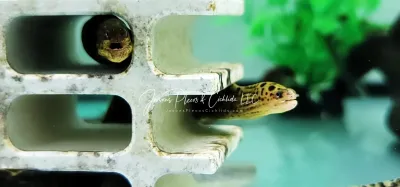
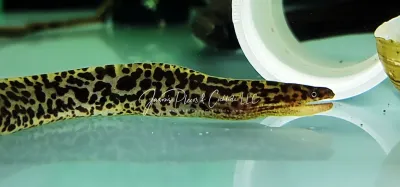
Tiger Moray Eel - (Gymnothorax polyuranodon)
Tiger Moray Eel - (Gymnothorax polyuranodon)
Price of shipping is not included.
5.0
(1)
was $130.00
Save 8%
$120.00
Out of stock
Wild Caught
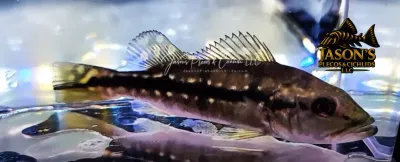
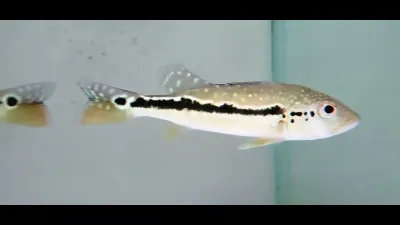
Fogo Peacock Bass - (Cichla Marinae)
Fogo Peacock Bass - (Cichla Marinae)
Price of shipping is not included.
was $110.00
Save 9%
$100.00
Out of stock
Powered by Lightspeed
Display prices in:USD