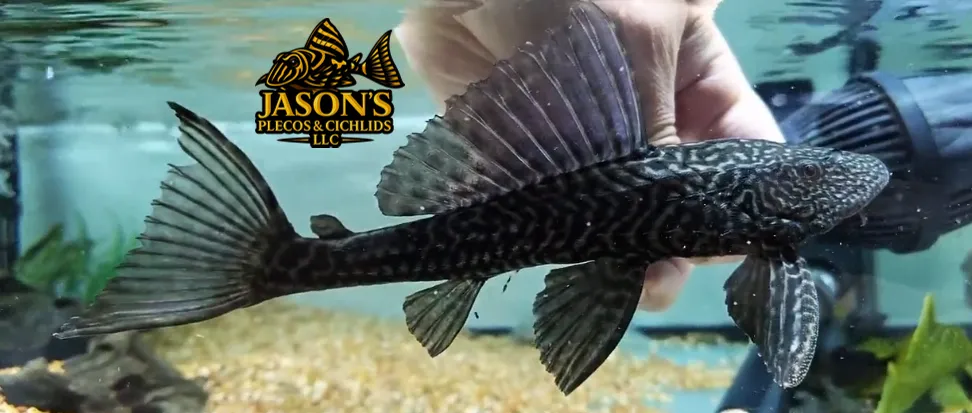
L021 Common Pleco - (Pterygoplichthys pardalis)
5.0
1 review
Reviews from verified customers who have purchased products at this store.
$45.00
Sold out
was $50.00 Save 10%
Size
Questions, Comments, Concerns? Let us know!
Enter your text
Price of shipping is not included.
Sold out
Save this fish to my favorites.
Customer reviews
Reviews only from verified customers
Reviews are only accepted from verified customers who have signed in and purchased the products. This ensures that each review is based on genuine customer experiences. All reviews are checked before publication to prevent spam.
NORTH ARLINGTON,
United States
Aug 10, 2025
Wonderful service and selection
L021 Common Pleco - (Pterygoplichthys pardalis)
Fish Details, Description and Information Below:
🐟 L021 Common Pleco – (Pterygoplichthys pardalis) – Captive-Bred Amazon Sailfin Pleco
The L021 Common Pleco (Pterygoplichthys pardalis), also known as the Amazon Sailfin Catfish, Common Pleco, Leopard Pleco, or Janitor Fish, is one of the most recognizable freshwater catfish in the aquarium hobby.
Known for its heavily armored body, large sucker-shaped mouth, tall sail-like dorsal fin, and attractive leopard-like pattern, the L021 can become an impressive centerpiece bottom-dweller in a properly sized aquarium.
Juveniles are frequently sold when only a few inches long, but this species becomes much larger than many new aquarists expect. Current scientific records document Pterygoplichthys pardalis reaching approximately 22.8 inches total length.
Because of its substantial adult size, powerful body, heavy waste production, and long lifespan, the Common Pleco should be purchased only by aquarists prepared to provide a large permanent aquarium.
The L021 is an adaptable omnivorous grazer that consumes algae, biofilm, plant material, detritus, and other available foods. However, it should never be purchased with the expectation that aquarium algae alone will provide a complete diet.
This listing is for:
CAPTIVE-BRED L021 COMMON PLECOS
🔎 Quick Facts – L021 Common Pleco
- 📛 Common Name: Common Pleco
- 📛 Other Names: Amazon Sailfin Catfish, Leopard Pleco, Janitor Fish
- 🔢 L-Number: L021
- 🔢 Additional Historical L-Number: L023
- 🔬 Scientific Name: Pterygoplichthys pardalis
- 🐟 Family: Loricariidae
- 🧬 Subfamily: Hypostominae
- 🐣 Stock: Captive Bred
- 🌎 Origin of Species: South America
- 🌊 Native Range: Lower, middle, and upper Amazon River Basin
- 🇧🇷 Native Region: Amazonian South America
- 💧 Water Type: Freshwater
- 📏 Scientific Maximum: Approximately 57.8 cm / 22.8 inches total length
- 📏 Adult Planning Size: Approximately 18–24 inches
- 🏠 Recommended Permanent Adult Aquarium: 180 gallons or larger
- 📐 Recommended Footprint: Approximately 6 feet × 2 feet or larger
- 🌡️ Temperature: Approximately 74–82°F
- 💧 pH: Approximately 6.5–8.0
- 💦 Hardness: Moderate conditions preferred; adaptable when kept stable
- 💨 Oxygenation: Good
- 🍽️ Diet: Omnivorous Grazer
- 🌿 Plant Foods: Important
- 🦐 Protein: Supplemental
- 😌 Temperament: Generally peaceful; territorial with other large plecos
- 🌙 Activity: Primarily nocturnal / crepuscular
- 🐠 Swimming Area: Bottom
- 💩 Bioload: Very High
- 💨 Special Adaptation: Facultative Air Breather
- 🥚 Breeding: Burrow Spawner
- ⭐ Care Level: Intermediate due primarily to adult size
- 🌎 IUCN Status: Least Concern
🧬 Correct Scientific Identification
The currently accepted scientific name is:
Pterygoplichthys pardalis (Castelnau, 1855)
Older scientific names found in literature may include:
- Hypostomus pardalis
- Liposarcus pardalis
- Liposarcus varius
- Liposarcus jeanesianus
The accepted genus today is:
Pterygoplichthys
🔢 L021 & L023
The aquarium hobby has historically associated both:
- L021
- L023
with Pterygoplichthys pardalis.
For this product, the appropriate aquarium identification is:
L021 Common Pleco
The L-number remains useful even though the species has a valid formal scientific name.
⚠️ “Common Pleco” Can Mean Different Fish
The common name:
Common Pleco
is used very loosely in the aquarium trade.
Over the years it has been applied to several large armored catfish, including species from:
- Pterygoplichthys
- Hypostomus
and sometimes unidentified or hybrid sailfin plecos.
Therefore, the scientific name matters.
This listing specifically identifies the fish as:
Pterygoplichthys pardalis
🆚 Not Hypostomus plecostomus
The L021 Common Pleco is frequently mislabeled as:
Hypostomus plecostomus
but that is not the correct identification for this fish.
One obvious characteristic of Pterygoplichthys is the:
Large Sail-Like Dorsal Fin
with considerably more dorsal-fin rays than typical Hypostomus.
Correct identification is important because the name “Plecostomus” has historically been used for many unrelated armored catfish.
🎨 Appearance
The L021 has a heavily armored elongated body with an impressive sail-like dorsal fin.
Typical coloration includes:
- Tan
- Beige
- Light brown
- Gray-brown
- Dark brown
covered with:
- Dark brown spots
- Black spots
- Leopard-like markings
- Geometric markings across the head
The fins are also heavily patterned.
🐆 Leopard-Like Pattern
One of the characteristic features of Pterygoplichthys pardalis is its:
Spotted Abdominal Pattern
Dark spots are visible across the underside of mature fish.
The head frequently displays:
Geometric or Reticulated Lines
while the body is more heavily spotted.
This pattern can help separate true P. pardalis from similar sailfin plecos.
🆚 L021 vs. Vermiculated Sailfin Pleco
Pterygoplichthys pardalis can be confused with:
Pterygoplichthys disjunctivus
the Vermiculated Sailfin Catfish.
A useful identification feature is the belly pattern.
Pterygoplichthys pardalis
Typically displays:
Distinct Dark Spots
across the abdomen.
Pterygoplichthys disjunctivus
Typically displays:
More Connected, Vermiculated or Maze-Like Markings
across the abdomen.
However, identification can become complicated because intermediate patterns and hybridization have been reported in introduced populations.
🛡️ Armored Body
Like other Loricariidae, the Common Pleco is protected by:
Rows of Bony Plates
rather than ordinary fish scales.
These plates provide substantial protection and give mature fish an almost prehistoric appearance.
Adults also develop:
- Large pectoral spines
- Strong dorsal spine
- Powerful tail
- Broad sucker mouth
- Large sail-like dorsal fin
Use caution when moving large specimens.
📏 Adult Size – Much Larger Than Many People Expect
This is one of the most important pieces of information on this product page.
Current FishBase data document Pterygoplichthys pardalis reaching:
57.8 cm / approximately 22.8 inches total length
For responsible aquarium planning:
Expect approximately 18–24 inches as an adult.
Some individuals may remain smaller, but customers should never purchase this species assuming it will stop growing at:
- 10 inches
- 12 inches
- 14 inches
🚨 The Tiny “Algae Eater” Becomes a Giant Pleco
Common Plecos are often sold at only:
- 2 inches
- 3 inches
- 4 inches
- 5 inches
This creates one of the most common problems in the aquarium hobby.
The fish looks suitable for a small aquarium when purchased.
It eventually becomes a:
- Very large
- Thick-bodied
- Heavily armored
- Heavy-feeding
- Heavy-waste-producing
adult.
Always purchase based on:
Adult Size
not current size.
🏠 Aquarium Size
For permanent adult housing, I recommend:
180 gallons or larger
for a full-grown L021.
A larger aquarium is even better.
For exceptionally large adults or multiple large tankmates:
240+ gallons
may be more appropriate.
📐 Aquarium Width Matters
A full-grown Common Pleco can approach 2 feet in total length.
Therefore, aquarium width is extremely important.
A good starting adult footprint is approximately:
6 feet long × 2 feet wide
or larger.
A narrow aquarium may contain many gallons but still provide insufficient room for a large pleco to:
- Turn comfortably
- Move naturally
- Establish territory
- Rest without contacting both sides
🚫 55–75 Gallons Is Not Permanent Adult Housing
A 55- or 75-gallon aquarium may temporarily house a juvenile.
It should not be advertised as appropriate permanent housing for a fish capable of reaching nearly:
23 inches
Customers purchasing juveniles should already have an upgrade plan.
🏠 Aquarium Setup
Recommended features include:
- Large open bottom area
- Sand or smooth gravel
- Large driftwood
- Large caves
- Smooth rocks
- Strong filtration
- Good oxygenation
- Shaded resting areas
- Open grazing surfaces
Décor should be large enough and secure enough for an adult fish.
⚠️ Large Plecos Can Move Décor
A mature Common Pleco is surprisingly powerful.
Adults can:
- Move lightweight rocks
- Shift driftwood
- Disturb substrate
- Uproot plants
- Knock over decorations
Make sure heavy structures are stable.
Do not create rock piles that can collapse if the fish digs underneath them.
🪵 Driftwood
Driftwood is highly recommended because it provides:
- Shelter
- Shade
- Territory
- Biofilm
- Grazing surfaces
- Environmental enrichment
However:
Do Not Claim That L021 Must Eat Wood to Digest Food
Pterygoplichthys pardalis is not a specialized wood-feeding Panaque.
Wood is an excellent aquarium feature, but it should not be presented as a digestive requirement.
🌿 Plants
Large Common Plecos can be difficult in heavily planted aquariums.
They may:
- Uproot plants
- Rasp soft leaves
- Damage broad leaves
- Dig around roots
Large established plants may survive, but delicate aquascapes are usually not ideal permanent housing for a full-grown L021.
💩 VERY HEAVY BIOLOAD
The Common Pleco is notorious for producing large amounts of waste.
A mature 18–24 inch pleco can create an enormous bioload.
Strong filtration is essential.
Recommended filtration may include:
- Large sump systems
- Oversized canister filters
- High-capacity biological filtration
- Powerful mechanical filtration
- Prefilters
- Strong surface agitation
Maintain:
- ☠️ Ammonia: 0 ppm
- ☠️ Nitrite: 0 ppm
- 🔄 Nitrate: Keep as low as reasonably practical
🧹 A Pleco Does Not “Clean” an Aquarium
Common Plecos are often sold as:
Tank Cleaners
This is misleading.
They certainly consume:
- Algae
- Biofilm
- Leftover organic material
but they also produce an enormous amount of:
Waste
A large Common Pleco may contribute more waste to an aquarium than the algae it removes.
It should be purchased because you want to keep the fish—not simply as aquarium maintenance equipment.
💧 Water Parameters
FishBase documents natural conditions around:
- 🌡️ Temperature: 73–82°F / 23–28°C
- 💧 pH: Approximately 7.0–7.5
- 💦 Hardness: Approximately 10–20 dH
For captive maintenance, a practical range is approximately:
- 🌡️ Temperature: 74–82°F
- 💧 pH: 6.5–8.0
- 💦 Hardness: Soft to moderately hard when acclimated gradually
- 💨 Oxygenation: Good
- ☠️ Ammonia: 0
- ☠️ Nitrite: 0
This is an adaptable species, but:
Stability Is More Important Than Constantly Adjusting Numbers.
💨 Facultative Air Breathing
One fascinating adaptation of Pterygoplichthys pardalis is its ability to:
Use Atmospheric Air
under certain conditions.
The species is considered a:
Facultative Air Breather
An individual may occasionally swim to the surface and gulp air.
This ability contributes to the species' survival in environments where dissolved oxygen temporarily becomes low.
⚠️ Air Breathing Does Not Excuse Poor Water Quality
The ability to gulp air does not mean the aquarium can have:
- Poor filtration
- Low oxygen
- High ammonia
- High nitrite
- Excessive waste
Always maintain:
Clean, Well-Oxygenated Water
The air-breathing adaptation is a survival mechanism—not a substitute for proper husbandry.
🍽️ Diet & Feeding
The L021 Common Pleco is an:
Omnivorous Grazer
Its diet should contain substantial plant material while also providing moderate amounts of appropriate protein.
Suitable staple foods include:
- Quality algae wafers
- Spirulina wafers
- Vegetable-based pleco pellets
- Omnivore sinking pellets
- Quality gel foods
🥒 Vegetable Foods
Suitable vegetables can include:
- Zucchini
- Squash
- Green beans
- Peas
- Appropriate leafy greens
Vegetables should be:
- Clean
- Fresh
- Removed before they spoil
Do not leave decomposing vegetables in the aquarium.
🦐 Supplemental Protein
Appropriate protein foods may occasionally include:
- Shrimp-based sinking foods
- Mysis shrimp
- Insect-based foods
- Krill
- Quality omnivore pellets
Do not turn the diet into an exclusively high-protein carnivore diet.
⚠️ Do Not Feed Only Algae Wafers
A large adult requires more nutrition than aquarium algae or one wafer can provide.
Offer:
A Varied Intentional Diet
A healthy Common Pleco should not have a:
- Severely sunken abdomen
- Hollow appearance
- Prominent loss of body condition
🌙 Nocturnal Behavior
L021 Common Plecos are primarily:
Nocturnal / Crepuscular
Activity usually increases:
- At dusk
- After lights go out
- During feeding
- Under subdued lighting
Established specimens may become very comfortable during daylight and learn feeding schedules.
😌 Temperament
Toward most appropriately sized midwater fish, the Common Pleco is generally:
Peaceful
However, adults may become territorial toward:
- Other Common Plecos
- Other large plecos
- Similar bottom dwellers
- Fish competing for shelters
⚠️ Territorial With Other Plecos
Adult males in particular may defend:
- Hiding areas
- Feeding territories
- Caves
- Preferred resting sites
Fighting can involve:
- Pushing
- Tail slapping
- Pectoral-spine contact
- Chasing
Provide substantial floor space and multiple territories if several large plecos are kept together.
🐠 Tankmates
Possible tankmates include appropriately sized:
- Large community fish
- Silver dollars
- Severums
- Geophagus
- Large peaceful cichlids
- Bichirs
- Large catfish
- Other robust fish
Always consider:
- Temperature
- Adult size
- Temperament
- Available floor space
⚠️ Small or Slow Tankmates
Common Plecos are not normally active fish predators.
However, very large plecos can create problems with certain tankmates.
There are reports of large suckermouth catfish attaching to:
- Large slow fish
- Goldfish
- Other animals
and rasping their protective slime coating.
This is not normal feeding behavior that should be encouraged.
If a pleco repeatedly attaches to another fish:
Separate Them.
🐢 Use Caution With Turtles & Stingrays
Large plecos should also be monitored carefully around animals with exposed skin surfaces, including:
- Freshwater stingrays
- Aquatic turtles
A pleco that repeatedly rasps or attaches to another animal can cause:
- Abrasions
- Open wounds
- Secondary infections
Compatibility should always be monitored.
♂️ Male vs. Female
Sexing young L021s can be difficult.
Mature males may become:
- More territorial
- Broader through the head
- More developed around the pectoral region
Females may become:
- Fuller through the abdomen
- Heavier-bodied when carrying eggs
External sex differences are not reliable enough in juveniles to guarantee sex from appearance alone.
Unless confidently determined:
Sell as Unsexed
🥚 Breeding – Not a Typical Aquarium Cave Spawner
Common Plecos have a fascinating reproductive strategy.
Rather than using a small ceramic pleco cave:
Adults Naturally Dig Long Burrows Into Riverbanks
The male commonly excavates a nesting tunnel where spawning occurs.
Eggs are deposited inside the protected burrow.
Parental guarding of the nest and developing offspring has been documented.
🕳️ Burrow Spawning
Wild and introduced Pterygoplichthys populations may create:
Large Nesting Burrows
in:
- Mud banks
- Earthen riverbanks
- Canal banks
- Soft shoreline substrate
These tunnels can become surprisingly deep.
This behavior is very different from the small rock-cave spawning behavior of:
- Hypancistrus
- Peckoltia
- Ancistrus
🥚 Large Numbers of Eggs
Studies of introduced Pterygoplichthys pardalis populations have found females capable of producing:
Hundreds to Thousands of Eggs
with fecundity varying greatly according to female size and condition.
This high reproductive capacity is one reason the species can establish quickly when illegally released into suitable warm waterways.
🏠 Aquarium Breeding
Breeding in an ordinary home aquarium is:
Uncommon and Impractical
because the fish:
- Becomes extremely large
- Uses deep burrows
- Needs substantial territory
- Produces large numbers of eggs
Commercial breeding operations can reproduce Common Plecos using specialized systems designed around their natural burrowing behavior.
For most home aquarists:
Treat L021 as a Display Species Rather Than an Easy Breeding Project.
🐣 Captive-Bred Advantage
This listing is for:
CAPTIVE-BRED L021 COMMON PLECOS
Captive-bred fish help reduce dependence on wild collection and are already accustomed to life under managed aquarium conditions.
They still require exactly the same responsible planning for:
- Adult size
- Permanent housing
- Diet
- Filtration
- Long-term care
Captive bred does not mean the fish stays smaller.
🌎 Invasive Species Warning
This section is extremely important for Common Plecos.
Pterygoplichthys pardalis has become established outside its natural range in numerous parts of the world after human introduction.
Aquarium release has been strongly associated with introduced populations.
Large populations can affect:
- Riverbanks
- Shoreline stability
- Sediment
- Nutrient cycling
- Native aquatic communities
because of their:
- Heavy grazing
- Waste production
- Large numbers
- Burrow construction
🕳️ Burrowing Can Damage Riverbanks
When large numbers reproduce, breeding adults can excavate extensive shoreline burrows.
These burrows may contribute to:
- Bank erosion
- Shoreline instability
- Increased sediment
- Habitat alteration
This is another reason unwanted Common Plecos must:
NEVER BE RELEASED
🇺🇸 Introduced in the United States
Non-native Pterygoplichthys pardalis have been documented in multiple areas of the United States.
Introductions are believed to be associated largely with:
Aquarium Releases
Once established in warm climates, these fish can be extremely difficult to eliminate.
🌎 Never Release a Common Pleco
Never release this fish into:
- Lakes
- Rivers
- Streams
- Ponds
- Canals
- Storm drains
- Drainage systems
- Natural waterways
If you can no longer keep a Common Pleco:
- Contact another experienced aquarist
- Contact a qualified aquarium store
- Contact an aquatic rescue
- Contact a public aquarium
- Contact the appropriate wildlife agency
Never release aquarium fish into the wild.
🌎 Conservation Status
Despite problems created by introduced populations elsewhere, Pterygoplichthys pardalis currently has a broad native distribution and is classified as:
Least Concern
Its natural range extends through the:
Lower, Middle, and Upper Amazon River Basin
⭐ Why Keep an L021 Common Pleco?
The Common Pleco is sometimes overlooked because of how frequently juveniles have historically been sold.
When properly housed, however, a mature L021 is an impressive animal.
Its combination of:
- 🐆 Leopard-like pattern
- 🛡️ Heavy body armor
- ⛵ Huge sail-like dorsal fin
- 👄 Powerful sucker mouth
- 📏 18–24 inch adult potential
- 🌙 Nocturnal behavior
- 💨 Air-breathing adaptation
- 🌎 Amazonian ancestry
- 🐣 Captive-bred availability
makes a full-grown Pterygoplichthys pardalis an impressive centerpiece catfish.
The key is providing the space and filtration that such a large fish deserves.
⚠️ Important Considerations
Before purchasing an L021 Common Pleco:
- The correct scientific name is Pterygoplichthys pardalis.
- L021 and L023 have historically been associated with this species.
- Do not automatically identify it as Hypostomus plecostomus.
- This listing is for captive-bred fish.
- FishBase documents approximately 22.8 inches maximum total length.
- Plan for an 18–24 inch adult.
- Do not purchase based on juvenile size.
- Provide approximately 180 gallons or larger for permanent adult housing.
- Prioritize aquarium width and bottom area.
- Provide large shelters and driftwood.
- Use powerful filtration.
- Expect extremely heavy waste production.
- Maintain ammonia and nitrite at zero.
- Feed a varied omnivorous diet.
- Provide substantial plant-based nutrition.
- Provide appropriate supplemental protein.
- Do not rely solely on aquarium algae.
- Do not purchase this fish simply as an aquarium cleaner.
- Understand that adults may become territorial toward other plecos.
- Monitor compatibility with slow-moving fish, stingrays, and turtles.
- Understand that the species is capable of air breathing.
- Understand that it breeds in shoreline burrows rather than small pleco caves.
- Never release this species into natural waterways.
🧬 Taxonomy
The currently accepted scientific name is:
Pterygoplichthys pardalis (Castelnau, 1855)
Classification:
- Order: Siluriformes
- Family: Loricariidae
- Subfamily: Hypostominae
- Genus: Pterygoplichthys
- Species: pardalis
Older names may include:
- Hypostomus pardalis
- Liposarcus pardalis
- Liposarcus varius
- Liposarcus jeanesianus
For this product, use:
L021 Common Pleco – (Pterygoplichthys pardalis)
🚚 Live Fish Shipping
Live fish are professionally packed for safe transport.
Shipping availability depends on:
- Fish size
- Destination
- Weather conditions
- Carrier availability
- Applicable state and local regulations
Larger Common Plecos may require:
- Larger insulated shipping boxes
- Additional water
- Heavy-duty shipping bags
- Multiple layers of protection
- Specialized packing
- Airline cargo shipping
Large specimens must be packed carefully because of their:
- Strong dorsal spine
- Strong pectoral spines
- Heavy armored body
Please review our Shipping & Payment Information and Live Arrival Guarantee / DOA Policy before ordering.
⚠️ Buyer Responsibility
Customers are responsible for confirming that Pterygoplichthys pardalis may legally be purchased, possessed, transported, and received in their state or local jurisdiction before ordering.
Never release aquarium fish into natural waterways.
Below are fish you may also like.
Wild Caught
L025 Scarlet Cactus Pleco - (Pseudacanthicus pirarara) Super Red
L025 Scarlet Cactus Pleco - (Pseudacanthicus pirarara) Super Red
Price of shipping is not included.
was $650.00
Save 8%
$600.00
Out of stock
Wild Caught
L310 Rusty Pleco - (Hypostomus cochliodon)
L310 Rusty Pleco - (Hypostomus cochliodon)
Price of shipping is not included.
$60.00
Out of stock
Wild Caught
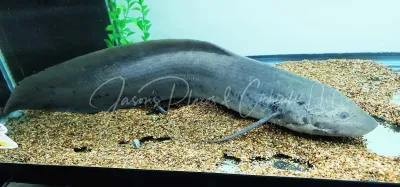
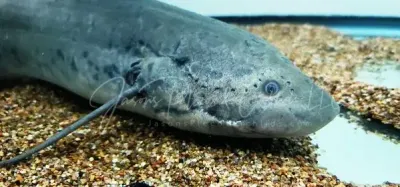
West African lungfish - (Protopterus annectens)
West African lungfish - (Protopterus annectens)
Price of shipping is not included.
4.0
(1)
was $300.00
Save 73%
$80.00
Out of stock
Wild Caught
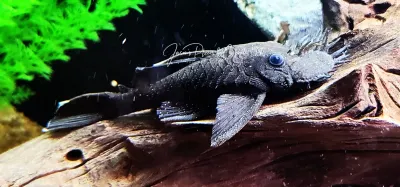
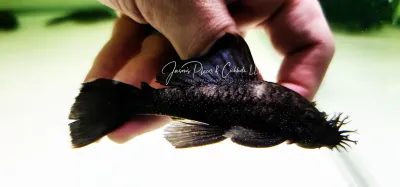
L183 Starlight Bristlenose Pleco - (Ancistrus dolichopterus)
L183 Starlight Bristlenose Pleco - (Ancistrus dolichopterus)
Price of shipping is not included.
was $80.00
Save 6%
$75.00
Out of stock
Wild Caught
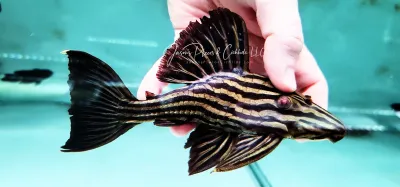
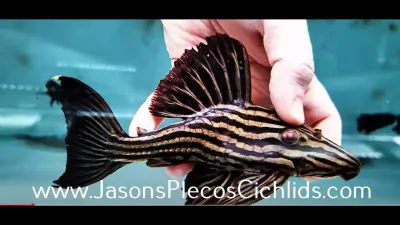
L027 Thunder Royal Pleco - (Panaque cf. armbrusteri)
L027 Thunder Royal Pleco - (Panaque cf. armbrusteri)
Price of shipping is not included.
$300.00
Out of stock
Captive Bred
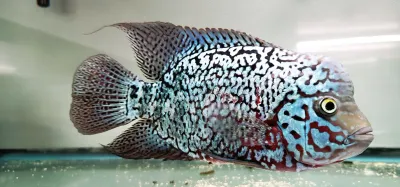
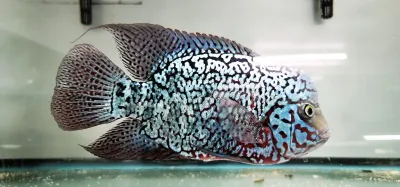
King Kamfa Flowerhorn
King Kamfa Flowerhorn
Price of shipping is not included.
$300.00
Out of stock
Wild Caught
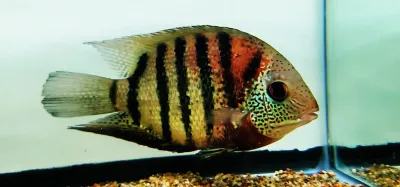
Heros severus - ("Red Tiger Severum" "Rio Curare")
Heros severus - ("Red Tiger Severum" "Rio Curare")
Price of shipping is not included.
$130.00
Out of stock
Wild Caught
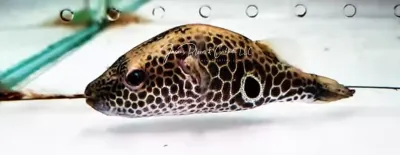
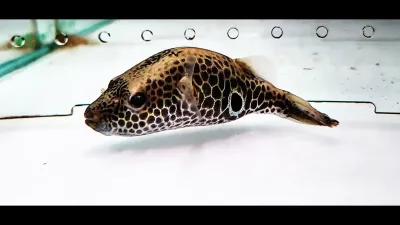
Thai Puffer - (Pao barbatus)
Thai Puffer - (Pao barbatus)
Price of shipping is not included.
was $160.00
Save 6%
$150.00
Out of stock
Wild Caught
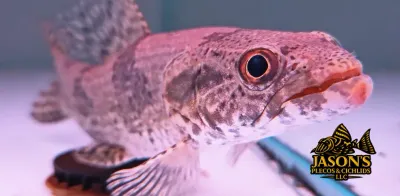
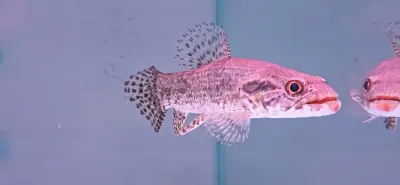
Wolf Fish - (Hoplias aimara)
Wolf Fish - (Hoplias aimara)
was $400.00
Save 13%
$350.00
Out of stock
Captive Bred
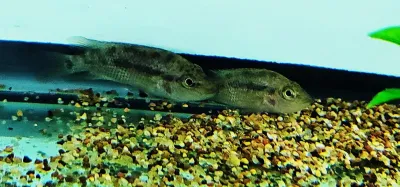
Grammodes Cichlid - (Chiapaheros grammodes)
Grammodes Cichlid - (Chiapaheros grammodes)
Price of shipping is not included.
$35.00
Out of stock
Captive Bred
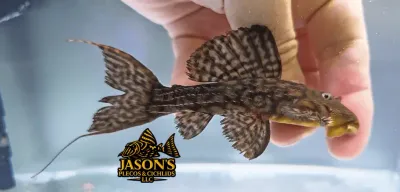
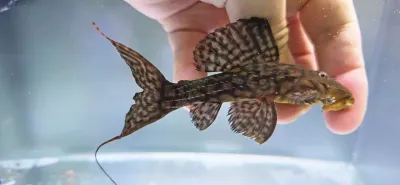
L079 Slender Cactus Pleco - (Pseudacanthicus sp.)
L079 Slender Cactus Pleco - (Pseudacanthicus sp.)
Price of shipping is not included.
5.0
(1)
was $300.00
Save 17%
$250.00
Out of stock
Captive Bred
Silver Cichlid - (Vieja argentea)
Silver Cichlid - (Vieja argentea)
Price of shipping is not included.
5.0
(2)
was $150.00
Save 67%
$50.00
Out of stock
Powered by Lightspeed
Display prices in:USD