🎉 FIRST ORDER? SAVE 10%! Use code JPC10% at checkout.
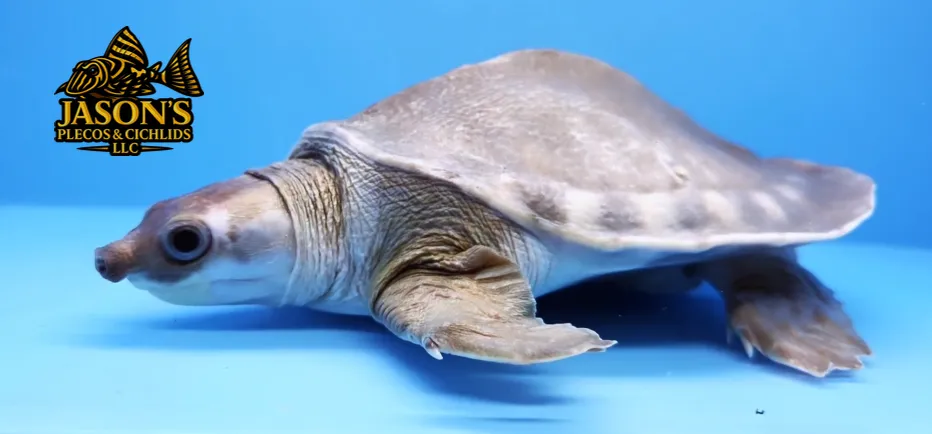
Fly River Turtle/Pig Nose Turtle - (Carettochelys insculpta)
$1 100.00
Captive Bred
was $1 600.00 Save 31%
Size
Questions, Comments, Concerns? Let us know!
Enter your text
Price of shipping is not included.
In stock: 1 available
1
Customer reviews
Reviews only from verified customers
No reviews yet. You can buy this product and be the first to leave a review.
Fly River Turtle/Pig Nose Turtle - (Carettochelys insculpta)
Fish Details, Description and Information Below:
SPECIALIST AQUATIC TURTLE · CARETTOCHELYIDAE
Fly River Turtle / Pig Nose Turtle
Carettochelys insculpta
About the Fly River Turtle
The Fly River Turtle has a distinctive fleshy snout, paddle-shaped forelimbs and a shell covered in leathery skin. It is the sole surviving species of the family Carettochelyidae and is highly adapted to aquatic life.
Quick Care Guide
MAXIMUM ADULT LENGTH
27.5 inches (70 cm)
TEMPERATURE TARGET
82–86°F (28–30°C)
pH RANGE
7.5–8.5
DIET
Plant-rich omnivore
TEMPERAMENT
Aggressive toward other turtles
CARE LEVEL
Advanced / Specialist
Natural Habitat
The species occupies warm, slow-flowing rivers and other inland waters in northern Australia and New Guinea, including southern Indonesian New Guinea. Soft river bottoms are characteristic of its habitat.
Aquarium Setup
Provide generous swimming and turning room, unobstructed access to the surface, smooth surfaces, sheltered areas and strong mechanical and biological filtration. Protect heating equipment from contact.
RECOMMENDED ADULT HOUSING
Large Custom-Built Pool or Indoor Pond
Plan a dedicated adult enclosure rather than a conventional turtle aquarium. No universal minimum volume is established in the references.
Diet & Feeding
Offer a varied plant-rich diet including aquatic vegetation, suitable fruits such as figs, balanced aquatic turtle pellets and supplementary earthworms, shrimp or fish. Remove uneaten food.
Water Quality & Health
Keep water clean and stable, with undetectable ammonia and nitrite. The temperature target reflects the overlap of published husbandry ranges. Check the skin and shell for wounds or lesions and seek a reptile veterinarian for suspected infection.
Temperament & Compatibility
Even young turtles may bite and injure each other. Individual housing is recommended; do not assume compatibility with fish or other turtles.
Lifespan & Long-Term Commitment
The Smithsonian reports individuals living into their late thirties in human care and adult weights reaching 66 pounds (30 kg). Females generally grow larger than males.
Reproduction
Maturity is reported around 14–15 years. Adult females need access to appropriate terrestrial nesting areas.
Health & Hygiene
Healthy-looking turtles can carry Salmonella. Wash hands after contact with turtles or their water and keep enclosure equipment away from food preparation areas.
IMPORTANT CONSERVATION & LEGAL INFORMATION
Responsible Ownership
This species is classified as Endangered by the IUCN and listed in CITES Appendix II. International trade is regulated. Verify legal origin and applicable wildlife documentation. U.S. federal regulations prohibit selling turtles with a carapace shorter than four inches as pets. Never release captive turtles into the wild.
Questions Before Ordering
Confirm applicable reptile shipping and live arrival coverage with Jason’s Plecos & Cichlids. Fish-specific guarantees should not be assumed to cover reptiles.
Confirm state and local requirements before acquiring a turtle.
Species & Regulatory References
Smithsonian National Zoo – Fly River turtle
IUCN Turtle Specialist Group – Species account (2008)
California Turtle & Tortoise Club – Husbandry
ITIS – Taxonomy and conservation status
Below are fish you may also like.
Captive Bred
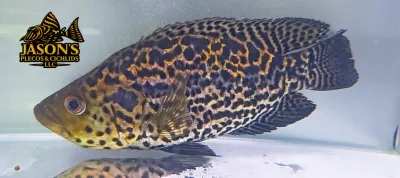
Jaguar Cichlid - (Parachromis managuensis)
Jaguar Cichlid - (Parachromis managuensis)
Price of shipping is not included.
5.0
(1)
was $100.00
Save 10%
$90.00
Out of stock
Wild Caught
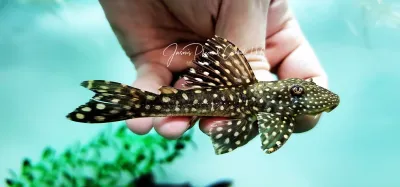
Yellow Spotted Hypostomus - (Hypostomus margaritifer)
Yellow Spotted Hypostomus - (Hypostomus margaritifer)
Price of shipping is not included.
was $175.00
Save 14%
$150.00
Out of stock
Wild Caught
Nsess - (Stomatepia mariae)
Nsess - (Stomatepia mariae)
Price of shipping is not included.
$10.00
Out of stock
Wild Caught
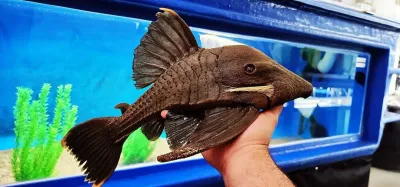
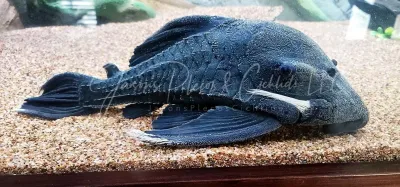
L191 Dull Eyed Royal Pleco - (Panaque sp.)
L191 Dull Eyed Royal Pleco - (Panaque sp.)
Price of shipping is not included.
$900.00
Out of stock
Wild Caught
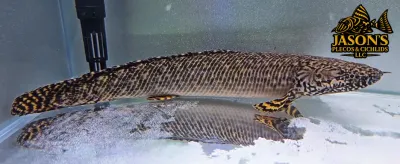
Ornate Bichir - (Polypterus Ornatipinnis)
Ornate Bichir - (Polypterus Ornatipinnis)
Price of shipping is not included.
5.0
(1)
was $120.00
Save 17%
$100.00
Out of stock
Wild Caught
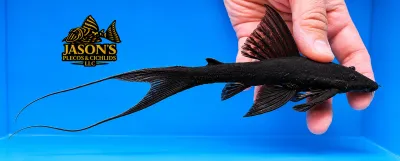
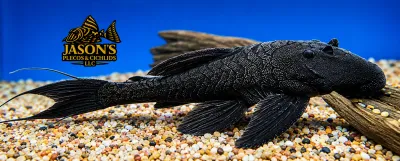
L350 Coal Pleco (Peckoltia pankimpuju)
L350 Coal Pleco (Peckoltia pankimpuju)
Price of shipping is not included.
5.0
(2)
was $325.00
Save 8%
$300.00
Out of stock
Wild Caught
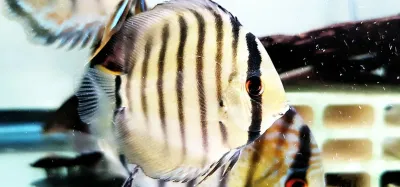
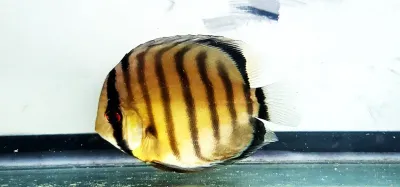
Brown Discus - (Symphysodon aequifasciatus)
Brown Discus - (Symphysodon aequifasciatus)
Price of shipping is not included.
$40.00
Out of stock
Captive Bred
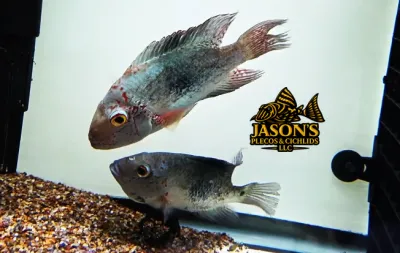
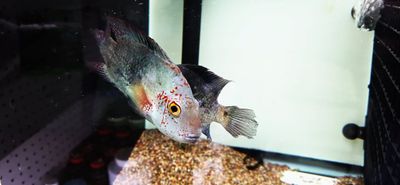
Nautla cichlid - (Hericthys Deppi) - Breeding Pair
Nautla cichlid - (Hericthys Deppi) - Breeding Pair
Price of shipping is not included.
5.0
(4)
was $400.00
Save 10%
$360.00
Out of stock
Captive Bred
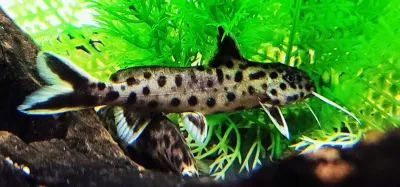
Synodontis Petricola - (Pygmy Leopard Catfish) Breeding Group 8 Qty.
Synodontis Petricola - (Pygmy Leopard Catfish) Breeding Group 8 Qty.
Price of shipping is not included.
$250.00
Out of stock
Wild Caught
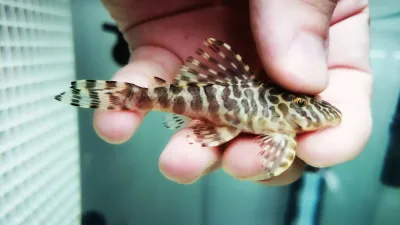
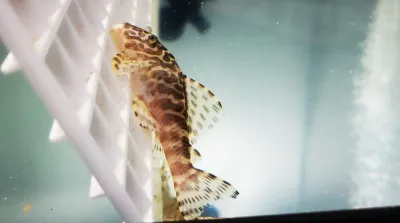
L134 Leopard Frog Pleco - (Peckoltia compta) Breeding Group
L134 Leopard Frog Pleco - (Peckoltia compta) Breeding Group
Price of shipping is not included.
$500.00
Out of stock
Wild Caught
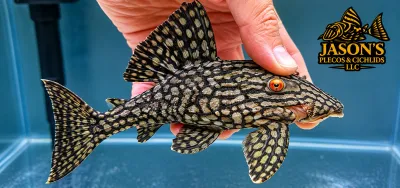
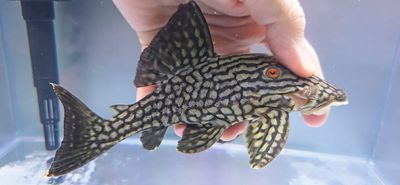
L330 Watermelon Pleco - (Panaque nigrolineatus laurafabianae)
L330 Watermelon Pleco - (Panaque nigrolineatus laurafabianae)
Price of shipping is not included.
was $250.00
Save 20%
$200.00
Captive Bred
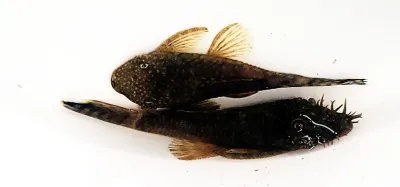
Green Dragon Pleco - (Ancistrus cf. cirrhosus)
Green Dragon Pleco - (Ancistrus cf. cirrhosus)
Price of shipping is not included.
$50.00
Out of stock
Powered by Lightspeed
Display prices in:USD