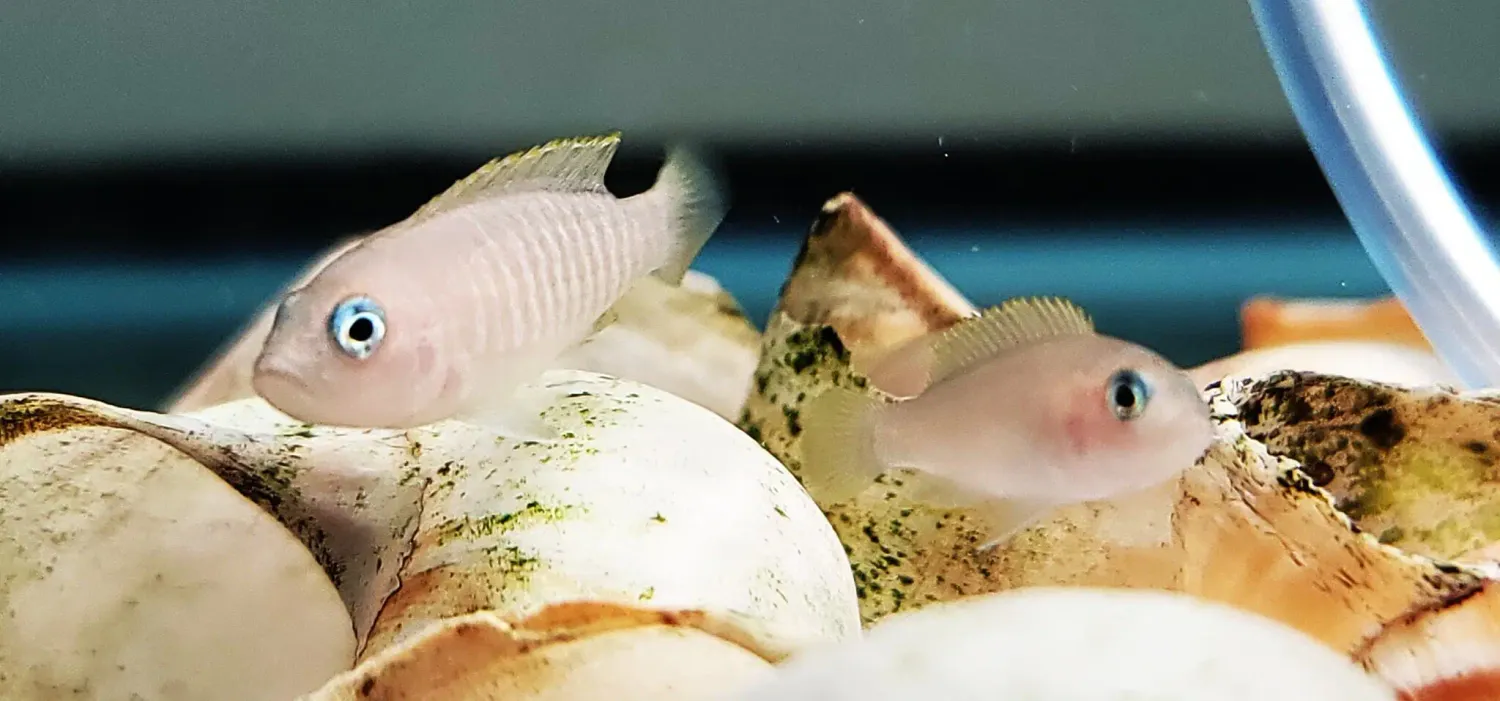
Multies Cichlid/Shellies - (Neolamprologus multifasciatus)
$100.00
Sold out
Size
Price of shipping is not included.
Sold out
Save this fish to my favorites.
Customer reviews
Reviews only from verified customers
No reviews yet. You can buy this product and be the first to leave a review.
Multies Cichlid/Shellies - (Neolamprologus multifasciatus)
Fish Details, Description and Information Below:
🐟 Multies Cichlid / Shellies – (Neolamprologus multifasciatus) – Tiny Lake Tanganyika Shell-Dwelling Cichlid
The Multies Cichlid, commonly called Multies or Shellies (Neolamprologus multifasciatus), is a fascinating dwarf cichlid endemic to Lake Tanganyika in Africa.
Despite its extremely small size, the Multie displays all the personality and territorial behavior people love about cichlids. These tiny fish live around empty snail shells, dig and rearrange the substrate, establish individual territories, form colonies, and readily reproduce when maintained under the proper conditions.
Reaching only around 1.5–2 inches, Neolamprologus multifasciatus is among the smallest cichlids in the world and is an excellent choice for aquarists who want to observe natural cichlid behavior without maintaining a large aquarium.
A well-established Multie colony can become one of the most active and entertaining small aquarium setups in the hobby.
🔎 Quick Facts – Multies / Shellies
- 📛 Common Names: Multies, Shellies, Multifasciatus Shell-Dweller
- 🔬 Scientific Name: Neolamprologus multifasciatus
- 🐟 Family: Cichlidae
- 🌍 Origin: Africa
- 🌊 Native Range: Lake Tanganyika
- 📏 Adult Size: Approximately 1.5–2 inches
- 🏠 Recommended Aquarium: 20 gallons or larger for a growing colony
- 🌡️ Temperature: Approximately 75–79°F
- 💧 pH: Approximately 7.8–9.0
- 💦 Water: Hard, alkaline freshwater
- 🍽️ Diet: Omnivore / Micro-predator / Plankton feeder
- 😠 Temperament: Territorial but generally manageable within a properly established colony
- 🐚 Lifestyle: True shell-dwelling cichlid
- 🐠 Swimming Area: Bottom
- 🥚 Breeding: Shell-spawning cichlid
- 👥 Social Behavior: Colonial
- ⭐ Care Level: Easy to Intermediate
- 🏆 Availability: Popular but highly specialized Lake Tanganyika species
🌍 Natural Habitat
Neolamprologus multifasciatus is endemic to Lake Tanganyika, meaning it naturally occurs nowhere else in the world.
These tiny cichlids inhabit areas of the lake bottom containing large numbers of empty snail shells.
In nature, individual fish establish territories around shells, with many fish living together in large colonies.
The shells provide:
- Shelter
- Protection from predators
- Territorial boundaries
- Spawning sites
- Nursery areas for fry
This relationship with empty snail shells is essential to the natural behavior of the species and should be reproduced in the aquarium.
🐚 Shell-Dwelling Behavior
Shells are not simply aquarium decoration for Multies.
The shells are their homes.
Individual fish select shells and establish territories around them. They frequently dig around the shells and move large amounts of sand while arranging their territory.
A Multie aquarium may look completely different several days after setup because the fish continuously modify the substrate.
This digging behavior is completely natural.
Provide Plenty of Shells
It is better to provide more shells than fish.
Suitable shells should:
- Have an opening large enough for an adult fish
- Be free of chemicals and contaminants
- Allow the fish to completely retreat inside
- Be placed across an open sandy bottom
Escargot-type shells are commonly used successfully in aquariums.
Providing extra shells allows females, males, juveniles, and growing fry to establish separate territories as the colony expands.
📏 Adult Size
Multies are extremely small cichlids.
FishBase records a maximum length of approximately:
4 cm / 1.6 inches
Large males may appear somewhat larger under aquarium conditions, while females generally remain smaller.
Their tiny adult size is one reason this species has become so popular among aquarists interested in dwarf cichlids.
Do not let their size fool you, however.
They behave like true cichlids and will defend their territory even against fish considerably larger than themselves.
🎨 Appearance
Neolamprologus multifasciatus has an understated but attractive appearance.
Typical coloration includes:
- Cream
- Beige
- Tan
- Light brown
- Silver
Multiple darker vertical bars extend across the body.
The fins may show subtle:
- Blue
- Yellow
- Cream
- Iridescent coloration
Color intensity can vary based on:
- Sex
- Age
- Mood
- Dominance
- Breeding condition
- Lighting
- Aquarium environment
Although Multies are not among the most brightly colored African cichlids, their personality and behavior more than compensate for their subtle coloration.
🏠 Aquarium Setup
The ideal Multie aquarium should emphasize bottom surface area rather than height.
Recommended setup:
- Fine sand substrate
- Numerous empty snail shells
- Open shell beds
- Small rocks if desired
- Gentle to moderate water movement
- Strong biological filtration
- Good oxygenation
- Stable hard, alkaline water
Fine Sand Is Strongly Recommended
Multies are enthusiastic diggers.
Fine aquarium sand allows them to:
- Excavate around shells
- Create territorial boundaries
- Partially bury shells
- Move shells
- Build small sand mounds
Coarse gravel prevents much of this natural behavior and is not ideal.
🐚 How Many Shells?
Provide at least 2–3 suitable shells per adult fish whenever possible.
There is generally no downside to providing additional shells.
As the colony reproduces, juveniles will begin establishing their own territories, so extra shells become increasingly important.
A large shell bed also helps spread out territorial aggression.
💧 Water Parameters
As a native Lake Tanganyika species, Neolamprologus multifasciatus requires hard, alkaline water.
Recommended aquarium conditions:
- 🌡️ Temperature: 75–79°F
- 💧 pH: 7.8–9.0
- 💦 Hardness: Hard water preferred
- ☠️ Ammonia: 0 ppm
- ☠️ Nitrite: 0 ppm
- 🔄 Nitrate: Keep as low as reasonably possible
- 💨 Oxygenation: Good
Stable water chemistry is extremely important.
Avoid sudden changes in:
- pH
- Temperature
- Hardness
Regular partial water changes and established biological filtration are recommended.
Lake Tanganyika fish should not be maintained in unstable, acidic, soft-water conditions.
🍽️ Diet & Feeding
In nature, Multies feed heavily on small planktonic organisms passing above their shell colonies.
In the aquarium, they readily accept appropriately sized foods.
Recommended foods include:
- High-quality micro pellets
- Small cichlid pellets
- Crushed flakes
- Frozen baby brine shrimp
- Adult brine shrimp
- Cyclops
- Daphnia
- Mysis shrimp chopped to an appropriate size
- Other small frozen or live foods
Because of their small mouths, foods should be appropriately sized.
Feed a varied diet rather than relying exclusively on one food.
Small portions offered regularly are preferable to allowing large amounts of uneaten food to collect around the shells.
👥 Colony Behavior
One of the biggest attractions of Neolamprologus multifasciatus is its colonial social structure.
Unlike many cichlids where fry must immediately be separated from the adults, Multies can establish multi-generational colonies containing:
- Adult males
- Adult females
- Juveniles
- Multiple generations of fry
Over time, a small starting group may develop into a large colony covering an entire shell bed.
Watching this colony develop is one of the most interesting aspects of keeping the species.
😠 Temperament & Territorial Behavior
Multies are tiny but territorial.
Most aggression revolves around:
- Shells
- Breeding sites
- Individual territories
- Colony boundaries
Fish may flare, chase, and confront one another, but serious aggression can usually be reduced by providing:
- Adequate bottom space
- Plenty of shells
- Visual separation
- Multiple territories
- Appropriate stocking levels
The aquarium should never contain only one or two desirable shells that every fish is forced to fight over.
🐠 Tankmates
Multies are often at their best in a species-only aquarium, especially when the goal is to observe colony development and breeding behavior.
In larger Lake Tanganyika aquariums, carefully selected tankmates may include species that occupy different portions of the aquarium.
Potential tankmates can include certain:
- Cyprichromis
- Paracyprichromis
- Peaceful Tanganyikan rock dwellers
- Other carefully selected Tanganyika species
Avoid:
- Large predatory fish
- Highly aggressive cichlids
- Fish that constantly disturb the shell bed
- Large bottom dwellers
- Species likely to eat adults or fry
Tankmate selection becomes increasingly important when breeding is desired.
🥚 Breeding
Multies are among the most interesting and rewarding cichlids to breed.
They are shell-spawning cichlids and will often reproduce naturally once a healthy colony is established.
The female typically selects a shell and lays her eggs deep inside where they are protected.
The male fertilizes the spawn around the shell entrance.
After hatching, tiny fry eventually begin appearing around the entrance to the female's shell.
One of the best signs that a colony is thriving is suddenly noticing tiny fry hovering just above the sand.
👶 Raising Multie Fry
In an established aquarium, some fry can often survive without being removed from the colony.
Suitable foods include:
- Newly hatched baby brine shrimp
- Cyclops
- Microworms
- Finely crushed quality flakes
- Powdered fry food
- Other appropriately sized foods
Because the fry are extremely small, make sure food particles actually reach the bottom and shell areas.
Protect Fry From Filters
Filter intakes should be protected with a sponge or other appropriate guard.
Tiny Multie fry can easily be pulled into an unprotected filter intake.
Sponge filtration works especially well for breeding colonies.
♂️ Male vs. Female
Sexing juveniles can be difficult.
As the fish mature, size becomes one of the easiest indicators.
Males
Adult males generally:
- Grow larger
- Develop a somewhat heavier body
- Control larger territories
- May associate with multiple females within a colony
Females
Adult females generally:
- Remain smaller
- Stay more closely associated with individual shells
- Spend more time inside the shell when spawning or guarding eggs
Behavior often becomes more useful than coloration when identifying mature males and females.
🌱 Plants
Live plants are optional.
Because Multies constantly dig and rearrange the substrate, rooted plants placed directly within the shell bed may be repeatedly uprooted.
Better choices include plants that can be attached to rocks rather than planted deeply in the sand.
Possible options include:
- Anubias
- Java fern
- Other hardy attached plants
Plants are not required for this species to thrive.
The priority should remain:
Sand + Shells + Clean Hard Water.
⭐ Why Keep Multies?
Neolamprologus multifasciatus is an excellent species for aquarists who want to observe authentic cichlid behavior in a relatively small aquarium.
Their combination of:
- 🐟 Extremely small adult size
- 🐚 True shell-dwelling behavior
- 🏗️ Constant digging and aquarium rearranging
- 👥 Colony formation
- 🥚 Easy natural reproduction
- 👶 Multi-generational family groups
- 😠 Big cichlid personality in a tiny fish
- 🌊 Lake Tanganyika endemism
makes Multies one of the most fascinating dwarf cichlids available in the aquarium hobby.
A mature colony can provide years of activity as territories change, new fry appear, and multiple generations establish themselves throughout the shell bed.
⚠️ Important Considerations
Before purchasing Multies:
- Maintain hard, alkaline Lake Tanganyika water.
- Use fine sand rather than coarse gravel.
- Provide multiple shells per fish.
- Expect them to rearrange the substrate.
- Protect filter intakes from fry.
- Do not keep them with large predatory fish.
- Allow room for the colony to expand.
- Maintain stable water conditions.
- Never remove all available shells.
- Research tankmates carefully before creating a mixed Tanganyika aquarium.
Their aquarium may be small compared with those required for many cichlids, but their specialized habitat requirements should still be respected.
🚚 Live Fish Shipping
Live fish are professionally packed for safe transport.
Shipping availability depends on destination, weather conditions, carrier availability, and applicable state and local regulations.
Please review our Shipping & Payment Information and Live Arrival Guarantee / DOA Policy before ordering.
⚠️ Buyer Responsibility
Customers are responsible for confirming that this species may legally be purchased, possessed, and received in their state or local jurisdiction before ordering.
Never release aquarium fish into local waterways.
Below are fish you may also like.
Wild Caught
Fogo Peacock Bass - (Cichla Marinae)
Fogo Peacock Bass - (Cichla Marinae)
Price of shipping is not included.
was $110.00
Save 9%
$100.00
Out of stock
Captive Bred
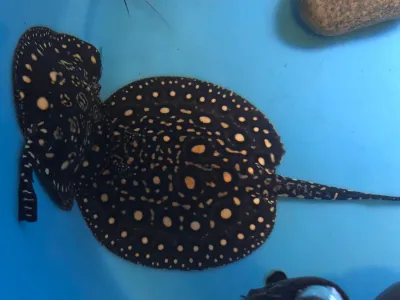
King Henlei x Black Diamond Hybrid
King Henlei x Black Diamond Hybrid
Price of shipping is not included.
$1 200.00
Out of stock
Wild Caught
Flatwhiskered Catfish - (Pinirampus pirinampu)
Flatwhiskered Catfish - (Pinirampus pirinampu)
Price of shipping is not included.
$350.00
Out of stock
Wild Caught
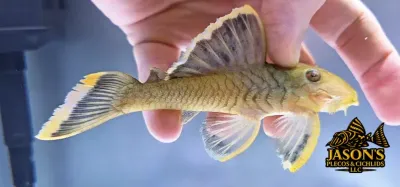
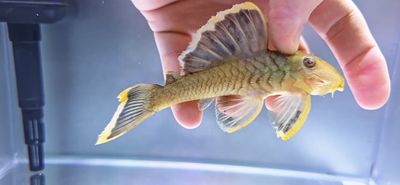
L047 Magnum Pleco - (Baryancistrus chrysolomus)
L047 Magnum Pleco - (Baryancistrus chrysolomus)
Price of shipping is not included.
was $80.00
Save 6%
$75.00
Out of stock
Wild Caught
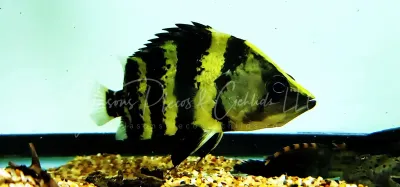
New Guinea Datnoid/NGT Datnoid - (Datnioides campbelli)
New Guinea Datnoid/NGT Datnoid - (Datnioides campbelli)
Price of shipping is not included.
was $250.00
Save 10%
$225.00
Out of stock
Wild Caught
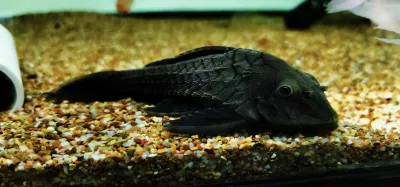
L152 Orinoco Pinecone Pleco - (Pseudorinelepis sp.)
L152 Orinoco Pinecone Pleco - (Pseudorinelepis sp.)
Price of shipping is not included.
$60.00
Out of stock
Wild Caught
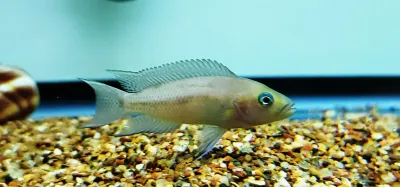
Neolamprologus cygnus
Neolamprologus cygnus
Price of shipping is not included.
$20.00
Out of stock
Captive Bred
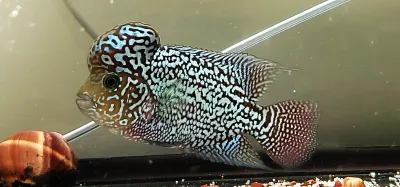
King Kamfa Flowerhorn
King Kamfa Flowerhorn
Price of shipping is not included.
$250.00
Out of stock
Wild Caught
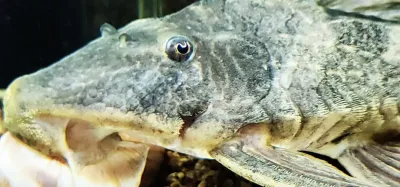
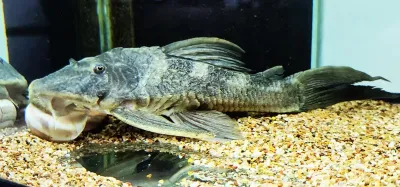
LDA054 Delta Pleco/Ternetzi Pleco - (Hypostomus ternetzi)
LDA054 Delta Pleco/Ternetzi Pleco - (Hypostomus ternetzi)
Price of shipping is not included.
$400.00
Out of stock
Wild Caught
Macropodus hongkongensis
Macropodus hongkongensis
Price of shipping is not included.
$10.00
Out of stock
Wild Caught
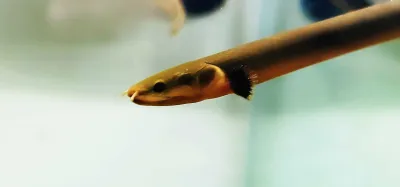
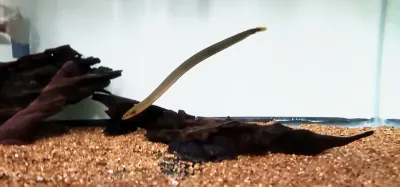
Rope Fish/Reed Fish - (Erpetoichthys calabaricus)
Rope Fish/Reed Fish - (Erpetoichthys calabaricus)
Price of shipping is not included.
$25.00
Out of stock
Wild Caught
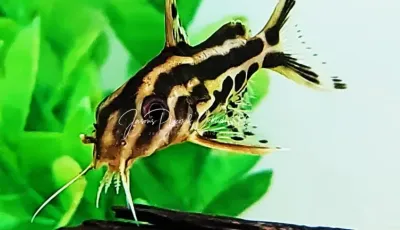
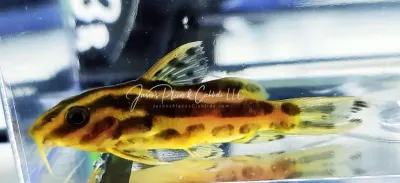
Pyjama Catfish - (Synodontis flavitaeniatus)
Pyjama Catfish - (Synodontis flavitaeniatus)
Price of shipping is not included.
$65.00
Out of stock
Powered by Lightspeed
Display prices in:USD