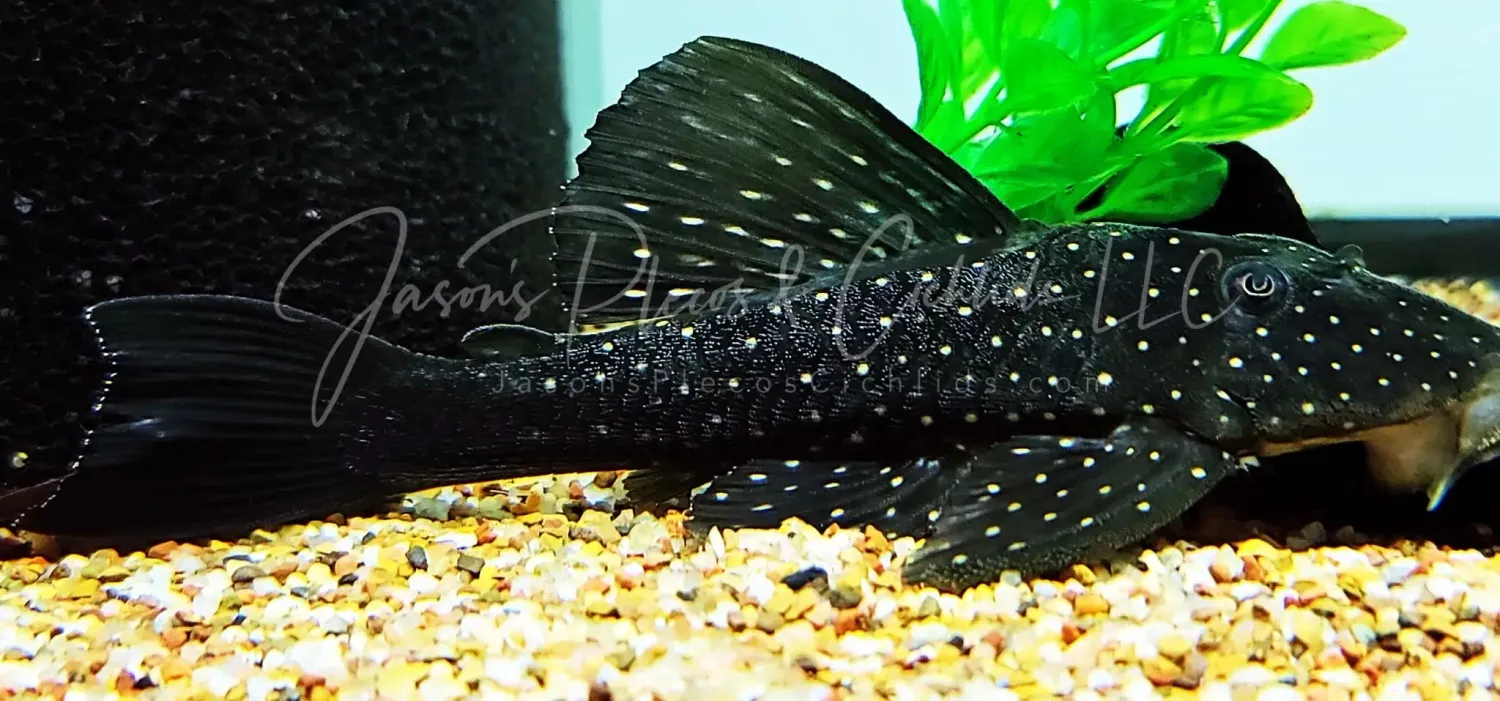
Phase I Luteus Pleco/Golden Sailfin Pleco - (Hypostomus Luteus)
$250.00
Sold out
was $300.00 Save 17%
Size
Questions, Comments, Concerns? Let us know!
Enter your text
Price of shipping is not included.
Sold out
Save this fish to my favorites.
Customer reviews
Reviews only from verified customers
No reviews yet. You can buy this product and be the first to leave a review.
Phase I Luteus Pleco/Golden Sailfin Pleco - (Hypostomus Luteus)
Fish Details, Description and Information Below:
🐟 Phase I Luteus Pleco / Golden Sailfin Pleco – (Hypostomus luteus) – Wild-Caught Upper Uruguay River Pleco
The Phase I Luteus Pleco, also known as the Golden Sailfin Pleco (Hypostomus luteus), is one of the most distinctive large South American plecos because of its dramatic natural color transformation.
A Phase I specimen typically displays a:
- Dark gray
- Charcoal
- Dark brown
- Nearly black
body covered with contrasting:
- Yellow spots
- Golden spots
- Pale yellow markings
while the fins may already begin developing stronger yellow or golden coloration.
As the fish matures, some individuals gradually lose much of the dark coloration and develop increasingly extensive golden-yellow pigmentation.
This transformation is commonly divided within the aquarium hobby into:
- Phase I – Dark body with yellow/gold spotting
- Phase II – Transitional black-and-gold coloration
- Phase III – Predominantly golden-yellow coloration
The timing of this transformation is highly variable.
A Phase I fish should not be purchased with the expectation that it will become completely golden by a particular:
- Size
- Age
- Date
- Growth stage
Some individuals transition much earlier than others, and large specimens may remain substantially dark for extended periods.
This listing is for:
WILD-CAUGHT PHASE I HYPOSTOMUS LUTEUS
🔎 Quick Facts – Phase I Luteus Pleco
- 📛 Common Name: Luteus Pleco
- 📛 Other Names: Golden Sailfin Pleco, Golden Pleco
- 🔬 Scientific Name: Hypostomus luteus
- 📚 Older Scientific Name: Plecostomus luteus
- 🐟 Family: Loricariidae
- 🧬 Subfamily: Hypostominae
- 🧬 Tribe: Hypostomini
- 🌿 Stock: Wild Caught
- 📏 Current Size: Approximately 5–6 inches
- 🎨 Current Color Stage: Phase I
- 🌎 Origin: South America
- 🌊 Native Drainage: Upper Rio Uruguay Basin
- 🇧🇷 Primary Scientific Range: Southern Brazil
- 🌊 Important Rivers: Rio Pelotas, Rio Canoas and upper Rio Uruguay system
- 📍 Type Locality: Rio Pelotas, Rio Grande do Sul, Brazil
- 💧 Water Type: Freshwater
- 🪨 Habitat: Rocky, flowing, highly oxygenated rivers
- 📏 Scientific Maximum: Approximately 40.5 cm / 15.9 inches total length
- 📏 Adult Planning Size: Approximately 16–18 inches
- 🏠 Minimum Permanent Adult Aquarium: Approximately 150 gallons
- 🏠 Preferred Adult Aquarium: 180+ gallons
- 📐 Recommended Aquarium Length: Approximately 6–7 feet or longer
- 🌡️ Temperature: Approximately 64–75°F
- 🌡️ Preferred General Range: Approximately 68–75°F
- ⚠️ Temperature Note: Avoid maintaining continuously at typical high tropical pleco temperatures
- 💧 pH: Approximately 6.0–7.5
- 💦 Hardness: Soft to moderately hard
- 💨 Oxygenation: High
- 🌊 Water Movement: Moderate to Strong
- 🍽️ Diet: Omnivorous Grazer with a Strong Plant / Biofilm Component
- 🌿 Vegetable / Algae Foods: Important
- 🦐 Animal / Insect Protein: Supplemental
- 🪵 Driftwood: Recommended for habitat and grazing surfaces
- 🚫 Wood Required for Digestion: No
- 🚫 Algae Cleaner: Should not be purchased solely for algae control
- 💩 Bioload: High
- 💨 Special Adaptation: Facultative air breathing occurs within the genus
- 😌 Temperament: Generally peaceful toward appropriately sized fish
- ⚠️ Pleco Temperament: Large adults may become territorial toward other bottom dwellers
- 🌙 Activity: Crepuscular / nocturnal, but established specimens may be visible during the day
- 🥚 Captive Breeding: Documented but uncommon and poorly documented
- ⭐ Care Level: Intermediate to Advanced
- 🌎 IUCN Status: Least Concern
- 📜 CITES: Not Listed / Not Evaluated by CITES
🎨 Understanding the Three Luteus Color Phases
The three-phase system is primarily an:
AQUARIUM-TRADE DESCRIPTION OF COLOR DEVELOPMENT
rather than three different species, subspecies, or genetic morphs.
All three phases are:
Hypostomus luteus
⚫ Phase I
Phase I is the darkest coloration.
Typical Phase I specimens display:
- Dark gray to black body
- Numerous yellow or golden spots
- Yellow coloration beginning in the fins
- Strong contrast between the body and markings
This listing is specifically for:
PHASE I
fish.
🟡 Phase II
During Phase II, yellow or golden pigmentation begins replacing increasingly large portions of the darker coloration.
A Phase II fish may display:
- Dark head
- Dark central body
- Golden tail
- Yellow fins
- Large yellow patches
- Mixed black-and-gold coloration
The transition is not perfectly uniform.
Some fish may appear:
Phase 1.5
or:
Phase 2.5
in informal aquarium terminology.
These are simply descriptive trade terms.
🌟 Phase III
Phase III describes fish in which most of the original dark coloration has been replaced by:
GOLDEN-YELLOW COLORATION
Some exceptional adults can become extremely bright:
- Yellow
- Gold
- Yellow-orange
through much of the body and fins.
⚠️ Phase Changes Are Not Guaranteed on a Schedule
One of the most important corrections to make on this page is how the phase transformation is described.
Phase progression often accompanies:
GROWTH AND MATURATION
but individual fish do not all transform at exactly the same size.
For example, the aquarium trade has documented:
- Large Phase I specimens
- Small or medium Phase II specimens
- Large Phase III specimens
Therefore:
DO NOT PROMISE THAT A PHASE I FISH WILL BECOME PHASE II OR PHASE III AT A PARTICULAR SIZE OR AGE.
⚠️ Purchasing Phase I
When purchasing a Phase I Luteus Pleco, the customer should purchase it because they are comfortable owning:
THE FISH IN ITS CURRENT COLORATION
The possibility of later golden transformation is part of the appeal, but future:
- Color
- Phase
- Timing
- Amount of yellow
- Adult contrast
cannot be guaranteed.
🎨 Every Luteus Is Different
Individual Phase I specimens may differ in:
- Number of spots
- Spot size
- Fin coloration
- Amount of yellow
- Body darkness
- Rate of color transition
This variation is normal.
🌎 Native Distribution
Hypostomus luteus is native to the:
UPPER RIO URUGUAY BASIN
in southern South America.
Scientific records particularly include southern:
BRAZIL
within the states of:
- Rio Grande do Sul
- Santa Catarina
🌊 Important Native Rivers
Scientific and specialist records include:
- Rio Pelotas
- Rio Canoas
- Rio Uruguay
- Additional tributaries within the upper Uruguay system
📍 Type Locality
The type locality of Hypostomus luteus is:
RIO PELOTAS
at:
VOLTA GRANDE DOIS
near:
MARCELINO RAMOS, RIO GRANDE DO SUL, BRAZIL
🇦🇷 Argentina Trade Fish
Luteus Plecos are also frequently exported or marketed through the:
BRAZIL–ARGENTINA UPPER URUGUAY REGION
Your store has previously carried specimens specifically identified as:
ARGENTINA
When a collection country or locality is known for a particular specimen, that information should be preserved on that individual product listing.
🪨 Natural Habitat
The upper Uruguay system differs from many tropical Amazonian pleco habitats.
Luteus occurs in:
- Large rivers
- Rocky channels
- Flowing water
- Rapids
- Stones and boulders
- Oxygen-rich environments
This is an important reason the species should receive:
GOOD CURRENT + HIGH OXYGEN
🌡️ A Cooler-Water Pleco
This is one of the most important characteristics of Hypostomus luteus.
Many collectible South American plecos thrive around:
80–86°F
The Luteus Pleco does:
NOT
require those temperatures.
A much more appropriate long-term range is:
64–75°F / 18–24°C
⚠️ Do Not Keep It Like a Xingu Pleco
Species such as:
- L046 Zebra Pleco
- L066 King Tiger Pleco
- L333
- Many Baryancistrus
- Many Hypancistrus
are adapted to much warmer water.
The Luteus Pleco comes from a:
COOLER SOUTHERN RIVER SYSTEM
and should be housed accordingly.
🌡️ Recommended Aquarium Temperature
A practical range is:
68–75°F
with healthy established fish tolerating some seasonal variation within the broader:
64–75°F
specialist range.
⚠️ Avoid Constant High Temperatures
I would not recommend maintaining Luteus long-term at:
- 82°F
- 84°F
- 86°F
as might be appropriate for many tropical L-number plecos.
Temperatures above roughly:
78–80°F
should not be the normal permanent target.
💨 High Oxygenation
The natural combination of:
- Flowing water
- Rocky habitat
- Cooler water
means Luteus should receive:
HIGH DISSOLVED OXYGEN
Use:
- Strong surface agitation
- Air stones
- Powerheads
- Canister-filter returns
- Sump returns
- Circulation pumps
🌊 Water Movement
Provide:
MODERATE TO STRONG WATER MOVEMENT
with protected resting areas behind:
- Rocks
- Driftwood
- Large caves
The entire aquarium does not need maximum current.
Create:
FLOWING AREAS + CURRENT BREAKS
💧 Water Parameters
A practical long-term range is:
- 🌡️ Temperature: Approximately 64–75°F
- 💧 pH: Approximately 6.0–7.5
- 💦 Hardness: Soft to moderately hard
- 💨 Oxygenation: High
- 🌊 Water Movement: Moderate to Strong
- ☠️ Ammonia: 0 ppm
- ☠️ Nitrite: 0 ppm
- 🔄 Nitrate: Keep reasonably low
Stable conditions are more important than constantly adjusting water chemistry.
📏 Adult Size – Important Update
The older listing gives approximately:
12–14 INCHES
as the adult maximum.
That is slightly too conservative.
FishBase documents Hypostomus luteus at:
40.5 CM / APPROXIMATELY 15.9 INCHES TOTAL LENGTH
and specialist aquarium records commonly place adults around:
40–45 CM
📏 Responsible Adult Planning Size
For long-term planning:
EXPECT APPROXIMATELY 16–18 INCHES
This is a:
LARGE PLECO
with a broad head, strong fins, heavy armor, and substantial waste production.
🏠 Permanent Aquarium Size
The older recommendation of:
75 GALLONS
is not appropriate as permanent housing for a 16–18 inch adult.
For a mature specimen:
150 GALLONS SHOULD BE CONSIDERED A PRACTICAL MINIMUM
with:
180+ GALLONS PREFERRED
📐 Aquarium Length
Specialist references recommend aquariums approximately:
200 CM / 6.5 FEET LONG
for adult Hypostomus luteus.
Therefore:
6–7 FEET OR LONGER
is a strong permanent-housing target.
📐 Width Is Important Too
A large armored pleco needs enough front-to-back room to:
- Turn comfortably
- Extend its fins
- Move around rocks
- Establish territory
Choose:
LONG + WIDE
rather than simply tall.
🪨 Aquarium Setup
A suitable Luteus aquarium should contain:
- Large smooth rocks
- Rounded boulders
- Slate
- Heavy driftwood
- Large shelters
- Sand or smooth gravel
- Open grazing surfaces
- Strong filtration
- High oxygenation
- Moderate to strong circulation
⚠️ Secure Heavy Décor
A mature Hypostomus luteus is:
- Large
- Strong
- Heavily armored
Loose:
- Rocks
- Wood
- Decorations
can be pushed or shifted.
Make sure décor cannot collapse onto the fish.
🪵 Driftwood
Driftwood is useful for:
- Shelter
- Shade
- Biofilm
- Grazing surfaces
- Territorial boundaries
- Environmental enrichment
However:
DO NOT CLAIM THAT HYPOSTOMUS LUTEUS NEEDS WOOD SPECIFICALLY FOR DIGESTION.
It should receive a balanced diet rather than relying on wood.
🍽️ Diet – Omnivorous Grazer
Specialist references classify Hypostomus luteus as primarily:
OMNIVOROUS
with a strong grazing component.
The captive diet should include:
PLANT / ALGAE / BIOFILM FOODS
along with modest:
ANIMAL OR INSECT PROTEIN
🌿 Plant & Algae Foods
Suitable foods include:
- Quality algae wafers
- Spirulina wafers
- Vegetable-based sinking pellets
- Fiber-rich pleco foods
- Quality gel diets
🥒 Fresh Vegetables
Suitable vegetable foods may include:
- Zucchini
- Squash
- Pumpkin
- Green beans
- Peas
- Sweet potato
- Appropriate leafy greens
Remove leftovers before they decompose.
🦐 Supplemental Protein
Protein foods may include occasional:
- Mysis shrimp
- Bloodworms
- Insect larvae
- Brine shrimp
- Insect-based sinking pellets
- Quality omnivore foods
Protein should add:
VARIETY
rather than dominate the diet.
🚫 Avoid an Extremely Meat-Heavy Diet
Luteus should not be fed like a:
- Vampire Pleco
- Cactus Pleco
- Predatory catfish
A diet dominated by:
- Shrimp
- Mussels
- High-protein carnivore pellets
is unnecessary.
🚫 Not Just an Algae Cleaner
Luteus will graze:
- Algae
- Biofilm
- Organic growth
but:
DO NOT PURCHASE THIS FISH SIMPLY TO CLEAN AN AQUARIUM
A 16–18 inch adult creates substantial waste and requires intentional feeding.
💩 High Bioload
A mature Luteus Pleco can produce:
A LARGE AMOUNT OF WASTE
Strong filtration is essential.
💩 Filtration
Recommended filtration may include:
- Large canister filters
- Sump filtration
- Strong mechanical filtration
- High-capacity biological filtration
- Prefilters
- Strong surface agitation
Maintain:
AMMONIA = 0
and:
NITRITE = 0
at all times.
🔄 Water Changes
Regular partial water changes are essential.
The exact schedule depends on:
- Aquarium size
- Fish size
- Feeding
- Stocking
- Filtration
- Nitrate production
💨 Facultative Air Breathing
FishBase documents facultative air-breathing ability within the genus:
Hypostomus
A fish may occasionally:
- Rise toward the surface
- Gulp air
- Return to the bottom
This does not mean poor oxygen or dirty water is acceptable.
😌 Temperament
Luteus is generally:
PEACEFUL TOWARD APPROPRIATELY SIZED MIDWATER FISH
Potential tankmates can include species that tolerate the same:
COOLER TEMPERATURE RANGE
⚠️ Temperature Compatibility Comes First
Many popular large tropical fish prefer warmer conditions than Hypostomus luteus.
Before selecting tankmates, make sure they are comfortable around:
68–75°F
rather than choosing tankmates based only on body size.
⚠️ Territorial With Other Large Plecos
Mature adults may become territorial around:
- Shelters
- Feeding areas
- Preferred resting locations
especially with:
- Other Hypostomus
- Other Luteus Plecos
- Large loricariids
👥 Multiple Luteus Plecos
More than one adult requires:
- Very large aquarium
- Extensive floor space
- Numerous shelters
- Multiple feeding areas
- Strong filtration
Juveniles may coexist more easily than large mature males.
🌙 Activity
The Luteus Pleco is generally:
CREPUSCULAR / NOCTURNAL
but established specimens can become surprisingly visible during daylight.
Many individuals learn to:
- Feed in the open
- Rest on rocks
- Display their large dorsal fin
- Watch activity around the aquarium
🧪 Wild-Caught Acclimation
This listing is for:
WILD-CAUGHT PHASE I LUTEUS PLECOS
After arrival:
- Provide immediate shelter
- Maintain strong oxygenation
- Keep lighting subdued initially
- Avoid abrupt temperature changes
- Avoid abrupt pH changes
- Maintain excellent filtration
- Confirm feeding
⚠️ Avoid Acclimating Into Very Warm Water
One particularly important point for newly arrived Luteus is temperature.
Do not automatically acclimate this fish into:
82–86°F WATER
simply because that is common for other collectible plecos.
Match the specimen's holding temperature and make changes gradually.
🍽️ Confirm Feeding
Offer food:
- Near shelter
- At dusk
- After lights dim
- In several areas
Monitor:
- Belly condition
- Body weight
- Activity
- Respiration
♂️ Male vs. Female
Reliable sexing can be difficult.
Mature males may develop:
- Stronger odontodes
- Broader head structure
- More pronounced fin-spine development
Females may appear:
- Fuller through the abdomen
especially when reproductively mature.
However:
DO NOT GUARANTEE SEX BASED ON APPEARANCE ALONE
Unless confidently identified:
SELL AS UNSEXED
🥚 Captive Breeding – Documented but Uncommon
Older aquarium information frequently states that:
LUTEUS HAS NEVER BEEN CAPTIVE BRED
That is now outdated.
Captive reproduction has been reported, including specialized breeding efforts in Asia.
However:
BREEDING REMAINS UNCOMMON
and detailed species-specific breeding information is still limited.
⚠️ Do Not Market Luteus as an Easy Breeder
I would not publish precise claims for:
- Exact clutch size
- Guaranteed spawning temperature
- Exact incubation period
- Simple breeding formula
unless supported by a documented breeding line.
The safest wording is:
CAPTIVE BREEDING HAS BEEN ACHIEVED, BUT REMAINS UNCOMMON AND POORLY DOCUMENTED.
🌎 Conservation Status
Hypostomus luteus is currently assessed as:
LEAST CONCERN
on the IUCN Red List.
FishBase gives the current global assessment date as:
NOVEMBER 7, 2018
📉 Low Population Resilience
FishBase models the species as having:
LOW POPULATION RESILIENCE
with an estimated population-doubling time of roughly:
4.5–14 YEARS
This is a modeled biological estimate rather than an aquarium growth estimate.
It reinforces the value of responsible care for wild-caught fish.
📜 CITES
Hypostomus luteus is:
NOT CURRENTLY LISTED UNDER CITES
based on the currently available FishBase/CITES information.
This is very different from a species such as:
L046 Hypancistrus zebra
which has specific international CITES trade controls.
⭐ Why Keep a Phase I Luteus Pleco?
The Phase I Luteus combines:
- ⚫ Dramatic dark juvenile coloration
- 🟡 Golden-yellow spotting
- 🌟 Fascinating natural color transformation
- ⛵ Impressive dorsal fin
- 🌊 Upper Uruguay River origin
- ❄️ Unusual cooler-water pleco husbandry
- 📏 Approximately 16–18 inch adult potential
- 🌿 Interesting grazing behavior
- 💨 Strong river adaptation
- 🧬 Valid scientific species identity
into one of the most distinctive large plecos available to experienced aquarists.
⚠️ Important Considerations
Before purchasing a Phase I Luteus Pleco:
- The correct scientific name is Hypostomus luteus.
- Older literature may use Plecostomus luteus.
- This listing is for wild-caught fish.
- The current specimens are approximately 5–6 inches.
- Phase I means the fish currently retains predominantly dark coloration with yellow/golden spotting.
- Phase II represents transitional black-and-gold coloration.
- Phase III represents predominantly golden coloration.
- The phase terms describe color development, not separate species.
- Do not guarantee when a fish will change phase.
- Do not guarantee that a Phase I fish will become fully golden by a particular size or age.
- Luteus originates from the upper Rio Uruguay Basin.
- The type locality is the Rio Pelotas in southern Brazil.
- This species should be kept cooler than most collectible tropical plecos.
- Maintain approximately 64–75°F.
- Approximately 68–75°F is an excellent general aquarium target.
- Do not routinely maintain at 82–86°F.
- Maintain high dissolved oxygen.
- Provide moderate to strong current.
- FishBase documents approximately 40.5 cm / 15.9 inches total length.
- Plan for approximately 16–18 inches.
- Do not use 12–14 inches as a hard adult maximum.
- Provide approximately 150 gallons minimum for permanent adult housing.
- 180+ gallons is preferred.
- A 6–7 foot aquarium is strongly recommended.
- Prioritize aquarium width as well as length.
- Provide substantial rocks, shelter, and driftwood.
- Feed an omnivorous grazing diet.
- Provide regular algae-, biofilm-, and vegetable-based foods.
- Provide modest supplemental animal or insect protein.
- Do not feed an excessively meat-heavy diet.
- Do not purchase Luteus simply as an algae cleaner.
- Do not claim driftwood is required specifically for digestion.
- Expect high waste production from adults.
- Use powerful mechanical and biological filtration.
- Mature fish may become territorial toward other large plecos.
- Captive breeding has been achieved but remains uncommon.
- The species is currently Least Concern.
- Never release aquarium fish into natural waterways.
🧬 Taxonomy
The currently accepted scientific name is:
Hypostomus luteus (Godoy, 1980)
Classification:
- Order: Siluriformes
- Family: Loricariidae
- Subfamily: Hypostominae
- Tribe: Hypostomini
- Genus: Hypostomus
- Species: luteus
Original scientific combination:
Plecostomus luteus
Native range:
UPPER RIO URUGUAY BASIN
For this product, use:
Phase I Luteus Pleco / Golden Sailfin Pleco – (Hypostomus luteus)
🎨 Phase Disclaimer
The Phase I, Phase II, and Phase III terminology describes the changing coloration observed in Hypostomus luteus.
Individual fish can transition at different rates.
The seller cannot guarantee:
- When a Phase I fish will transition
- Whether a transition will occur at a particular size
- Exact future coloration
- The amount of yellow or gold an individual will develop
The fish is sold according to its:
CURRENT APPEARANCE AND CURRENT PHASE
at the time of sale.
🚚 Live Fish Shipping
Live fish are professionally packed for safe transport.
Shipping availability depends on:
- Fish size
- Destination
- Weather conditions
- Carrier availability
- Applicable state and local regulations
Larger Luteus Plecos may require:
- Larger insulated boxes
- Additional water
- Heavy-duty bags
- Multiple protective bag layers
- Specialized packing
- Airline cargo shipping depending on size and destination
Large specimens require extra care because of their:
- Strong pectoral spines
- Strong dorsal spine
- Heavy armored body
Please review our Shipping & Payment Information and Live Arrival Guarantee / DOA Policy before ordering.
⚠️ Buyer Responsibility
Customers are responsible for confirming that Hypostomus luteus may legally be purchased, possessed, transported, and received in their state or local jurisdiction before ordering.
Never release aquarium fish into natural waterways.
Below are fish you may also like.
Wild Caught
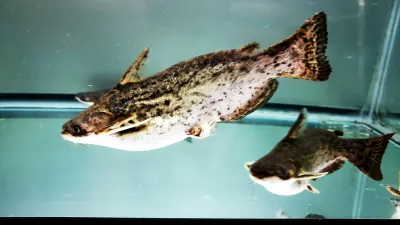
Fisher's Woodcat - (Trachelyopterus fisheri)
Fisher's Woodcat - (Trachelyopterus fisheri)
Price of shipping is not included.
$40.00
Out of stock
Wild Caught
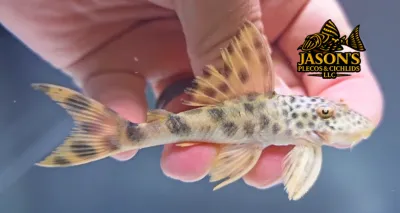
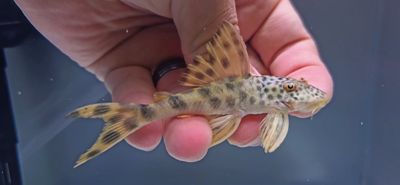
L075 Para Pleco - (Peckoltia sabaji)
L075 Para Pleco - (Peckoltia sabaji)
Price of shipping is not included.
5.0
(3)
was $60.00
Save 17%
$50.00
Captive Bred
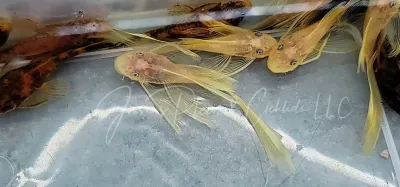
Blue Eyed Longfin Bushynose - (Ancistrus sp.)
Blue Eyed Longfin Bushynose - (Ancistrus sp.)
Price of shipping is not included.
$25.00
Out of stock
Wild Caught
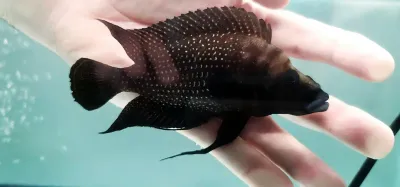
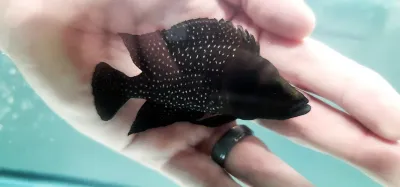
Ink Fin Calvus - (Altolamprologus calvus) - Breeding Pair
Ink Fin Calvus - (Altolamprologus calvus) - Breeding Pair
Price of shipping is not included.
$250.00
Out of stock
Wild Caught
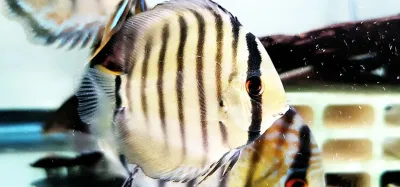
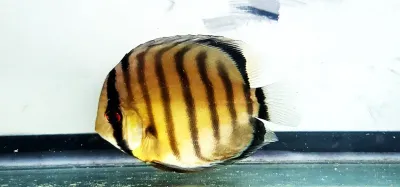
Brown Discus - (Symphysodon aequifasciatus)
Brown Discus - (Symphysodon aequifasciatus)
Price of shipping is not included.
$40.00
Out of stock
Wild Caught
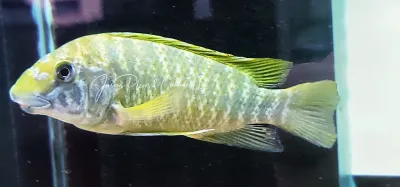
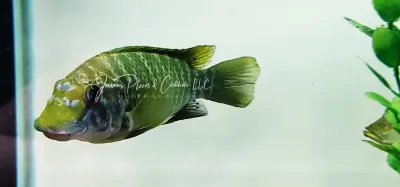
Petrochromis Macrognathus Moshi
Petrochromis Macrognathus Moshi
Price of shipping is not included.
$90.00
Out of stock
Captive Bred
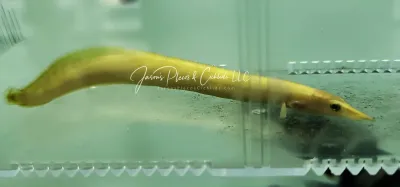
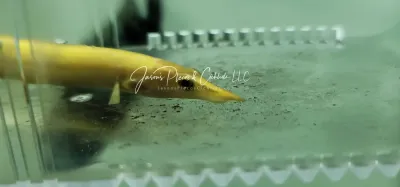
Golden Unicolor Eel - (Mastacembalus cf. unicolor ‘xanthic’)
Golden Unicolor Eel - (Mastacembalus cf. unicolor ‘xanthic’)
Price of shipping is not included.
$350.00
Out of stock
Captive Bred
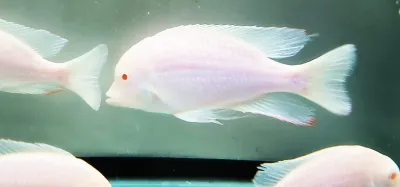
Albino Hap Moorii/Blue Dolphin - (Cyrtocara moorii)
Albino Hap Moorii/Blue Dolphin - (Cyrtocara moorii)
Price of shipping is not included.
$50.00
Out of stock
Wild Caught
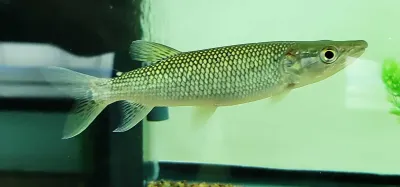
African Pike Characin - (Hepsetus odoe)
African Pike Characin - (Hepsetus odoe)
Price of shipping is not included.
$75.00
Out of stock
Captive Bred
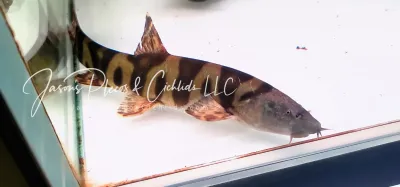
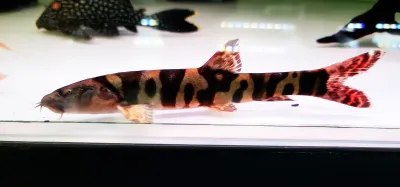
Imperial Flower Loach - (Leptobotia elongata)
Imperial Flower Loach - (Leptobotia elongata)
Price of shipping is not included.
$150.00
Out of stock
Wild Caught
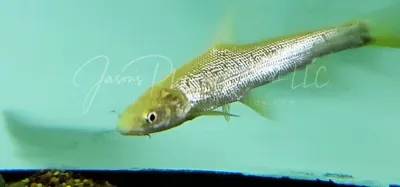
Albino Aral Barbel - (Luciobarbus Brachycephalus)
Albino Aral Barbel - (Luciobarbus Brachycephalus)
Price of shipping is not included.
$60.00
Out of stock
Wild Caught
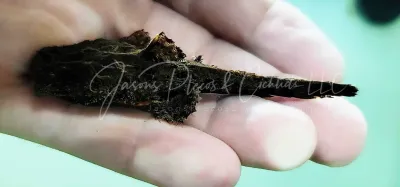
Frogmouth Catfish - (Chaca chaca)
Frogmouth Catfish - (Chaca chaca)
Price of shipping is not included.
was $50.00
Save 40%
$30.00
Out of stock
Powered by Lightspeed
Display prices in:USD